Hawaii Letter from Landlord to Tenant about time of intent to enter premises

State:
Hawaii
Control #:
HI-1021LT
Format:
Word; 
Rich Text
Instant download

Overview of this form

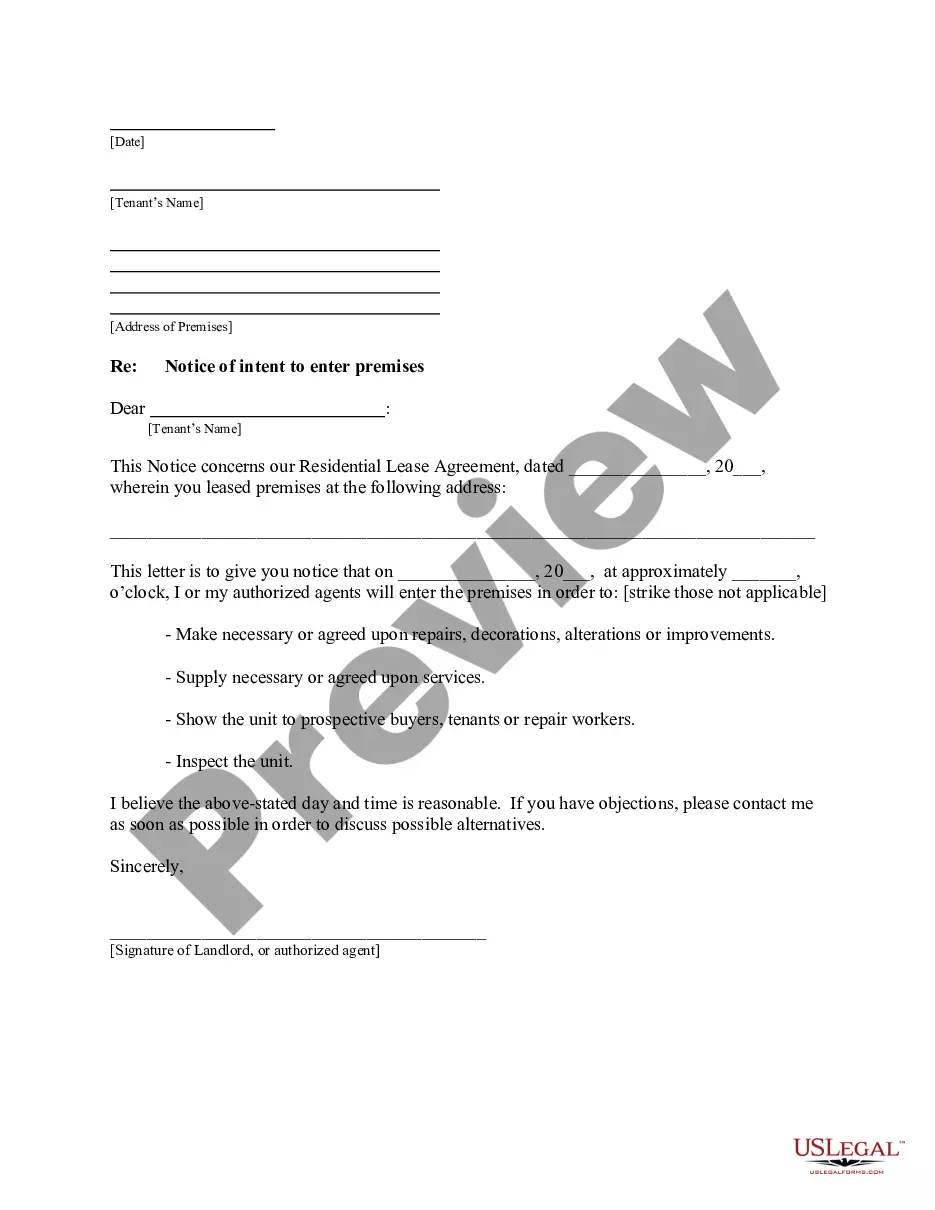
This form is a notice from the landlord to the tenant regarding the landlord's intent to enter the premises. It serves as a formal communication about when the landlord will be entering the property, distinguishing it from other tenancy-related notifications. This is important for maintaining clear boundaries and respect for the tenant's space while fulfilling the landlord’s responsibilities, such as repairs and inspections.

Key parts of this document

  • Identification of the residential lease agreement and premises address.
  • Date and time of the intended entry.
  • Purpose for entering the premises, including necessary repairs and inspections.
  • Landlord’s contact information for tenant objections.
  • Signature of the landlord or authorized agent.
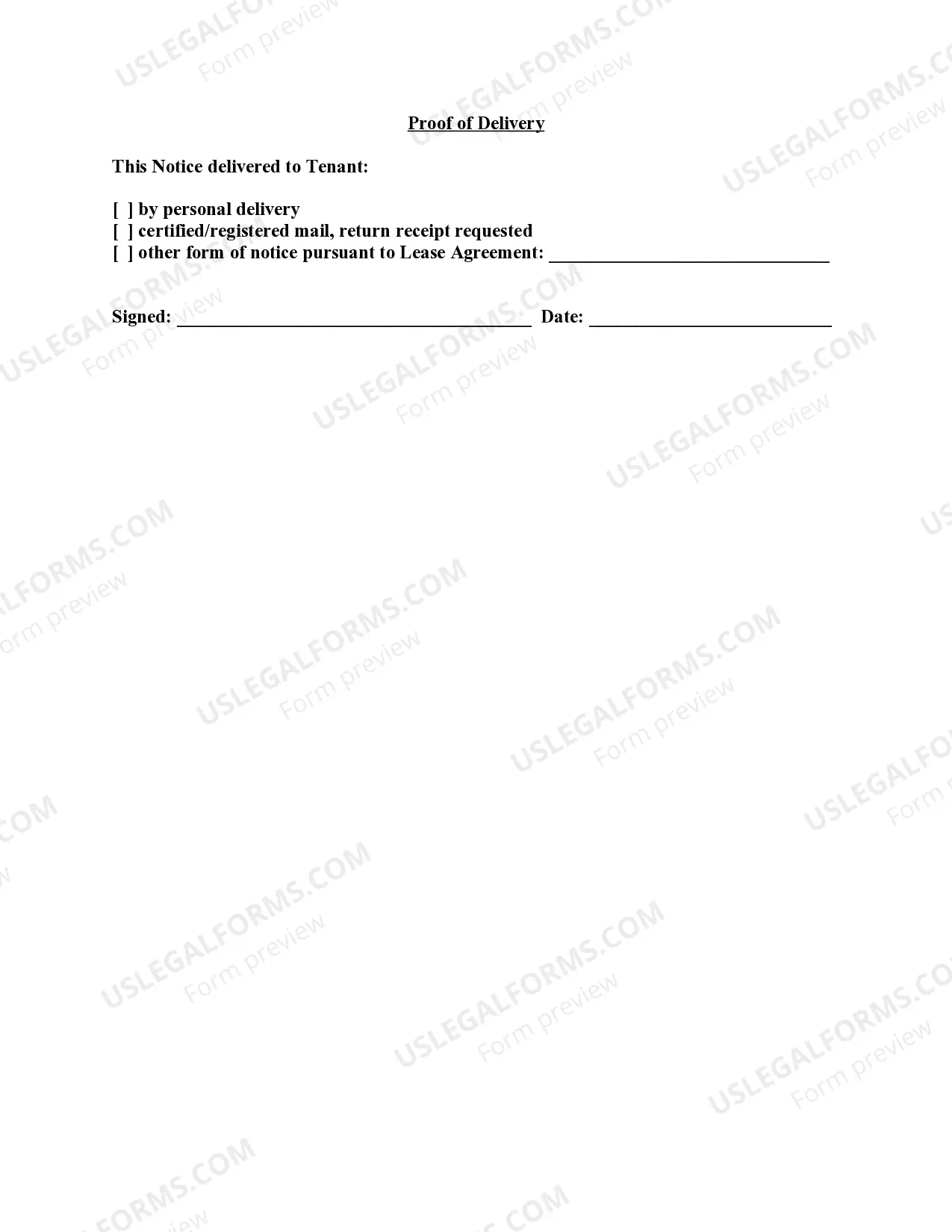
  • Proof of delivery methods.
Free preview
  • Preview Letter from Landlord to Tenant about time of intent to enter premises
  • Preview Letter from Landlord to Tenant about time of intent to enter premises

Common use cases

This notice should be used when a landlord needs to enter a tenant's unit for reasons such as making repairs, conducting inspections, or showing the residence to potential buyers or tenants. It is essential to inform the tenant about the timing and purpose of entry to ensure compliance with landlord-tenant laws and maintain good communication.

Who this form is for

This form is intended for:

  • Landlords who manage residential properties.
  • Property managers acting on behalf of landlords.
  • Any authorized agents of landlords who need to enter rental premises.

How to prepare this document

  • Fill in the date of the residential lease agreement and the complete address of the rental property.
  • Specify the date and time the landlord intends to enter the premises.
  • Select the purpose of entry by striking through the non-applicable options provided.
  • Include contact information for the landlord or agent in case the tenant has objections.
  • Sign the form as the landlord or authorized agent to make it official.
  • Provide proof of delivery to the tenant using one of the specified methods.

Notarization requirements for this form

This form does not typically require notarization unless specified by local law. It is advisable for landlords to check their jurisdiction's regulations to ensure compliance with all requirements.

Get your form ready online

Our built-in tools help you complete, sign, share, and store your documents in one place.

Built-in online Word editor

Make edits, fill in missing information, and update formatting in US Legal Forms—just like you would in MS Word.

Export easily

Download a copy, print it, send it by email, or mail it via USPS—whatever works best for your next step.

E-sign your document

Sign and collect signatures with our SignNow integration. Send to multiple recipients, set reminders, and more. Go Premium to unlock E-Sign.

Notarize online 24/7

If this form requires notarization, complete it online through a secure video call—no need to meet a notary in person or wait for an appointment.

Store your document securely

We protect your documents and personal data by following strict security and privacy standards.

Form selector

Make edits, fill in missing information, and update formatting in US Legal Forms—just like you would in MS Word.

Form selector

Download a copy, print it, send it by email, or mail it via USPS—whatever works best for your next step.

Form selector

Sign and collect signatures with our SignNow integration. Send to multiple recipients, set reminders, and more. Go Premium to unlock E-Sign.

Form selector

If this form requires notarization, complete it online through a secure video call—no need to meet a notary in person or wait for an appointment.

Form selector

We protect your documents and personal data by following strict security and privacy standards.

Common mistakes to avoid

  • Failing to provide adequate notice as required by state laws.
  • Not specifying the reason for entering the premises.
  • Leaving out essential details like dates, times, and signatures.
  • Using improper delivery methods that do not comply with the lease agreement.

Benefits of completing this form online

  • Convenience of downloading and completing the form at your own pace.
  • Editable templates that allow for customization to fit specific needs.
  • Access to legally vetted documents drafted by licensed attorneys.

Looking for another form?

This field is required
Virginia
Select state

Form popularity

FAQ

A letter of intent to enter is a formal communication from a landlord to a tenant, specifying the intention to enter the leased premises. This letter includes important details such as the purpose and timing of the entry. It's crucial for maintaining clear communication and respecting the tenant's rights. For an effective approach, consider using the Hawaii Letter from Landlord to Tenant about time of intent to enter premises.

If you feel that your landlord is acting unlawfully, you can report them to the Hawaii Department of Commerce and Consumer Affairs. Documentation, such as communications or notices, is essential in supporting your case. Be sure to keep a record of any relevant interactions. The Hawaii Letter from Landlord to Tenant about time of intent to enter premises can serve as evidence in disputes.

In Arizona, landlords generally cannot enter the property without the tenant's permission, except in emergencies. They must provide notice and a valid reason for entry, which includes repairs or inspections. It is important for both parties to be aware of their rights to prevent conflicts. The Hawaii Letter from Landlord to Tenant about time of intent to enter premises illustrates how clear communication can prevent misunderstandings.

A 48-hour notice of intent to enter is a notification that a landlord provides to a tenant indicating their plan to enter the premises within two days. This notice is typically required for non-emergency situations. It gives tenants ample time to prepare and ensures their privacy is respected. Employing the Hawaii Letter from Landlord to Tenant about time of intent to enter premises can help ensure that you meet this requirement effectively.

A letter of intent to a tenant outlines the landlord's intention to take specific actions, such as entering the property or making changes to the lease agreement. It serves as a formal notification and ensures that tenants are aware of upcoming changes. This letter should be clear and concise to avoid misunderstandings. The use of the Hawaii Letter from Landlord to Tenant about time of intent to enter premises is a great way to formalize these intentions.

An effective letter to a tenant regarding inspection should clearly state the purpose, date, and time of the inspection. For instance, it could read, 'Dear Tenant's Name, I will be entering the premises on Date at Time to conduct a routine inspection. Thank you for your cooperation.' This ensures transparency and fosters a better landlord-tenant relationship. Using a template like the Hawaii Letter from Landlord to Tenant about time of intent to enter premises can simplify this process.

Section 48 generally refers to landlord-tenant laws that outline the rights and responsibilities of both parties. It covers various aspects, including notice periods for entry and other legal obligations. Understanding these terms is crucial for both landlords and tenants to avoid disputes. For specific regulations in Hawaii, consult resources such as the Hawaii Letter from Landlord to Tenant about time of intent to enter premises.

In Hawaii, a landlord must provide at least 24 hours’ notice before entering a tenant's property. This notice must specify the date and time of entry. However, the landlord must have a valid reason for entering, such as maintenance or repairs. Utilizing the Hawaii Letter from Landlord to Tenant about time of intent to enter premises can help you ensure compliance with these regulations.

Landlord harassment in Hawaii refers to any actions taken by a landlord that interfere with a tenant's right to enjoy their rental property. This includes frequent, unwanted visits without notice, as addressed in a Hawaii Letter from Landlord to Tenant about time of intent to enter premises. Harassment can also include threats or attempts to force a tenant to vacate. If you feel your landlord is engaging in such behavior, it's important to document incidents and seek legal support.

In Hawaii, landlords must adhere to specific laws that protect tenant rights. For instance, they cannot unlawfully enter a tenant's unit without proper notice, as stated in a Hawaii Letter from Landlord to Tenant about time of intent to enter premises. Additionally, landlords must not retaliate against tenants for exercising their legal rights, such as filing complaints. It's essential to be aware of these limitations to ensure your rights are safeguarded.

Trusted and secure by over 3 million people of the world’s leading companies

Hawaii Letter from Landlord to Tenant about time of intent to enter premises