Missouri Discovery Interrogatories from Defendant to Plaintiff with Production Requests
What is this form?
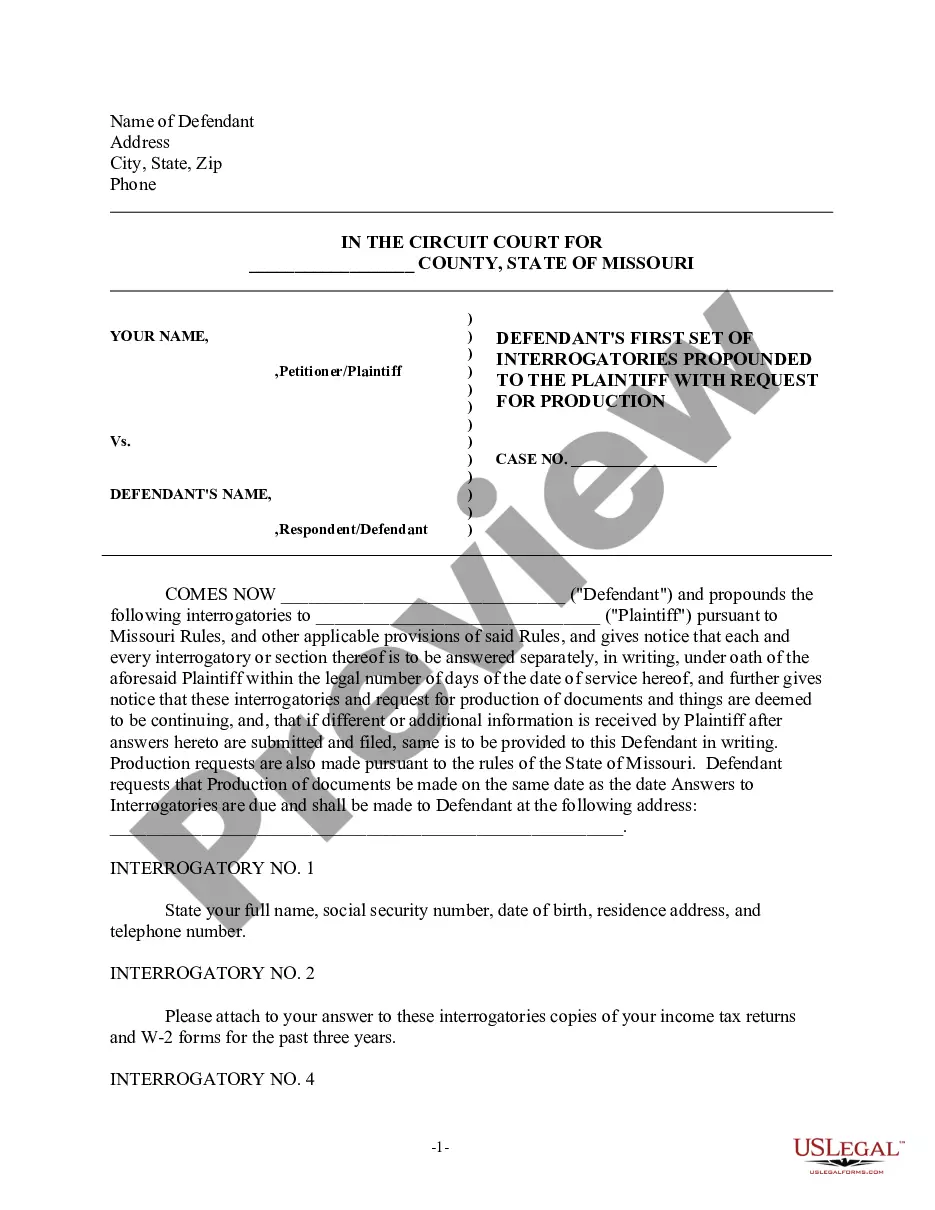
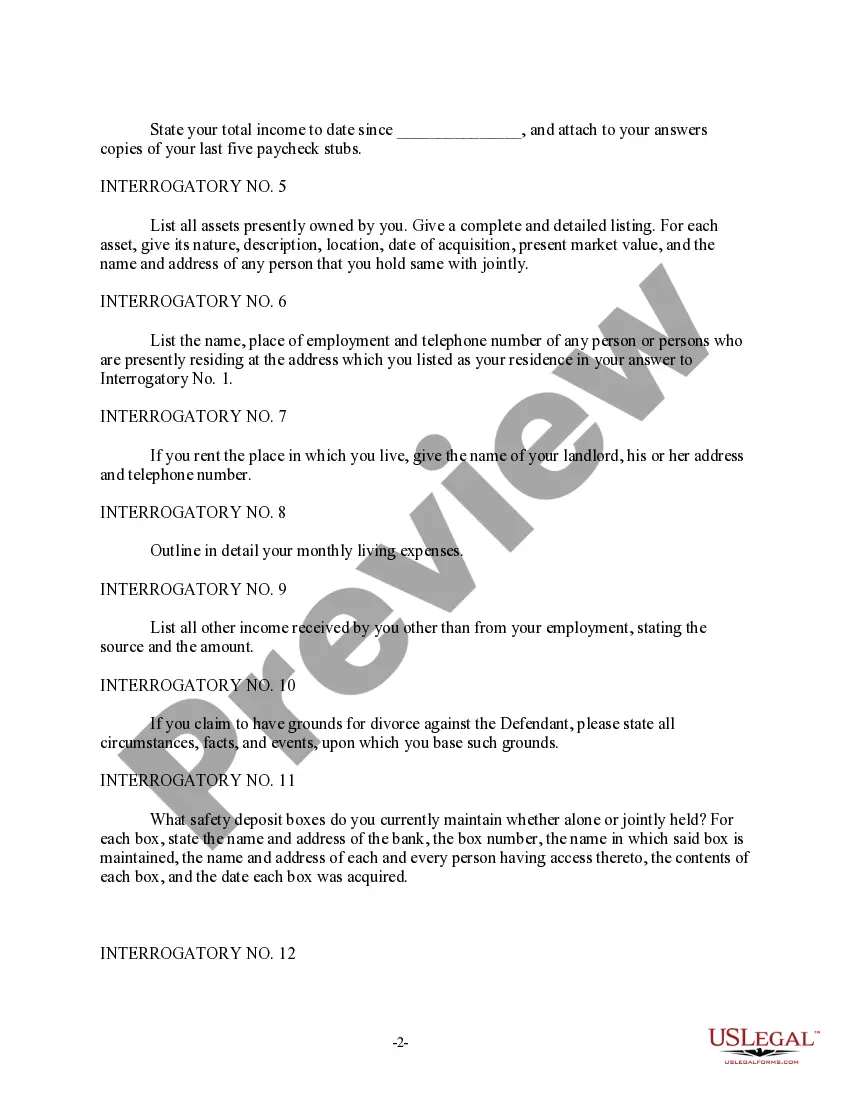
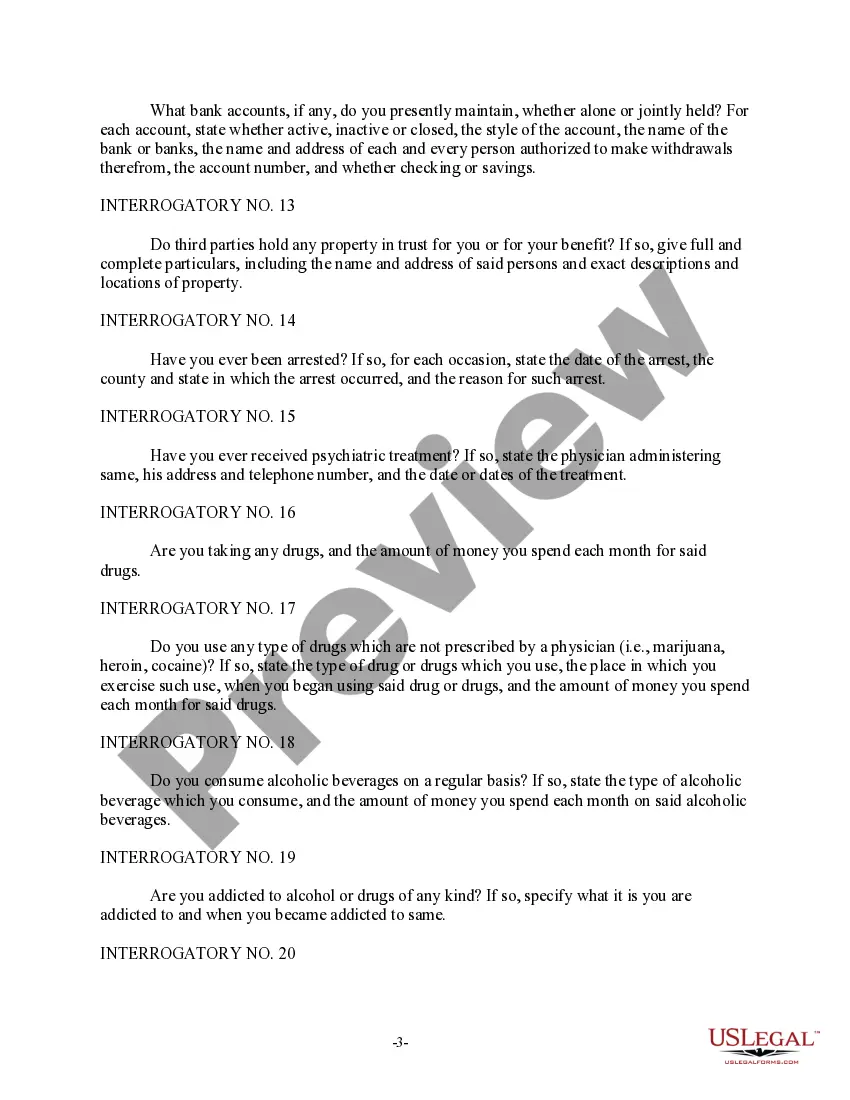
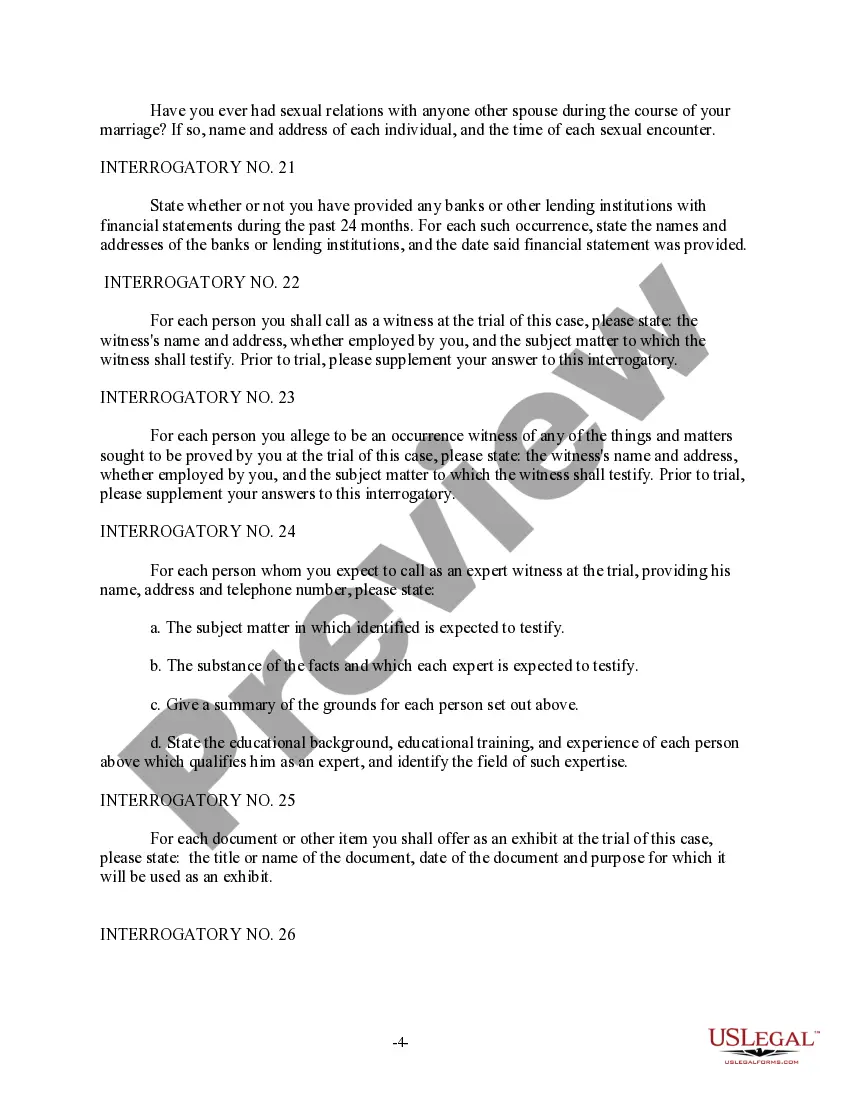
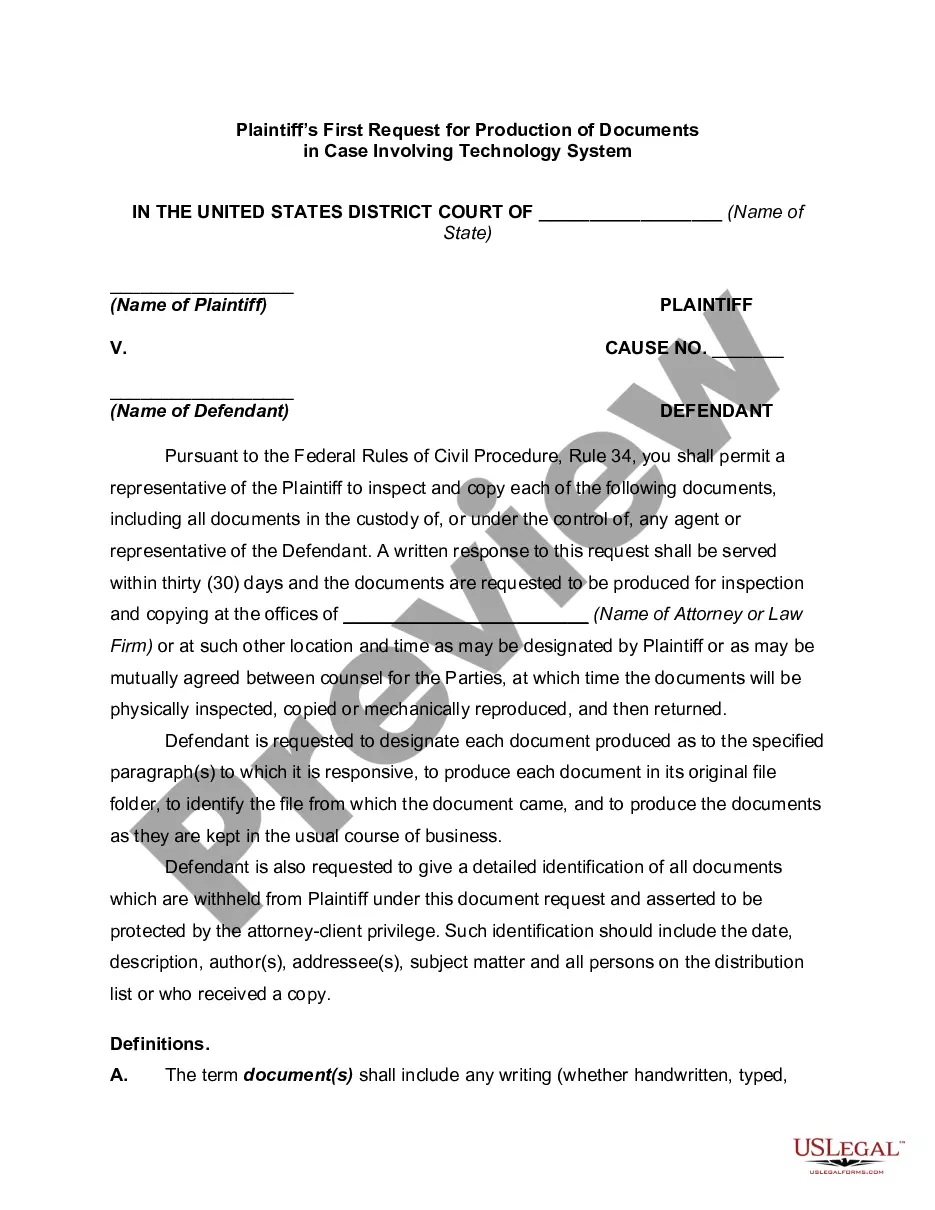
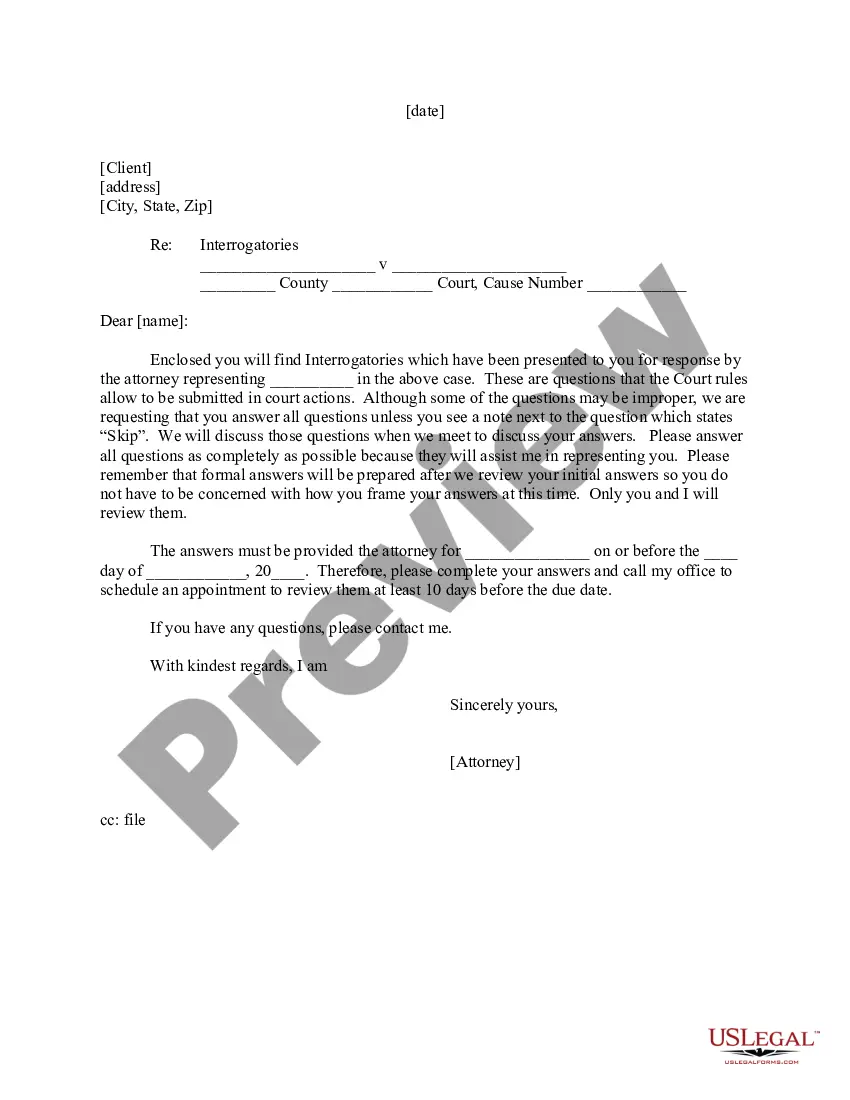
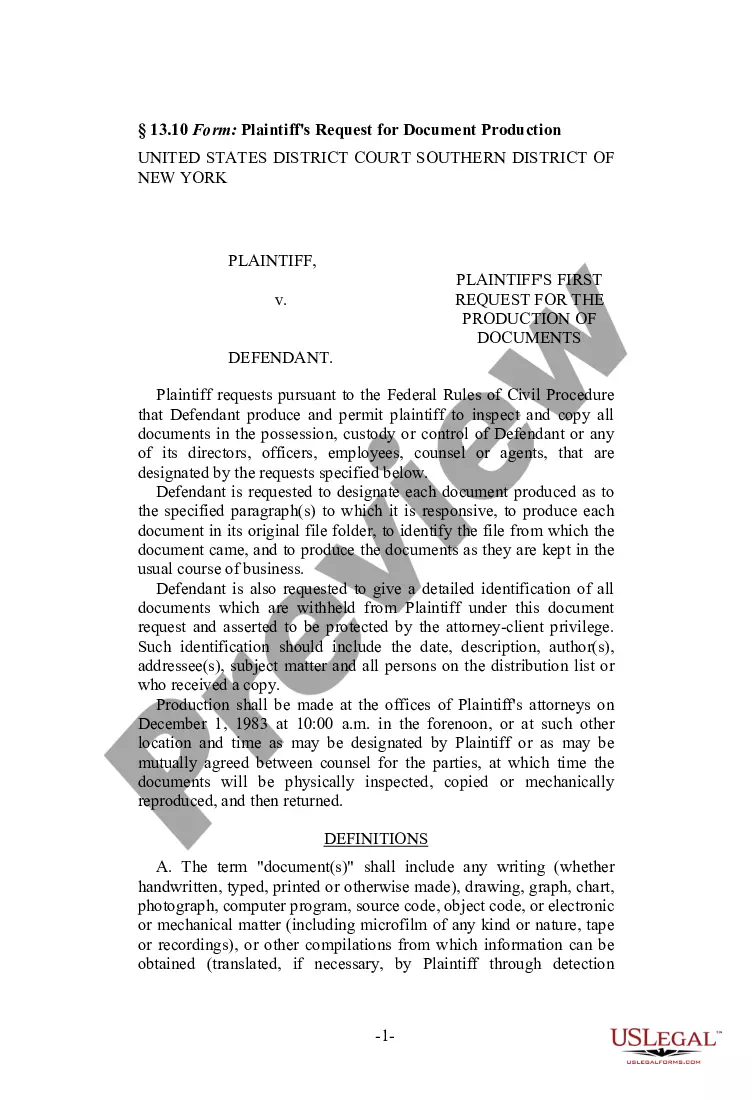
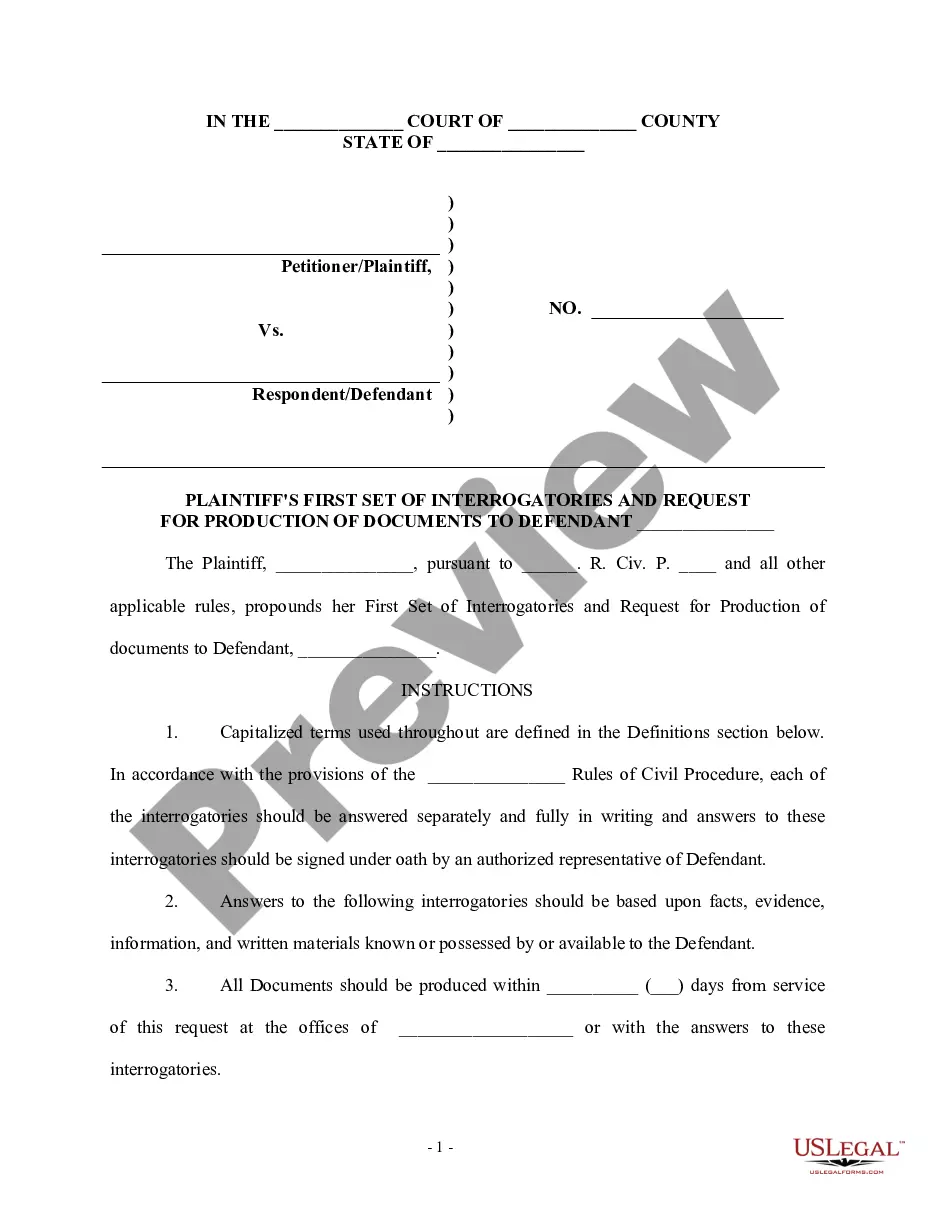
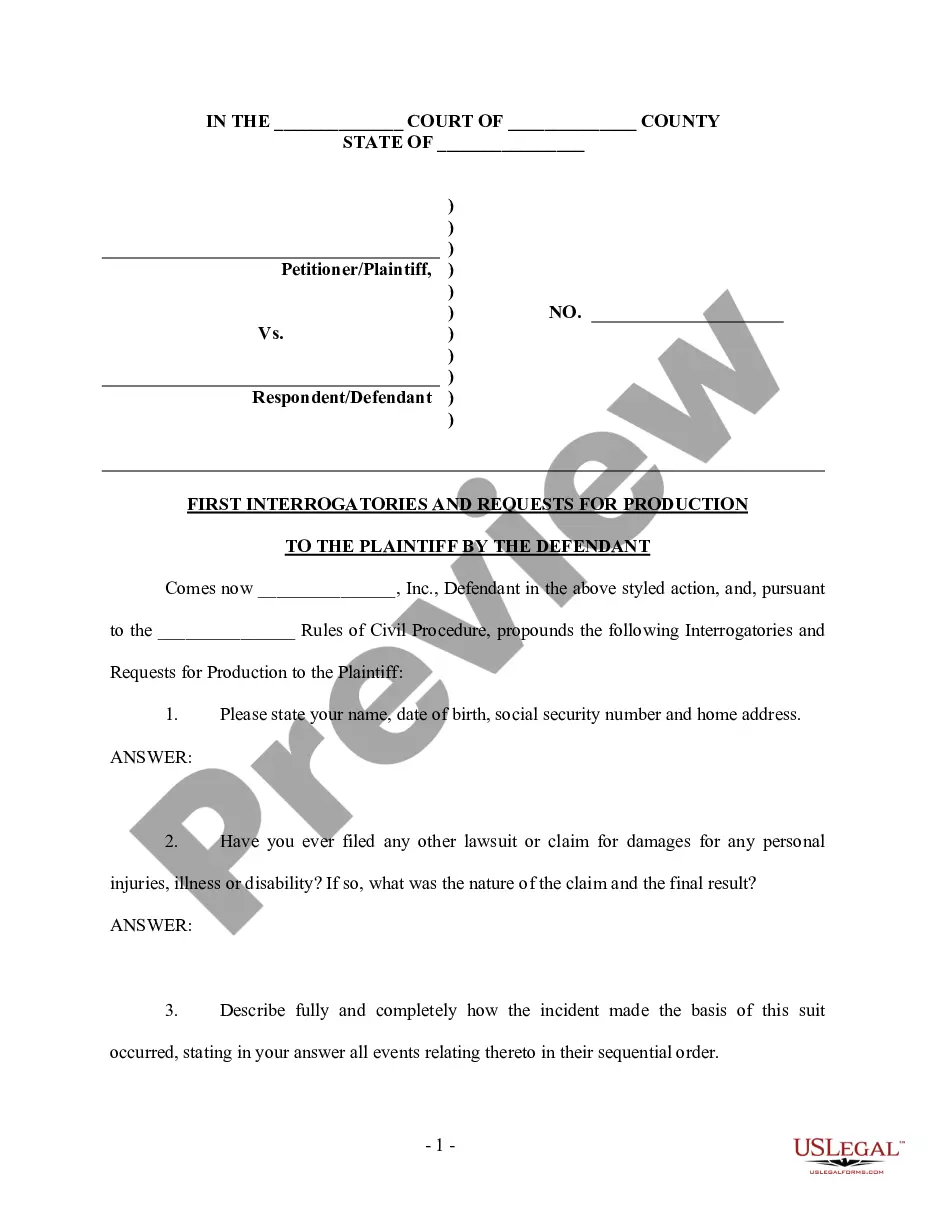
The Discovery Interrogatories from Defendant to Plaintiff with Production Requests is a legal document used in divorce proceedings. This form allows the defendant to ask the plaintiff a series of questions and request the production of relevant documents. It is designed to gather essential information to support the defendant's case, ensuring that both parties disclose relevant evidence. Unlike other forms, this specific set of interrogatories integrates production requests, making it a comprehensive tool for legal discovery.
Key components of this form
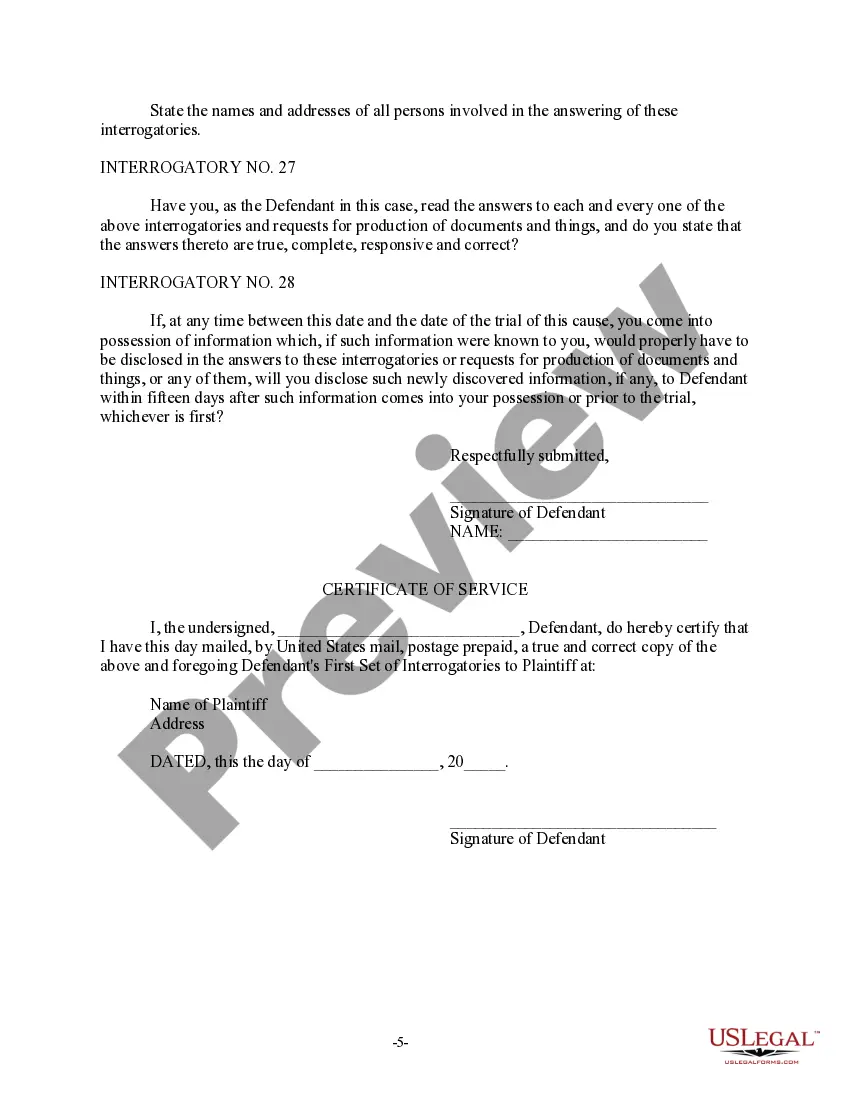
- Interrogatories: A series of questions directed at the plaintiff, requiring detailed responses under oath.
- Production requests: Requests for documents and evidence relevant to the divorce case.
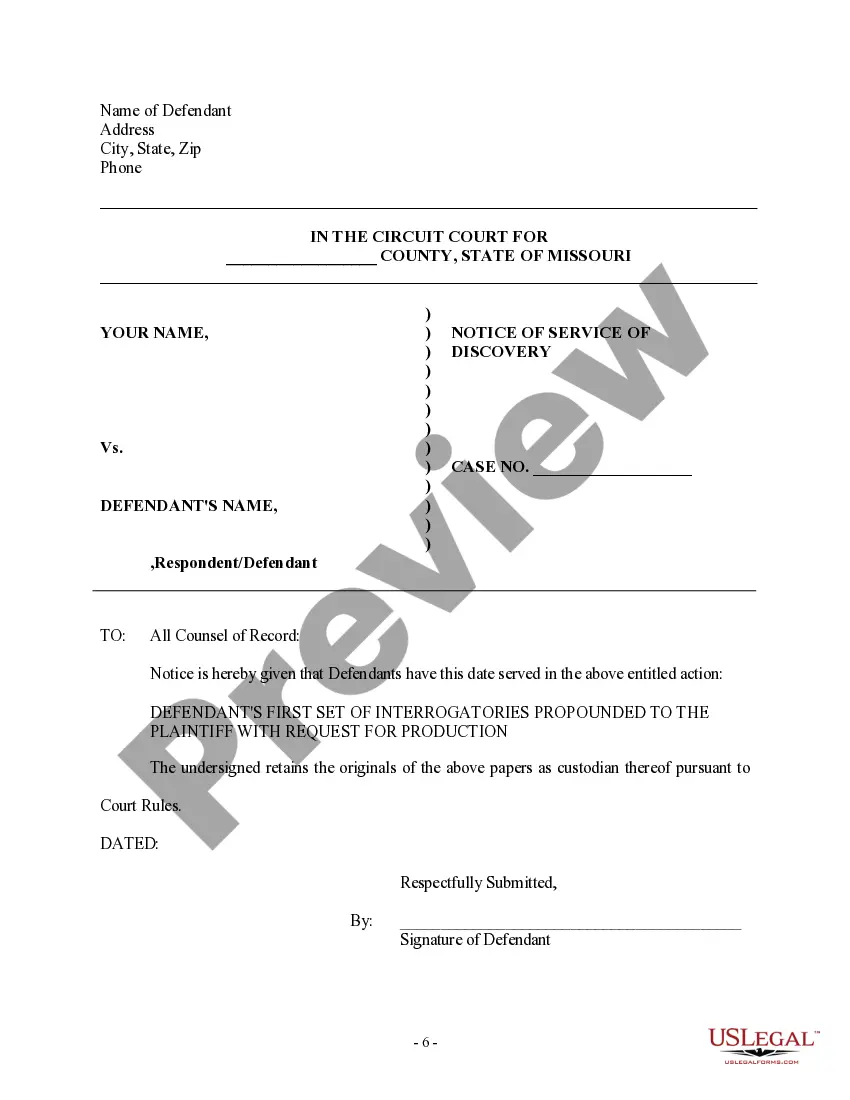
- Notice of Filing: A section notifying the court and involved parties about the discovery being conducted.
- Signature lines: Spaces for the defendant to sign and date the form, certifying the accuracy of the information.
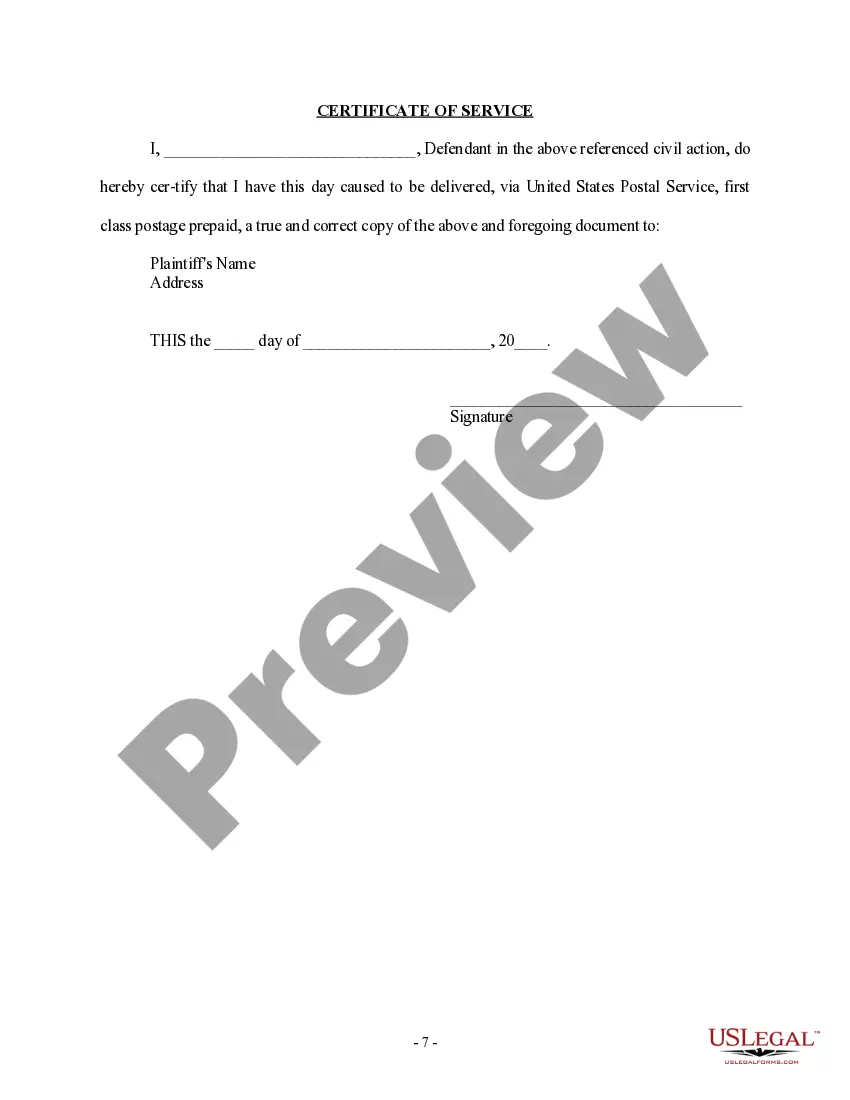
- Certificate of Service: A declaration confirming that the interrogatories were sent to the plaintiff.
Situations where this form applies
This form is necessary when a defendant in a divorce case needs to obtain critical information from the plaintiff. It is typically used during the discovery phase of litigation, allowing the defendant to clarify any issues related to finances, assets, or other relevant matters that may affect the divorce proceedings. Use this form when you want to formally request information that may not be voluntarily disclosed by the plaintiff.
Who can use this document
- Defendants involved in a divorce case seeking information from the plaintiff.
- Individuals with limited legal experience who need a structured approach to gather essential information during divorce proceedings.
- Parties who wish to comply with legal requirements for discovery in a divorce.
How to complete this form
- Identify the parties: Enter accurate names and contact information for both the defendant and the plaintiff.
- Fill in the case information: Include the case number and court details as required.
- Answer the interrogatories: The plaintiff must answer each question thoroughly and truthfully, under oath.
- Attach requested documents: Include any relevant documents specified in the production requests.
- Sign and date the form: Ensure that all required signatures are included, and date the document appropriately.
Notarization guidance
Notarization is generally not required for this form. However, certain states or situations might demand it. You can complete notarization online through US Legal Forms, powered by Notarize, using a verified video call available anytime.
Get your form ready online
Our built-in tools help you complete, sign, share, and store your documents in one place.
Make edits, fill in missing information, and update formatting in US Legal Forms—just like you would in MS Word.
Download a copy, print it, send it by email, or mail it via USPS—whatever works best for your next step.
Sign and collect signatures with our SignNow integration. Send to multiple recipients, set reminders, and more. Go Premium to unlock E-Sign.
If this form requires notarization, complete it online through a secure video call—no need to meet a notary in person or wait for an appointment.
We protect your documents and personal data by following strict security and privacy standards.

Make edits, fill in missing information, and update formatting in US Legal Forms—just like you would in MS Word.

Download a copy, print it, send it by email, or mail it via USPS—whatever works best for your next step.

Sign and collect signatures with our SignNow integration. Send to multiple recipients, set reminders, and more. Go Premium to unlock E-Sign.

If this form requires notarization, complete it online through a secure video call—no need to meet a notary in person or wait for an appointment.

We protect your documents and personal data by following strict security and privacy standards.
Mistakes to watch out for
- Failing to provide complete answers to the interrogatories.
- Missing signatures or dates on the form.
- Not attaching required documents that support the responses.
- Submitting the form late or outside the specified legal timeframe.
Why complete this form online
- Convenience: Download and complete the form at your own pace from anywhere.
- Editability: Customize the interrogatories based on your case's specific needs.
- Reliability: Forms are crafted by licensed attorneys, ensuring they meet legal standards.
Legal use & context
- This form is legally recognized in Missouri and is an essential part of the discovery process in divorce cases.
- It helps establish the facts of the case by allowing the defendant to compel the plaintiff to provide information necessary for legal proceedings.
- Failure to properly complete or respond to this form could impact the outcome of the case in court.
Looking for another form?
Form popularity
FAQ
Rule 57.09 in Missouri addresses the procedure for requesting production of documents and other tangible items. This rule outlines how parties can compel the opposing side to produce relevant materials that may aid in the case. By leveraging Missouri Discovery Interrogatories from Defendant to Plaintiff with Production Requests, you can strengthen your position by ensuring that essential documents are obtained. For further clarity and assistance, consider exploring the tools available at USLegalForms, which simplify the process.
Rule 33.5 in Missouri pertains to the limitations on interrogatories during the discovery phase. This rule specifies that parties may not serve more than a certain number of interrogatories without obtaining permission from the court. Understanding this rule is crucial for effectively utilizing Missouri Discovery Interrogatories from Defendant to Plaintiff with Production Requests. To ensure compliance, you can rely on resources from USLegalForms, which provides guidance and templates to navigate these rules.
Requests for production and interrogatories serve different purposes in the discovery process. Missouri Discovery Interrogatories from Defendant to Plaintiff with Production Requests require plaintiffs to provide information and documents related to the case. While both tools are used to gather evidence, interrogatories specifically ask for written answers to questions, whereas requests for production seek documents or tangible items. Therefore, they are distinct but complementary components of the discovery process.
You must answer each interrogatory separately and fully in writing under oath, unless you object to it. You must explain why you object. You must sign your answers and objections.
Thank you for your inquiry regarding our product or service. Thank you for your interest in our product or service. We would like to thank you for your letter inquiring about our product. We truly appreciate your letter asking for information about our service.
The making available by a party of documents in his possession, custody or power for inspection by the other party or for use as evidence at trial.
A request for production is a discovery device used to gain access to documents, electronic data, and physical items held by an opposing party in a legal matter. The aim is to gain insight into any relevant evidence that the opposing party holds.
Interrogatories ask questions; the responding party provides written answers. A request for production of documents requests the production of documents (or other tangible things); the responding party provides documents.
You can object to an interrogatory if the information sought is known by the requesting party or available to both parties equally. For example, you should raise this objection if the answers are publicly available or in a third-party's custody or control.
Interrogatories Interrogatories are written questions that are sent by one party to another.Requests for production are the means by which you can ask the other party to make copies of documents, photographs, records, etc. and to request the inspection of property.