Michigan Commercial Lease Assignment from Tenant to New Tenant
What this document covers
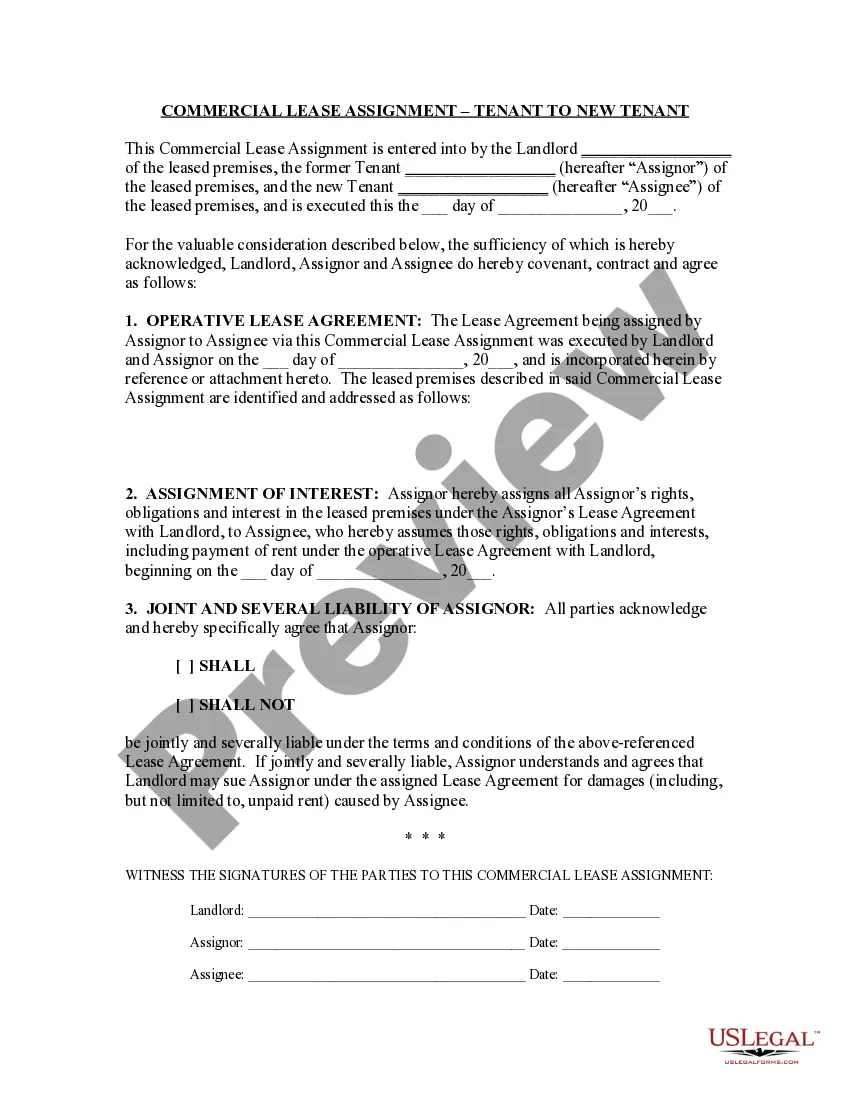
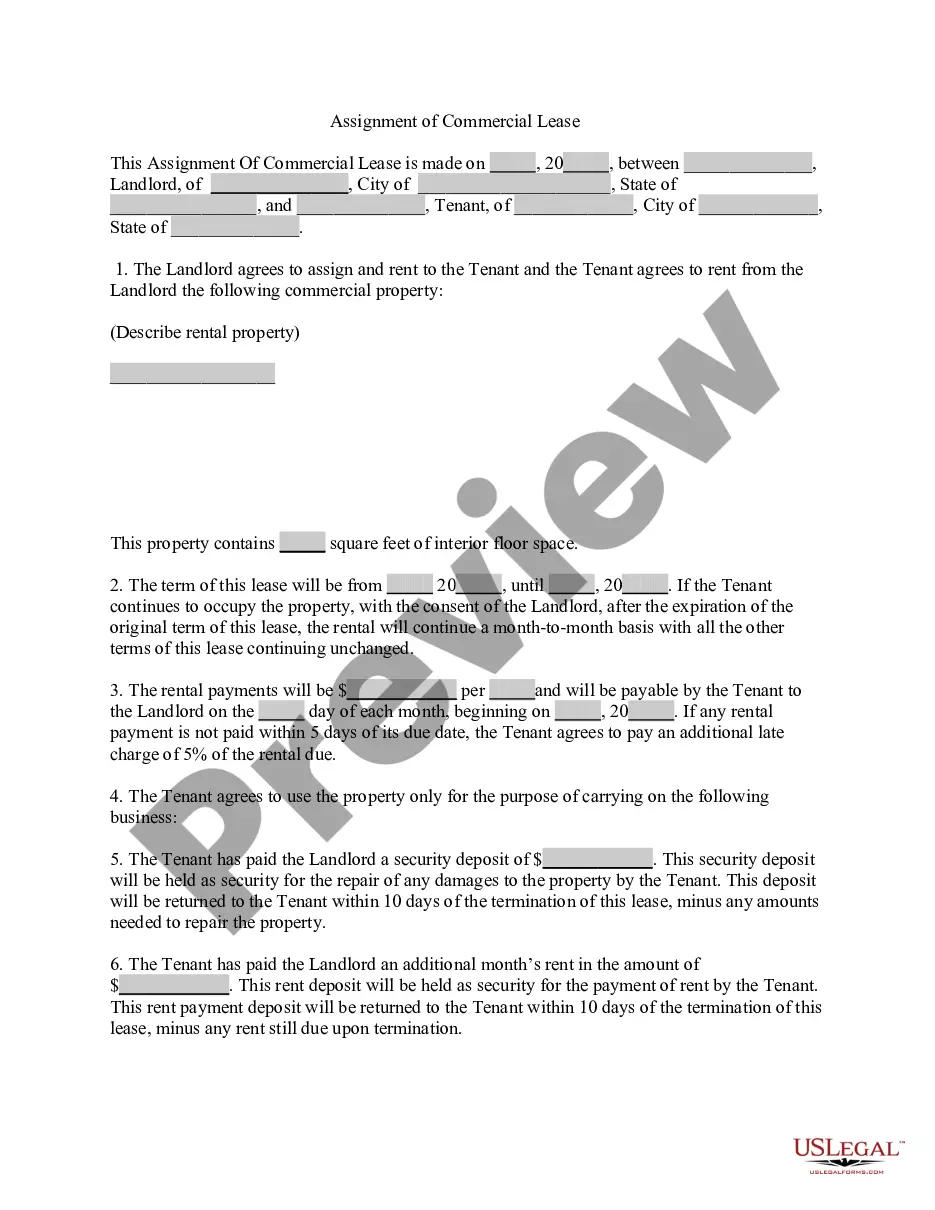
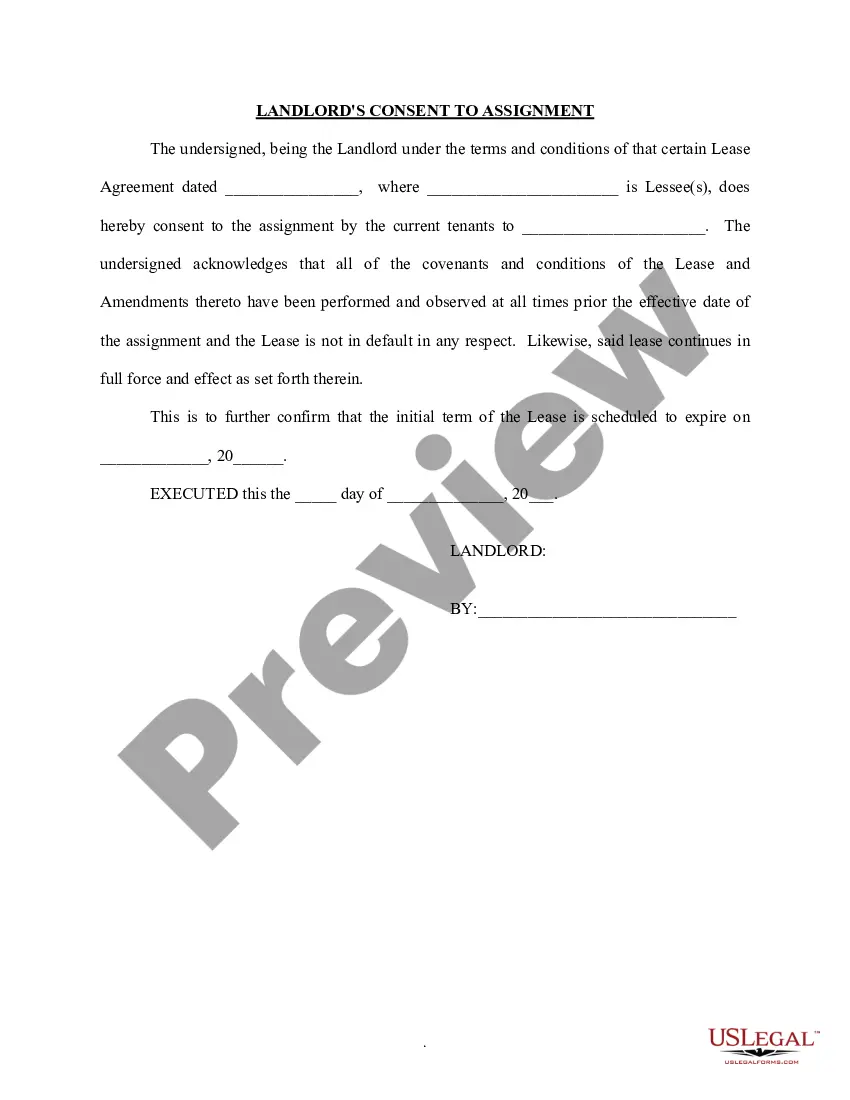
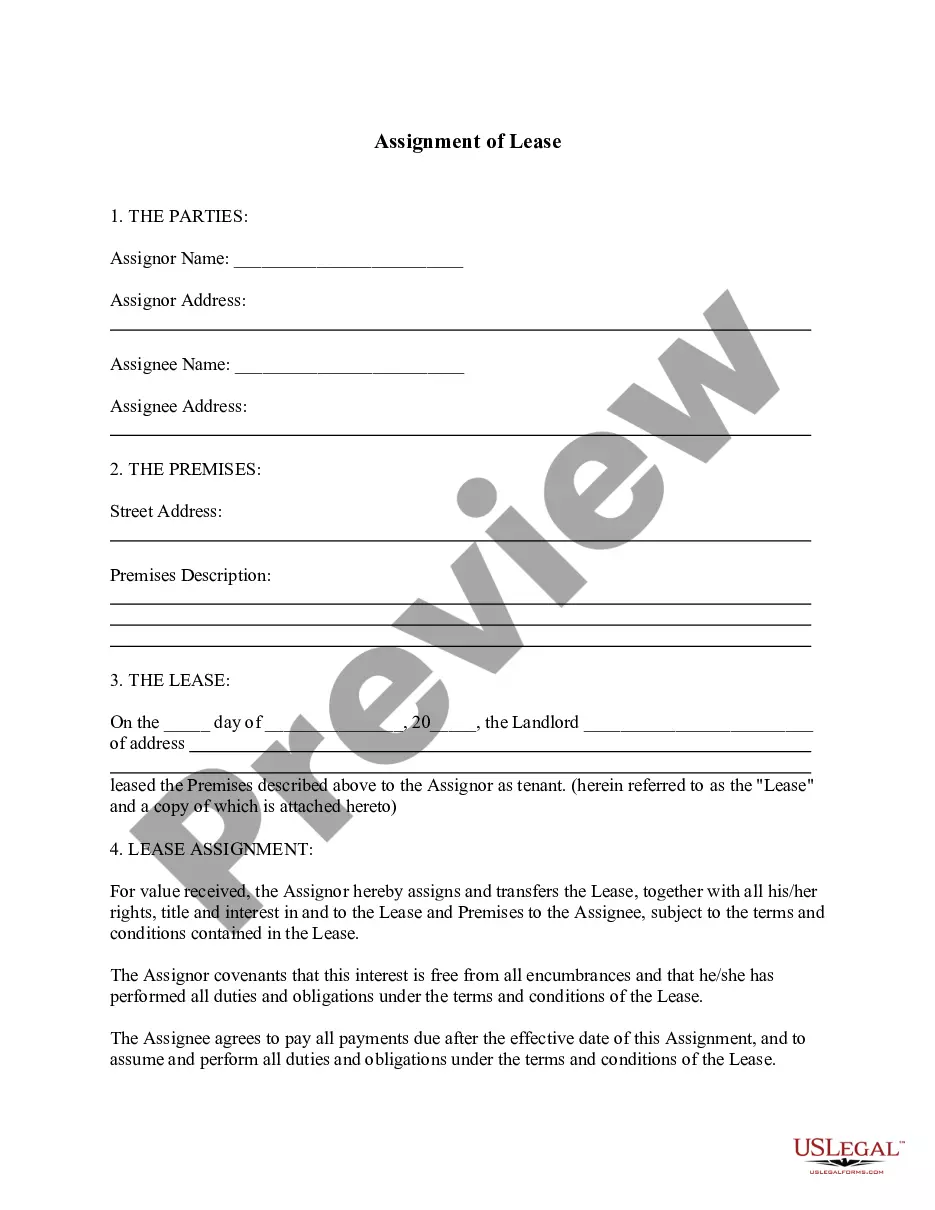
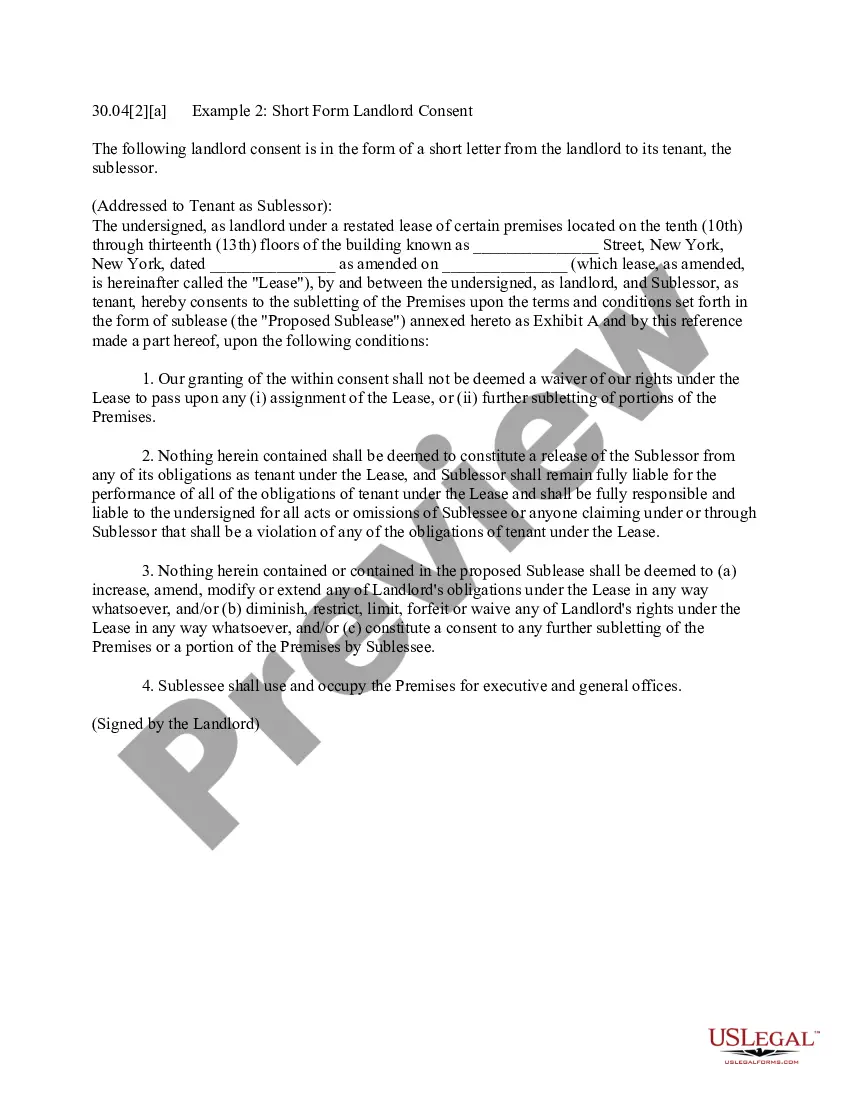
The Commercial Lease Assignment from Tenant to New Tenant is a legal document that allows a tenant, referred to as the Assignor, to transfer their lease obligations to a new tenant, known as the Assignee, while the landlord remains the same. This form is essential when a tenant wishes to assign their rights and responsibilities under the lease to another party without having to terminate the original lease agreement. This form is distinct from a regular lease transfer, as it specifies the conditions regarding joint liability between the original tenant and the new tenant.
What’s included in this form
- Identification of the Landlord, Assignor, and Assignee.
- Date of execution of the assignment.
- Terms regarding joint and several liability of the Assignor.
- Signature lines for all parties involved, including dates.
Common use cases
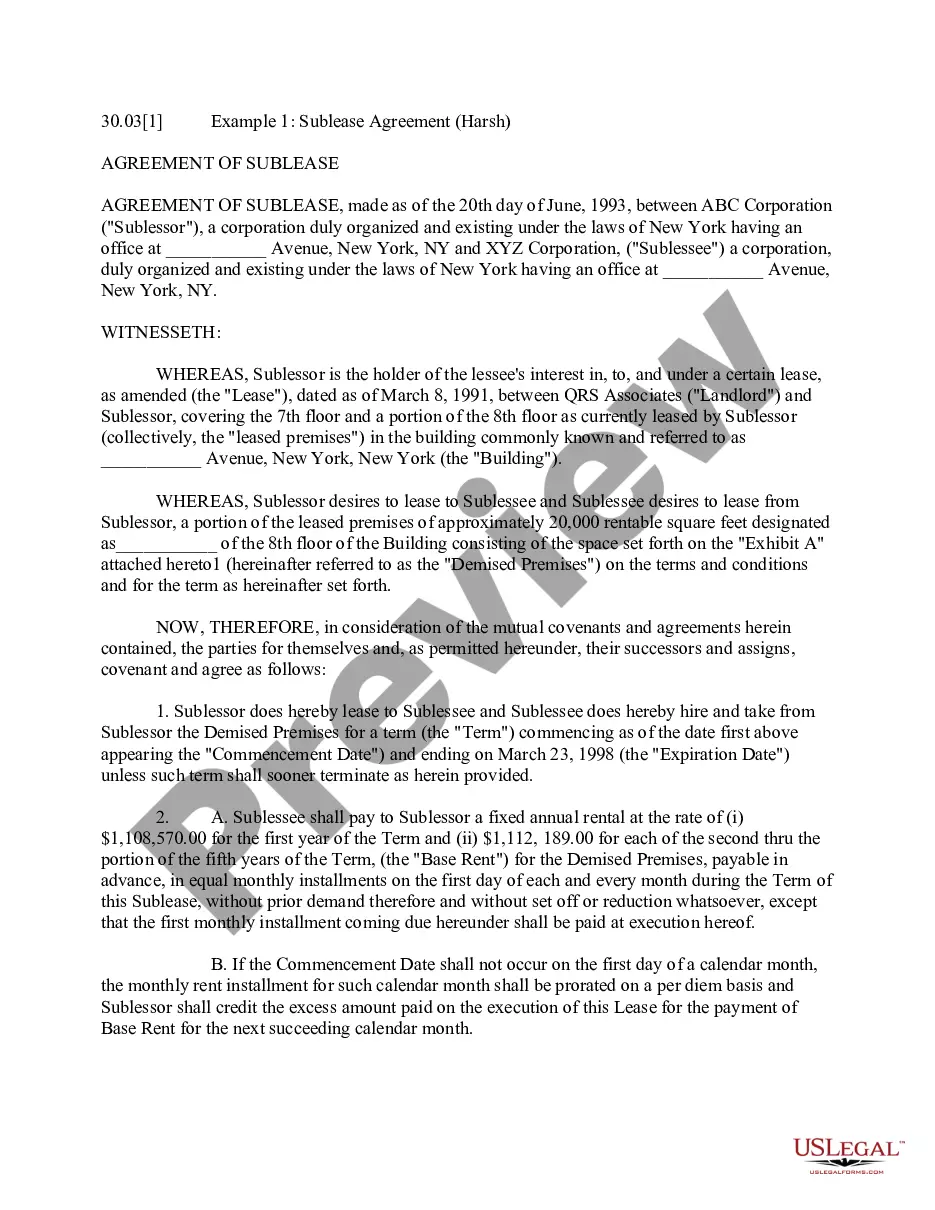
This form is necessary when a current tenant wishes to assign their commercial lease to another individual or entity. Common scenarios include a tenant needing to vacate the premises before the lease term ends or if they are selling their business and the new owner wishes to take over the existing lease. It ensures that the responsibilities and obligations of the lease are clearly transferred to the new tenant, protecting the interests of both the landlord and the original tenant.
Who can use this document
- Current tenants looking to assign their lease to a new tenant.
- New tenants who want to take over an existing lease agreement.
- Landlords seeking to maintain clear agreements during lease transitions.
Steps to complete this form
- Identify all parties involved: Landlord, Assignor (original Tenant), and Assignee (new Tenant).
- Specify the leased premises and include the address and details of the property.
- Fill in the date of execution for the assignment agreement.
- Decide whether the Assignor will retain joint and several liabilities, and select the appropriate option.
- Obtain signatures from all parties along with the respective dates to finalize the agreement.
Notarization requirements for this form
In most cases, this form does not require notarization. However, some jurisdictions or signing circumstances might. US Legal Forms offers online notarization powered by Notarize, accessible 24/7 for a quick, remote process.
Get your form ready online
Our built-in tools help you complete, sign, share, and store your documents in one place.
Make edits, fill in missing information, and update formatting in US Legal Forms—just like you would in MS Word.
Download a copy, print it, send it by email, or mail it via USPS—whatever works best for your next step.
Sign and collect signatures with our SignNow integration. Send to multiple recipients, set reminders, and more. Go Premium to unlock E-Sign.
If this form requires notarization, complete it online through a secure video call—no need to meet a notary in person or wait for an appointment.
We protect your documents and personal data by following strict security and privacy standards.
Make edits, fill in missing information, and update formatting in US Legal Forms—just like you would in MS Word.
Download a copy, print it, send it by email, or mail it via USPS—whatever works best for your next step.
Sign and collect signatures with our SignNow integration. Send to multiple recipients, set reminders, and more. Go Premium to unlock E-Sign.

If this form requires notarization, complete it online through a secure video call—no need to meet a notary in person or wait for an appointment.
We protect your documents and personal data by following strict security and privacy standards.
Avoid these common issues
- Failing to identify all parties accurately, which can lead to disputes.
- Not clarifying the joint liability terms, potentially causing confusion over responsibility for lease obligations.
- Omitting signatures or dates, rendering the form incomplete and legally invalid.
Advantages of online completion
- Convenience of completing the form from any device without needing to visit a lawyer's office.
- Editability allows users to customize the form to fit their specific needs.
- Access to reliable templates drafted by licensed attorneys, ensuring legal compliance.
Main things to remember
- This form allows original tenants to assign their lease to new tenants while keeping the landlord in the agreement.
- It includes crucial terms such as liability and execution details that must be completed accurately.
- Understanding state-specific requirements is essential for proper use of the form.
Looking for another form?
Form popularity
FAQ
You can indeed transfer a commercial lease to another entity or individual, commonly through the assignment process. This is central to the Michigan Commercial Lease Assignment from Tenant to New Tenant. To ensure the assignment is valid, confirm your lease allows for such transfers and consult with your landlord. Resources like uslegalforms can help guide you through the assignment efficiently.
Yes, a new owner is generally required to honor existing leases in Michigan. The legal concept behind the Michigan Commercial Lease Assignment from Tenant to New Tenant dictates that leases remain in effect despite ownership changes. This means tenants can continue their business operations under the same terms. If there are any special agreements, consult with legal professionals.
The transfer of an entire lease from one person to another is called an assignment. Specifically, in Michigan, this refers to the Michigan Commercial Lease Assignment from Tenant to New Tenant. This process allows the new tenant to step into the original tenant's shoes regarding lease obligations. Careful attention to the lease terms is necessary to ensure compliance.
A new owner typically cannot terminate a commercial lease without cause, especially if the lease is legally binding. The Michigan Commercial Lease Assignment from Tenant to New Tenant protects tenants' rights and obligations. However, the new owner may negotiate different lease terms upon transfer of ownership. Seeking legal advice is advisable if you're unsure.
Yes, you can transfer a commercial lease to another party, usually through a process called assignment. This is part of the Michigan Commercial Lease Assignment from Tenant to New Tenant. Before proceeding, it’s important to check with your landlord, as they may have specific requirements or procedures. Using a platform like uslegalforms can simplify the assignment process.
Transferring a lease can range from simple to complex, depending on specific lease terms and landlord policies. The Michigan Commercial Lease Assignment from Tenant to New Tenant often requires paperwork and negotiations. While some landlords may readily accept an assignment, others might impose certain conditions. Therefore, it's essential to familiarize yourself with your lease agreement.
Yes, a lease can be transferred to a new owner. This process is known as Michigan Commercial Lease Assignment from Tenant to New Tenant. However, it typically requires the original landlord's consent, so reviewing your lease agreement is crucial. Always consult legal advice to ensure a smooth transition.
The difference between assignment and transfer of lease lies in the retention of responsibilities. An assignment transfers all rights and obligations to another tenant, meaning you relinquish your interest. Conversely, a transfer typically indicates that you may still share some responsibilities. Understanding this difference is crucial when navigating a Michigan Commercial Lease Assignment from Tenant to New Tenant.
To assign a lease to a new owner, start by notifying your landlord in writing of your intent to assign. Gather any necessary documents, including the lease agreement and details about the new tenant. Afterward, ensure that you have the landlord's consent, which is often a straightforward process. A Michigan Commercial Lease Assignment from Tenant to New Tenant is seamless with clear communication and documentation.
Yes, you can assign a commercial lease. In Michigan, the lease assignment allows you to transfer your responsibilities and rights to a new tenant. This process typically requires the landlord’s approval, so review your lease agreement for specific terms. A Michigan Commercial Lease Assignment from Tenant to New Tenant ensures that the new party understands their obligations.