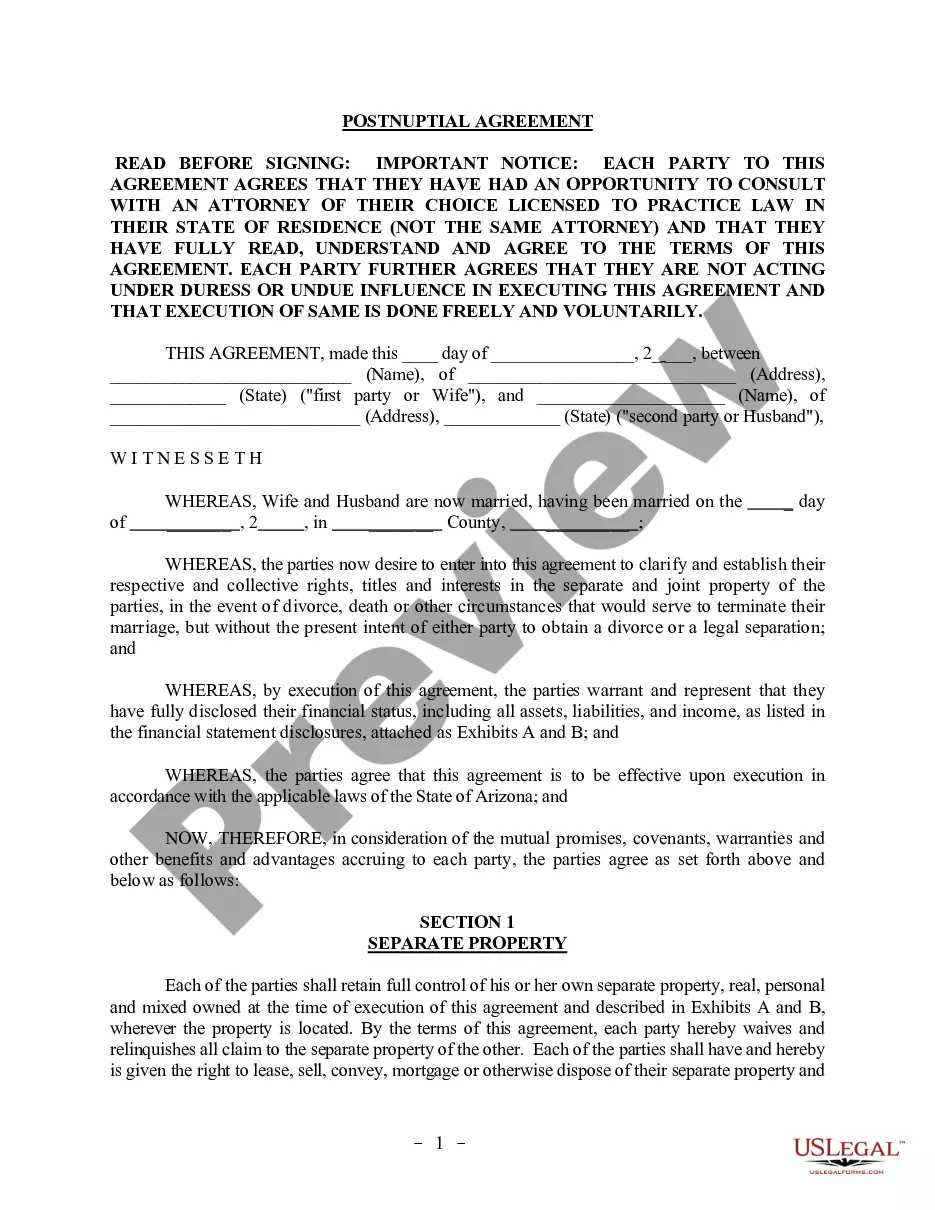
Mississippi Waiver And Release Of Lien Upon Final Payment Form
What is this form?
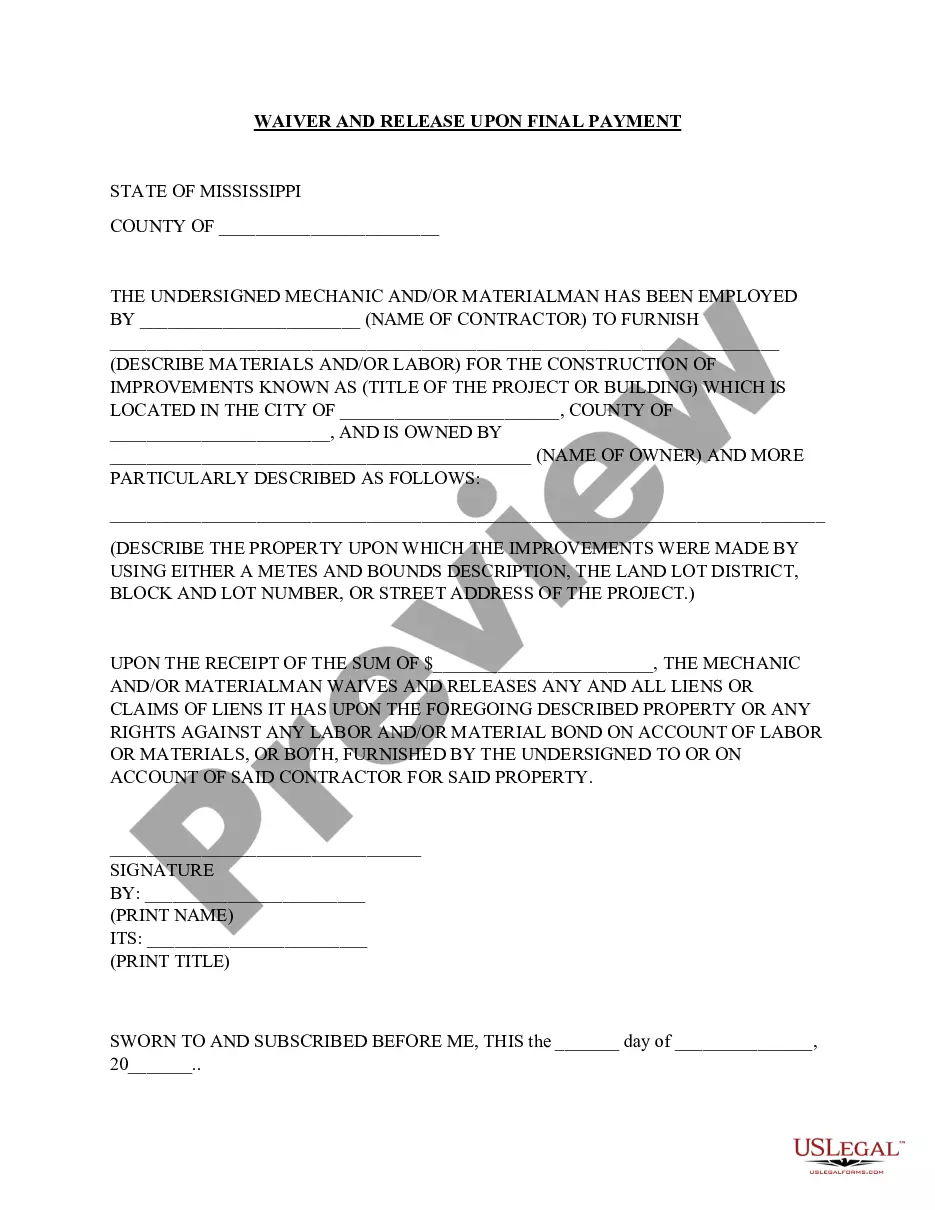
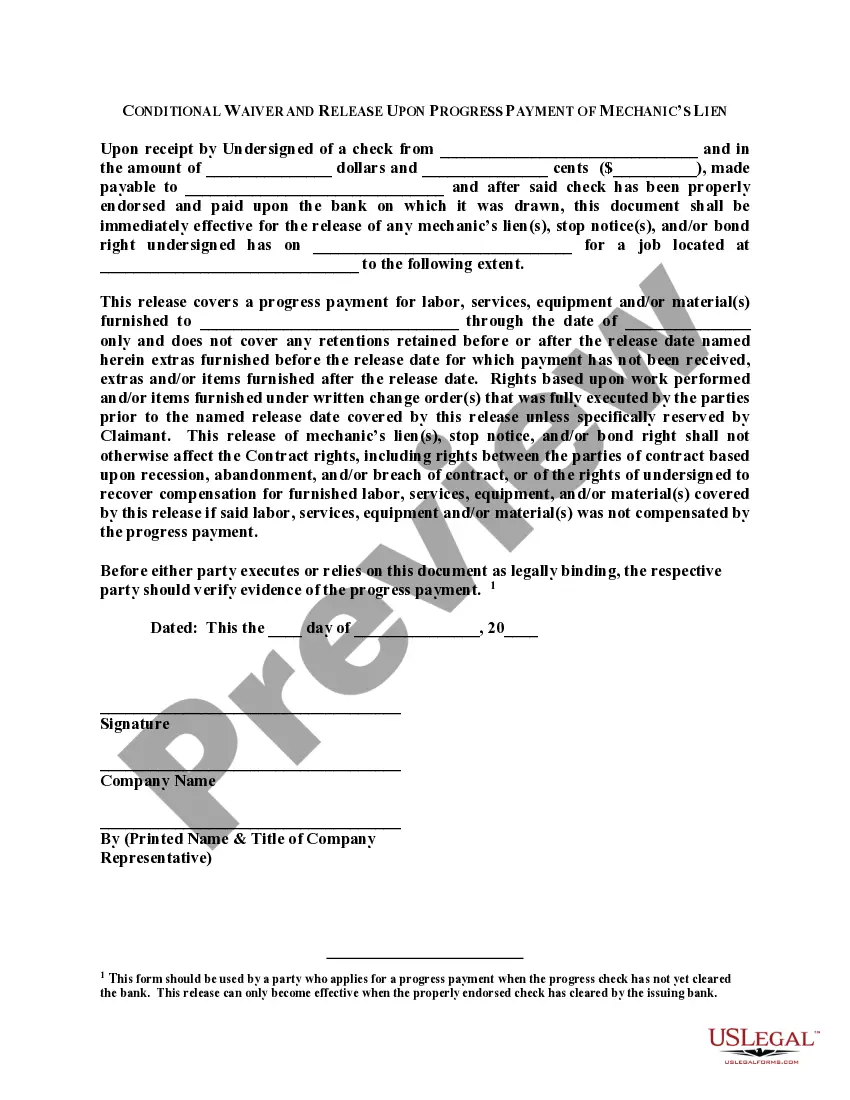
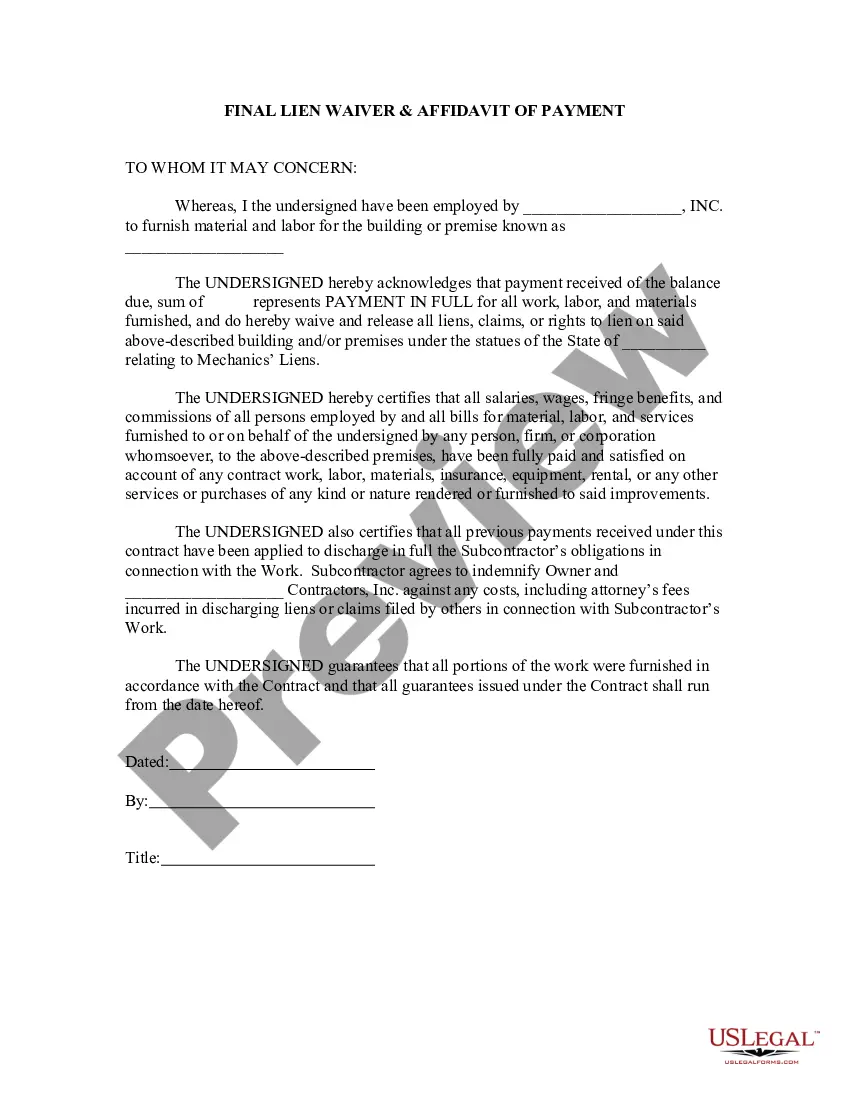
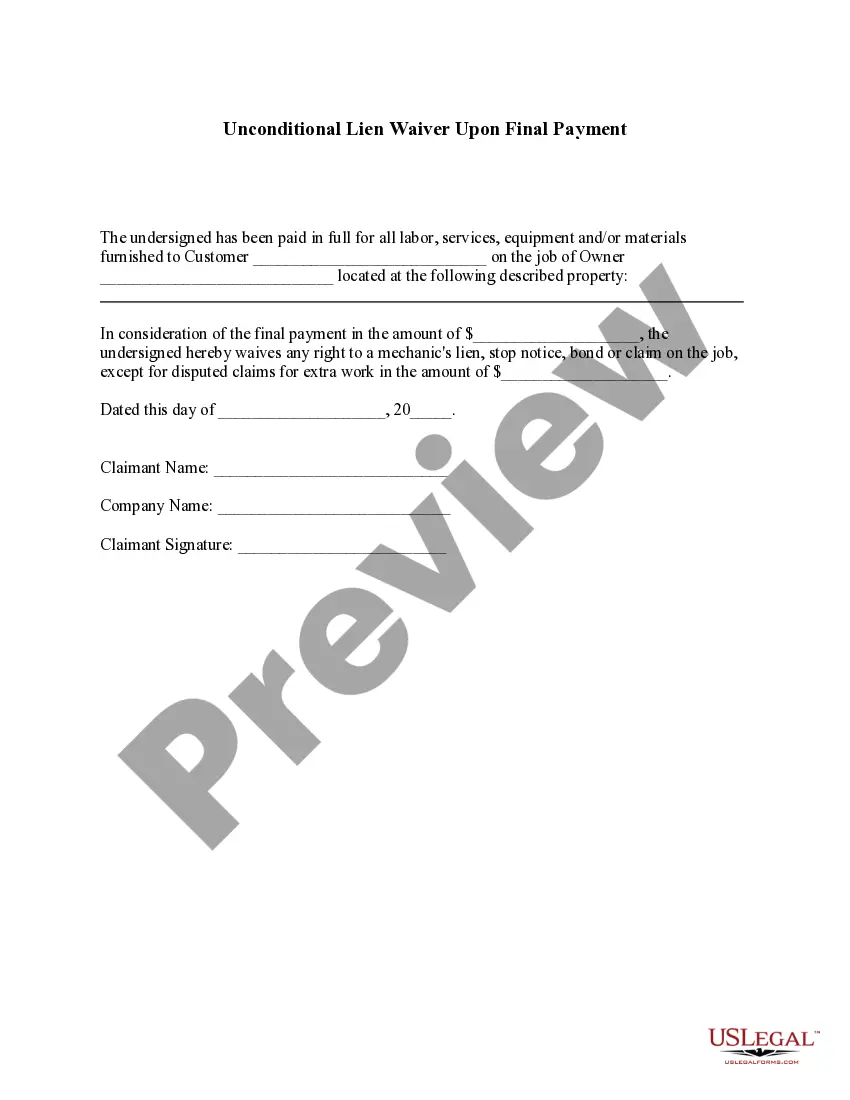
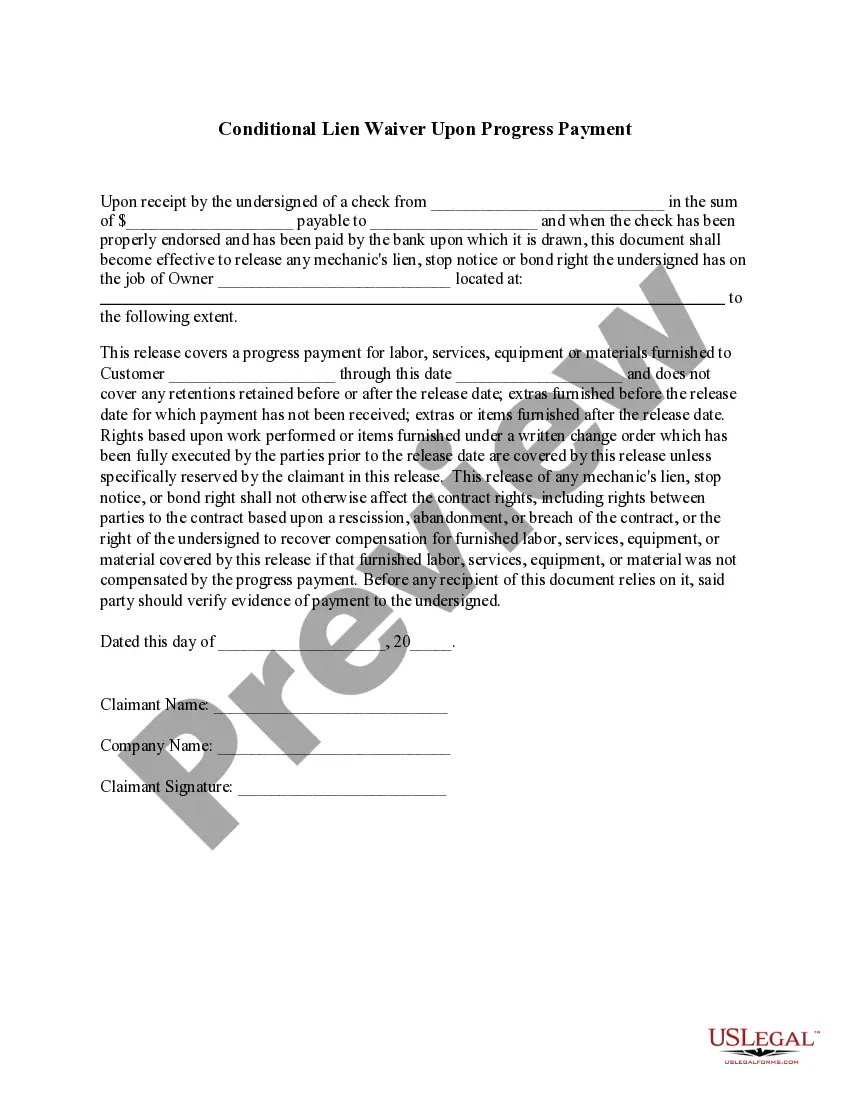
The Waiver and Release of Lien Upon Final Payment Form is a legal document that allows a lien claimant, such as a contractor or material supplier, to formally waive and release any claims to liens or rights against a property after receiving final payment. This form provides protection for property owners by confirming that all financial obligations have been met and that no further claims will be made against the property in relation to the specified labor or materials provided. Unlike other lien-related forms, this document is specifically designed to affirm that the final payment secures the release of any potential liens.
Main sections of this form
- Identification of the parties involved: the mechanic or materialman and the contractor.
- Description of the materials or labor provided for the project.
- Details about the project, including its name, location, and ownership.
- The specific amount being received as final payment and the corresponding waiver of liens.
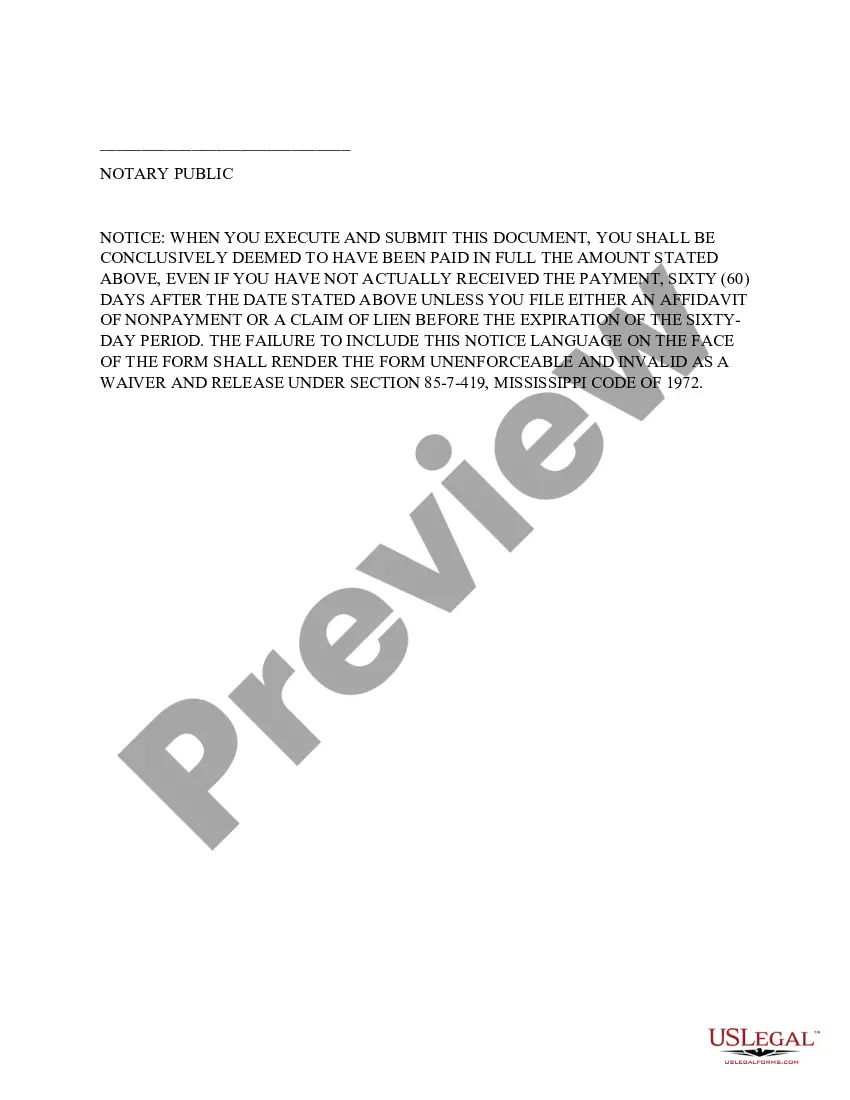
- Signature fields for the mechanic or materialman and acknowledgment by a notary public.
- Important notice outlining the implications of signing the form regarding payment status.
When to use this document
This form should be used when a contractor or supplier has completed their work on a construction project and has received the final payment for their services or materials. It is applicable in situations where the contractor wants to ensure that once payment is made, they cannot make further claims against the property owner. It helps facilitate smooth transactions and protects property owners from unexpected lien claims after payment has been rendered.
Who should use this form
- Contractors and subcontractors who have provided services and have been paid in full.
- Material suppliers who have delivered goods and received final payment for those goods.
- Property owners seeking to prevent further claims on their property after payment for construction improvements.
Instructions for completing this form
- Identify the parties by filling in the names of the mechanic or materialman and the contractor.
- Describe the labor and/or materials provided clearly and concisely.
- Specify the project location, including the name, city, and details of the property.
- Enter the final payment amount received.
- Have the mechanic or materialman sign the form, along with their printed name and title.
- Ensure the document is notarized to validate the execution of the waiver.
Notarization requirements for this form
Yes, this form must be notarized to be legally valid. Notarization serves to confirm the identities of the parties signing the document. US Legal Forms offers integrated online notarization services that are available 24/7 through secure video calls, ensuring legal equivalence without the need for travel.
Get your form ready online
Our built-in tools help you complete, sign, share, and store your documents in one place.
Make edits, fill in missing information, and update formatting in US Legal Forms—just like you would in MS Word.
Download a copy, print it, send it by email, or mail it via USPS—whatever works best for your next step.
Sign and collect signatures with our SignNow integration. Send to multiple recipients, set reminders, and more. Go Premium to unlock E-Sign.
If this form requires notarization, complete it online through a secure video call—no need to meet a notary in person or wait for an appointment.
We protect your documents and personal data by following strict security and privacy standards.

Make edits, fill in missing information, and update formatting in US Legal Forms—just like you would in MS Word.

Download a copy, print it, send it by email, or mail it via USPS—whatever works best for your next step.

Sign and collect signatures with our SignNow integration. Send to multiple recipients, set reminders, and more. Go Premium to unlock E-Sign.

If this form requires notarization, complete it online through a secure video call—no need to meet a notary in person or wait for an appointment.

We protect your documents and personal data by following strict security and privacy standards.
Avoid these common issues
- Failing to accurately describe the materials or labor provided.
- Not specifying the correct project details or ownership information.
- Neglecting to include the required notarization, which can invalidate the form.
- Entering an incorrect final payment amount, which can lead to disputes later.
Why complete this form online
- Convenient access to the form from anywhere, allowing for quick completion.
- The ability to edit and customize the form to meet individual project needs.
- Assurance that the form is drafted in compliance with Mississippi laws, enhancing legal reliability.
Looking for another form?

Form popularity
FAQ
A waiver is a legally binding provision where either party in a contract agrees to voluntarily forfeit a claim without the other party being liable.Examples of waivers include the waiving of parental rights, waiving liability, tangible goods waivers, and waiver for grounds of inadmissibility.
A lien waiver is quite common in the construction business. Essentially, it is a document from a contractor, subcontractor, supplier, or another party who holds a mechanic's lien that states they have been paid in full and waive future lien rights to the disputed property.
A lien release is a document that is filed in the public land records as the official notice that the lien is removed. Once payment has been received, a contractor has a duty to remove any lien that was filed against the property.
The undersigned makes this Waiver specifically for the benefit of the Owner and the Owner's lender, and any other person or entity with a legal or equitable interest in the Property.
It basically states that you've paid the subcontractor what is owed, they accept the payment in full, and they waive the right to put a lien on your property. Simply present this form to the subcontractor with your payment and ask them to sign it. Make sure you get their signature!
LIen waivers are not required to be notarized. The primary times that a document needs to be notarized is if it is going to be filed with the county recorder or it is an affidavit. There are some other documents that often use notarization, but lien waivers don't fall into any of those that "need to be notarized."
Bottom Line: Never Sign an Unconditional Lien Waiver Prior to Receiving Payment!If the lien waiver is the only proof the owner has as to whether a particular party has been paid, the owner must be able to rely on it in order for the lien waiver to accomplish its purpose.
Name of Claimant. This is the name the party to be paid, and the party who will be signing the lien waiver document. Name of Customer. Job Location. Owner. Exceptions. Claimant's Signature. Claimant's Title. Date of Signature.
An "Unconditional Waiver and Release Upon Final Payment" extinguishes all claimant rights upon receipt of the payment. A "Conditional Waiver and Release Upon Final Payment" extinguishes all claimant rights upon receipt of the final payment with certain provisions.