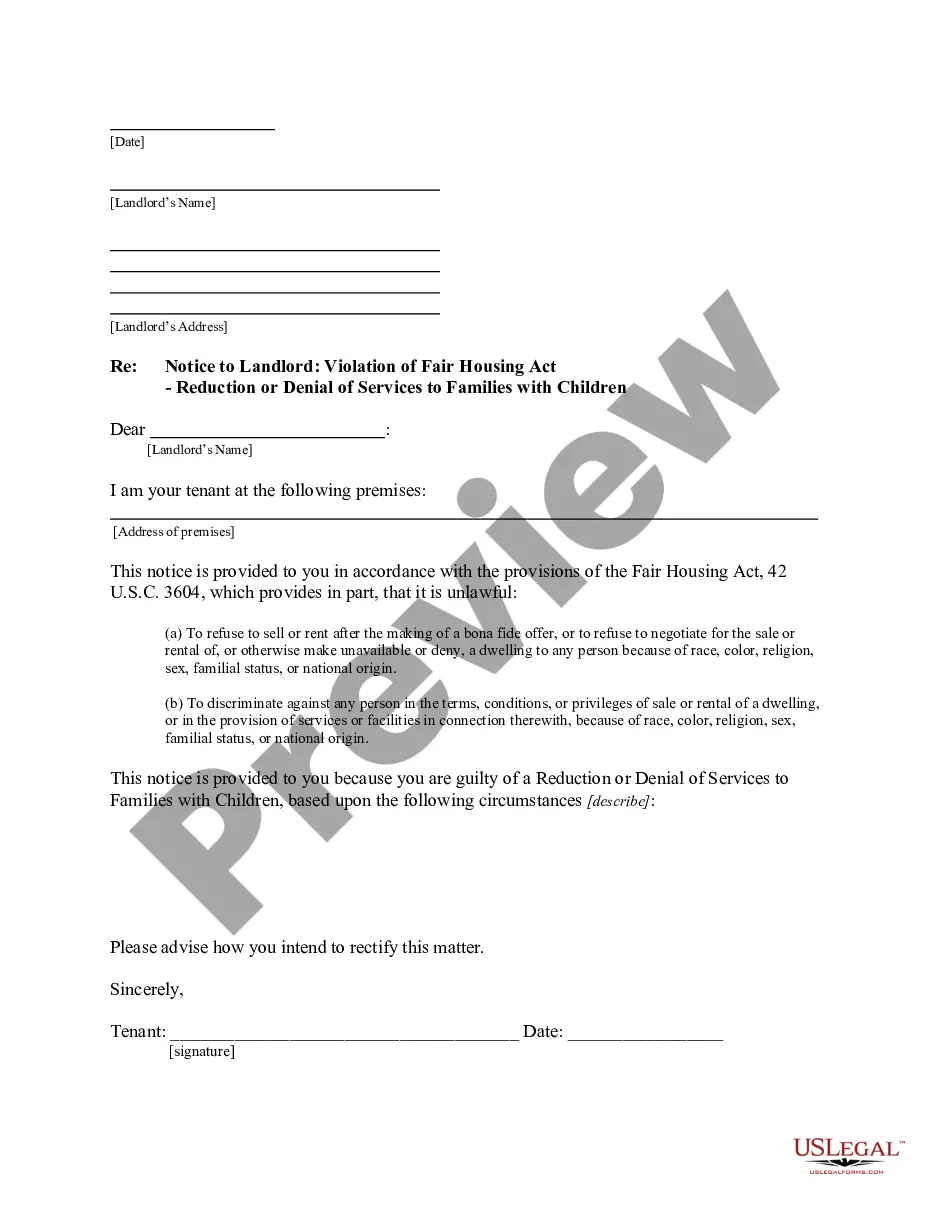
Maryland General Power of Attorney for Care and Custody of Child or Children
What is this form?
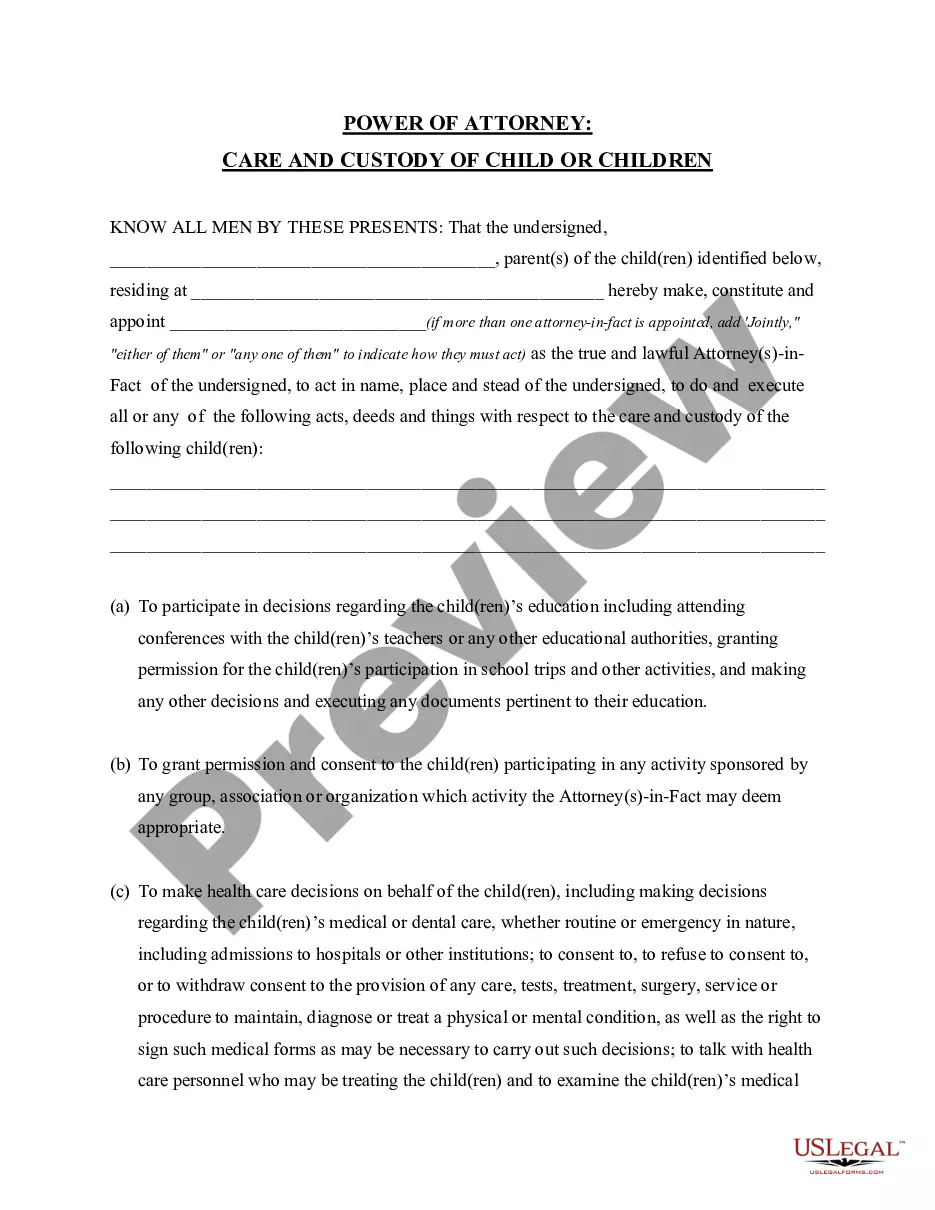
The General Power of Attorney for Care and Custody of Child or Children is a legal document that allows a parent or guardian to appoint an attorney-in-fact to make decisions regarding the care and custody of their child or children. This form grants authority for a wide range of decisions, from education to healthcare, differentiating it from other powers of attorney that may not cover parental rights. It is crucial for situations where a parent is unable to care for their child, emphasizing the need for clarity in the responsibilities assigned to the attorney-in-fact.
What’s included in this form
- Identification of the parent(s) appointing the attorney-in-fact.
- Appointment of the attorney-in-fact, with options for joint authority.
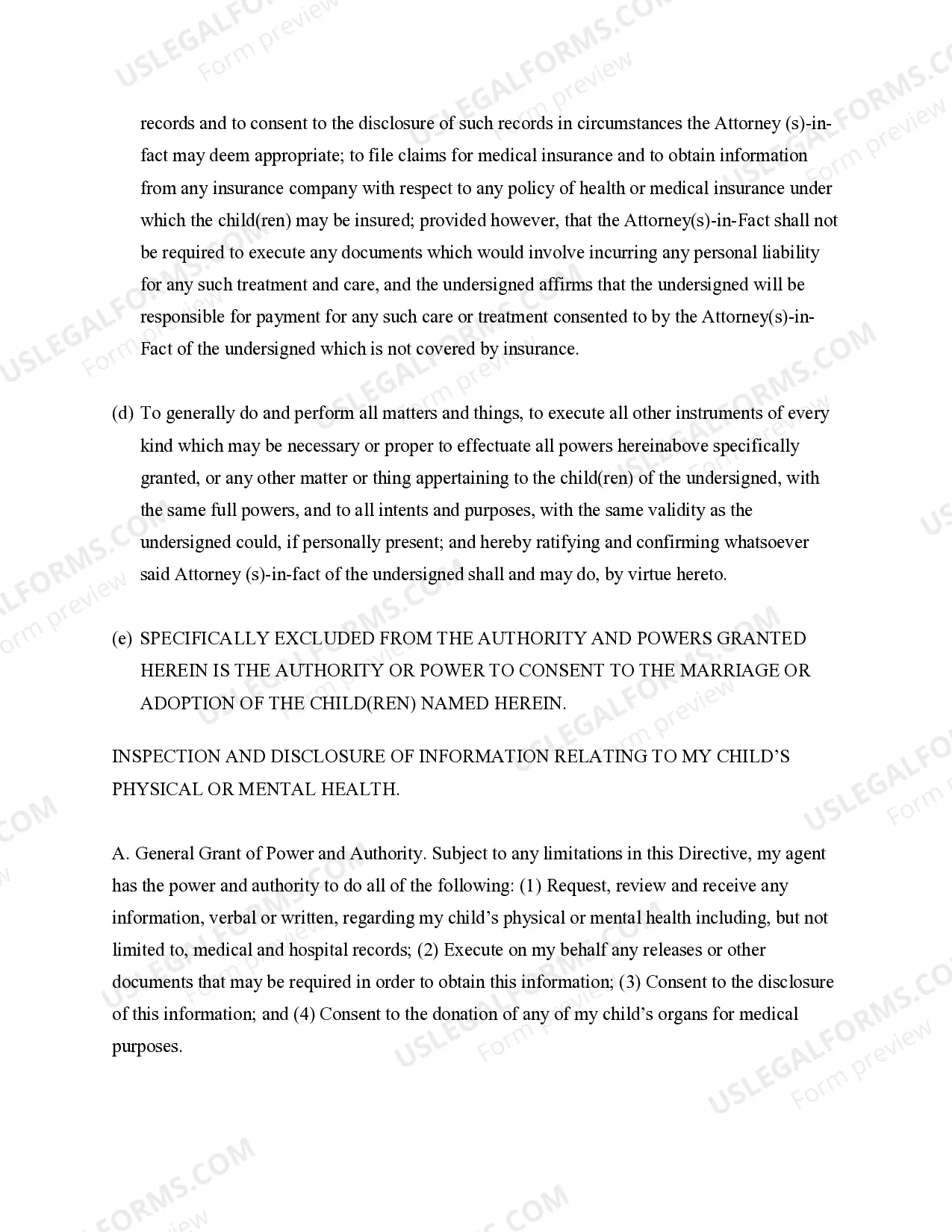
- Detailed powers granted, including decisions on education and healthcare.
- Specific exclusions regarding consent for marriage or adoption of the child(ren).
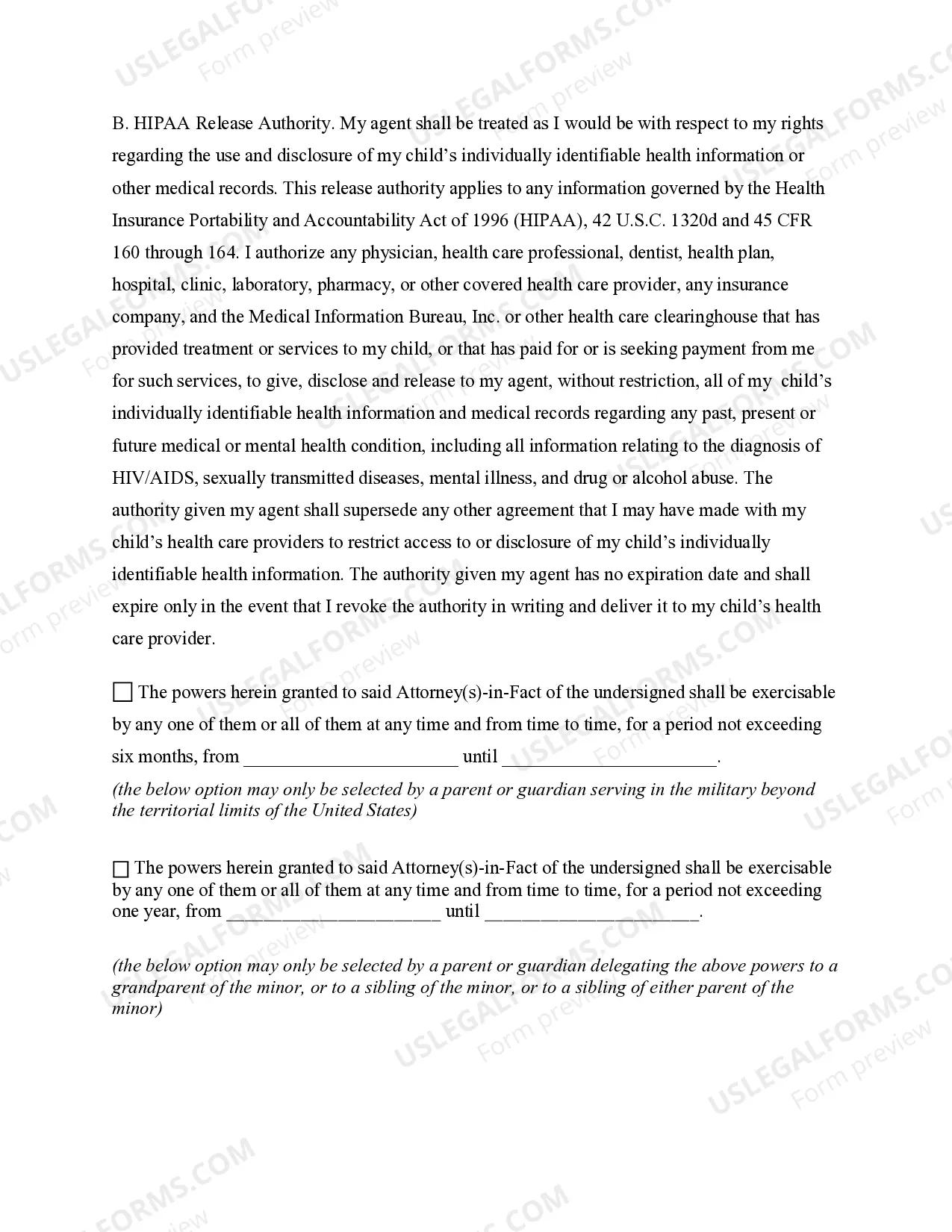
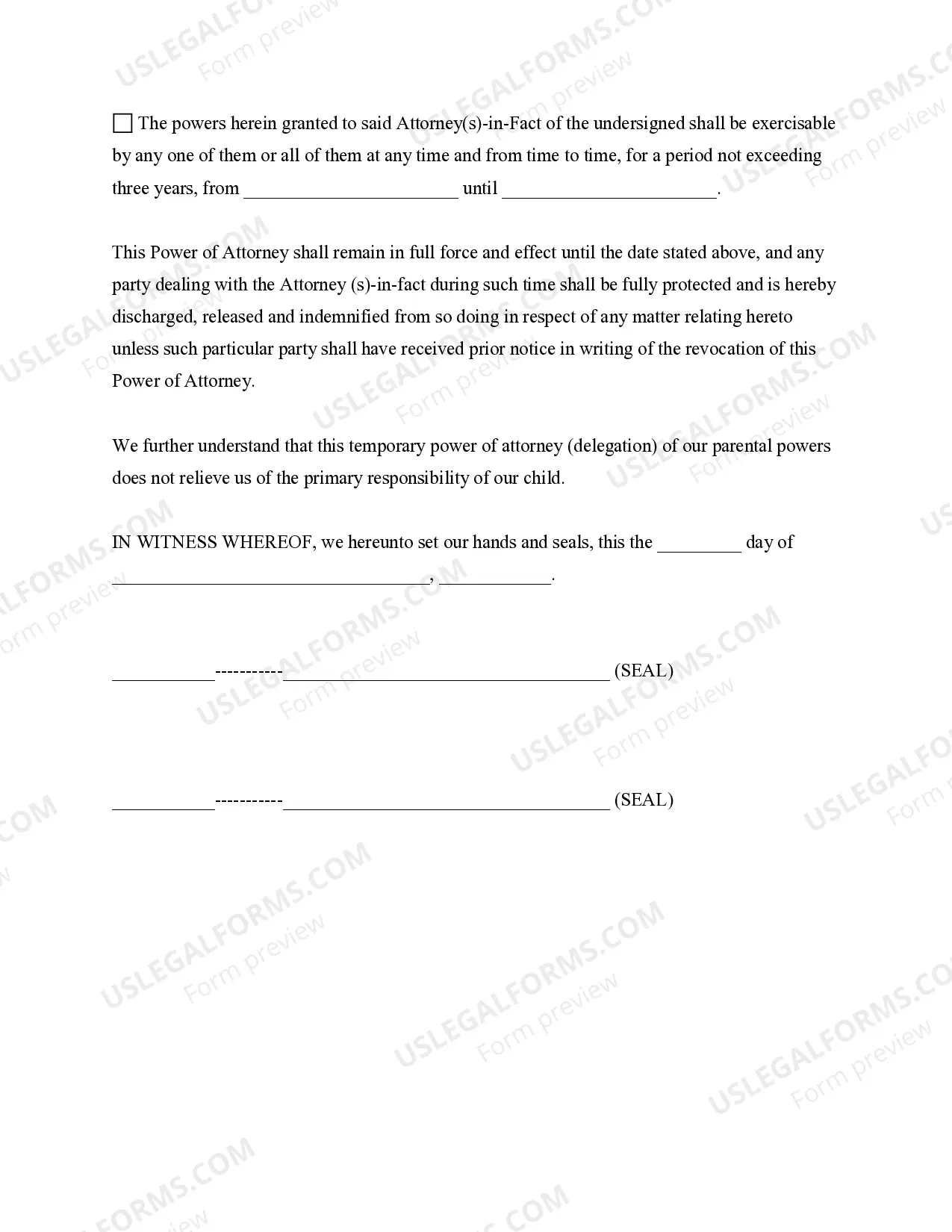
- Duration of authority, with options for six months, one year, or three years depending on the circumstances.
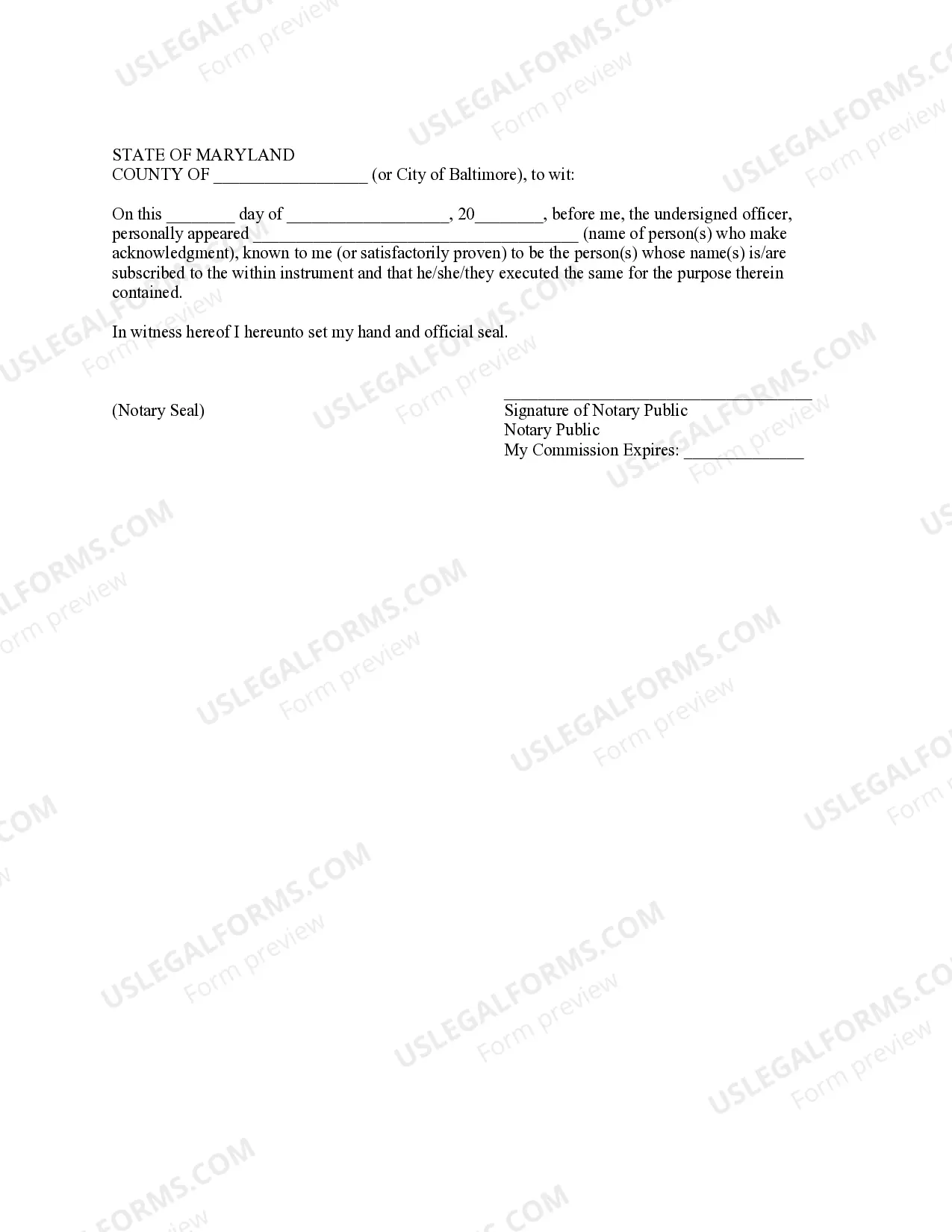
- Notarization requirement for legal validity.
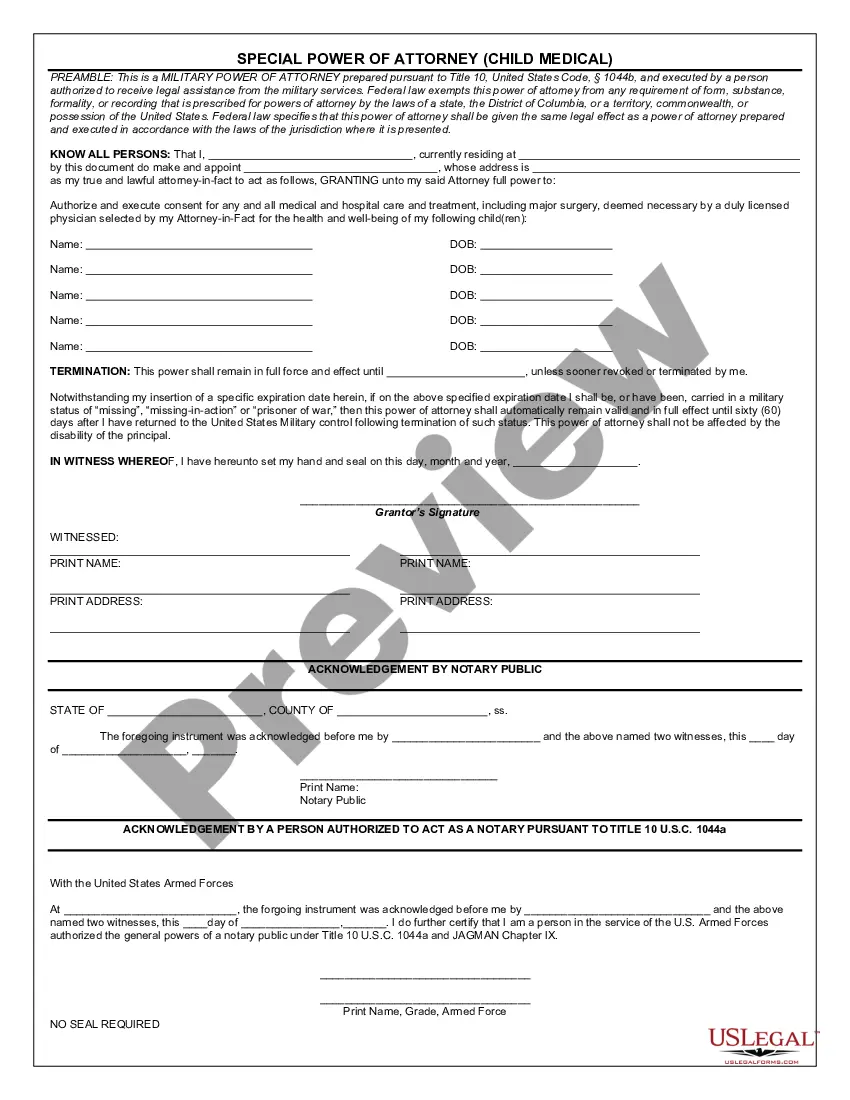
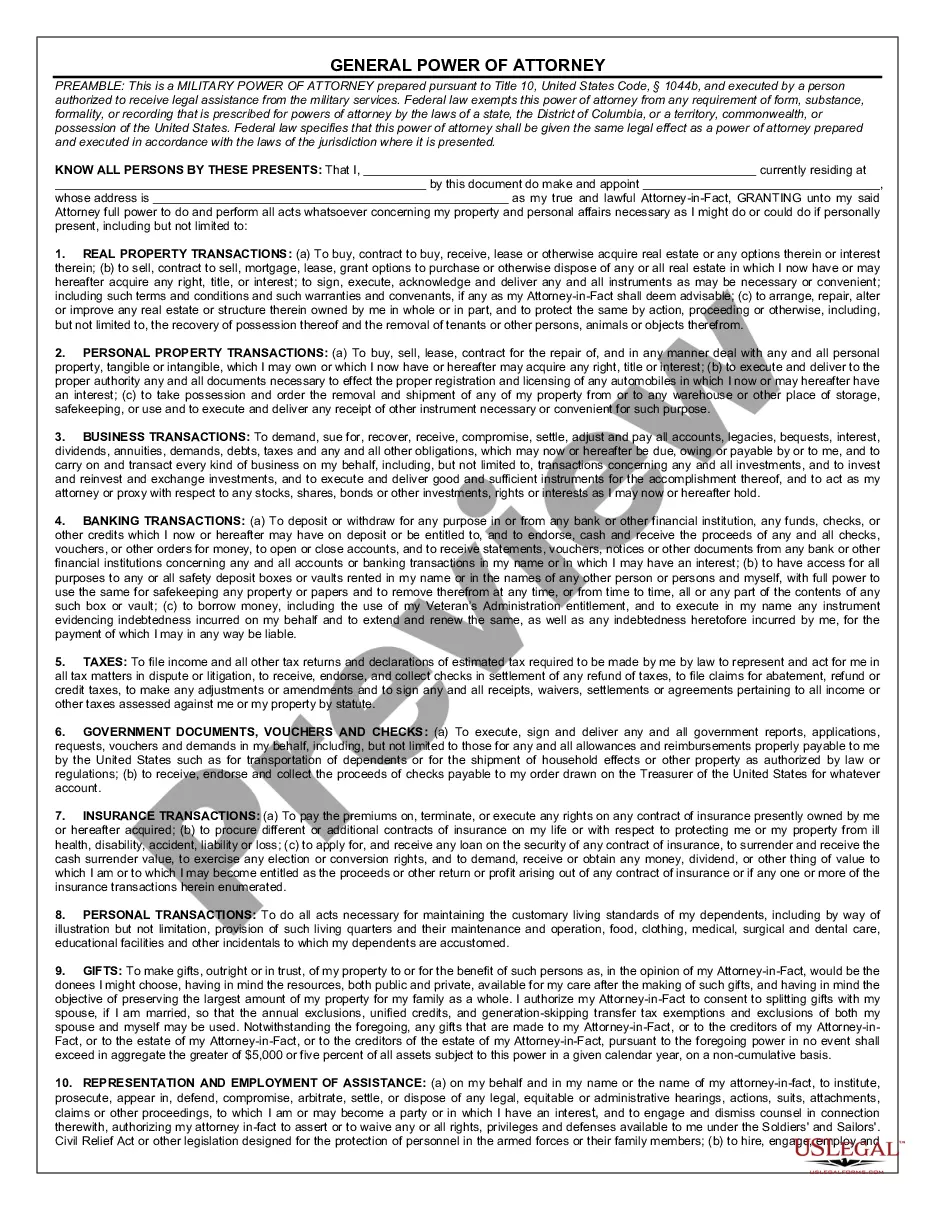
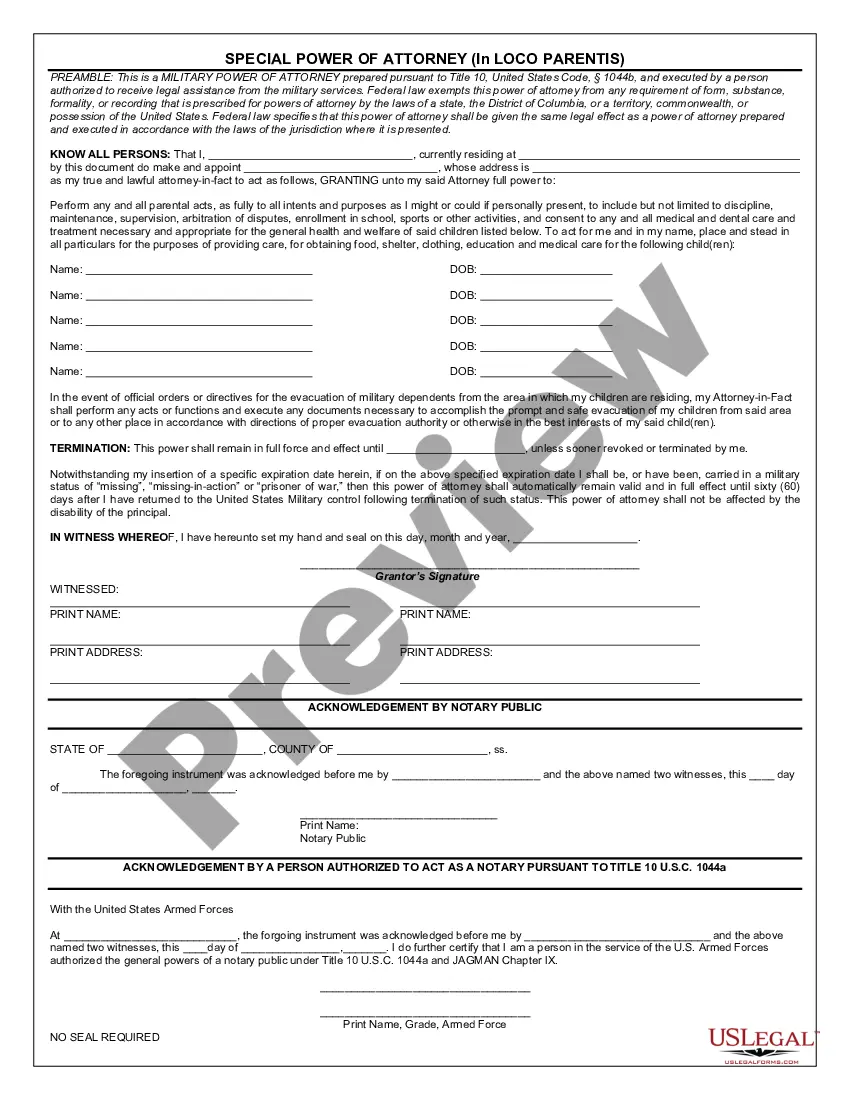
Situations where this form applies
This form is useful in several scenarios, such as when a parent needs to travel for an extended period, is deployed for military service, or is unable to care for their child due to health issues. It is also applicable when parents need to assign temporary care to someone else, such as a relative or trusted friend, when they are not available for direct supervision or decision-making.
Intended users of this form
- Parents or legal guardians looking to assign temporary care of their child.
- Military personnel needing to appoint a caretaker for their children while deployed.
- Parents traveling or residing away from their children for an extended time.
- Anyone wanting to ensure clear decision-making authority during periods of absence or incapacity.
How to complete this form
- Identify the parent(s) who are granting the power of attorney.
- Clearly designate the attorney(s)-in-fact by providing their names and relationship to the child.
- Specify which child or children the document pertains to.
- Outline the specific powers granted, particularly regarding education and health care.
- Select the duration for which the authority is granted, based on the type of circumstances described.
- Sign the document in the presence of a notary public to ensure its legal validity.
Does this form need to be notarized?
Notarization is required for this form to take effect. Our online notarization service, powered by Notarize, lets you verify and sign documents remotely through an encrypted video session, available 24/7.
Get your form ready online
Our built-in tools help you complete, sign, share, and store your documents in one place.
Make edits, fill in missing information, and update formatting in US Legal Forms—just like you would in MS Word.
Download a copy, print it, send it by email, or mail it via USPS—whatever works best for your next step.
Sign and collect signatures with our SignNow integration. Send to multiple recipients, set reminders, and more. Go Premium to unlock E-Sign.
If this form requires notarization, complete it online through a secure video call—no need to meet a notary in person or wait for an appointment.
We protect your documents and personal data by following strict security and privacy standards.

Make edits, fill in missing information, and update formatting in US Legal Forms—just like you would in MS Word.

Download a copy, print it, send it by email, or mail it via USPS—whatever works best for your next step.

Sign and collect signatures with our SignNow integration. Send to multiple recipients, set reminders, and more. Go Premium to unlock E-Sign.

If this form requires notarization, complete it online through a secure video call—no need to meet a notary in person or wait for an appointment.

We protect your documents and personal data by following strict security and privacy standards.
Typical mistakes to avoid
- Failing to specify the name(s) of the child(ren) clearly.
- Not including the duration of the power of attorney, leading to confusion about its validity period.
- Omitting signature from both parents if applicable, which may invalidate the document.
- Neglecting to have the form notarized, which could affect its enforceability.
Advantages of online completion
- Convenient access to the form at any time, allowing for quick preparation and download.
- The ability to customize the document according to individual needs and state requirements.
- Easy editing options for last-minute changes and accuracy before finalizing.
- Reliability of using professionally drafted templates to ensure legal compliance.
Key takeaways
- The General Power of Attorney for Care and Custody of Child or Children is crucial for delegating child care responsibilities temporarily.
- It allows for health and education decisions to be made by a trusted individual in the parent's absence.
- Users must ensure the form is notarized to maintain its legal standing.
- Carefully complete the form to avoid common mistakes that could lead to invalidation.
Looking for another form?
Form popularity
FAQ
An agent under a financial power of attorney should not have the right to bar a sibling from seeing their parent. A medical power of attorney may give the agent the right to prevent access to a parent if the agent believes the visit would be detrimental to the parent's health.
A power of attorney over a child is a document signed and notarized by a parent giving a non- parent authority to make decisions for a minor child.It can be used to authorize the person to obtain medical treatment for a child or sign up a child for an activity or for other significant decisions.
1 attorney answer But no, a power of attorney is not somehow going to constitute or override a custody order, and as a non-parent, he doesn't have any standing to contest custody unless your daughter's been with him (and him alone, not with her mom...
In order for your parent to grant you Power of Attorney, they must be of sound mind.If the parent is of sound mind, they may sign over Power of Attorney. If your parent is already mentally incapacitated, they may have already granted you (or another person) Power of Attorney in a Living Will.
An agent under a durable POA does not have any power until the principal is incapacitated. Once that happens, however, the designated individual must make health care decisions for the principal.
The power of attorney form must be notarized.Powers of attorney, advance directives, and wills require signatures from two witnesses. During the state of emergency these documents may be witnessed remotely when supervised by a Maryland lawyer.
A power of attorney is a legal document in which one person nominates and gives legal authority to another to act on affairs on their behalfi. In effect, a power of attorney allows you delegate the management of your affairs to someone you trustii.
They do not act for their own benefit under a power of attorney or make decisions that involve their own assets and finances.In other words, the attorney-in-fact does not become responsible for repaying the lender from the attorney-in-fact's personal funds if the principal runs out of money.
A power of attorney and a guardianship are tools that help someone act in your stead if you become incapacitated. With a power of attorney, you choose who you want to act for you. In a guardianship proceeding, the court chooses who will act as guardian.