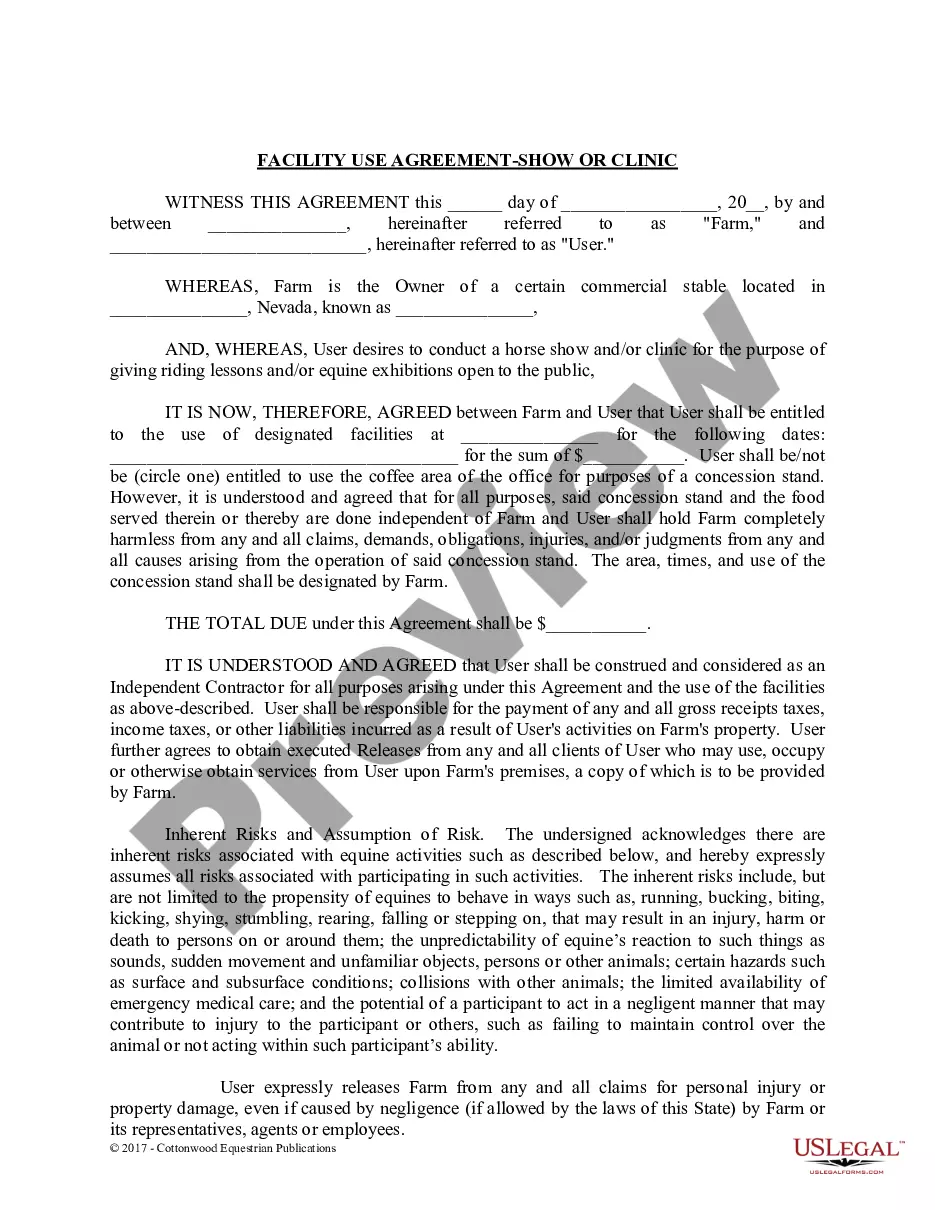
Maryland Railroad Right of Way Easement Agreement
Understanding this form
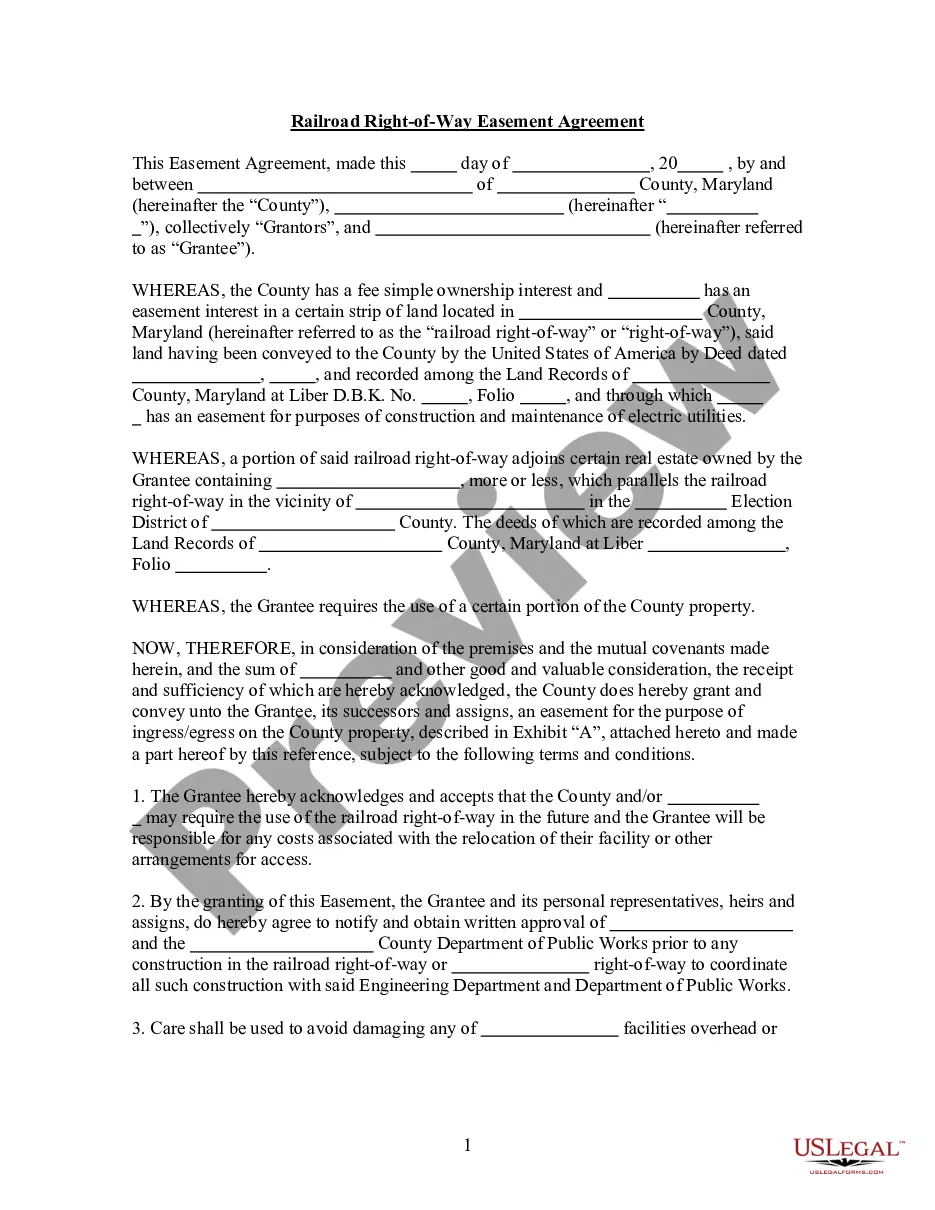
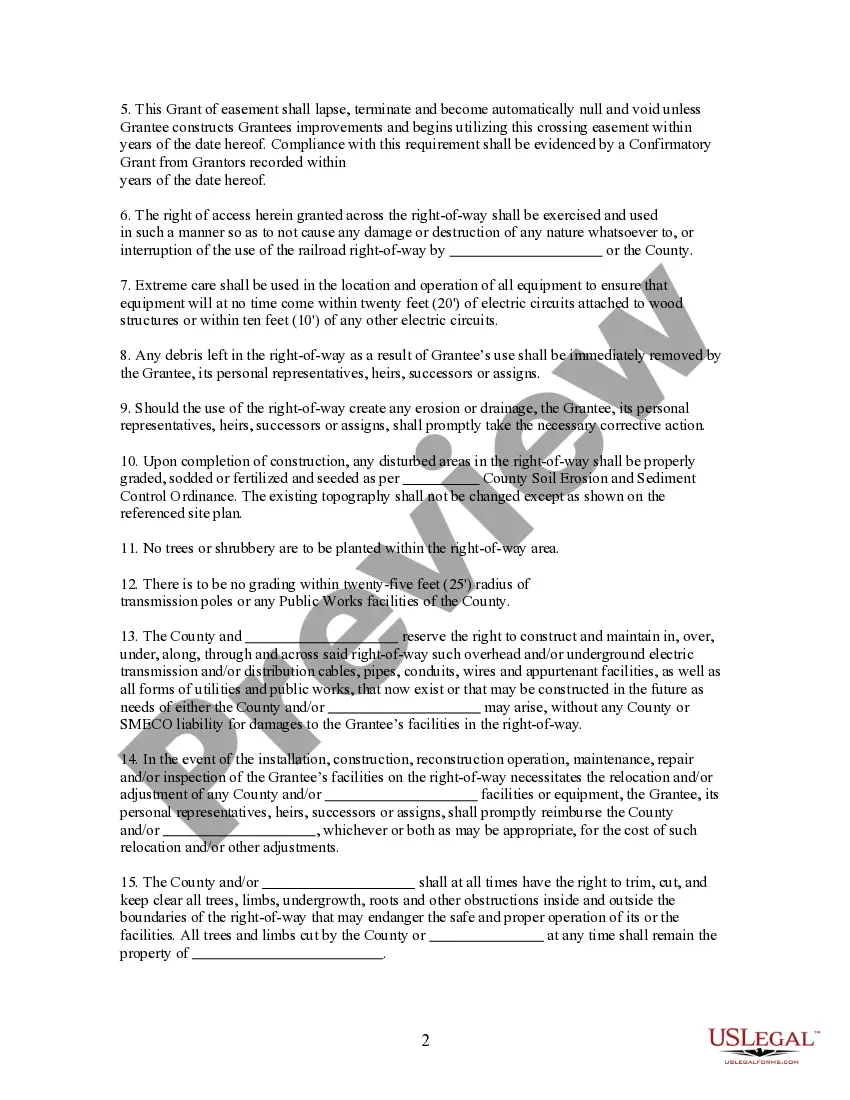
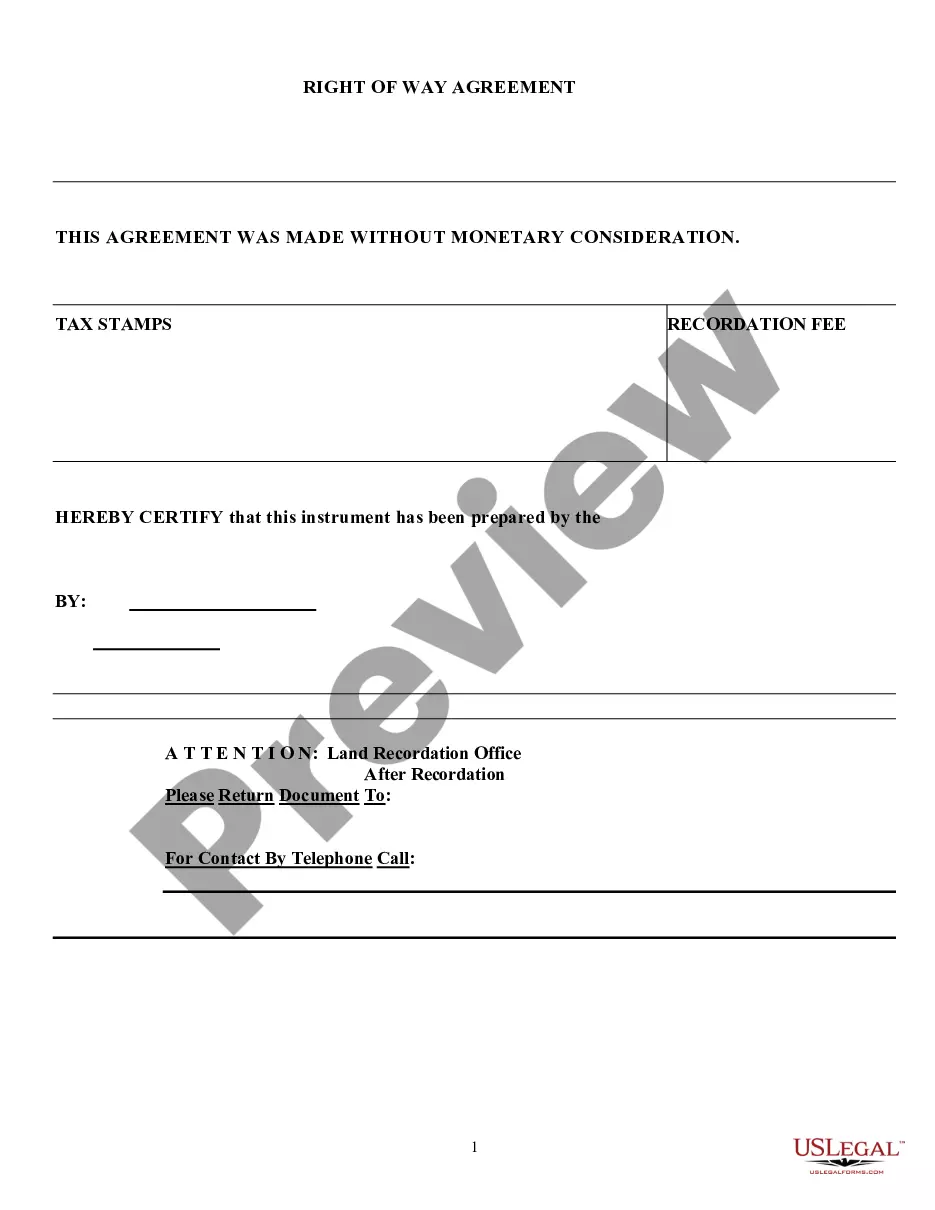
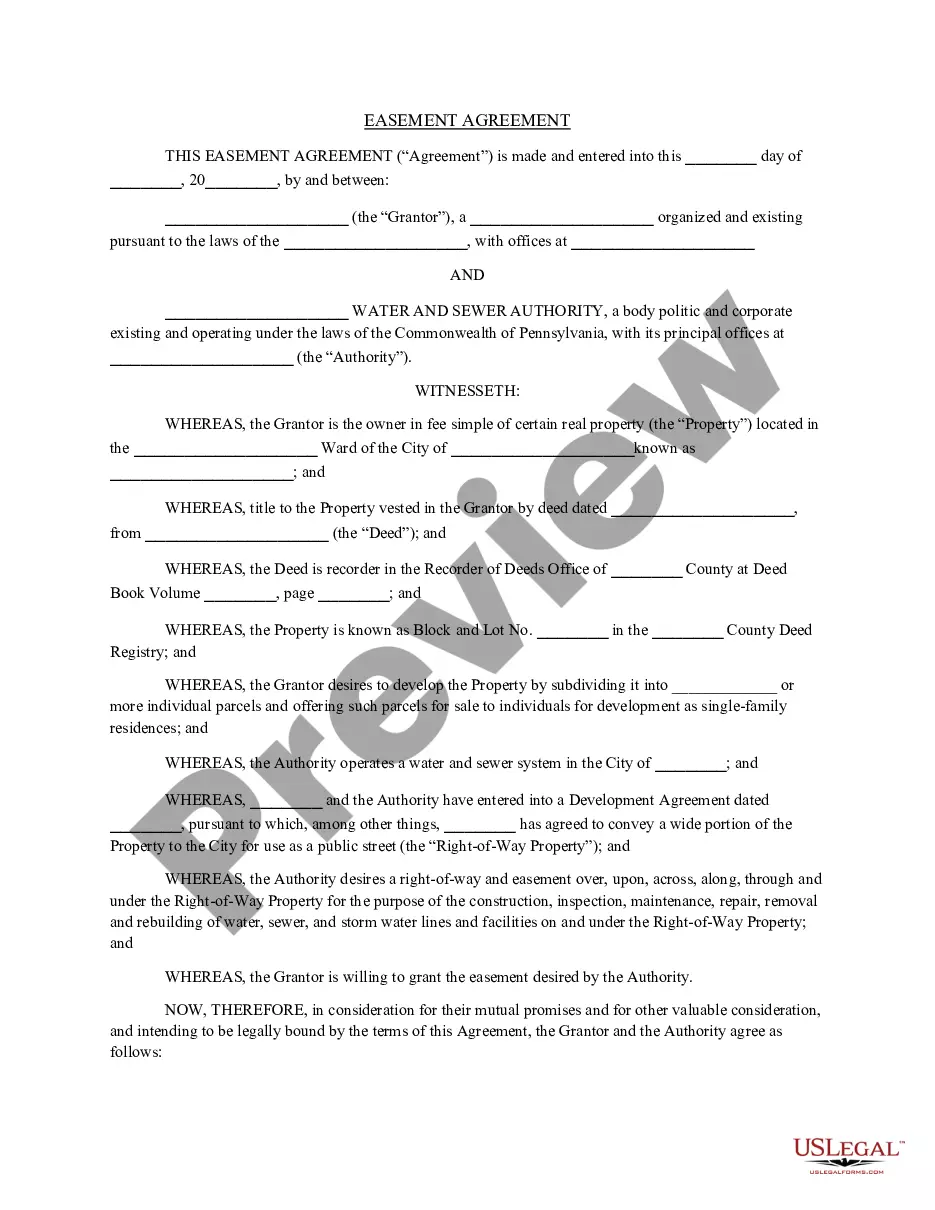
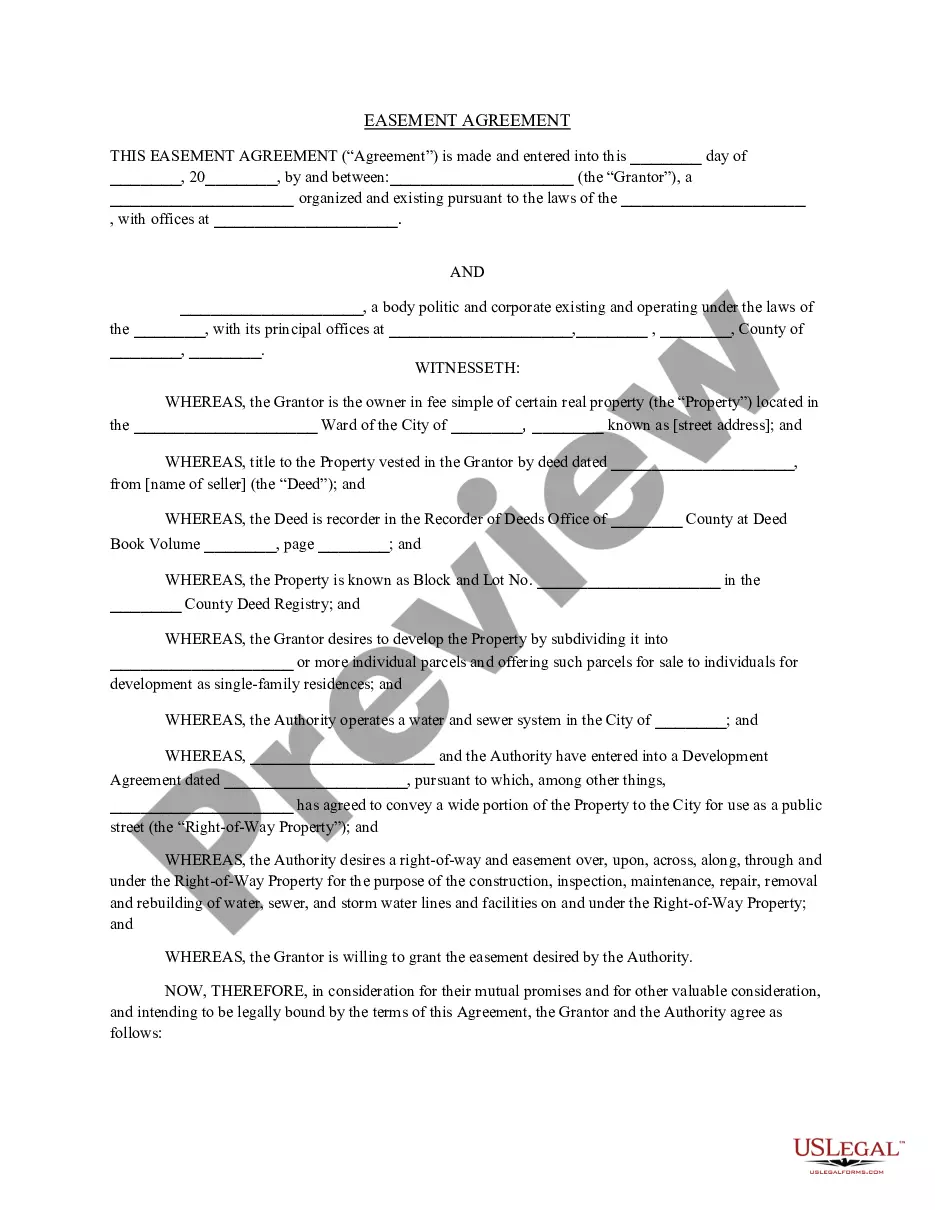
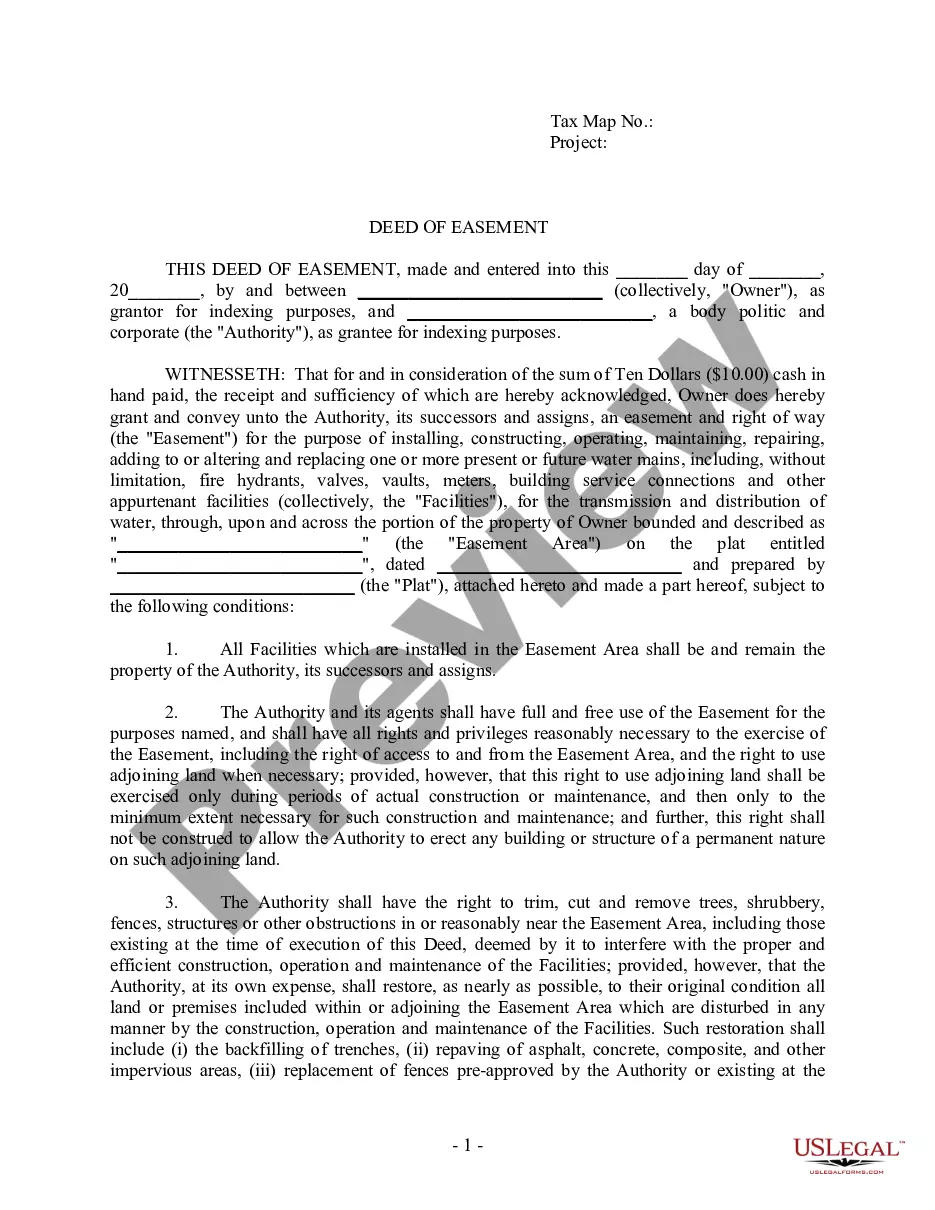
The Railroad Right of Way Easement Agreement is a legal document that grants one party access to another party's property for specific purposes, typically related to ingress and egress. This form is essential for establishing rights over railroad easements, differentiating it from other types of easements that may not involve railroads. It is designed to protect the interests of both landowners and rail operators by outlining the terms and conditions of the easement use.
Main sections of this form
- Description of the property involved in the easement.
- Terms and conditions for use, including responsibilities for debris removal.
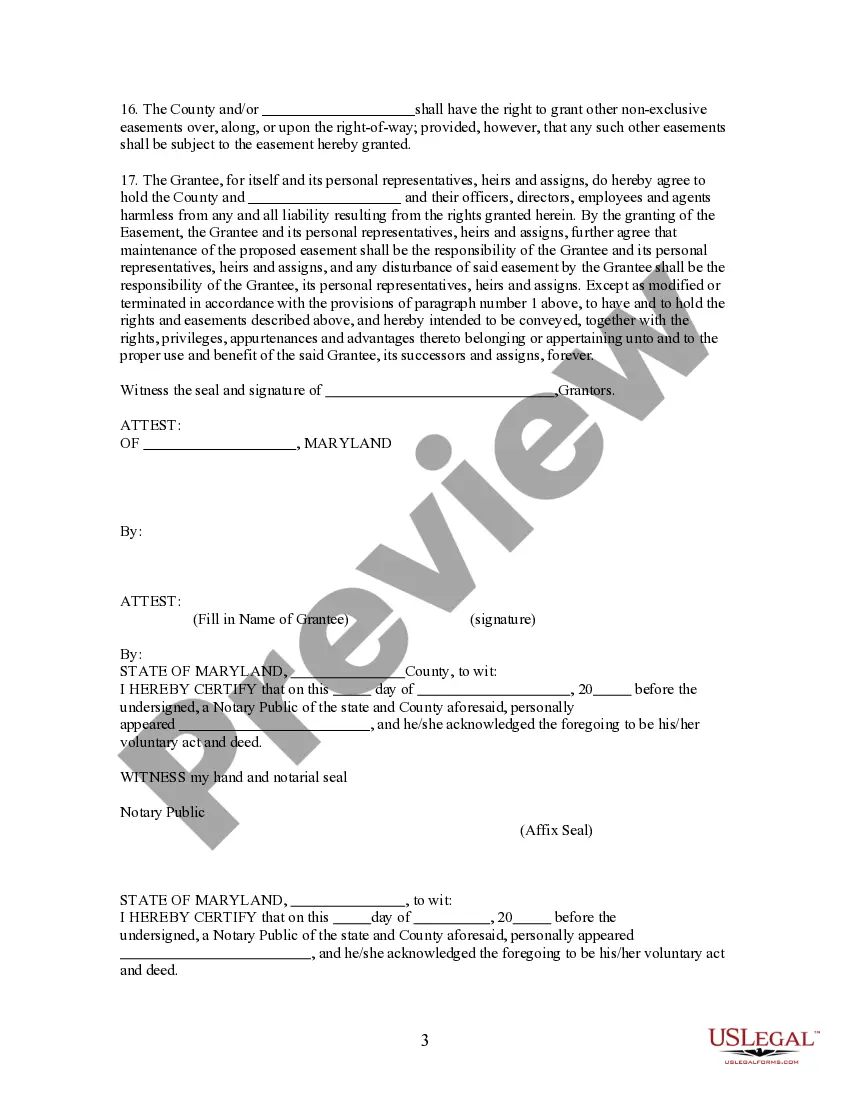
- Grantor and grantee information, identifying the parties involved.
- Effective dates to outline the duration of the easement.
- Provisions regarding repair and maintenance obligations.

When to use this form
This form is necessary when a railroad company needs access to a landowner's property to construct or maintain railroad tracks, utilities, or other related structures. It is also applicable when local governments or county authorities need to formalize access rights for public transportation systems. Situations may include ongoing maintenance work or emergencies requiring immediate access.
Who needs this form
- Railroad companies seeking a legal right to access land owned by others.
- Property owners who wish to grant access rights for railroad use.
- Local government entities involved in transportation planning.
- Legal representatives preparing documents for easement agreements.
How to complete this form
- Identify the parties involved: the grantor (property owner) and the grantee (railroad company).
- Specify the property: describe the exact location and boundaries of the easement.
- Outline the terms of use: detail the rights to access and any limitations during the easement.
- Add start and end dates: clarify how long the easement will remain valid.
- Provide signatures: ensure both parties sign and date the agreement to make it legally binding.
Notarization requirements for this form
This form needs to be notarized to ensure legal validity. US Legal Forms provides secure online notarization powered by Notarize, allowing you to complete the process through a verified video call, available anytime.
Get your form ready online
Our built-in tools help you complete, sign, share, and store your documents in one place.
Make edits, fill in missing information, and update formatting in US Legal Forms—just like you would in MS Word.
Download a copy, print it, send it by email, or mail it via USPS—whatever works best for your next step.
Sign and collect signatures with our SignNow integration. Send to multiple recipients, set reminders, and more. Go Premium to unlock E-Sign.
If this form requires notarization, complete it online through a secure video call—no need to meet a notary in person or wait for an appointment.
We protect your documents and personal data by following strict security and privacy standards.

Make edits, fill in missing information, and update formatting in US Legal Forms—just like you would in MS Word.

Download a copy, print it, send it by email, or mail it via USPS—whatever works best for your next step.

Sign and collect signatures with our SignNow integration. Send to multiple recipients, set reminders, and more. Go Premium to unlock E-Sign.

If this form requires notarization, complete it online through a secure video call—no need to meet a notary in person or wait for an appointment.

We protect your documents and personal data by following strict security and privacy standards.
Typical mistakes to avoid
- Failing to clearly describe the property and its boundaries.
- Omitting important terms about maintenance and debris removal obligations.
- Not including the effective dates of the easement.
- Overlooking signatures from both parties, which can invalidate the agreement.
Why complete this form online
- Convenience: Downloadable and ready to use at your convenience.
- Editability: Customize the agreement to fit your specific needs easily.
- Reliability: Ensure accuracy with templates drafted by licensed attorneys.
Looking for another form?
Form popularity
FAQ
A railroad easement agreement typically gives one party the right to enter and exit a neighboring party's land or use shared structures for agreed-upon reasons. A railroad easement is legally binding on both the railroad company and the adjoining property owned once filed in the area land records.
An easement is a limited right to use another person's land for a stated purpose. Examples of easements include the use of private roads and paths, or the use of a landowner's property to lay railroad tracks or electrical wires.
The term right-of-way is often associated with railroads and is a common source of confusionboth in the courtroom and among the general population. A right-of-way may describe a limited interest or servitude over the land of another, or it may refer to the strip of land itself.
The typical 50' width is the most common railroad right of way width (25' either side of centerline of said track).
Yes, you can build on a property easement, even a utility easement.The dominant estate owning the easement may need to access the easement. Anything, from a house addition down to fences, shrubs, and children's playsets might need to be removed in this event.
When the line is abandoned, ownership can revert back to the underlying landowner, usually the adjacent property owner.In such situations, when a railroad abandons the line, it gives up its easement rights to use the land and fee simple complete and exclusive ownership reverts to the underlying landowner.
In accordance with Section 339, a distance of at least 14 feet from the center line of each railroad track must be maintained between parallel railroad tracks or adjacent sidetracks, unless authorized by written approval from MDOT's Office of Rail.
For most of its length, the right of way is 66 feet wide centered on the tracks.