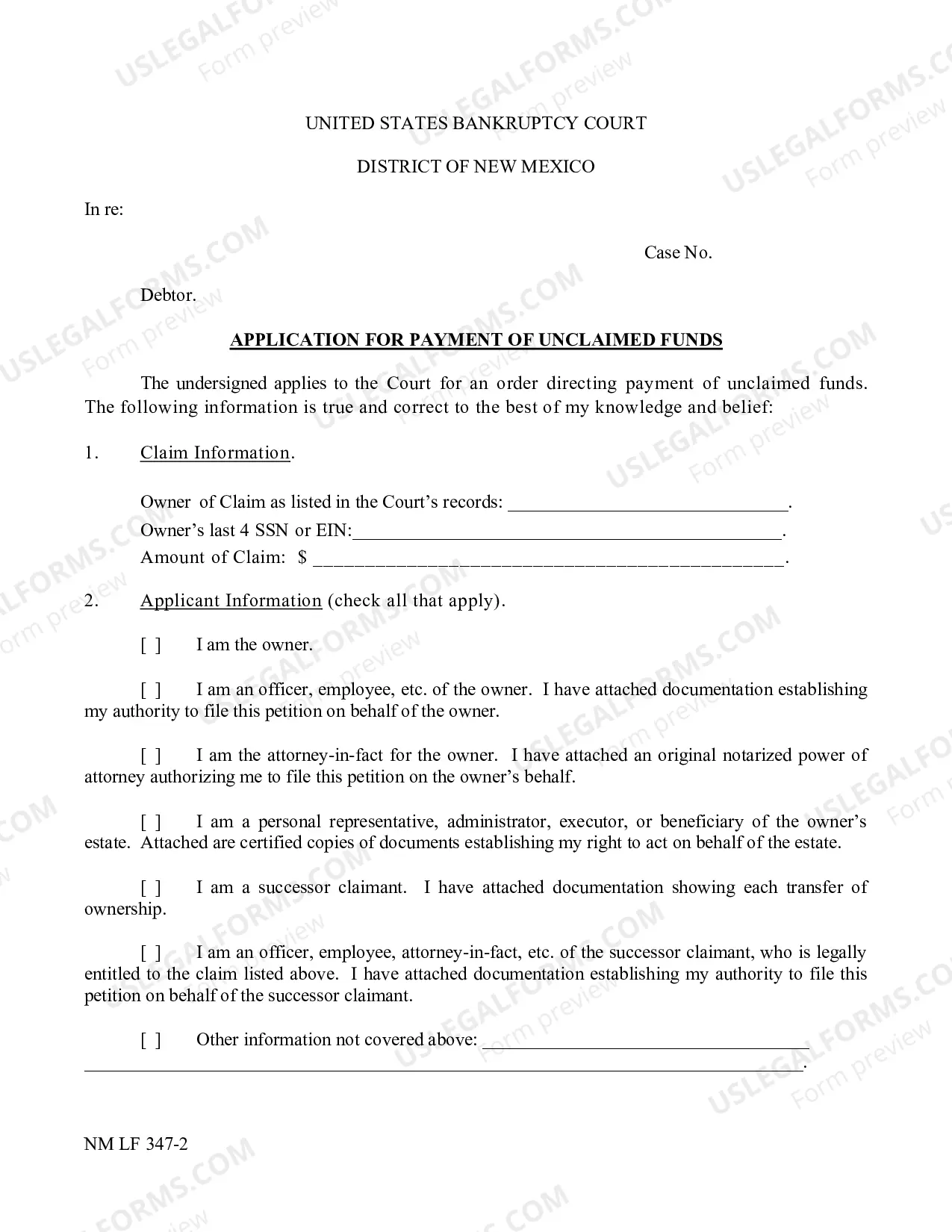
Maryland Residential or Rental Lease Extension Agreement
Understanding this form
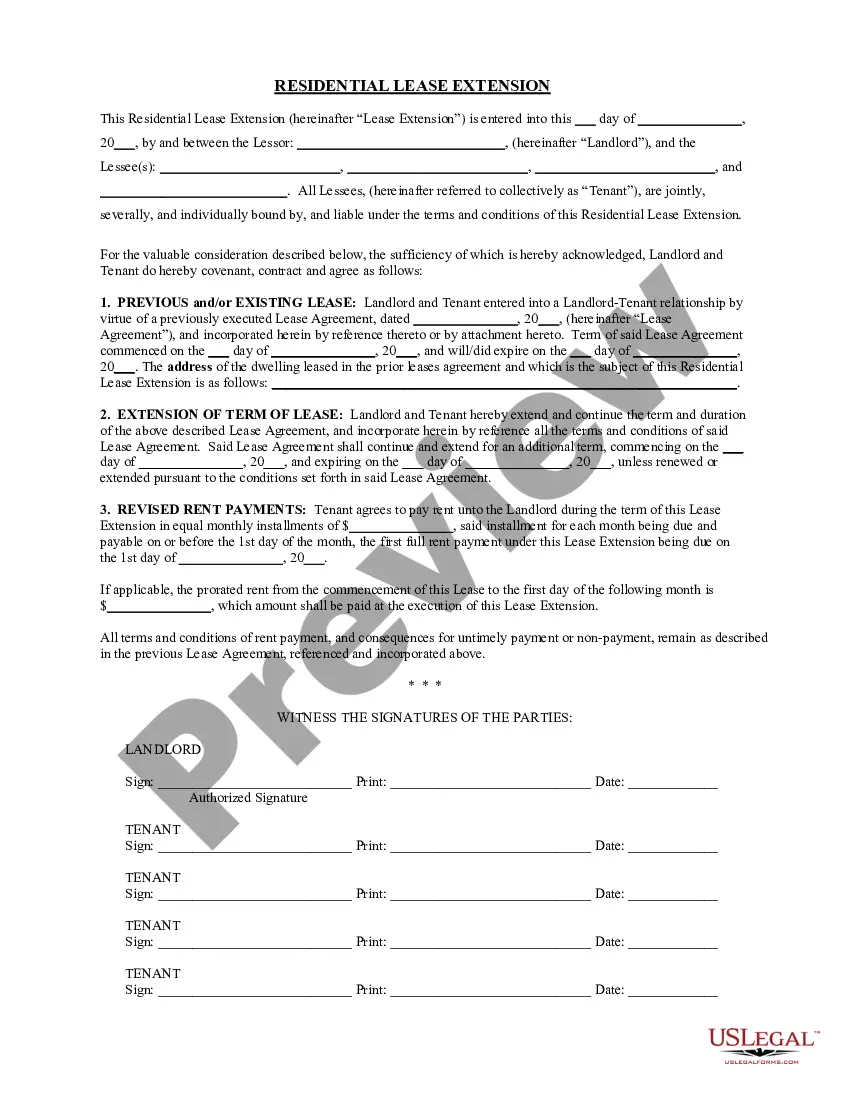
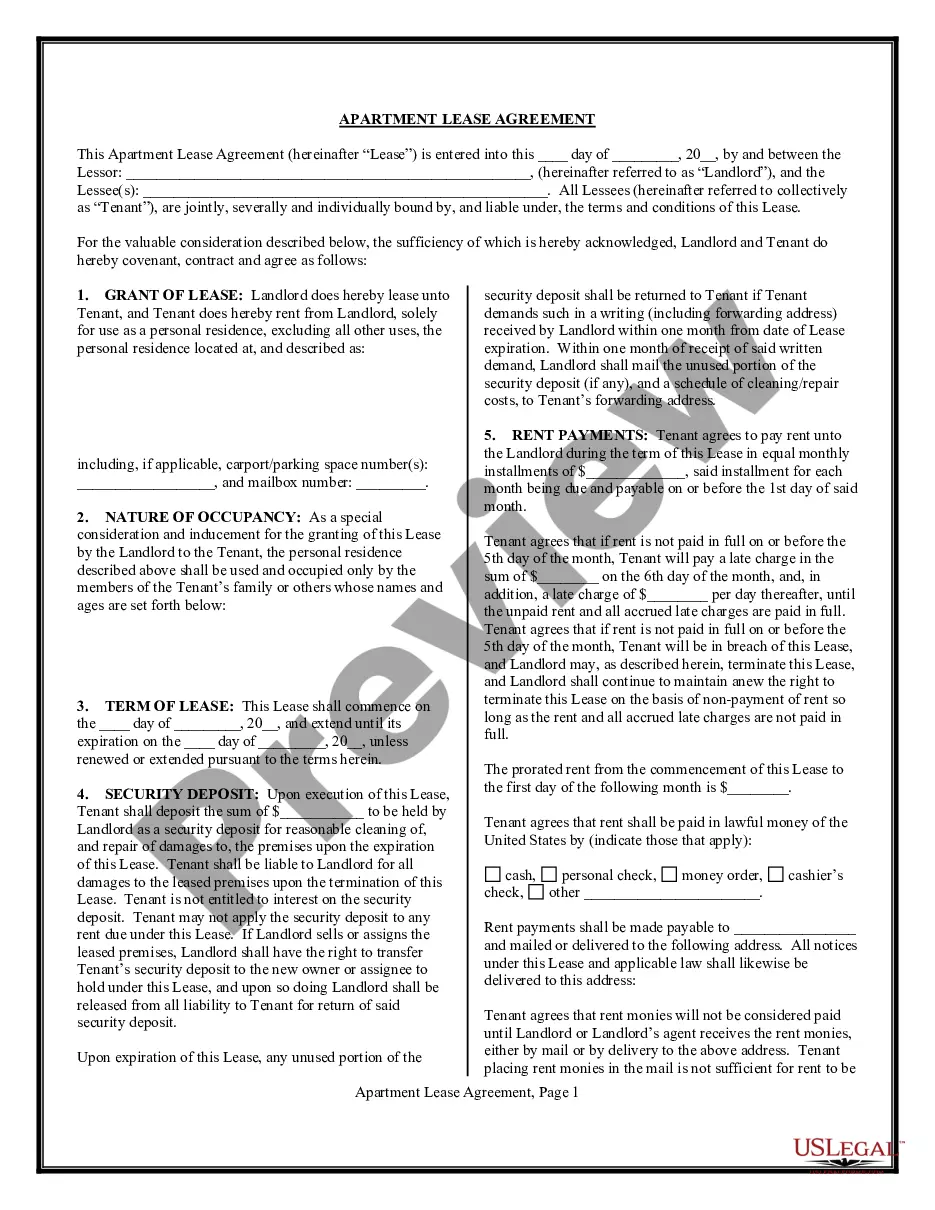
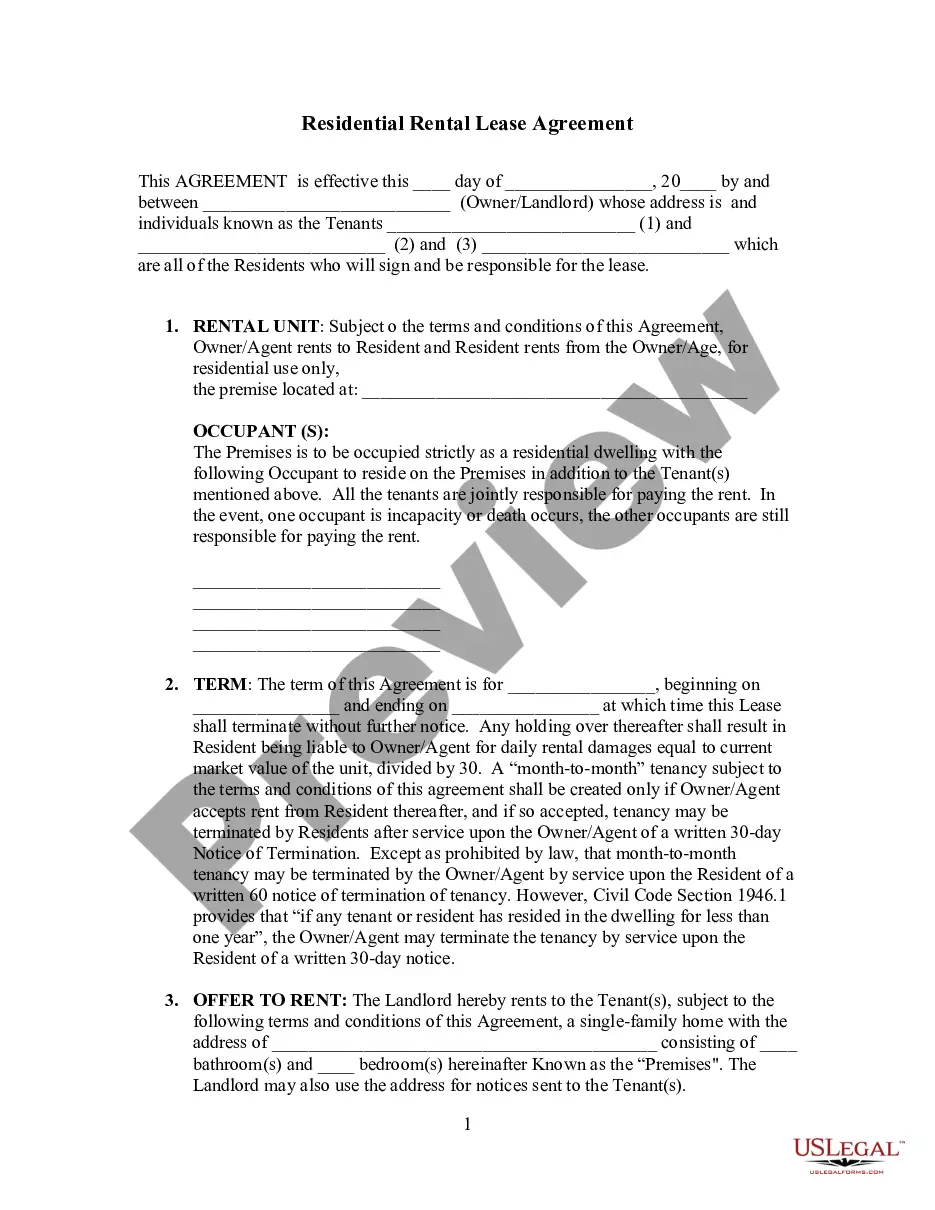
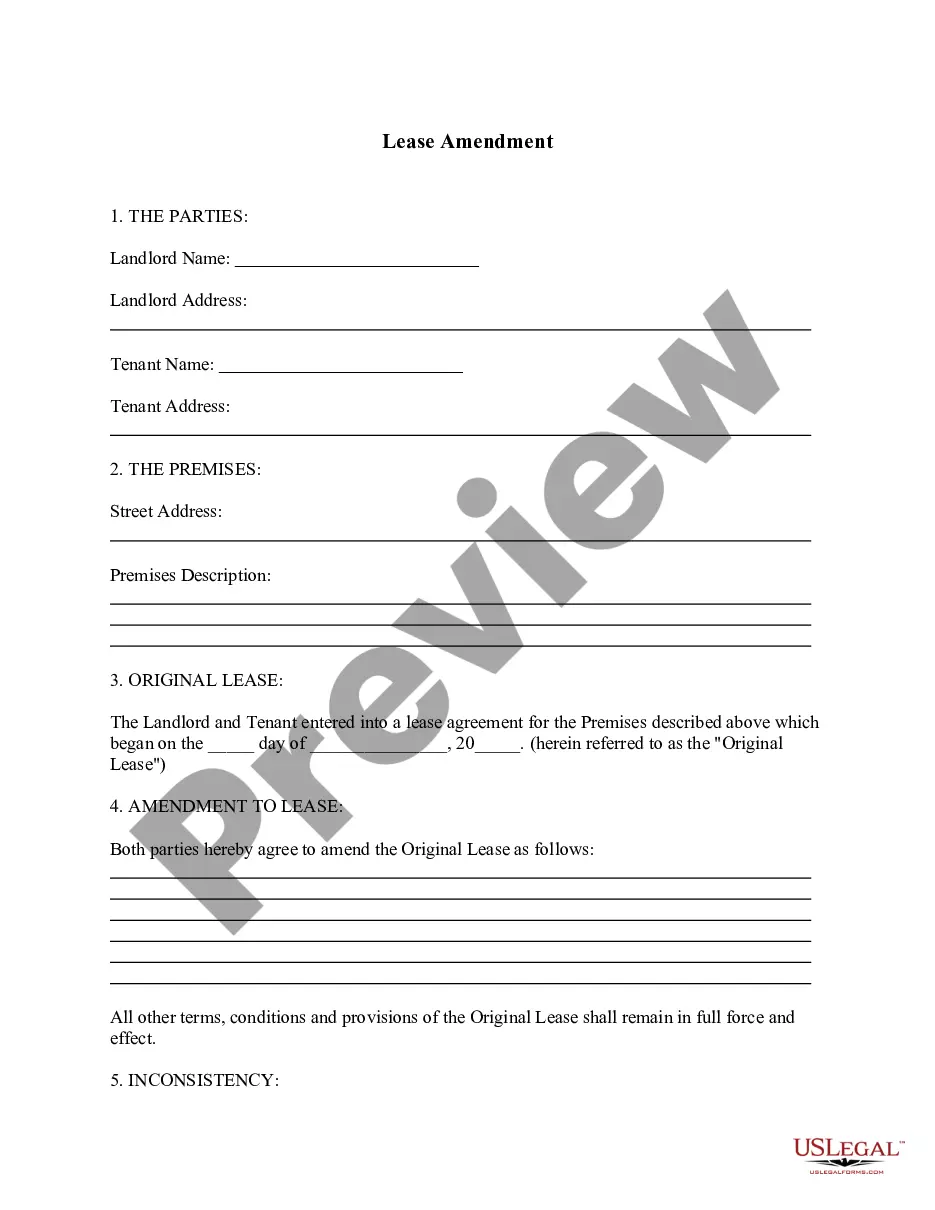
The Residential or Rental Lease Extension Agreement is a legal document that allows landlords and tenants to extend the term of an existing residential lease without the need for a new lease contract. The extension maintains the original lease terms but may include updates, such as revised rent amounts. This form serves as a straightforward method to prolong the leasing arrangement while ensuring that all parties are aware of their obligations.
Key parts of this document
- Identification of parties involved (Landlord and Tenant)
- Details of the original lease agreement
- Extension period and new expiration date
- Revised rent payment details
- Signatures of all parties involved for validation
When this form is needed
This form is useful when both the landlord and tenant agree to extend the existing lease but wish to avoid the complexities of drafting a new lease. It can be used in various situations, such as when a tenant wants to remain in the rental property longer or when rental rates need to be adjusted due to market changes.
Who needs this form
This form is intended for:
- Landlords wishing to extend a tenant's lease without rewriting the agreement
- Tenants seeking to continue their residence under the same lease terms
- Real estate professionals facilitating lease arrangements
Instructions for completing this form
- Identify the landlord and tenant(s) involved in the lease extension.
- Provide details of the original lease, including its start and original end date.
- Specify the new lease term and expiration date for the extension.
- Enter the new rent amount and payment details, including due dates.
- All parties should sign and date the agreement to ensure legal validity.
Notarization guidance
This form does not typically require notarization unless specified by local law. Ensure to check state regulations for any specific requirements regarding lease extensions.
Get your form ready online
Our built-in tools help you complete, sign, share, and store your documents in one place.
Make edits, fill in missing information, and update formatting in US Legal Forms—just like you would in MS Word.
Download a copy, print it, send it by email, or mail it via USPS—whatever works best for your next step.
Sign and collect signatures with our SignNow integration. Send to multiple recipients, set reminders, and more. Go Premium to unlock E-Sign.
If this form requires notarization, complete it online through a secure video call—no need to meet a notary in person or wait for an appointment.
We protect your documents and personal data by following strict security and privacy standards.

Make edits, fill in missing information, and update formatting in US Legal Forms—just like you would in MS Word.

Download a copy, print it, send it by email, or mail it via USPS—whatever works best for your next step.

Sign and collect signatures with our SignNow integration. Send to multiple recipients, set reminders, and more. Go Premium to unlock E-Sign.

If this form requires notarization, complete it online through a secure video call—no need to meet a notary in person or wait for an appointment.

We protect your documents and personal data by following strict security and privacy standards.
Typical mistakes to avoid
- Failing to review the original lease terms before extending.
- Not including all tenant names on the agreement.
- Leaving the rent amount unspecified or incorrect.
- Not signing the document by all parties involved.
- Neglecting to record the new expiration dates properly.
Advantages of online completion
- Convenient access to legal forms anytime, from anywhere.
- Edit and customize the form easily before downloading.
- Ensures that all necessary legal language is included.
- Cost-effective solution compared to hiring legal counsel for simple extensions.
Looking for another form?
Form popularity
FAQ
Find a solicitor. The Leasehold Advisory Service lists solicitors specialising in the field. Value the lease. Professional valuation advice is crucial. Negotiate the price. Your solicitor may approach the freeholder informally first. Apply to a tribunal.
The letter should state the name, address and contact details of the tenant and the landlord. It should be dated according to any agreement for extension. For example, leases are usually extended or discontinued one or two months before the expiry date.
Many leases provide the tenant with an option to renew or extend the lease term beyond the expiration of the initial term.By definition, a lease renewal is a new lease agreement, whereas a lease extension is a continuation of the original lease agreement.
Start the conversation. Know what your apartment is worth. Learn something, even one small thing, about the market that works in your favor. Show off what a great tenant you are! Try to extend your lease. Offer money up-front. Provide services for the home or building. Come up with some requests.
Contract extension: an existing contract is continued for a period of time.Contract renewal: an existing contract endsby, for example, expiringand the parties agree to enter into a new contract (usually for the same or very similar services).
Renewing a lease locks a tenant in so a landlord knows (if all goes to plan) that they will receive rent for a predictable period of time. Likewise, as the PM, it means your revenue is also guaranteed to remain stable because you only get your cut, when the landlord gets their rent!
Your rights as a tenant when a lessor proposes changes to your lease depend on whether you have an option to renew when the lease expires.That is, a new lease is created, and both parties are legally bound to that agreement. Until both parties sign the new lease, there is only an 'agreement to lease'.
When the leasehold expires, the property reverts to a freehold property, where it is under the ownership of the freeholder in addition to you no longer having the right to stay there.
Firstly, you will have to pay the premium for the lease extension. Secondly, you will have to pay your landlord's reasonable costs as they are legally entitled to.