Maryland Construction Contract Cost Plus or Fixed Fee
What is this form?
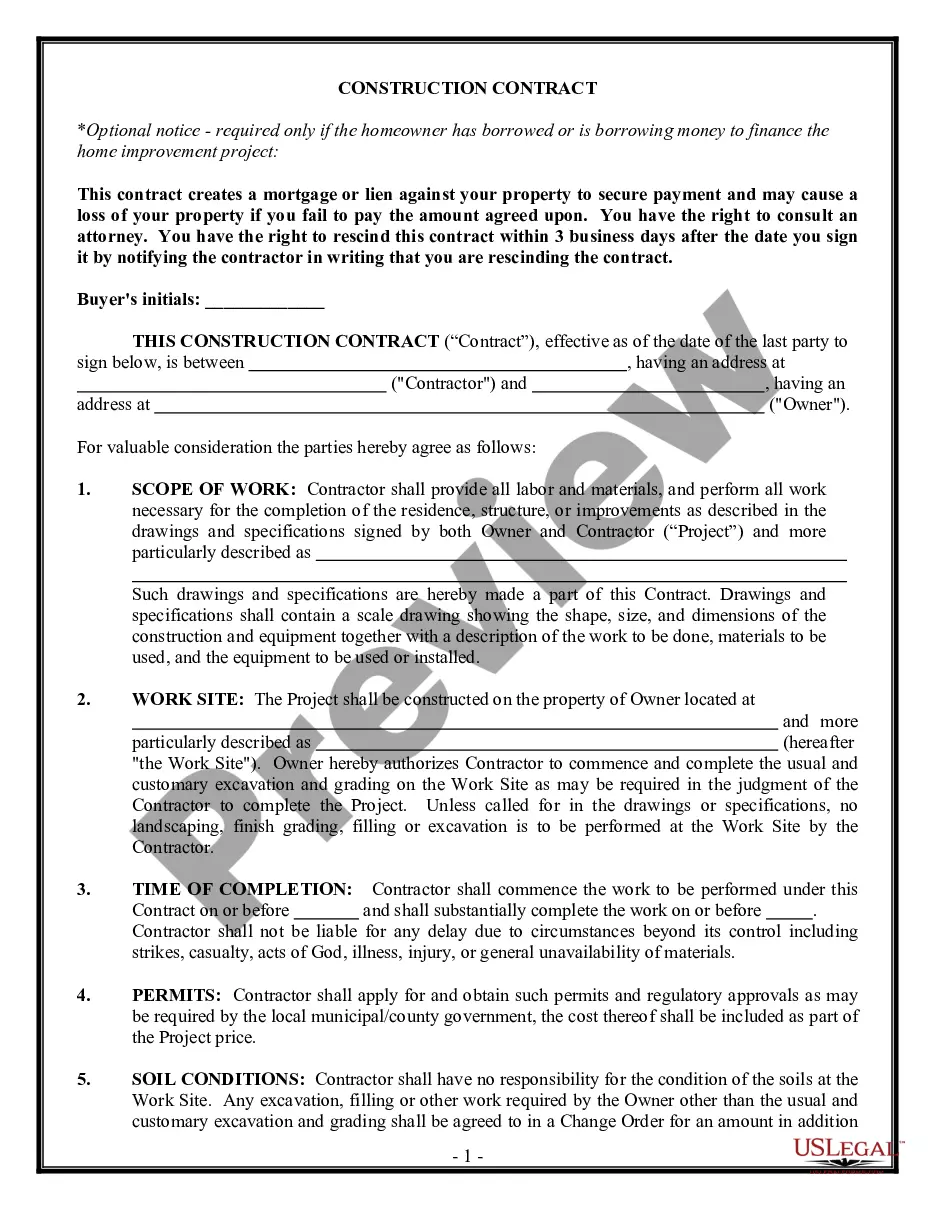
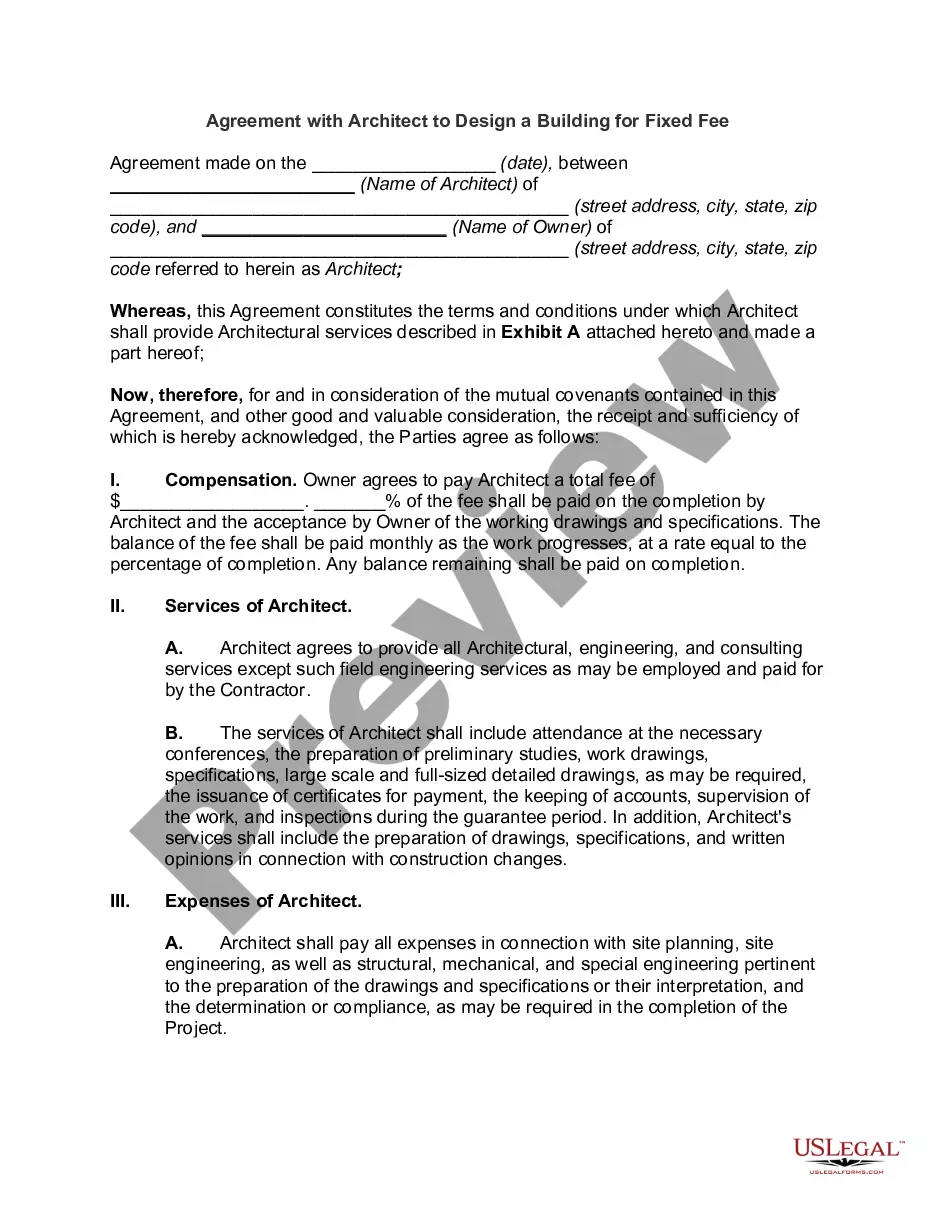
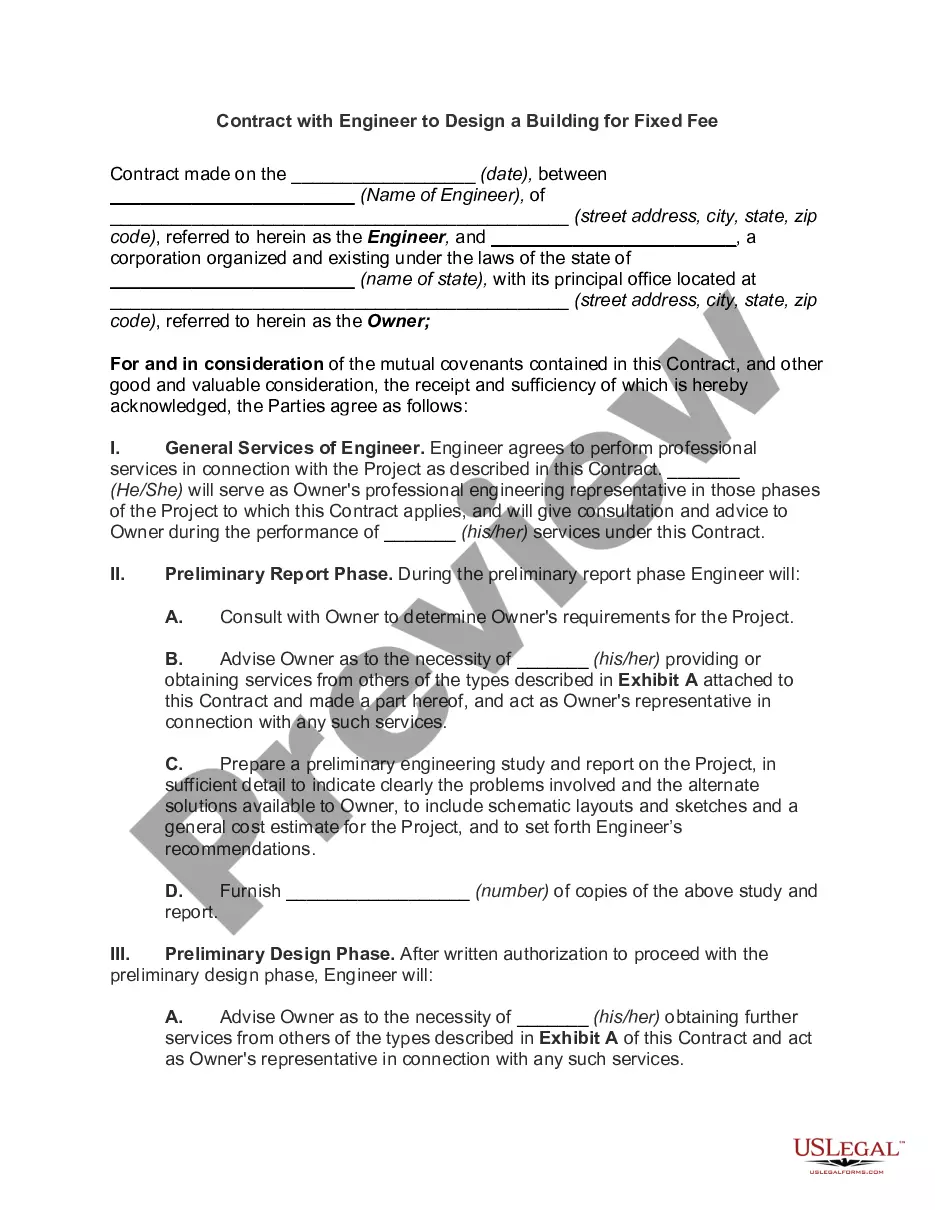
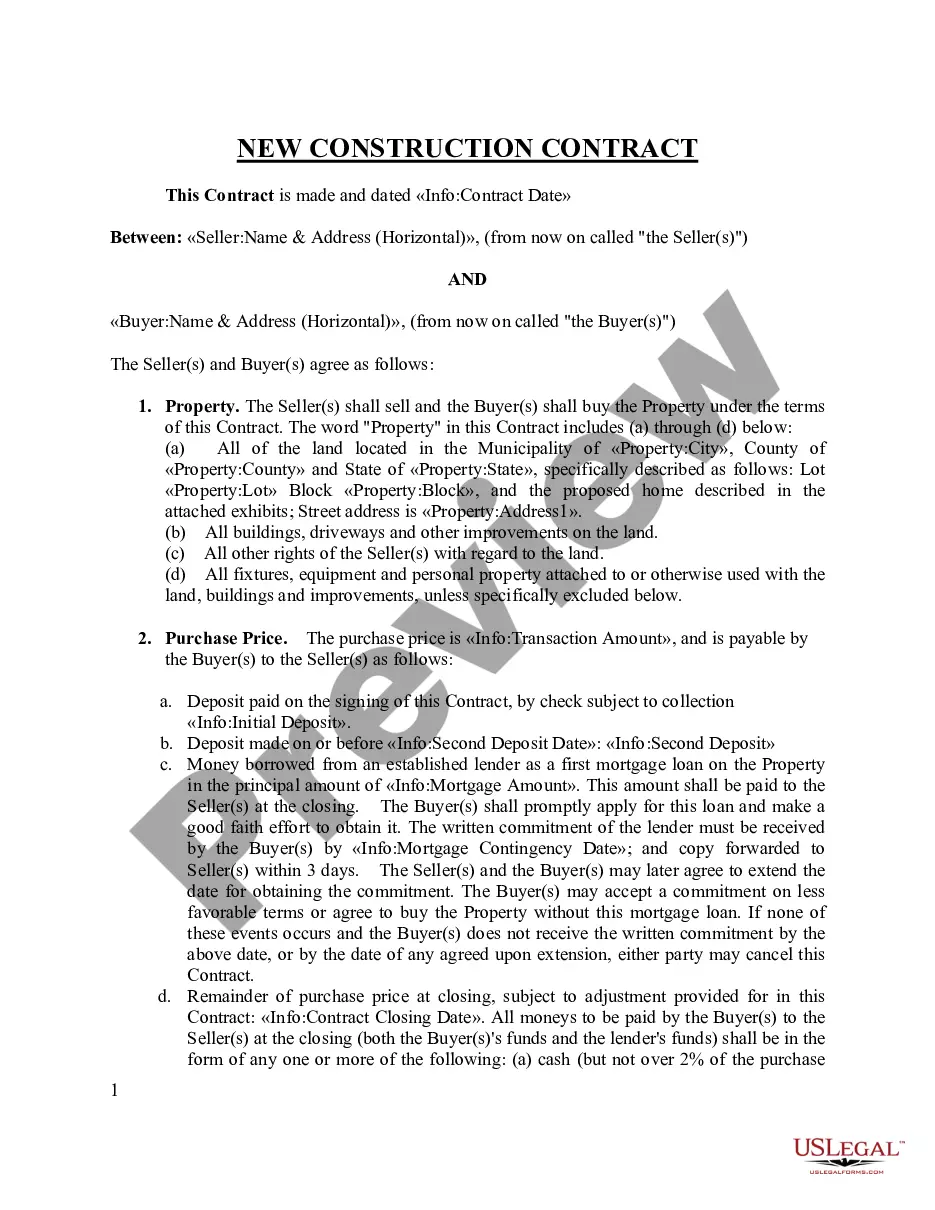
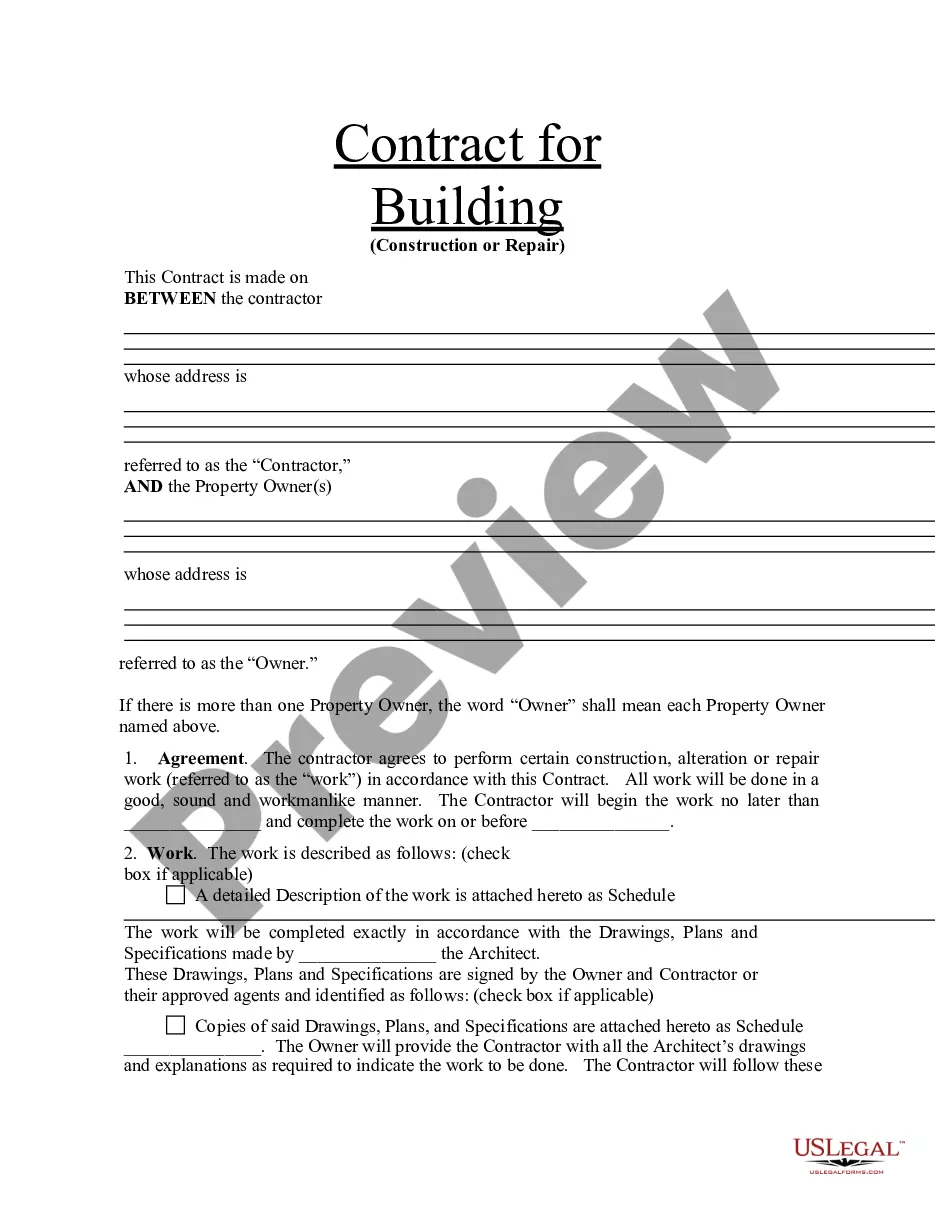
The Construction Contract Cost Plus or Fixed Fee is a legal template used for agreements between a contractor and a property owner, which can be executed under a cost plus or fixed fee payment structure. It outlines specific responsibilities for both parties regarding the scope of work, site conditions, warranties, and insurance. This form is distinct from other construction contracts as it is not intended for building new or custom homes, where a different contract form would be necessary.
Key components of this form
- Scope of work detailing the specific tasks to be performed by the contractor.
- Work site information including the property's location.
- Insurance requirements for the contractor to protect against liabilities.
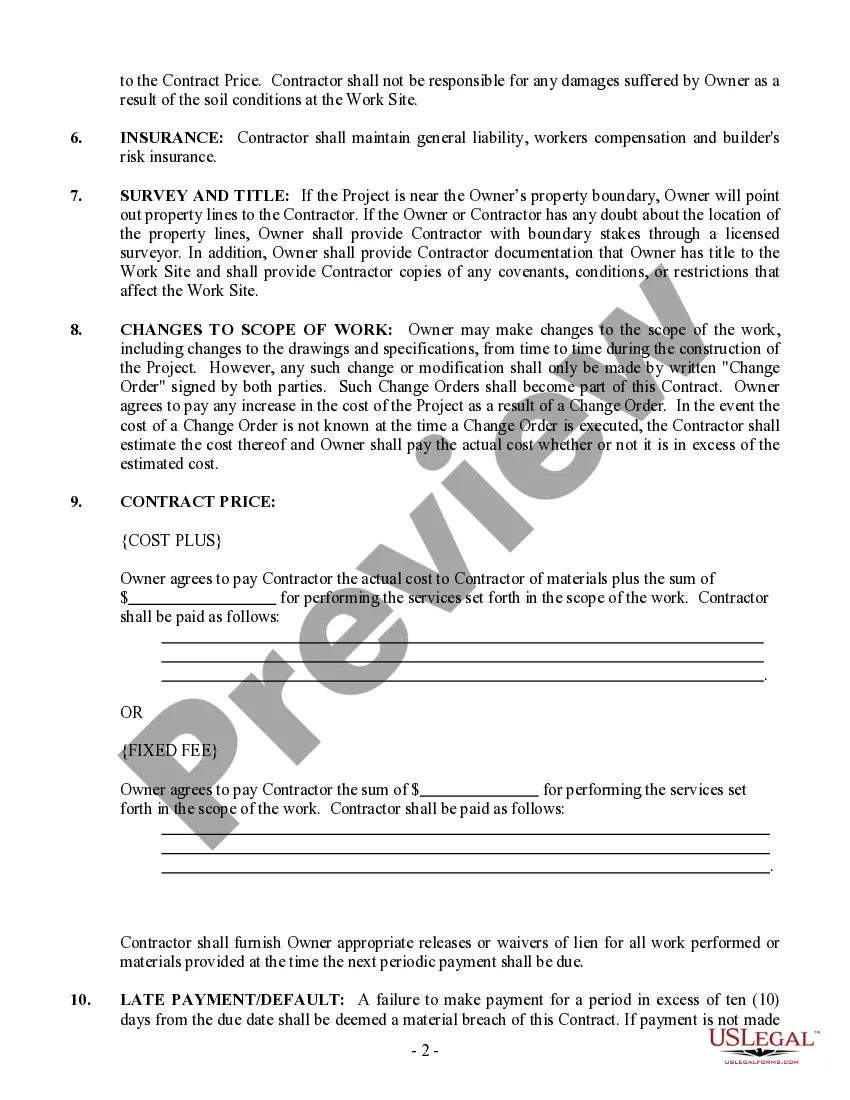
- Process for change orders to adjust the scope of work and costs.
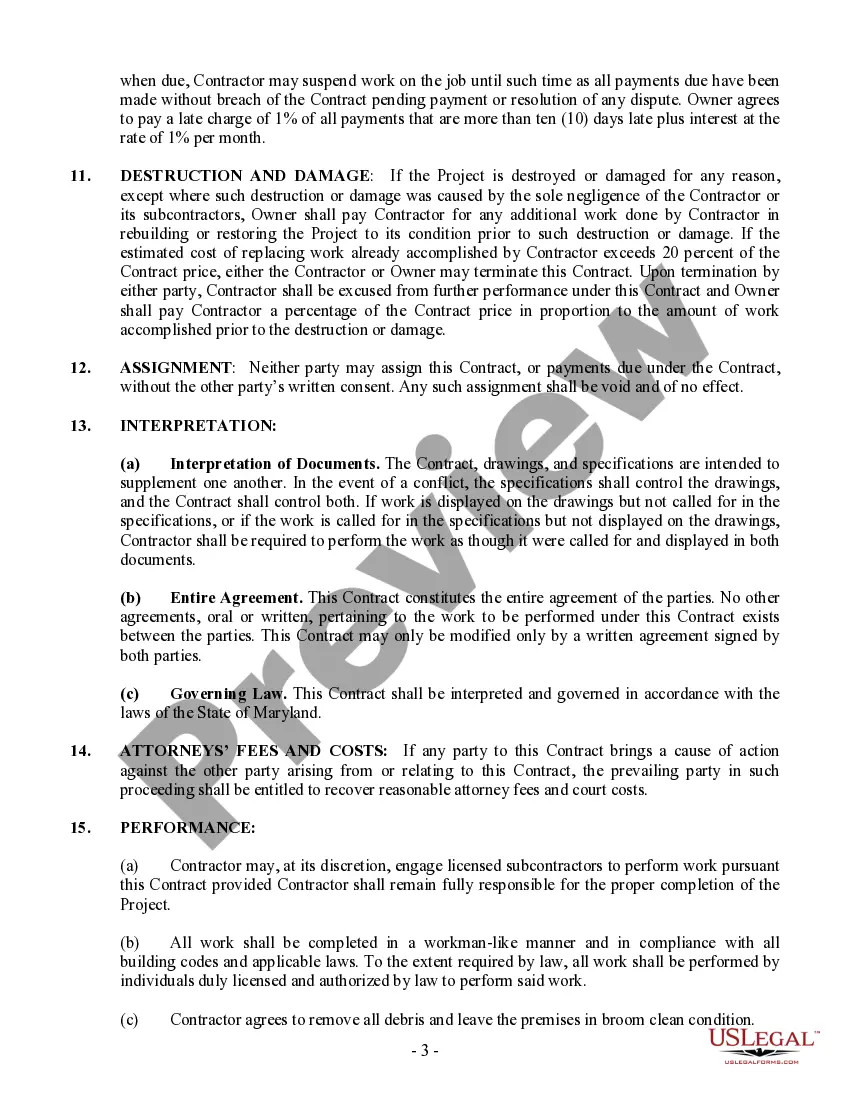
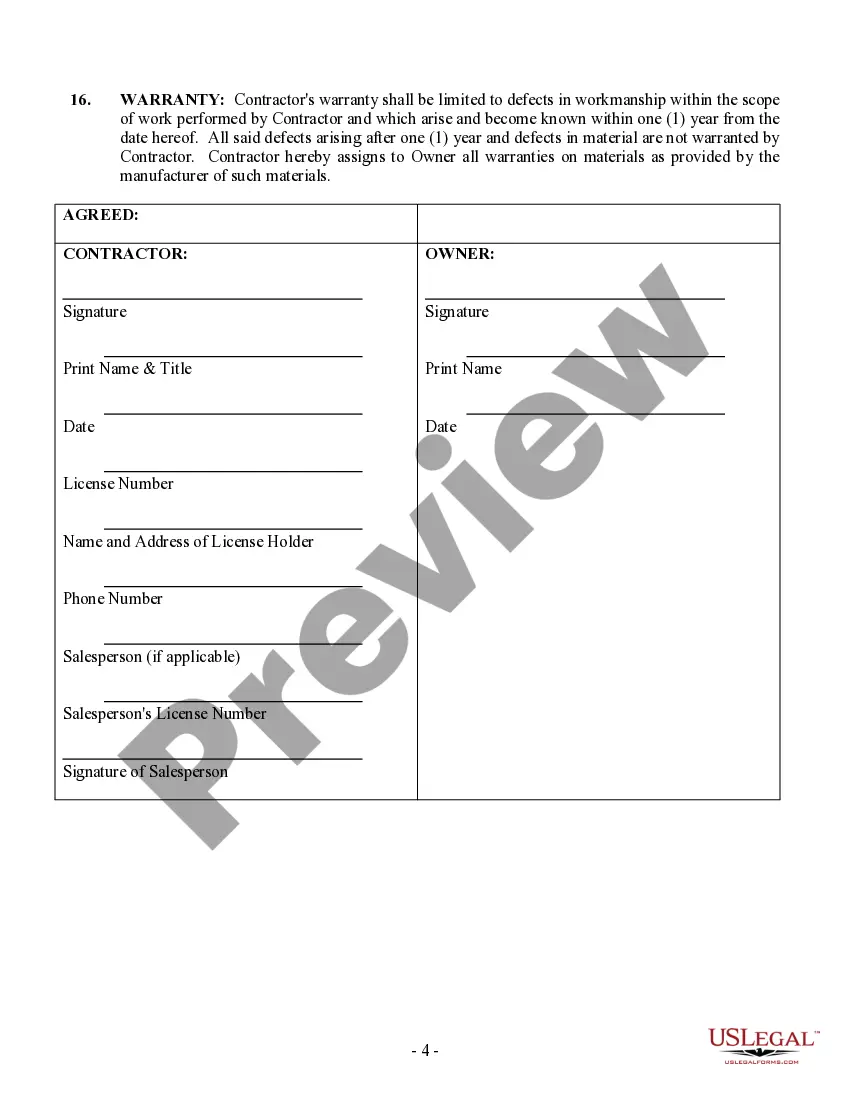
- Conditions related to late payment, default, and warranty provisions.

Situations where this form applies
This form should be utilized when property owners hire contractors for improvement projects that involve a flexible payment structure based on costs incurred or a fixed fee. It is particularly suitable for renovations or other construction endeavors that do not involve new home builds. Use this contract when clear definitions of scope and responsibilities are needed to avoid misunderstandings during the project.
Who needs this form
- Property owners planning a construction or renovation project.
- Contractors seeking a formalized agreement with property owners.
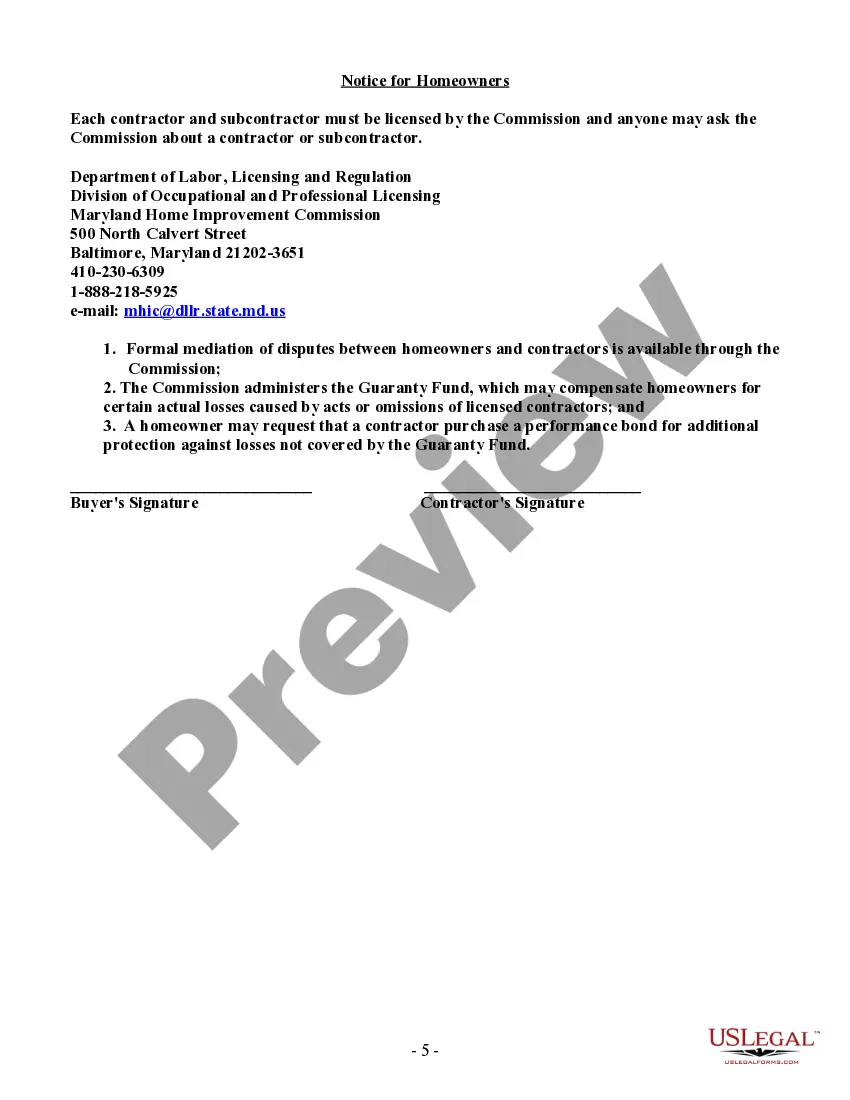
- Individuals involved in home improvement projects within the State of Maryland.
How to prepare this document
- Identify the parties involved: the contractor and the property owner.
- Specify the work site, including the full address of the property.
- Detail the scope of work to be accomplished in the project.
- Outline payment terms, including whether it will be cost plus or a fixed fee.
- Both parties should sign and date the contract to validate it.
Notarization requirements for this form
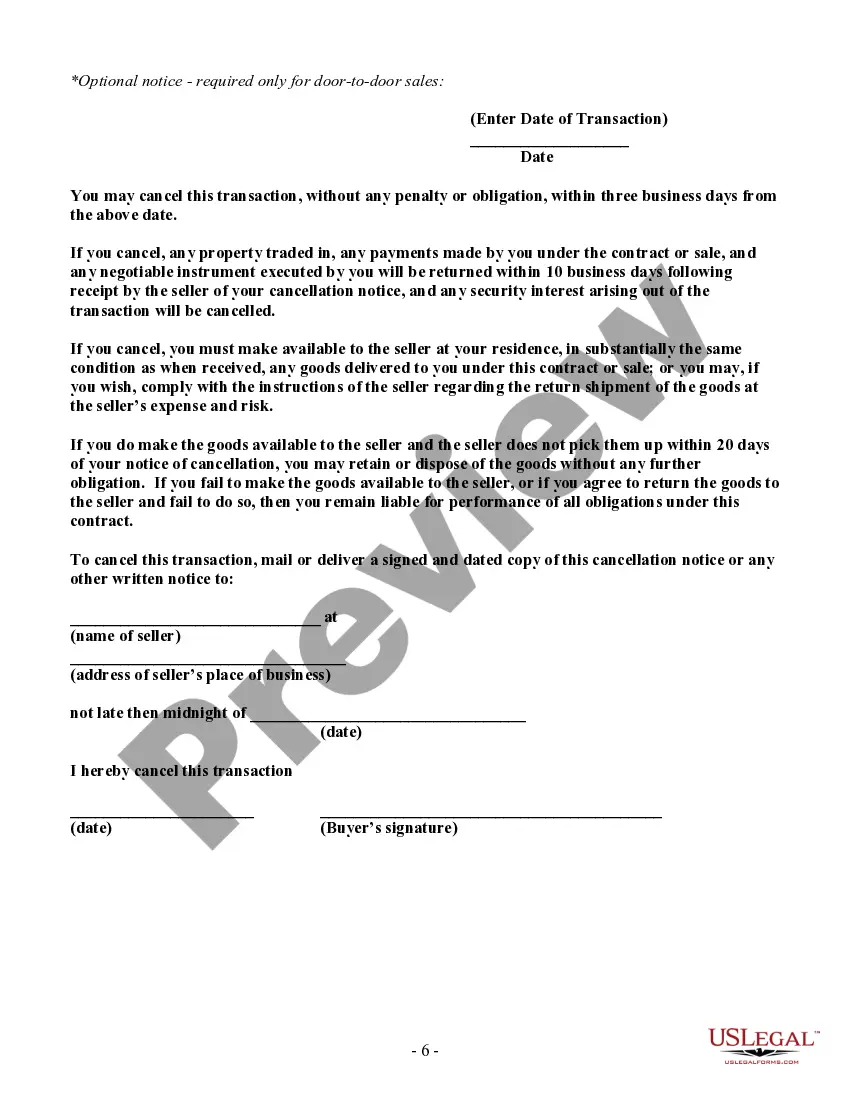
In most cases, this form does not require notarization. However, some jurisdictions or signing circumstances might. US Legal Forms offers online notarization powered by Notarize, accessible 24/7 for a quick, remote process.
Get your form ready online
Our built-in tools help you complete, sign, share, and store your documents in one place.
Make edits, fill in missing information, and update formatting in US Legal Forms—just like you would in MS Word.
Download a copy, print it, send it by email, or mail it via USPS—whatever works best for your next step.
Sign and collect signatures with our SignNow integration. Send to multiple recipients, set reminders, and more. Go Premium to unlock E-Sign.
If this form requires notarization, complete it online through a secure video call—no need to meet a notary in person or wait for an appointment.
We protect your documents and personal data by following strict security and privacy standards.

Make edits, fill in missing information, and update formatting in US Legal Forms—just like you would in MS Word.

Download a copy, print it, send it by email, or mail it via USPS—whatever works best for your next step.

Sign and collect signatures with our SignNow integration. Send to multiple recipients, set reminders, and more. Go Premium to unlock E-Sign.

If this form requires notarization, complete it online through a secure video call—no need to meet a notary in person or wait for an appointment.

We protect your documents and personal data by following strict security and privacy standards.
Avoid these common issues
- Failing to properly define the scope of work, leading to disputes.
- Neglecting to include necessary permits or regulatory approvals in the contract.
- Not addressing how changes to the project will be handled.
- Forgetting to get signatures from both parties to formalize the contract.
Advantages of online completion
- Easy access: Download the contract immediately from a trusted source.
- Customizable: Tailor the contract to fit specific project details and needs.
- Legally compliant: Ensure that the form complies with Maryland laws.
- Time-saving: Quickly complete and execute necessary documentation online.
Legal use & context
- The contract serves as a binding agreement outlining responsibilities and expectations for both parties.
- Helps mitigate risks by clarifying conditions under which changes may occur.
- This form is designed to protect the interests of both the homeowner and the contractor in construction projects.
Looking for another form?

Form popularity
FAQ
An example of a cost-plus fixed-fee contract is a construction project where the contractor agrees to complete the work for the actual costs incurred, plus a predetermined amount as their profit. For instance, the contractor may receive reimbursement for materials and labor costs along with a fixed fee of $20,000. This approach ensures that the contractor has a clear understanding of their earnings while providing transparency to the client. Seeking resources like US Legal Forms can make creating this type of Maryland Construction Contract Cost Plus or Fixed Fee easier and more efficient.
To write a cost-plus contract, start by clearly defining the scope of work and the projects involved. Include specific details about allowable costs, such as materials and labor, and how the contractor will be reimbursed for these expenses. Additionally, specify the fee structure, whether it is a fixed fee or a percentage of costs. It’s also wise to consider using a service like US Legal Forms to create a reliable Maryland Construction Contract Cost Plus or Fixed Fee tailored to your needs.
CPFF, or Cost Plus Fixed Fee, and CPIF, or Cost Plus Incentive Fee, are both contract types used in Maryland construction projects. The key difference lies in how the contractor is compensated. With CPFF, the contractor receives a set fee along with reimbursement for costs incurred, providing more predictability. In contrast, CPIF includes an incentive that rewards the contractor for controlling costs, promoting better efficiency in project execution. If you're exploring Maryland Construction Contract Cost Plus or Fixed Fee options, understanding these distinctions can help you choose the best approach for your project.
To bill a cost-plus contract, itemize all costs incurred during the project, documenting labor, materials, and overhead. Provide detailed invoices that reflect the agreed-upon markup or fee. By following this method, you ensure transparency and align with best practices for Maryland Construction Contract Cost Plus or Fixed Fee arrangements.
Use a cost-plus fixed-fee contract when you want a blend of flexibility and cost control. This approach provides a fixed fee for the contractor while covering legitimate costs, making it ideal for projects with uncertain scopes. Clarity in terms and penalties can ensure both parties adhere to budgetary constraints in a Maryland Construction Contract Cost Plus or Fixed Fee agreement.
One disadvantage of a cost-plus fee contract is the potential for cost overruns, which can lead to budget complications. Additionally, this arrangement may reduce the contractor's incentive to control costs effectively. Clients should be cautious and set clear expectations to minimize these risks when opting for a Maryland Construction Contract Cost Plus or Fixed Fee.
Using a cost-plus contract is appropriate when project scope is not fully defined or when there is a high level of uncertainty regarding costs. This contract type works best in Maryland Construction Contract Cost Plus or Fixed Fee scenarios, facilitating adjustments as the project evolves and providing flexibility to both contractors and clients.
You should consider using a cost-plus fixed-fee contract for projects where you want to limit the contractor's profit percentage while still allowing for the coverage of legitimate costs. This option within the Maryland Construction Contract Cost Plus or Fixed Fee structure establishes a predetermined fee for the contractor's profit, offering both transparency and predictability for clients.
To write a cost-plus construction contract, start by clearly defining the scope of work and associated costs. Specify how you will calculate the overhead, profit margins, and any additional fees. Ensure that both parties agree on the terms before initiating the project to foster a smooth working relationship throughout.
You can use a cost-plus contract in situations where project costs are uncertain, and the scope of work might change. This type of Maryland Construction Contract Cost Plus or Fixed Fee allows for flexibility, accommodating adjustments as the project progresses. It's particularly useful for complex projects where design and expenditure could evolve over time.