Louisiana Newly Widowed Individuals Package
What this form package covers
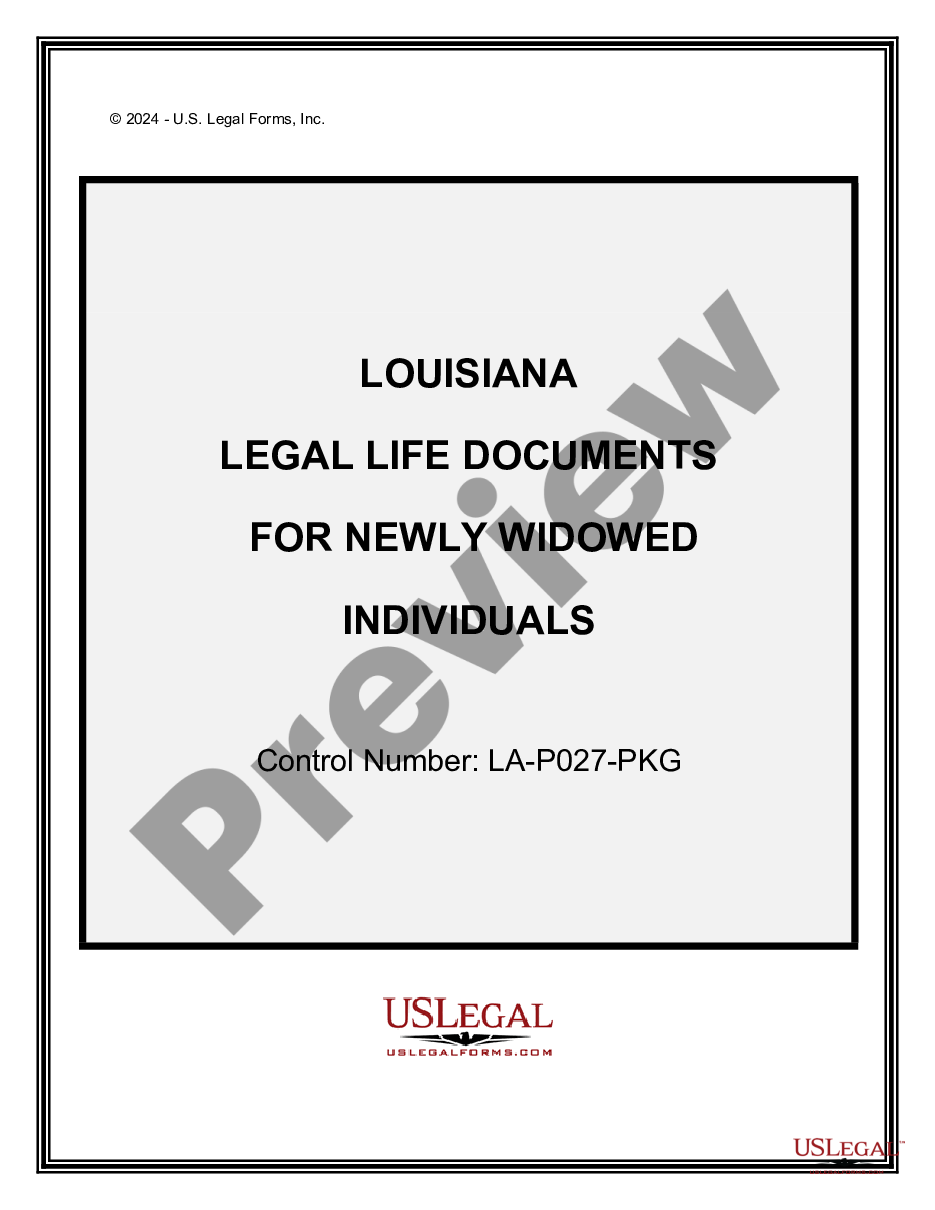
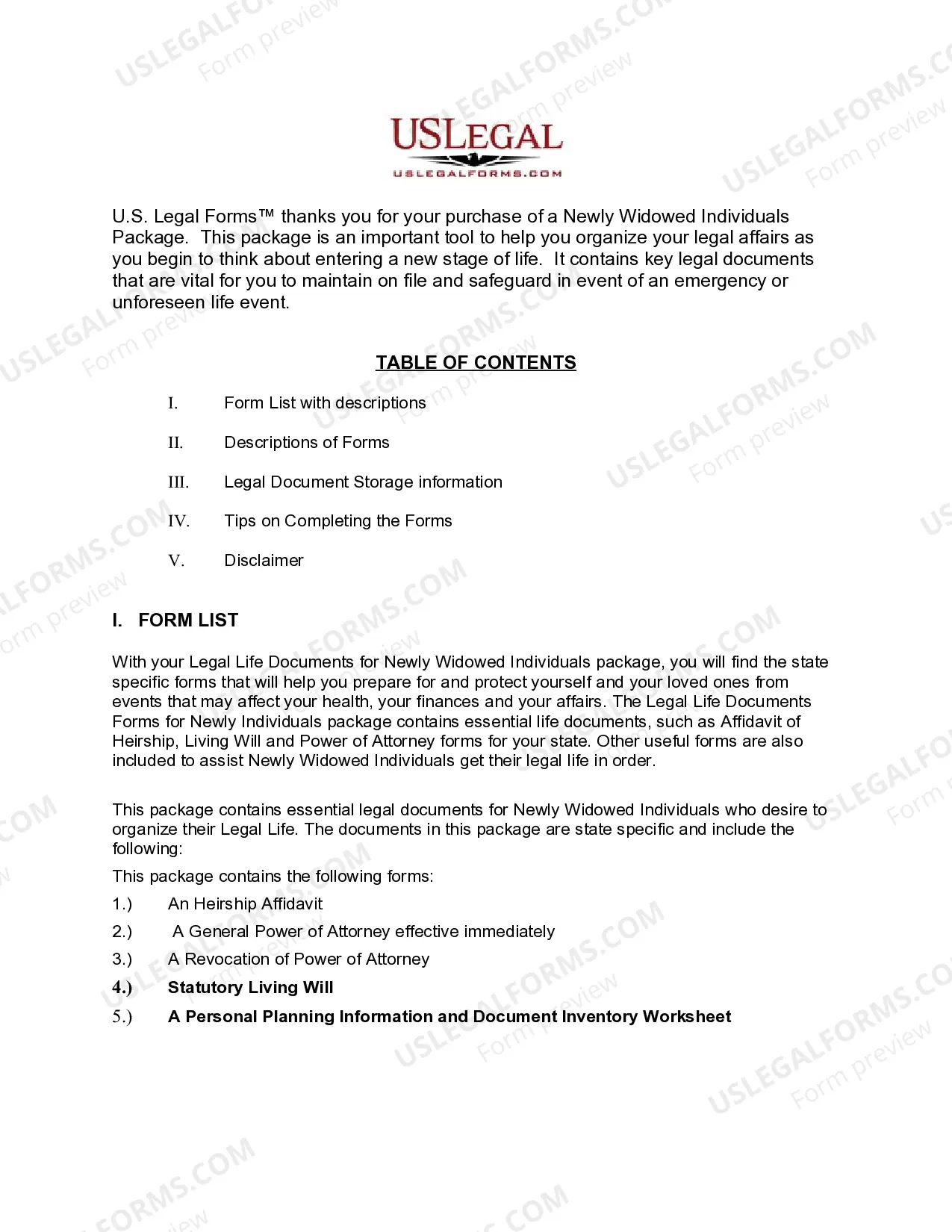
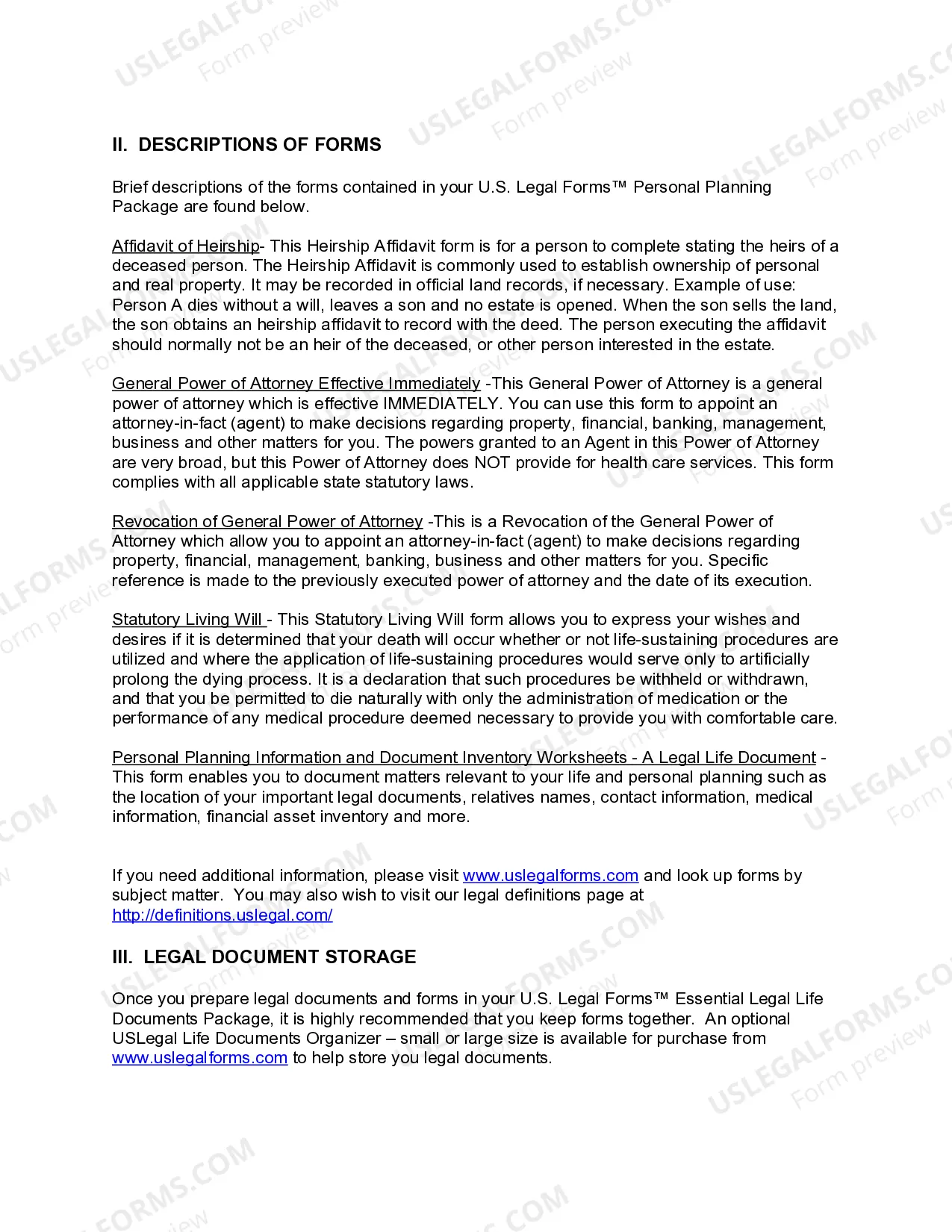
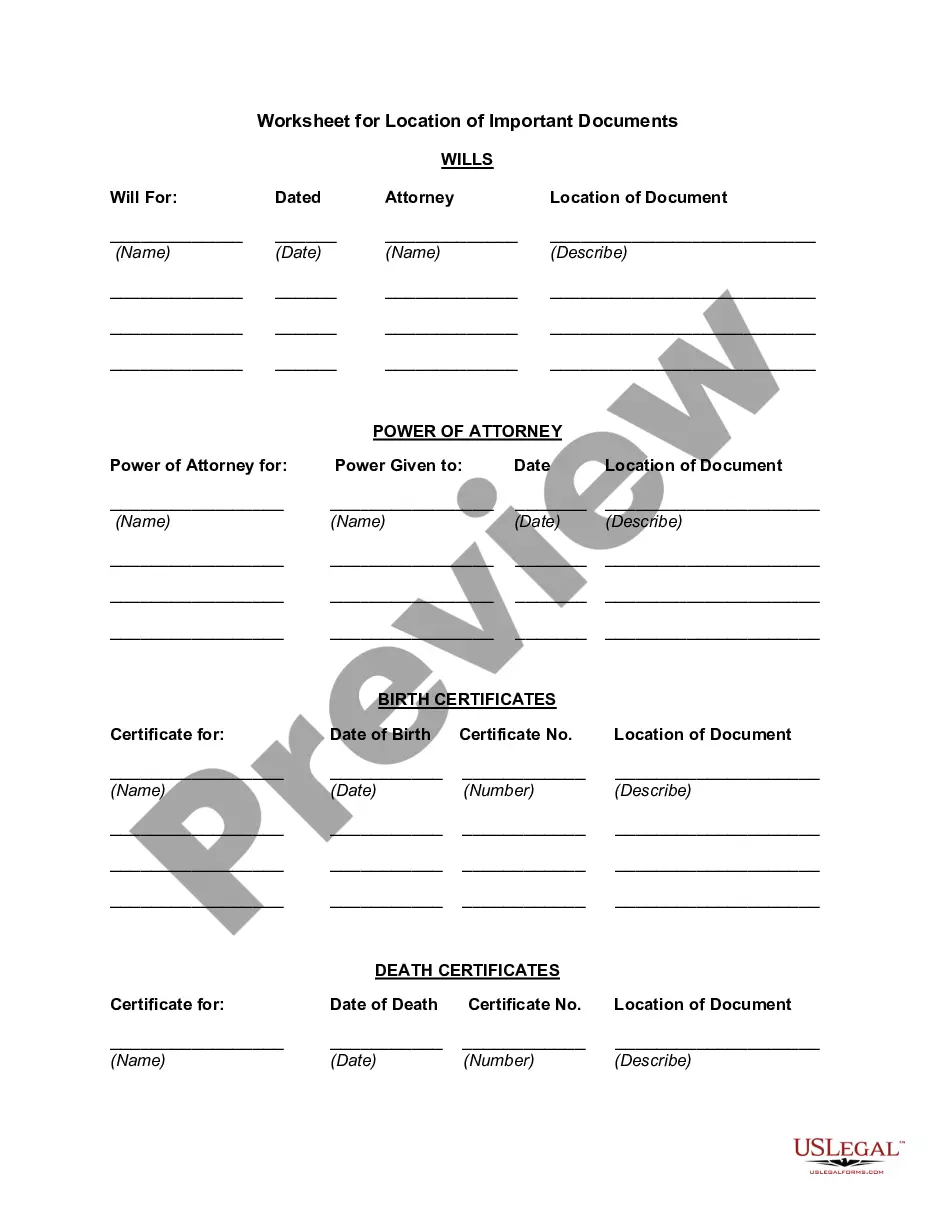
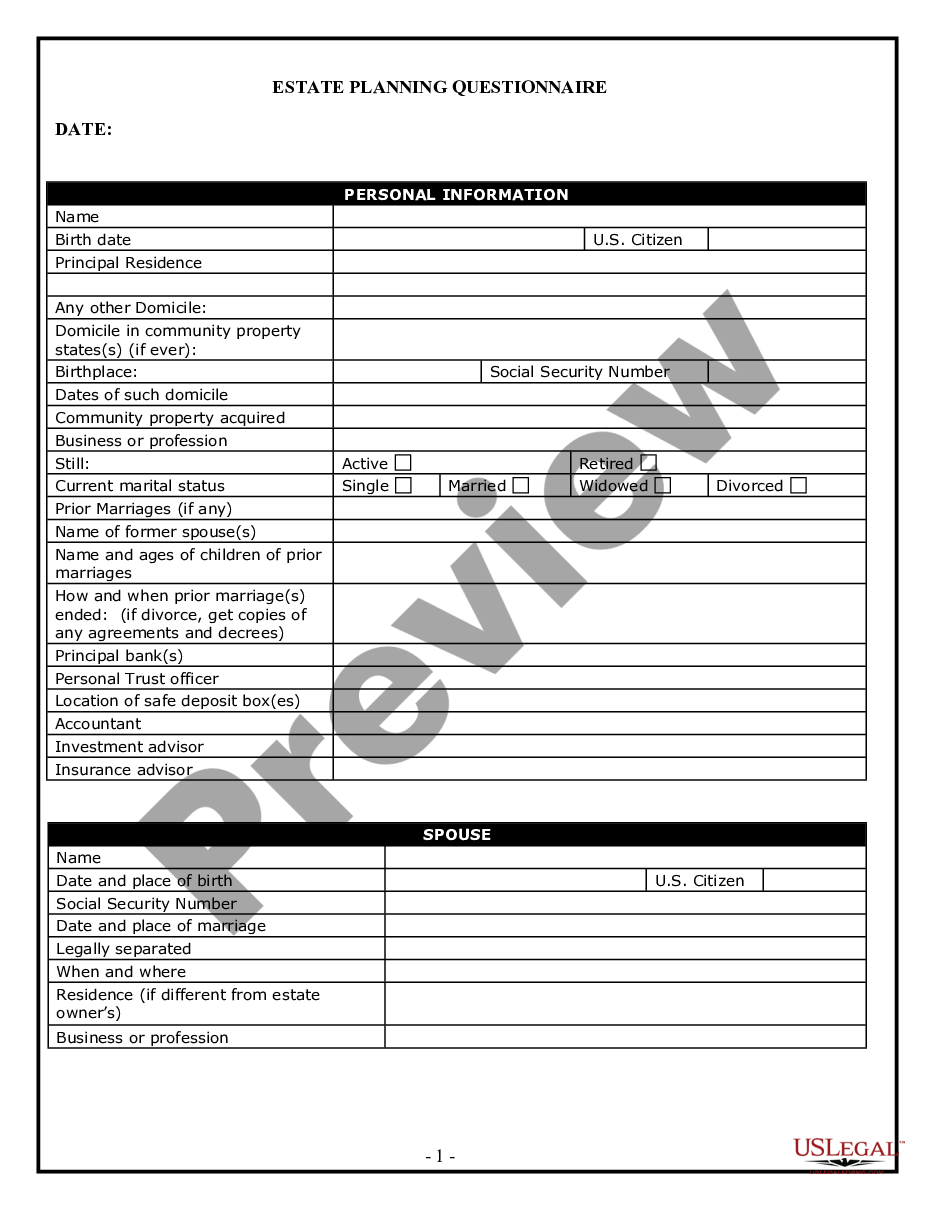
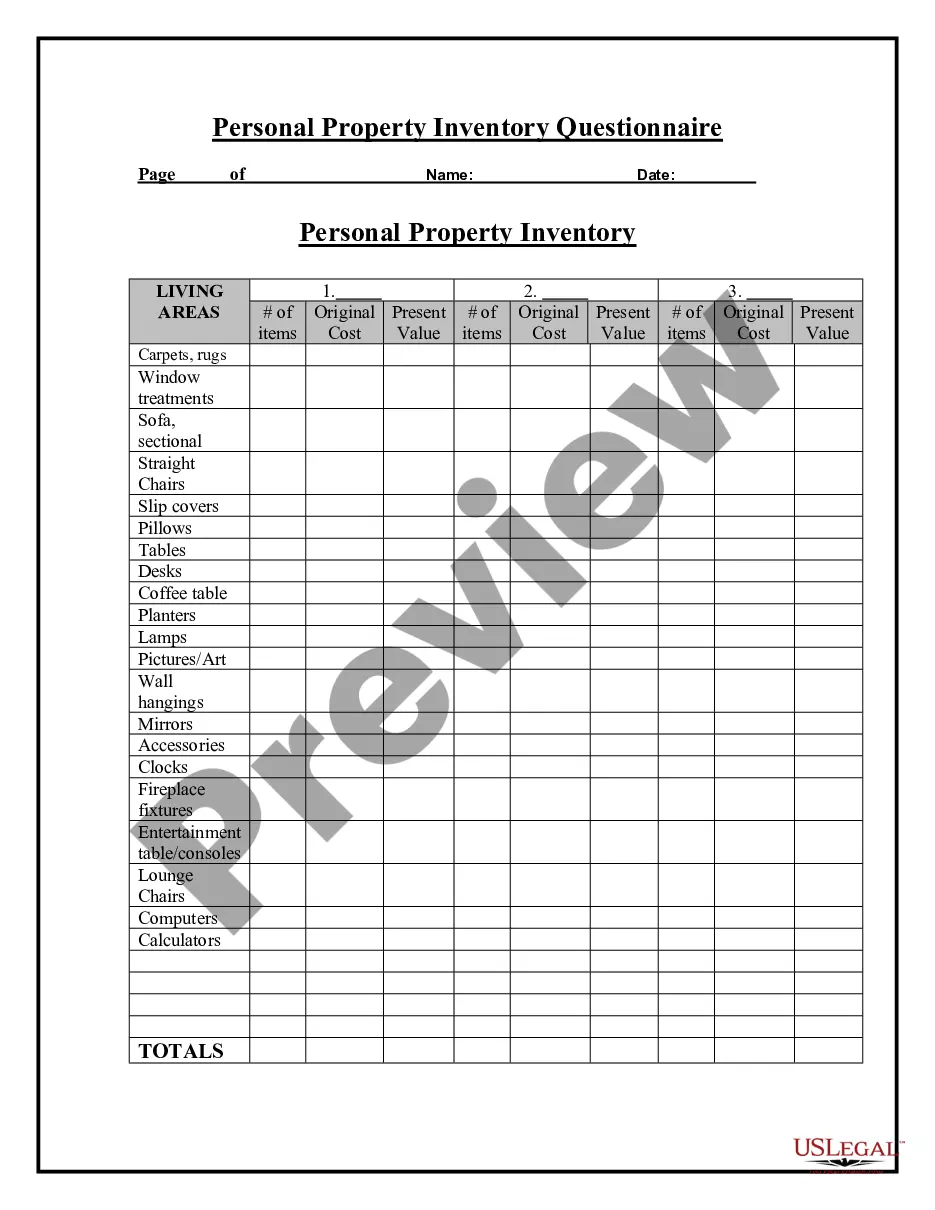
The Louisiana Newly Widowed Individuals Package is designed to provide essential legal documents to help those who have recently lost a spouse organize their legal affairs. This form package includes state-specific forms that cater to the unique needs and challenges faced by newly widowed individuals. Core documents included are an Heirship Affidavit, a General Power of Attorney effective immediately, a Statutory Living Will, and a Personal Planning Information and Document Inventory Worksheet.
Forms included in this package
Common use cases
This form package is useful for various scenarios, including:
- Establishing legal rights to your deceased spouse's assets and affairs.
- Appointing someone to handle your financial and legal matters immediately.
- Documenting your end-of-life care preferences clearly.
- Organizing essential personal information and important documents for easier access.
Who can use this document
- Individuals who have recently been widowed in Louisiana.
- Those needing to address legal and financial matters following the death of a spouse.
- Anyone looking to ensure their wishes are documented regarding health care and end-of-life decisions.
- Persons wanting to organize important personal documents and information efficiently.
Instructions for completing these forms
- Review each included form to understand their purpose and requirements.
- Fill out the forms by entering the necessary information in the designated fields.
- Sign and date the required documents where indicated.
- Store your completed documents in a secure location, such as a safe deposit box.
- Inform a trusted family member or attorney about the location of your completed documents.
Do documents in this package require notarization?
Some included forms must be notarized to ensure validity. US Legal Forms provides secure online notarization powered by Notarize, allowing you to complete the process through a verified video call anytime.
Get your form ready online
Our built-in tools help you complete, sign, share, and store your documents in one place.
Make edits, fill in missing information, and update formatting in US Legal Forms—just like you would in MS Word.
Download a copy, print it, send it by email, or mail it via USPS—whatever works best for your next step.
Sign and collect signatures with our SignNow integration. Send to multiple recipients, set reminders, and more. Go Premium to unlock E-Sign.
If this form requires notarization, complete it online through a secure video call—no need to meet a notary in person or wait for an appointment.
We protect your documents and personal data by following strict security and privacy standards.

Make edits, fill in missing information, and update formatting in US Legal Forms—just like you would in MS Word.

Download a copy, print it, send it by email, or mail it via USPS—whatever works best for your next step.

Sign and collect signatures with our SignNow integration. Send to multiple recipients, set reminders, and more. Go Premium to unlock E-Sign.

If this form requires notarization, complete it online through a secure video call—no need to meet a notary in person or wait for an appointment.

We protect your documents and personal data by following strict security and privacy standards.
Typical mistakes to avoid
- Failing to adequately review all forms before signing.
- Not providing all required information, leading to incomplete documents.
- Neglecting to notify others about where the legal documents are stored.
- Overlooking any state-specific requirements that may apply.
Benefits of using this package online
- Convenience of downloading forms from the comfort of your home.
- Editability ensures that you can personalize documents according to your situation.
- Reliability of attorney-drafted forms that comply with state laws.
Looking for another form?
Form popularity
FAQ
The non-resident tax form for Louisiana is the Form IT-540-B for those who earn income in the state but do not reside there. It is essential to complete this form accurately to avoid issues with tax compliance. If you're a newly widowed individual needing assistance, the Louisiana Newly Widowed Individuals Package includes resources to help you through this process.
After the two-year period has ended, you may no longer file as Qualifying Widow or Widower. If you remarry at this point, you can then file as Married Filing Jointly or as Married Filing Separately. If you do not remarry in the third year after your spouse's death, you are considered single.
For Your Widow Or WidowerWidows and widowers can receive: Reduced benefits as early as age 60 or full benefits at full retirement age or older. If widows or widowers qualify for retirement benefits on their own record, they can switch to their own retirement benefit as early as age 62.
Qualifying widow(er) status is a special filing status available to surviving spouses for two years following the year in which their spouse died. The married filing jointly and qualifying widow(er) statuses have the same applicable tax rates and tax brackets.
If you're making a WillMaker will, your spouse has died, and you haven't remarried, choose "I am not married" as your marital status. However, in the eyes of the law, your marriage ended when your spouse died.
After the two-year period has ended, you may no longer file as Qualifying Widow or Widower. If you remarry at this point, you can then file as Married Filing Jointly or as Married Filing Separately. If you do not remarry in the third year after your spouse's death, you are considered single.
Although there are no additional tax breaks for widows, using the qualifying widow status means your standard deduction will be double the single status amount. Unless you qualify for something else, you'll usually file as single in the year after your spouse dies.
A widow, generally speaking, is not responsible for her husband's IRS debt, however, if she is the personal representative of his estate (executor) she maybe personally liable for the estate taxes and any other federal taxes he owed at the time of his death.
For two tax years after the year your spouse died, you can file as a qualifying widow or widower. This filing status gives you a higher standard deduction and lower tax rate than filing as a single person.You must have been able to file jointly in the year of your spouse's death, even if you didn't.
The deceased spouse's filing status becomes Married Filing Separately. Surviving spouses who have a dependent child may be able to use the Qualifying Widow(er) status in the two tax years following the year of the spouse's death.