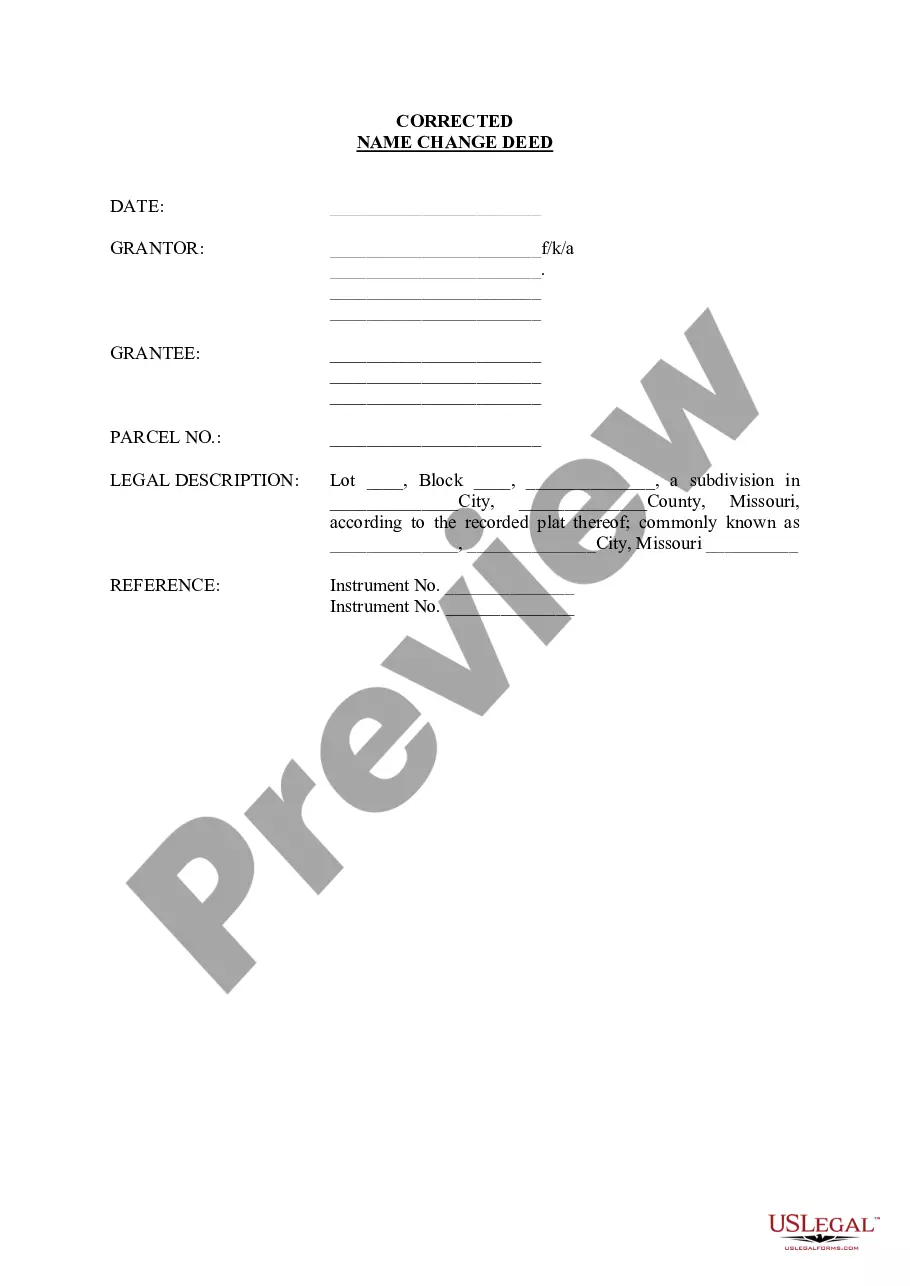
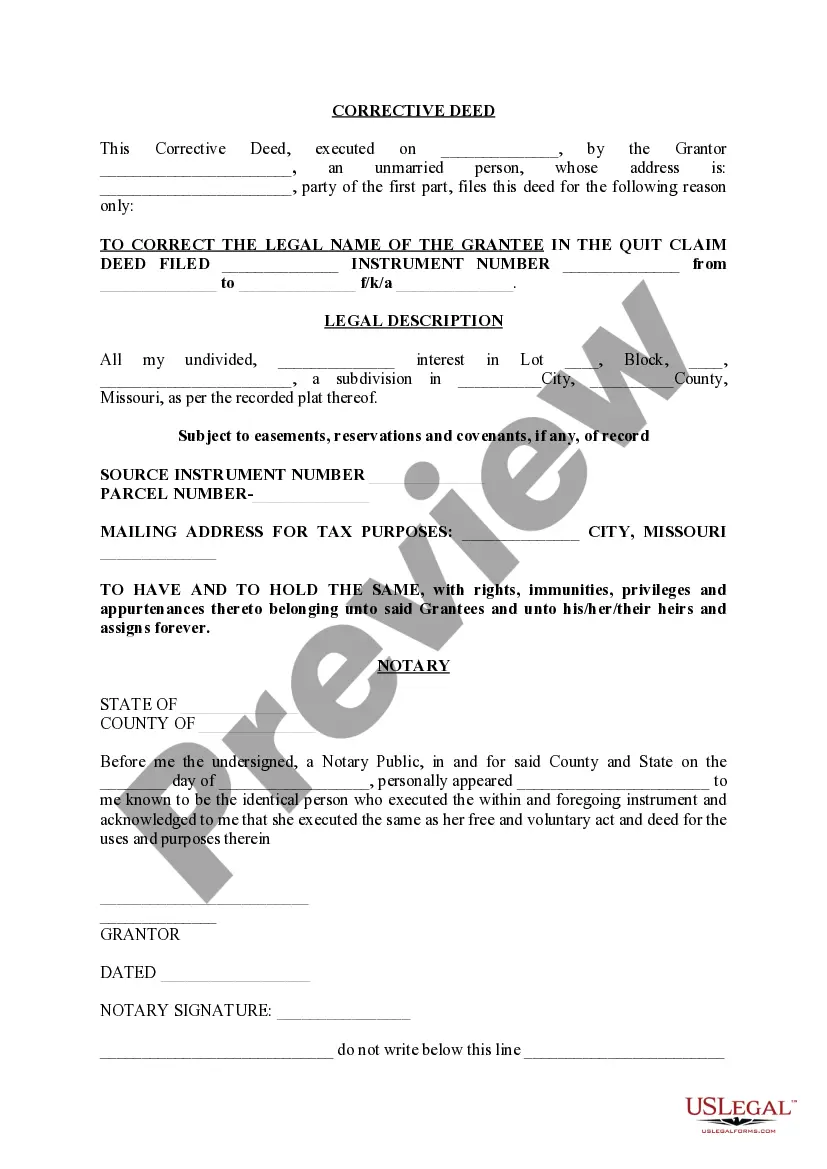
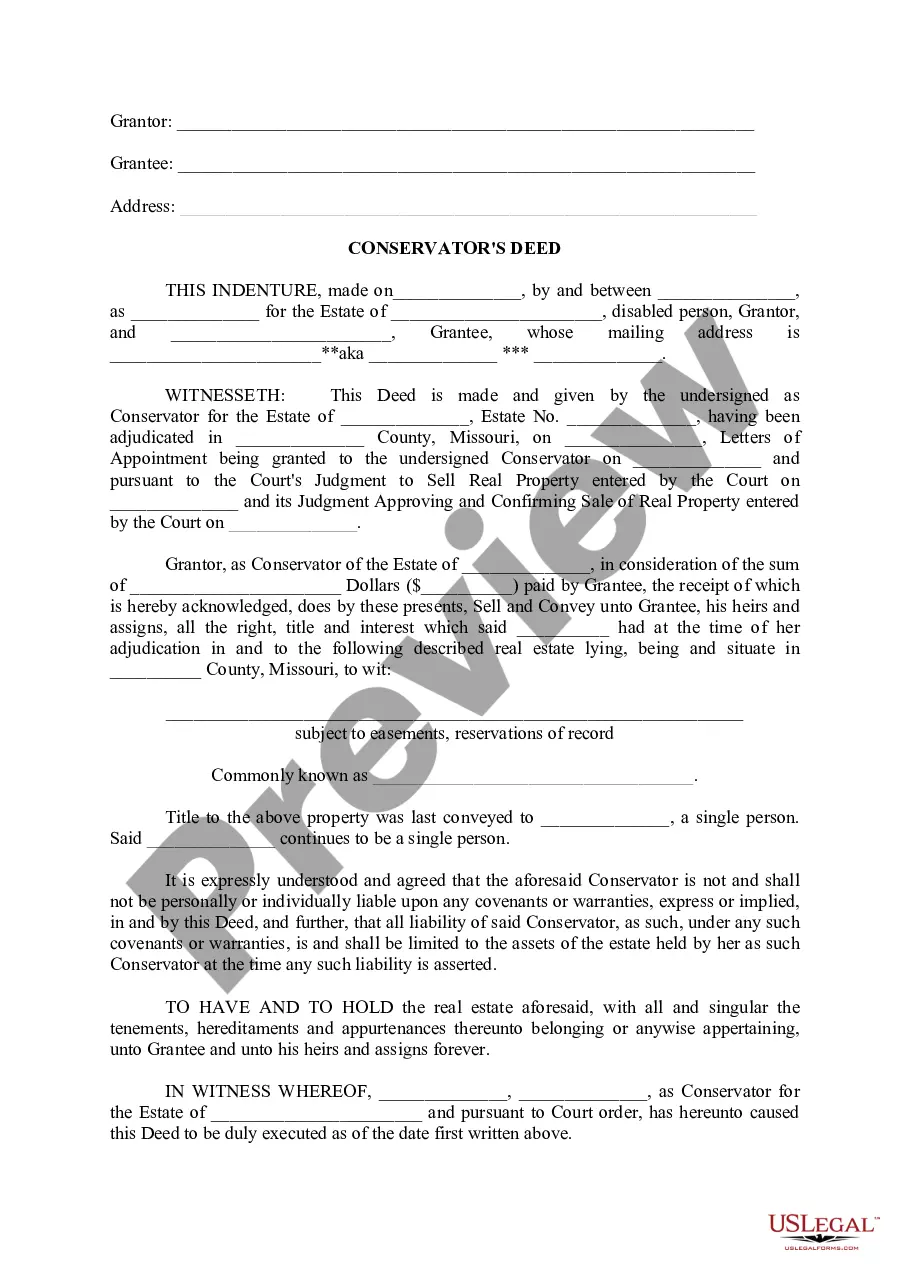
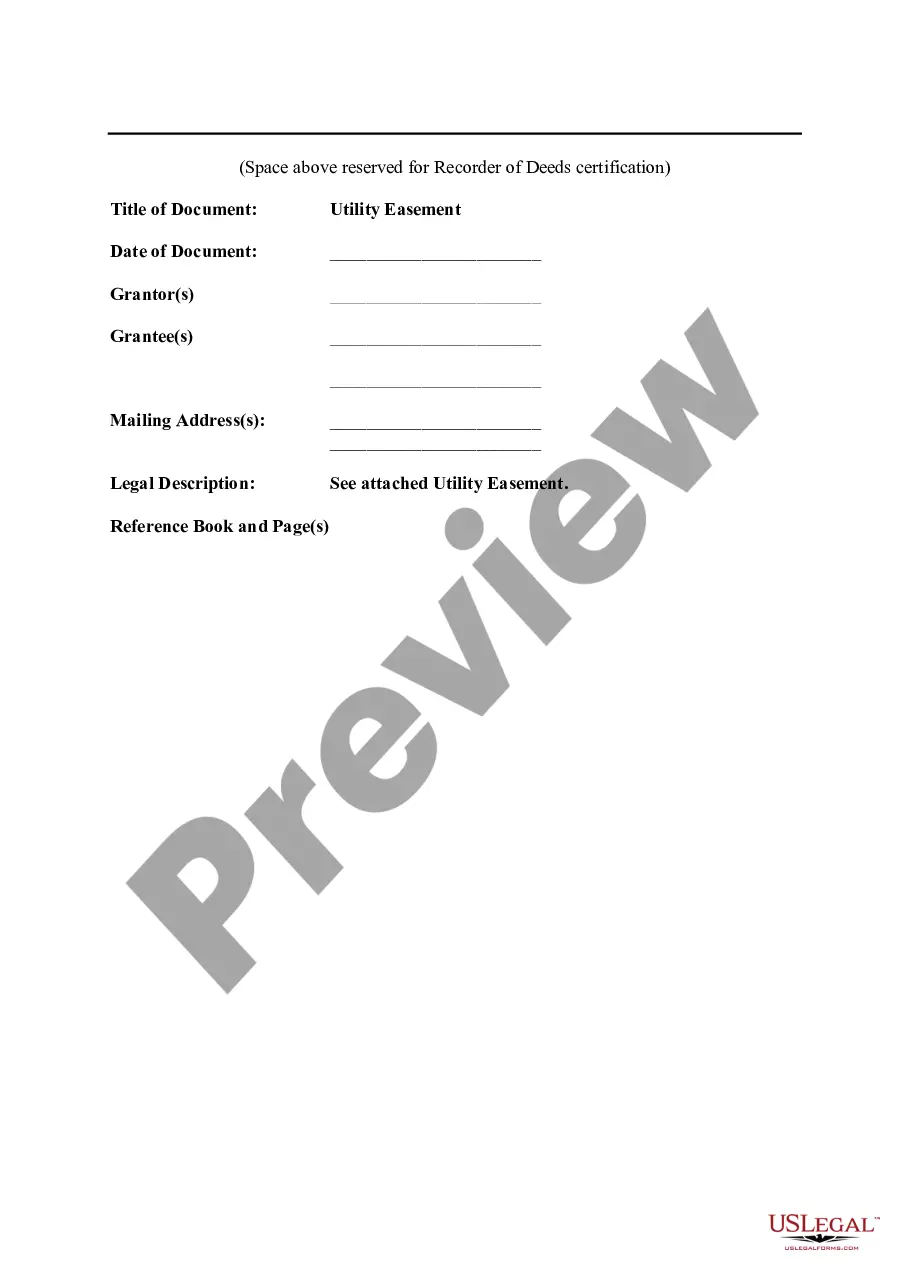
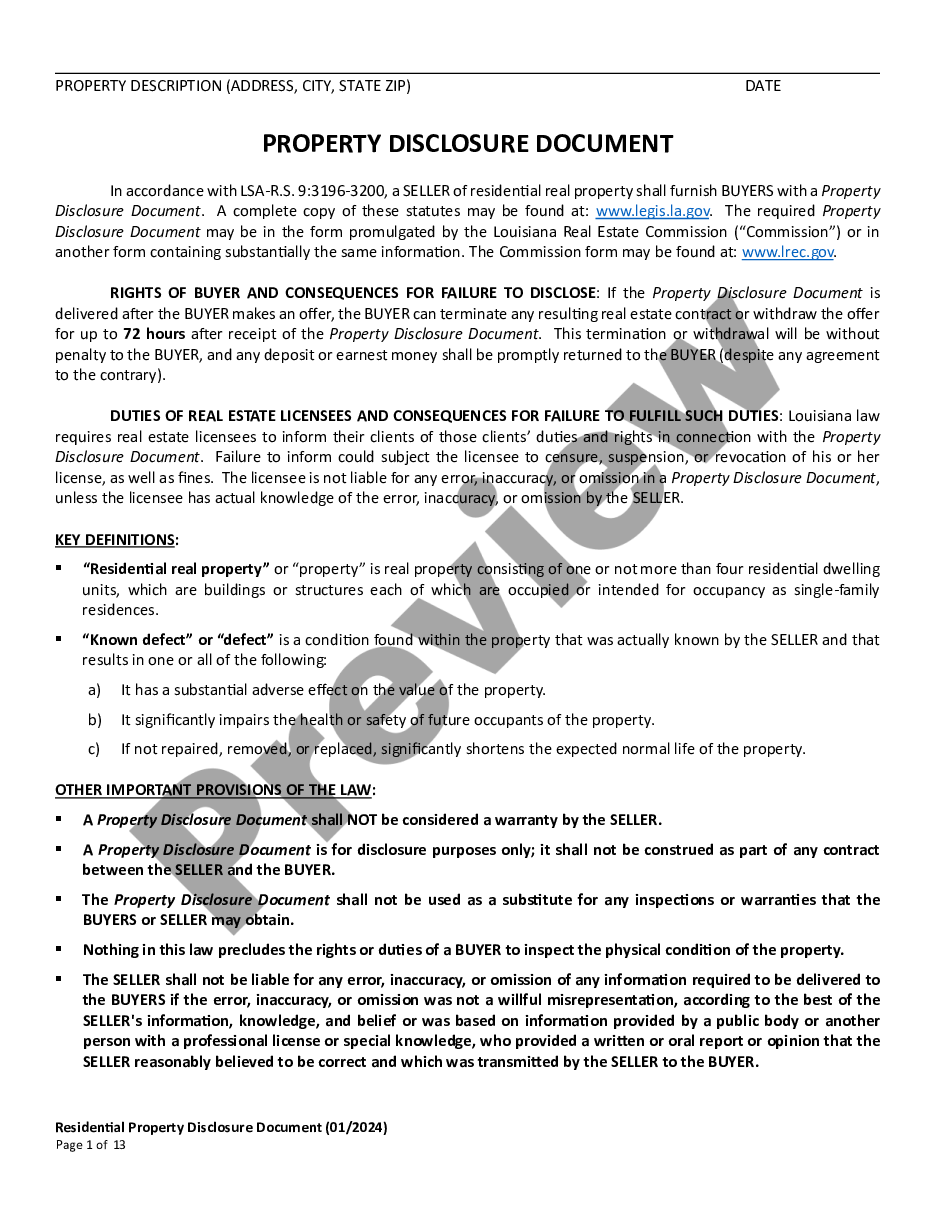
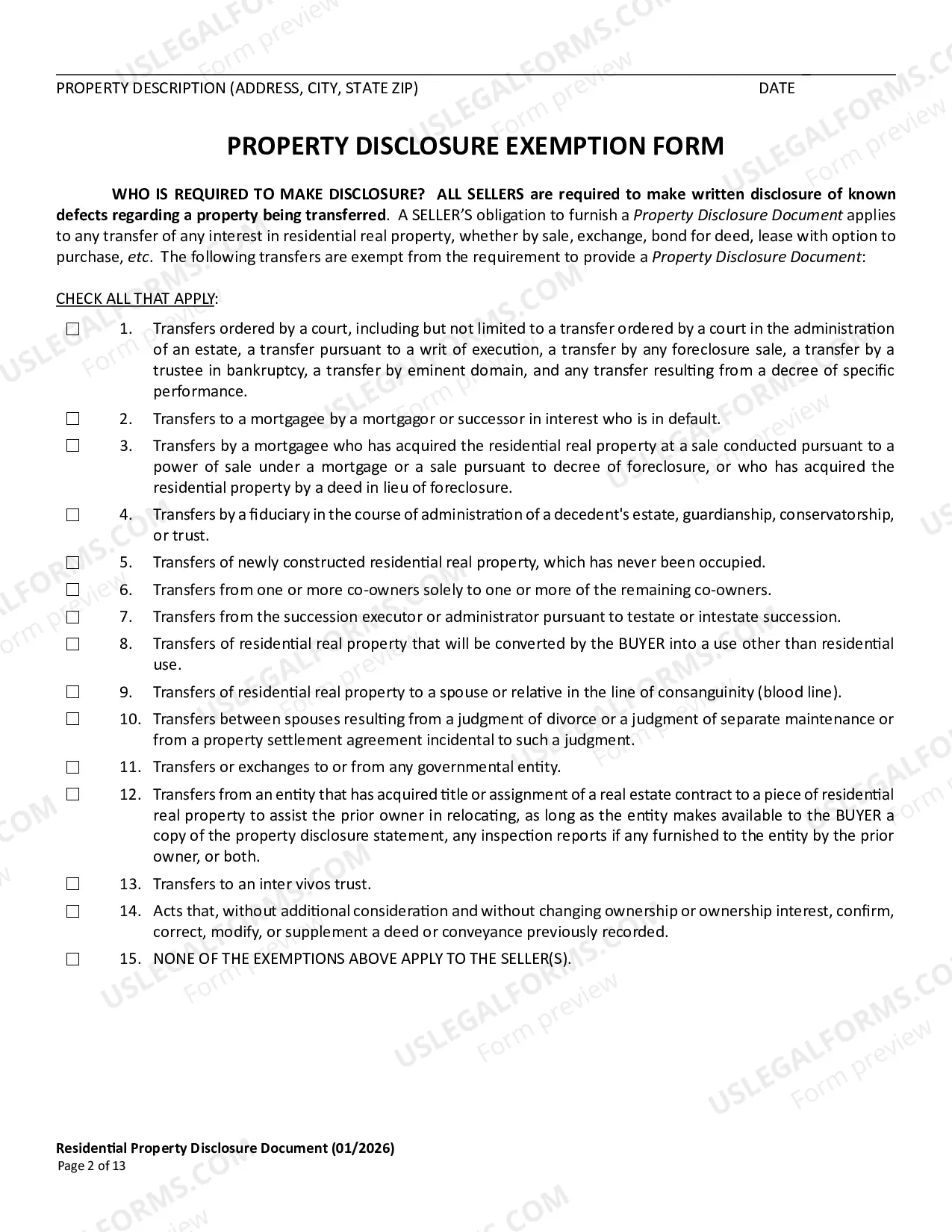
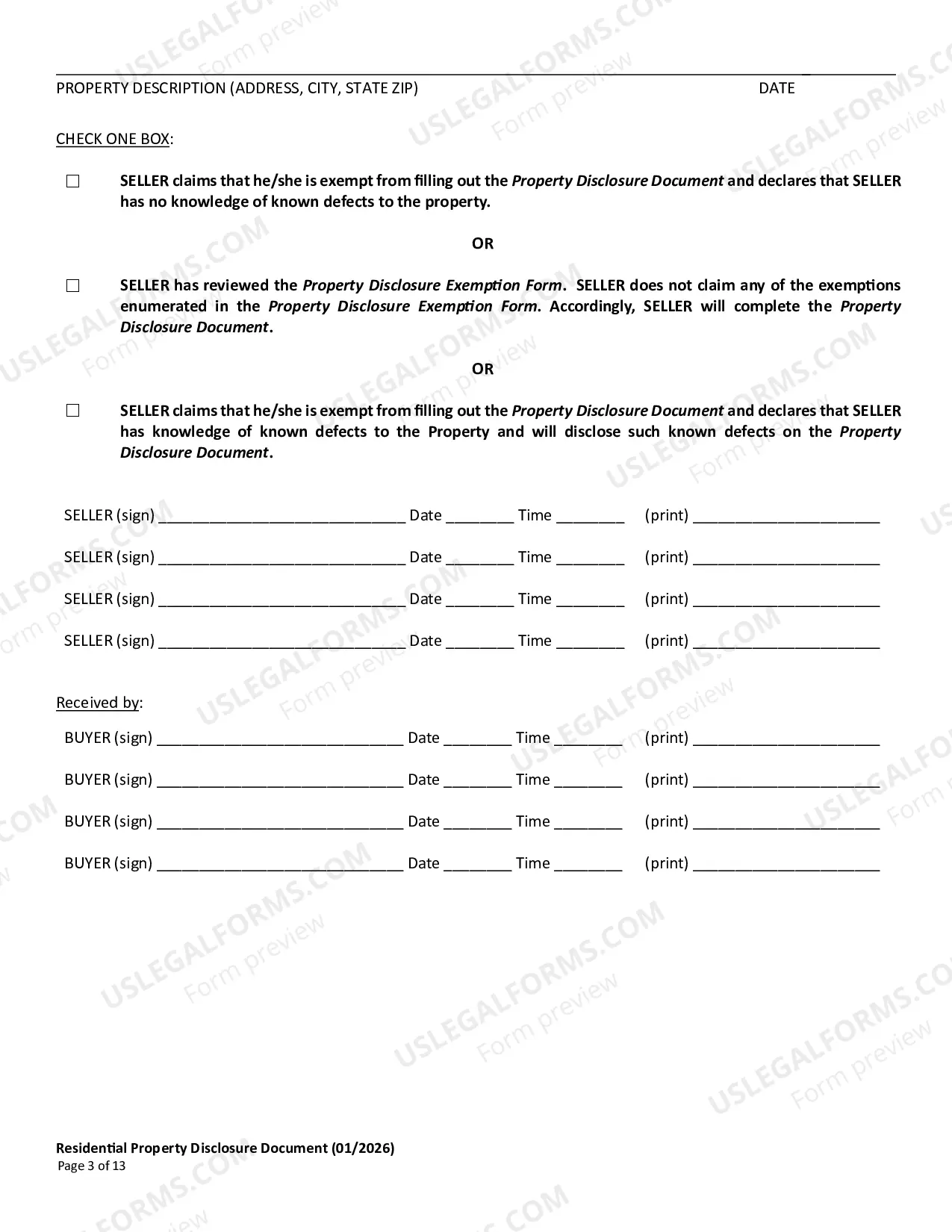
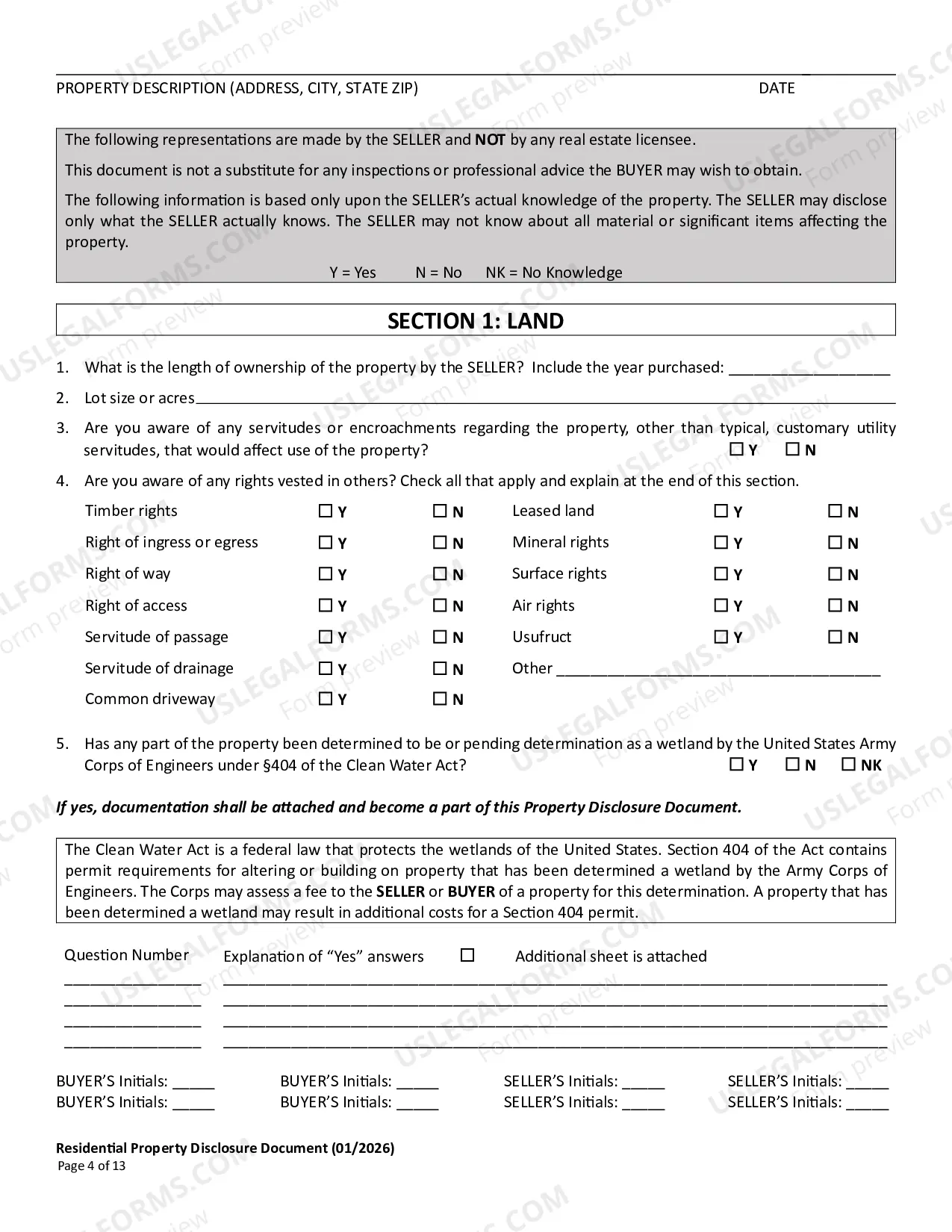
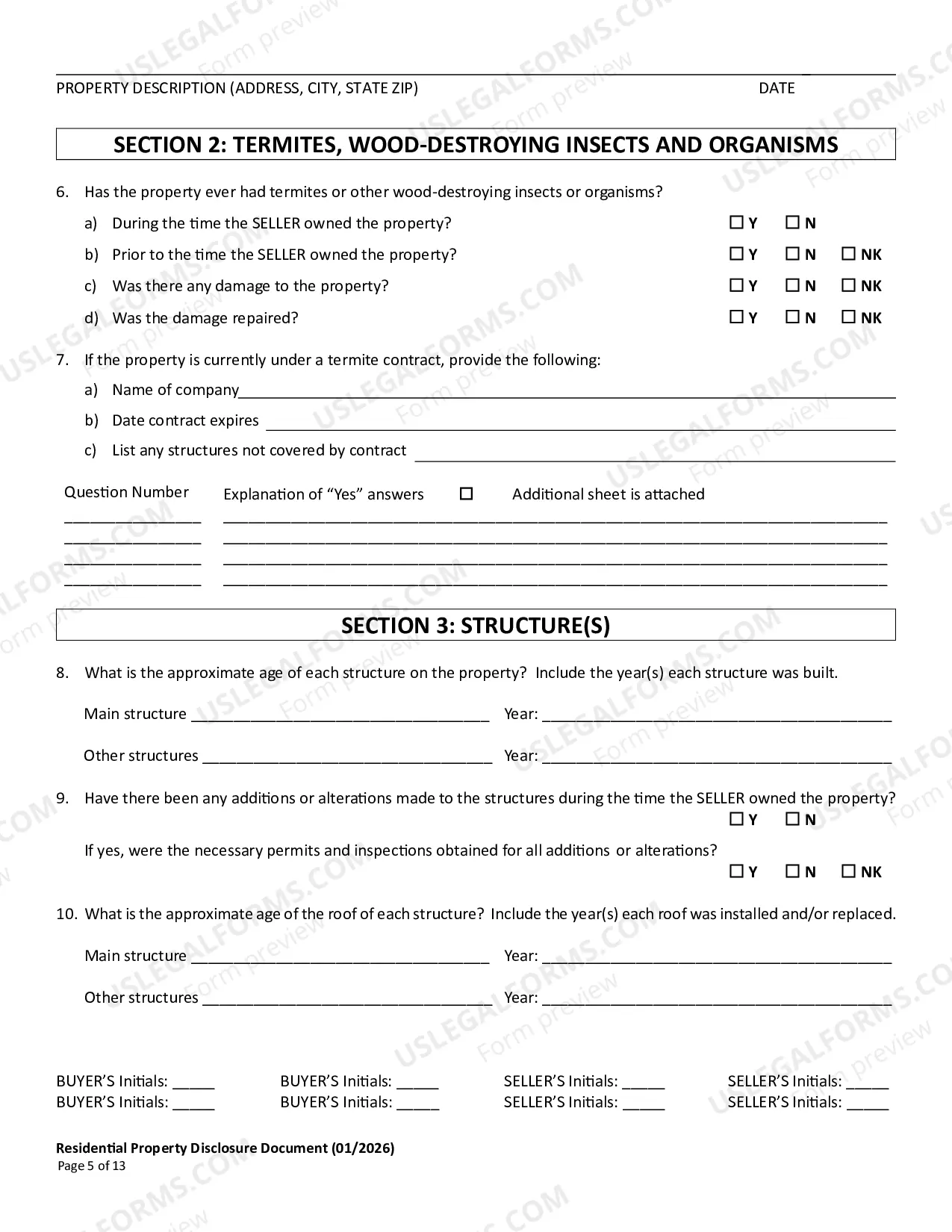
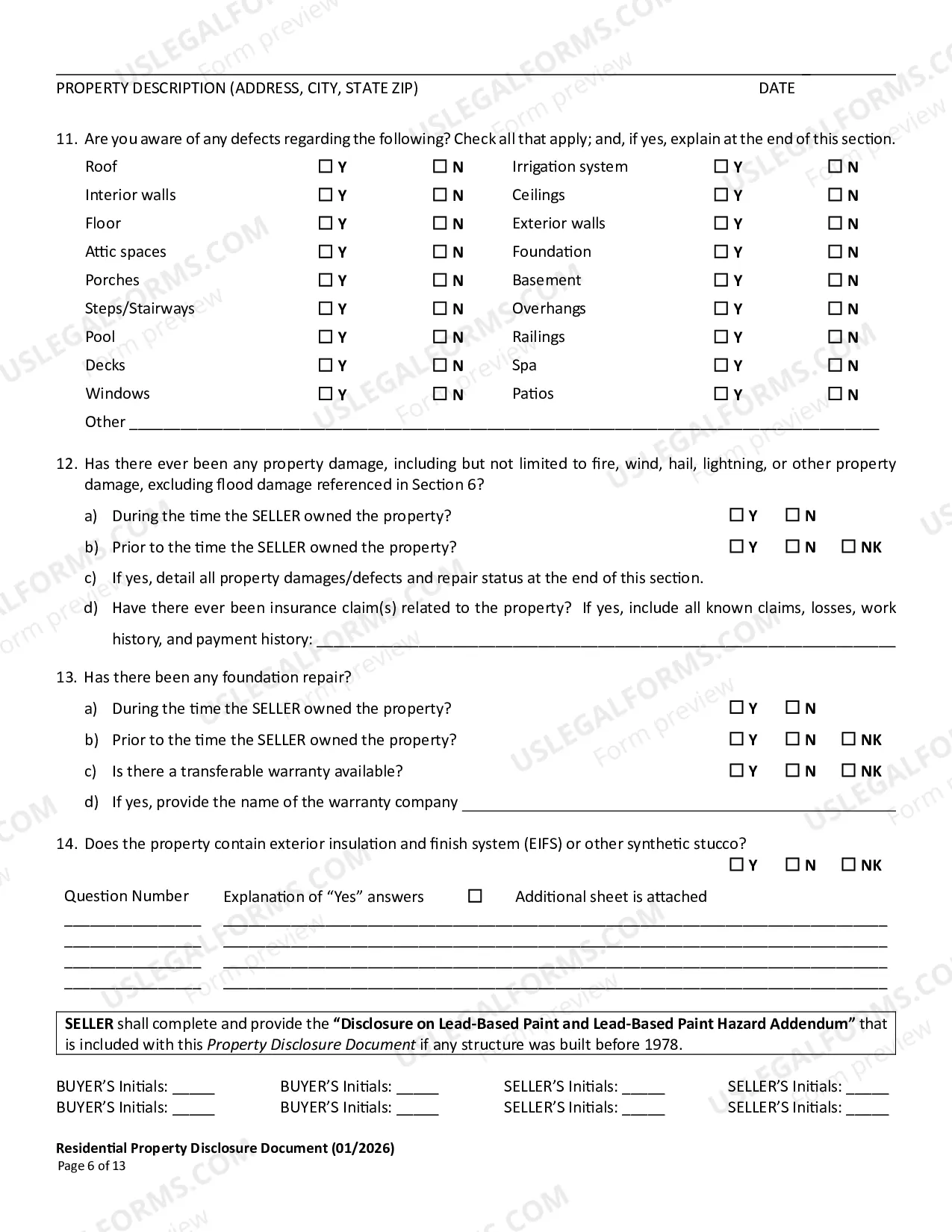
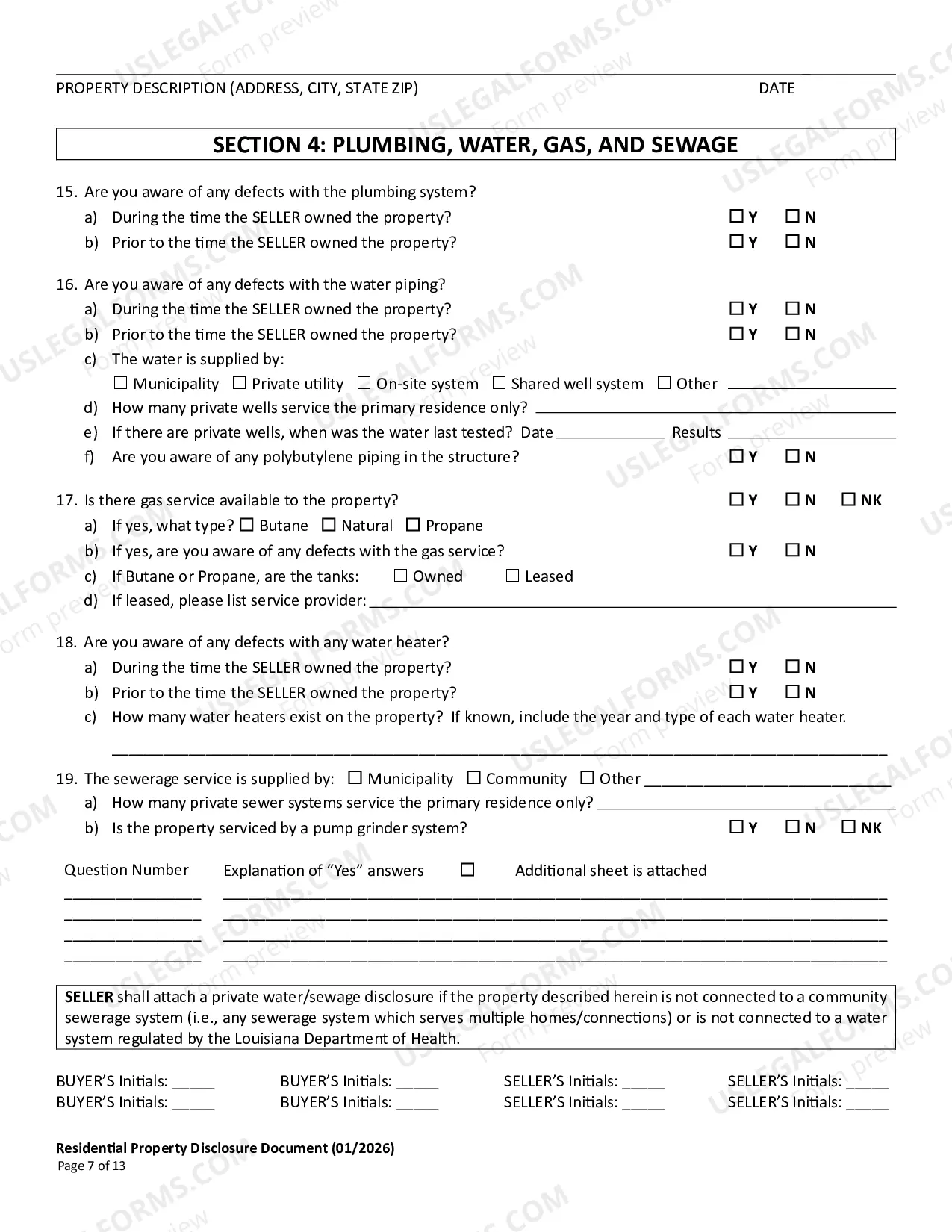
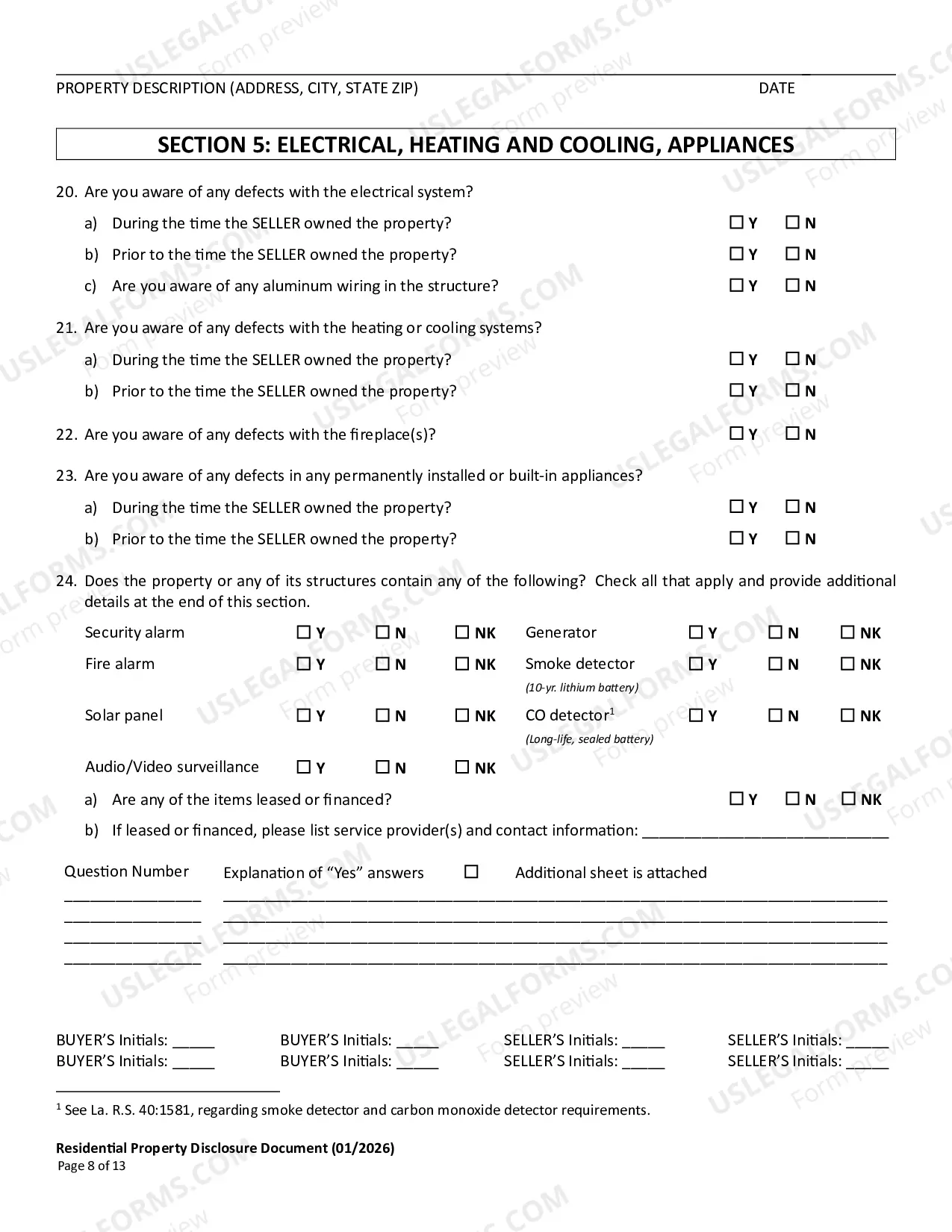
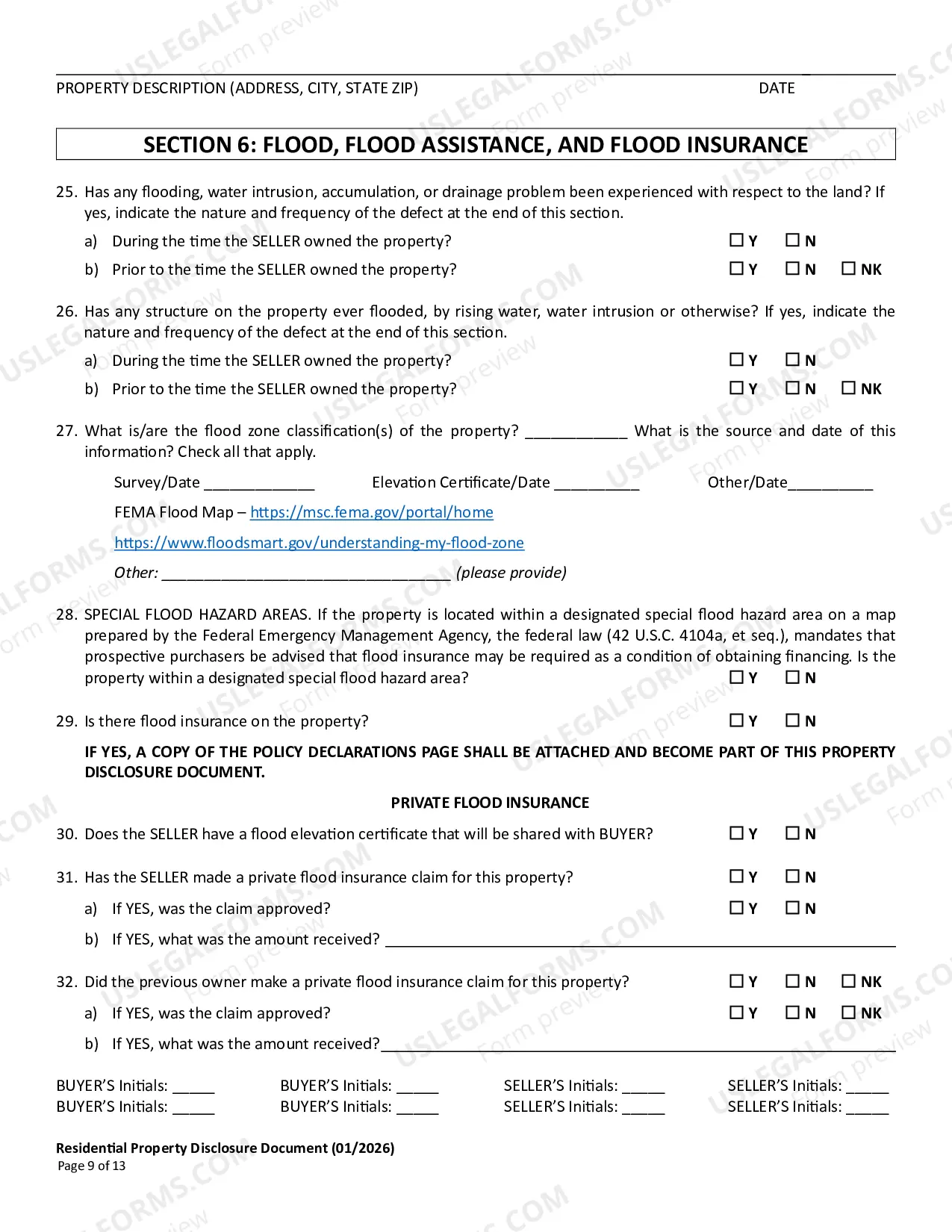
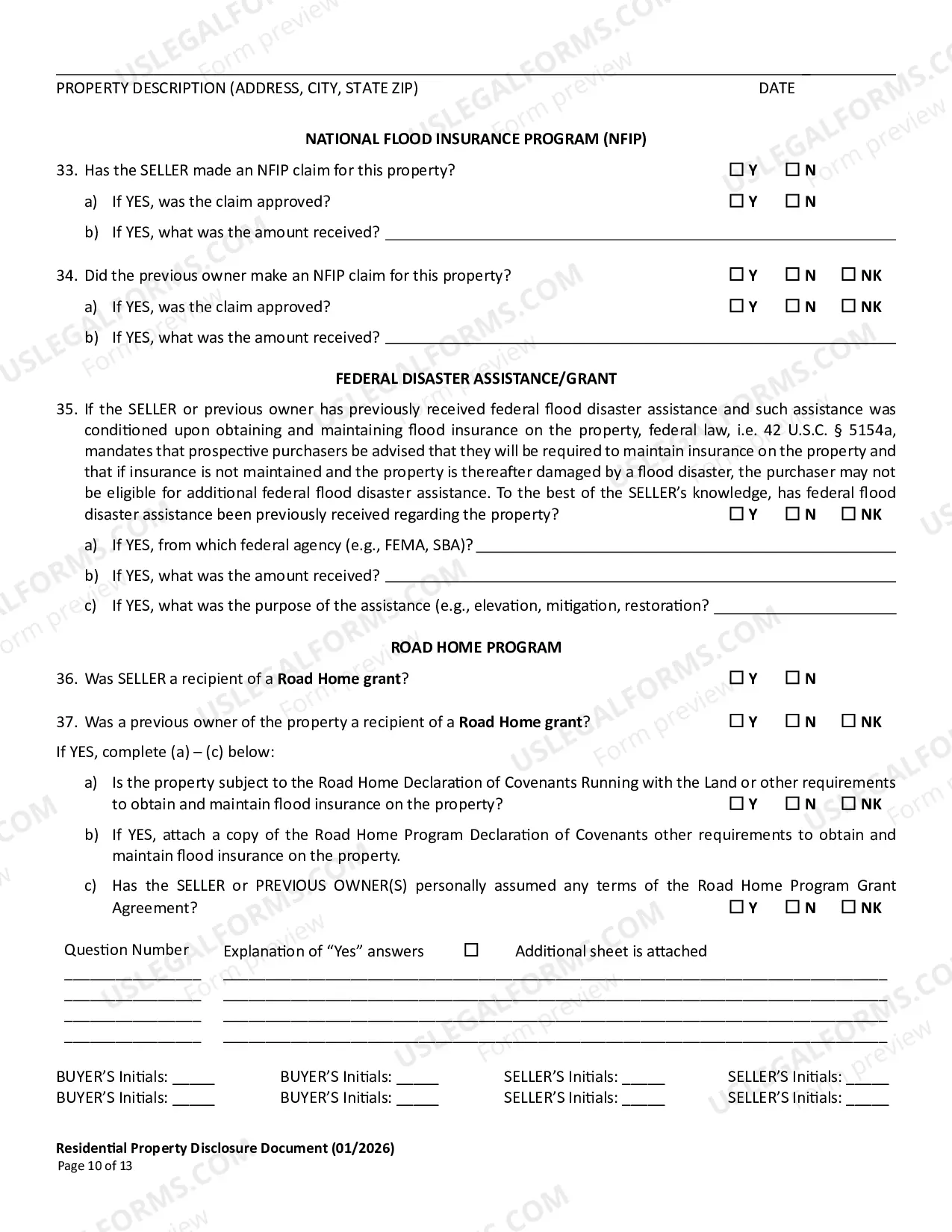
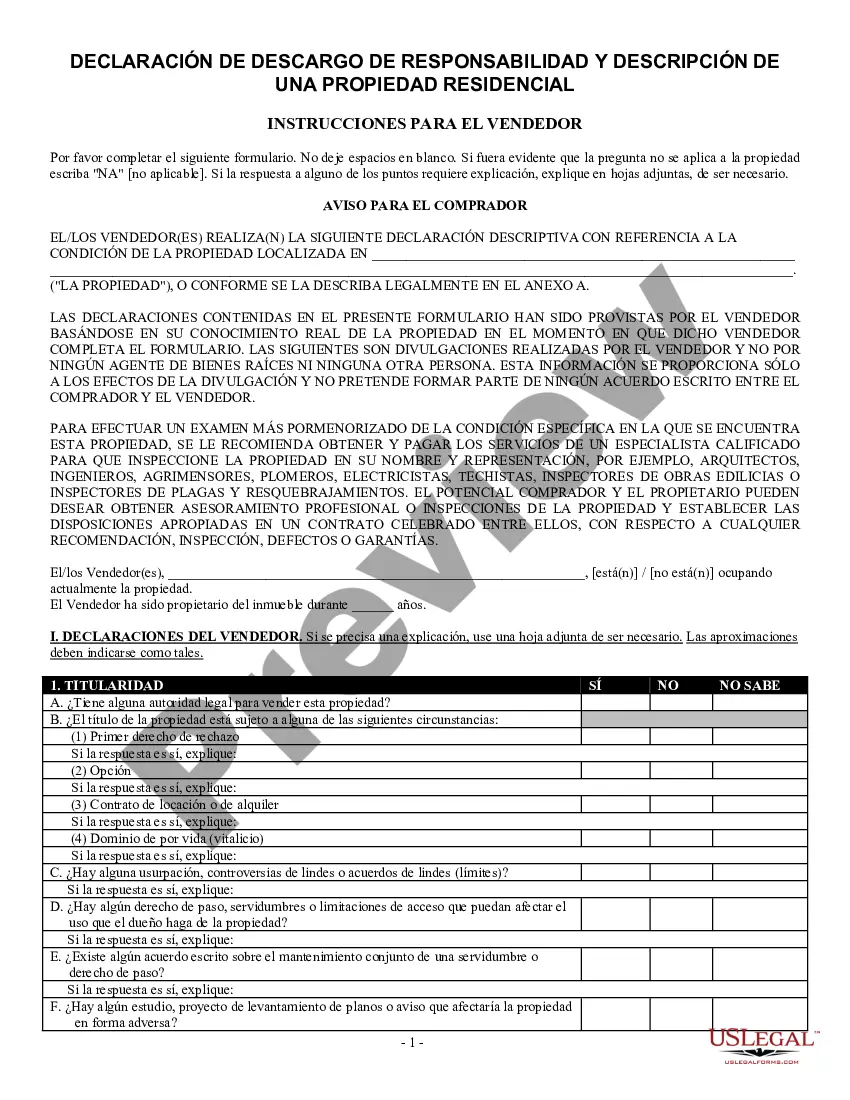
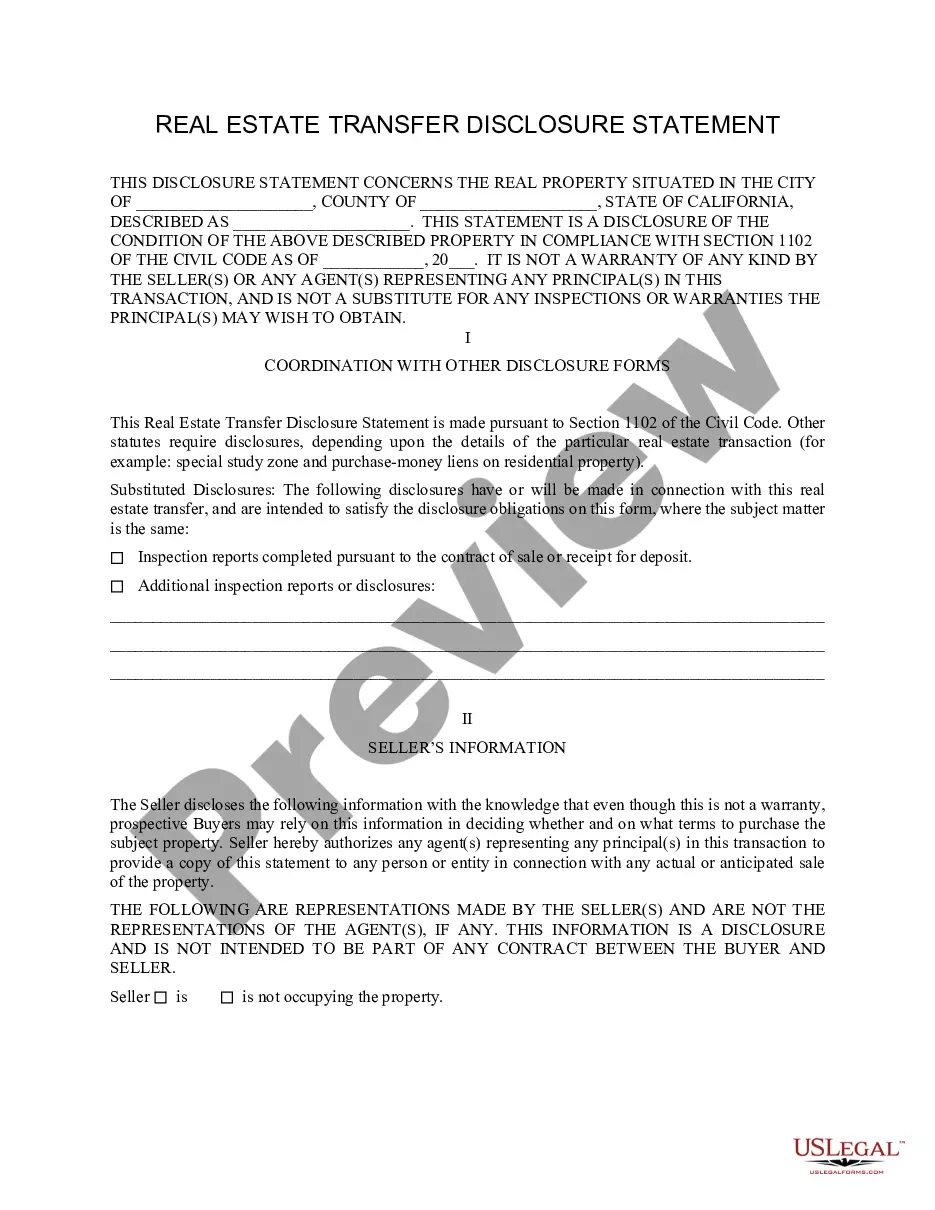
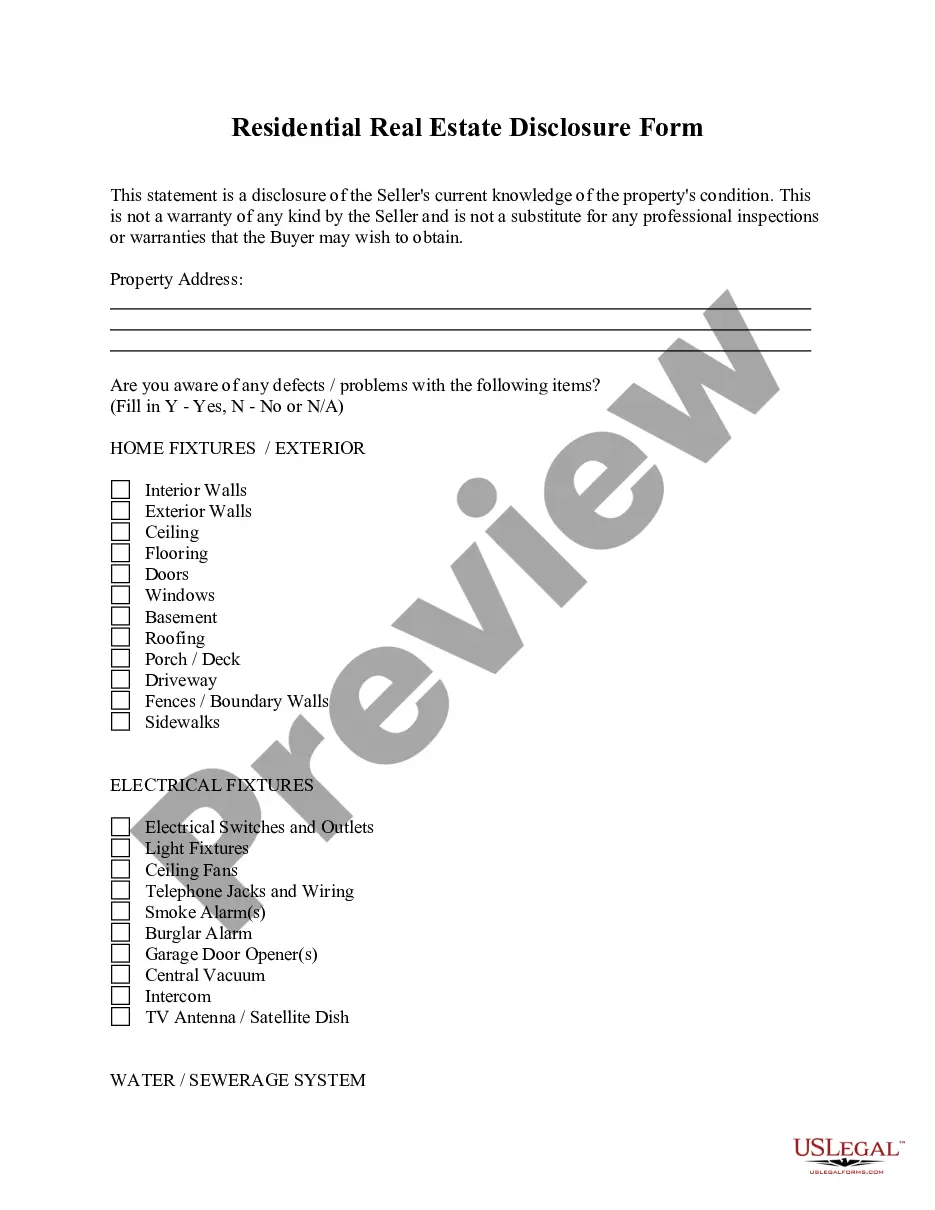
This form is a Seller's Disclosure Statement for use in a residential sales transaction in Louisiana. This disclosure statement concerns the condition of property and is completed by the Seller. It must be completed and given to the prospective purchaser no later than when the offer to purchase is made.
Louisiana Residential Real Estate Sales Disclosure Statement
Instant download
Description
Free preview

Get your form ready online
Our built-in tools help you complete, sign, share, and store your documents in one place.
Built-in online Word editor
Make edits, fill in missing information, and update formatting in US Legal Forms—just like you would in MS Word.
Export easily
Download a copy, print it, send it by email, or mail it via USPS—whatever works best for your next step.
E-sign your document
Sign and collect signatures with our SignNow integration. Send to multiple recipients, set reminders, and more. Go Premium to unlock E-Sign.
Notarize online 24/7
If this form requires notarization, complete it online through a secure video call—no need to meet a notary in person or wait for an appointment.
Store your document securely
We protect your documents and personal data by following strict security and privacy standards.

Make edits, fill in missing information, and update formatting in US Legal Forms—just like you would in MS Word.

Download a copy, print it, send it by email, or mail it via USPS—whatever works best for your next step.

Sign and collect signatures with our SignNow integration. Send to multiple recipients, set reminders, and more. Go Premium to unlock E-Sign.

If this form requires notarization, complete it online through a secure video call—no need to meet a notary in person or wait for an appointment.

We protect your documents and personal data by following strict security and privacy standards.
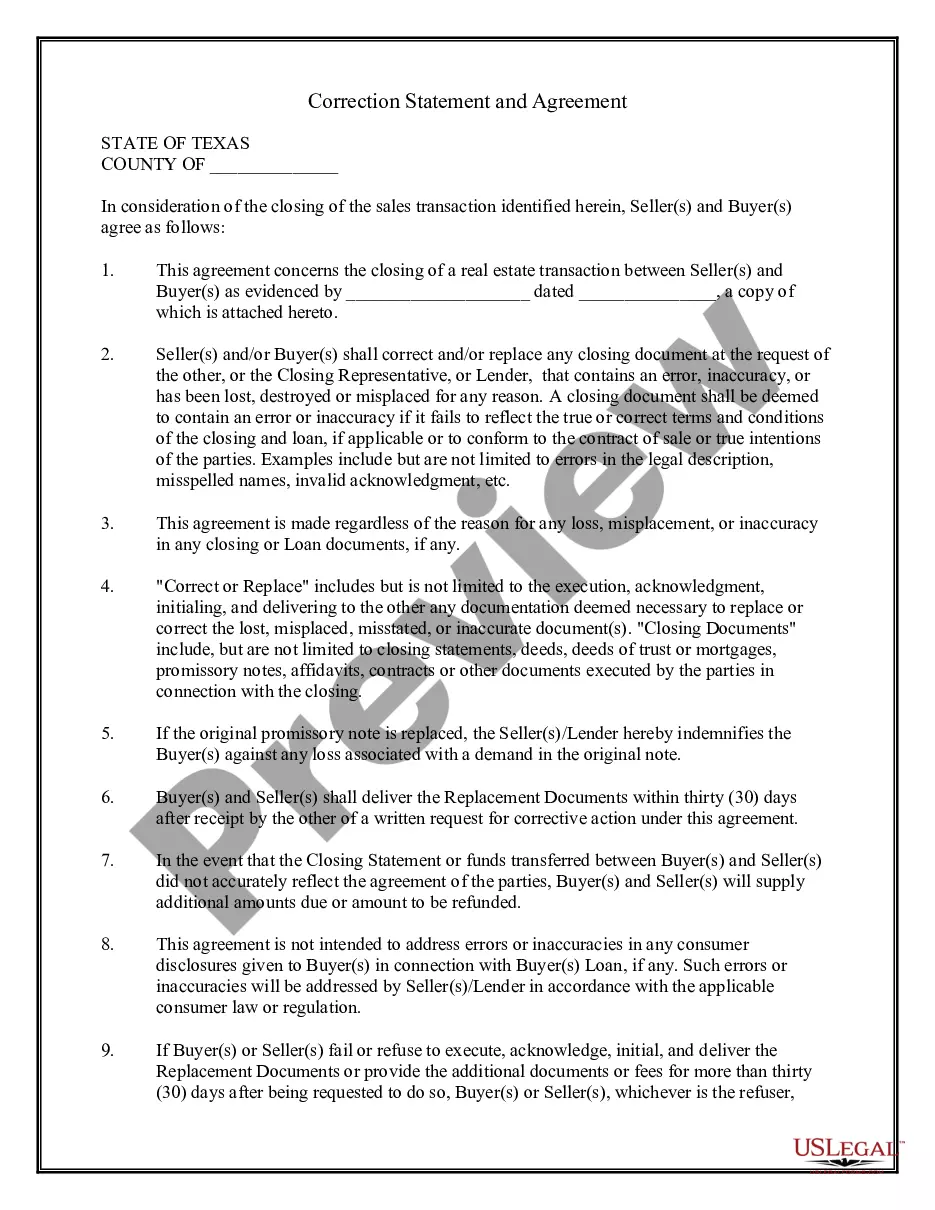
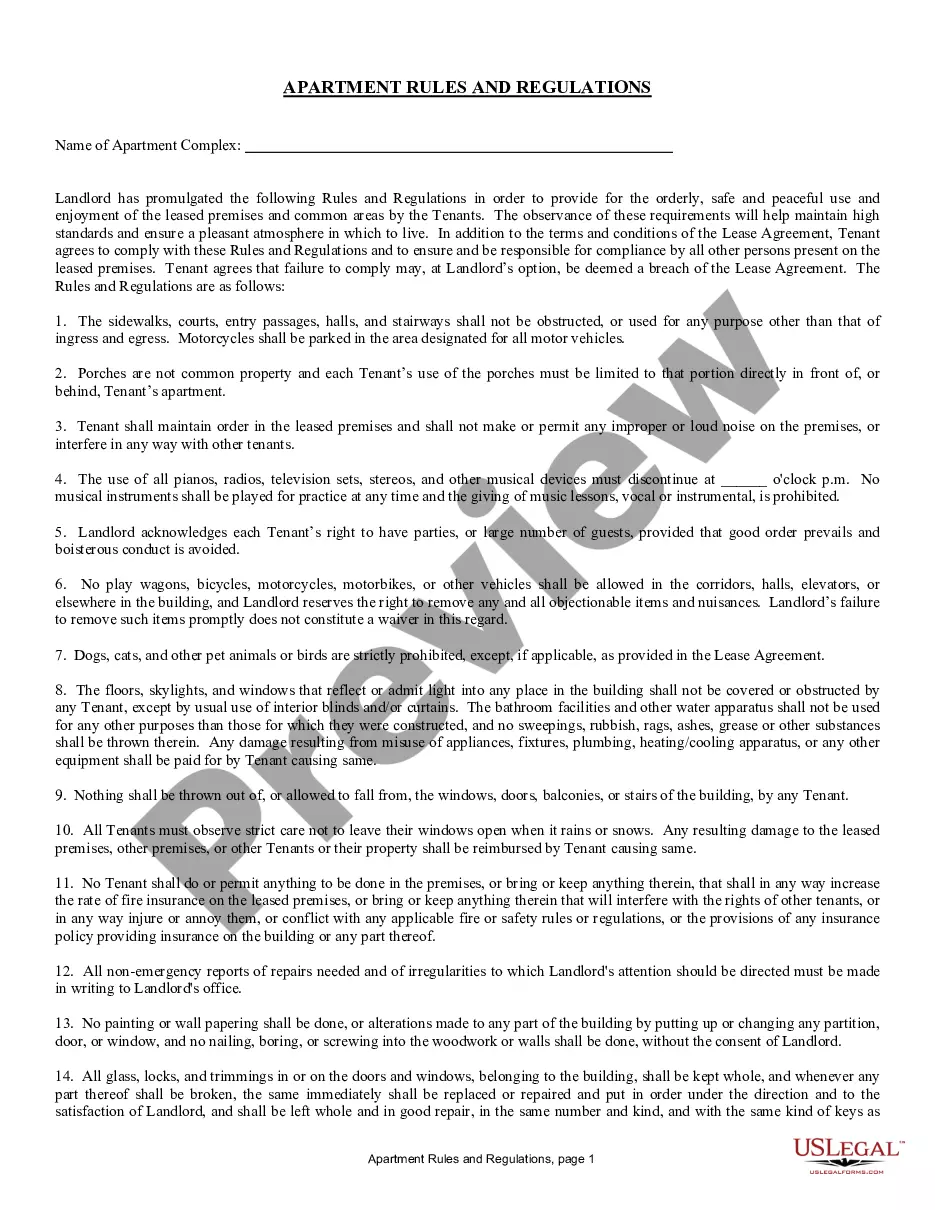
Looking for another form?
How to fill out Louisiana Residential Real Estate Sales Disclosure Statement?
Searching for Louisiana Residential Real Estate Sales Disclosure Statement forms and completing them can be a hurdle.
To conserve time, expenses, and effort, utilize US Legal Forms to locate the appropriate template tailored for your state in just a few clicks.
Our attorneys prepare all documents, so you simply need to fill them in. It's truly that straightforward.
You can either print the Louisiana Residential Real Estate Sales Disclosure Statement form or complete it using any online editor. Don’t worry about making errors, as your sample can be utilized and submitted, and published as many times as you wish. Experience US Legal Forms and gain access to over 85,000 state-specific legal and tax documents.
- Log in to your account and navigate back to the form's webpage to save the document.
- All of your downloaded samples are stored in My documents and are accessible at any time for future use.
- If you haven't registered yet, you should enroll.
- Review our comprehensive guidelines on how to obtain your Louisiana Residential Real Estate Sales Disclosure Statement template within minutes.
- To acquire a relevant form, verify its relevance for your state.
- Examine the form using the Preview feature (if available).
- If there's a description, read it to understand the details.
- Click Buy Now if you've found what you need.
Form popularity
FAQ
If a seller fails to disclose, or actively conceals, problems that affect the value of the property; they are violating the law, and may be subject to a lawsuit for recovery of damages based on claims of fraud and deceit, misrepresentation and/or breach of contract.
Under California law, all material facts that affect the value or desirability of the property must be disclosed to the buyer. There is no specific definition or rule on what is considered to be a material fact.
In general, you have an obligation to disclose potential problems and material defects that could affect the value of the property you're trying to sell. In addition, it is considered illegal in most states to deliberately conceal major defects on your property.
Generally, sellers complete real estate disclosure paperwork after the buyers sign the purchase offer agreement or may even have it filled out prior to listing their home. There's no official deadline for delivering the form but it's expected to be provided to the buyers in a timely fashion.
California's Especially Stringent Disclosure Requirements Sellers must fill out and give the buyers a disclosure form listing a broad range of defects, such as a leaky roof, deaths that occurred within three years on the property, neighborhood nuisances such as a dog that barks every night, and more.
Whenever you sell real estate, you are obligated to follow local mandatory disclosure laws. This involves informing the buyer about specific hazards or problems affecting the property before the sale is completed.
If a seller fails to disclose, or actively conceals, problems that affect the value of the property; they are violating the law, and may be subject to a lawsuit for recovery of damages based on claims of fraud and deceit, misrepresentation and/or breach of contract.
Louisiana is a non-disclosure state.
Once you and the buyer have signed a written agreement for the sale of your property, you must deliver a copy of your completed disclosures to the buyer within five business days.