Illinois Company Employment Policies and Procedures Package
About this form package
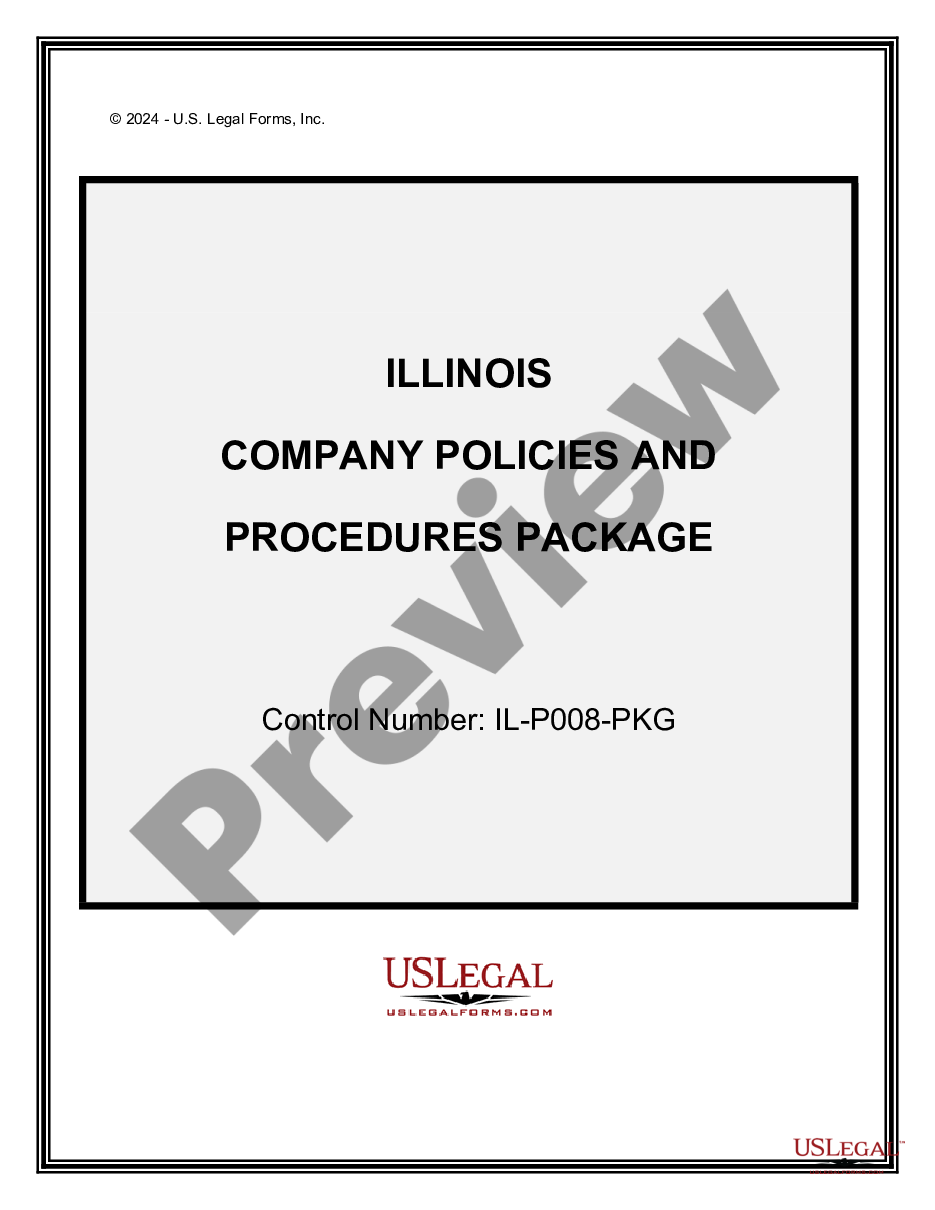
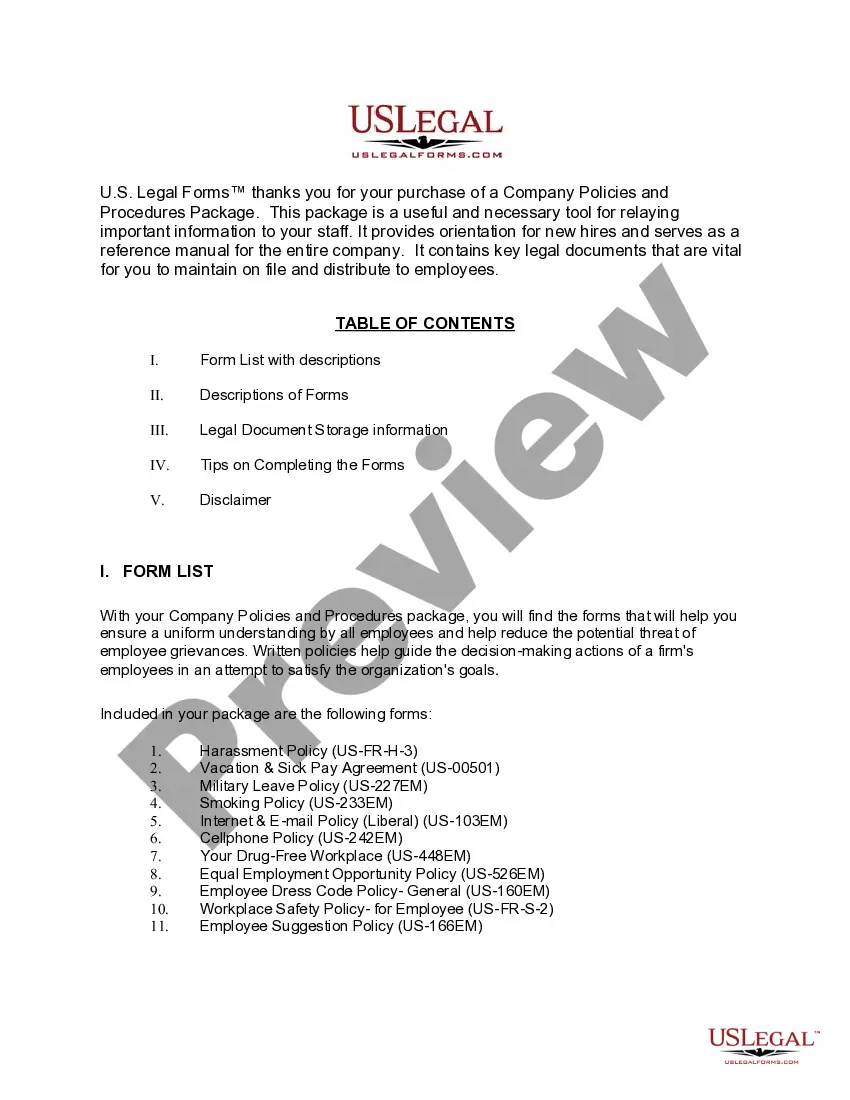
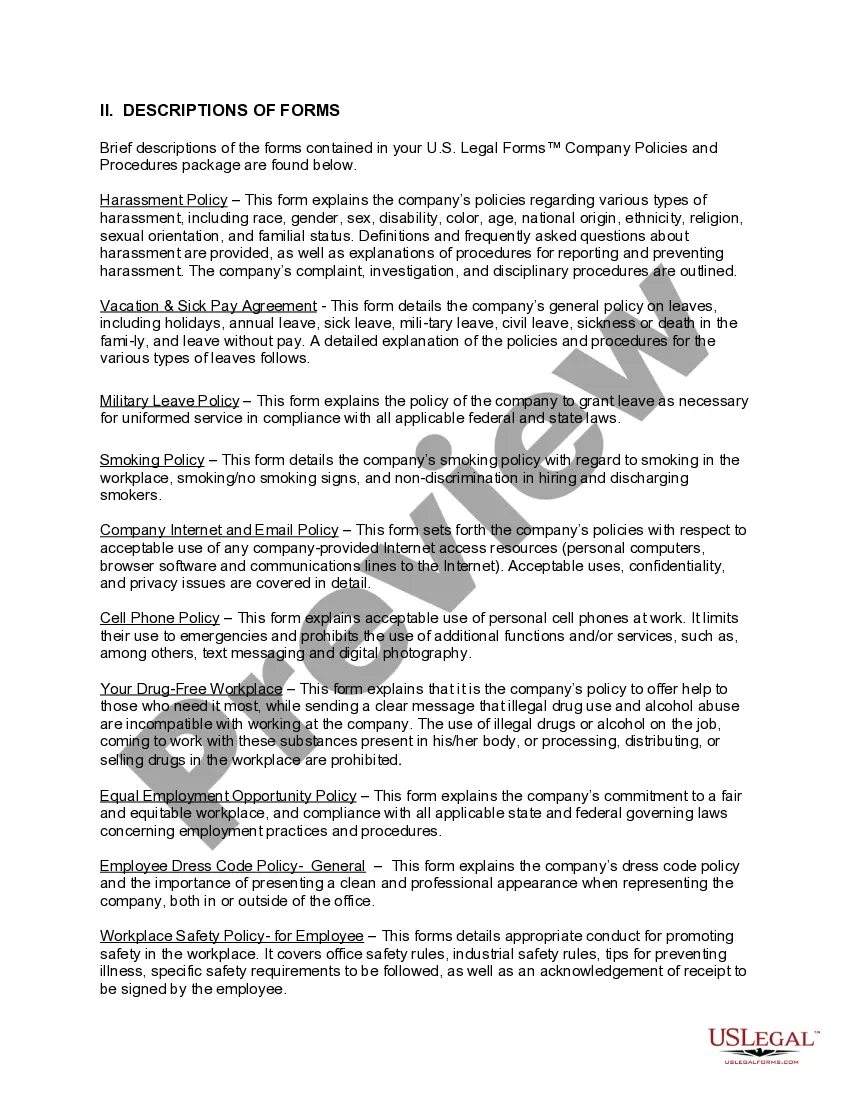
The Illinois Company Employment Policies and Procedures Package is a comprehensive set of essential forms designed to help businesses establish clear and consistent workplace policies. This package differentiates itself by providing legally vetted documents drafted by licensed attorneys, aimed at enhancing employee understanding and reducing the risk of grievances. By implementing these policies, companies can create a more organized and transparent work environment for all employees.
Forms you’ll find in this package
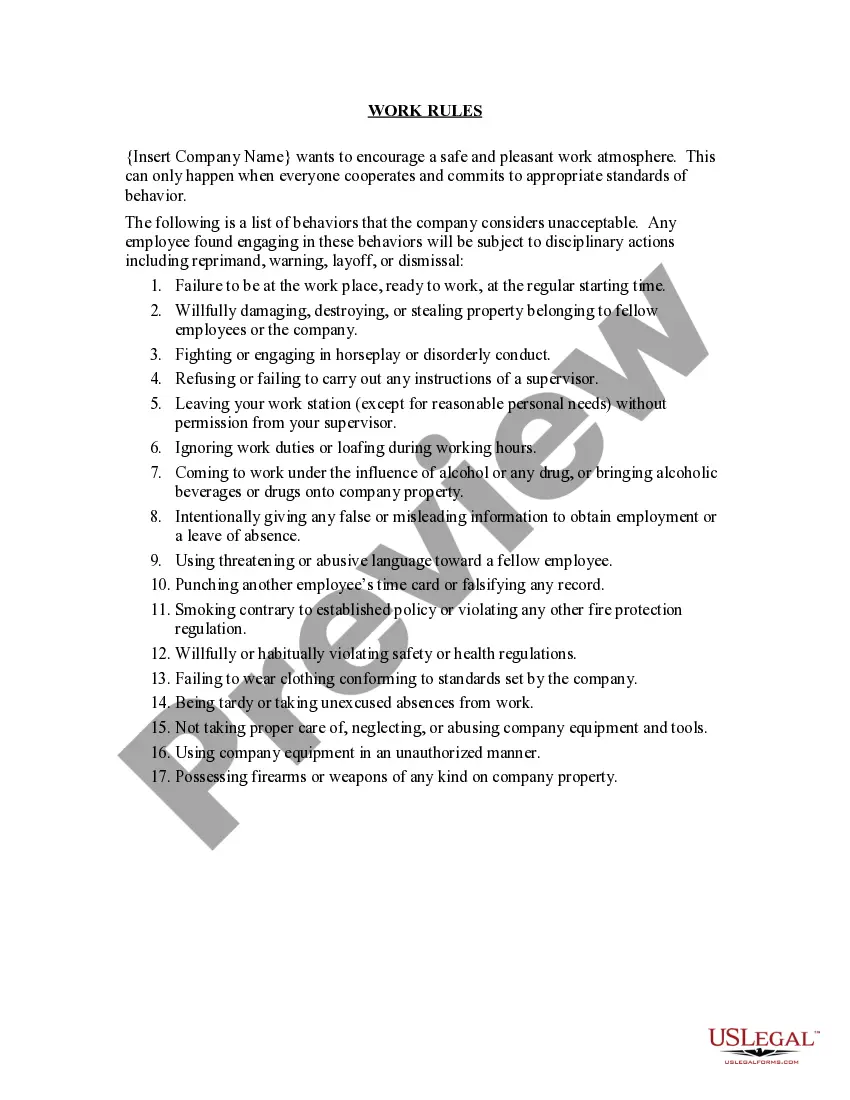
- Employee Agreement - Vacation and Sick Pay
- Company Internet and Email Policy - Liberal
- Employee Dress Code Policy - General
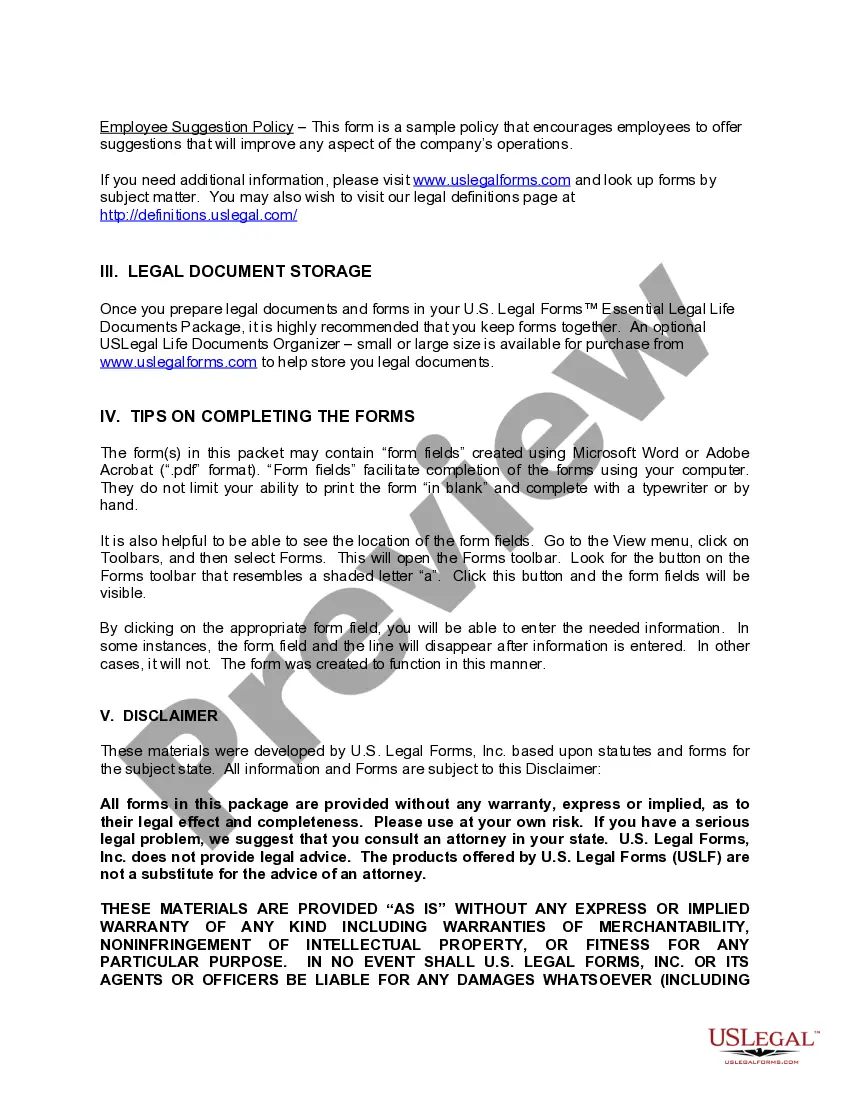
- Employee Suggestion Policy
- Military Leave Policy
- Smoking Policy
- Employee Cell Phone Usage Policy
- Your Drug-Free Workplace
- Equal Employment Opportunity Policy Statement
- Employee - Company Harassment Policy - Workplace
- Workplace Safety Policy - For Employee

Situations where these forms applies
This package should be used when a company is setting up or revising its employee policies. Common scenarios for utilizing this package include:
- Starting a new business and needing foundational policies.
- Onboarding new employees to ensure they understand company policies.
- Updating existing policies to comply with new laws or regulations.
- Addressing potential employee grievances by clarifying workplace expectations.
Intended users of this form package
- Business owners looking to establish or update employment policies.
- Human resources professionals tasked with onboarding and employee management.
- Managers seeking to clarify workplace rules and expectations.
- Any organization wanting to promote a fair and equitable work environment.
Completing these forms step by step
- Review the included forms to understand the policies being established.
- Customize each form with your company's specific information and policies.
- Ensure all employees have access to the finalized documents.
- Distribute the policies to employees during onboarding and as part of ongoing training.
- Keep a signed copy of each acknowledgment in employee files for future reference.
Do documents in this package require notarization?
Forms in this package typically do not require notarization unless required by local law. However, it is advisable to consult your companyâs legal advisor regarding notarization needs for specific forms.
Get your form ready online
Our built-in tools help you complete, sign, share, and store your documents in one place.
Make edits, fill in missing information, and update formatting in US Legal Forms—just like you would in MS Word.
Download a copy, print it, send it by email, or mail it via USPS—whatever works best for your next step.
Sign and collect signatures with our SignNow integration. Send to multiple recipients, set reminders, and more. Go Premium to unlock E-Sign.
If this form requires notarization, complete it online through a secure video call—no need to meet a notary in person or wait for an appointment.
We protect your documents and personal data by following strict security and privacy standards.

Make edits, fill in missing information, and update formatting in US Legal Forms—just like you would in MS Word.

Download a copy, print it, send it by email, or mail it via USPS—whatever works best for your next step.

Sign and collect signatures with our SignNow integration. Send to multiple recipients, set reminders, and more. Go Premium to unlock E-Sign.

If this form requires notarization, complete it online through a secure video call—no need to meet a notary in person or wait for an appointment.

We protect your documents and personal data by following strict security and privacy standards.
Avoid these common issues
- Failing to update policies regularly as laws change.
- Not providing policies to employees in an accessible manner.
- Overlooking the need for employee acknowledgment signatures.
- Using unclear or vague language that can lead to misunderstandings.
Why complete this package online
- Convenient access to essential policies and procedures at any time.
- Easy editability to tailor forms according to specific company needs.
- Reliability backed by documents drafted by licensed attorneys.
- Cost-effective solution compared to hiring legal consultants.
Legal use & context
- These forms are designed to meet Illinois employment laws, ensuring they are enforceable within the state.
- Proper implementation of these policies can help protect companies from legal disputes.
- Clear documentation aids in establishing best practices for employee treatment and workplace safety.
Main things to remember
- The Illinois Company Employment Policies and Procedures Package provides essential templates for workplace policies.
- This package helps reduce grievances and clarifies expectations for employees.
- Implementing and adhering to these forms can improve workplace culture and legal compliance.
Looking for another form?
Form popularity
FAQ
Disciplinary and Grievance Rules and Procedures; Sickness Absence Policy; Health and Safety Policy; Equal Opportunities Policy; Anti-Harassment and Bullying Policy; and.
Examples include government policies that impact spending for welfare, public education, highways, and public safety, or a professional organization's benefits plan.
California does not require employers to have a handbook.
Company culture, values, and a mission statement. Human resource and legal information as well as rights and obligations related to employment. Realistic expectations; both what the company expects to see from its employees and what employees can expect from the company.
Use clear language. With a major purpose of HR policies being to outline relevant information to your staff and volunteers, it's critical they understand what you're trying to convey. Keep it as brief as possible. Avoid information that may become quickly outdated. Clarify eligibility. Allow for necessary exceptions.
Use the handbook as a communication tool. Employees can be full of legal agreements and notices, which important as they are, can be daunting. Safety and security. Get a legal review. Outline your expectations/Code of conduct. Hours, benefits, and compensation. Don't be redundant. Make it readable. Leave room for change.
Step 1: Determine the Purpose and Intention of the Policy. Step 2: Assemble All Prior Writings and Practices on the Same or Similar Topics. Step 3: Obtain Information and Input from Relevant Stakeholders. Step 4: Conduct Research to Determine Status of the Law and Identify Trends.
Prioritize a policy list. Keep in mind that you can't tackle every policy at once. Conduct thorough research. Take a look at your existing procedures to zone in on how things are currently done. Write an initial draft. After defining what you need to cover, you can begin your first draft. Validate the procedures.
Your company's history, mission, vision and goals. Your company's core values and culture. Human resources and legal information related to employment. Your company's policies. Employee benefits and perks.