Illinois Request by Owner to Subcontractor for List of Suppliers, Labor - Mechanic Liens - Individual
About this form
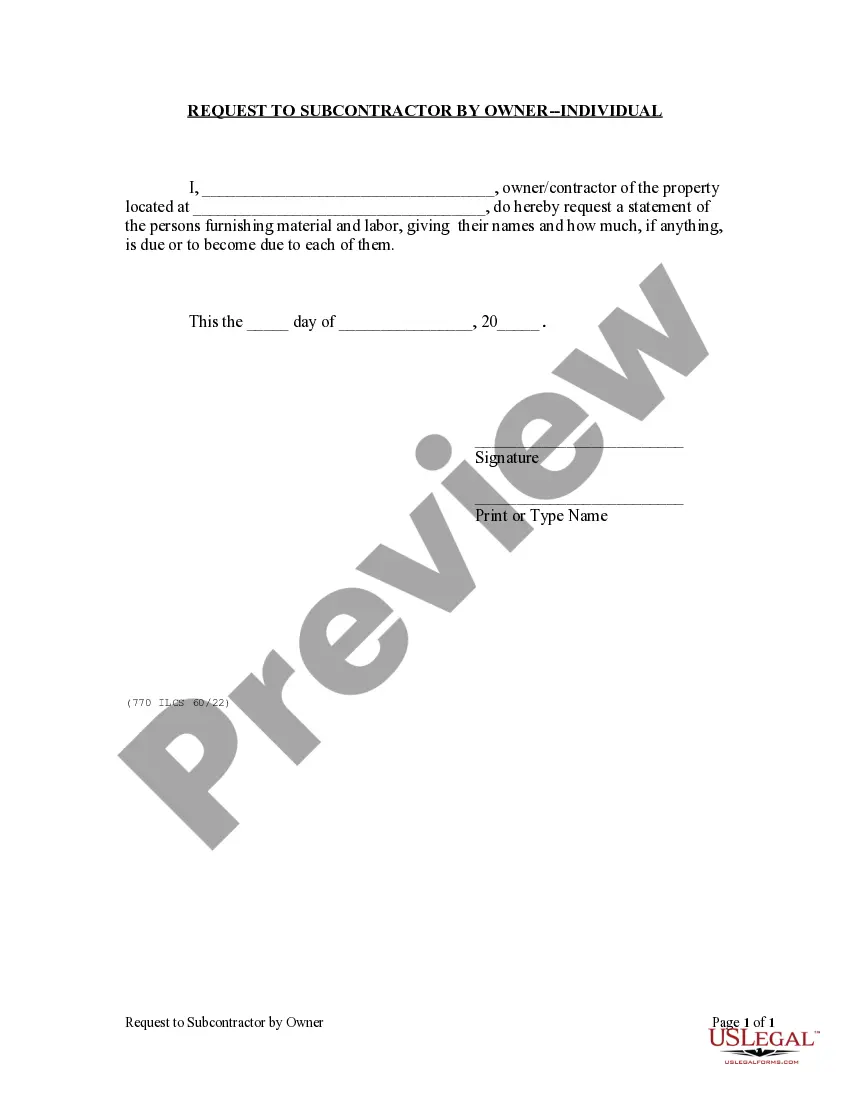
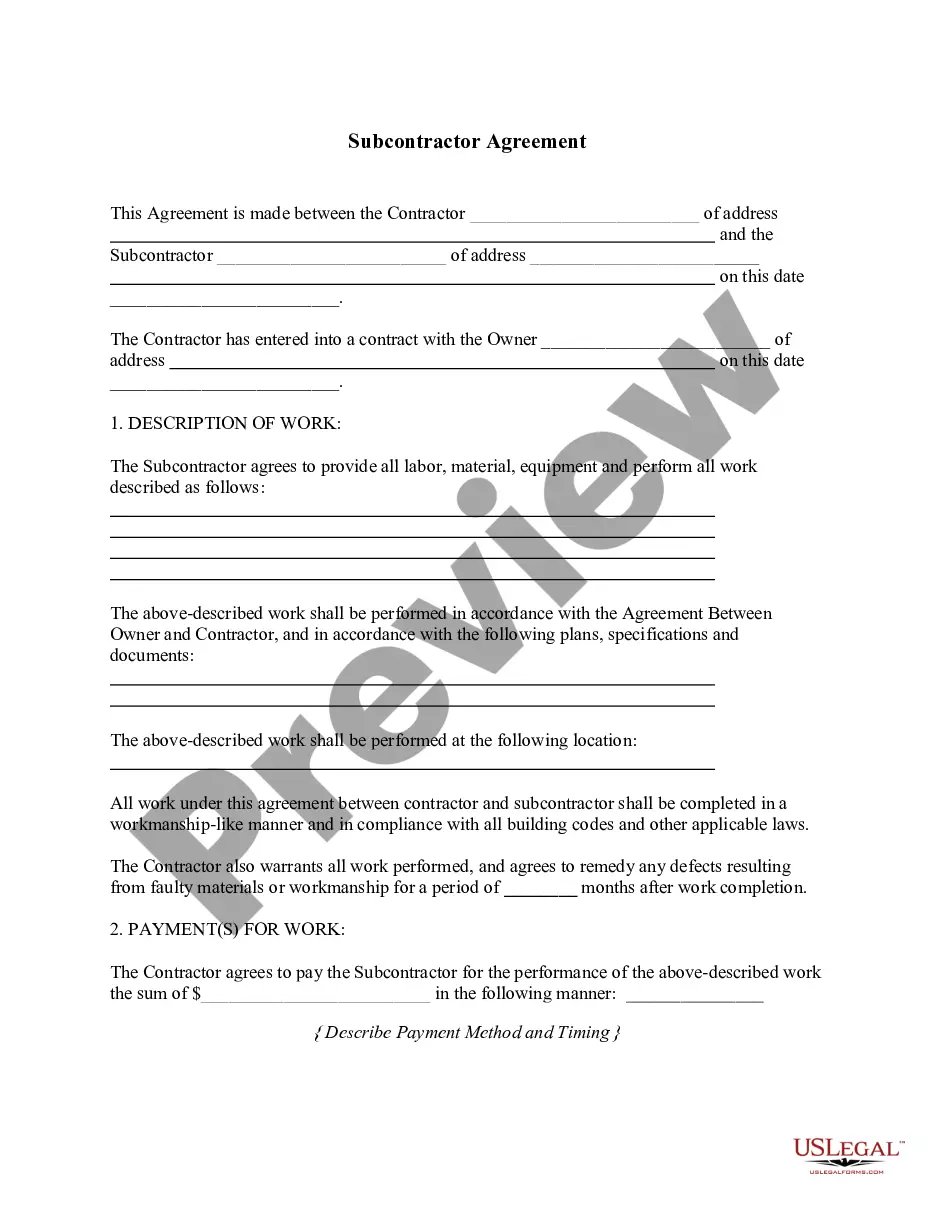
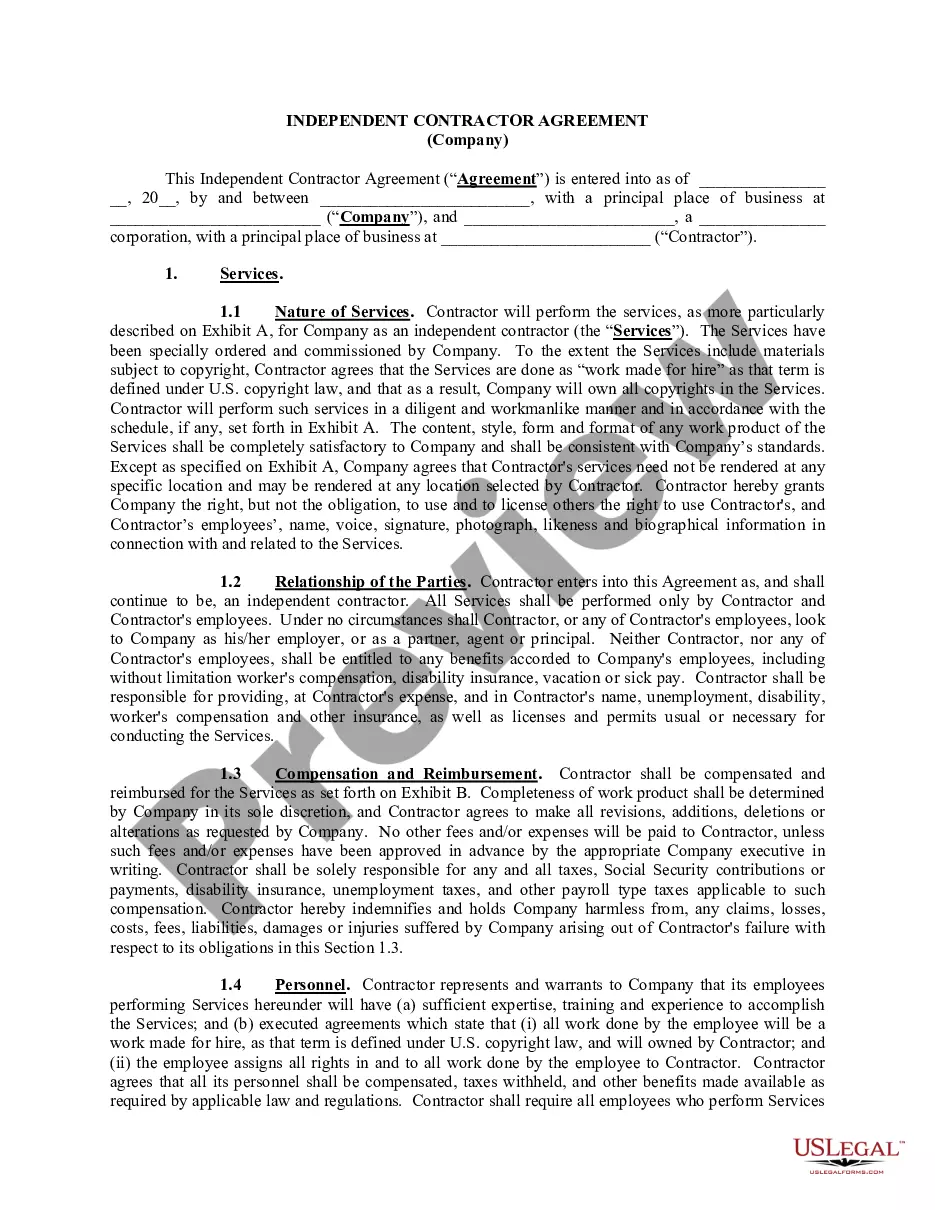
The Request by Owner to Subcontractor for List of Suppliers, Labor is a legal form used by property owners or contractors. This document allows them to formally request details from subcontractors regarding the materials and labor supplied for a construction project. It serves to ensure transparency and accountability, specifically concerning any outstanding payments owed to subcontractors or suppliers. Unlike general inquiries, this form provides a documented request, which may help in the event of disputes over payment or labor liens.
Main sections of this form
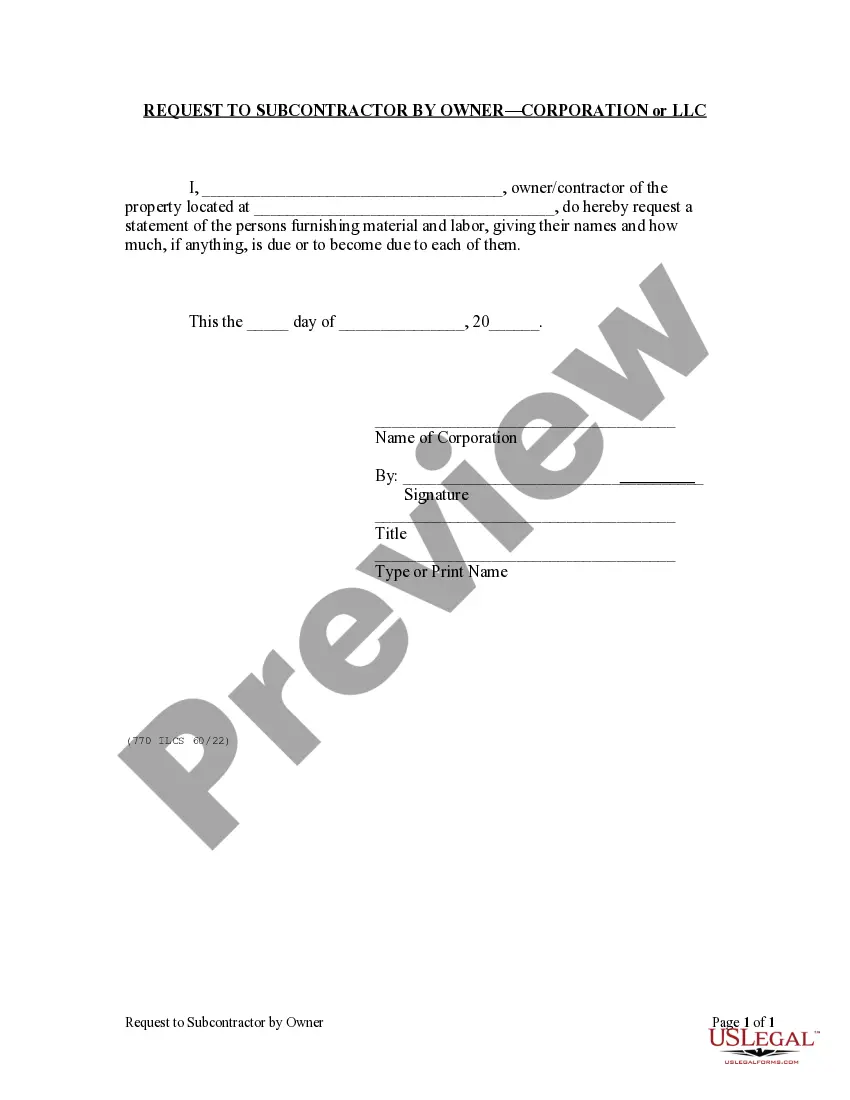
- Identification of the owner/contractor: This section captures the names and roles of the requesting party.
- Property location: The address where the construction project is taking place must be specified.
- Request statement: A clear declaration requesting a list of suppliers and the amount owed.
- Date: The date when the request is made.
- Signature and printed name: The form concludes with spaces for the owner's signature and printed name for verification.
When to use this form
This form should be used whenever an owner or contractor needs to confirm the suppliers and subcontractors involved in a construction project. It becomes particularly important in cases where payment disputes may arise, or when there is a need to ensure that all parties are compensated properly for their work. Using this form proactively can help manage relationships and clarify financial obligations before issues escalate.
Intended users of this form
- Property owners who have contracted work on their property.
- General contractors who wish to coordinate with subcontractors and suppliers.
- Anyone involved in a construction project where multiple parties are supplying labor or materials.
Steps to complete this form
- Identify the parties: Fill in the name of the owner or contractor at the beginning of the form.
- Specify the property: Enter the complete address of the project location.
- Request details: Clearly request the list of suppliers and labor providers, noting any amounts owed.
- Enter the date: Add the date when the request is made.
- Sign and print: Ensure to sign the form and print your name for clarity and validation.
Notarization guidance
In most cases, this form does not require notarization. However, some jurisdictions or signing circumstances might. US Legal Forms offers online notarization powered by Notarize, accessible 24/7 for a quick, remote process.
Get your form ready online
Our built-in tools help you complete, sign, share, and store your documents in one place.
Make edits, fill in missing information, and update formatting in US Legal Forms—just like you would in MS Word.
Download a copy, print it, send it by email, or mail it via USPS—whatever works best for your next step.
Sign and collect signatures with our SignNow integration. Send to multiple recipients, set reminders, and more. Go Premium to unlock E-Sign.
If this form requires notarization, complete it online through a secure video call—no need to meet a notary in person or wait for an appointment.
We protect your documents and personal data by following strict security and privacy standards.

Make edits, fill in missing information, and update formatting in US Legal Forms—just like you would in MS Word.

Download a copy, print it, send it by email, or mail it via USPS—whatever works best for your next step.

Sign and collect signatures with our SignNow integration. Send to multiple recipients, set reminders, and more. Go Premium to unlock E-Sign.

If this form requires notarization, complete it online through a secure video call—no need to meet a notary in person or wait for an appointment.

We protect your documents and personal data by following strict security and privacy standards.
Typical mistakes to avoid
- Failing to include the full property address.
- Not specifying the request clearly, leading to confusion about what information is needed.
- Missing the date, which is essential for tracking the request timeline.
- Neglecting to sign the form, making it invalid.
Why use this form online
- Accessibility: Download and complete the form conveniently from anywhere.
- Editability: Easily edit the form as needed before finalizing your request.
- Reliability: Trustworthy templates drafted by licensed attorneys ensure legal accuracy.
Looking for another form?
Form popularity
FAQ
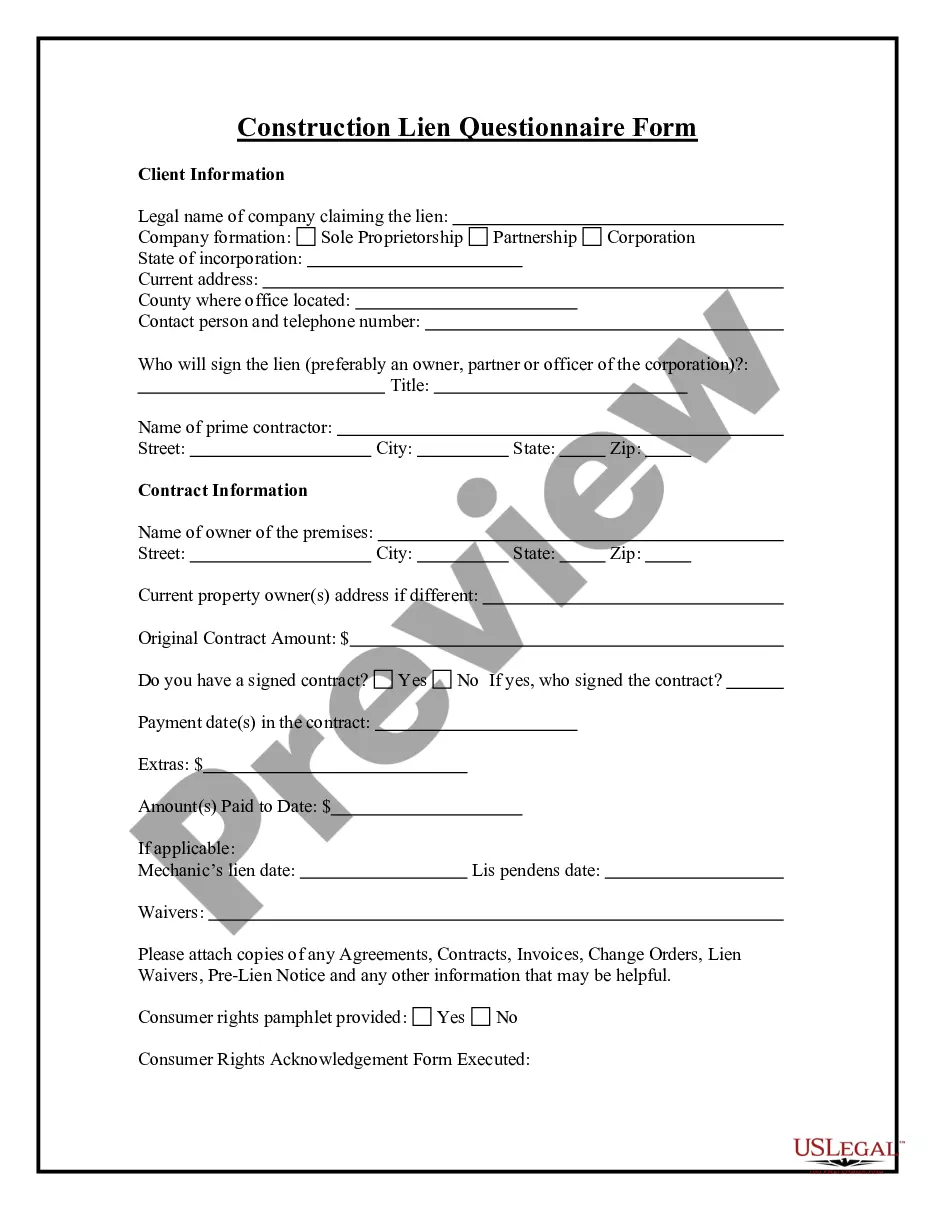
Intent to lien refers to the formal notice that a contractor or supplier intends to file a mechanic's lien against a property. This notice serves as a warning to property owners that a lien could be placed if payment disputes arise. Understanding this concept is important for both homeowners and contractors, particularly in the context of an Illinois Request by Owner to Subcontractor for List of Suppliers, Labor - Mechanic Liens - Individual.
In fact, the subcontractor doesn't have any contract with the owner neither written nor verbal!However, presuming that the subcontractor on the project has a written contract with someone, they can still file a lien even if they don't have a written agreement with the property owner.
Mechanics Liens must be recorded by a "subcontractor" within 90 days of "completion" or "cessation of work" and a general contractor who has a direct contract with the owner must record within 90 days of completion or of cessation of labor, unless completion or cessation of labor has occurred.
The simplest way to prevent liens and ensure that subcontractors and suppliers are paid is to pay with joint checks. This is when both parties endorse the check. Compare the contractor's materials or labor bill to the schedule of payments in your contract and the Preliminary Notices.
A lien is essentially a claim for repayment of a debt. In the construction context, a lien is of considerable importance because it offers considerable power to a subcontractor to seek payment from an owner through the property itself for a debt owed to the subcontractor by a general contractor or other third party.
Legally, an unpaid contractor, subcontractor or supplier can file a lien (sometimes called a mechanic's lien) that could eventually force the sale of your home in place of compensation.Conversely, if the contractor who worked on your project does not pay for materials, a supplier could place a lien on your property.
Under Illinois law, any mechanics lien should be filed in the County Recorder of Deeds where the property being liened is located. This is crucial as the lien must be filed not only in the correct county but the correct office as well. The fees and specific document formatting vary depending on your county.
Invalid Liens A lien stays in the county records and on your property title until you take action to remove it.If the contractor, subcontractor, laborer, or material supplier fails to follow any of the specific time frames, you can petition the court to remove the lien.
If a general contractor refuses to pay his subcontractors, they can make a claim against the payment bond. The surety company will pay out the subcontractors for at least part of their money and take the contractor to court.
Mechanic's liens create a cloud on title, meaning that they appear in public property records. Liens are sometimes said to travel with the land, meaning that anyone who buys your house would take the property subject to the contractor's lien (or, more likely, demand that you pay it off first).