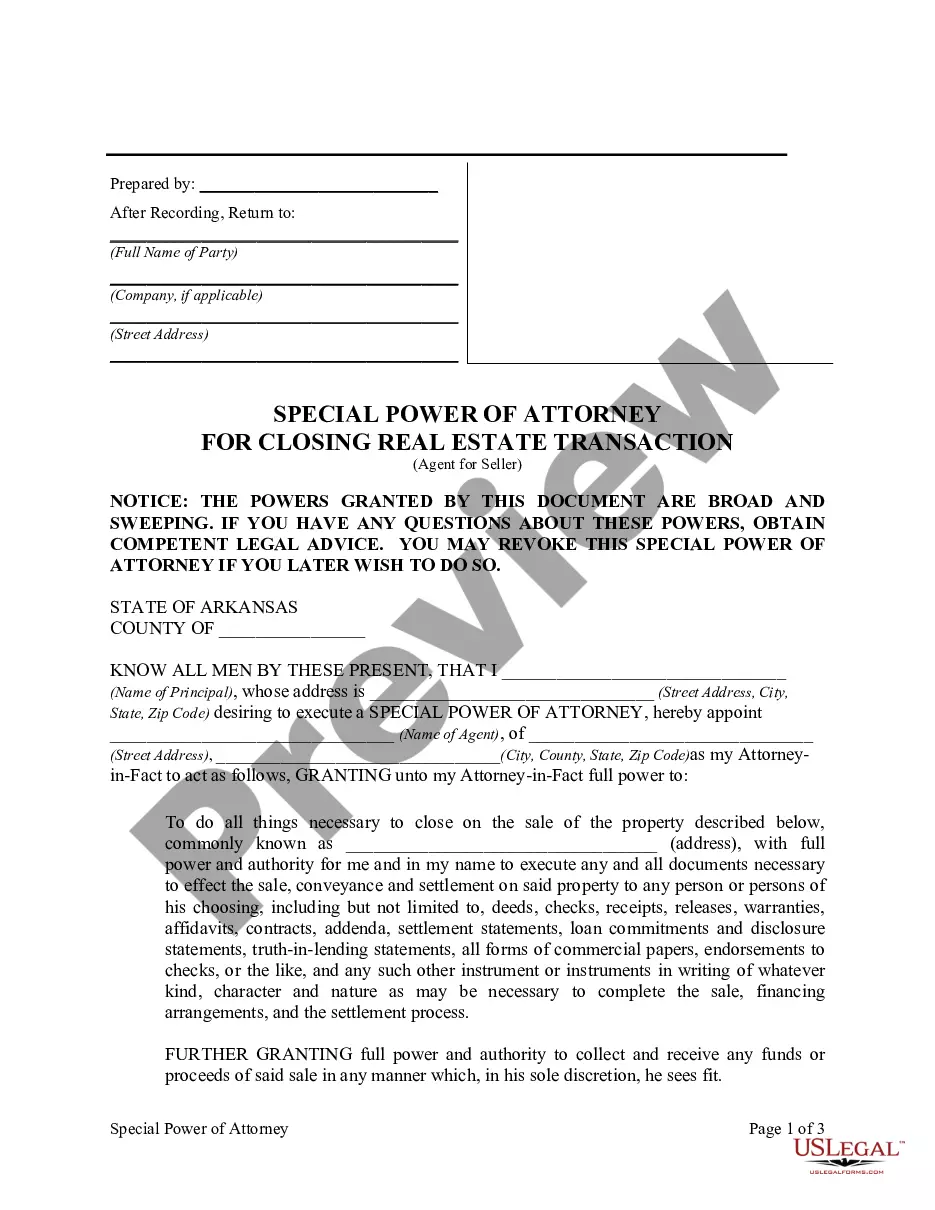
Idaho Easement and Right of Way
About this form
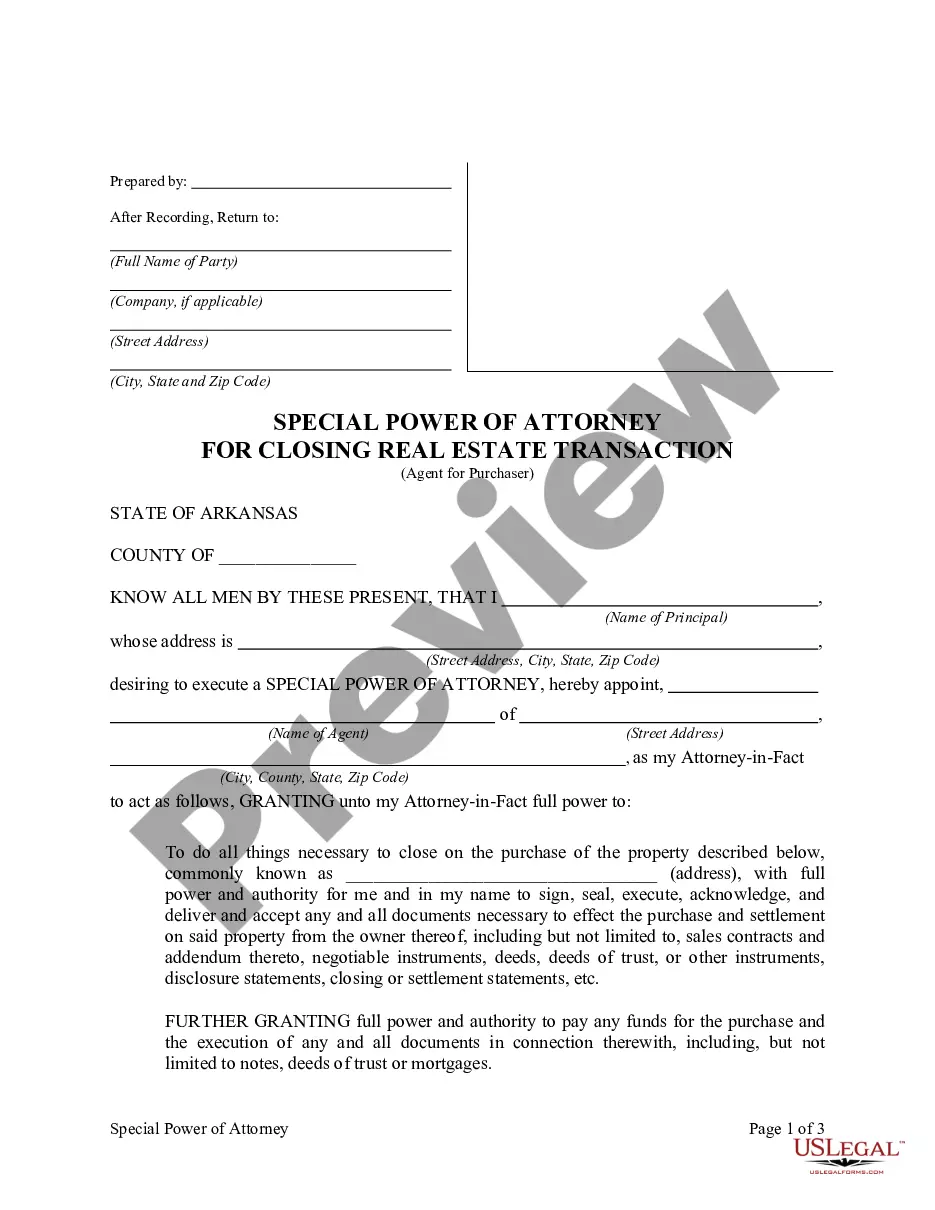
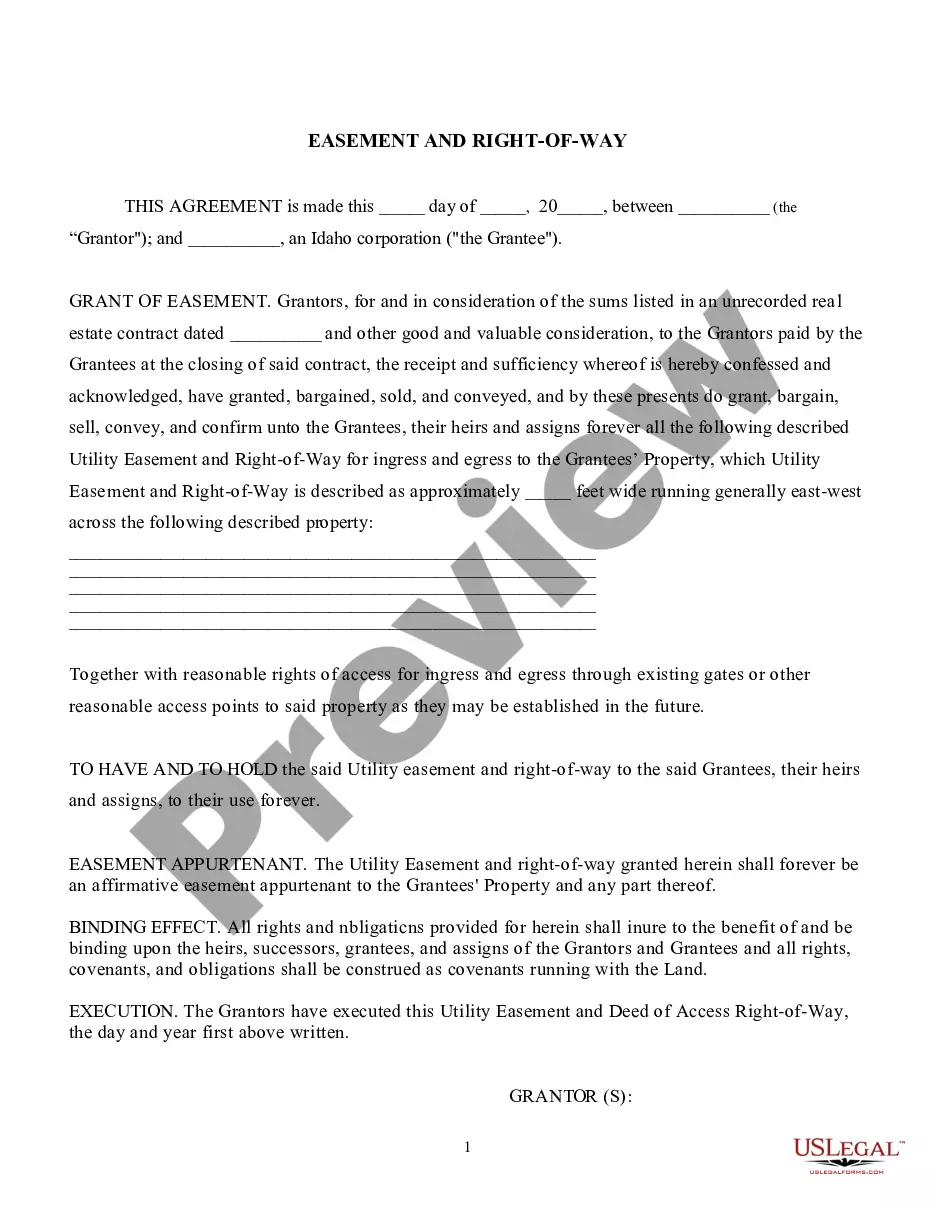
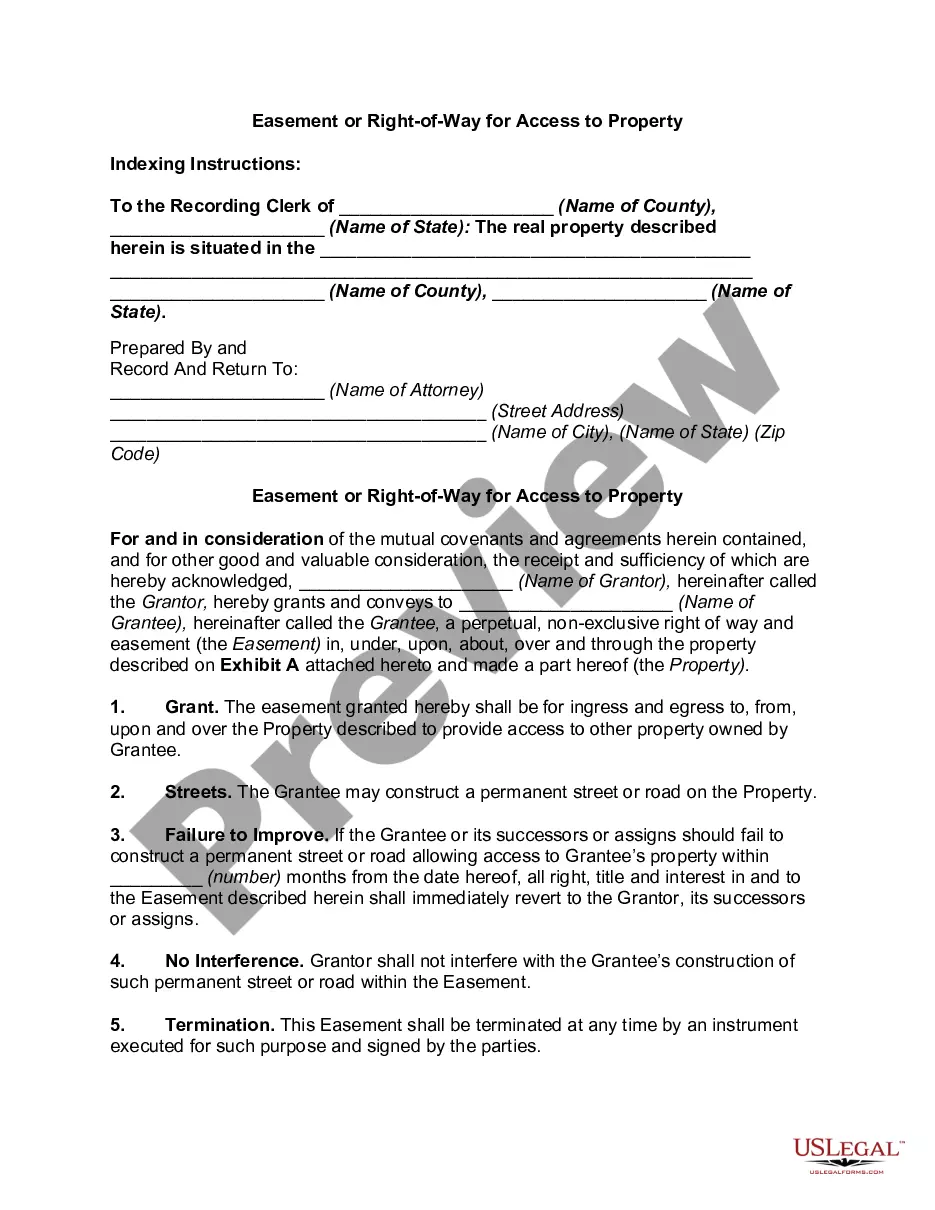
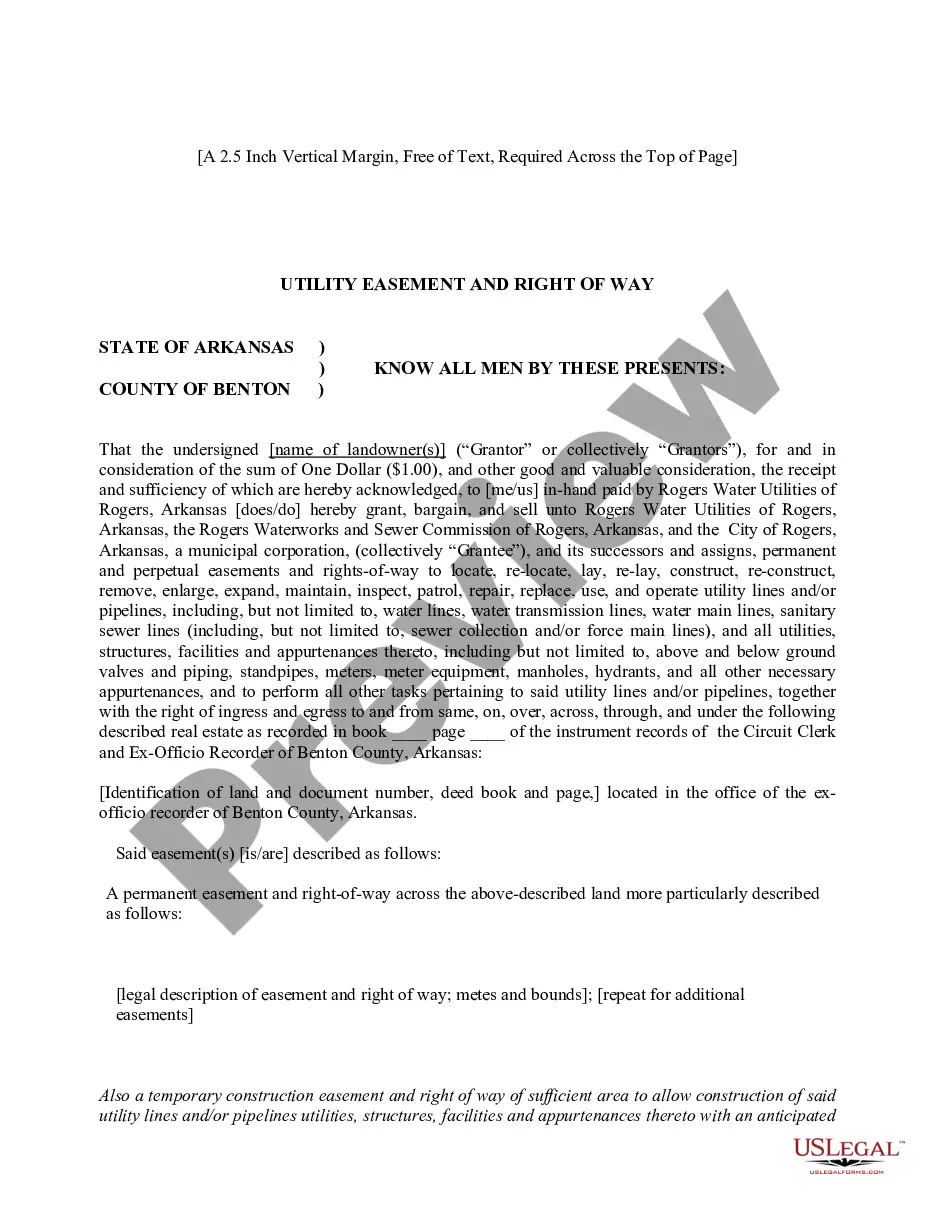
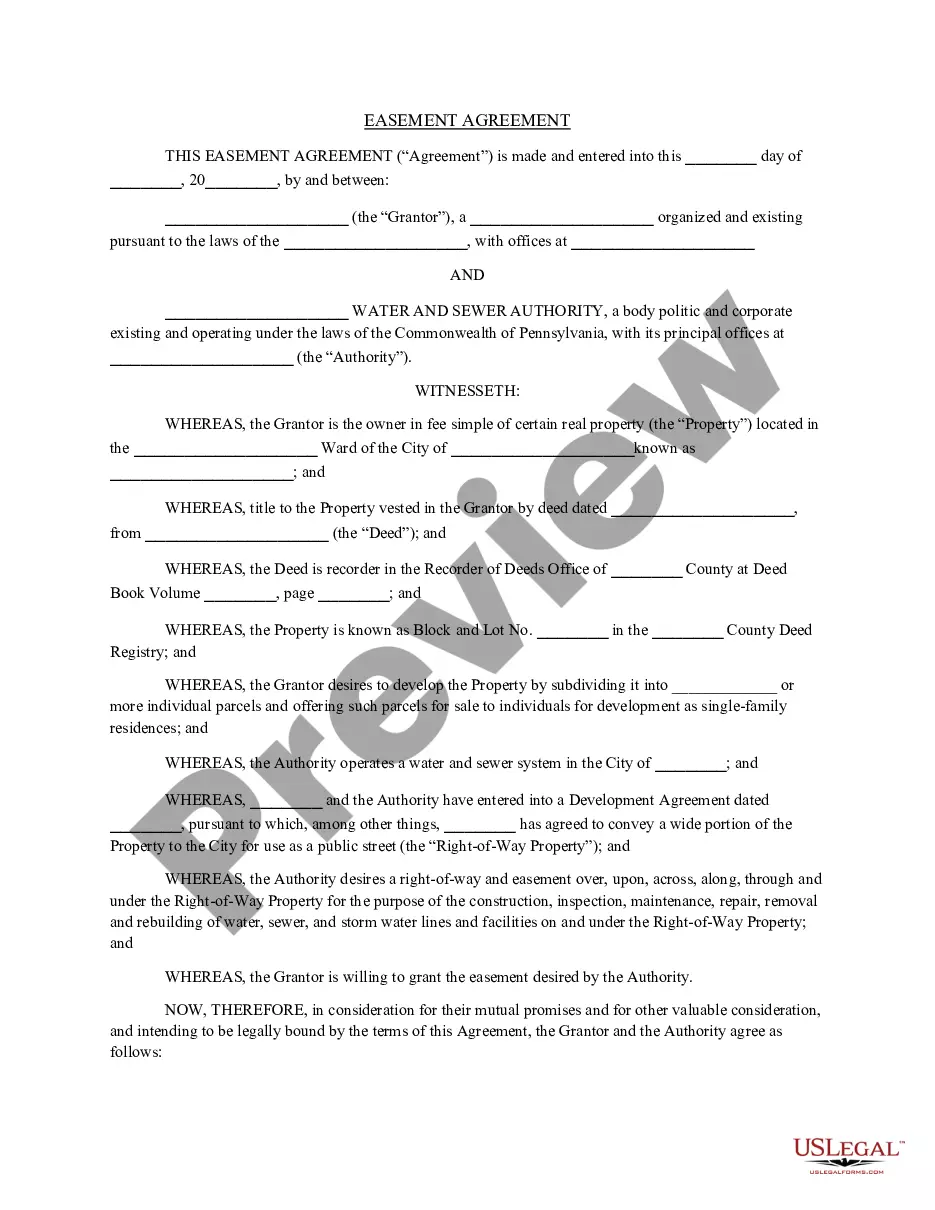
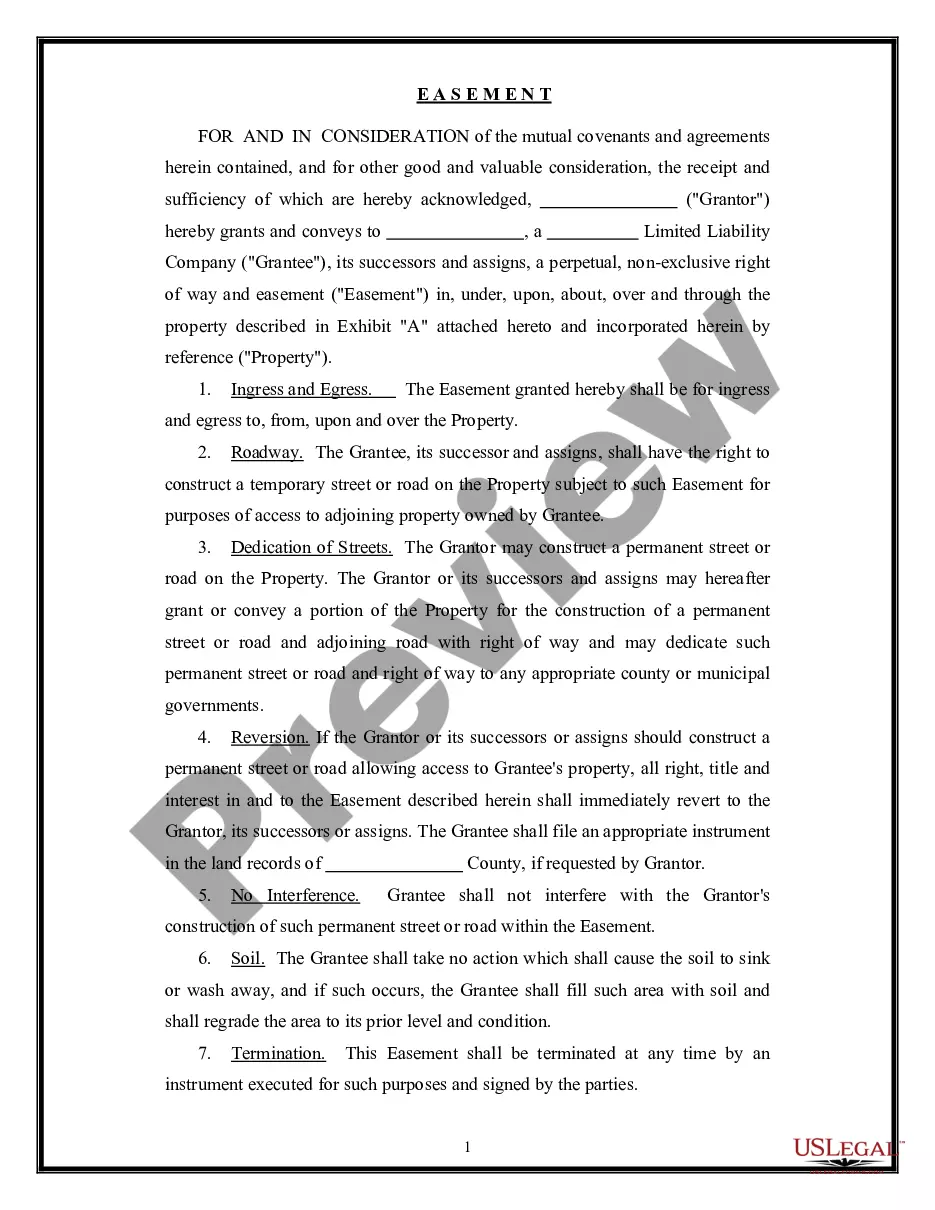
The Easement and Right of Way form is a legal document that allows one party to use a portion of another partyâs property for specific purposes, typically for utilities. This form is different from other property agreements as it primarily focuses on granting access for utility purposes, such as running electrical lines, water pipes, or for ingress and egress. By documenting the easement, both property owners can establish their legal rights and responsibilities regarding the use of the land.
Key components of this form
- Identification of the Grantor (property owner granting the easement) and Grantee (party receiving the easement).
- Description of the easement area, including dimensions and location specifics.
- Legal acknowledgment of consideration, i.e., payment or other valuable consideration in exchange for the easement.
- Grant of easement details, defining the rights of access and use of the property.
- Binding effect clauses ensuring rights and obligations transfer to heirs and assigns.
- Execution section for signatures and notarization requirements.

When this form is needed
This form should be used when a property owner needs to allow a utility company or another party to access their land for installation, repair, or maintenance of utilities. It is also used when neighbors need to establish formal access routes, for instance, for crossing properties to reach a water source or to provide access for livestock. This legal agreement clarifies responsibilities and helps prevent disputes over property use.
Who this form is for
- Property owners who need to grant access to utility companies.
- Individuals or businesses requiring easement for maintenance of pipelines or cables.
- Neighboring property owners who need to establish passage rights.
- Real estate professionals involved in property transactions with easement considerations.
How to complete this form
- Identify the involved parties: the Grantor and Grantee, including their full names and addresses.
- Specify the property details, clearly defining the easement area and its dimensions.
- Document the consideration provided for the easement, ensuring all payment details are outlined.
- Include any rights related to access, such as the location of gates or paths for accessing utilities.
- Sign and date the agreement in the presence of a notary public if required.
Does this document require notarization?
Yes, this form must be notarized to be legally valid. This ensures all parties agree to the terms and that their identities are verified. You can utilize US Legal Formsâ integrated online notarization services for a secure and convenient process, available 24/7.
Get your form ready online
Our built-in tools help you complete, sign, share, and store your documents in one place.
Make edits, fill in missing information, and update formatting in US Legal Forms—just like you would in MS Word.
Download a copy, print it, send it by email, or mail it via USPS—whatever works best for your next step.
Sign and collect signatures with our SignNow integration. Send to multiple recipients, set reminders, and more. Go Premium to unlock E-Sign.
If this form requires notarization, complete it online through a secure video call—no need to meet a notary in person or wait for an appointment.
We protect your documents and personal data by following strict security and privacy standards.
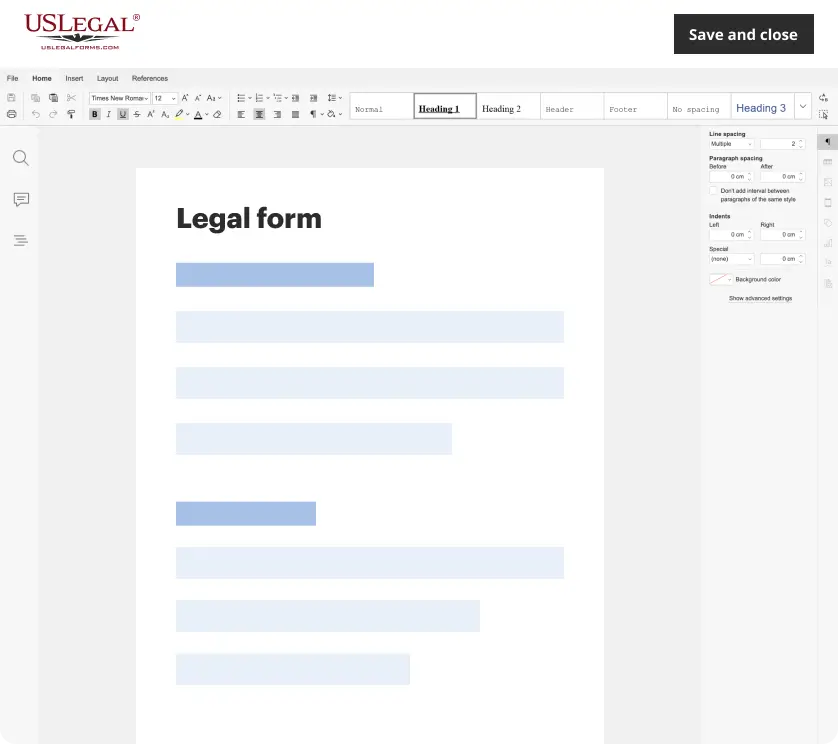
Make edits, fill in missing information, and update formatting in US Legal Forms—just like you would in MS Word.
Download a copy, print it, send it by email, or mail it via USPS—whatever works best for your next step.
Sign and collect signatures with our SignNow integration. Send to multiple recipients, set reminders, and more. Go Premium to unlock E-Sign.

If this form requires notarization, complete it online through a secure video call—no need to meet a notary in person or wait for an appointment.
We protect your documents and personal data by following strict security and privacy standards.
Mistakes to watch out for
- Failing to accurately describe the easement area, which can lead to disputes.
- Not including consideration terms, possibly invalidating the agreement.
- Leaving out signatures or not completing the form in front of a notary if required.
- Neglecting to inform future property owners of the existing easement agreement.
Why use this form online
- Convenience of accessing a legally vetted template at any time.
- Editable format allows for easy customization to meet specific needs.
- Instant download option ensures prompt completion and filing.
- Peace of mind knowing the template adheres to legal standards.
Main things to remember
- An easement allows access to another's property without transferring ownership.
- This form is critical for utility companies and property owners who require mutual access rights.
- Proper completion and notarization of this form are essential for legal enforceability.
Looking for another form?
Form popularity
FAQ
What are Easements and Rights-of-Way? Easements are nonpossessory interests in real property. More simply, an easement is the right to use another's property for a specific purpose. Rights-of-way are easements that specifically grant the holder the right to travel over another's property.
Failing to comply with an injunction usually results in contempt of court proceedings which themselves result in a fine or imprisonment. If your right of way has been deliberately blocked then injunctive proceedings need to be considered.
You can terminate an easement by release. A release is a surrender of a right or interest, such as an easement. Only the person holding the right can release it, such as the owner of the dominant estate in an easement appurtenant or the holder of an easement in gross.
A right of way is a type of easement granted or reserved over the land for transportation purposes, such as a highway, public footpath, rail transport, canal, as well as electrical transmission lines, oil and gas pipelines.In the case of an easement, it may revert to its original owners if the facility is abandoned.
Rights of way (similar to the driveway example, but also including walkways or pathways); Public utilities, such as gas, electricity or water and sewer mains; Parking areas; Access to light and air; and. Shared walls.
A: Firstly you should establish whether there is any legal right of way to the property.With an easement your mother may insist your neighbour removes the fence obstructing her right of way. That access has been blocked for two years is likely to be irrelevant. Easements can also be abandoned.
Quiet the Title. Allow the Purpose for the Easement to Expire. Abandon the Easement. Stop Using a Prescriptive Easement. Destroy the Reason for the Easement. Merge the Dominant and Servient Properties. Execute a Release Agreement.
"National roads shall have a right of way of not less than twenty (20) meters, provided, that such minimum width may be reduced at the discretion of the Minister of Public Highways to fifteen (15) meters in highly urbanized areas and that a right of way of at least sixty (60) meters shall be reserved for roads
It is well established that for a gate to be an obstruction to a private right of way it must substantially interfere with the right of way.However, as in this case, three gates within less than 100 meteres of each other did amount to a substantial interference with the private right of way.