Iowa Small Estate Affidavit for Estates Not More Than $200,000
Overview of this form
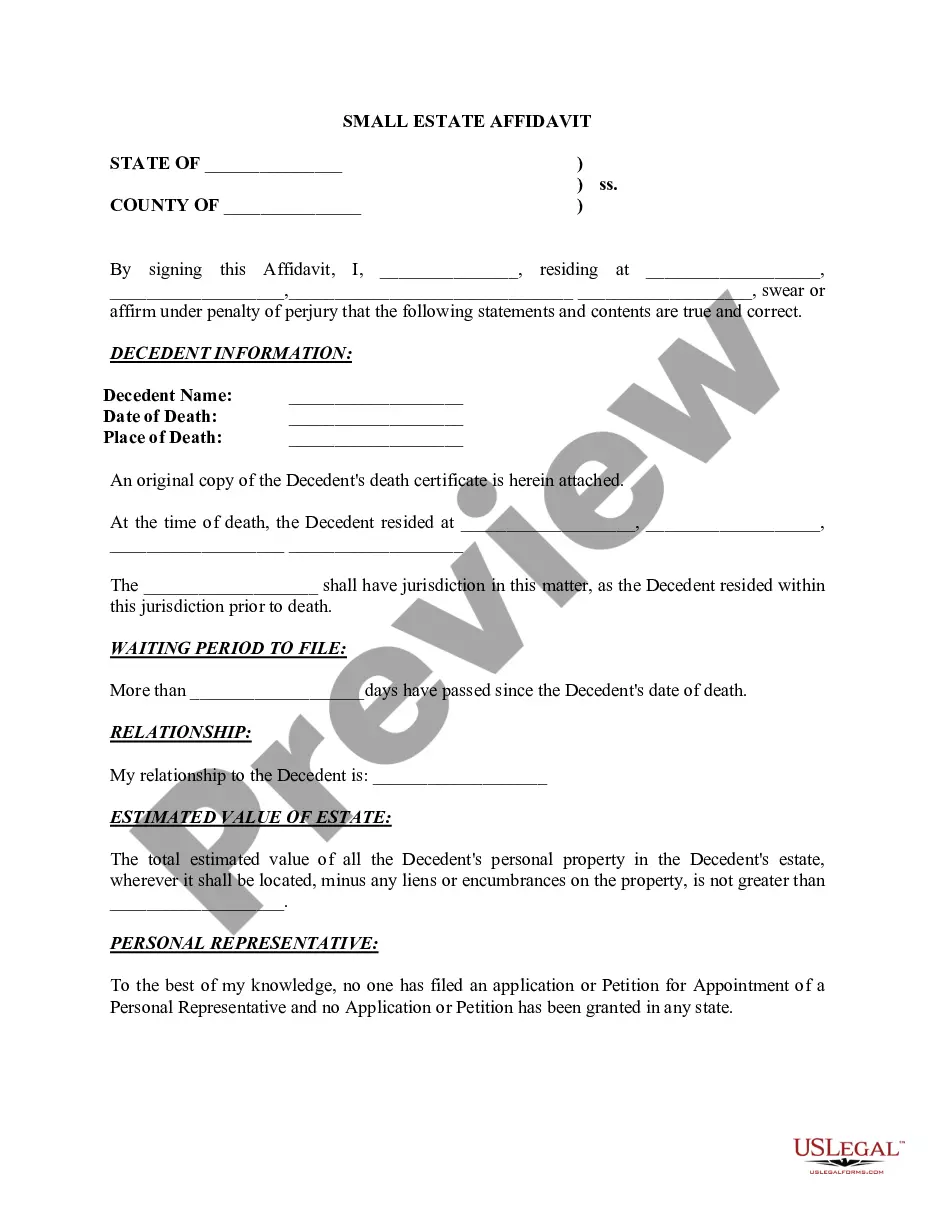
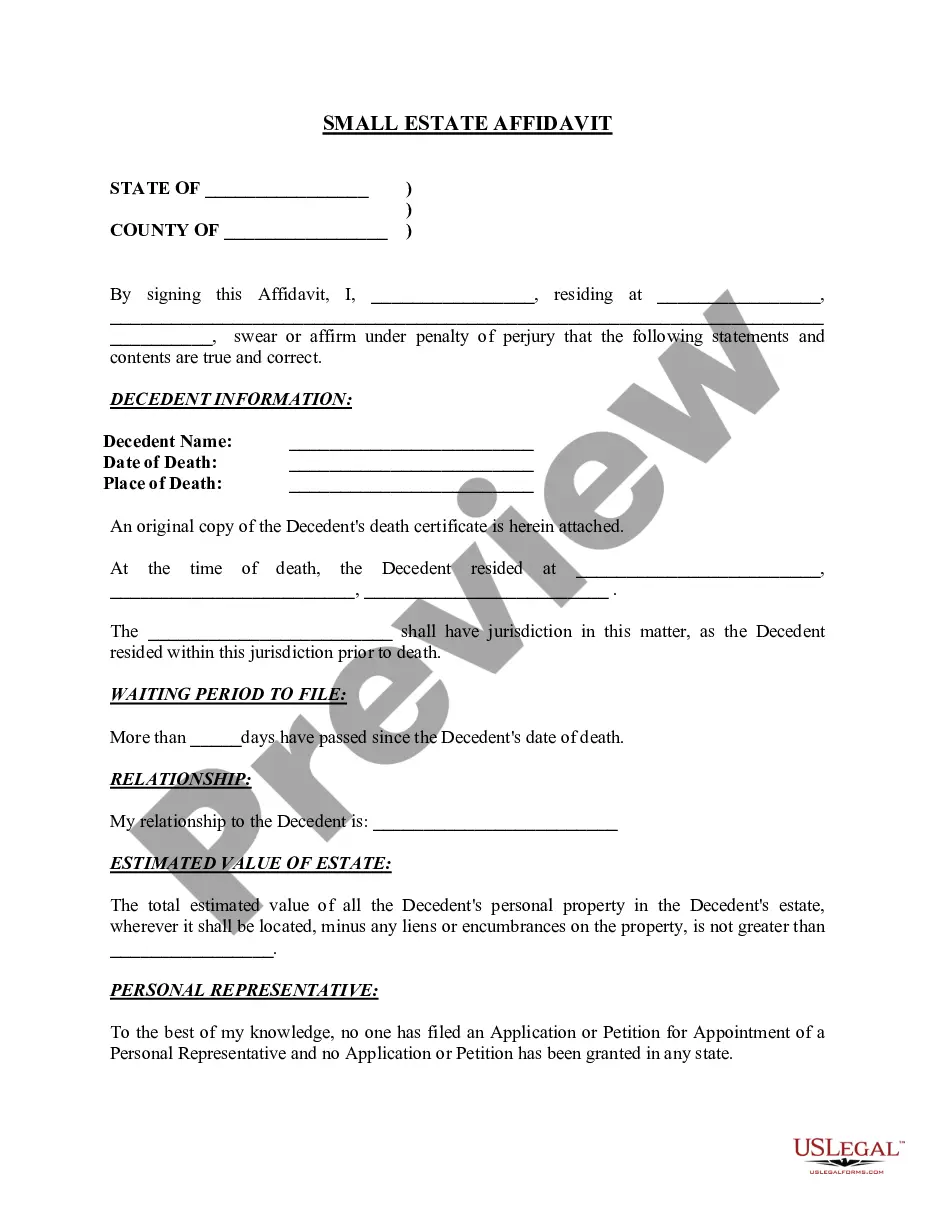
The Small Estate Affidavit for Estates Not More Than $200,000 is a legal document that allows a surviving spouse, heir, or creditor to claim the assets of a deceased person's estate without the need for formal probate proceedings. This form is particularly useful for estates where the total gross value of property does not exceed $200,000, distinguishing it from other estate documents that may require a more complex probate process.
Key components of this form
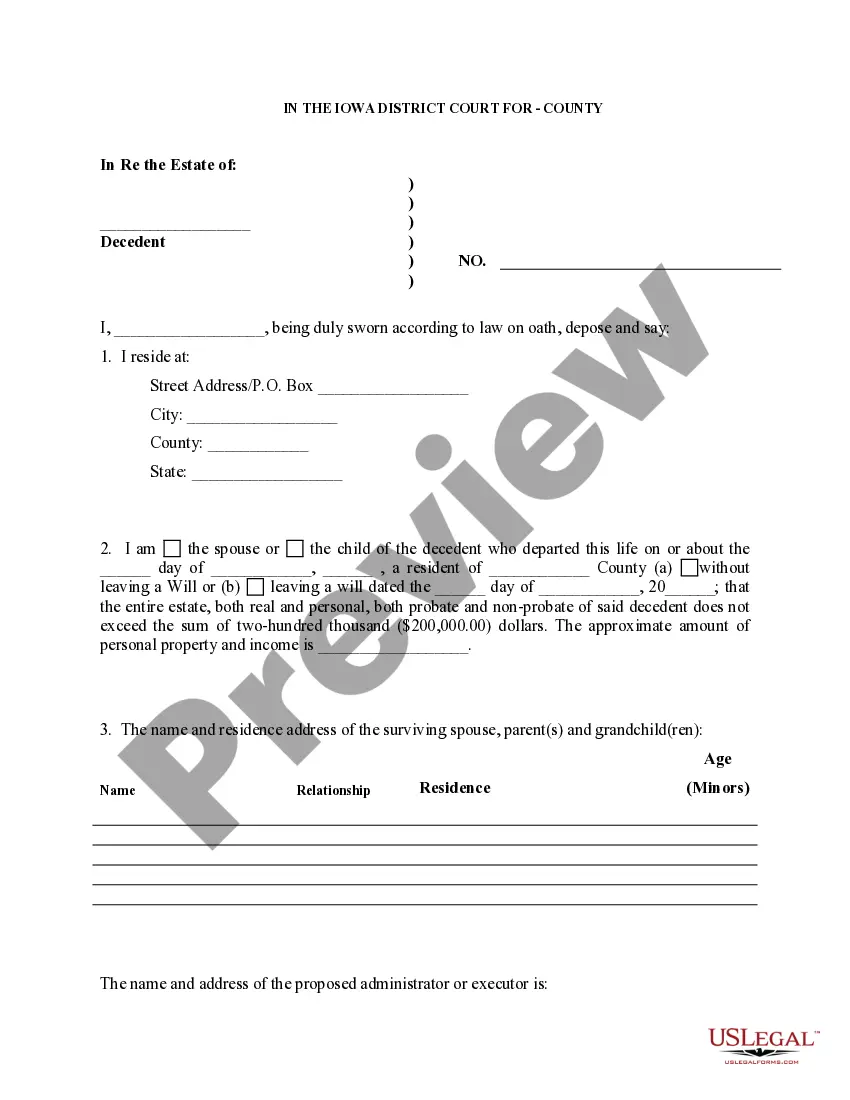
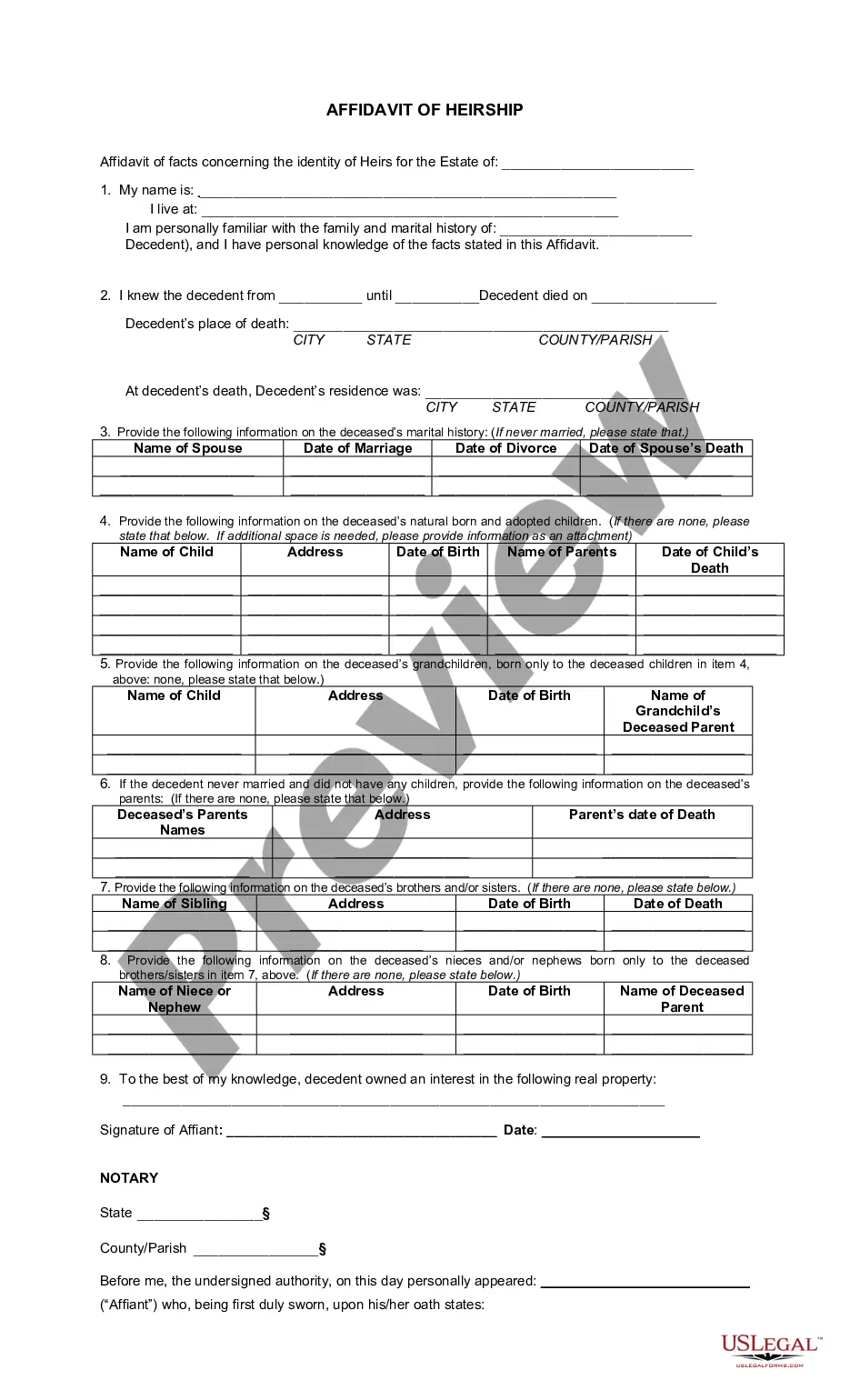
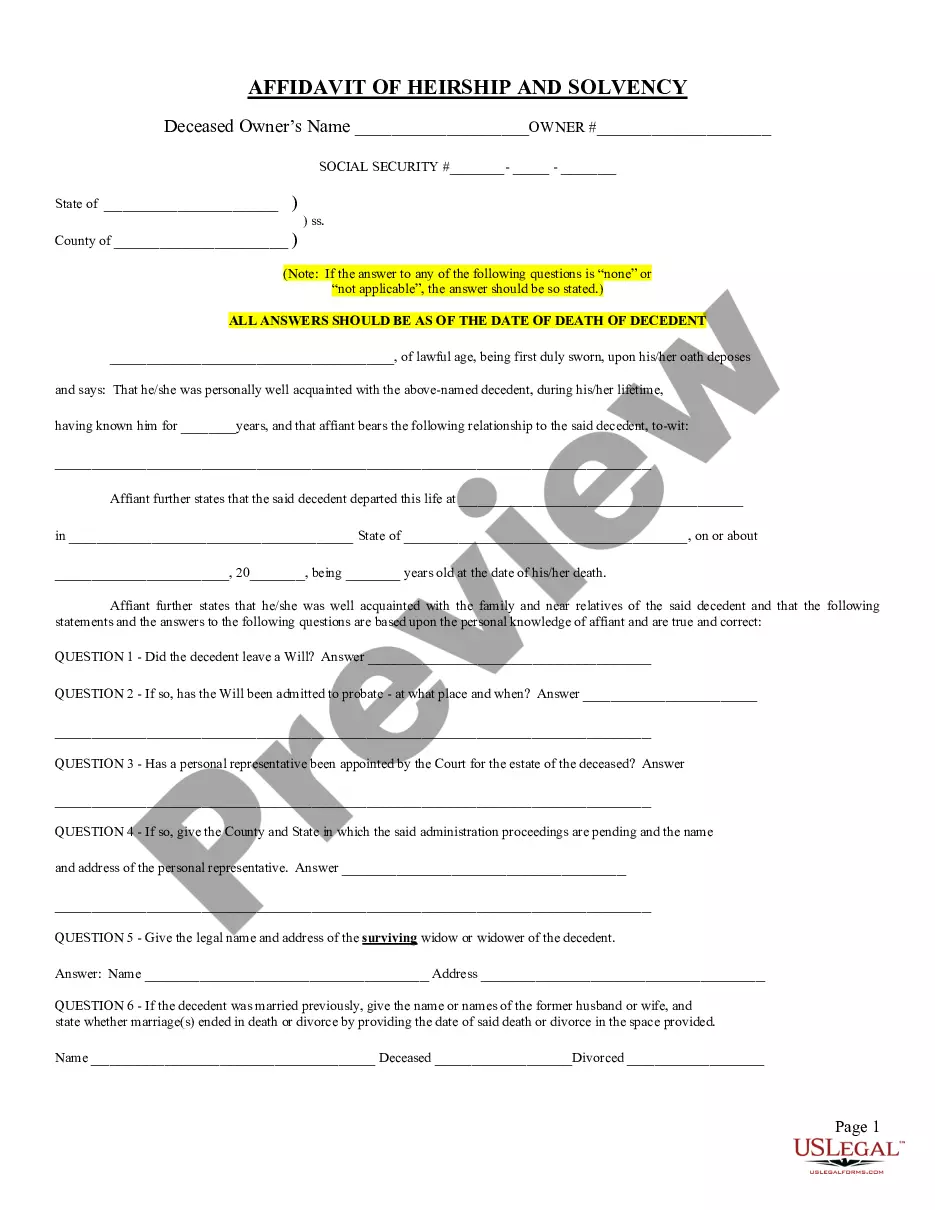
- Identifying details of the decedent, including name, date of death, and residency information.
- Affidavit statement confirming the value of the estate does not exceed $200,000.
- Names and addresses of the decedent's surviving spouse, children, and grandchildren.
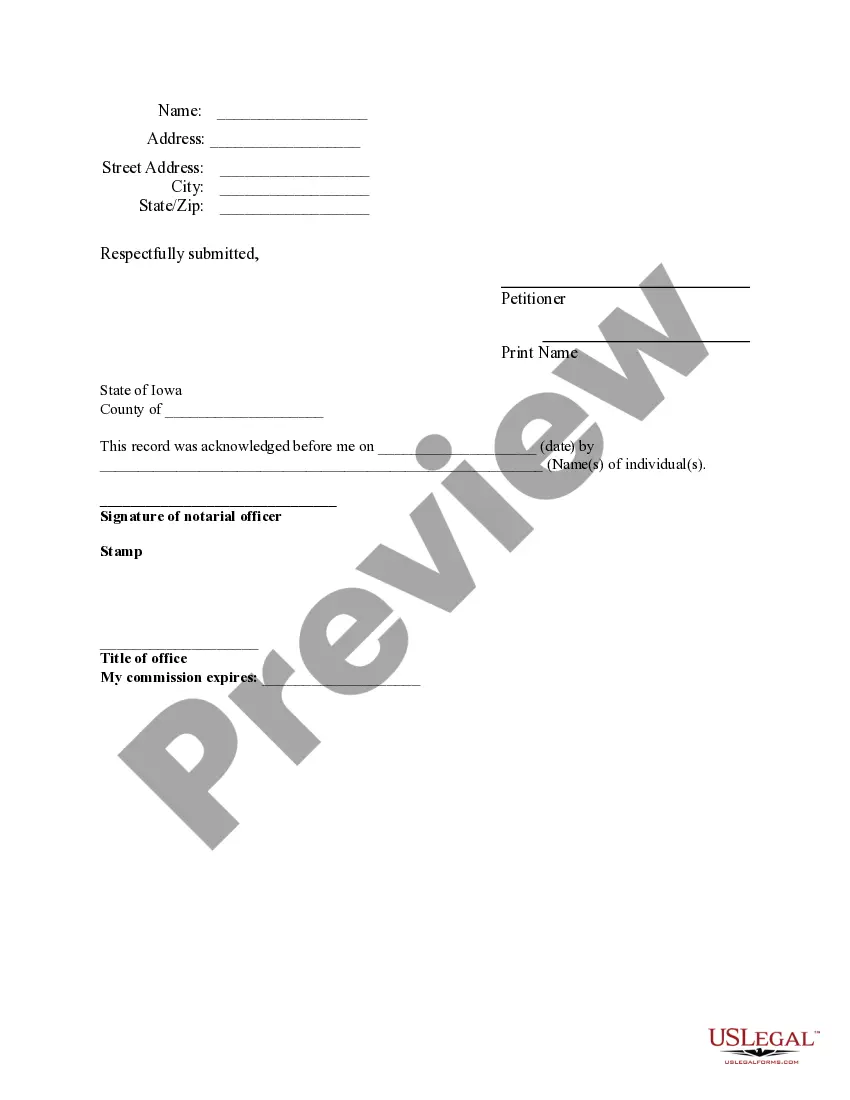
- Signature and notary section to validate the affidavit.
Situations where this form applies
This form should be used in situations where an individual passes away leaving an estate valued at $200,000 or less. It is especially relevant for spouses or relatives who need to access financial accounts, property, or other assets quickly without engaging in lengthy probate procedures. Additionally, creditors may use this form to claim debts owed from the estate in cases where it falls within the same valuation limit.
Who should use this form
This form is designed for specific individuals:
- Surviving spouses seeking to claim assets from their deceased partner's estate.
- Heirs or relatives of the decedent who are entitled to a share of the estate.
- Creditors who need to validate claims against the estate within the specified value limit.
Instructions for completing this form
- Enter the city, county, and state where the decedent was a resident.
- Provide details about the decedent, including their date of death and any will information.
- Fill in approximate values for personal property and income.
- List the names and addresses of surviving family members.
- Sign the affidavit in front of a notary public to ensure its validity.
Does this document require notarization?
Yes, this form must be notarized to be legally valid. Notarization confirms that the signer is who they claim to be and that they have willingly signed the document. US Legal Forms offers integrated online notarization services that are available 24/7 via secure video calls, ensuring you can complete your affidavit easily and legally without needing to travel.
Get your form ready online
Our built-in tools help you complete, sign, share, and store your documents in one place.
Make edits, fill in missing information, and update formatting in US Legal Forms—just like you would in MS Word.
Download a copy, print it, send it by email, or mail it via USPS—whatever works best for your next step.
Sign and collect signatures with our SignNow integration. Send to multiple recipients, set reminders, and more. Go Premium to unlock E-Sign.
If this form requires notarization, complete it online through a secure video call—no need to meet a notary in person or wait for an appointment.
We protect your documents and personal data by following strict security and privacy standards.
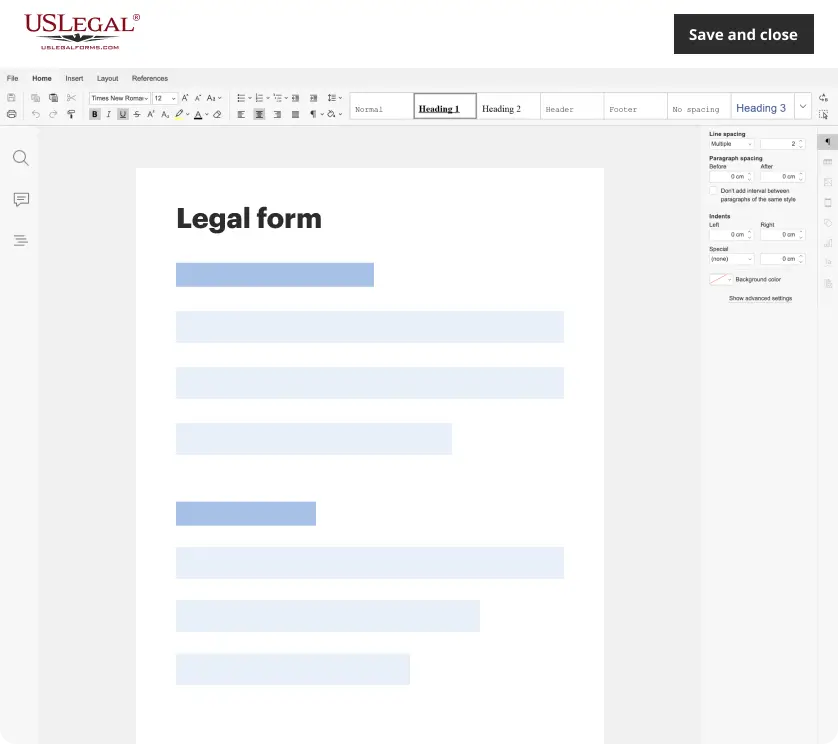
Make edits, fill in missing information, and update formatting in US Legal Forms—just like you would in MS Word.
Download a copy, print it, send it by email, or mail it via USPS—whatever works best for your next step.
Sign and collect signatures with our SignNow integration. Send to multiple recipients, set reminders, and more. Go Premium to unlock E-Sign.

If this form requires notarization, complete it online through a secure video call—no need to meet a notary in person or wait for an appointment.
We protect your documents and personal data by following strict security and privacy standards.
Common mistakes
- Failing to accurately value the estate, leading to a potential rejection of the affidavit.
- Not including all required names and addresses of surviving relatives.
- Neglecting to notarize the document, which is essential for its legal standing.
Advantages of online completion
- Convenience: Complete the form at your own pace from the comfort of your home.
- Editability: Easily adjust any information as required before finalizing the document.
- Reliability: Access professionally drafted forms created with legal accuracy in mind.
Looking for another form?
Form popularity
FAQ
Filling out a lack of probate affidavit in Iowa requires specific information about the decedent and the estate. You need to provide details such as the estate value, the names of heirs, and the list of assets. For assistance, consider using platforms like USLegalForms, which offer guided templates and resources to simplify completing the Iowa Small Estate Affidavit for Estates Not More Than $200,000.
Yes, the minimum amount for probate in Iowa is generally $50,000. If an estate's assets exceed this amount and do not qualify as a small estate, it must go through probate. Conversely, those managing estates worth $200,000 or less can use the Iowa Small Estate Affidavit for Estates Not More Than $200,000 to bypass probate procedures, expediting the distribution process.
The small estate limit in Iowa is $200,000, making this figure pivotal for estate planning. If the estate value falls within this limit, heirs can opt for the Iowa Small Estate Affidavit for Estates Not More Than $200,000. This choice simplifies the distribution of assets, avoiding the complexities of traditional probate.
The minimum amount for probate in Iowa is generally $50,000, but this does not apply to all estates. Estates valued at $200,000 or below can utilize the Iowa Small Estate Affidavit for Estates Not More Than $200,000, offering a more efficient alternative to the full probate process. This option helps reduce wait times for inheritors, making it easier to settle estates.
Not all wills are subject to probate in Iowa. If an estate's total value is $200,000 or less, beneficiaries may use the Iowa Small Estate Affidavit for Estates Not More Than $200,000 to transfer assets without the probate court's involvement. This streamlined process provides a quicker resolution, allowing heirs to access their inheritance sooner.
Yes, there is a minimum estate threshold for probate in Iowa, which is typically set at $50,000. If an estate's value exceeds this amount, it usually must go through the probate process. On the other hand, if you are dealing with an estate valued at $200,000 or less, you can take advantage of the Iowa Small Estate Affidavit for Estates Not More Than $200,000 to avoid probate.
In Iowa, an estate must generally be worth more than $50,000 to require probate, excluding certain assets like joint accounts. However, if the estate is valued at $200,000 or less, you may be able to utilize the Iowa Small Estate Affidavit for Estates Not More Than $200,000. This alternative provides a simplified process, allowing heirs to distribute assets without lengthy court procedures.