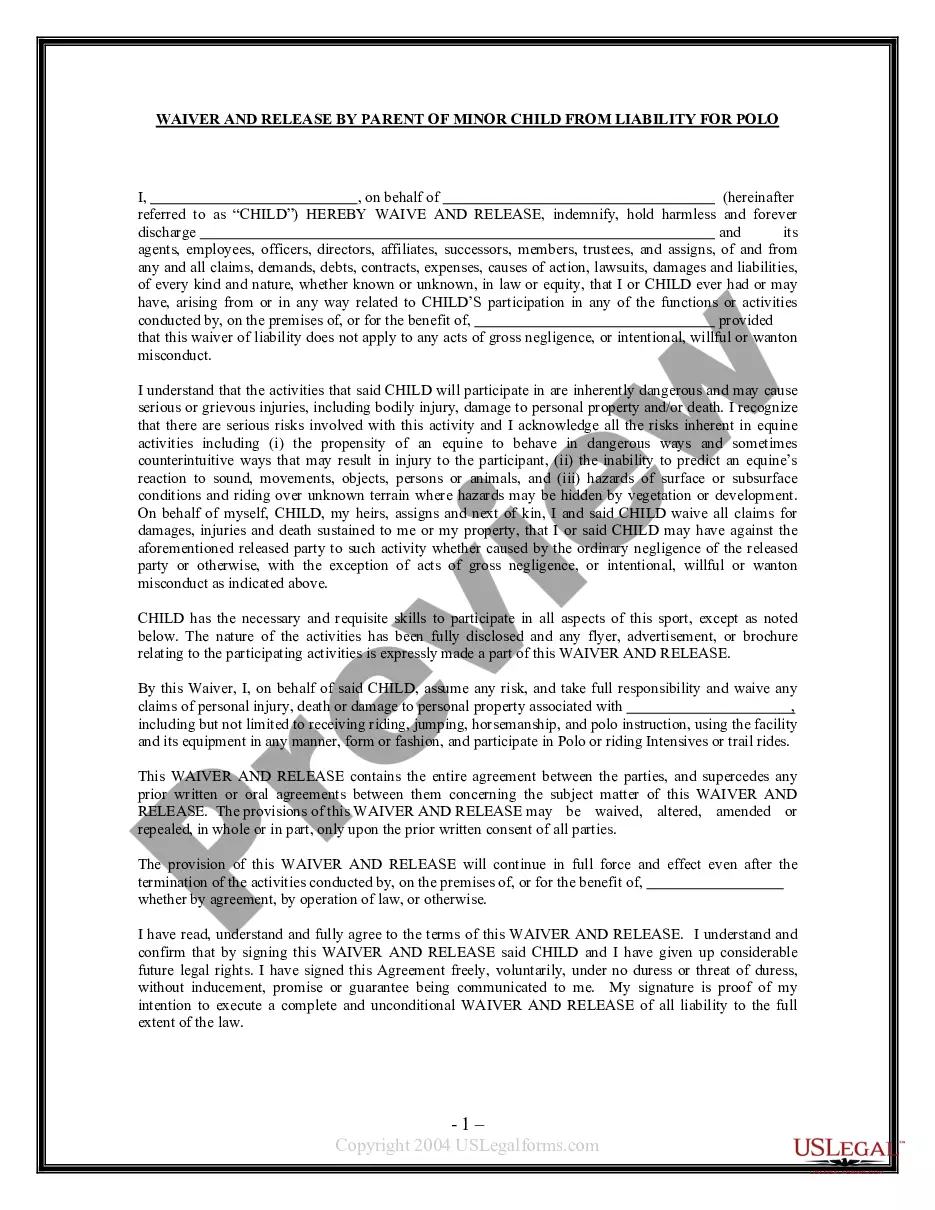
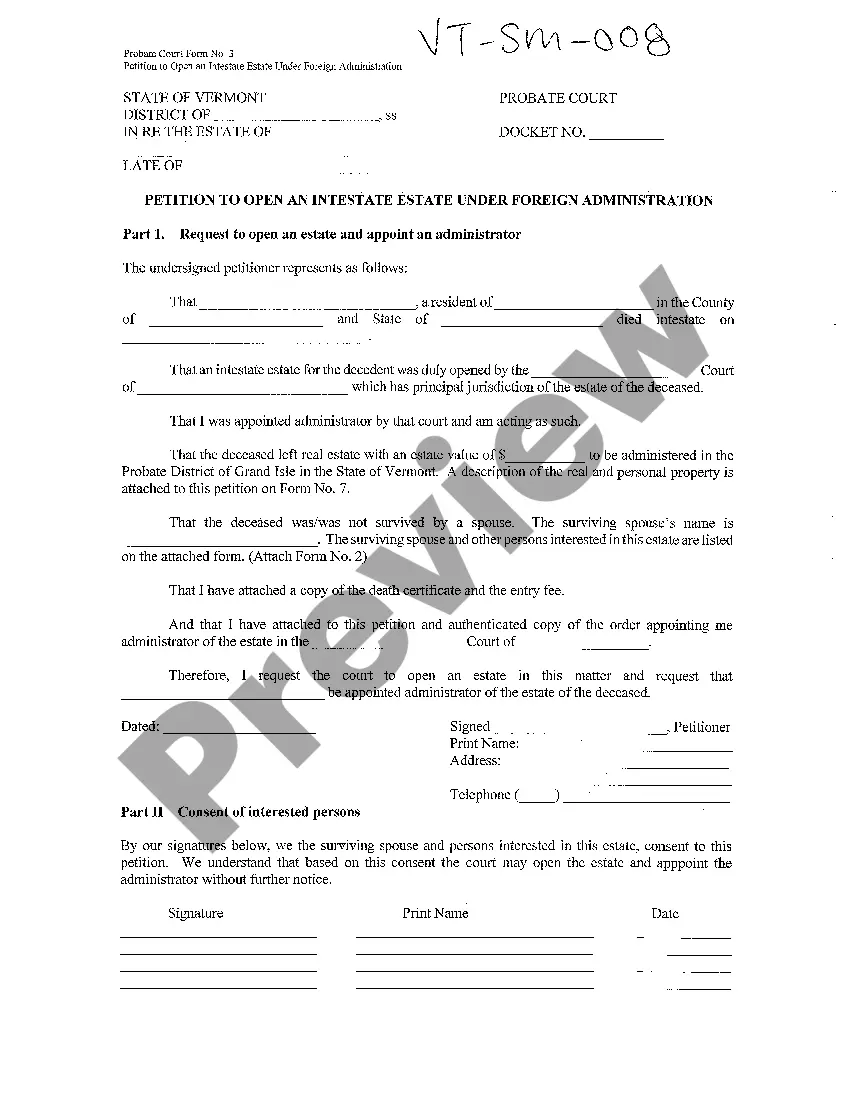
Vermont Petition to Open an Intestate Estate Under Foreign Administration
Description
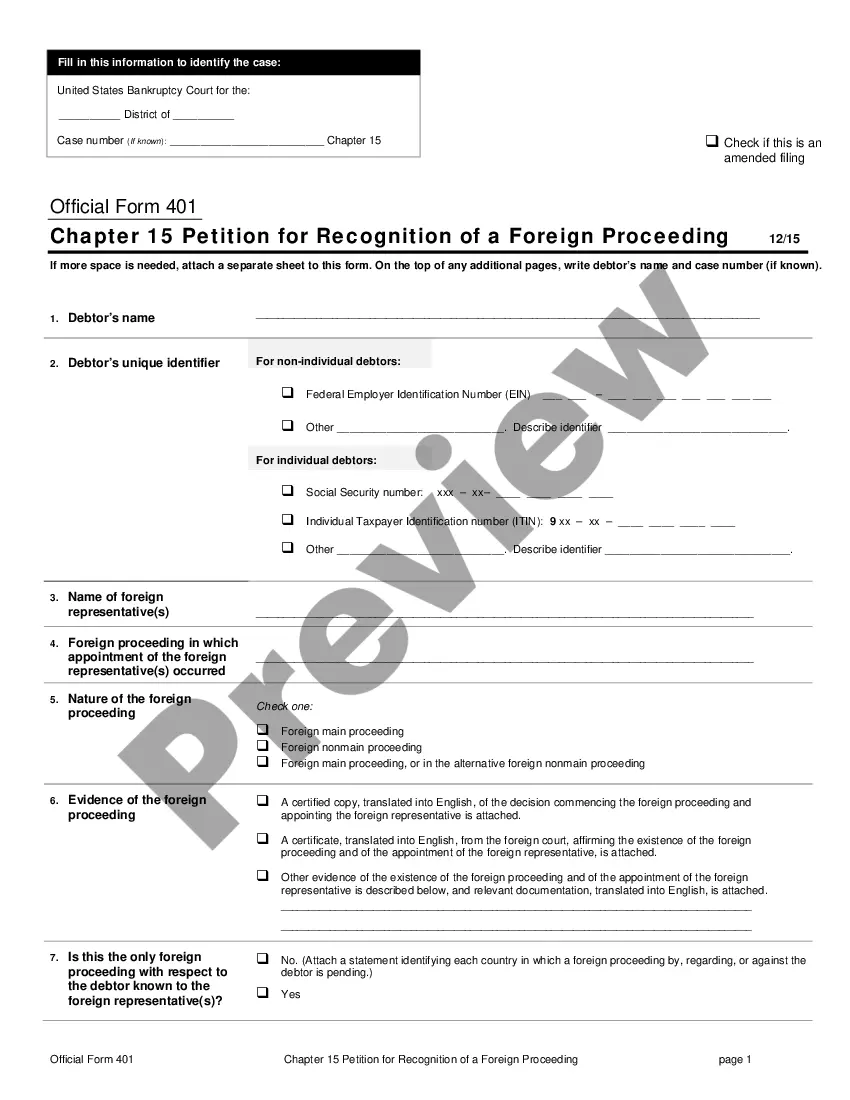

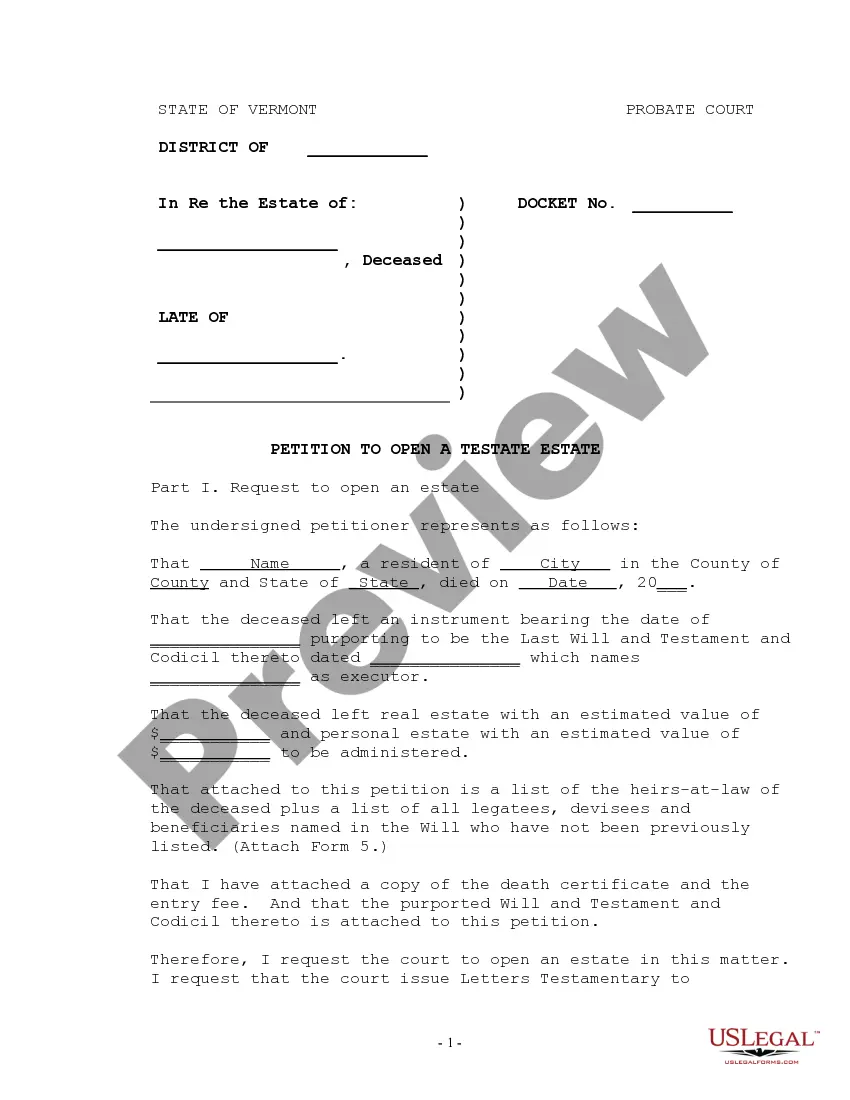
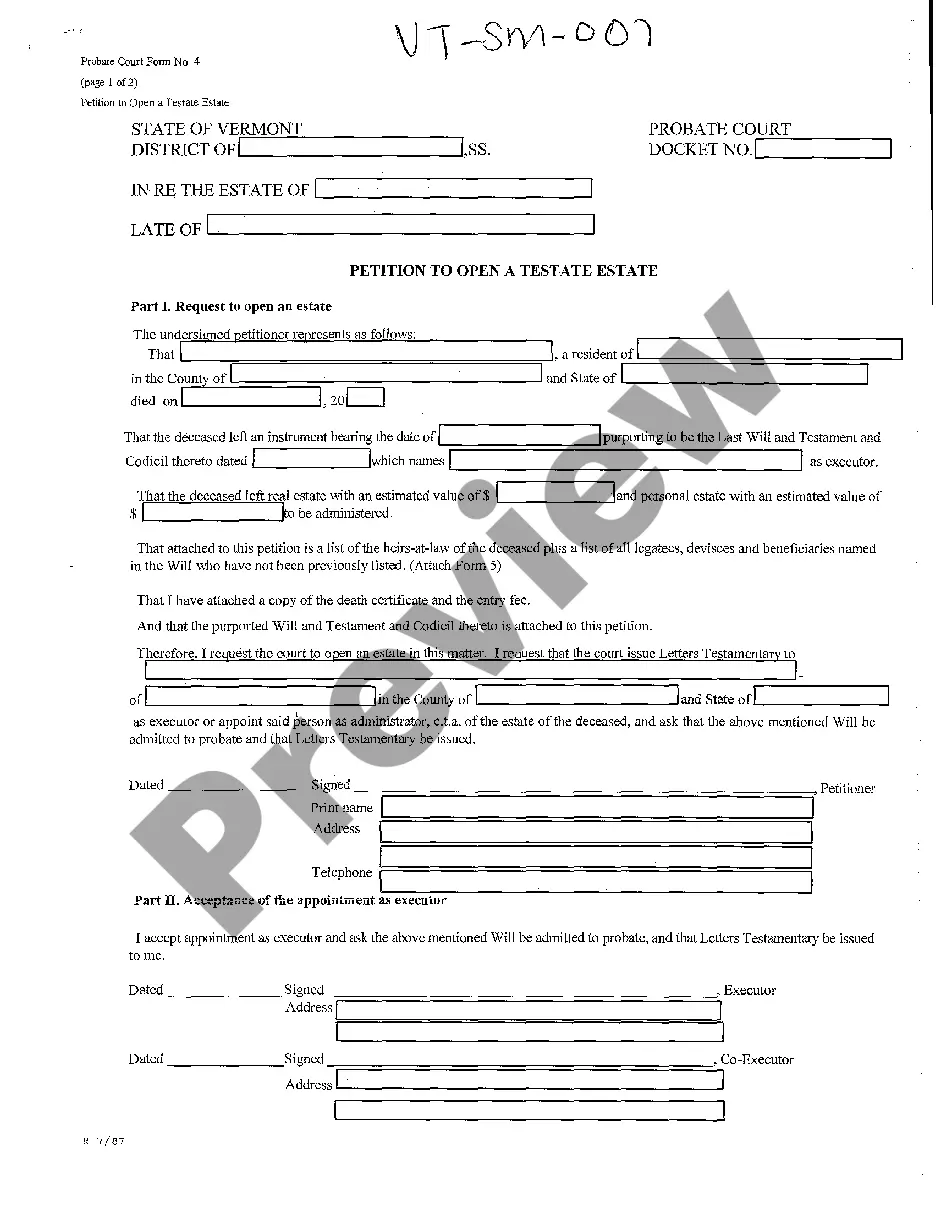
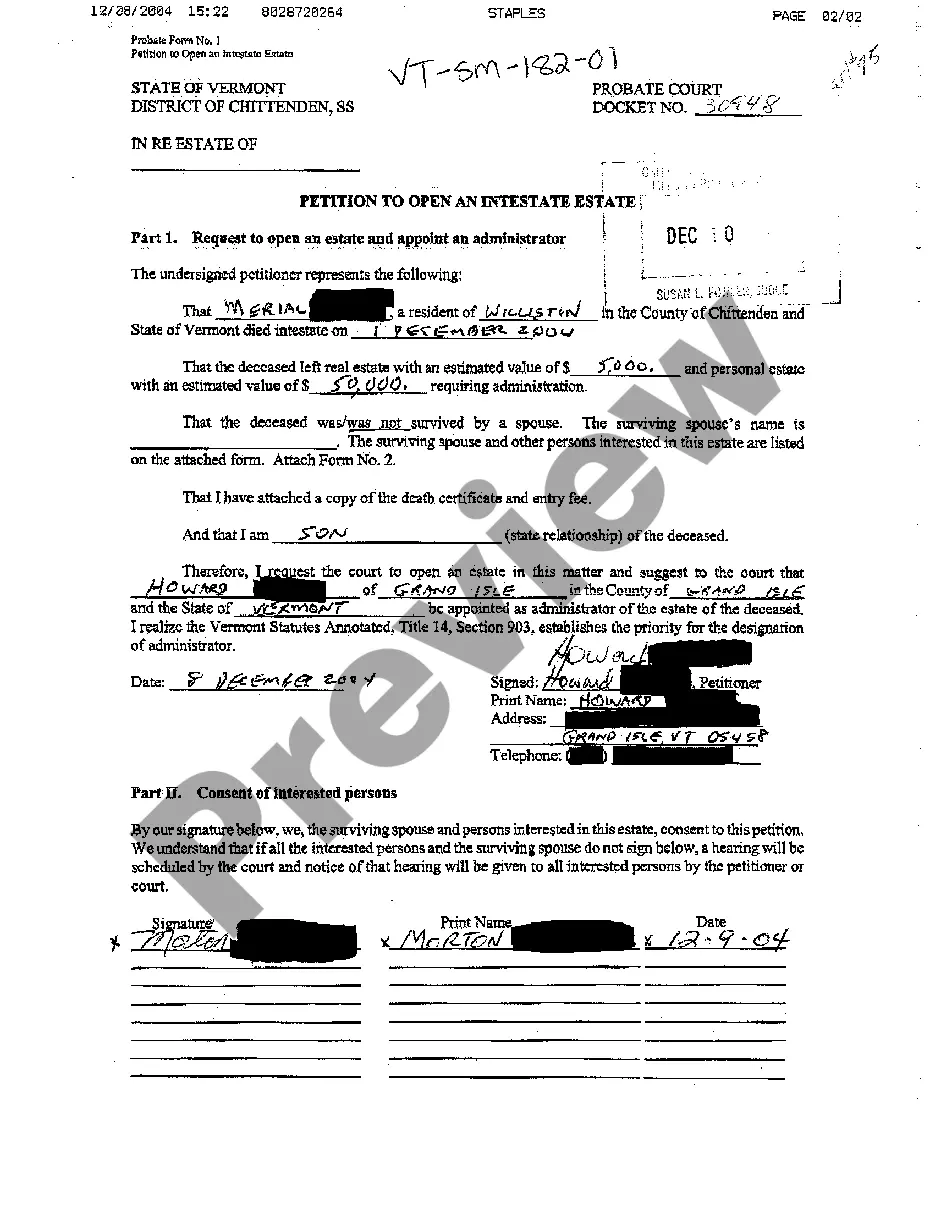
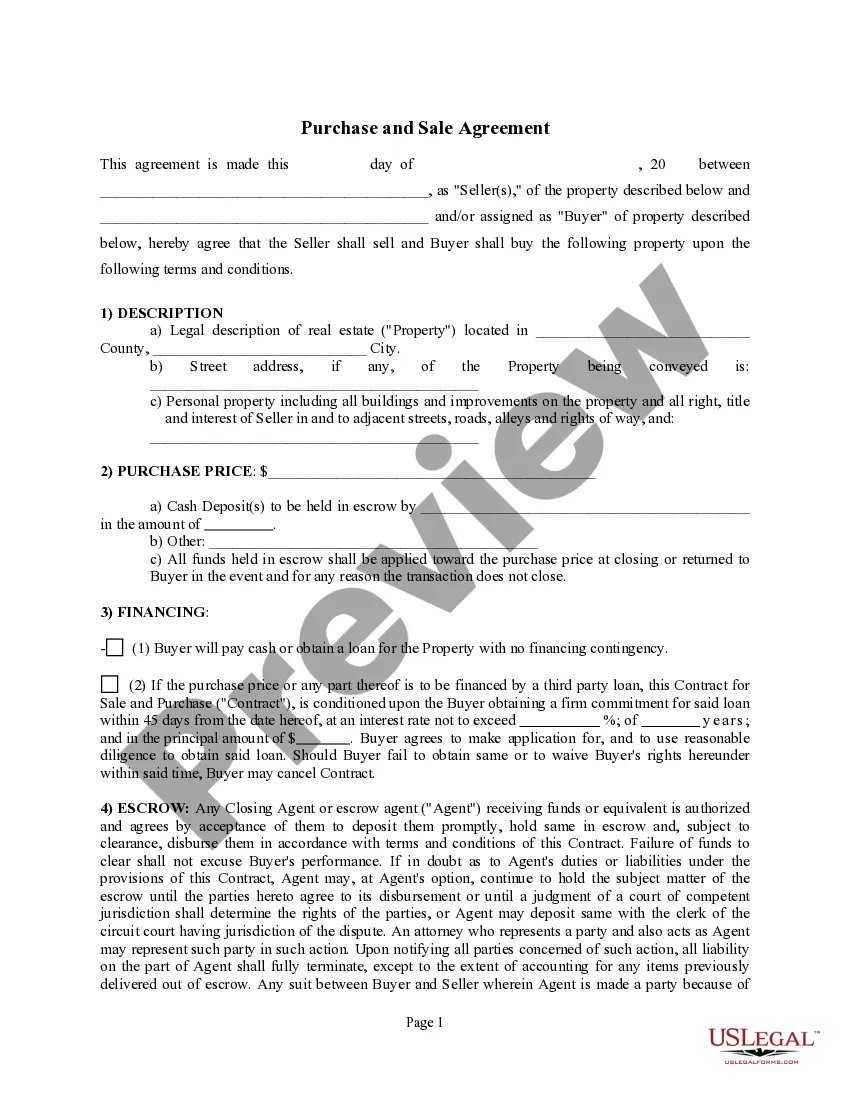
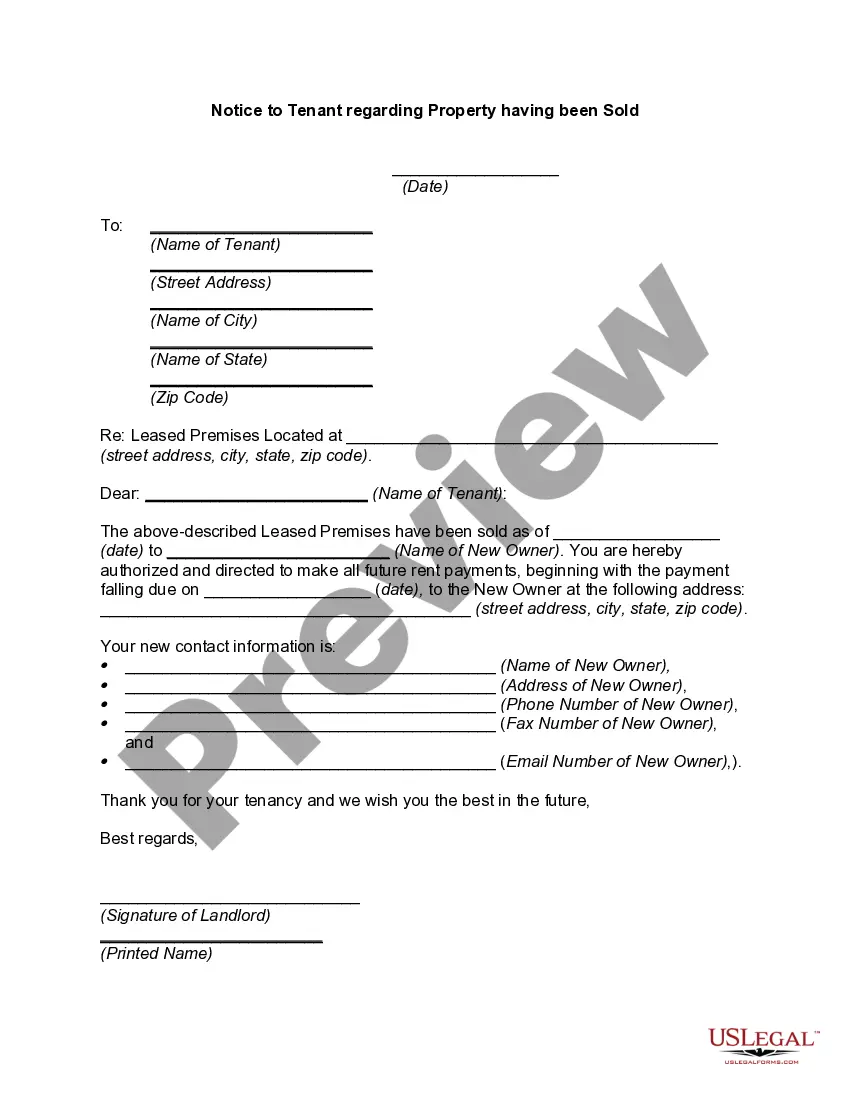
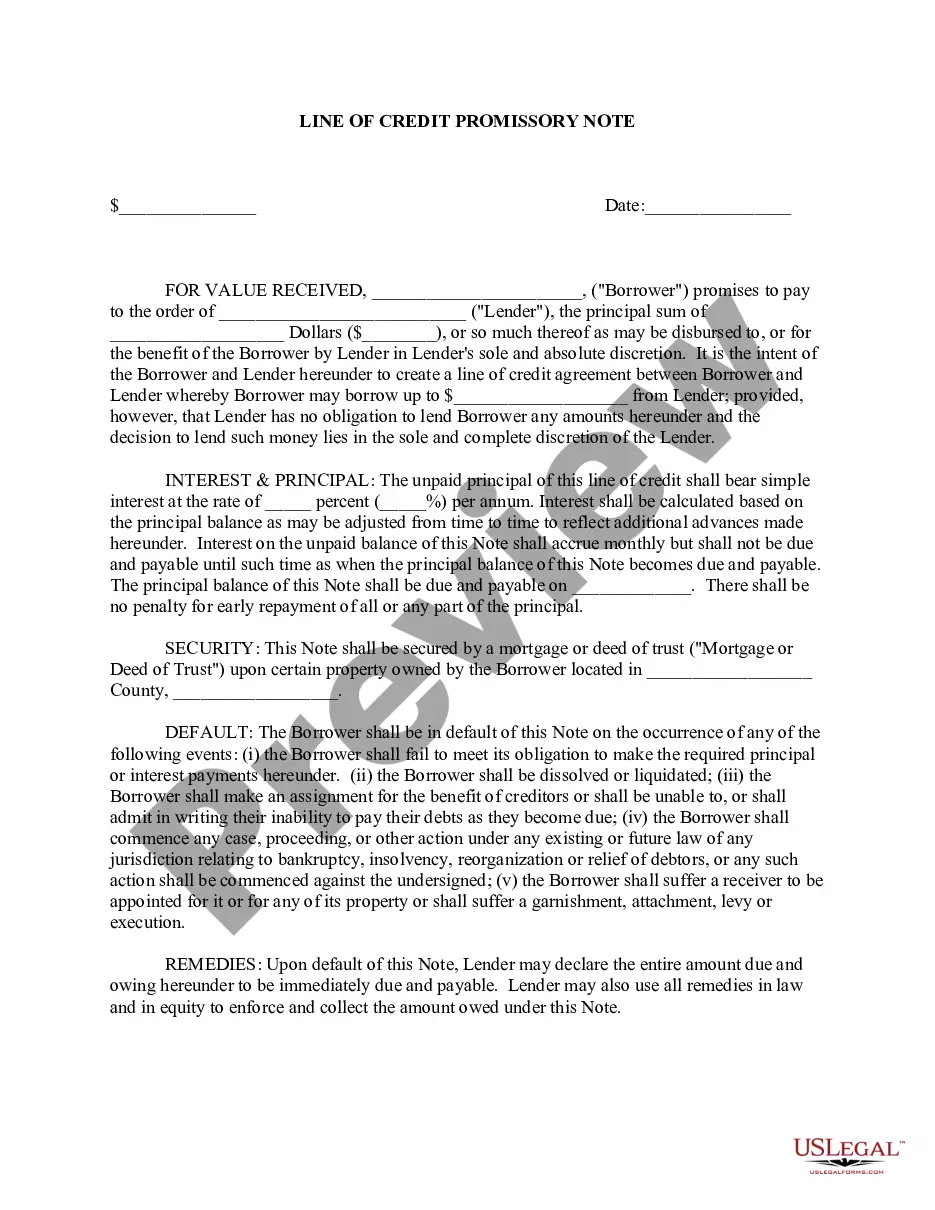
How to fill out Vermont Petition To Open An Intestate Estate Under Foreign Administration?
Among lots of paid and free templates that you’re able to find online, you can't be certain about their accuracy and reliability. For example, who made them or if they are competent enough to take care of what you need those to. Always keep relaxed and use US Legal Forms! Discover Vermont Petition to Open an Intestate Estate Under Foreign Administration templates made by professional lawyers and prevent the costly and time-consuming procedure of looking for an attorney and then paying them to write a document for you that you can easily find on your own.
If you already have a subscription, log in to your account and find the Download button near the file you’re searching for. You'll also be able to access all of your earlier saved templates in the My Forms menu.
If you’re using our website the very first time, follow the instructions below to get your Vermont Petition to Open an Intestate Estate Under Foreign Administration easily:
- Ensure that the file you see is valid where you live.
- Review the file by reading the information for using the Preview function.
- Click Buy Now to start the purchasing process or look for another example using the Search field located in the header.
- Choose a pricing plan sign up for an account.
- Pay for the subscription with your credit/debit/debit/credit card or Paypal.
- Download the form in the required format.
As soon as you’ve signed up and bought your subscription, you can use your Vermont Petition to Open an Intestate Estate Under Foreign Administration as often as you need or for as long as it continues to be active in your state. Edit it with your favorite offline or online editor, fill it out, sign it, and print it. Do more for less with US Legal Forms!
Form popularity
FAQ
In Vermont, you can make a living trust to avoid probate for virtually any asset you own -- real estate, bank accounts, vehicles, and so on. You need to create a trust document (it's similar to a will), naming someone to take over as trustee after your death (called a successor trustee).
No, in Vermont, you do not need to notarize your will to make it legal. However, Vermont allows you to make your will "self-proving" and you'll need to go to a notary if you want to do that. A self-proving will speeds up probate because the court can accept the will without contacting the witnesses who signed it.
The simple answer is that once you have a grant of probate or letter of administration in hand, it usually takes between six and twelve months to transfer all the funds, assets and property in an estate.The Department for Work and Pensions needs to investigate the estate. The estate is bankrupt.
Letters of Administration are granted by a Surrogate Court or probate registry to appoint appropriate people to deal with a deceased person's estate where property will pass under Intestacy Rules or where there are no executors living (and willing and able to act) having been validly appointed under the deceased's will
Children - if there is no surviving married or civil partner If there is no surviving partner, the children of a person who has died without leaving a will inherit the whole estate. This applies however much the estate is worth. If there are two or more children, the estate will be divided equally between them.
What's the difference between grant of probate and letters of administration? A grant of probate is issued to the executor/s named in the will, whereas a grant of letters of administration is issued to the next of kin of someone who died without a will.
Probate or letters of administration will be needed so the personal representative can pass it whoever will inherit the share of the property, according to the will or the rules of intestacy. The property might have a mortgage. Example: Ayodele and Olujimi are not married. They have one grown-up daughter called Ife.
Dying Without a Will in VermontIf you die without a valid will, you'll lose control over what happens to your assets after your death.If there isn't a will, the probate court must appoint someone to serve as the executor or personal representative. Usually the surviving spouse or adult child is chosen for this role.
(NHJB-2145-P) Form use. This form is used to ask the court to appoint an executor or administrator for a deceased's estate.