Iowa Living Trust for Individual Who is Single, Divorced or Widow (or Widower) with No Children
What is this form?
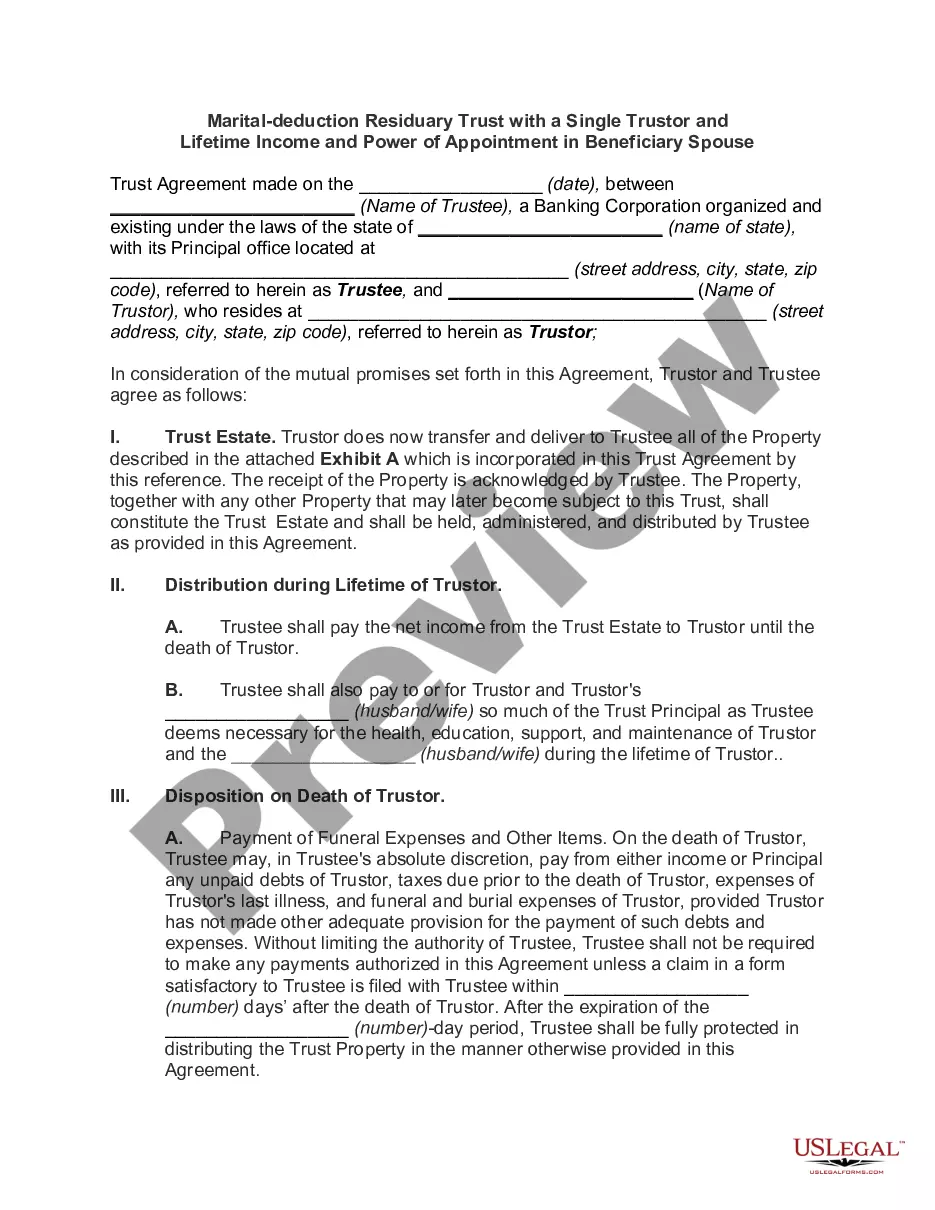
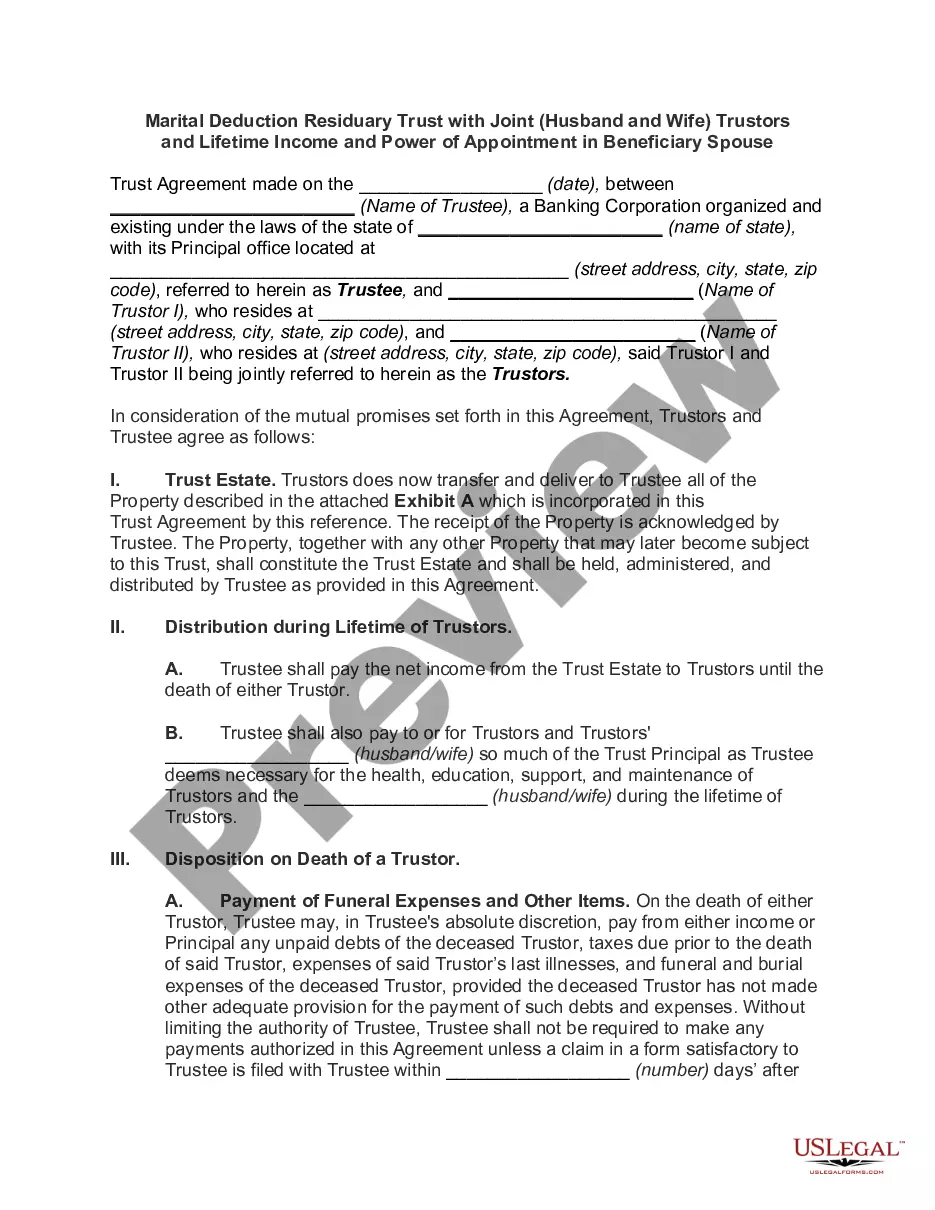
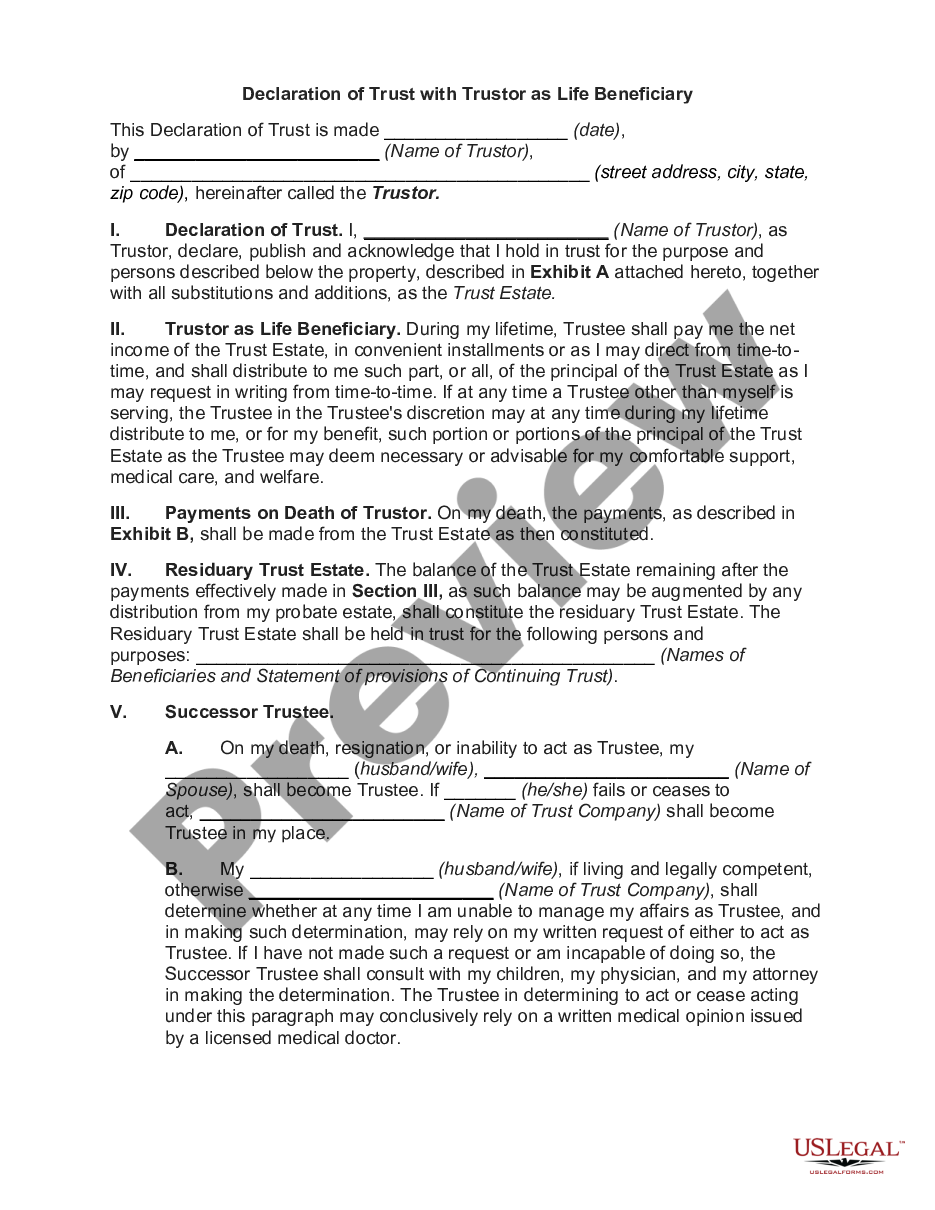
This Living Trust for an Individual Who is Single, Divorced, or a Widow(er) with No Children is a legal document that creates a trust during the grantor's lifetime. It allows individuals without children to organize their assets effectively, providing a means for managing property while avoiding probate upon death. Unlike a will, a living trust can be modified or revoked at any time before the grantor's death, offering flexibility in estate planning.
Form components explained
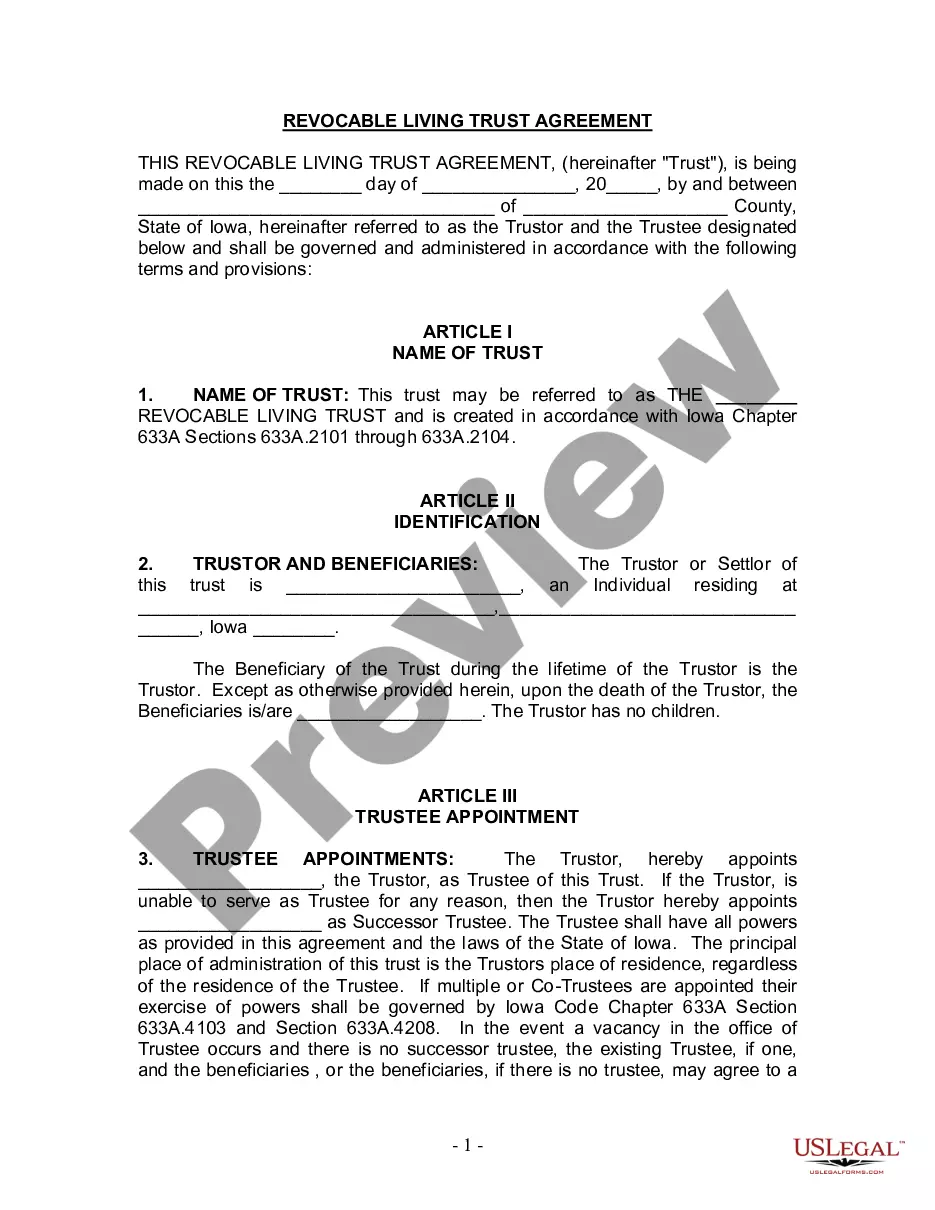
- Trustor and beneficiaries: Identifies the individual creating the trust and outlines current and future beneficiaries.
- Trustee appointment: Designates the person responsible for managing the trust assets.
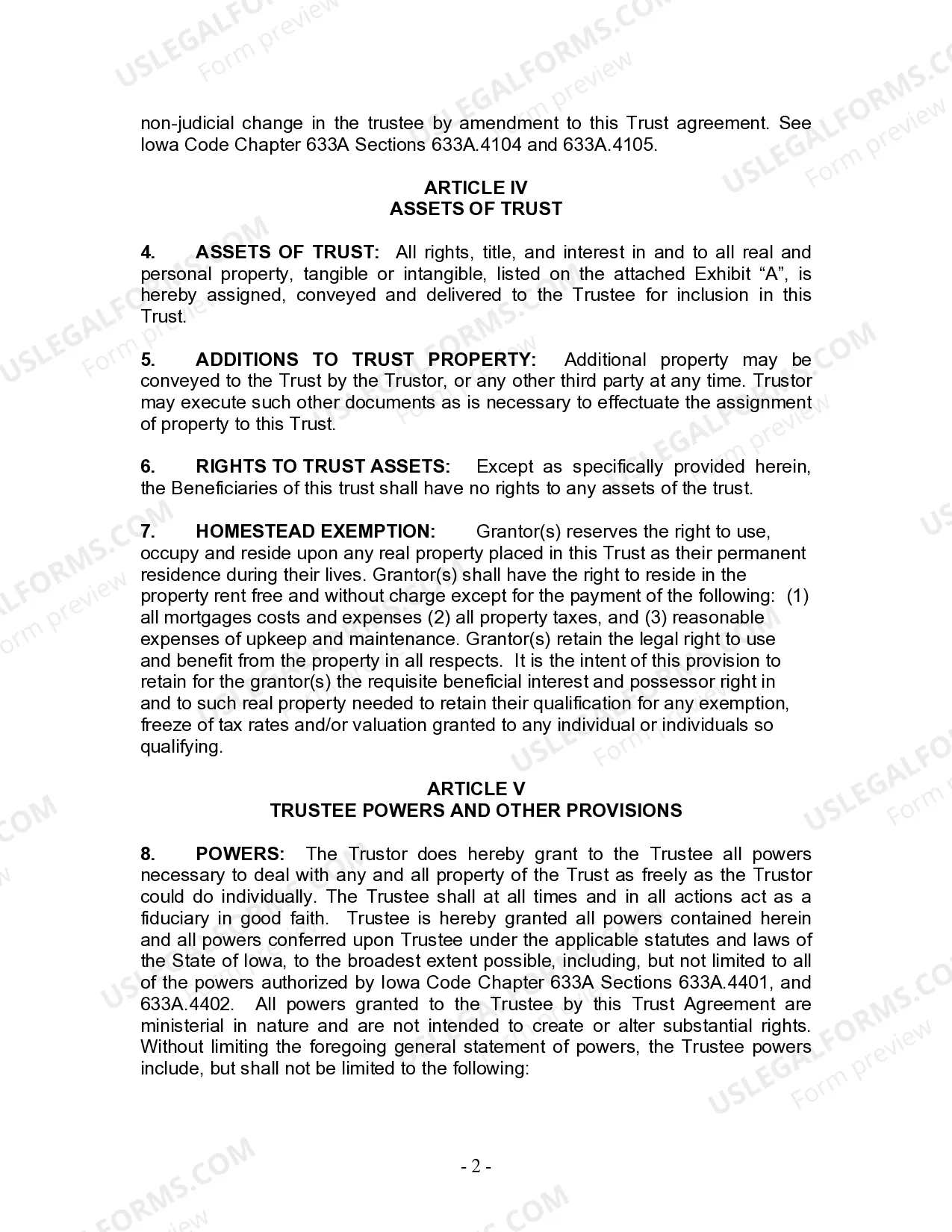
- Assets of the trust: Details the property and assets placed into the trust, specifying management rules.
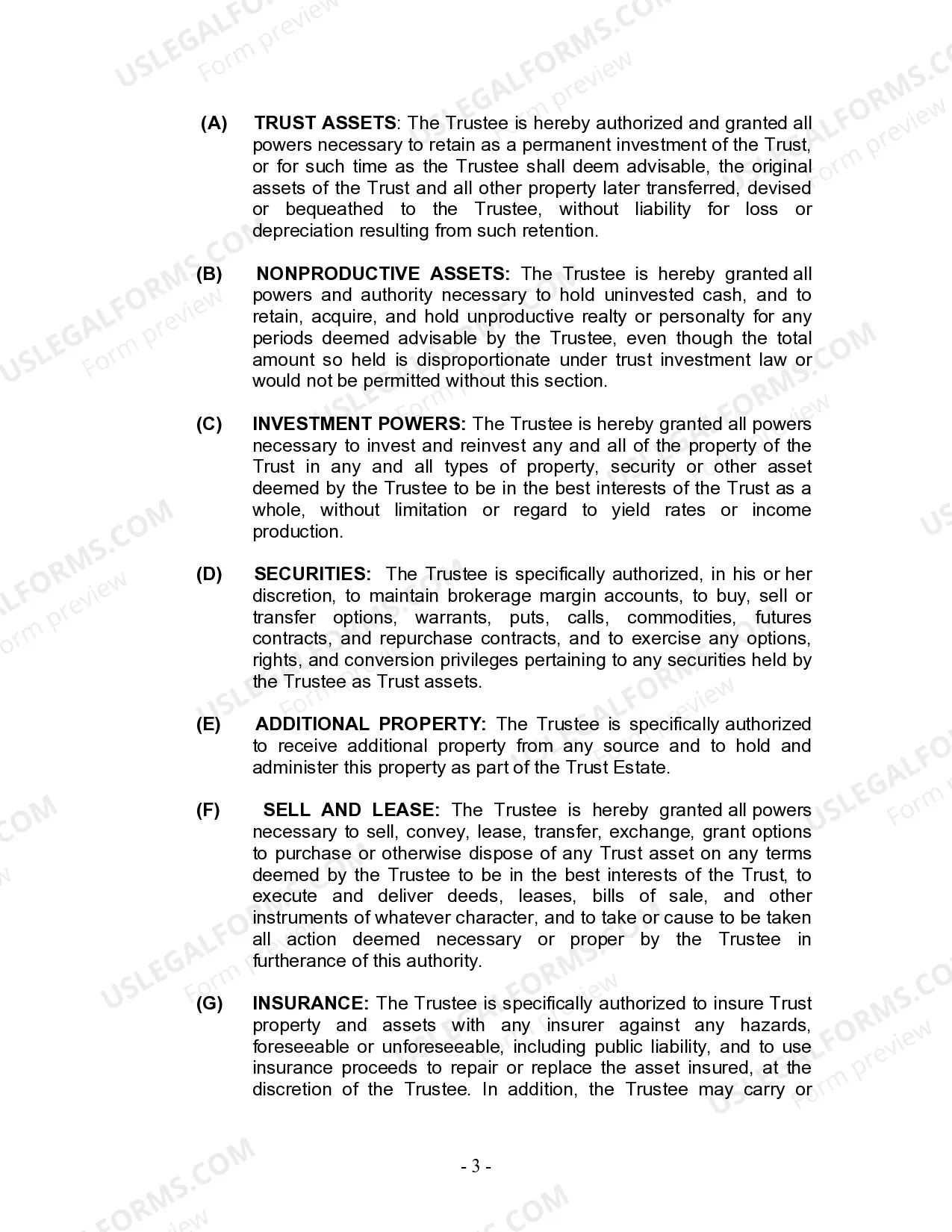
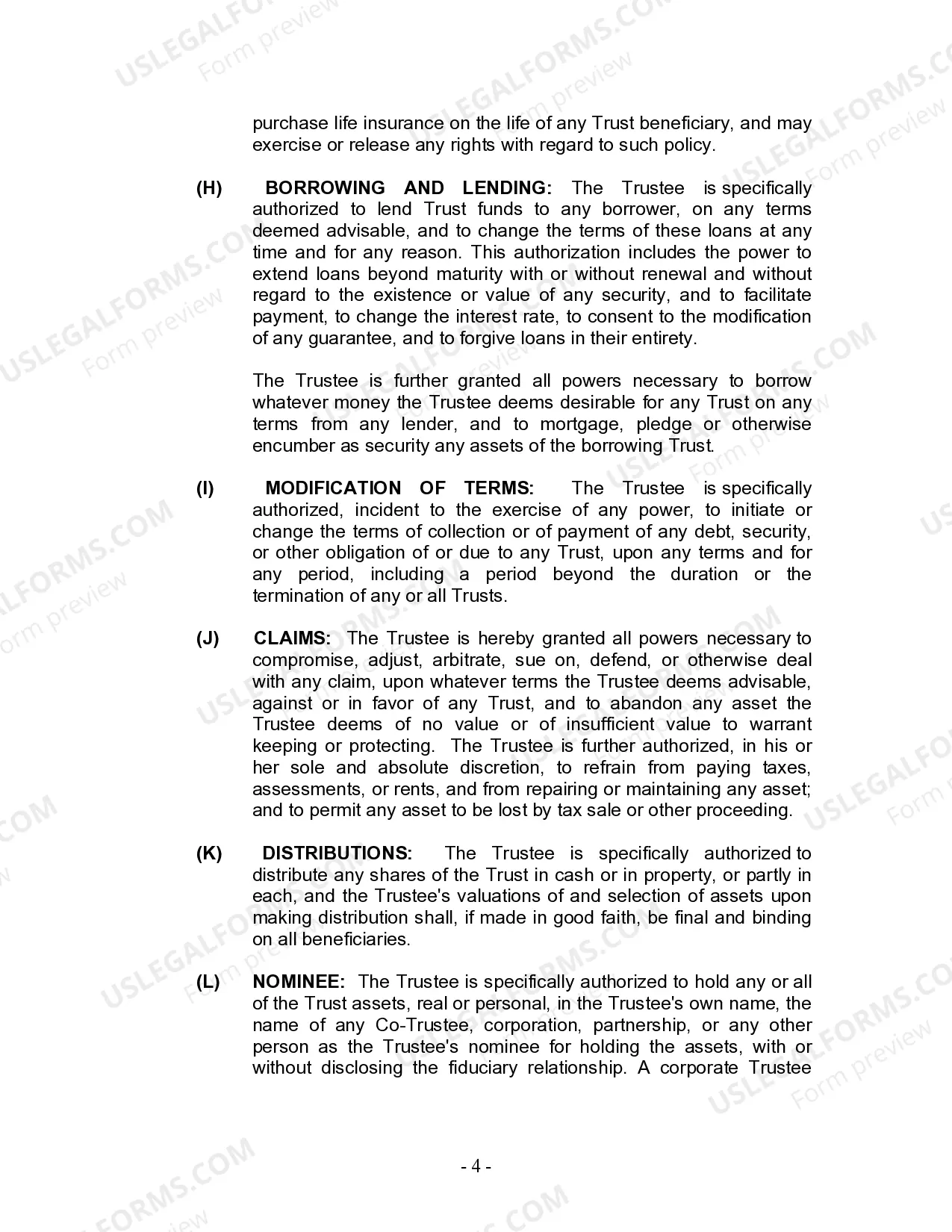
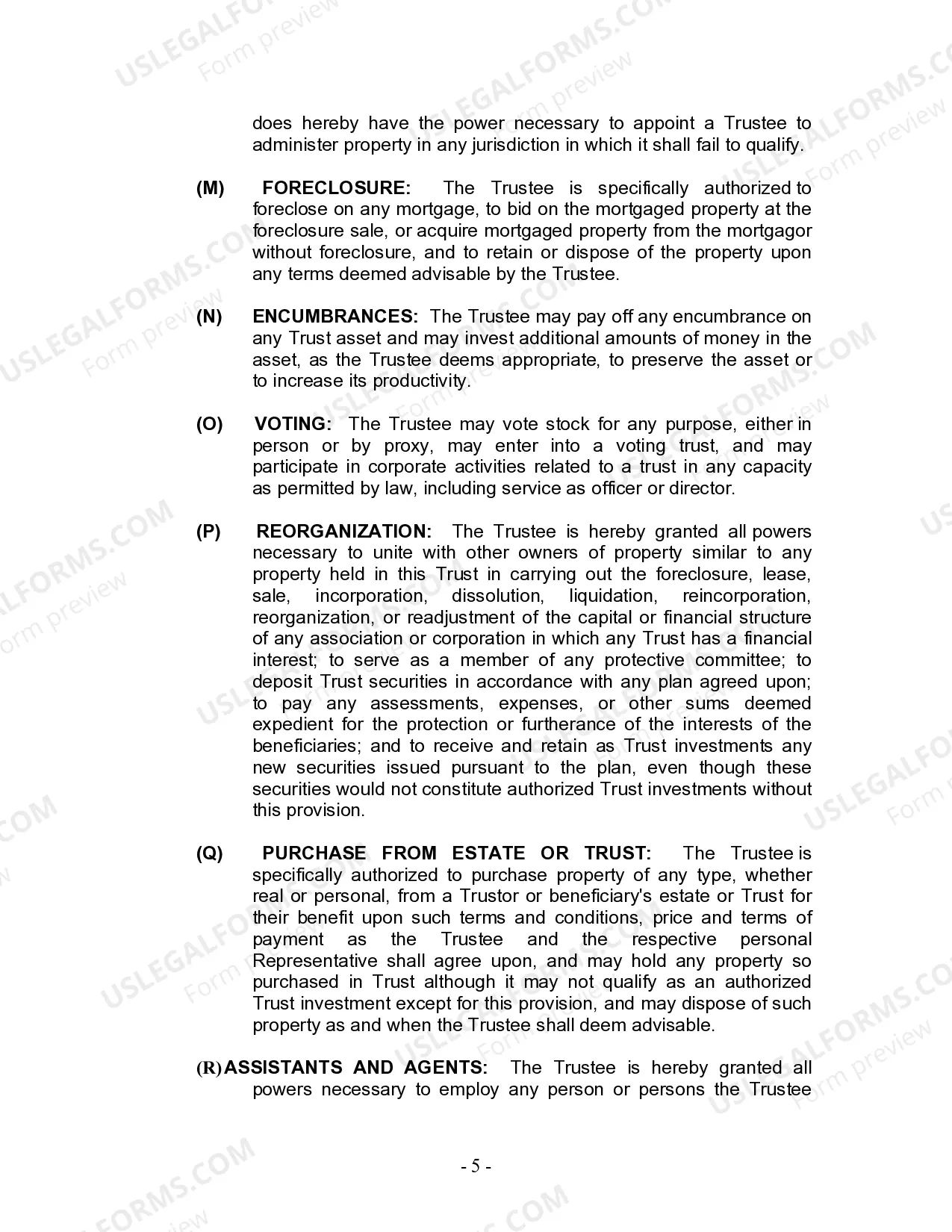
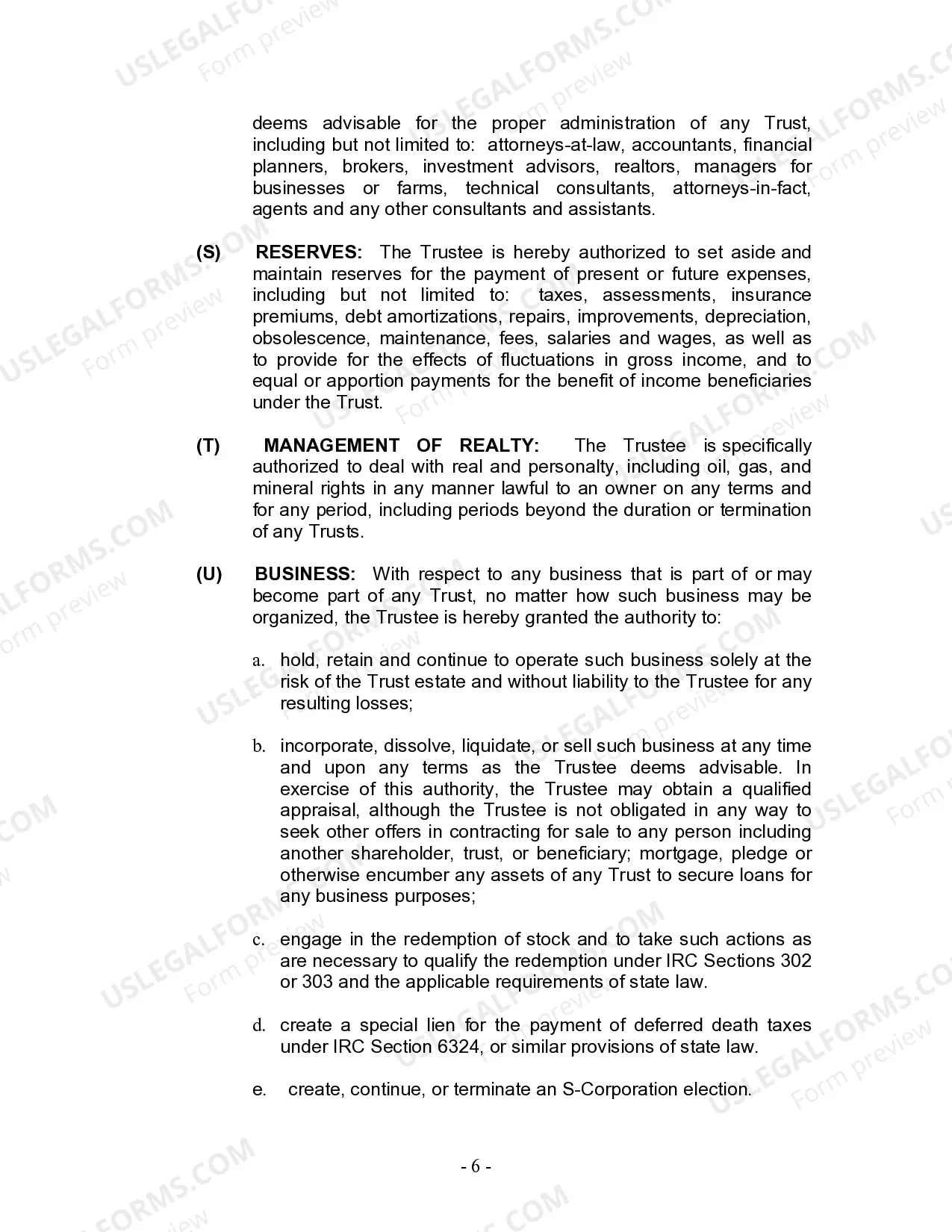
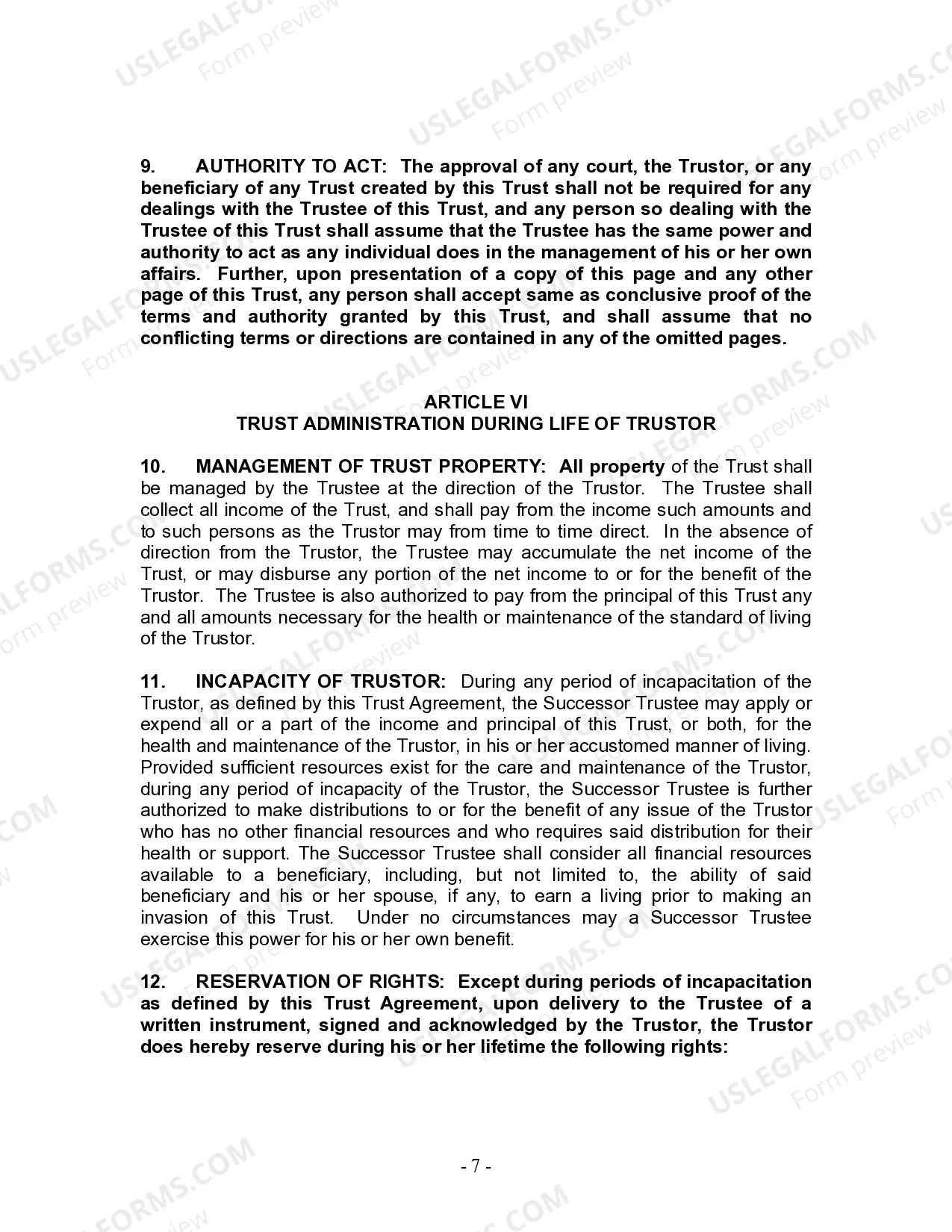
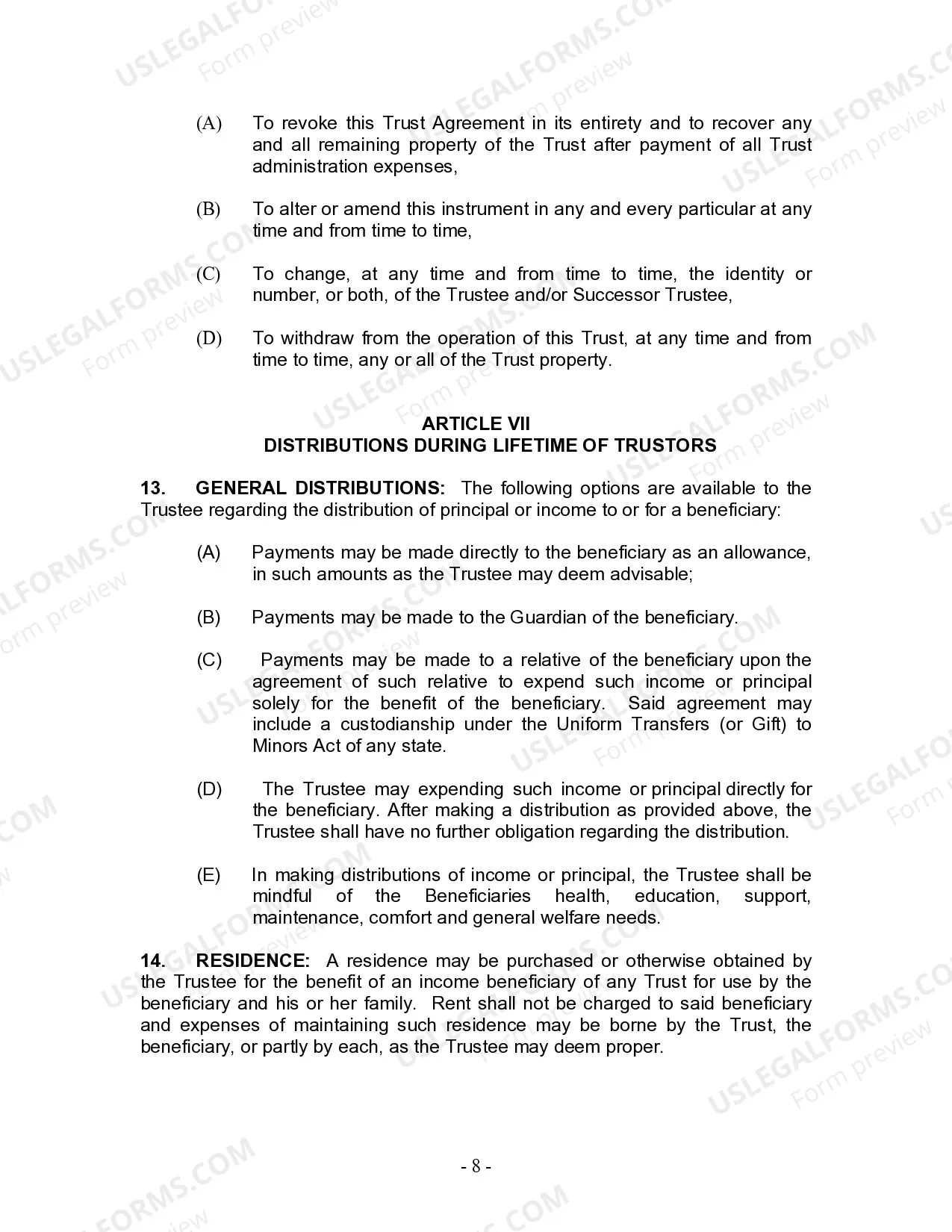
- Trustee powers: Outlines the powers granted to the trustee, including investment and management authority.
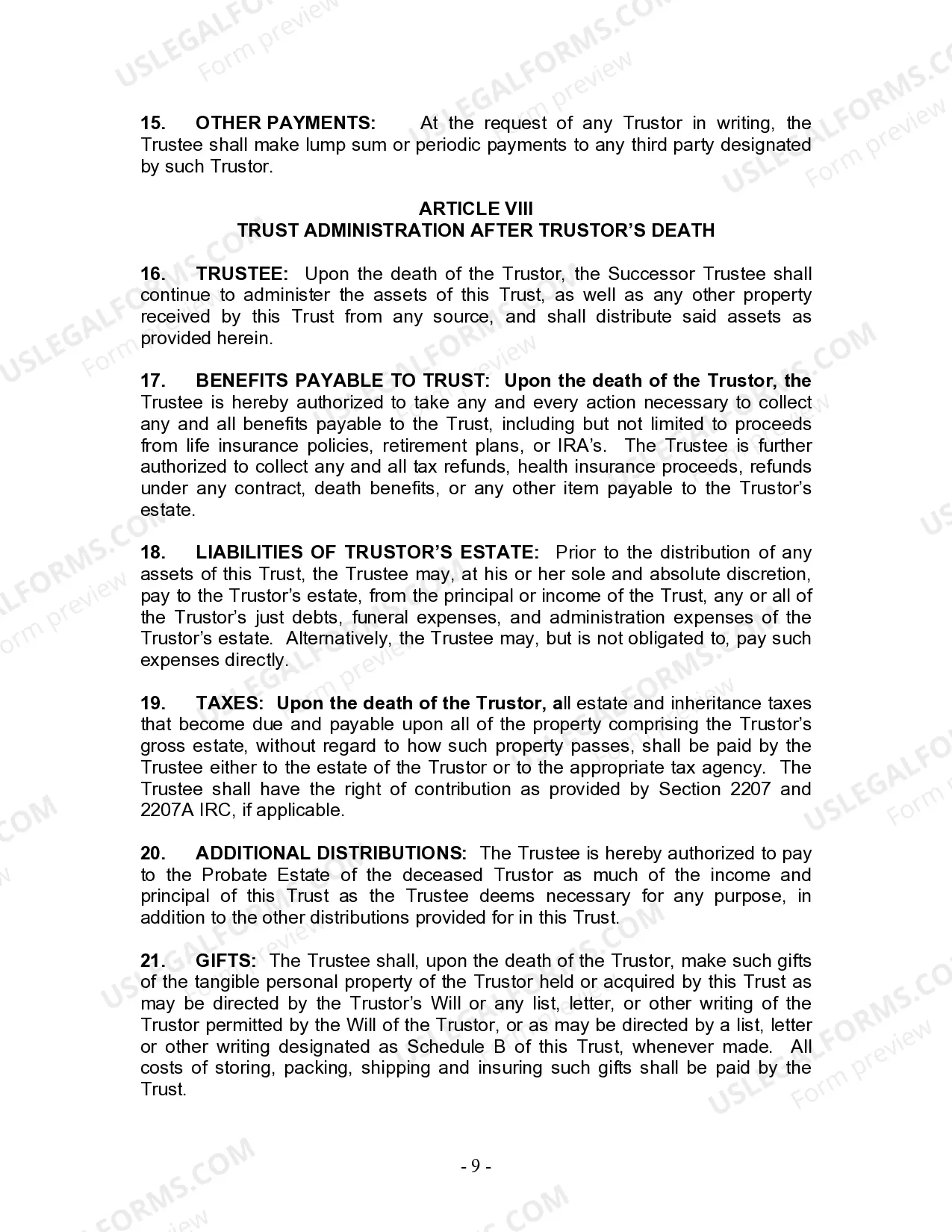
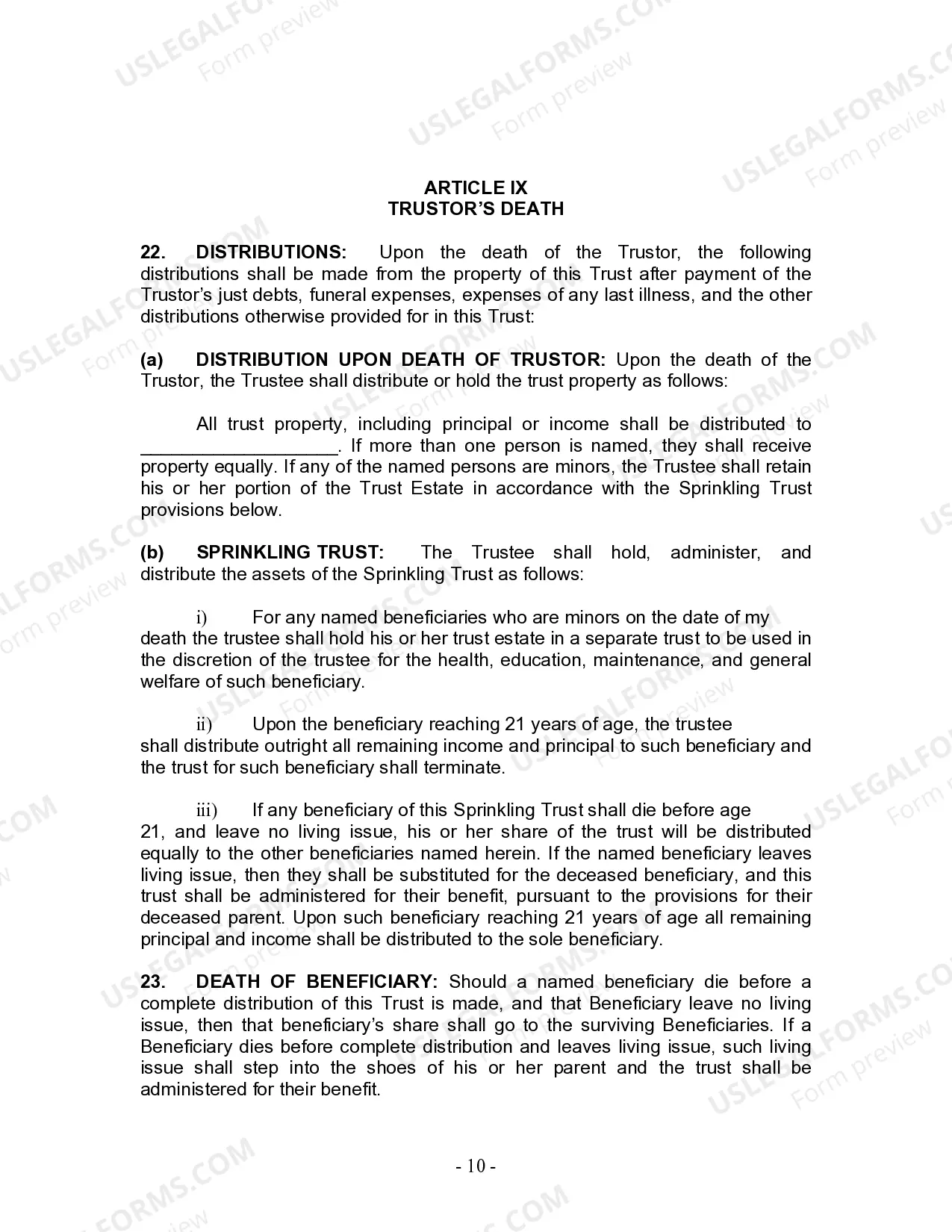
- Distribution upon death: Specifies how assets will be distributed after the trustor's passing.



Common use cases
This form is ideal for individuals who are single, divorced, or widowed without children and wish to ensure their assets are managed according to their wishes after their death. It is particularly useful for those who want to avoid the lengthy probate process and seek to provide for their own needs while they are alive. Examples might include individuals with significant assets or personal property who want a clear plan for asset management.
Who should use this form
This living trust is designed for:
- Individuals who are single, divorced, or widowed.
- Those without children to benefit from their estate.
- Anyone looking to retain control over their assets during their lifetime while making provisions for after their death.
How to complete this form
- Identify the parties: Clearly fill in your name as the Trustor and identify your Trustee.
- Specify the property: List all assets you wish to include in the trust as specified in the attached schedule.
- Enter the trust name: Choose a name for your trust and fill it in where indicated.
- Designate beneficiaries: Clearly state who will receive the trust assets upon your death.
- Sign and date the document: Ensure you sign in the presence of a notary if required.
Notarization requirements for this form
Yes, this form must be notarized to be legally valid. At US Legal Forms, we offer integrated online notarization services to ensure a smooth and secure experience, allowing you to notarize your document via a secure video call with a professional notary, available 24/7 without the need for travel.
Get your form ready online
Our built-in tools help you complete, sign, share, and store your documents in one place.
Make edits, fill in missing information, and update formatting in US Legal Forms—just like you would in MS Word.
Download a copy, print it, send it by email, or mail it via USPS—whatever works best for your next step.
Sign and collect signatures with our SignNow integration. Send to multiple recipients, set reminders, and more. Go Premium to unlock E-Sign.
If this form requires notarization, complete it online through a secure video call—no need to meet a notary in person or wait for an appointment.
We protect your documents and personal data by following strict security and privacy standards.

Make edits, fill in missing information, and update formatting in US Legal Forms—just like you would in MS Word.

Download a copy, print it, send it by email, or mail it via USPS—whatever works best for your next step.

Sign and collect signatures with our SignNow integration. Send to multiple recipients, set reminders, and more. Go Premium to unlock E-Sign.

If this form requires notarization, complete it online through a secure video call—no need to meet a notary in person or wait for an appointment.

We protect your documents and personal data by following strict security and privacy standards.
Avoid these common issues
- Failing to update the trust after major life changes, such as marriage or divorce.
- Not clearly specifying assets included in the trust.
- Overlooking the designation of a successor trustee.
- Not notarizing the document when required.
Why use this form online
- Convenience: Complete the form from the comfort of your home at any time.
- Editability: Make changes easily should your situation or wishes change.
- Reliable: Access up-to-date legal forms created by licensed attorneys.
Main things to remember
- A living trust allows for asset management during life and simplifies the transfer of property after death.
- This form is tailored for single, divorced, or widowed individuals without children.
- Proper completion and notarization are crucial for the trust to be valid.
Looking for another form?
Form popularity
FAQ
One common mistake is failing to update the trust as circumstances change. Parents may not adjust beneficiaries or assets after significant life events, which can lead to unintended consequences. Also, not clearly explaining their intentions to their heirs can create confusion and conflict. If you are single, using an Iowa Living Trust for Individuals Who are Single, Divorced, or Widow (or Widower) with No Children can lessen these issues and clarify your wishes.
There are a few situations where you might consider not having a trust. If your estate is small and simple, a will may be sufficient for your needs. Additionally, if you are uncomfortable with the initial costs or complexities involved in setting up a trust, those could be valid reasons. However, keep in mind that an Iowa Living Trust for Individuals Who are Single, Divorced, or Widow (or Widower) with No Children can provide invaluable benefits, so weigh your options carefully.
The Iowa Living Trust for Individuals Who are Single, Divorced, or Widow (or Widower) with No Children is often the best choice. This type of trust allows you to maintain control of your assets during your lifetime and decide how they should be managed after you pass away. It provides flexibility and can accommodate changes in your situation. Utilizing a trust like this can enhance your estate planning significantly.
For a single person, a simple will is often the best option. It allows you to designate beneficiaries and specify how your assets should be distributed, without the complexities that might arise in larger estates. While an Iowa Living Trust for Individuals Who are Single, Divorced, or Widow (or Widower) with No Children can offer more control, a straightforward will may sufficiently meet your needs. Consult with a legal expert to ensure your will aligns with your goals.
As a single person, having a trust can be beneficial. An Iowa Living Trust for Individuals Who are Single, Divorced, or Widow (or Widower) with No Children allows you to take control of your asset distribution. It clearly outlines your intentions, which can help prevent disputes among family members or others after you are gone. Trusts can also offer better management of your property if you become incapacitated.
Yes, a single person with no children should consider an Iowa Living Trust for Individuals Who are Single, Divorced, or Widow (or Widower) with No Children. A trust can help manage your assets, ensuring they are distributed according to your wishes after your passing. Additionally, a trust can provide privacy and avoid the lengthy probate process. Taking the time to establish a trust can offer peace of mind concerning your financial future.
Iowa’s trust laws are designed to provide individuals with significant legal frameworks to manage their assets. An Iowa Living Trust for Individual Who is Single, Divorced or Widow (or Widower) with No Children is subject to these laws, ensuring that your trust can be easily created and maintained. Understanding these laws helps you navigate your options, including how to establish and fund your trust. For guidance specific to your situation, uslegalforms offers resources to help you understand and comply with Iowa's trust regulations.
While a will can be an important part of your estate planning, it may not fully meet your needs as a single individual with no dependents. An Iowa Living Trust for Individual Who is Single, Divorced or Widow (or Widower) with No Children can provide more flexibility and control over your assets. This type of trust allows you to dictate how and when your assets are distributed, ultimately simplifying the process for your heirs. Consider using platforms like uslegalforms to create a trust that addresses your situation effectively.
After one spouse dies, a living trust remains active and helps distribute the deceased spouse's assets according to its terms. If you're utilizing the Iowa Living Trust for Individual Who is Single, Divorced or Widow (or Widower) with No Children, the surviving spouse may retain control of the trust assets. The trust enables a smooth transfer of property without going through probate, offering peace of mind during a difficult time.
Yes, you can write your own trust in Iowa, although it is wise to consult with a legal professional to ensure it meets state requirements. With the right guidance, you can create an Iowa Living Trust for Individual Who is Single, Divorced or Widow (or Widower) with No Children that addresses your specific needs. Platforms like US Legal Forms can provide templates and instructions to assist you in drafting your trust correctly.