Iowa Notice of Assignment of Contract for Deed
About this form
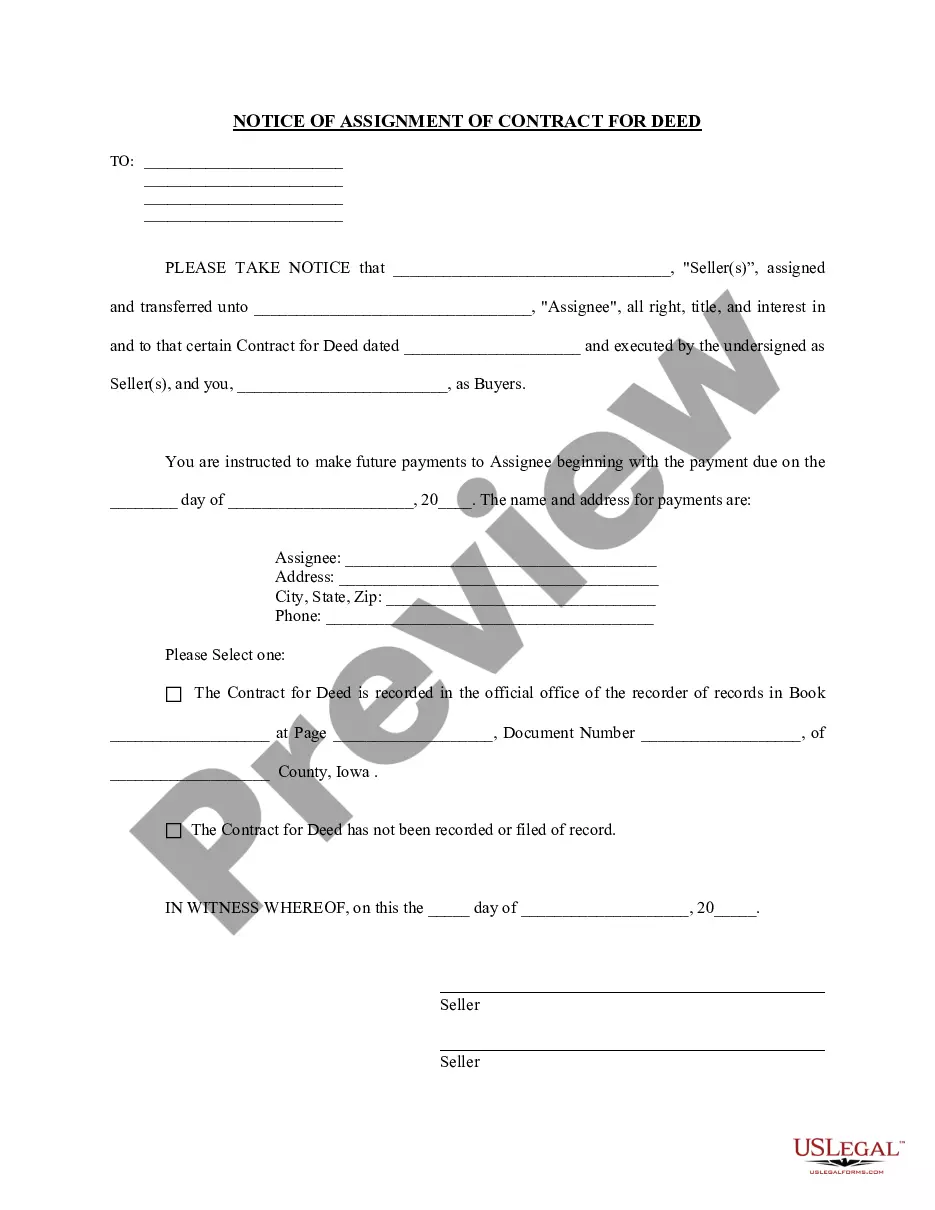
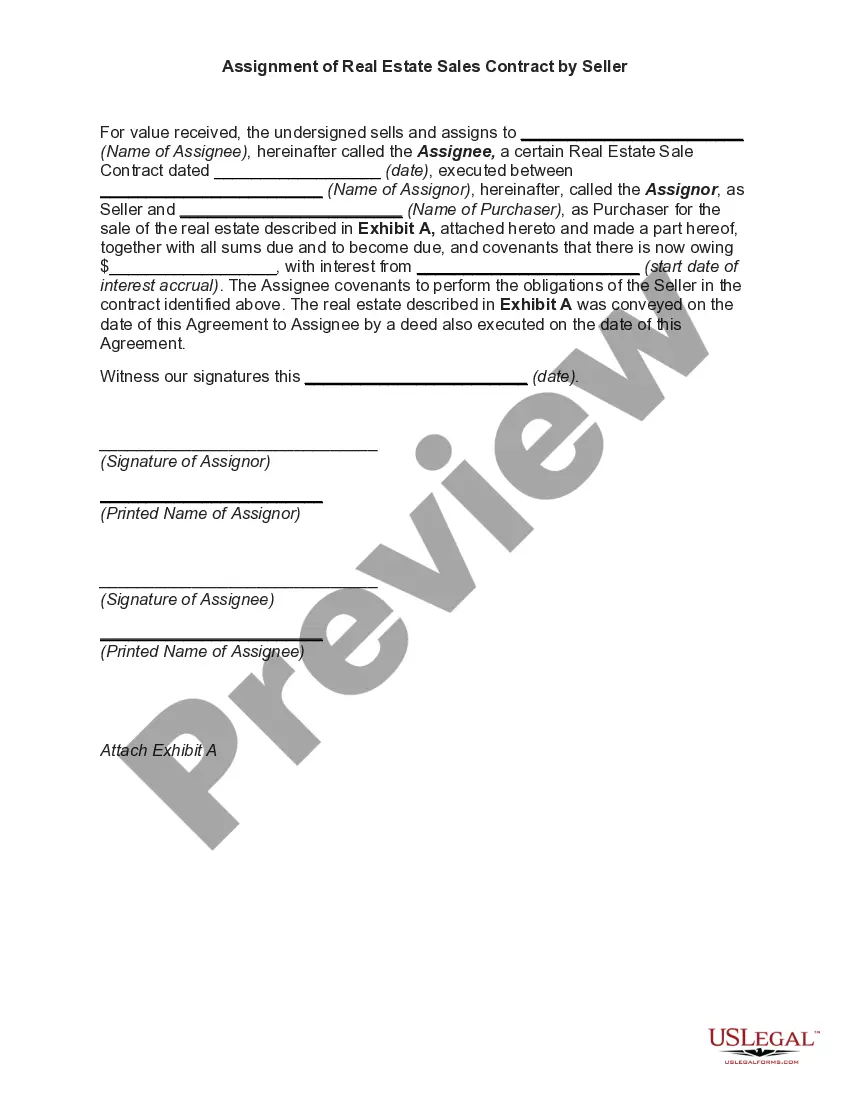
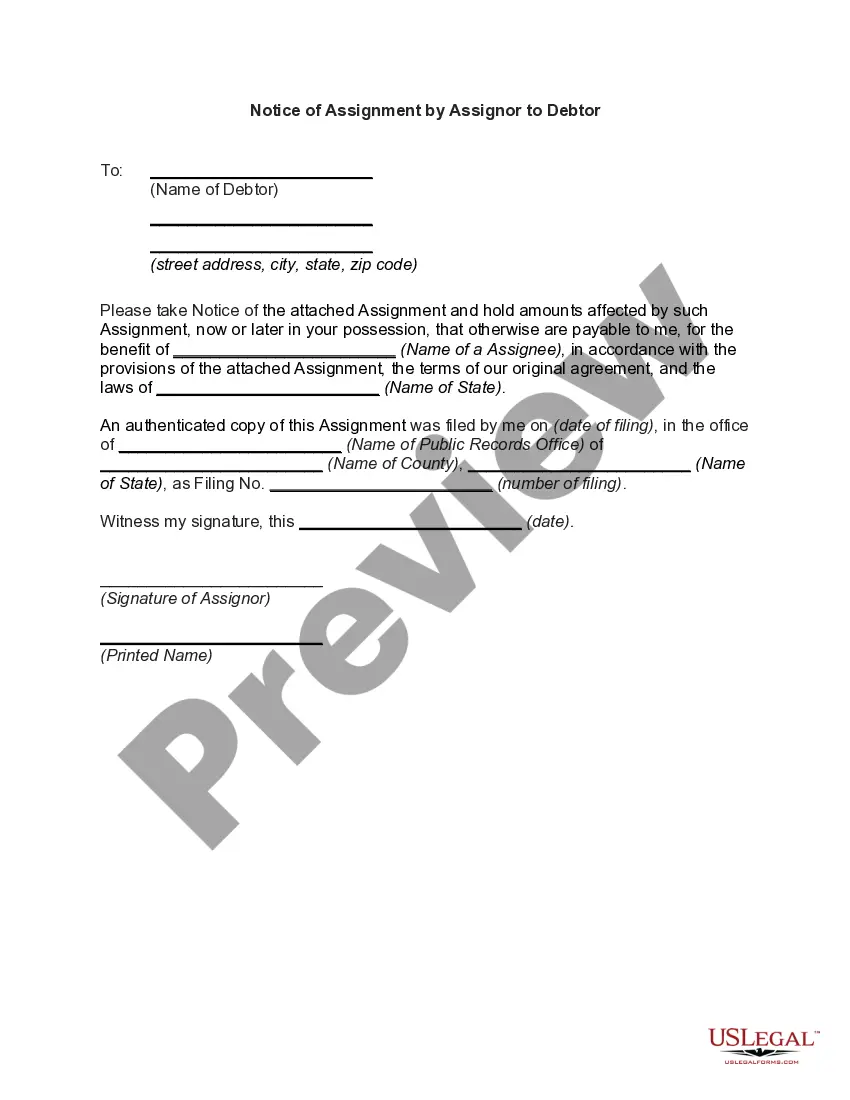
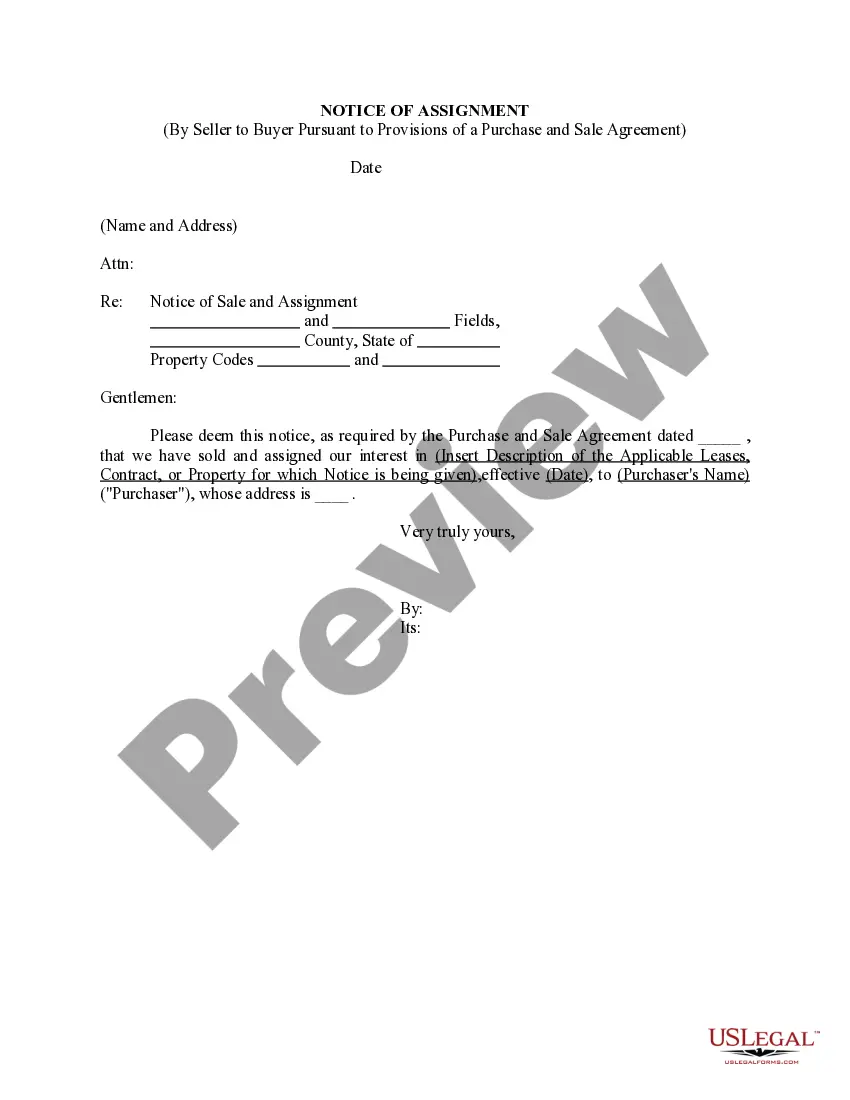
The Notice of Assignment of Contract for Deed is a formal document used by a Seller to inform the Buyer(s) that the Seller has transferred their rights under a contract for deed to a third party. This notice also directs the Buyer(s) to make future payments to the new party. Unlike similar notices, this form specifically relates to contracts for deed, which are installment purchase agreements for real estate.
Key components of this form
- Identification of Seller and Buyer(s)
- Specification of the contract for deed being assigned
- Notification of the third party receiving the assignment
- Signature lines for the Seller
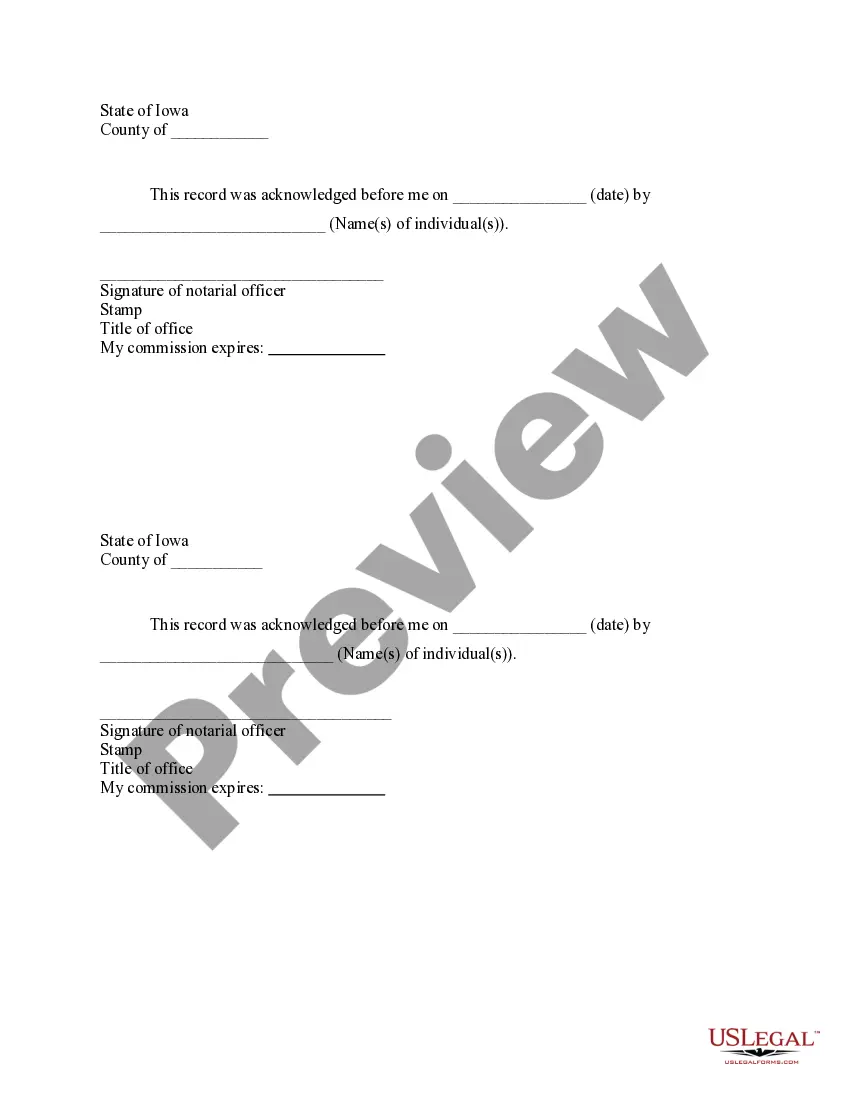
- Notary acknowledgment section
When to use this document
This form should be used when a Seller wishes to officially assign their contract for deed to another party. Common scenarios include when the Seller needs to sell the rights to the contract due to financial reasons, business decisions, or to fulfill obligations under an existing agreement with a third party.
Who this form is for
- Sellers who are assigning a contract for deed
- Buyers who need to be informed of the assignment
- Real estate professionals managing contract assignments
- Attorneys aiding clients with real estate transactions
Completing this form step by step
- Identify the parties involved: the Seller and the Buyer(s).
- Specify the details of the contract for deed being assigned.
- Fill in the name and details of the third party receiving the assignment.
- Sign the form in the presence of a notary public.
- Make sure the notary public completes their section before finalizing the document.
Notarization requirements for this form
This form needs to be notarized to ensure legal validity. US Legal Forms provides secure online notarization powered by Notarize, allowing you to complete the process through a verified video call, available anytime.
Get your form ready online
Our built-in tools help you complete, sign, share, and store your documents in one place.
Make edits, fill in missing information, and update formatting in US Legal Forms—just like you would in MS Word.
Download a copy, print it, send it by email, or mail it via USPS—whatever works best for your next step.
Sign and collect signatures with our SignNow integration. Send to multiple recipients, set reminders, and more. Go Premium to unlock E-Sign.
If this form requires notarization, complete it online through a secure video call—no need to meet a notary in person or wait for an appointment.
We protect your documents and personal data by following strict security and privacy standards.

Make edits, fill in missing information, and update formatting in US Legal Forms—just like you would in MS Word.

Download a copy, print it, send it by email, or mail it via USPS—whatever works best for your next step.

Sign and collect signatures with our SignNow integration. Send to multiple recipients, set reminders, and more. Go Premium to unlock E-Sign.

If this form requires notarization, complete it online through a secure video call—no need to meet a notary in person or wait for an appointment.

We protect your documents and personal data by following strict security and privacy standards.
Typical mistakes to avoid
- Failing to notify all Buyers involved in the contract.
- Not obtaining notary acknowledgment before submission.
- Inaccurate information about the third party receiving the assignment.
- Leaving any sections blank that require signatures or dates.
Why use this form online
- Easy access to legal document templates drafted by licensed attorneys.
- Convenient download and print options for immediate use.
- Editable fields that allow for personalization of information.
- Secure storage and retrieval of completed forms.
Looking for another form?
Form popularity
FAQ
A deed is a legal document that conveys ownership of property, while a deed of assignment transfers rights to another party without transferring ownership. Essentially, the deed secures the property's title, while the deed of assignment deals specifically with distributing contractual duties and rights, as seen in situations covered by the Iowa Notice of Assignment of Contract for Deed. Understanding these distinctions can aid individuals in navigating real estate transactions more effectively.
In a contract for deed, the seller typically remains responsible for property taxes until the buyer fulfills the contract terms and obtains the title. However, buyers often agree to reimburse sellers for these costs, ensuring that tax payments do not fall behind. It is crucial for both parties to clearly outline expectations regarding tax payments in the contract, a detail often addressed in the Iowa Notice of Assignment of Contract for Deed.
One disadvantage of a contract for deed is that sellers retain the title until the contract is fulfilled, which can complicate matters if the buyer defaults. Additionally, the seller remains responsible for the property taxes, maintenance, and any legal issues arising from the property. This necessitates caution and a thorough understanding of the terms, especially regarding the implications highlighted in the Iowa Notice of Assignment of Contract for Deed.
The assignment of a contract on a house involves transferring the rights and obligations of that contract from one party to another. In simpler terms, it allows a new buyer to step into the seller's shoes and assume the contract's terms. This is particularly relevant in real estate transactions, like those covered under the Iowa Notice of Assignment of Contract for Deed. Understanding this process can help ensure a smooth transition during home selling or buying.
A contract for deed can be a beneficial option for sellers, especially when traditional selling methods do not yield desired results. This approach allows sellers to maintain ownership until the buyer completes the payments, creating a steady stream of income. Moreover, it can attract buyers who may have difficulty securing traditional financing. To enhance your understanding, consider reviewing the Iowa Notice of Assignment of Contract for Deed.
One disadvantage of a contract for deed is that buyers may have less legal protection compared to traditional mortgage agreements. If the seller defaults or faces financial difficulties, buyers may lose their investment without recourse. Another disadvantage is that sellers retain ownership until full payment, which can complicate future financing or sales. Understanding these factors is crucial, and the Iowa Notice of Assignment of Contract for Deed can provide valuable guidance.
To transfer a property title to a family member in Iowa, you usually need to execute a quitclaim deed or warranty deed. Both documents demonstrate your intent to transfer title, but differ in the level of protection they offer. Properly recording the deed with the county is also essential to maintain legal clarity. The Iowa Notice of Assignment of Contract for Deed can offer insights on efficiently handling this transfer.
The deed of assignment of a contract transfers the rights and obligations of a contract for deed from one party to another. This document allows the new party to step into the shoes of the original buyer or seller. It is crucial for both parties to understand their rights post-assignment. The Iowa Notice of Assignment of Contract for Deed can assist you in navigating this process smoothly.
While notarization is not a strict requirement for a contract for deed in Iowa, it is highly recommended. Notarizing the contract can help protect both parties by providing a legal record of the agreement. This process adds an additional layer of legitimacy and can be beneficial if disputes arise. Utilizing the Iowa Notice of Assignment of Contract for Deed can guide you in the right direction.
In Iowa, the buyer typically pays property taxes on a contract for deed. Since the buyer has equitable title, they bear the responsibility for taxes. However, it is essential to outline this obligation clearly in the contract. To ensure you are complying with state specific rules, consider using the Iowa Notice of Assignment of Contract for Deed.