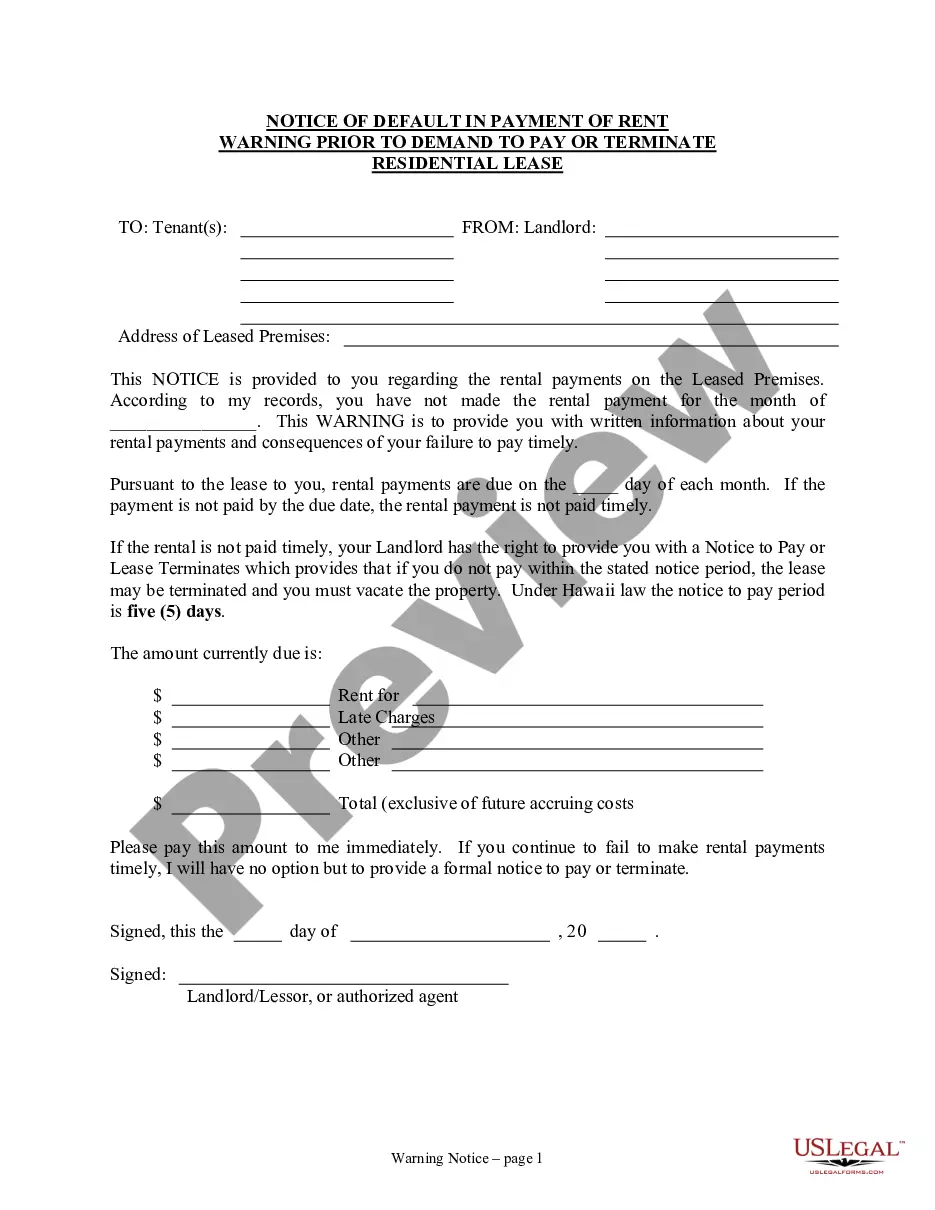
Hawaii Notice of Default in Payment of Rent as Warning Prior to Demand to Pay or Terminate for Residential Property
The Notice of Default in Payment of Rent serves as a formal warning from a landlord to a tenant indicating that the tenant has failed to make timely rental payments. This document is crucial for landlords who want to inform tenants of their past due rent and the potential consequences if the payment is not rectified. It distinguishes itself from other forms of eviction notices by focusing specifically on the need for rent payments to be made before further action is considered.
- Tenant and Landlord Information: Includes the names and addresses of both parties involved.
- Due Date: States the specific due date of the rental payment that has been missed.
- Amount Due: Details the total amount of rent owed, including any late fees.
- Warning of Consequences: Outlines the potential termination of the lease if the payment is not made.
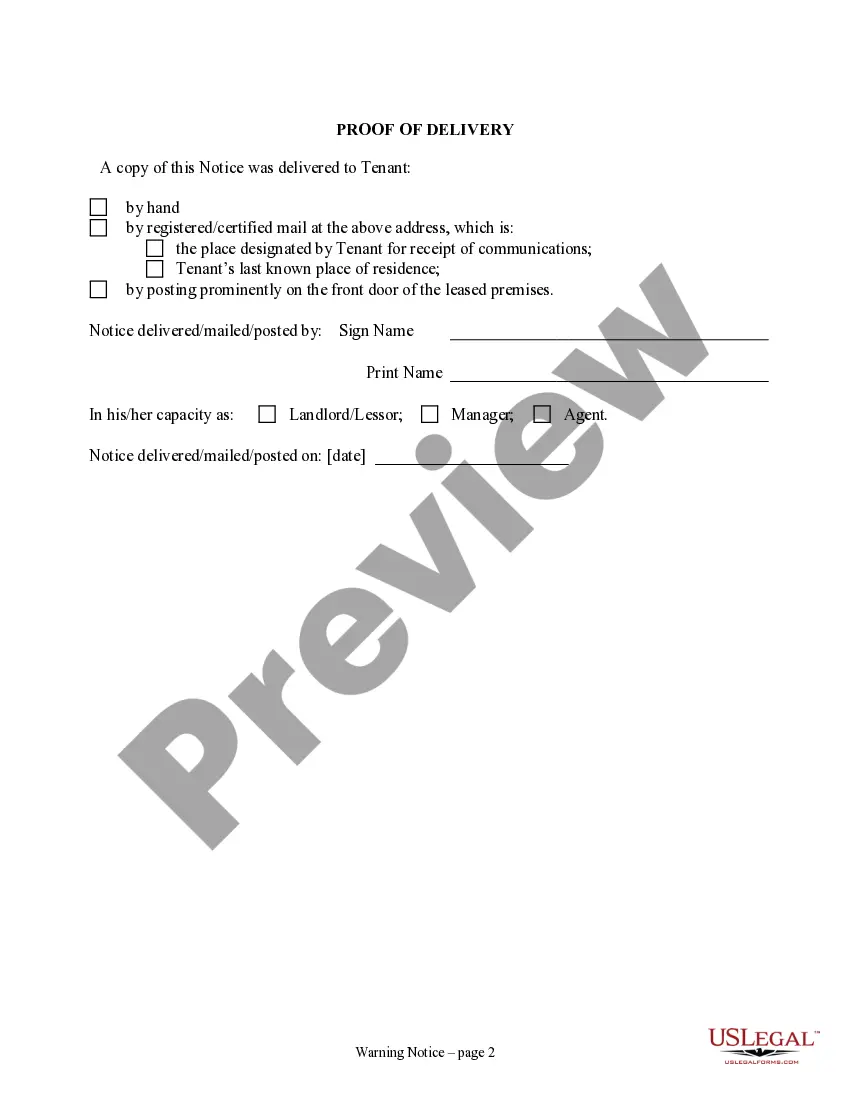
- Proof of Delivery: Provides options for how this notice can be delivered to the tenant.
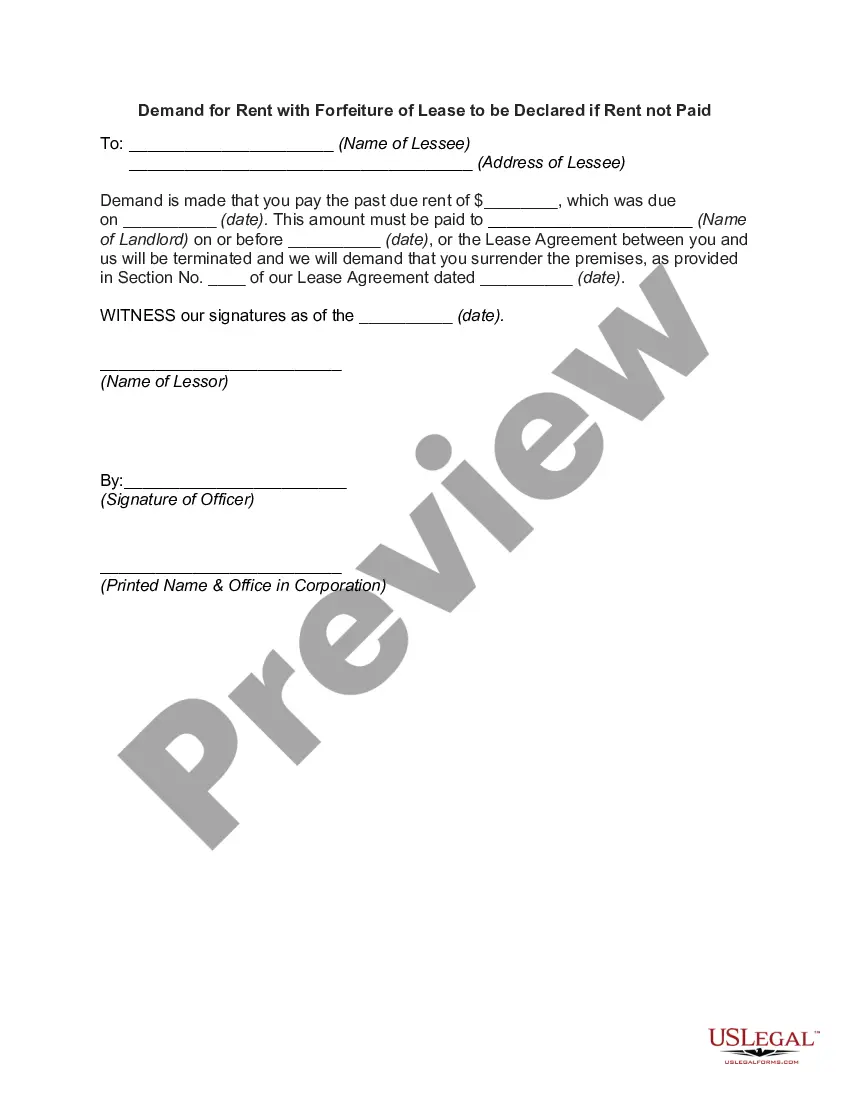
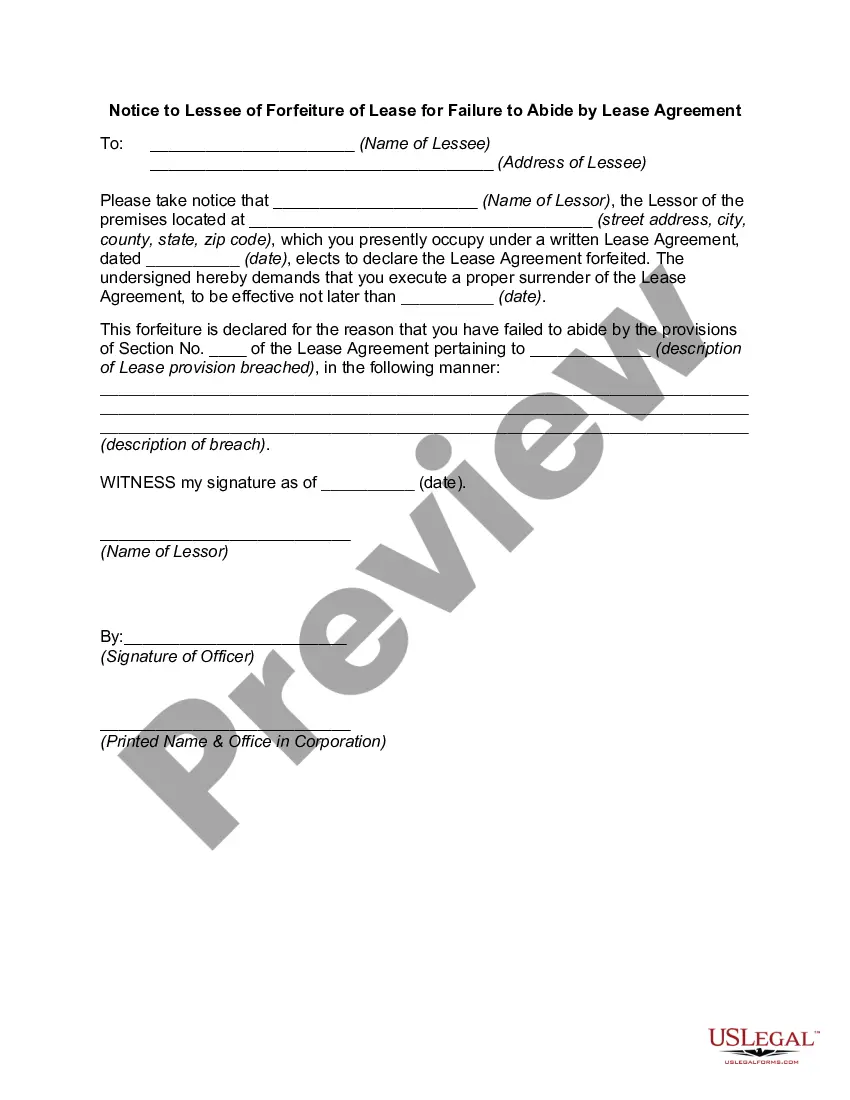


This form should be used by landlords when a tenant has not paid rent by the specified due date. It serves as an official warning to the tenant, notifying them of their default status and the impending consequences, such as potential lease termination if payment is not made within the notice period. This step is a prerequisite before any legal actions can be initiated regarding eviction.
Landlords or property managers should use this form when dealing with tenants who have fallen behind on rent payments. It is specifically tailored for residential properties and is necessary for ensuring proper communication and documentation regarding rental obligations.
Follow these steps to complete the form:
- Identify the tenant by including their full name and address.
- Fill in the landlord's details, including their name and address.
- Specify the month for which the rent was not paid.
- List the total amount due, including rent and any late fees.
- Sign and date the document to validate it.
- Choose the method of delivery for the notice and document it accordingly.
This form does not typically require notarization unless specified by local law. It is designed to be a straightforward notice that functions as an official warning to tenants regarding overdue rental payments.
Get your form ready online
Our built-in tools help you complete, sign, share, and store your documents in one place.
Make edits, fill in missing information, and update formatting in US Legal Forms—just like you would in MS Word.
Download a copy, print it, send it by email, or mail it via USPS—whatever works best for your next step.
Sign and collect signatures with our SignNow integration. Send to multiple recipients, set reminders, and more. Go Premium to unlock E-Sign.
If this form requires notarization, complete it online through a secure video call—no need to meet a notary in person or wait for an appointment.
We protect your documents and personal data by following strict security and privacy standards.

Make edits, fill in missing information, and update formatting in US Legal Forms—just like you would in MS Word.

Download a copy, print it, send it by email, or mail it via USPS—whatever works best for your next step.

Sign and collect signatures with our SignNow integration. Send to multiple recipients, set reminders, and more. Go Premium to unlock E-Sign.

If this form requires notarization, complete it online through a secure video call—no need to meet a notary in person or wait for an appointment.

We protect your documents and personal data by following strict security and privacy standards.
- Failing to provide correct tenant or landlord information, which can lead to confusion.
- Not specifying the exact amount due, including any late fees.
- Neglecting to mention the consequences of non-payment, which is essential for clarity.
- Not delivering the notice in an acceptable manner to ensure it is legally recognized.
- Easy access to legally vetted templates that ensure compliance with local laws.
- Convenient download options that allow for quick modifications as needed.
- Provides clarity on communication with tenants regarding overdue rent.
- Enforceability: A properly completed notice may be essential for future eviction proceedings.
- Limitations: This notice does not initiate eviction but serves as a warning to resolve the payment issue.
- The Notice of Default in Payment of Rent is a formal communication regarding overdue rent.
- It is vital for landlords to understand local requirements for notifying tenants.
- Accurate completion and delivery of this notice are crucial for legal protection.
- Default: The failure to fulfill a legal obligation, in this case, the payment of rent.
- Eviction: The legal process whereby a landlord removes a tenant from a rental property.
- Lease Agreement: A contract between a landlord and tenant outlining the terms of rental occupancy.
Looking for another form?

Form popularity
FAQ
In Hawaii, landlords typically need to provide a written notice of rent increase at least 45 days in advance for month-to-month rental agreements. If the tenant has lived in the property for less than 12 months, the notice must be at least 30 days. This allows tenants to adequately prepare for any changes in their financial obligations. Utilizing platforms like uslegalforms can help you draft compliant documents for these situations.
Notice Requirements for California Tenants Unless your rental agreement provides a shorter notice period, you must give your landlord 30 days' notice to end a month-to-month tenancy. Be sure to check your rental agreement which may require that you give notice on the first of the month or on another specific date.
If you've been given notice since 29 August 2020, your landlord must give you 6 months to leave. You might have to leave much sooner if you're evicted using a section 8 notice, depending on the reason for eviction.at least 6 months for any notice given on or after 24 July 2020.
Substantial Violation If the landlord is evicting the tenant for any of these reasons, the landlord must give the tenant a three-day notice to quit. (Colo. Rev.If the tenant does not move out of the rental unit by the end of three days, then the landlord can file an eviction lawsuit against the tenant.
In Colorado, evictions are sometimes referred to as forcible entry & detainer (FED). Before you can file for eviction, you must generally provide 10 days' notice (increased from 3 days prior) for tenants to correct a deficiency or leave the property, except in certain circumstances.
Your landlord only needs to give 'reasonable notice' to quit. Usually this means the length of the rental payment period so if you pay rent monthly, you'll get one month's notice. The notice does not have to be in writing.
A. In a month-to-month tenancy, the landlord may raise the rent after giving the tenant 45 days' written notice.
They must give the landlord at least 21 days notice of termination. Landlord Breaches the Agreement - the tenant can terminate the tenancy if the landlord breaches the agreement. If the landlord challenges the termination in the Tribunal, the breach must be serious enough to justify termination.
The tenant must give 60 days notice before the last day of a tenancy year to be effective on the last day of the tenancy year.
If the landlord waits longer than 60 days, then the tenant will become a month-to-month tenant. The landlord will then have to give the tenant a 45-day notice to move before being able to proceed with the eviction (see Haw.