Connecticut Renovation Contract for Contractor
About this form
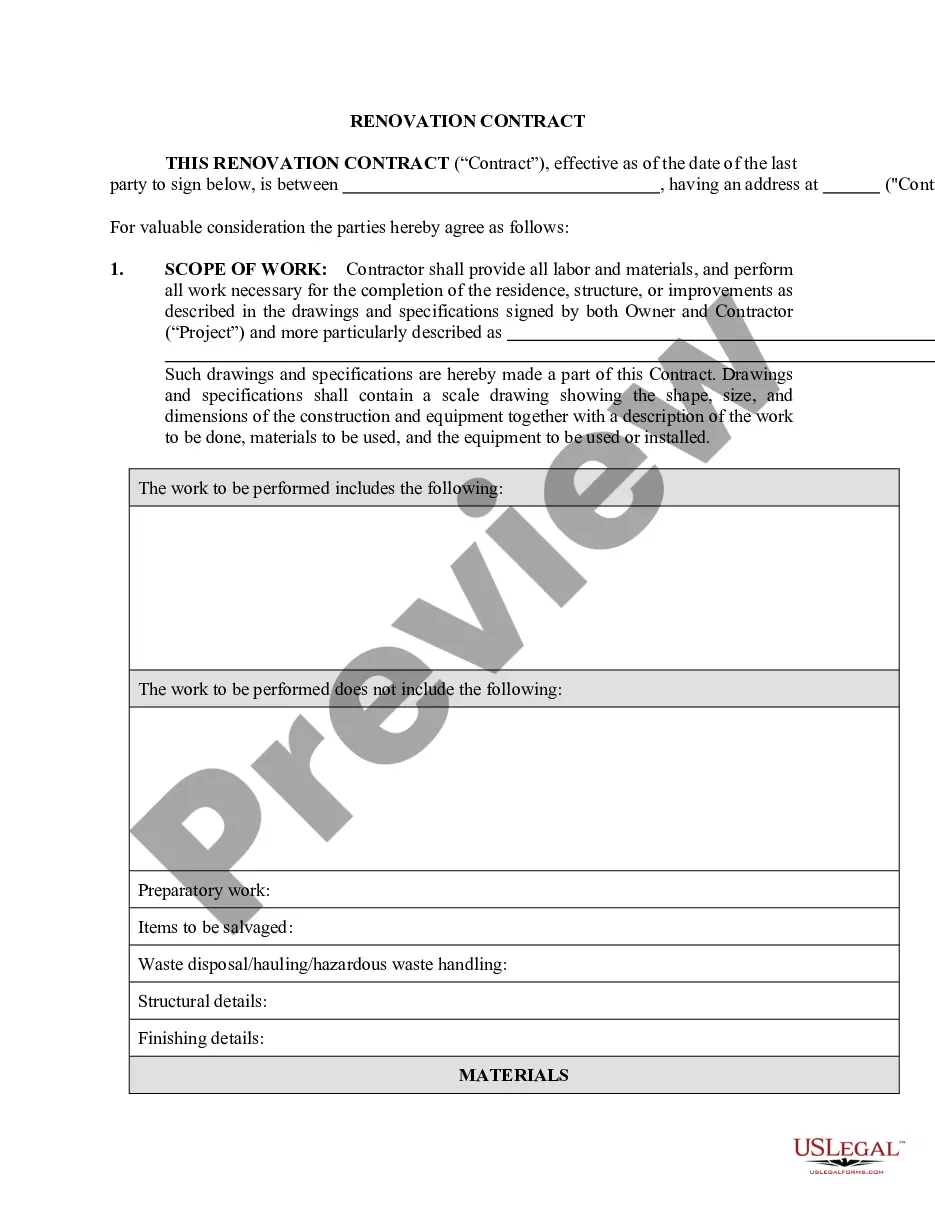
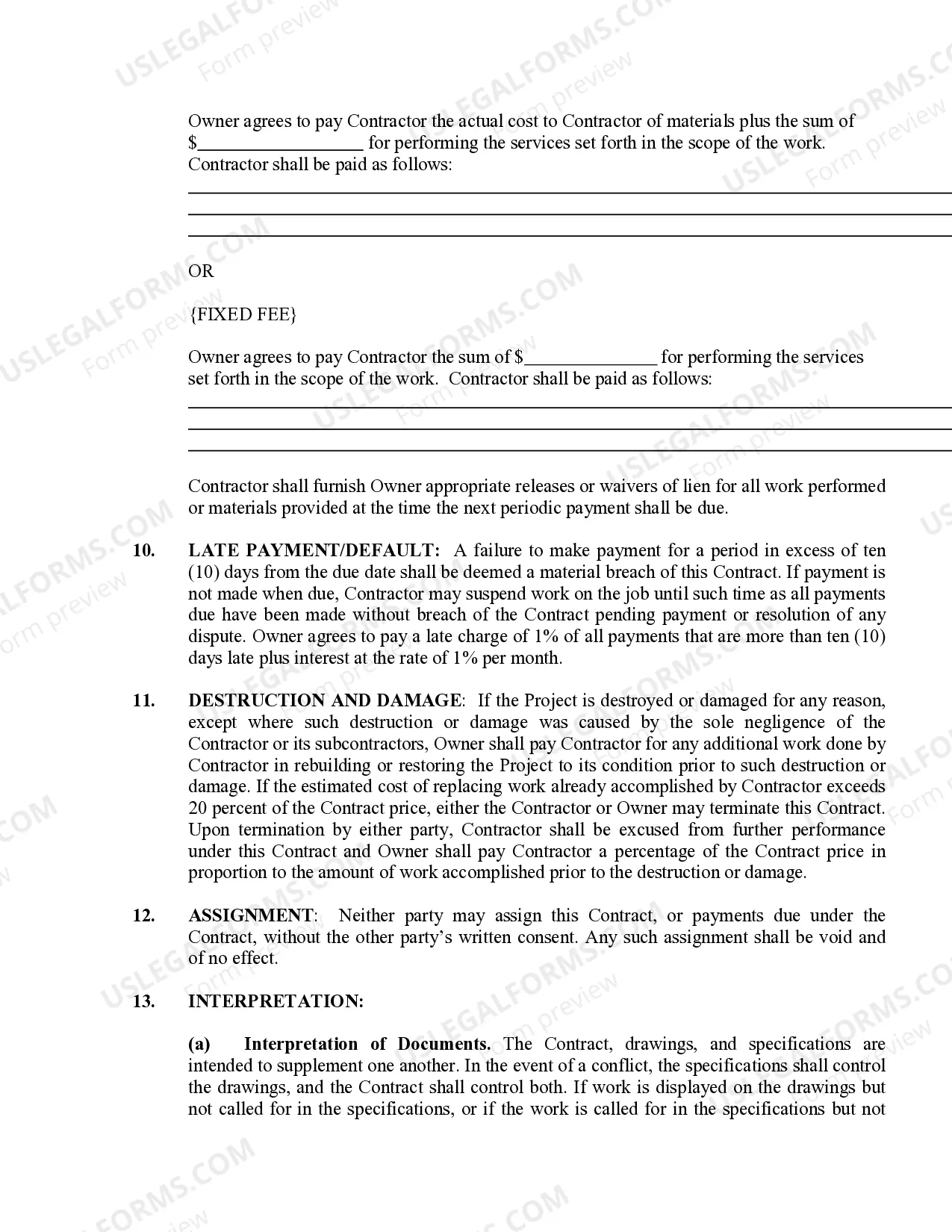
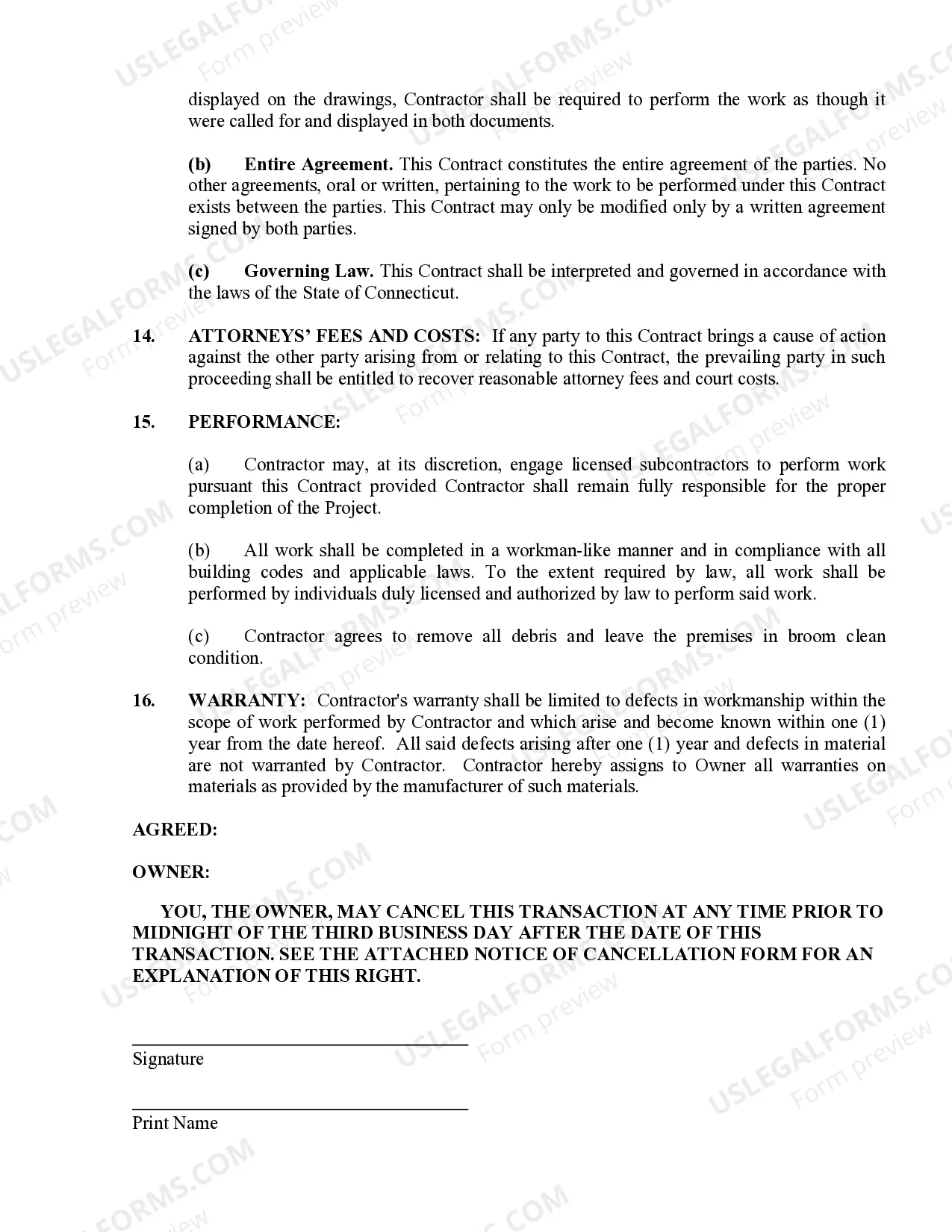
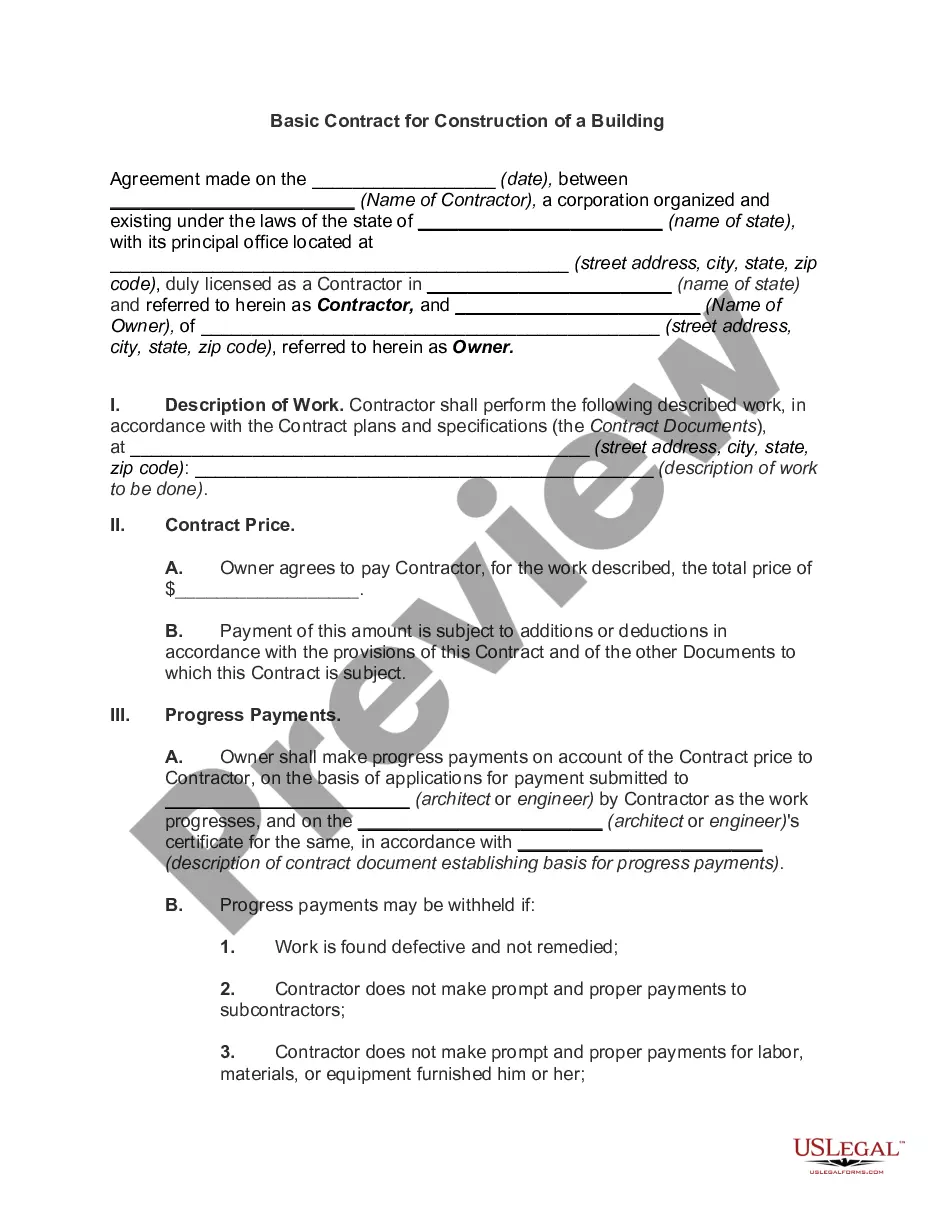
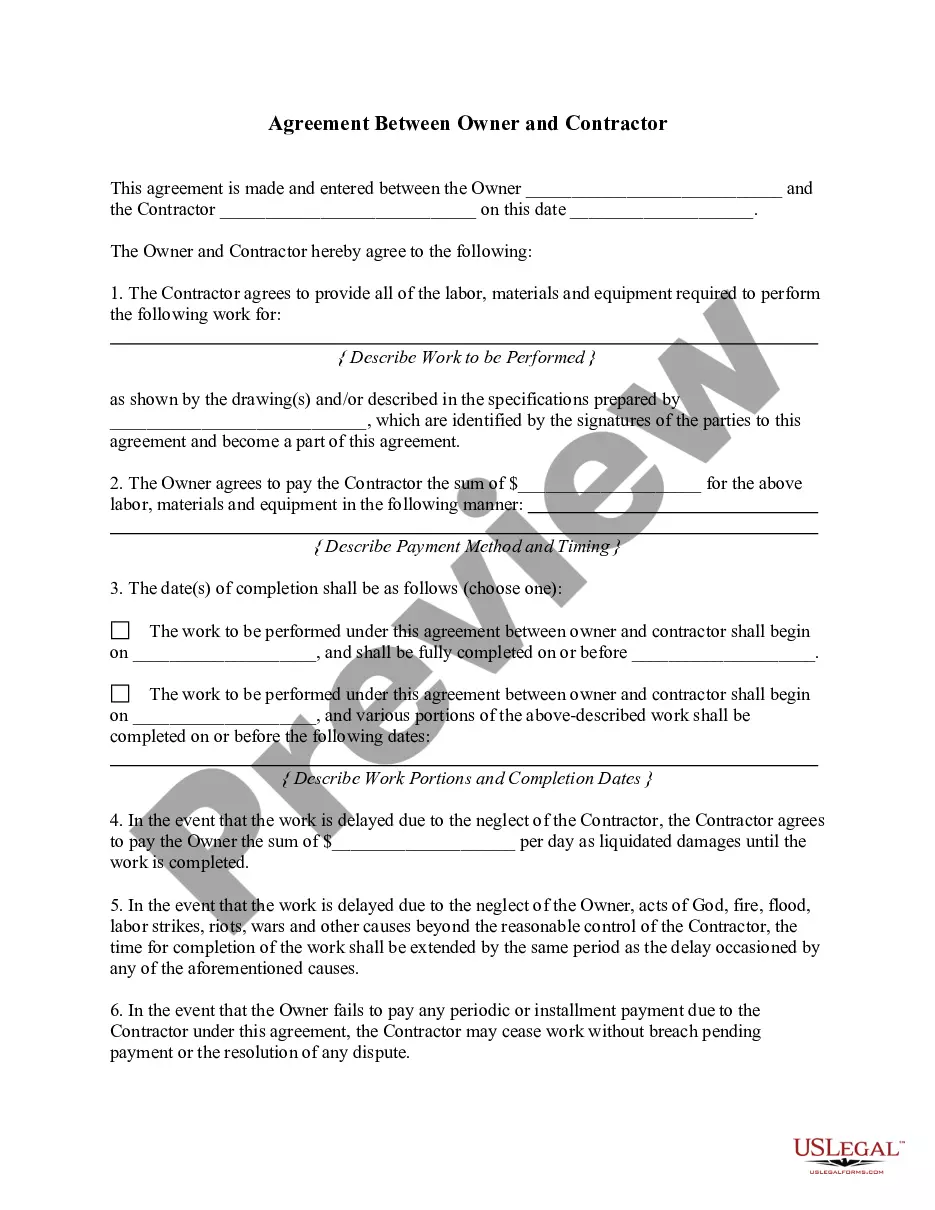
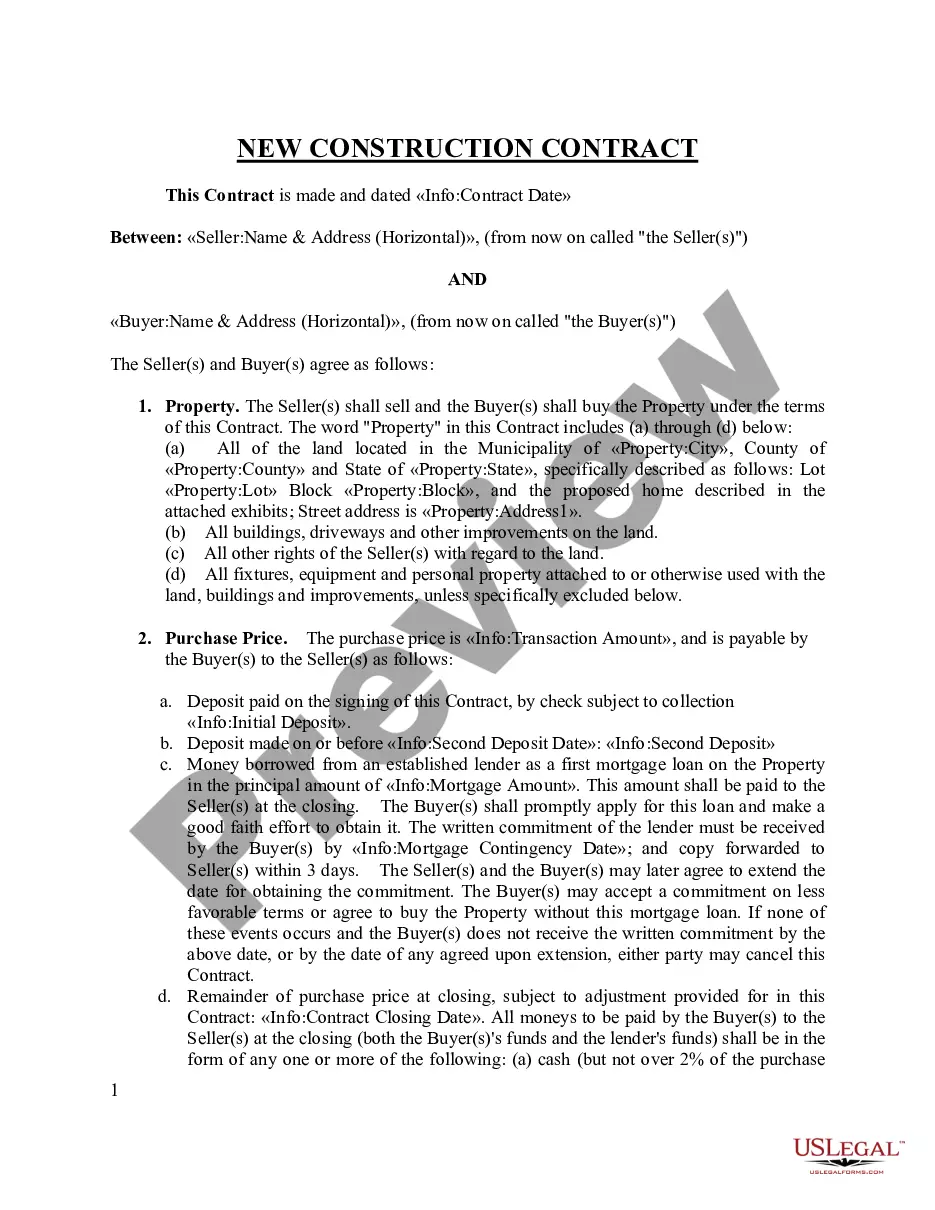
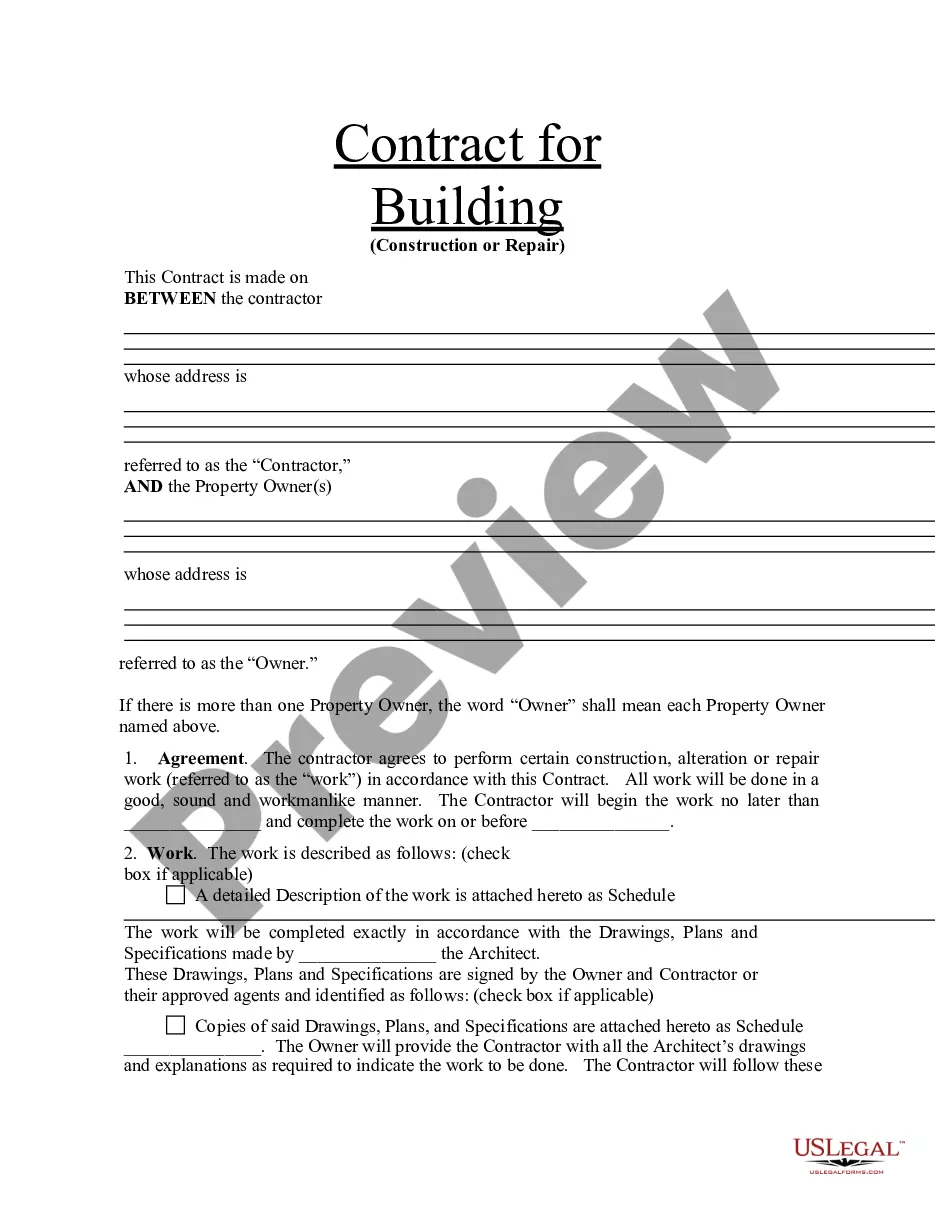
The Renovation Contract for Contractor is a legal document used to outline the agreement between renovation contractors and property owners. This form specifically details the terms of a renovation project, including payment arrangements, change orders, and insurance responsibilities. Unlike generic contracts, this form has been tailored to meet the legal requirements of Connecticut, ensuring that users comply with state laws while protecting their interests in a renovation project.
Key parts of this document
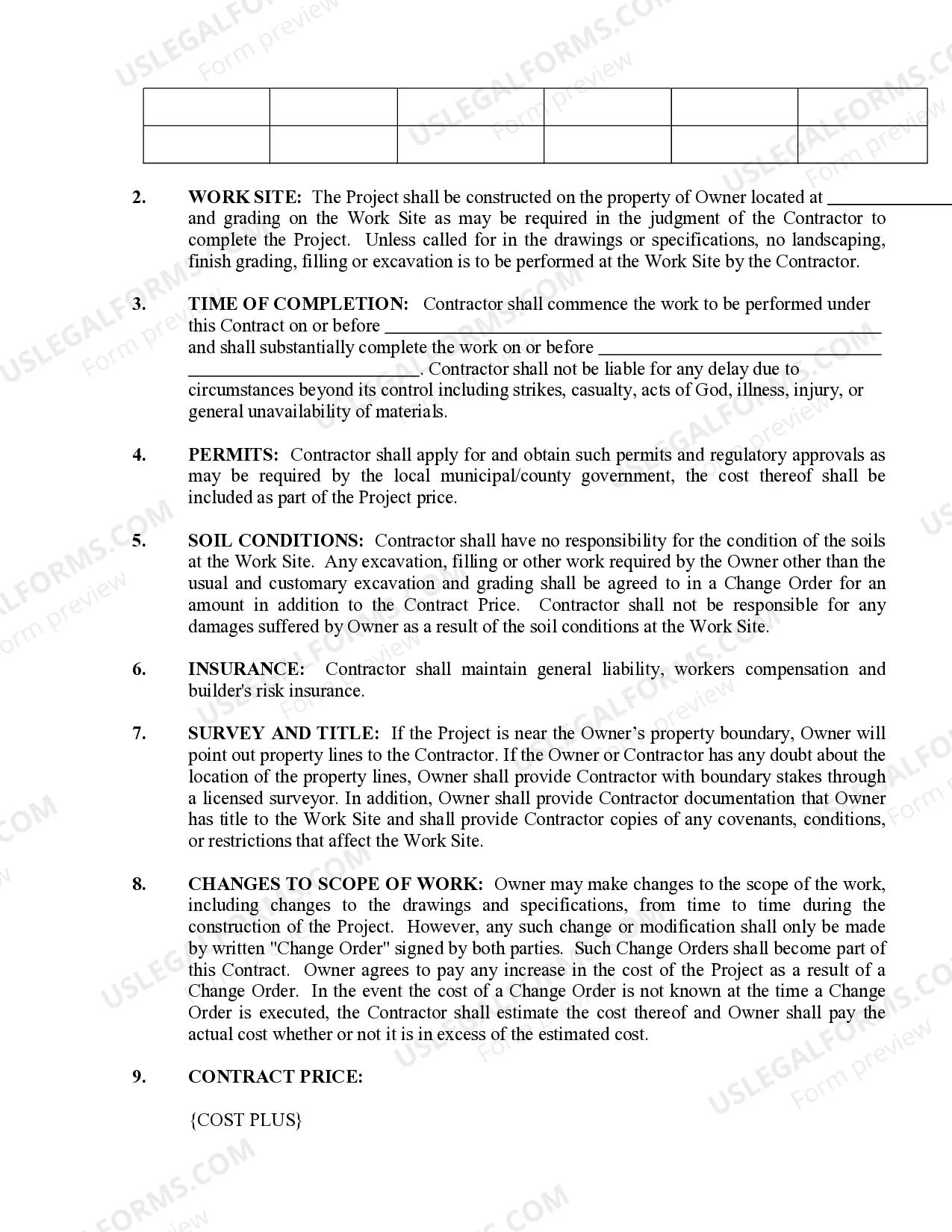
- Permits: Specifies that the contractor must secure necessary local permits and approvals.
- Soil Conditions: Clarifies the contractor's non-responsibility for site soil conditions.
- Insurance: Outlines the insurance coverage the contractor must maintain.
- Survey and Title: Requires the owner to establish property boundaries and title before work begins.
- Changes to Scope of Work: Details procedures for modifying project specifications through written change orders.
When to use this document
This contract is necessary when a property owner and a renovation contractor agree to undertake renovation work. It is particularly useful when there are specific requirements regarding permits, insurance, and changes in project scope. Use this form anytime you need to formalize a renovation agreement, ensuring clarity and legal security for both parties involved.
Intended users of this form
- Property owners looking to renovate their homes or commercial properties.
- Renovation contractors seeking to establish a clear contractual agreement with clients.
- Individuals or businesses engaged in renovation projects in Connecticut.
Completing this form step by step
- Identify the parties involved: Include full legal names and contact information for both the contractor and the property owner.
- Specify the property: Provide a detailed description of the work site where the renovation will occur.
- Outline the scope of work: Clearly define the renovation tasks to be completed under the contract.
- Discuss payment terms: Indicate whether the payment will be a cost-plus or fixed fee arrangement.
- Review insurance requirements: Ensure that the contractor meets the legal insurance obligations as stated in the contract.
Is notarization required?
This form does not typically require notarization unless specified by local law. However, signing the contract in the presence of a notary can add an additional layer of authenticity and may be advisable for significant renovation projects.
Get your form ready online
Our built-in tools help you complete, sign, share, and store your documents in one place.
Make edits, fill in missing information, and update formatting in US Legal Forms—just like you would in MS Word.
Download a copy, print it, send it by email, or mail it via USPS—whatever works best for your next step.
Sign and collect signatures with our SignNow integration. Send to multiple recipients, set reminders, and more. Go Premium to unlock E-Sign.
If this form requires notarization, complete it online through a secure video call—no need to meet a notary in person or wait for an appointment.
We protect your documents and personal data by following strict security and privacy standards.

Make edits, fill in missing information, and update formatting in US Legal Forms—just like you would in MS Word.

Download a copy, print it, send it by email, or mail it via USPS—whatever works best for your next step.

Sign and collect signatures with our SignNow integration. Send to multiple recipients, set reminders, and more. Go Premium to unlock E-Sign.

If this form requires notarization, complete it online through a secure video call—no need to meet a notary in person or wait for an appointment.

We protect your documents and personal data by following strict security and privacy standards.
Mistakes to watch out for
- Failing to specify the project location correctly.
- Neglecting to include or agree on change order procedures.
- Not ensuring both parties sign the contract, which makes it unenforceable.
- Overlooking the required permits and local regulations that may impact the project.
Why complete this form online
- Convenience: Easily download and complete the form at your convenience.
- Editability: Customize the contract to fit specific project needs while ensuring all required elements are included.
- Reliability: The contract is drafted by licensed attorneys, ensuring legal accuracy and compliance.
Legal use & context
- This contract serves as a legally binding agreement between the contractor and the property owner.
- It addresses important factors like insurance and project modifications, which are crucial for protecting both partiesâ interests.
- Adhering to state-specific regulations enhances enforceability and minimizes potential legal disputes.
Main things to remember
- The Renovation Contract for Contractor outlines essential terms for renovation projects.
- It is essential for property owners and contractors to have an agreement that complies with Connecticut state laws.
- Properly completing the contract helps avoid common errors and promotes clarity in the renovation process.
Looking for another form?

Form popularity
FAQ
Define and describe the project in detail. Include what materials must be used; be as specific as possible. Include weight, brand name and other identifying features. Specify the work being performed and all equipment being used or installed.
If you run a small business that hires 1099 contractors, also known as independent contractors, it is vital that you have them sign an independent contractor contract. This is because there is a significant gray area between who is classified as an independent contractor and who is classified as an employee.
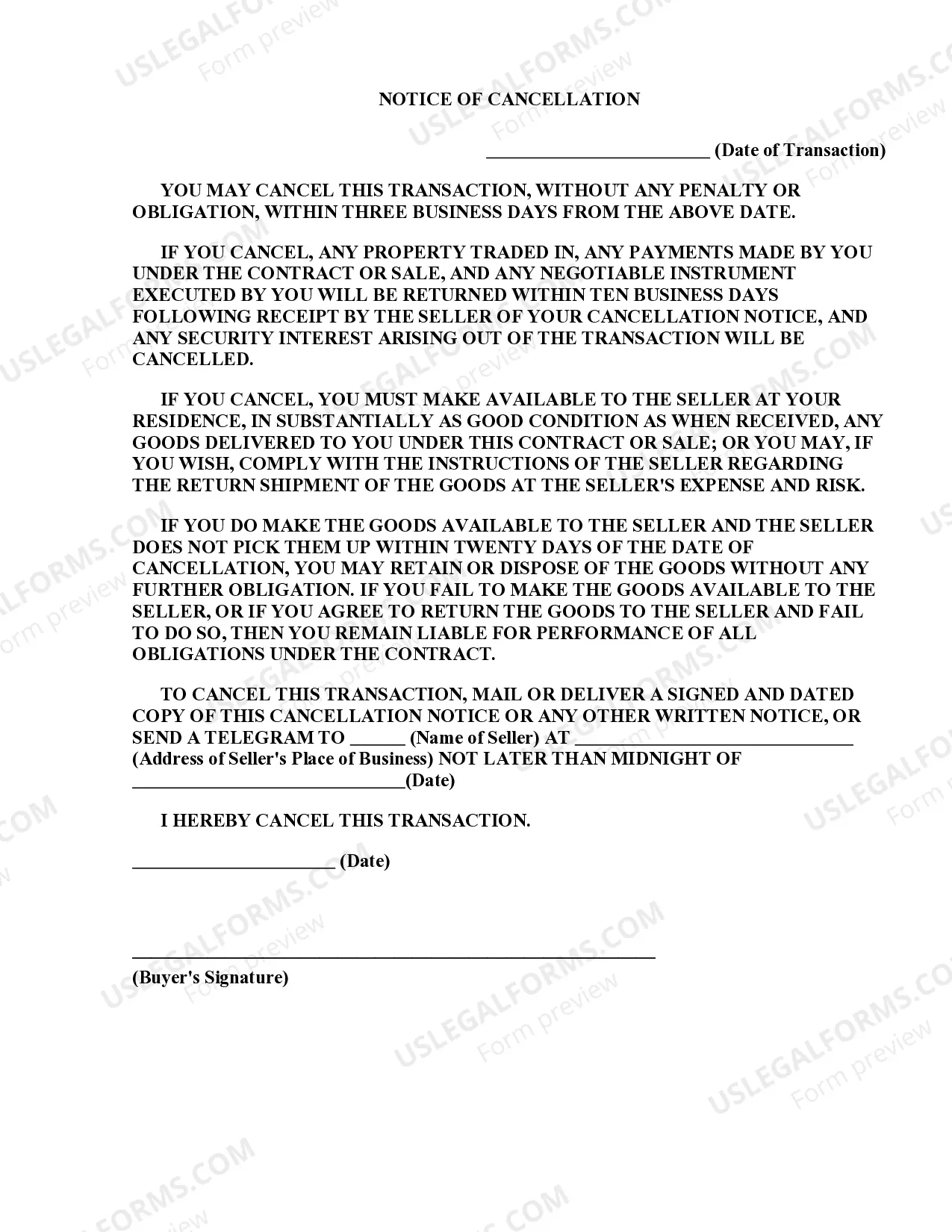
Detailed Description of the Job. How Payments Will Be Made. Start and End Dates of the Project. How Changes to the Project Will Be Dealt With. Lien Waivers. Written Notice of Your Right to Cancel Without Penalty. Warranty. Signatures.
Home improvement contractors are involved with all phases of a home improvement project, including supervising other members of the team. They speak to clients and work with them to turn their ideas into a detailed plan. They create a budget and timeline for the work involved and help keep everything on schedule.
Identifying/Contact Information. Title and Description of the Project. Projected Timeline and Completion Date. Cost Estimate and Payment Schedule. Stop Work Clause and Stop Payment Clause. Act of God Clause. Change Order Agreement. Warranty.
General Contractor without Residential Contractor Endorsement - Can undertake commercial work or residential remodel work less than 25% of the value of the structure. No exam is required.
A general contractor provides a strong background in framing and carpentry along with many other skills. Because remodeling jobs typically involve several specialty areas, the general contractor serves as a project manager who coordinates the entire job.
Check Contract Basics. The basic job of a contractor agreement is to spell out the scope of the project's work. Set a Payment Schedule. Schedule Start and End Dates. Specify Change Orders. Research Your Arbitration Options. Turn Down the Contractor's Warranty.
Both parties should sign the contract, and both should be bound by the terms and conditions spelled out in the agreement. In general that means the contractor will be obliged to provide specified materials and to perform certain services for you. In turn, you will be required to pay for those goods and that labor.