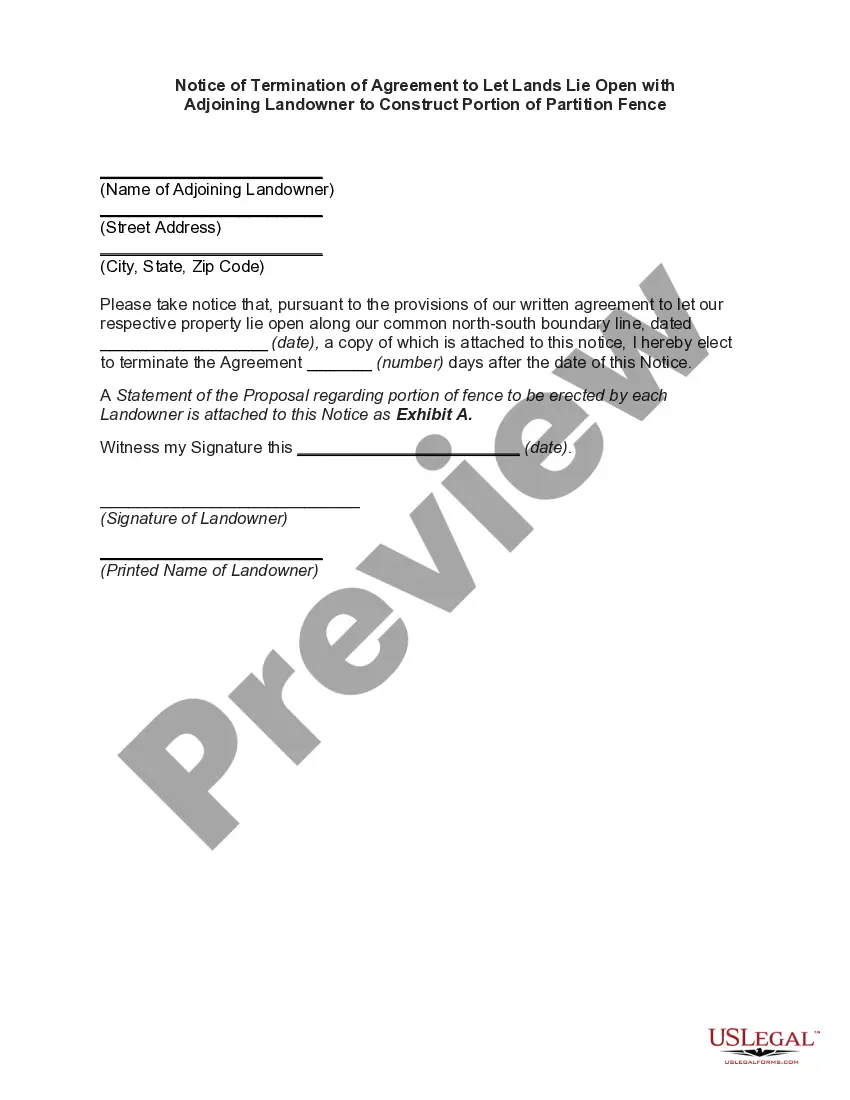
Georgia Notice of Default on Residential Lease
What this document covers
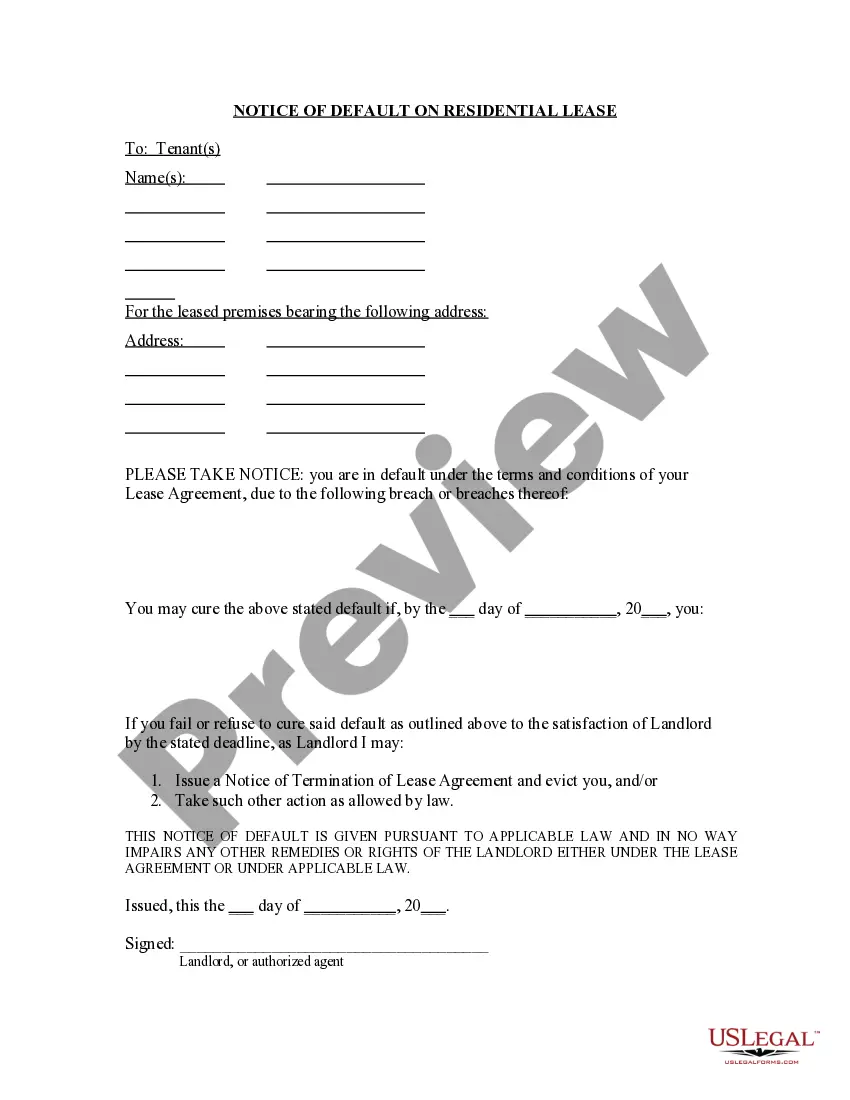
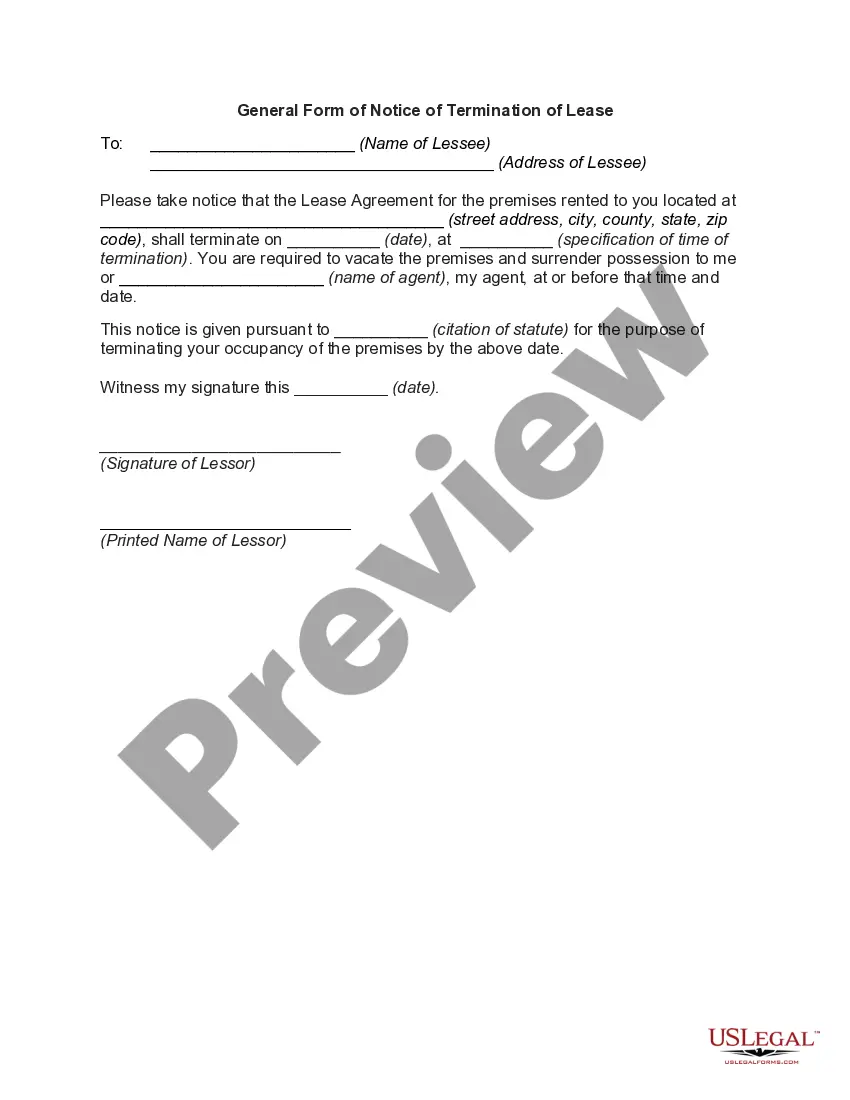
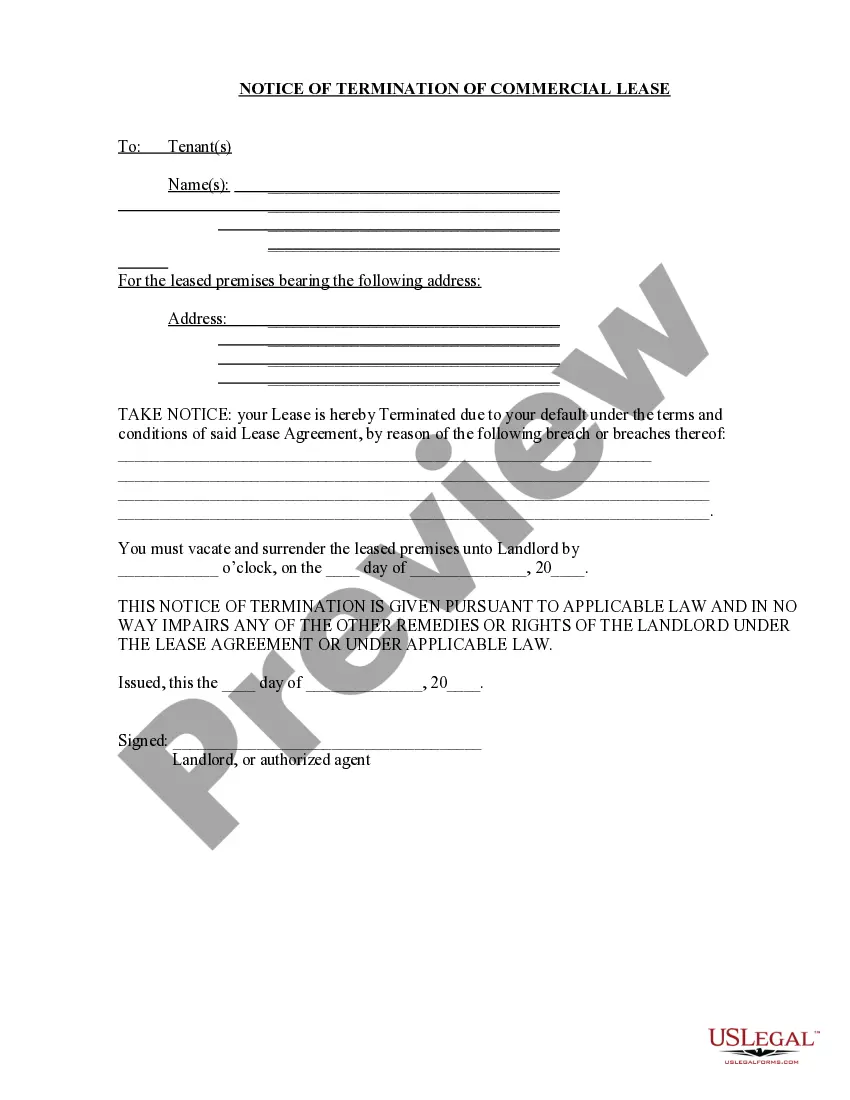
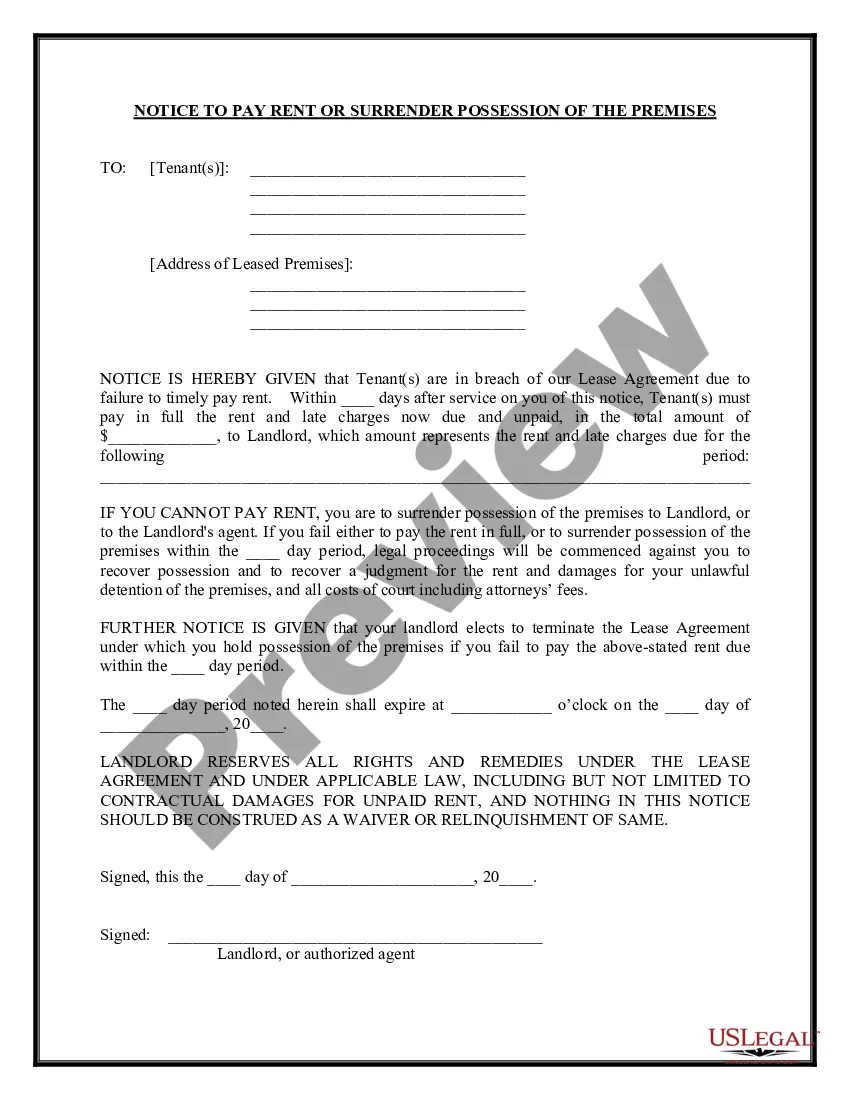
The Notice of Default on Residential Lease is a formal document used by landlords to inform tenants of a failure to comply with their lease agreement, typically regarding unpaid rent. This notice specifies the default reasons and provides a deadline by which the tenant must rectify the situation. It is a critical step in the eviction process, ensuring that landlords follow legal protocols before taking further action, such as issuing a Notice of Termination of Lease Agreement.
Form components explained
- Identification of the landlord and tenant involved
- Details of the lease agreement
- Specific reasons for the default, such as failure to pay rent
- Deadline date for the tenant to cure the default
- Statement of the landlord's rights and potential further actions
- Signature of the landlord or authorized agent


Common use cases
This form should be used when a tenant has failed to fulfill their obligations under a residential lease, primarily in relation to non-payment of rent. It serves as a prerequisite for landlords before initiating eviction proceedings, ensuring that the tenant is formally notified of the default and given an opportunity to correct it.
Who should use this form
- Landlords who need to notify tenants about a rent default
- Property management companies managing rental properties
- Real estate professionals assisting landlords with leasing issues
Completing this form step by step
- Identify the parties involved by entering the landlord's and tenant's names.
- Specify the details of the lease, including the property address and lease dates.
- Clearly outline the reasons for the default, such as overdue rent.
- Enter the deadline date for the tenant to remedy the default.
- Sign the form as the landlord or authorized agent.
Does this form need to be notarized?
This form does not typically require notarization unless specified by local law.
Get your form ready online
Our built-in tools help you complete, sign, share, and store your documents in one place.
Make edits, fill in missing information, and update formatting in US Legal Forms—just like you would in MS Word.
Download a copy, print it, send it by email, or mail it via USPS—whatever works best for your next step.
Sign and collect signatures with our SignNow integration. Send to multiple recipients, set reminders, and more. Go Premium to unlock E-Sign.
If this form requires notarization, complete it online through a secure video call—no need to meet a notary in person or wait for an appointment.
We protect your documents and personal data by following strict security and privacy standards.

Make edits, fill in missing information, and update formatting in US Legal Forms—just like you would in MS Word.

Download a copy, print it, send it by email, or mail it via USPS—whatever works best for your next step.

Sign and collect signatures with our SignNow integration. Send to multiple recipients, set reminders, and more. Go Premium to unlock E-Sign.

If this form requires notarization, complete it online through a secure video call—no need to meet a notary in person or wait for an appointment.

We protect your documents and personal data by following strict security and privacy standards.
Common mistakes
- Failing to specify clear reasons for the default.
- Not providing a reasonable deadline for the tenant to cure the default.
- Omitting signatures or dates, which can invalidate the notice.
Why use this form online
- Convenient access to a legally vetted template.
- Easy to customize and fill out according to specific situations.
- Quick download allows for immediate use in compliance with legal requirements.
Key takeaways
- The Notice of Default is a formal warning for tenants who fail to pay rent.
- Landlords must provide this notice before proceeding with eviction.
- Understanding state-specific laws is essential for proper use of this document.
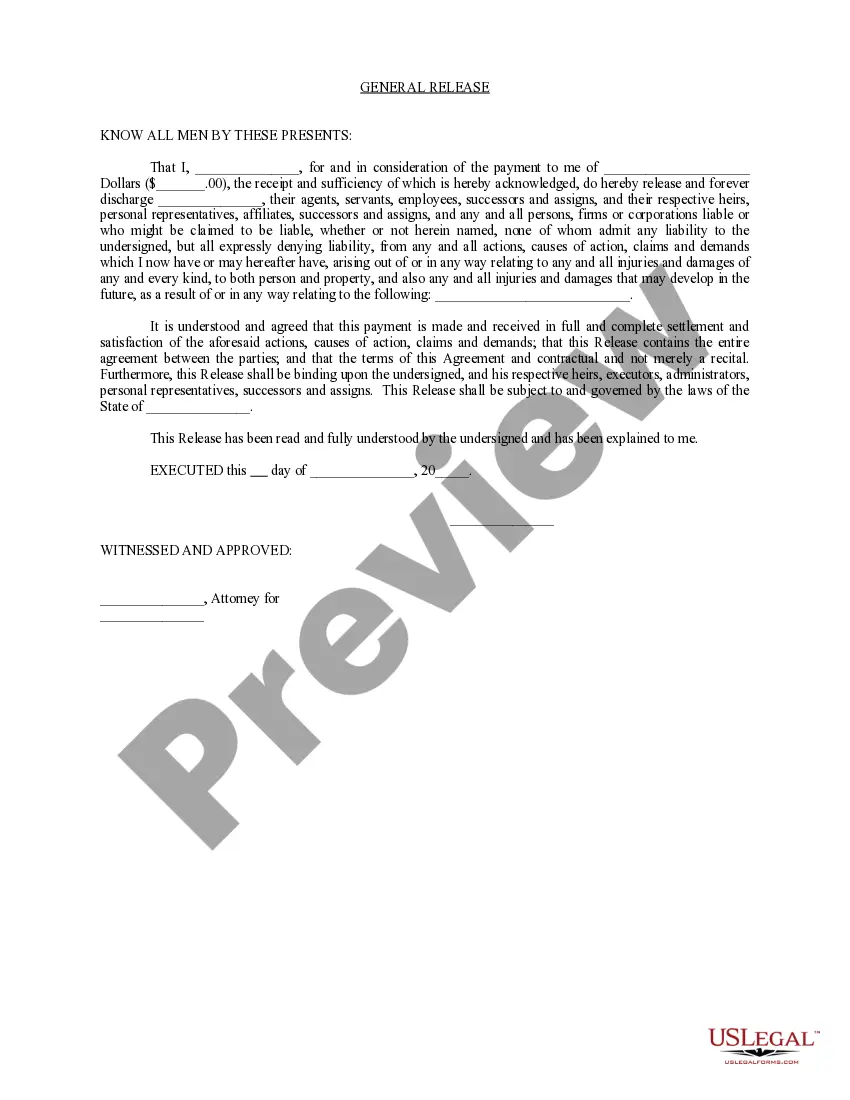
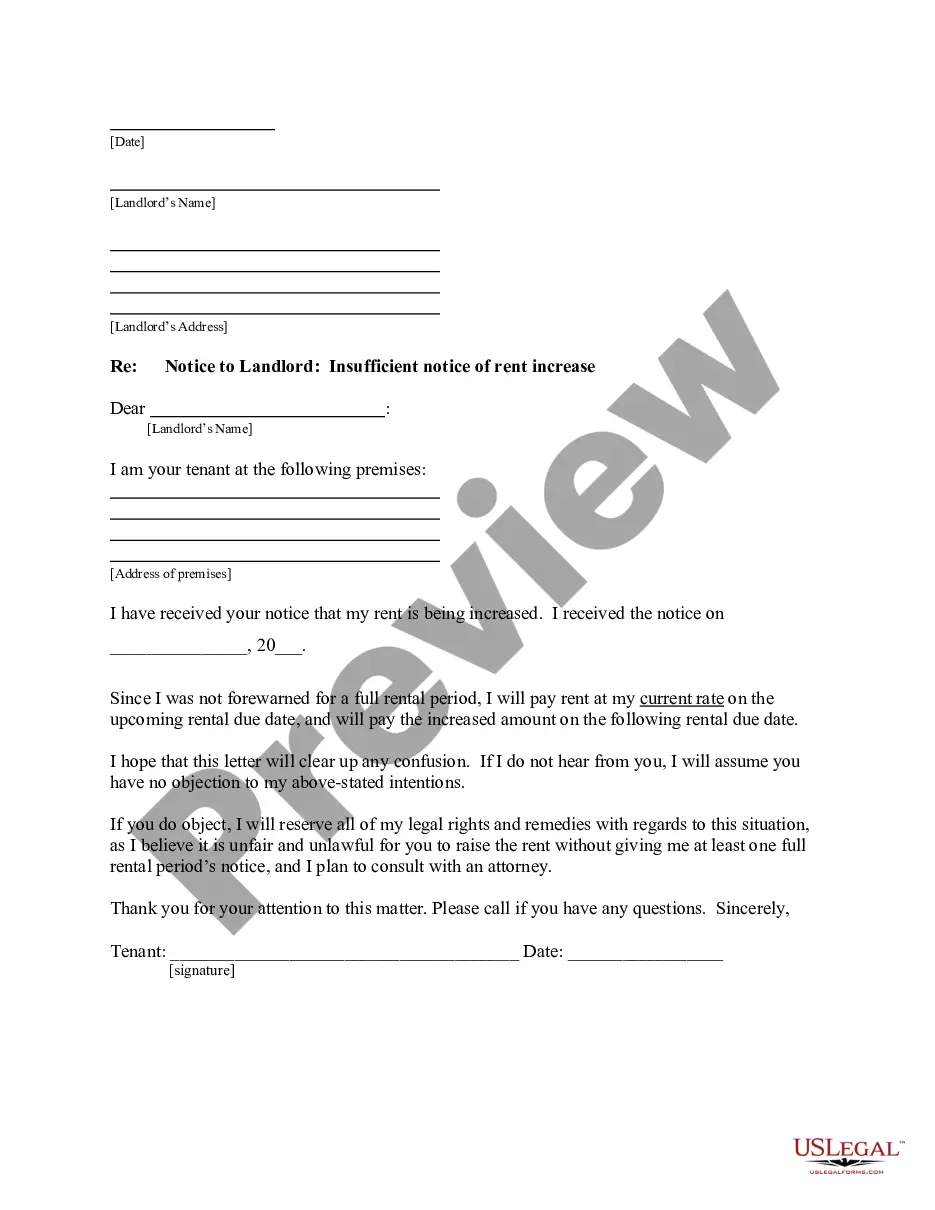
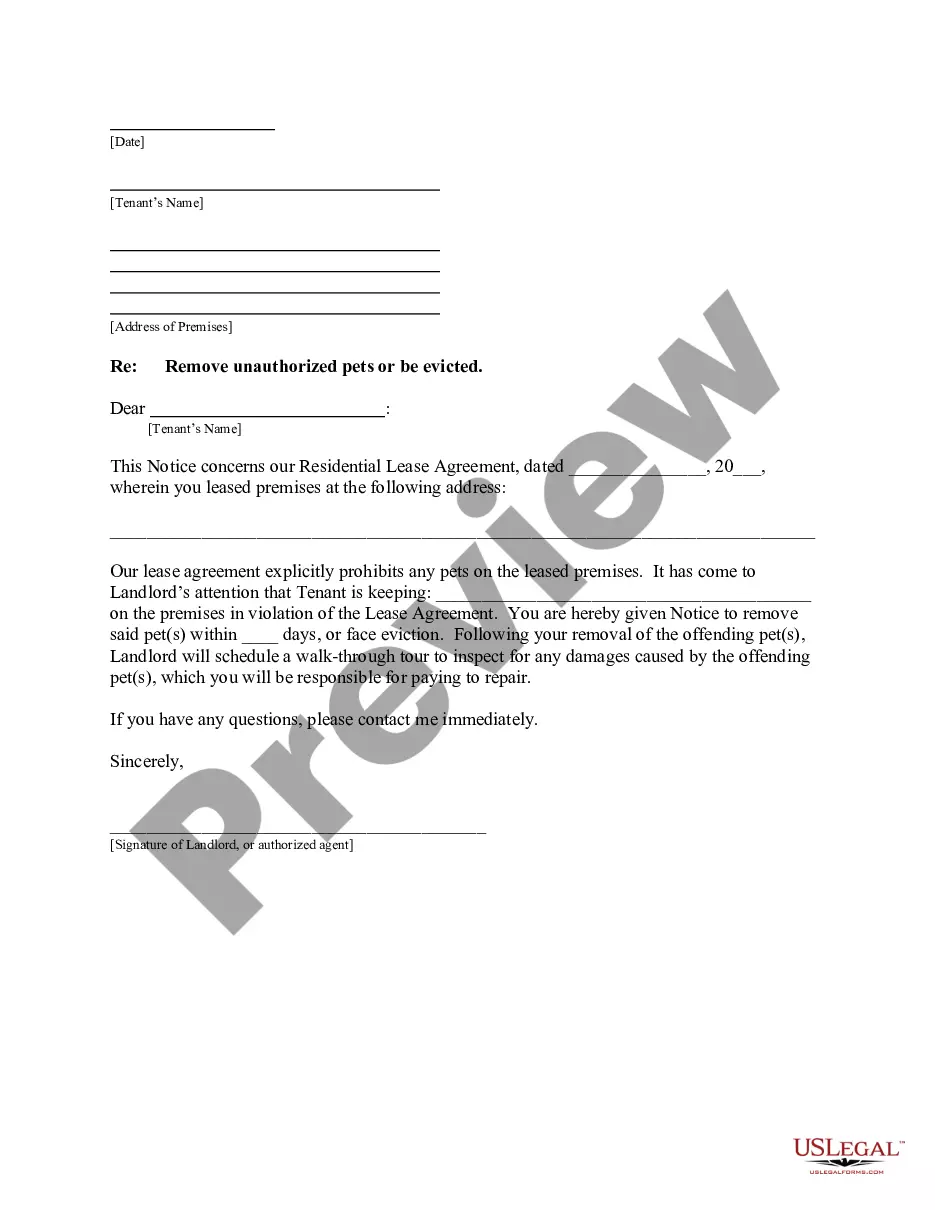
Looking for another form?
Form popularity
FAQ
Failing to provide the required 60-day notice can result in penalties and financial consequences. Your landlord may retain your security deposit or seek additional payments based on your lease terms. A Georgia Notice of Default on Residential Lease can help you formally communicate your intentions and minimize potential issues. Therefore, make sure to adhere to notice requirements as specified in your lease.
In Georgia, once you sign a lease, your ability to cancel may vary based on the lease terms. Generally, there is no standard grace period allowing cancellation, but it is crucial to consult your lease agreement. If you're unsure, consider using a Georgia Notice of Default on Residential Lease template available through uslegalforms, which provides clarity on your rights and procedures.
In Georgia, the requirement to provide a 60-day notice primarily depends on your lease agreement. If your lease states that you must give this notice, then you need to comply to avoid penalties. Failing to deliver a proper Georgia Notice of Default on Residential Lease could lead to potential legal issues. Always review your lease terms carefully to ensure you understand your obligations.
Red flags in a lease agreement can include vague terms, excessive fees, or clauses that seem unfavorable to the tenant. It's essential to read the lease thoroughly before signing, looking out for any terms that can lead to a Georgia Notice of Default on Residential Lease. If anything seems off, consider seeking legal advice or using platforms like USLegalForms to clarify these concerns.
Recent housing laws in Georgia aimed to improve tenant protections include regulations regarding eviction processes and lease agreements. One key change is that landlords must follow specific legal procedures before evicting a tenant. Staying informed about these developments, especially in relation to a Georgia Notice of Default on Residential Lease, can empower you as a renter.
The default clause on a lease spells out what happens if one party fails to uphold their responsibilities. Common actions may include eviction, cessation of services, or legal disputes. Knowing your rights under the default clause is vital, particularly when dealing with issues related to a Georgia Notice of Default on Residential Lease.
In Georgia, a landlord must provide at least 60 days' notice before terminating a year-long lease. For month-to-month tenants, a shorter notice of 30 days is standard. Familiarizing yourself with these regulations is important, especially if you are involved in a situation where a Georgia Notice of Default on Residential Lease is issued.
You may default on a lease by failing to meet the terms outlined in the lease agreement, such as not paying rent on time or violating lease conditions. Understand that defaulting can lead to serious consequences, including eviction proceedings initiated by your landlord. If you find yourself in this situation, using resources from USLegalForms can help you navigate the implications of a Georgia Notice of Default on Residential Lease.
Yes, it is crucial to respond to any lease violation notice you receive. Ignoring it may escalate the issue and could lead to further legal complications or penalties. By responding promptly, you demonstrate your willingness to resolve the matter amicably, which can also help avoid a formal Georgia Notice of Default on Residential Lease.
If a tenant gives notice of their intention to vacate, respond in writing to acknowledge their notice. Clarify any procedures for the return of the security deposit or final inspections. This clear communication ensures both parties understand their rights and obligations, especially regarding any potential Georgia Notice of Default on Residential Lease circumstances.