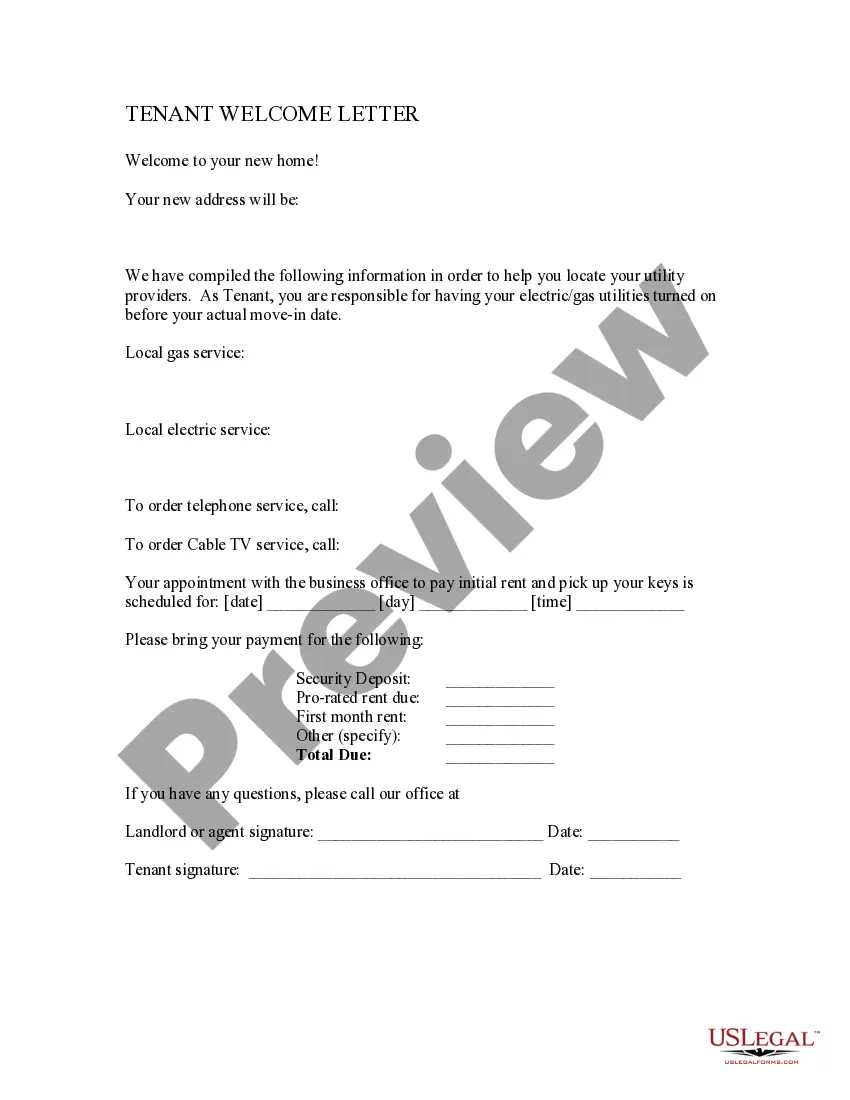
District of Columbia Tenant Welcome Letter
Overview of this form
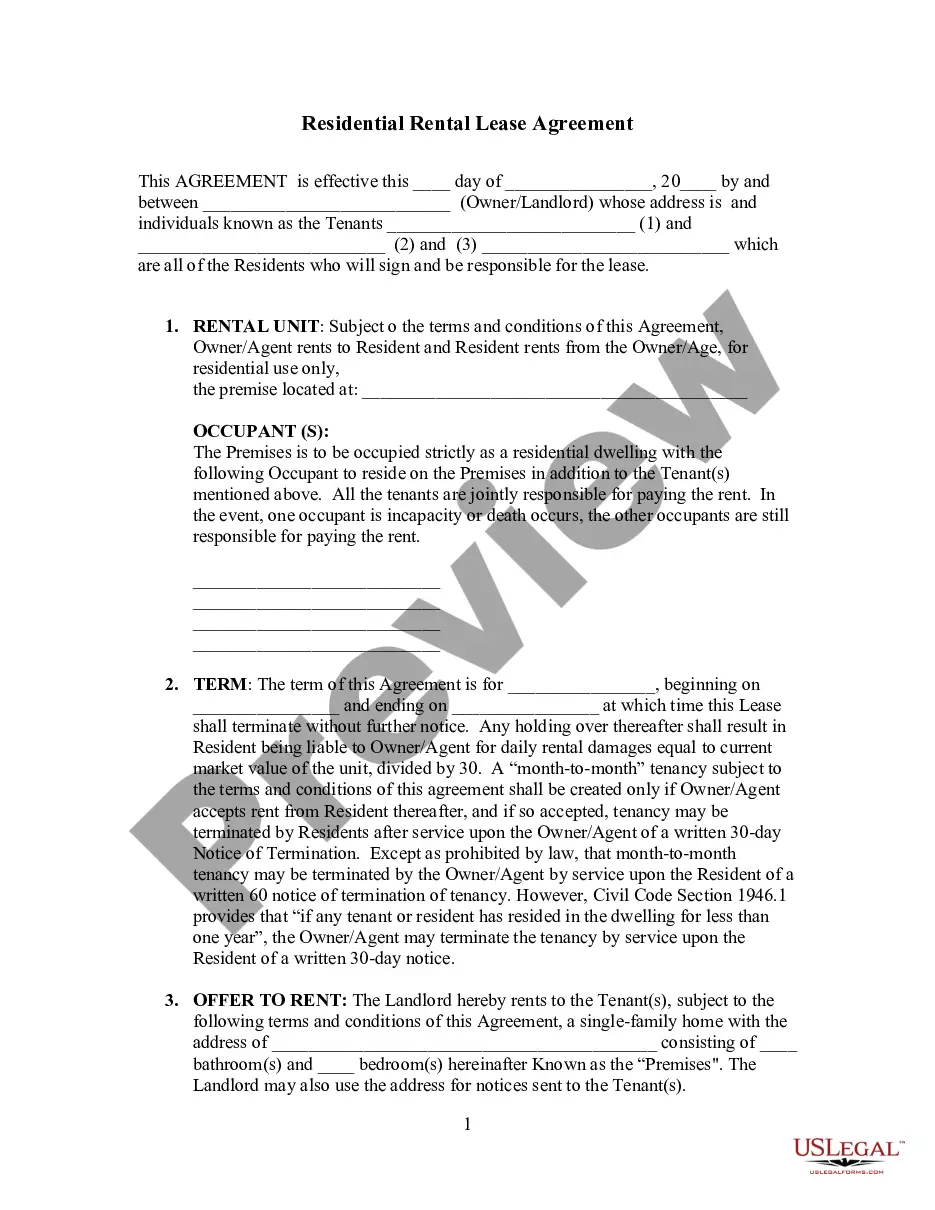
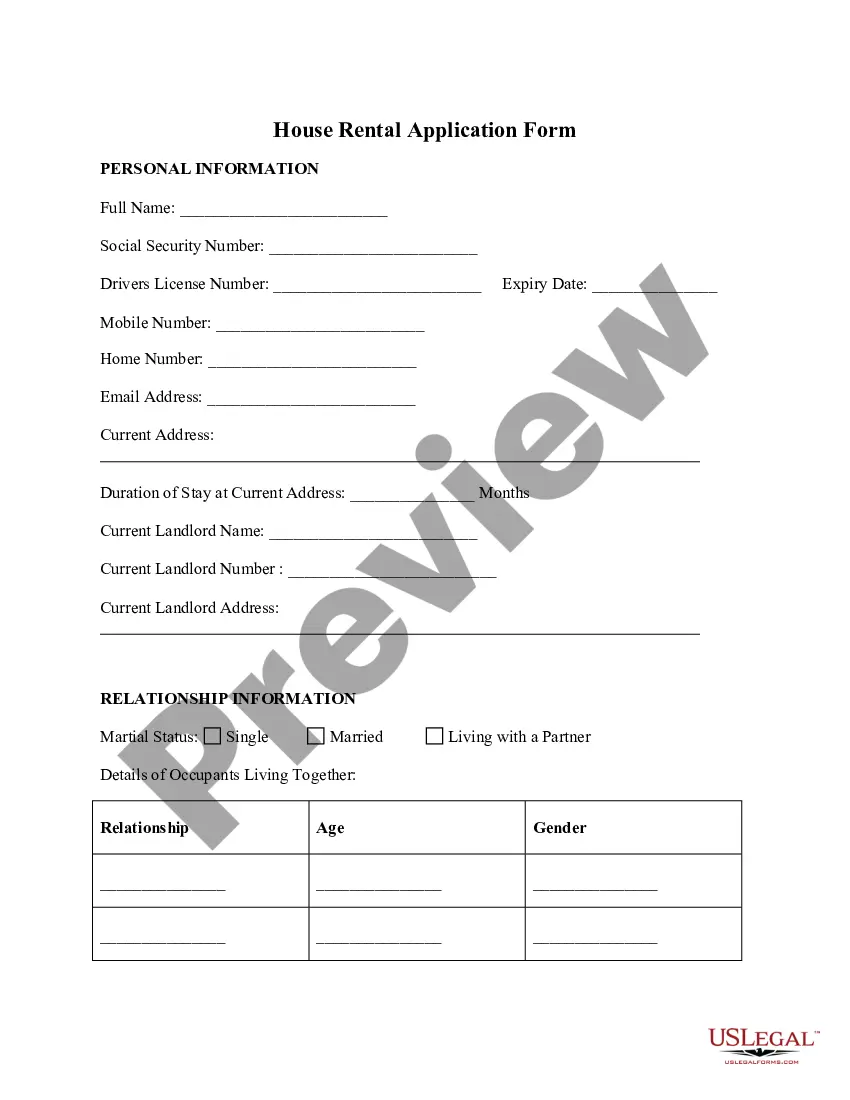
The tenant welcome letter is a document that provides essential information to new tenants moving into a rental property. This letter includes contact details for utilities and reminders related to the lease agreement, ensuring a smooth transition for tenants. Unlike other rental documents, the tenant welcome letter focuses specifically on welcoming the tenant and outlining necessary payment details and contacts.
What’s included in this form
- Space for security deposit amount due
- Pro-rated rent due for the initial month
- First month's rent payment details
- Section for additional payments if applicable
- Total payment due section for clarity
When this form is needed
The tenant welcome letter should be used when new tenants are moving into a rental property. It is ideal for landlords seeking to establish communication with their tenants, inform them about their payment responsibilities, and provide necessary utility contact information. This form can help facilitate a positive landlord-tenant relationship from the very beginning of the lease period.
Who this form is for
This form is suitable for:
- Landlords or property managers who are welcoming new tenants
- Real estate agents managing rental properties
- Property owners renting out individual units
Instructions for completing this form
- Identify the total payment amounts for the security deposit, pro-rated rent, and first month's rent.
- Fill in the appropriate amounts in the provided spaces on the letter.
- Include any additional payments that may be required under the lease agreement.
- Ensure that all amounts add up correctly for the total due.
- Provide any necessary contact information for utilities within the letter.
Does this form need to be notarized?
In most cases, this form does not require notarization. However, some jurisdictions or signing circumstances might. US Legal Forms offers online notarization powered by Notarize, accessible 24/7 for a quick, remote process.
Get your form ready online
Our built-in tools help you complete, sign, share, and store your documents in one place.
Make edits, fill in missing information, and update formatting in US Legal Forms—just like you would in MS Word.
Download a copy, print it, send it by email, or mail it via USPS—whatever works best for your next step.
Sign and collect signatures with our SignNow integration. Send to multiple recipients, set reminders, and more. Go Premium to unlock E-Sign.
If this form requires notarization, complete it online through a secure video call—no need to meet a notary in person or wait for an appointment.
We protect your documents and personal data by following strict security and privacy standards.

Make edits, fill in missing information, and update formatting in US Legal Forms—just like you would in MS Word.

Download a copy, print it, send it by email, or mail it via USPS—whatever works best for your next step.

Sign and collect signatures with our SignNow integration. Send to multiple recipients, set reminders, and more. Go Premium to unlock E-Sign.

If this form requires notarization, complete it online through a secure video call—no need to meet a notary in person or wait for an appointment.

We protect your documents and personal data by following strict security and privacy standards.
Avoid these common issues
- Failing to include all payment details accurately.
- Not providing complete utility contact information.
- Neglecting to update the form for specific state requirements.
Why complete this form online
- Easy to download and print for immediate use.
- Editable fields allow for quick customization.
- Reliability in using a form drafted by licensed attorneys.
Looking for another form?
Form popularity
FAQ
When addressing a tenant in a letter, it is polite to use their preferred name and title. Begin with a warm greeting such as 'Dear Tenant's Name'. If you are unsure of the tenant's title, a simple 'Dear First Name' is often appropriate. Tailoring your communication demonstrates respect and helps build a positive landlord-tenant relationship, making the District of Columbia Tenant Welcome Letter more personal and engaging.
A District of Columbia Tenant Welcome Letter is a document designed to greet new tenants and provide essential information about their new home. This letter typically includes details such as move-in procedures, utilities, building rules, and contact information for the landlord or property manager. By sending a welcome letter, you ensure that tenants feel informed and at ease as they transition into their new living space. It's an excellent way to establish clear communication from the start.
If you experience issues with your landlord in Washington, DC, it's important to know how to report them effectively. You can start by documenting any problems, such as maintenance issues or lease violations. Once you're ready, you can file a complaint with the Department of Consumer and Regulatory Affairs (DCRA) or consult the District of Columbia Tenant Welcome Letter for further guidance on tenant rights and reporting procedures. Utilizing resources like US Legal Forms can also help you navigate this process more easily.
A welcome letter from an apartment serves as a formal introduction and provides important information to new tenants. This document typically outlines key details such as lease terms, community rules, and contact information for property management. By receiving a District of Columbia Tenant Welcome Letter, you can better understand your rights and obligations as a tenant, helping you settle in comfortably and efficiently.
Obtaining a landlord letter is a straightforward process. You can request this letter from your current landlord, who can provide you with details regarding your rental history and responsibilities. Alternatively, you can use resources like USLegalForms to create a District of Columbia Tenant Welcome Letter that suits your needs. This platform helps simplify the process so you can focus on settling into your new home.
A tenant welcome letter is an essential document that communicates important information to new tenants. This letter typically includes details about the rental property, such as utility setup, maintenance procedures, and neighborhood guidelines. For peace of mind, the District of Columbia Tenant Welcome Letter helps establish a positive relationship between landlords and tenants. It sets the stage for a respectful and smooth transition into the new living environment.
When writing a welcome letter to a tenant, focus on being clear and inviting. Start with a warm greeting, introduce yourself, and outline key information about the rental property. Summarize any rules and provide essential contact information, crafting a comprehensive District of Columbia Tenant Welcome Letter to set the tone for a positive rental experience.
An example of a tenant's welcome letter might start with a personal greeting, followed by an overview of the property's key features and rules. Include important contact details and express openness to questions or concerns. This template can be adapted into a District of Columbia Tenant Welcome Letter to ensure it meets local requirements and covers all necessary information.
To write a welcome note to a new tenant, begin by greeting them warmly and expressing your excitement about their new home. Include essential details, such as your contact information and any property rules or amenities. This friendly communication can be formalized into a District of Columbia Tenant Welcome Letter for clarity and professionalism.
Introducing yourself as a new landlord can be a simple yet effective process. Start by reaching out to your tenants with a friendly communication, which may include a District of Columbia Tenant Welcome Letter. This letter should outline your expectations, share your contact information, and express your commitment to maintaining a positive landlord-tenant relationship.