Texas Sworn Statement Supporting Claim Against Estate
About this form
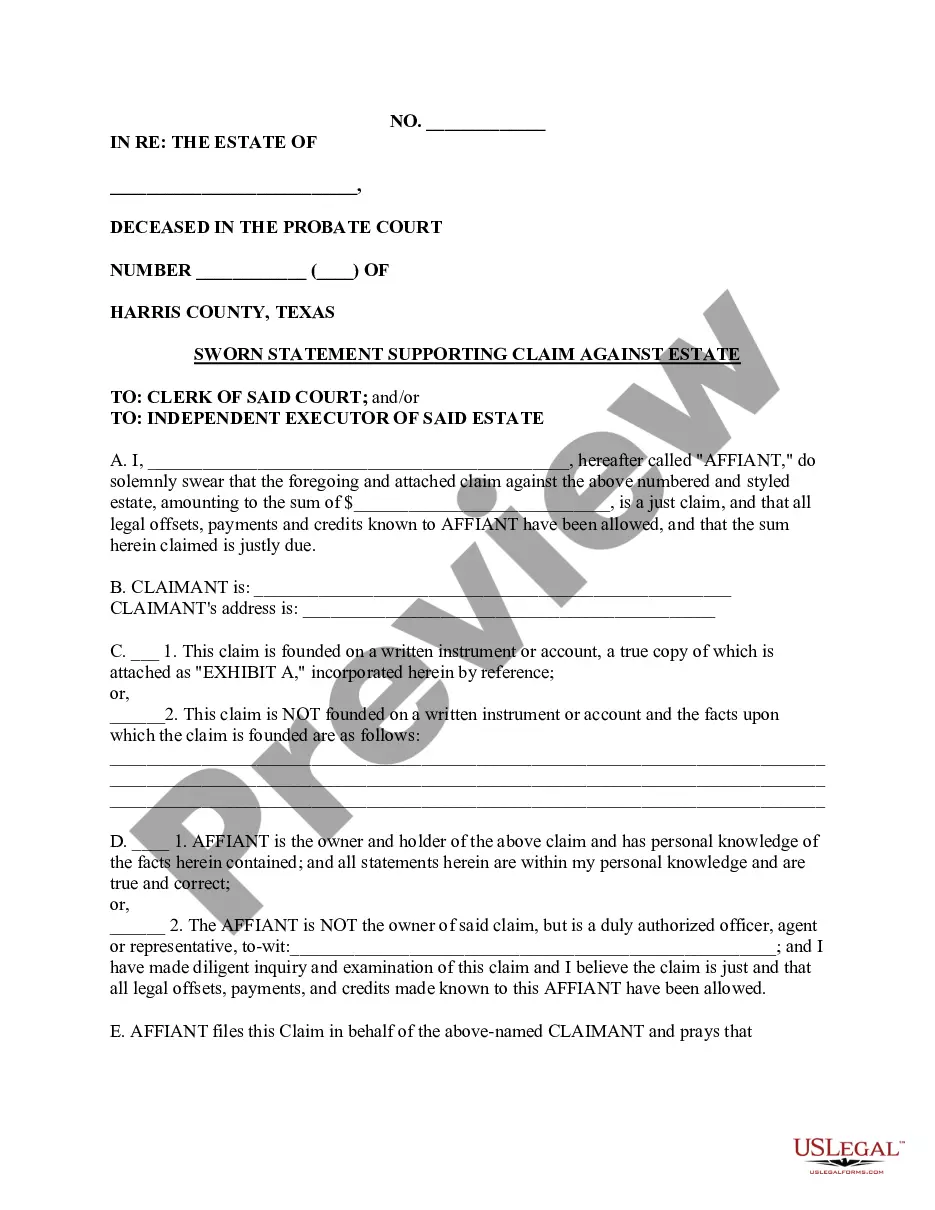
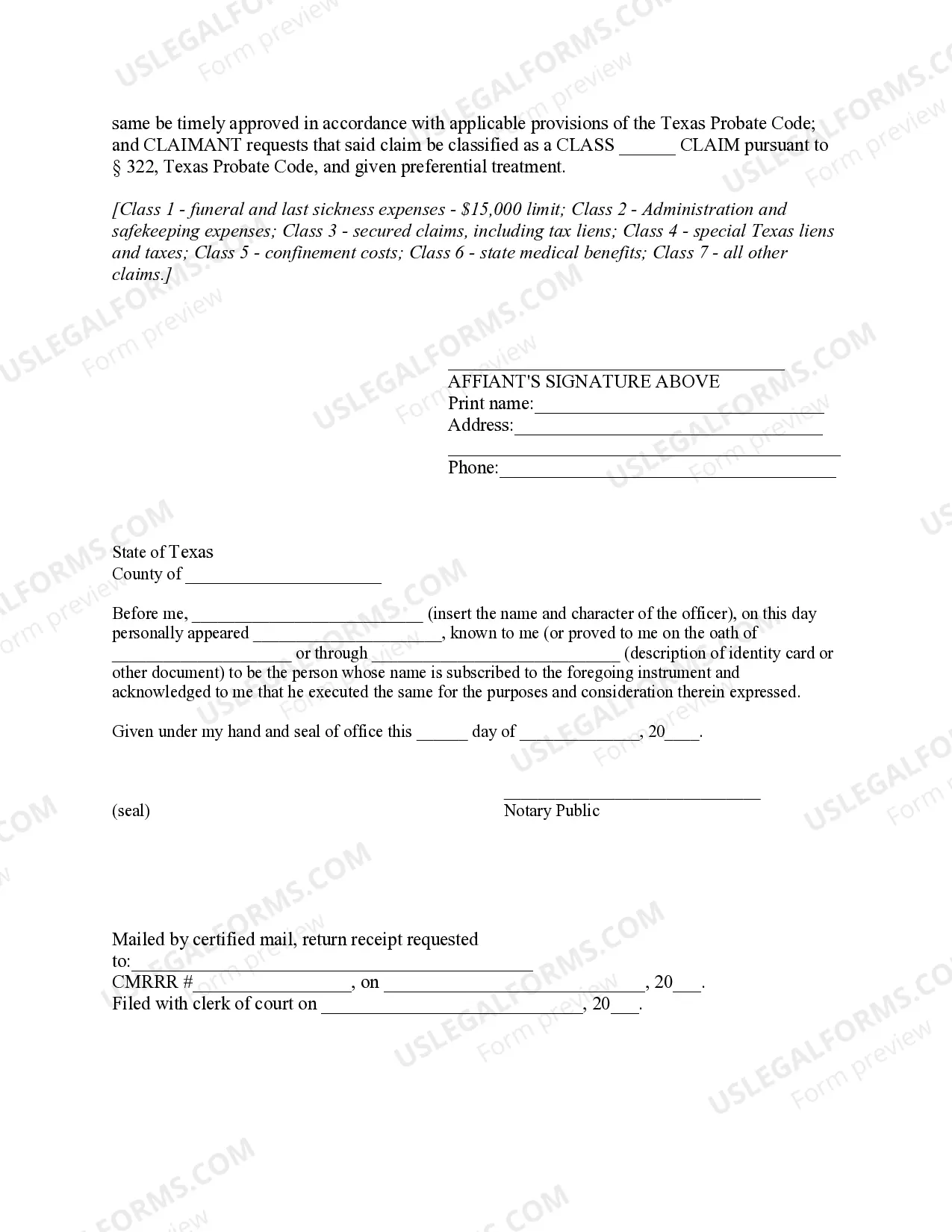
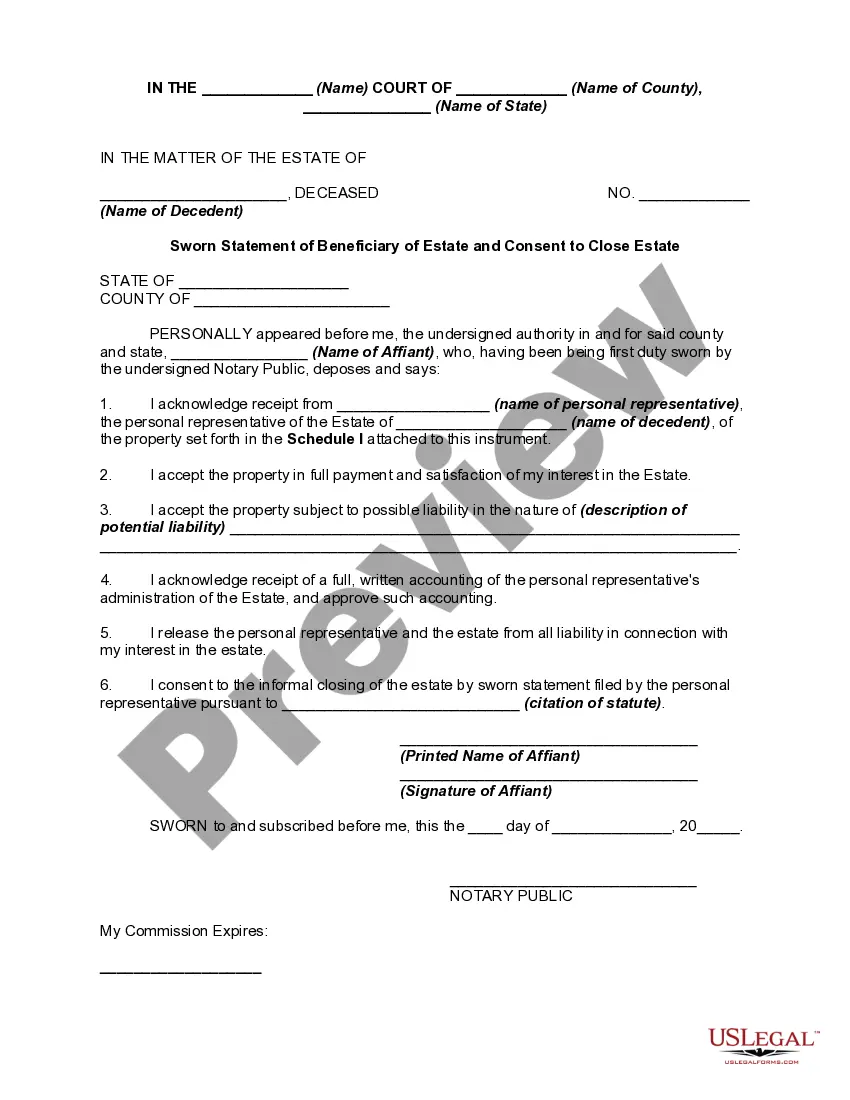
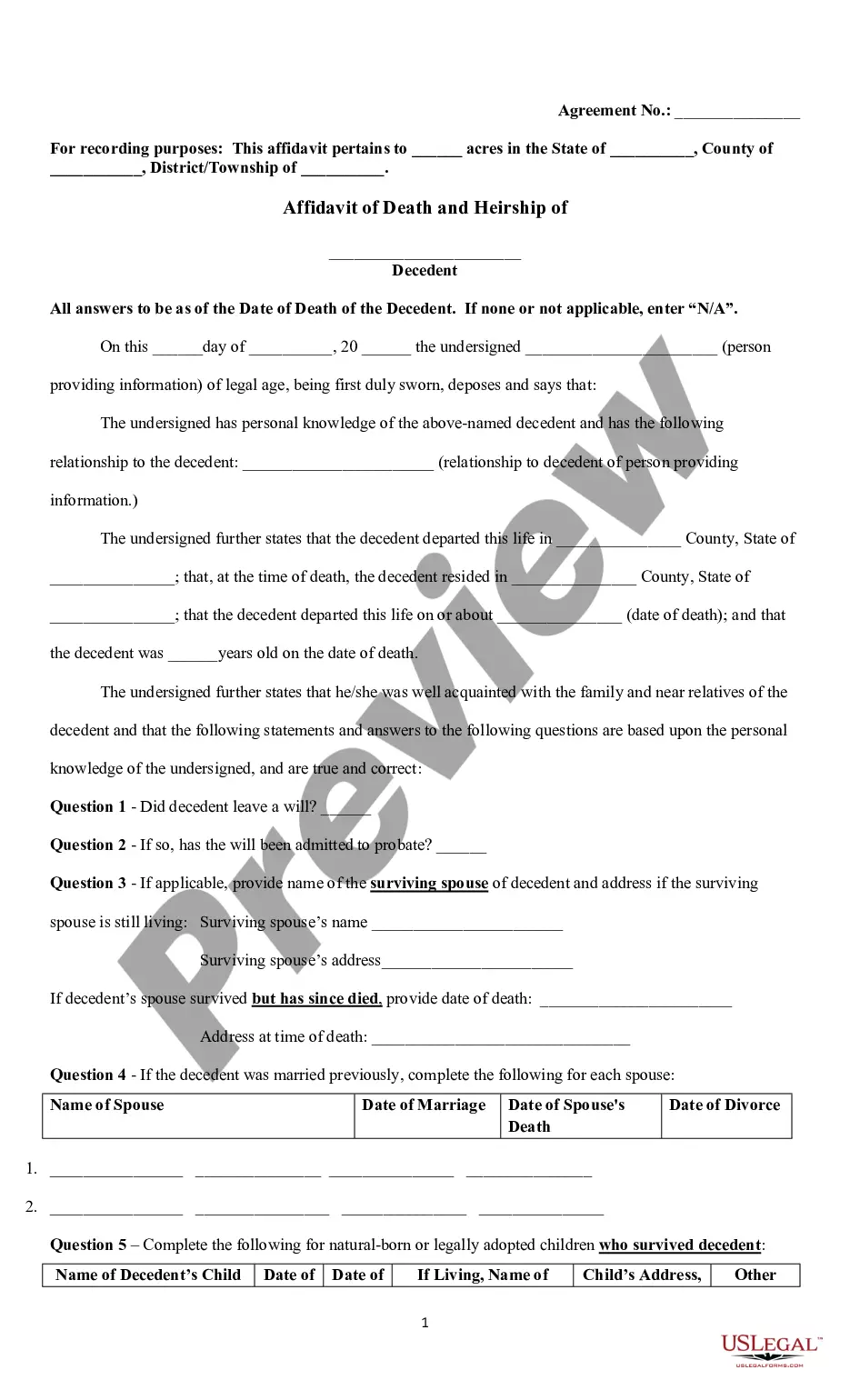
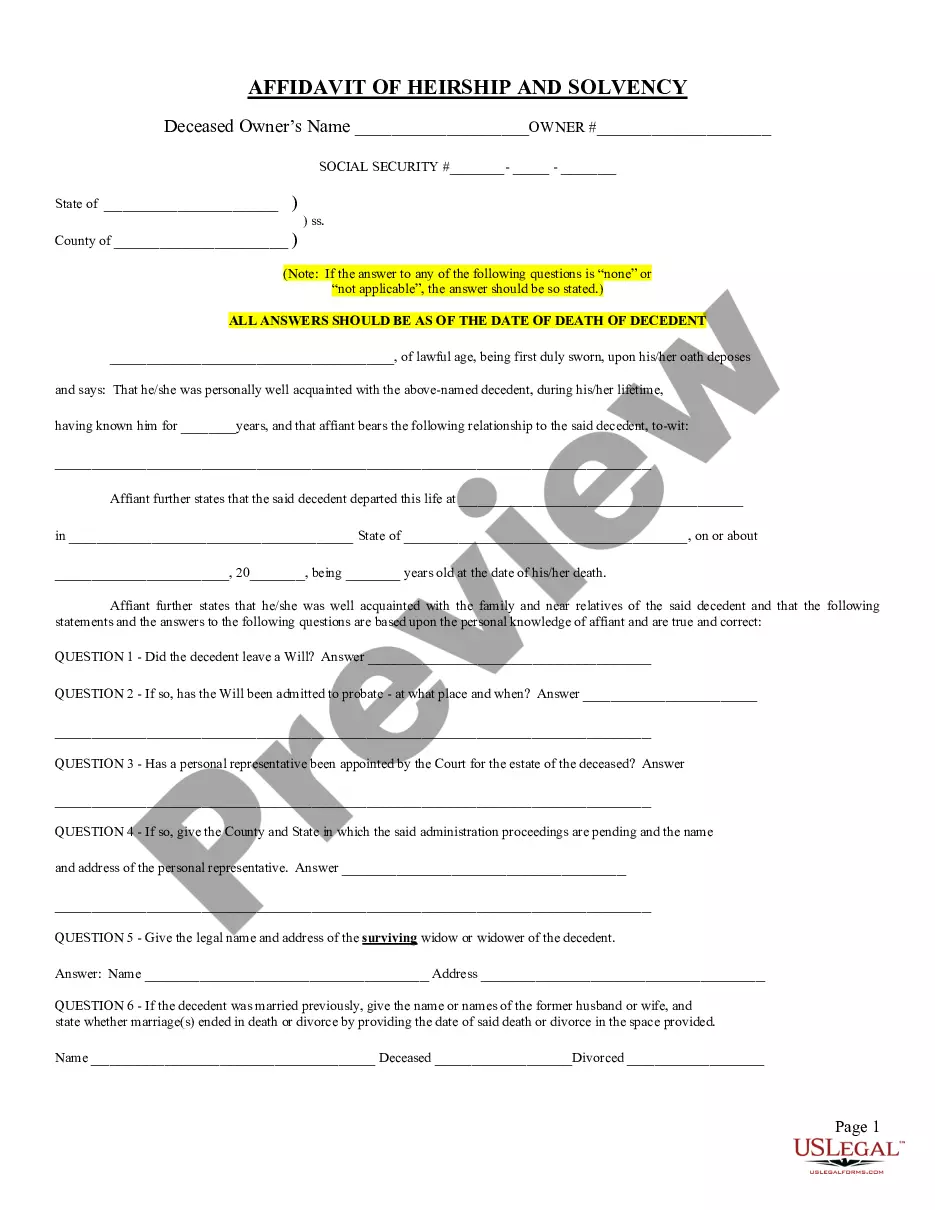
The Sworn Statement Supporting Claim Against Estate is a legal document used during the probate process to assert a claim against a deceased person's estate. This form helps creditors formally present their financial claims to the personal representative of the estate before it is closed. Unlike other probate forms, this document specifically requires a sworn statement, affirming the validity of the claim and its associated details.
Main sections of this form
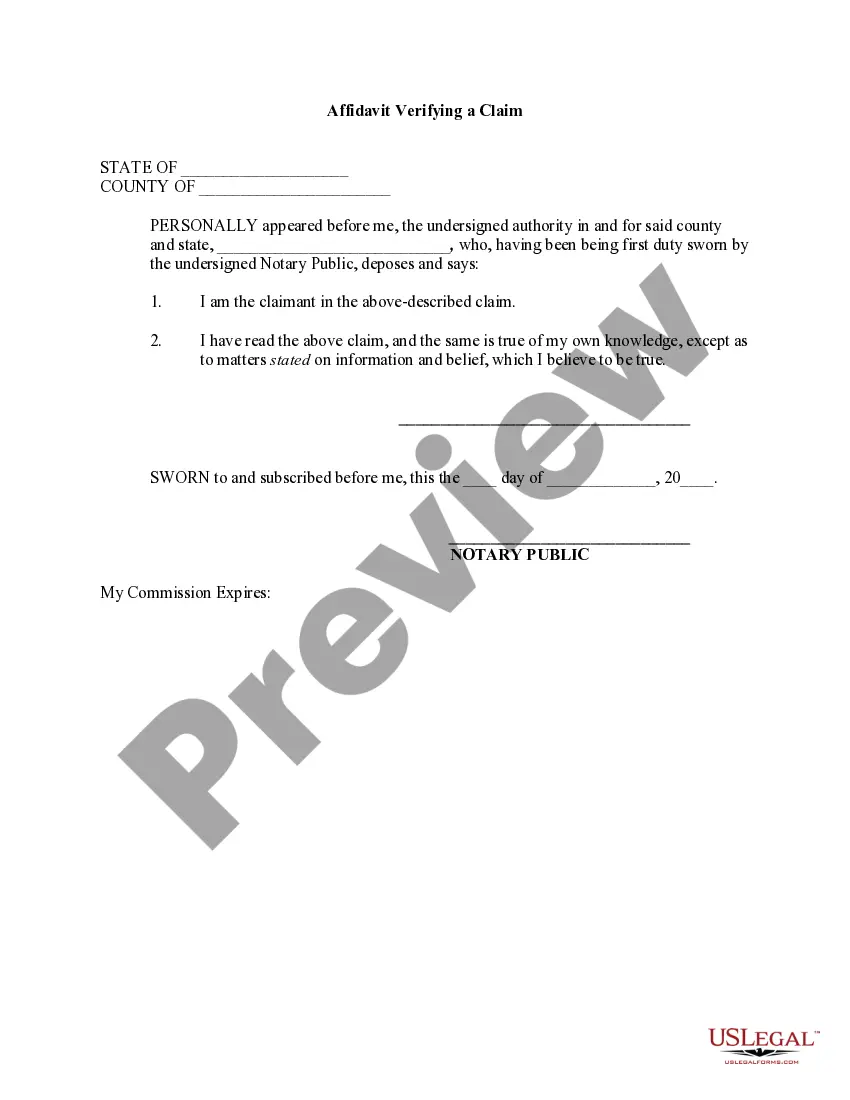
- Affiant's details and sworn statement regarding the claim.
- Claimant's information and the basis for the claim.
- Classification of the claim according to Texas Probate Code.
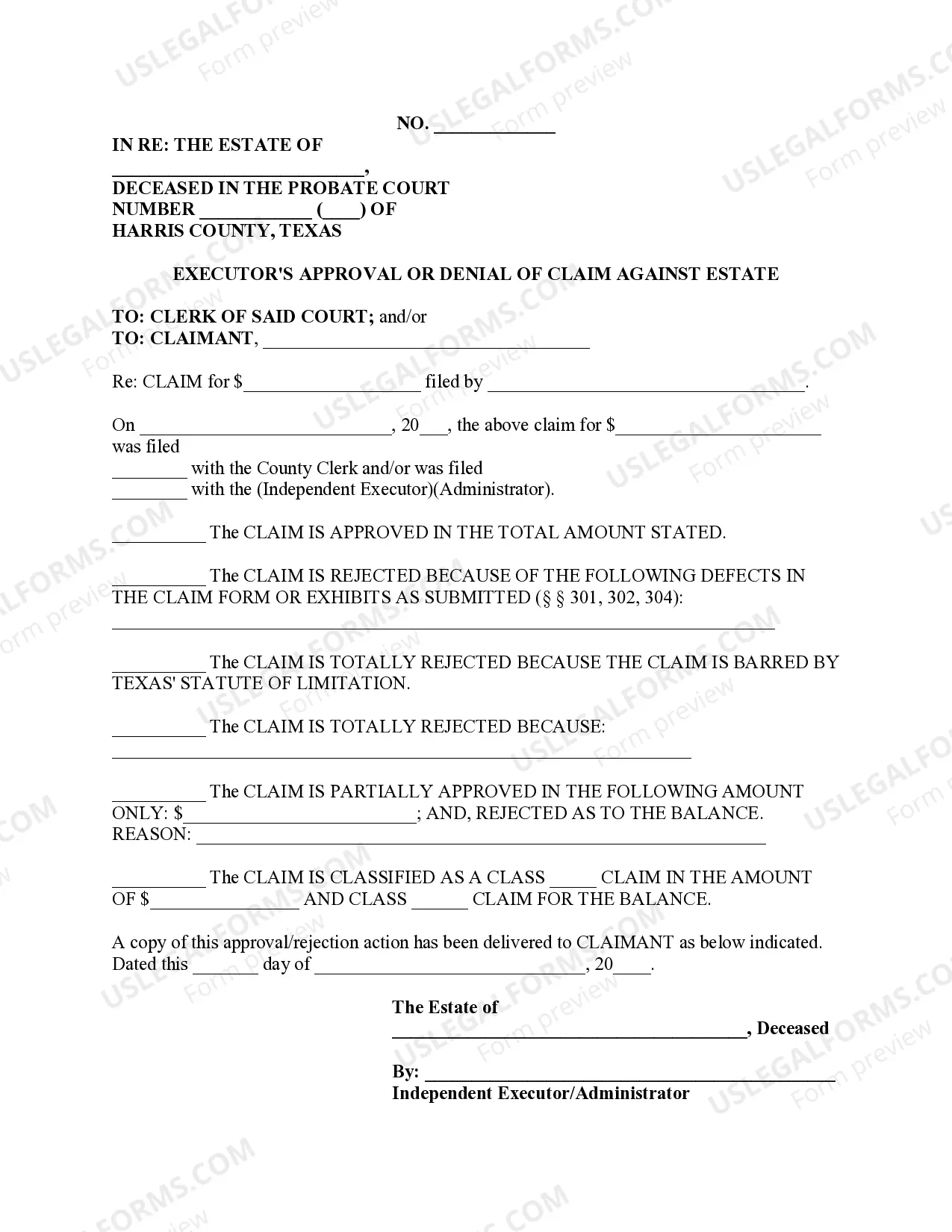
- Executor's approval or denial section with reasons specified.
- Notary public section for verification of signatures.
Situations where this form applies
This form should be used when a creditor wishes to file a claim against an estate during probate proceedings. It is particularly relevant if the claim is for an unsecured debt, such as a credit card or medical bill, that needs to be submitted within four months of receiving notice of the probate proceedings. Timely submission is crucial, as failing to do so may bar the claim under Texas law.
Who needs this form
- Creditors who believe they are owed money by the deceased.
- Executors of the estate seeking to manage claims appropriately.
- Individuals or businesses with claims against the estate that require formal presentation.
Instructions for completing this form
- Enter the deceased's name and details of the estate in the designated sections.
- Complete the affiant's details and provide the sworn statement.
- Specify the amount of the claim and whether it is based on a written document or account.
- Indicate the classification of the claim as outlined in the Texas Probate Code.
- Have the form notarized, if required, to ensure its legal validity.
Notarization requirements for this form
Notarization is required for this form to take effect. Our online notarization service, powered by Notarize, lets you verify and sign documents remotely through an encrypted video session, available 24/7.
Get your form ready online
Our built-in tools help you complete, sign, share, and store your documents in one place.
Make edits, fill in missing information, and update formatting in US Legal Forms—just like you would in MS Word.
Download a copy, print it, send it by email, or mail it via USPS—whatever works best for your next step.
Sign and collect signatures with our SignNow integration. Send to multiple recipients, set reminders, and more. Go Premium to unlock E-Sign.
If this form requires notarization, complete it online through a secure video call—no need to meet a notary in person or wait for an appointment.
We protect your documents and personal data by following strict security and privacy standards.

Make edits, fill in missing information, and update formatting in US Legal Forms—just like you would in MS Word.

Download a copy, print it, send it by email, or mail it via USPS—whatever works best for your next step.

Sign and collect signatures with our SignNow integration. Send to multiple recipients, set reminders, and more. Go Premium to unlock E-Sign.

If this form requires notarization, complete it online through a secure video call—no need to meet a notary in person or wait for an appointment.

We protect your documents and personal data by following strict security and privacy standards.
Avoid these common issues
- Failing to submit the claim within the required four-month timeframe.
- Not providing supporting documentation for the claim.
- Leaving sections incomplete or failing to sign where required.
- Not notarizing the sworn statement, when applicable.
Why use this form online
- Convenient access to up-to-date legal templates anytime.
- Edit the form to suit specific details related to your case.
- Streamlined process, allowing for easier submissions to the court.
- Peace of mind with forms drafted by licensed attorneys.
Legal use & context
- This form serves as a formal claim to establish a creditor's right to payment from an estate.
- It is crucial to adhere to Texas Probate Code to ensure enforceability of the claim.
- Failure to file the claim within the statutory timeline may result in the claim being barred.
Main things to remember
- The Sworn Statement Supporting Claim Against Estate is essential for creditors seeking payment from a deceased person's estate.
- Proper completion and timely submission of the form are critical to protect your claim rights.
- Notarization is required to validate the sworn statement and ensure legal compliance.
Looking for another form?
Form popularity
FAQ
The Texas Sworn Statement Supporting Claim Against Estate is a probate document used to formally assert a debt against a deceased person’s estate and present the claim to the personal representative before the estate closes. It must be sworn by the claimant, and claims must generally be filed within four months of notice.
Creditors have four months from when they receive notice of the probate to file a claim against the estate. This form provides a sworn statement of the claim, the claimant’s information and basis for the claim, and a classification for the executor to review under the Texas Probate Code.
Avoid missing the filing deadline and submitting a claim without the sworn statement and required claimant information. This form requires the affiant’s sworn statement, the claim’s basis, and proper classification with a notary verification for the claim to be considered.
This form includes an executor's approval or denial section with reasons specified, allowing the personal representative to review the claim and state whether it is allowed or disputed. This is a core function when using the Texas Sworn Statement Supporting Claim Against Estate.
The form does not indicate a six‑month waiting period. The key timeline is filing the claim within four months of notice, after which the claim may be barred in Texas probate proceedings.
This form requires a sworn statement by the affiant, includes a notary public verification, classifies the claim under the Texas Probate Code, and provides an executor-approved or -denied section with stated reasons, distinguishing it from non-sworn or differently structured claims.