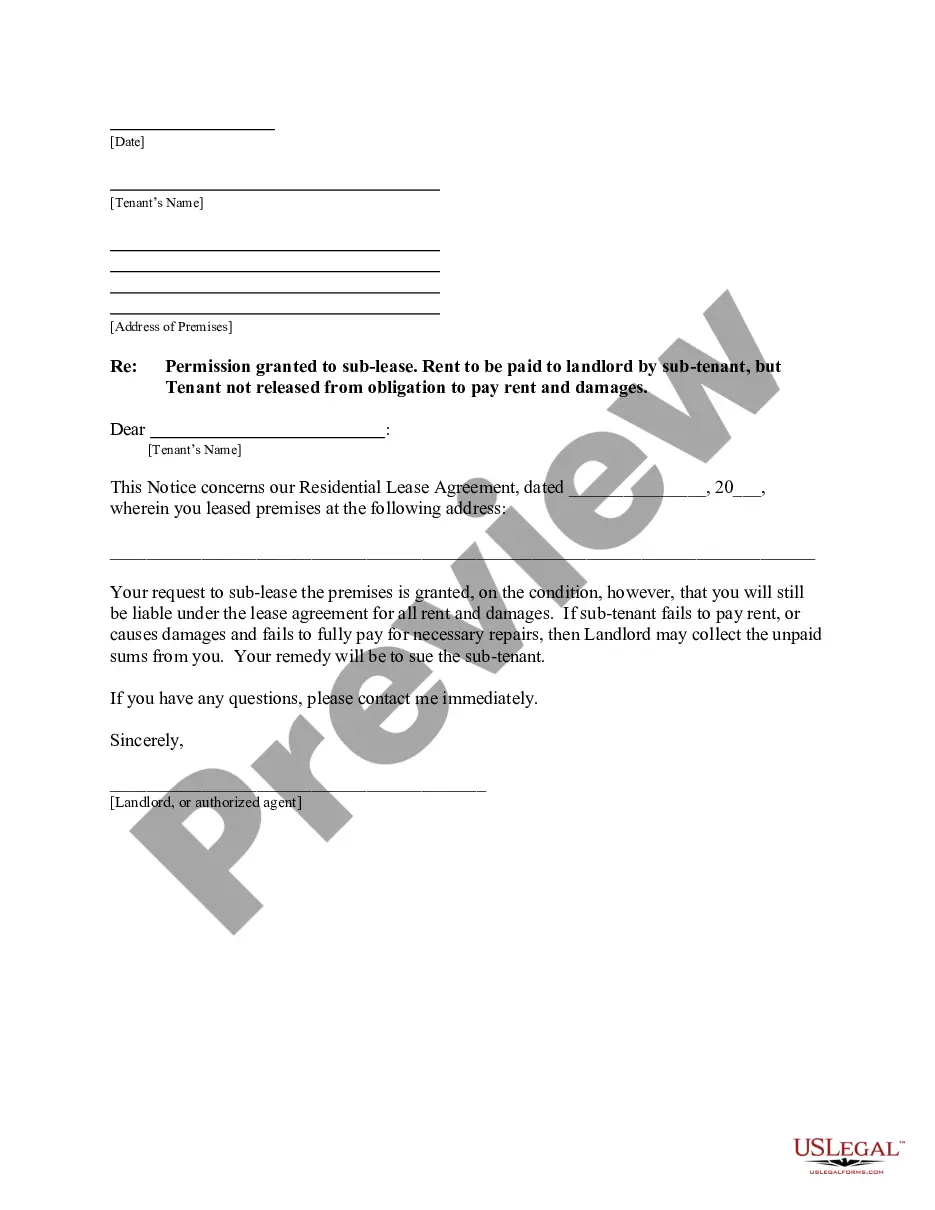
Connecticut Quitclaim Deed for Individual to Three Individuals
Overview of this form
A Quitclaim Deed for an individual transferring property to three grantees holding title as joint tenants is used to convey ownership without guaranteeing clear title. Unlike warranty deeds, which provide certain guarantees about the title, quitclaim deeds simply transfer whatever interest the grantor may have in the property, making them a popular choice in informal transfers among family or friends.
Key parts of this document
- Identification of the grantor (the individual transferring property).
- Names of the grantees (three individuals receiving ownership).
- Description of the property being transferred.
- Signatures of the grantor and witnesses.
- Notarization section for legal validation.







When to use this document
This form is typically used in situations where an individual wishes to transfer property ownership to three other individuals, often within a family or close circle. It is suitable for property transfers like gifting or selling property without the need for extensive legal guarantees. Examples include transferring a family home to relatives or relinquishing ownership among siblings.
Who should use this form
- Individuals looking to transfer property ownership to multiple parties.
- Family members wishing to share property as joint tenants.
- Anyone needing a simple method of property transfer without warranty.
How to complete this form
- Identify and enter the names of the grantor and the three grantees.
- Provide a detailed description of the property being transferred.
- Specify the date of the transfer.
- Have the grantor sign the document in the presence of witnesses.
- Ensure the document is notarized for legal enforceability.
Does this document require notarization?
This form needs to be notarized to ensure legal validity. US Legal Forms provides secure online notarization powered by Notarize, allowing you to complete the process through a verified video call, available anytime.
Get your form ready online
Our built-in tools help you complete, sign, share, and store your documents in one place.
Make edits, fill in missing information, and update formatting in US Legal Forms—just like you would in MS Word.
Download a copy, print it, send it by email, or mail it via USPS—whatever works best for your next step.
Sign and collect signatures with our SignNow integration. Send to multiple recipients, set reminders, and more. Go Premium to unlock E-Sign.
If this form requires notarization, complete it online through a secure video call—no need to meet a notary in person or wait for an appointment.
We protect your documents and personal data by following strict security and privacy standards.

Make edits, fill in missing information, and update formatting in US Legal Forms—just like you would in MS Word.

Download a copy, print it, send it by email, or mail it via USPS—whatever works best for your next step.

Sign and collect signatures with our SignNow integration. Send to multiple recipients, set reminders, and more. Go Premium to unlock E-Sign.

If this form requires notarization, complete it online through a secure video call—no need to meet a notary in person or wait for an appointment.

We protect your documents and personal data by following strict security and privacy standards.
Common mistakes to avoid
- Failing to include all grantees' names and details accurately.
- Not providing a clear description of the property.
- Neglecting witness signatures, which can invalidate the form.
- Forgetting to notarize the deed where required.
Benefits of using this form online
- Convenient and quick access to legal forms from anywhere.
- Edit and customize the form as needed before printing.
- Ensures compliance with applicable state laws by using updated templates.
- Reduces the risk of errors with automated guided filling options.
Looking for another form?
Form popularity
FAQ
When you add someone to your deed, they gain ownership rights to the property, which can impact future dealings. You should consider the legal and tax implications of this decision. Using a Connecticut Quitclaim Deed for Individual to Three Individuals provides a straightforward way to make this change, ensuring all parties are documented legally.
Yes, you can include three names on a deed using a Connecticut Quitclaim Deed for Individual to Three Individuals. This allows multiple owners to hold title to the property together. It is vital that all parties understand their rights and responsibilities concerning the property.
To file a Connecticut Quitclaim Deed for Individual to Three Individuals, you must prepare the deed, sign it in front of a notary, and record it with the local town clerk's office. Ensure that you complete all necessary forms accurately to avoid delays. If you need assistance with the documents, consider using the US Legal Forms platform, which simplifies the process with user-friendly templates.
Yes, you can add someone to your deed without refinancing by using a Connecticut Quitclaim Deed for Individual to Three Individuals. This process allows you to transfer ownership rights without altering your mortgage. However, it is essential to inform your lender about this change to avoid any complications in the future.
To create a Connecticut Quitclaim Deed for Individual to Three Individuals, you must meet specific requirements. First, the deed should include the names of all individuals involved, both the grantor and the grantees. Additionally, you need to ensure that the deed is notarized and properly recorded in the local land records office. It’s also crucial to verify that the property in question is accurately described, as this ensures a smooth transfer of ownership.
One disadvantage of a quitclaim deed is that it does not warrant the title, meaning the buyer may inherit potential issues with the property. It also may not provide protection against claims or liens. Additionally, since quitclaim deeds can transfer ownership quickly, disputes can arise among multiple owners. Understanding these factors is crucial when preparing your Connecticut Quitclaim Deed for Individual to Three Individuals, and using UsLegalForms can help clarify these concerns.
While there is no official limit on the number of names that can appear on a deed, practicality assumes a manageable number. In Connecticut, many choose to keep it to three for clarity. Including too many names can complicate matters during property transfer or sale. For detailed creation of your Connecticut Quitclaim Deed for Individual to Three Individuals, seek assistance from UsLegalForms.
Yes, you can add a third person to your deed through a new quitclaim deed. This deed should specifically list the original owner(s) and the new individual being added. Ensure that all parties sign and the deed is notarized. For a smooth process, consider using UsLegalForms for guidance on creating an effective Connecticut Quitclaim Deed for Individual to Three Individuals.
To execute a quitclaim deed in Connecticut, first, gather necessary property details and the names of all parties involved. Fill out the required form accurately, ensuring it meets state requirements. Once completed, both parties must sign the deed in the presence of a notary public. Finally, file the deed with your town's land records office to finalize the process, making your Connecticut Quitclaim Deed for Individual to Three Individuals legally recognized.
To add a spouse to your quitclaim deed, you must complete a new quitclaim deed that lists both your name and your spouse’s name. Include the correct property description and ensure signatures are notarized for validity. Additionally, it's essential to file the new deed with the appropriate local land records office. Using a service like UsLegalForms can simplify this process.