Connecticut Letter from Landlord to Tenant Returning security deposit less deductions
What is this form?
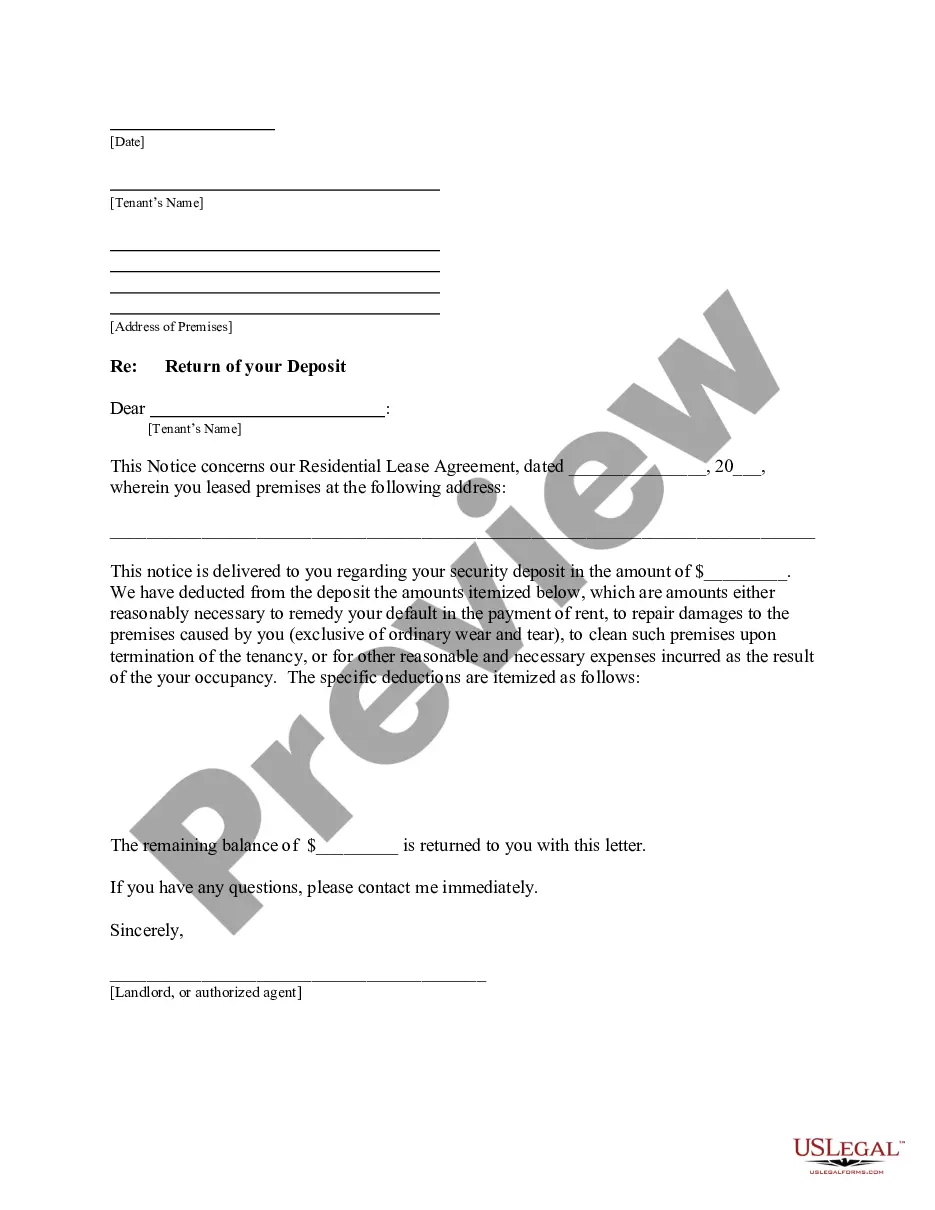
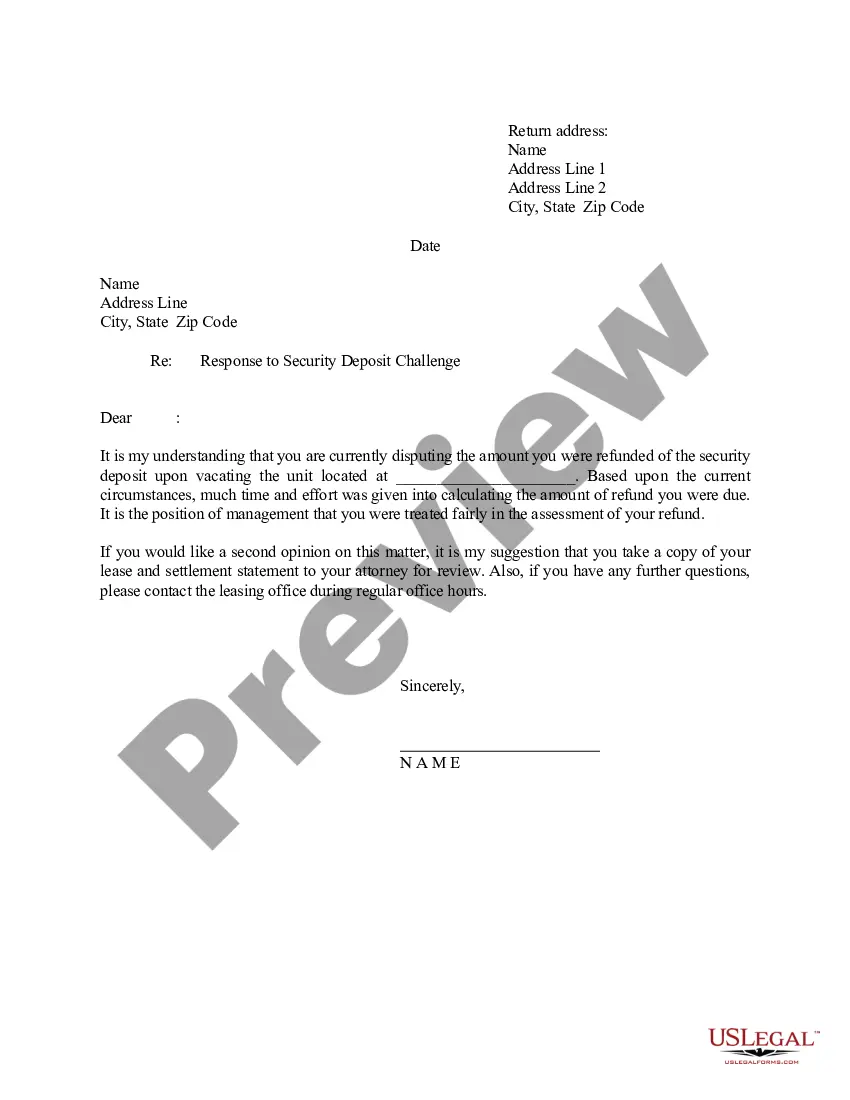
This form is a Letter from Landlord to Tenant Returning Security Deposit Less Deductions. It serves to inform the tenant about the specific deductions made from their security deposit, detailing any necessary repairs, unpaid rent, or cleaning expenses that have resulted from their tenancy. This form is important for maintaining transparency between the landlord and tenant and ensures that the tenant is aware of how their deposit was utilized, distinguishing it from other rental documents such as lease agreements.
Main sections of this form
- Date of the original lease agreement.
- Property address where the tenant resided.
- Total amount of the security deposit.
- Itemization of specific deductions made from the deposit.
- Reason for each deduction, including repairs and cleaning.
When to use this form
This form should be used after a tenant has vacated a rental property. It is particularly necessary when deductions from the security deposit are required for reasons such as unpaid rent, repairs for damage beyond normal wear and tear, or necessary cleaning. It ensures compliance with state laws regarding the return of security deposits and clarifies the reasons for any deductions taken from the deposit.
Who can use this document
This form is intended for:
- Landlords who need to return a tenant's security deposit.
- Property management companies managing rental properties.
- Tenants who want to understand the deductions being made from their security deposits.
How to complete this form
- Fill in the date of the original lease agreement.
- Specify the complete address of the leased property.
- Enter the total amount of the security deposit received from the tenant.
- List each deduction from the deposit along with a brief explanation for each.
- Sign and date the letter before sending it to the tenant.
Is notarization required?
This form does not typically require notarization unless specified by local law. It is recommended to check specific state regulations regarding the notarization of such documents.
Get your form ready online
Our built-in tools help you complete, sign, share, and store your documents in one place.
Make edits, fill in missing information, and update formatting in US Legal Forms—just like you would in MS Word.
Download a copy, print it, send it by email, or mail it via USPS—whatever works best for your next step.
Sign and collect signatures with our SignNow integration. Send to multiple recipients, set reminders, and more. Go Premium to unlock E-Sign.
If this form requires notarization, complete it online through a secure video call—no need to meet a notary in person or wait for an appointment.
We protect your documents and personal data by following strict security and privacy standards.
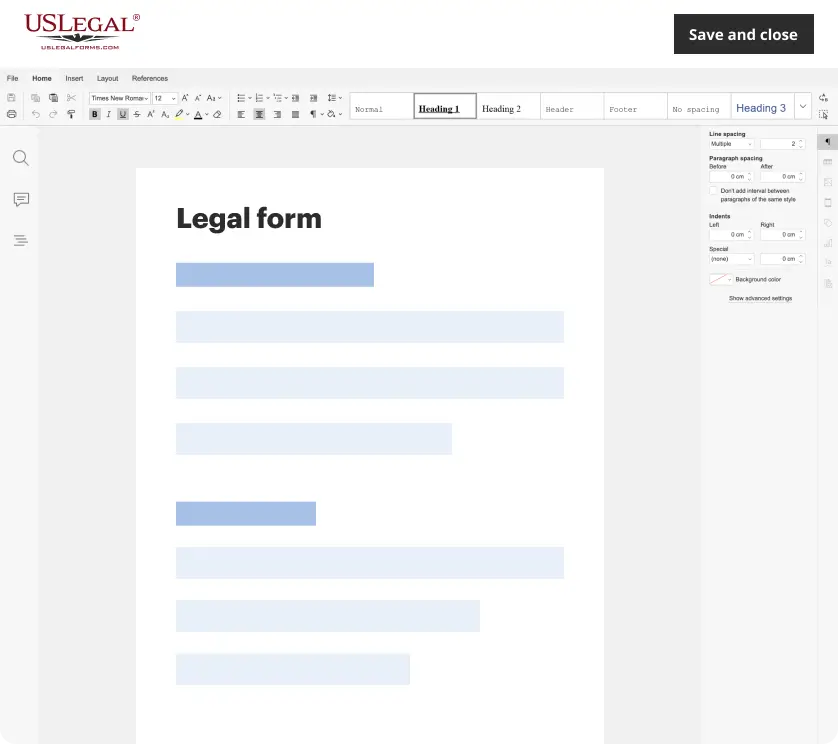
Make edits, fill in missing information, and update formatting in US Legal Forms—just like you would in MS Word.
Download a copy, print it, send it by email, or mail it via USPS—whatever works best for your next step.
Sign and collect signatures with our SignNow integration. Send to multiple recipients, set reminders, and more. Go Premium to unlock E-Sign.

If this form requires notarization, complete it online through a secure video call—no need to meet a notary in person or wait for an appointment.
We protect your documents and personal data by following strict security and privacy standards.
Typical mistakes to avoid
- Failing to provide a detailed itemization of deductions.
- Missing the deadline for returning the deposit as per state law.
- Using ambiguous language that can lead to misunderstandings.
- Neglecting to include the original lease date or property address.
Benefits of completing this form online
- Convenient download and use from any location.
- Editable format allowing customization for specific needs.
- Reliability from professionally drafted legal templates.
- A well-drafted letter protects the landlordâs interests while ensuring transparency for the tenant.
- Offers legal protection by documenting the reasons for deductions in a clear, formal manner.
Key takeaways
- The form serves to communicate the return of the security deposit to the tenant.
- It includes itemized deductions that clarify the expenses incurred by the landlord.
- Using this form correctly helps maintain positive landlord-tenant relations.
- Security deposit: A sum of money provided by a tenant to a landlord intended to cover potential damages or unpaid rent.
- Itemization: The process of detailing individual expenses or deductions for clarity and transparency.
- Normal wear and tear: The expected depreciation of property over time due to everyday use.
Looking for another form?

Form popularity
FAQ
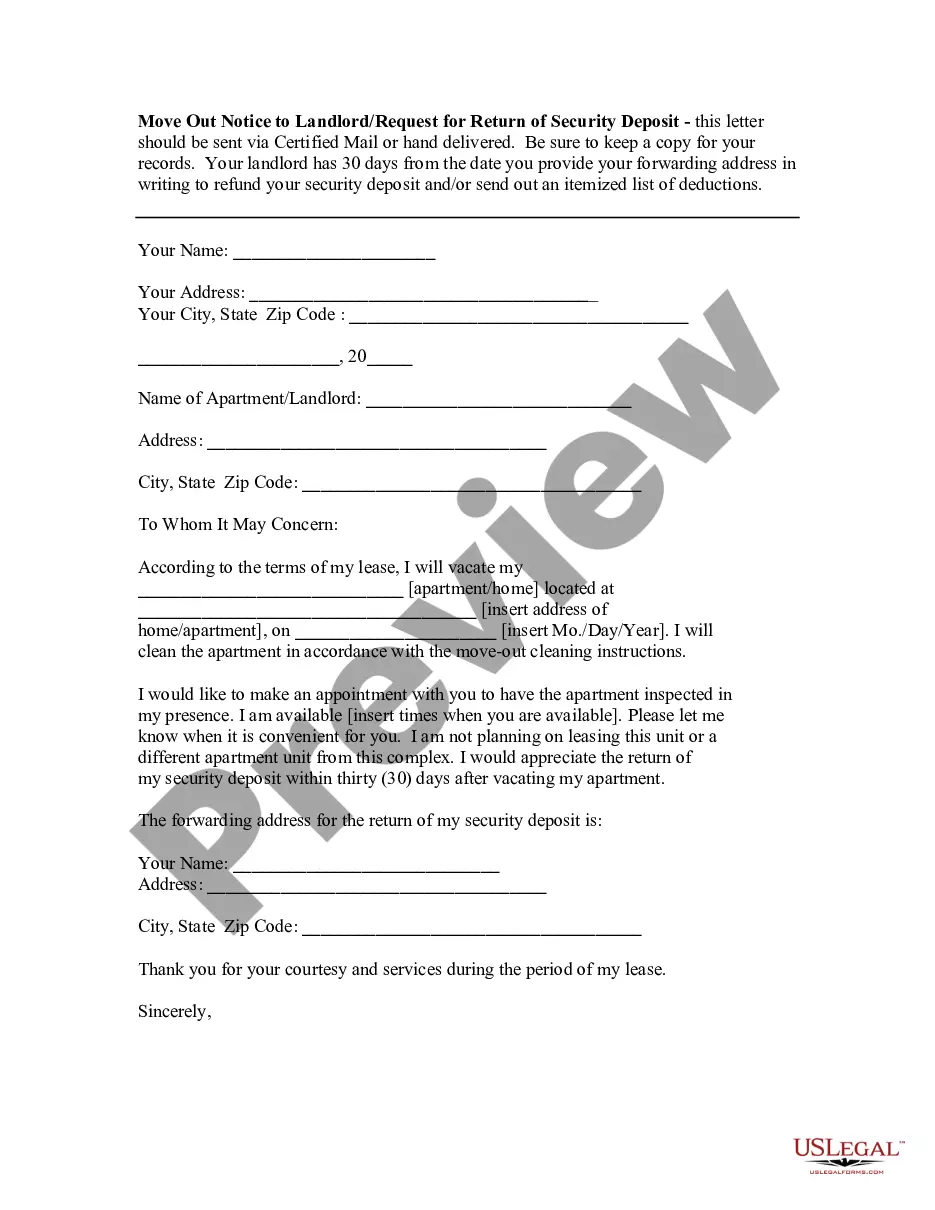
To write a letter to your landlord for your security deposit, start with a clear and polite opening that states your intention. Mention your rental property details, the date you moved out, and the condition of the apartment. You can refer to the Connecticut Letter from Landlord to Tenant Returning security deposit less deductions to ensure you include necessary points like your forwarding address for the deposit. Using a structured approach not only makes your letter effective but also shows your professionalism.
To write a letter to your landlord requesting a rent reduction, start by clearly stating your intention at the top of the letter. Include your address, the landlord's address, and the date. Next, briefly explain your reasons for the request, such as financial hardship or changes in market conditions. Remember to express appreciation for their consideration and mention the Connecticut Letter from Landlord to Tenant Returning security deposit less deductions as a formal way to communicate any financial adjustments.
In requesting a security deposit return, start with your name, date, and the rental address. Clearly state your request for the return of the security deposit, referencing the number of days since move-out. Lastly, mention any lack of communication regarding deductions to motivate a timely response from the landlord.
When crafting a return letter, begin by stating the tenant's name, rental property address, and the total security deposit amount. Clearly outline any deductions, along with their corresponding explanations and costs. Conclude with the final amount being returned, ensuring to send this within the mandated 30 days for compliance with Connecticut law.
The security deposit may cover unpaid rent, costs for repairs from tenant damages, cleaning fees beyond normal wear and tear, replacement of lost or unreturned items, and any necessary expenses to restore the property to its original condition. Understanding these elements can guide both landlords and tenants in handling the return process effectively.
Landlords in Connecticut can deduct for damages such as broken windows, large holes in walls, or excessive cleaning costs. Other deductions may include unpaid rent, fees for lost keys, or items left behind in the rental. Providing clear documentation is crucial when creating the Connecticut Letter from Landlord to Tenant Returning security deposit less deductions.
An example letter can detail the specific damages observed during the move-out inspection, alongside corresponding repair costs. It should clearly state the total amount of the security deposit, any deductions, and the final amount being returned to the tenant. This structured approach ensures transparency and helps prevent disputes about the deductions.
Connecticut law stipulates the maximum security deposit a landlord can collect is equal to two months' rent for leases. Upon termination, landlords must return the security deposit within 30 days, detailing any deductions made for property damage or other permissible reasons. For clarity and compliance, using the Connecticut Letter from Landlord to Tenant Returning security deposit less deductions is advisable.
In Connecticut, landlords can deduct expenses related to damages beyond normal wear and tear, unpaid rent, or costs associated with cleaning the unit if it is not returned in satisfactory condition. Additionally, they can deduct for repairs that are necessary due to tenant negligence or intentional harm. These deductions must be well documented to ensure transparency when issuing the security deposit return letter.
In Connecticut, normal wear and tear refers to the natural deterioration that occurs over time due to regular use of the rental property. This includes minor scuffs on walls, worn carpet, or fading paint. Such damage cannot be deducted from the security deposit. Landlords should differentiate between normal wear and damages beyond this acceptable threshold.