New York Notice of Cross Appeal
Overview of this form
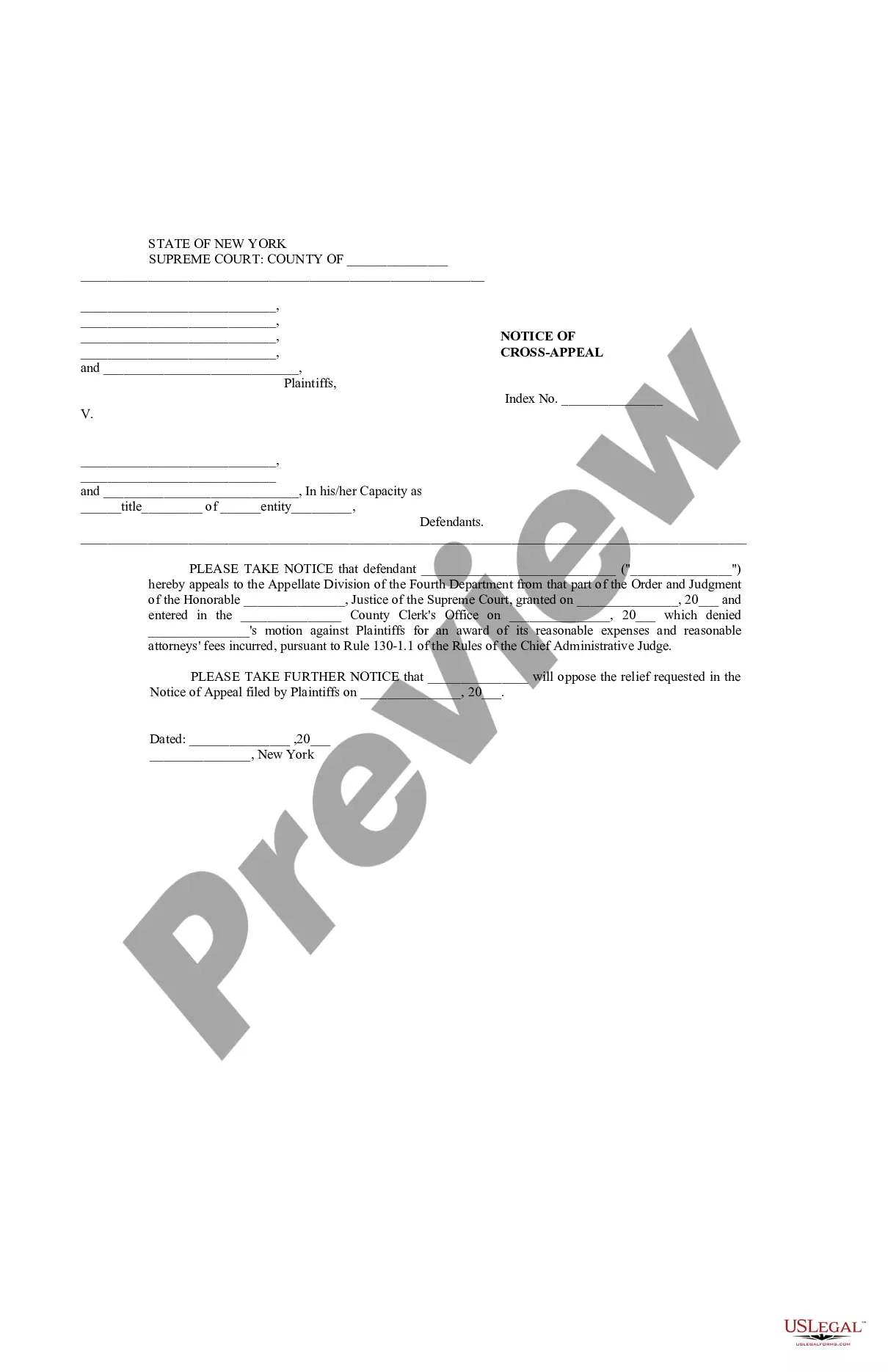
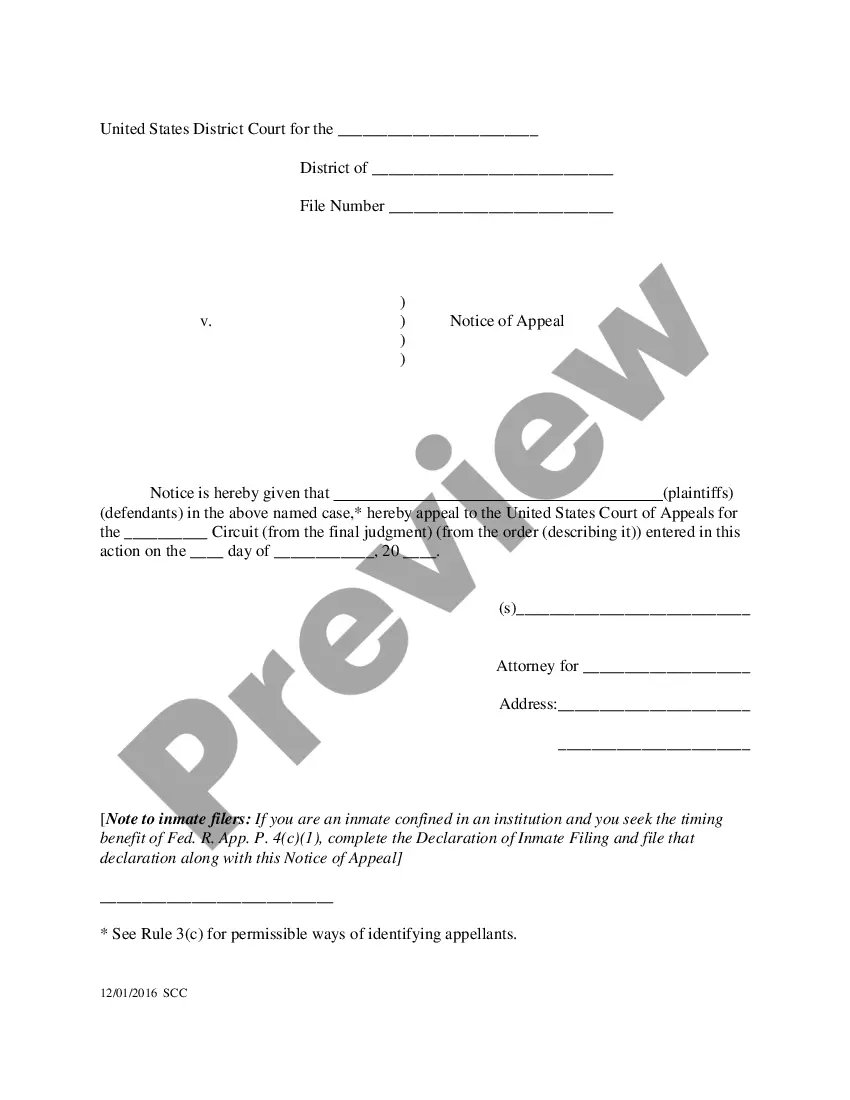
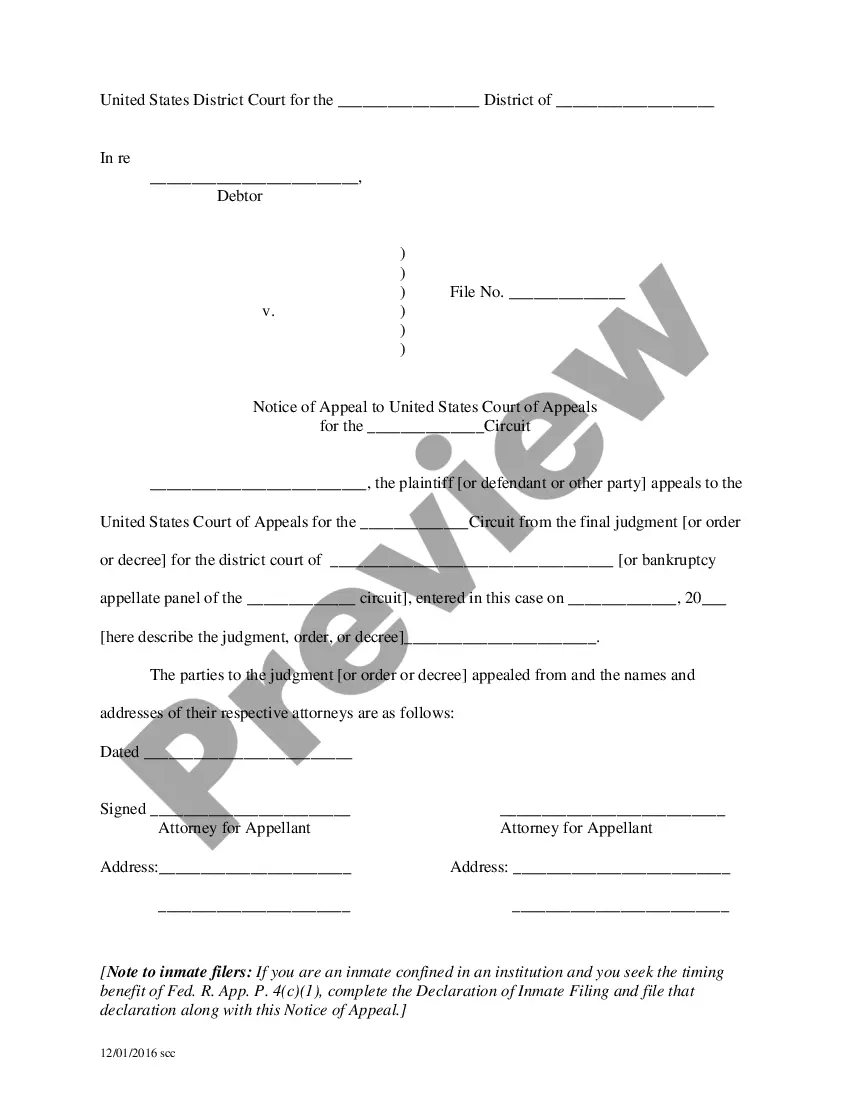
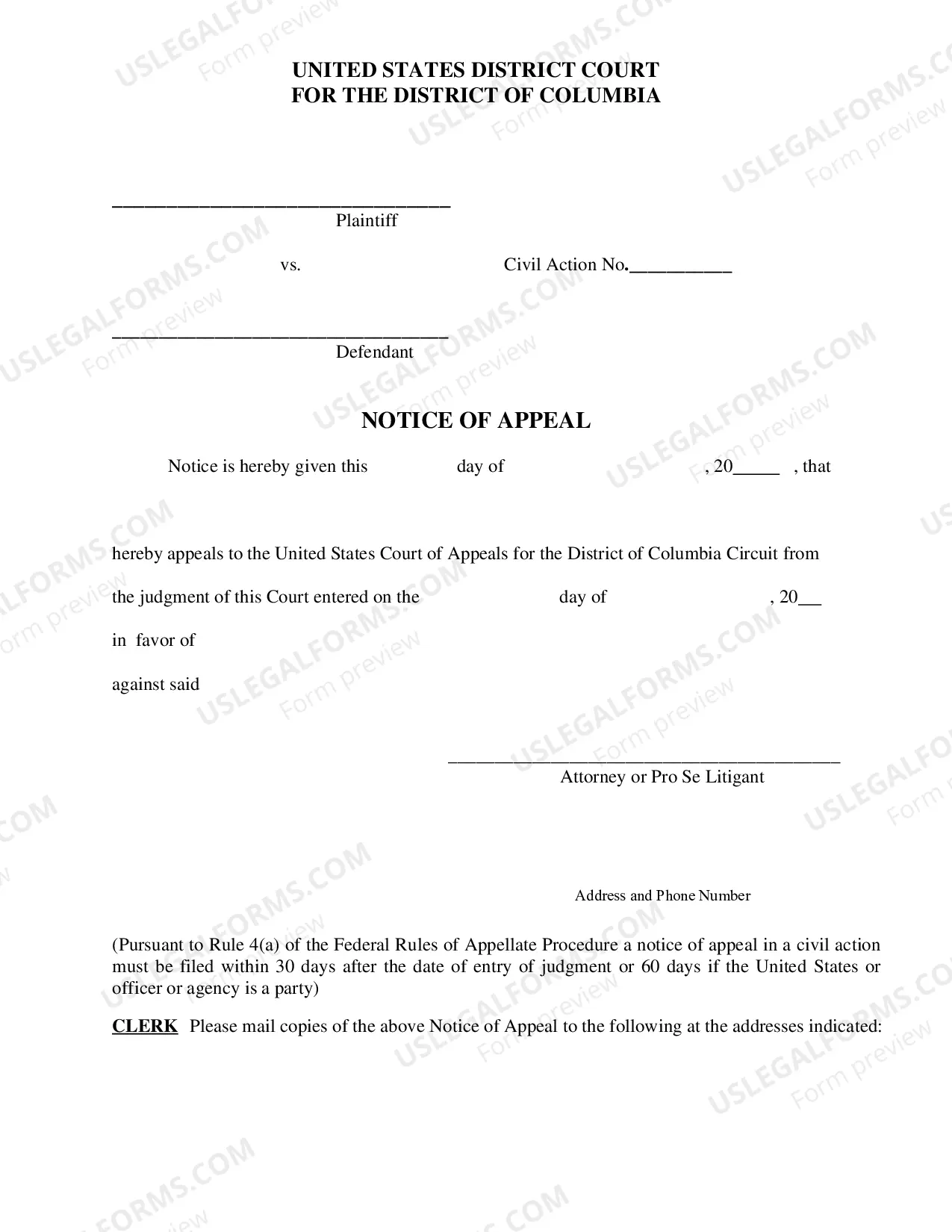
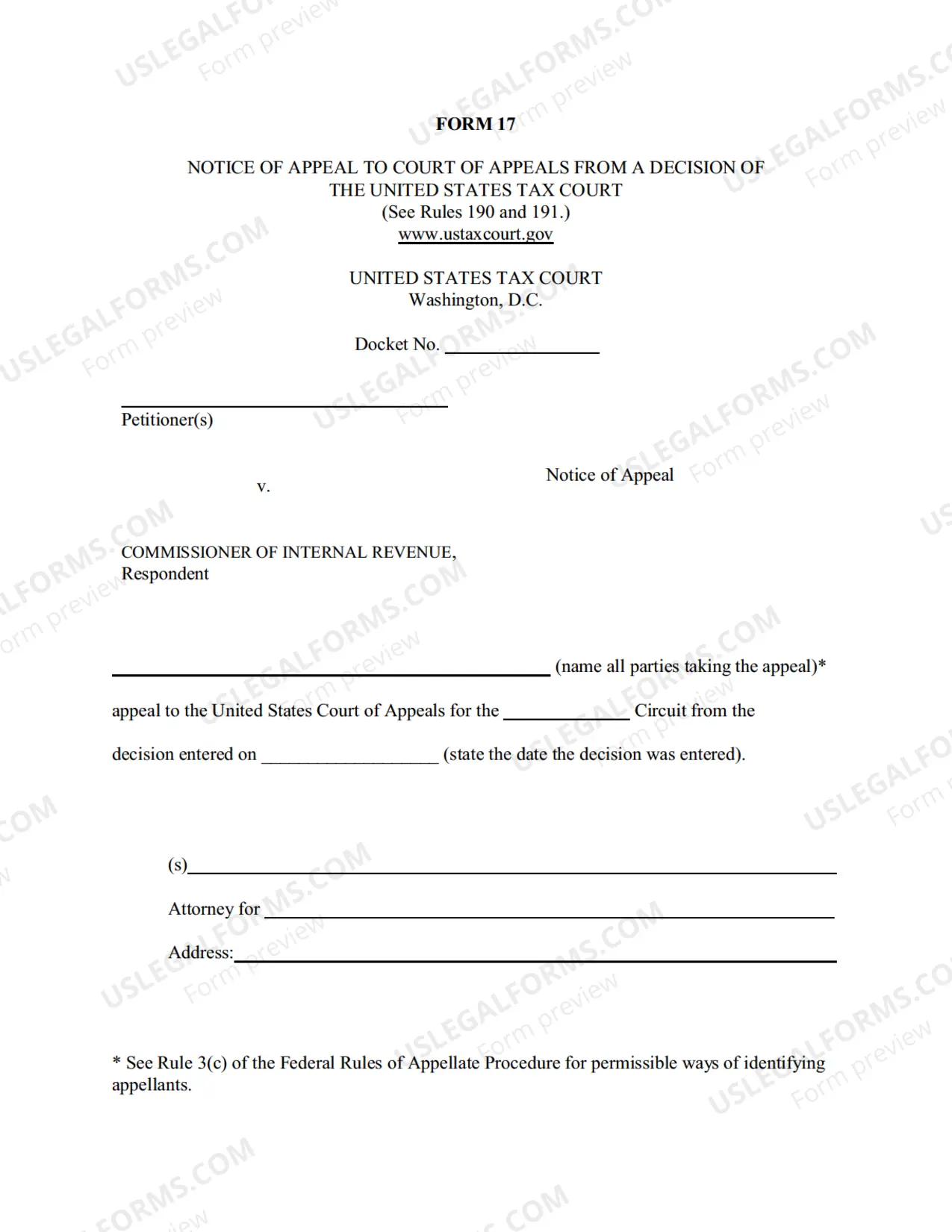
The Notice of Cross Appeal is a legal document used by a defendant to formally notify the Appellate Division of an appeal concerning a specific part of a trial court's order. This form is essential for defendants who want to contest not just the original appeal made by plaintiffs but also a ruling that denied a motion for expenses or attorneys' fees. By using this form, defendants ensure that their rights to appeal are preserved and clearly articulated within the legal framework.
Main sections of this form
- Title and caption identifying the case and parties involved.
- Details of the specific order and judgment being appealed.
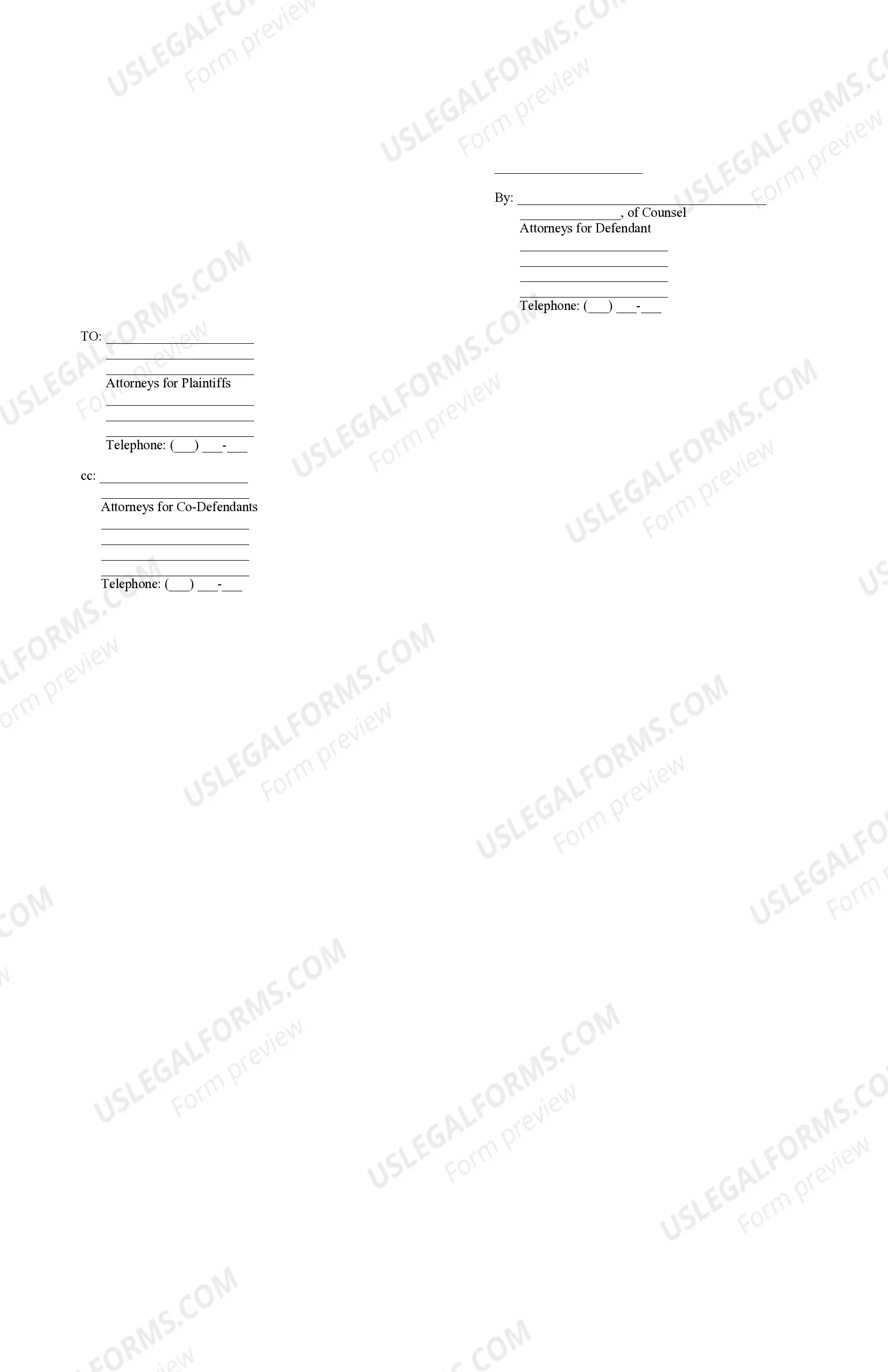
- Identification of the attorney representing the defendant.
- Notice of intent to oppose the plaintiffs' appeal.
- Signature lines for the defendant's counsel.
- Contact information for all involved attorneys.
When to use this document
This form should be used when a defendant wishes to challenge a part of a court order that denies their request for reasonable expenses or attorneys' fees, while at the same time responding to an appeal made by the plaintiffs. Situations may include complex litigation cases where costs and fees are contested, or when a defendant believes that a motion has been unfairly denied by the trial court.
Who should use this form
- Defendants involved in a civil lawsuit who have had their motion denied.
- Attorneys representing defendants wishing to initiate a cross appeal.
- Any party desiring to preserve their right to contest multiple aspects of a court's ruling.
Instructions for completing this form
- Identify the parties involved in the legal case in the caption.
- State the index number associated with the case.
- Provide details regarding the specific order being appealed, including the date and judge's name.
- Indicate the defendant's intent to oppose the plaintiff's appeal.
- Fill in the contact information for the defendant's attorney and for the opposing counsel.
- Sign and date the form at the designated space.
Notarization requirements for this form
This form does not typically require notarization unless specified by local law. However, having it notarized can help verify the authenticity of signatures and can be beneficial in court procedures.
Get your form ready online
Our built-in tools help you complete, sign, share, and store your documents in one place.
Make edits, fill in missing information, and update formatting in US Legal Forms—just like you would in MS Word.
Download a copy, print it, send it by email, or mail it via USPS—whatever works best for your next step.
Sign and collect signatures with our SignNow integration. Send to multiple recipients, set reminders, and more. Go Premium to unlock E-Sign.
If this form requires notarization, complete it online through a secure video call—no need to meet a notary in person or wait for an appointment.
We protect your documents and personal data by following strict security and privacy standards.

Make edits, fill in missing information, and update formatting in US Legal Forms—just like you would in MS Word.

Download a copy, print it, send it by email, or mail it via USPS—whatever works best for your next step.

Sign and collect signatures with our SignNow integration. Send to multiple recipients, set reminders, and more. Go Premium to unlock E-Sign.

If this form requires notarization, complete it online through a secure video call—no need to meet a notary in person or wait for an appointment.

We protect your documents and personal data by following strict security and privacy standards.
Common mistakes to avoid
- Failing to include the correct index number for the case.
- Not specifying the exact part of the order being appealed.
- Omitting required signatures from the defendant's counsel.
- Neglecting to notify all involved parties as required.
Advantages of online completion
- Convenience of downloading and completing the form at your own pace.
- Editability to customize specific fields according to your case.
- Access to a reliable document format that meets legal standards.
Key takeaways
- A Notice of Cross Appeal is essential for defendants wanting to contest a ruling on expenses or fees while responding to an original appeal.
- Accurate completion of all sections is crucial for valid submission.
- Understanding state-specific regulations is important for effective use of this form.
Looking for another form?
Form popularity
FAQ
The first party to file is called the petitioner or appellant, and its request for review is an appeal.If an opposing party (called the respondent or appellee) also wishes to request review of a lower court's decision, that request is called a cross-appeal.
Sometimes, a stay is automatic on the filing of a notice of appeal. In California, final judgments for orders that adjudicate rights that don't require payment of money or property, like declaratory judgments, are often automatically stayed.In federal court, automatic stays are infrequent.
An appeal must be perfected within six months of the date of the notice of appeal or order granting leave to appeal unless that time is extended by the court(22 NYCRR 1250.9a).
A written notice that a prevailing party provides other parties to alert them that an order or judgment has been entered in a New York state court.
The Deadline for Filing a Notice of Appeal If that happens, you only have 30 days to file your Notice of Appeal, 35 days if you are served by mail!
Under the Federal Rules of Civil Procedure, a party can move to appeal the case within an additional 30-day window after the initial 30 days expired, but will have to persuade the court that there was excusable neglect or good cause which prevented the party from filing the notice of appeal on time.
A notice of appeal is the paper you file in the superior court where your case was decided to let the court and the other side know that you are appealing the court's decision. Filing a notice of appeal begins the entire appeals process.
Generally, the losing party in a lawsuit may appeal their case to a higher court. The higher court then reviews the case for legal errors. If an appeal is granted, the lower court's decision may be reversed in whole or in part. If an appeal is denied, the lower court's decision stands.
For criminal cases, defendant's notice must be filed in district court within 14 days after entry of judgment or within 14 days after filing of a timely appeal by the government; the government's notice of appeal must be filed within 30 days after entry of judgment or within 30 days after filing of a timely appeal by