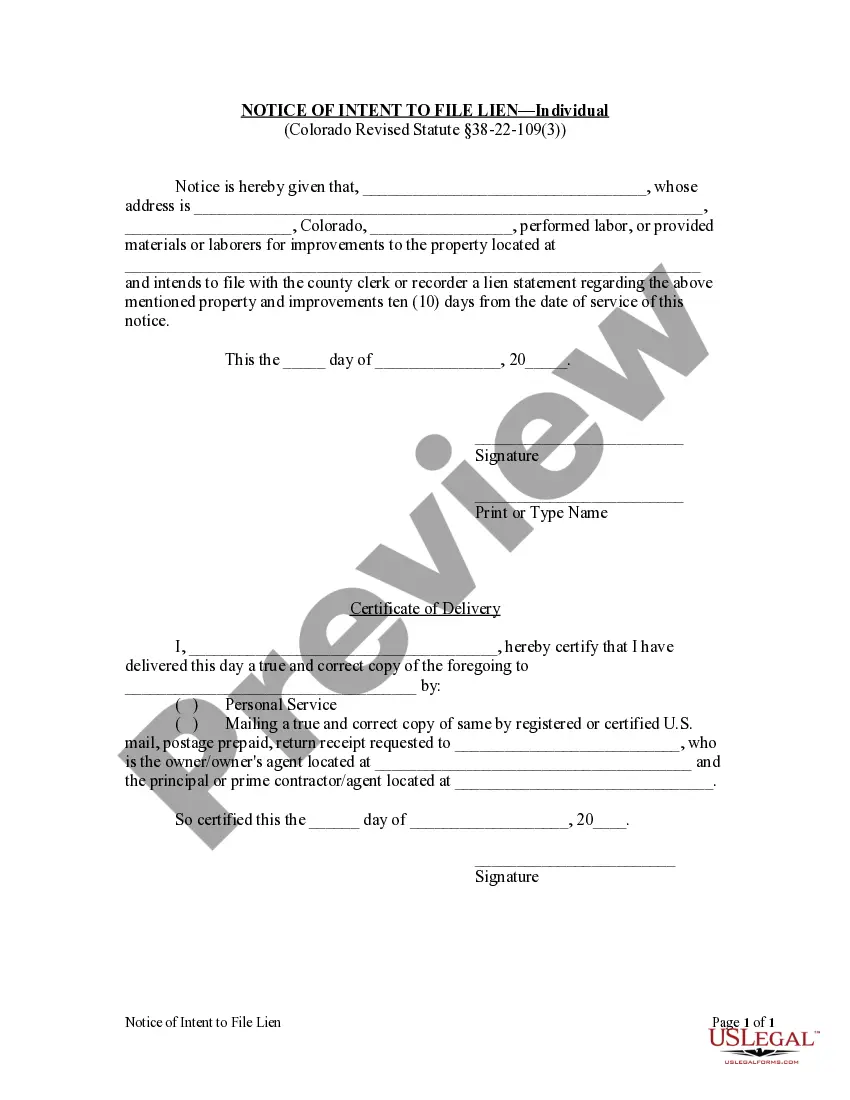
Colorado Notice of Intent to File Lien by Individual
Understanding this form
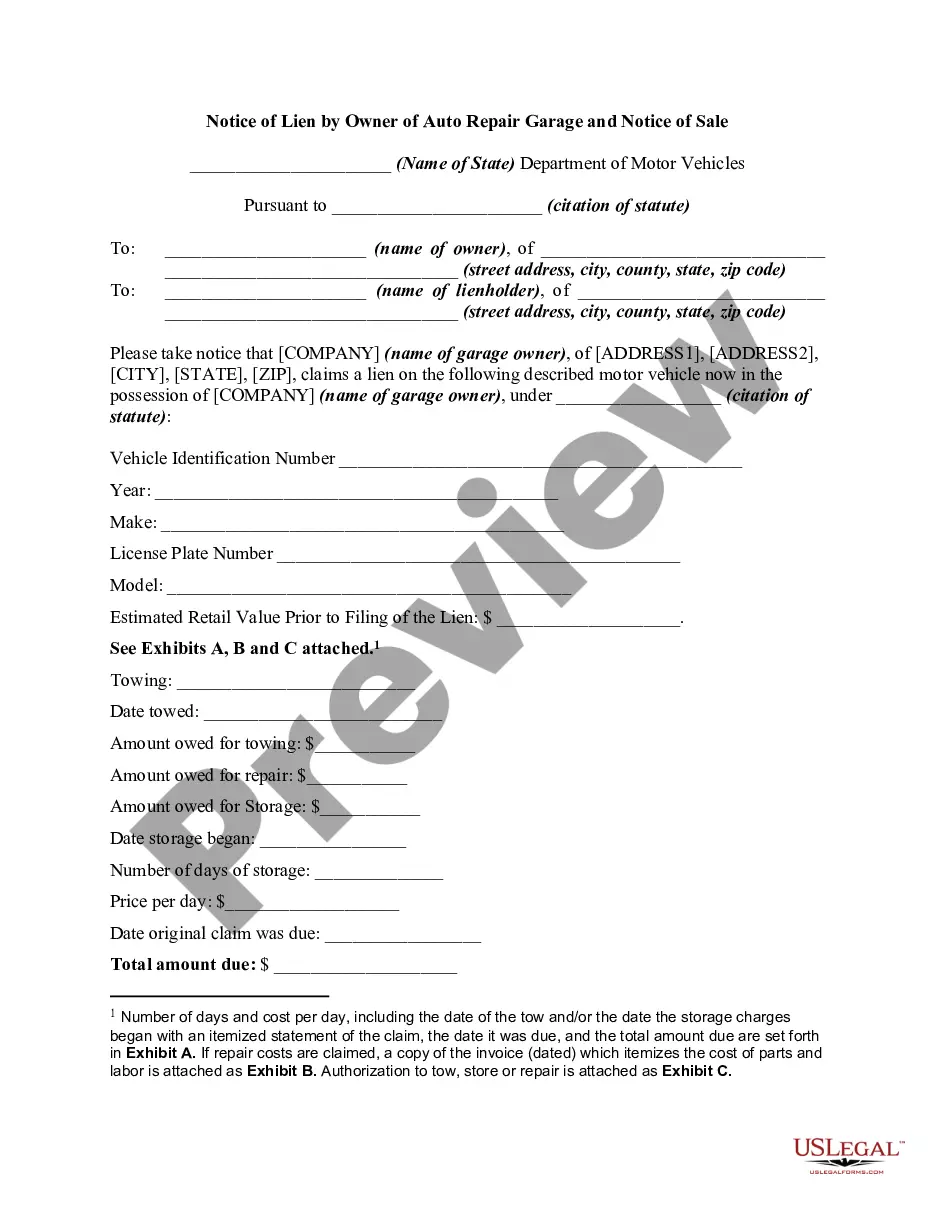
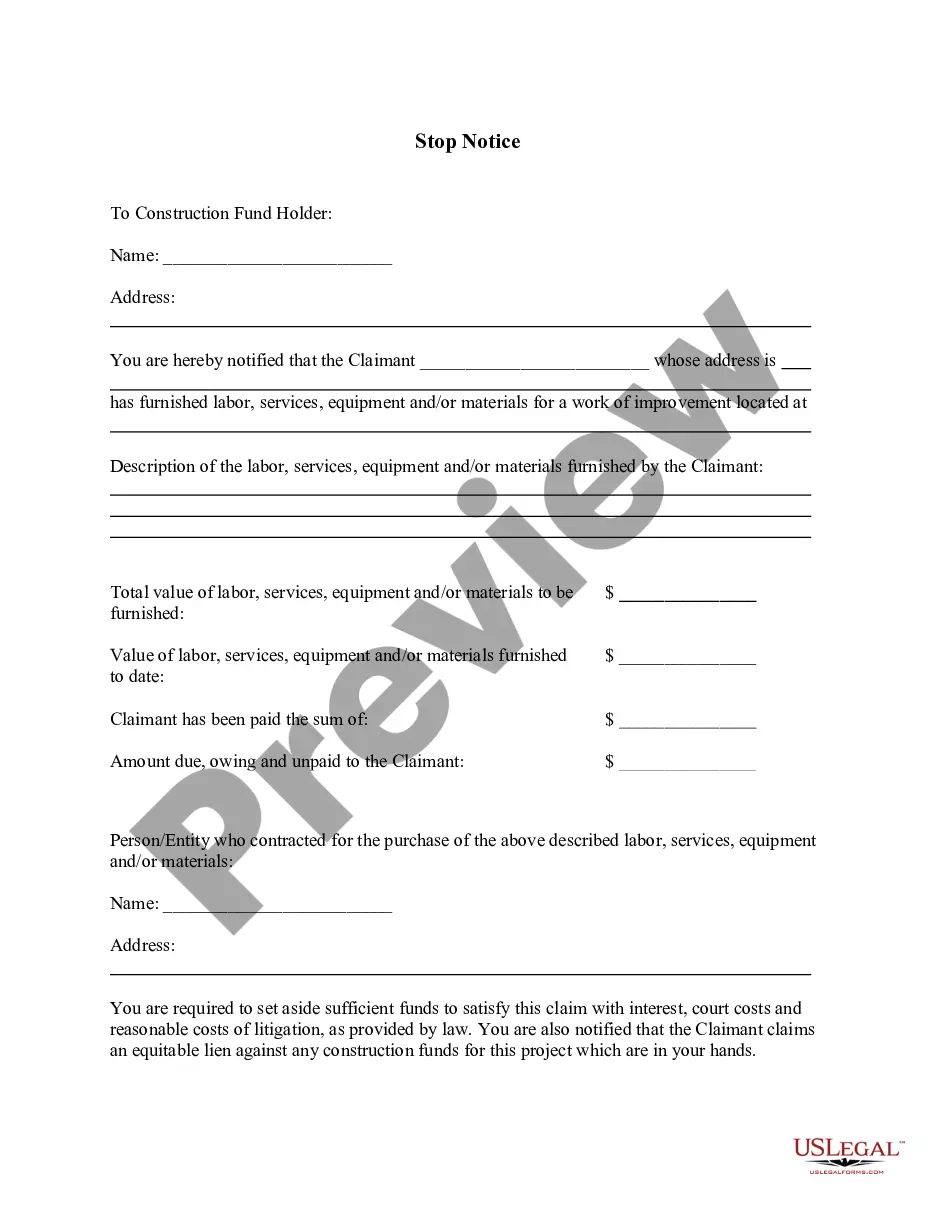
The Notice of Intent to File Lien by Individual is a legal document used to inform property owners and contractors of an individual's intention to file a lien against a property. This form is critical for protecting the rights of those who have provided labor or materials for property improvements. By serving this notice, individuals ensure that their claims are recognized before they formally file a lien, differentiating this process from simpler notices that may not require a formal intent declaration.
Main sections of this form
- Identification of the individual intending to file the lien, including their address.
- Details of the property where the labor or materials were provided.
- A declaration of intent to file a lien statement within ten days.
- Signature of the individual notifying the parties involved.
- Certificate of Delivery section to confirm delivery of the notice.
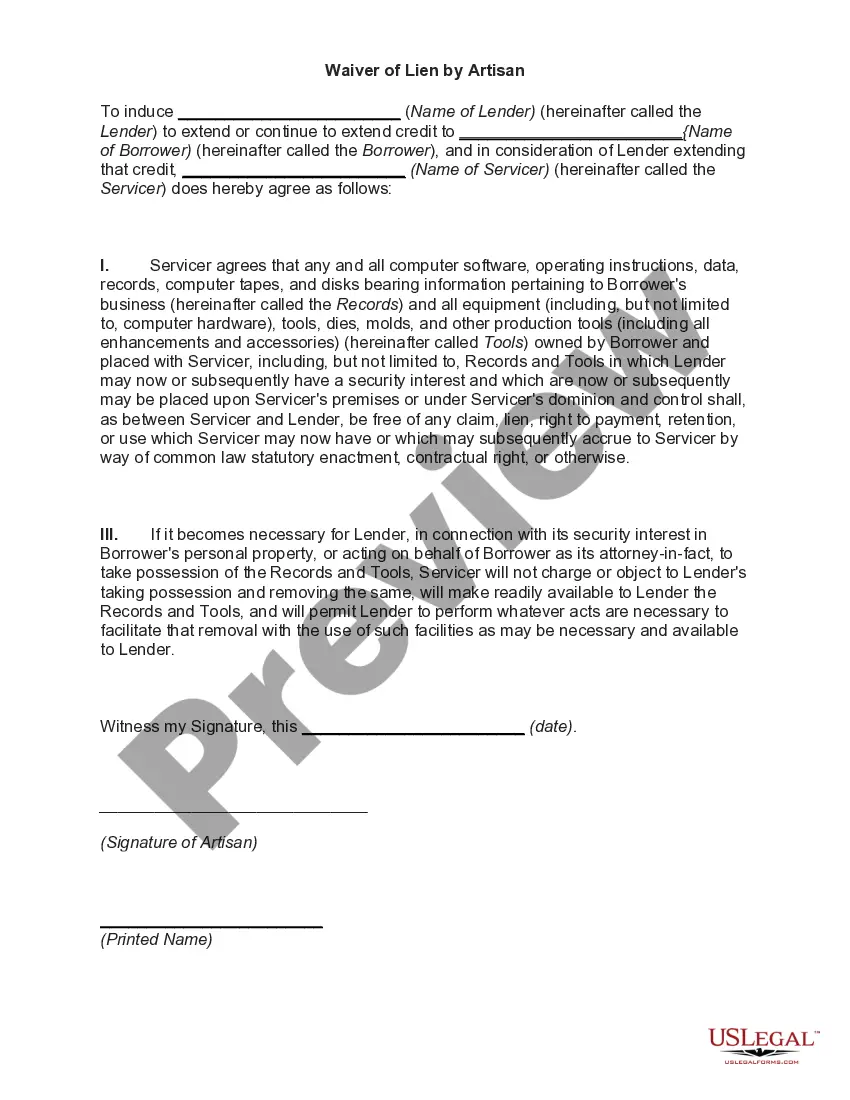
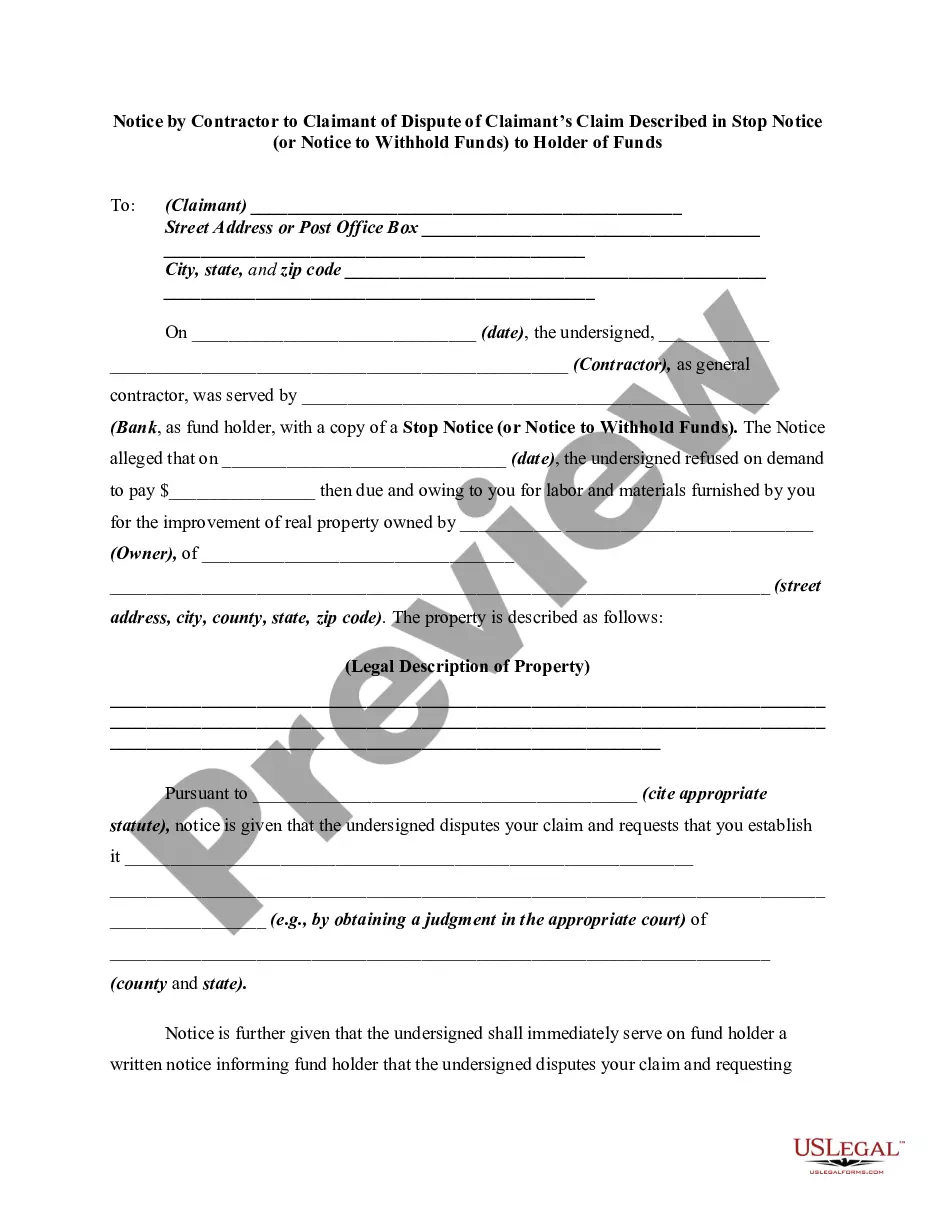
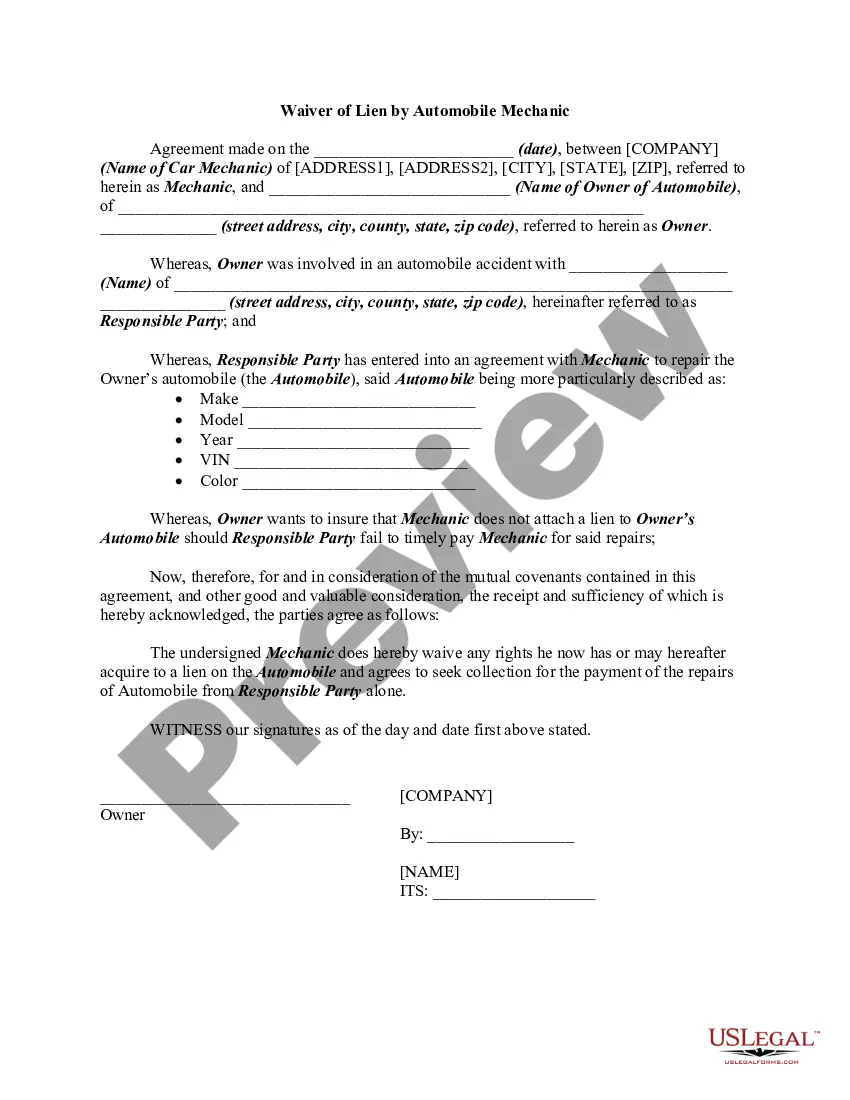
Common use cases
This form should be used when an individual or supplier has completed work or provided materials for property improvements and wants to secure their right to file a lien. It is necessary to serve this notice at least ten days before filing the lien statement, ensuring that property owners and contractors are formally notified to protect the individual's ability to enforce their claims.
Who can use this document
- Contractors and subcontractors who have not been paid for their services.
- Suppliers of materials used in construction or renovation projects.
- Individuals or businesses seeking to protect their financial interests in property improvements.
Instructions for completing this form
- Identify the individual intending to file the lien by entering their name and address.
- Specify the property address and details where the work was performed or materials were provided.
- Enter the date you are serving this notice and the date you intend to file the lien.
- Sign the form to authenticate your intent.
- Complete the Certificate of Delivery section by detailing how and to whom the notice was delivered.
Notarization guidance
This form usually doesn’t need to be notarized. However, local laws or specific transactions may require it. Our online notarization service, powered by Notarize, lets you complete it remotely through a secure video session, available 24/7.
Get your form ready online
Our built-in tools help you complete, sign, share, and store your documents in one place.
Make edits, fill in missing information, and update formatting in US Legal Forms—just like you would in MS Word.
Download a copy, print it, send it by email, or mail it via USPS—whatever works best for your next step.
Sign and collect signatures with our SignNow integration. Send to multiple recipients, set reminders, and more. Go Premium to unlock E-Sign.
If this form requires notarization, complete it online through a secure video call—no need to meet a notary in person or wait for an appointment.
We protect your documents and personal data by following strict security and privacy standards.

Make edits, fill in missing information, and update formatting in US Legal Forms—just like you would in MS Word.

Download a copy, print it, send it by email, or mail it via USPS—whatever works best for your next step.

Sign and collect signatures with our SignNow integration. Send to multiple recipients, set reminders, and more. Go Premium to unlock E-Sign.

If this form requires notarization, complete it online through a secure video call—no need to meet a notary in person or wait for an appointment.

We protect your documents and personal data by following strict security and privacy standards.
Typical mistakes to avoid
- Failing to serve the notice within the required time frame of ten days.
- Inaccurate information about the property location or the parties involved.
- Not providing proper certification of delivery.
- Neglecting to sign the notice before serving it.
Benefits of using this form online
- Immediate access to the form allows for quick action in notifying relevant parties.
- The ability to download and edit the form ensures it meets individual needs without unnecessary delays.
- Reliability of having a legally drafted document by licensed attorneys enhances its validity.
Looking for another form?
Form popularity
FAQ
Colorado Notice of Intent to File Lien by Individual is a pre-lien document used to notify a property owner that the claimant intends to file a lien for work or materials provided on the property. It should be served at least ten days before filing the lien. The form requires identifying information, property details, a declaration of intent to file within ten days, a signature, and a Certificate of Delivery.
In Colorado, a Notice of Intent to File Lien by Individual is a pre-lien notice used when labor or materials have been provided on a property. It informs the owner and others of the upcoming lien and must be served at least ten days before the lien statement is filed. The form includes identifying information, property details, a declaration of intent to file within ten days, a signature, and a Certificate of Delivery.
The form components do not specify a notarization requirement. The document includes a signature line and a Certificate of Delivery to confirm service, but notarization is not listed. For certainty, consult a licensed attorney about any notarization or filing requirements in Colorado.
In Colorado, a Notice of Intent to File Lien by Individual is a pre-lien notice used when labor or materials have been provided on a property. It informs the owner and others of the upcoming lien and must be served at least ten days before the lien statement is filed.
It means the claimant intends to file a lien statement within ten days after serving the notice. The form records this declaration of intent and, once the lien is filed, the right to enforce payment is preserved. This action applies to those who provided labor or materials for property improvements.
This form is a pre-lien notice filed by an individual, not the lien itself. It includes a Declaration of Intent to file within ten days and a Certificate of Delivery to confirm service, and it identifies the individual and the property details before any lien is filed.