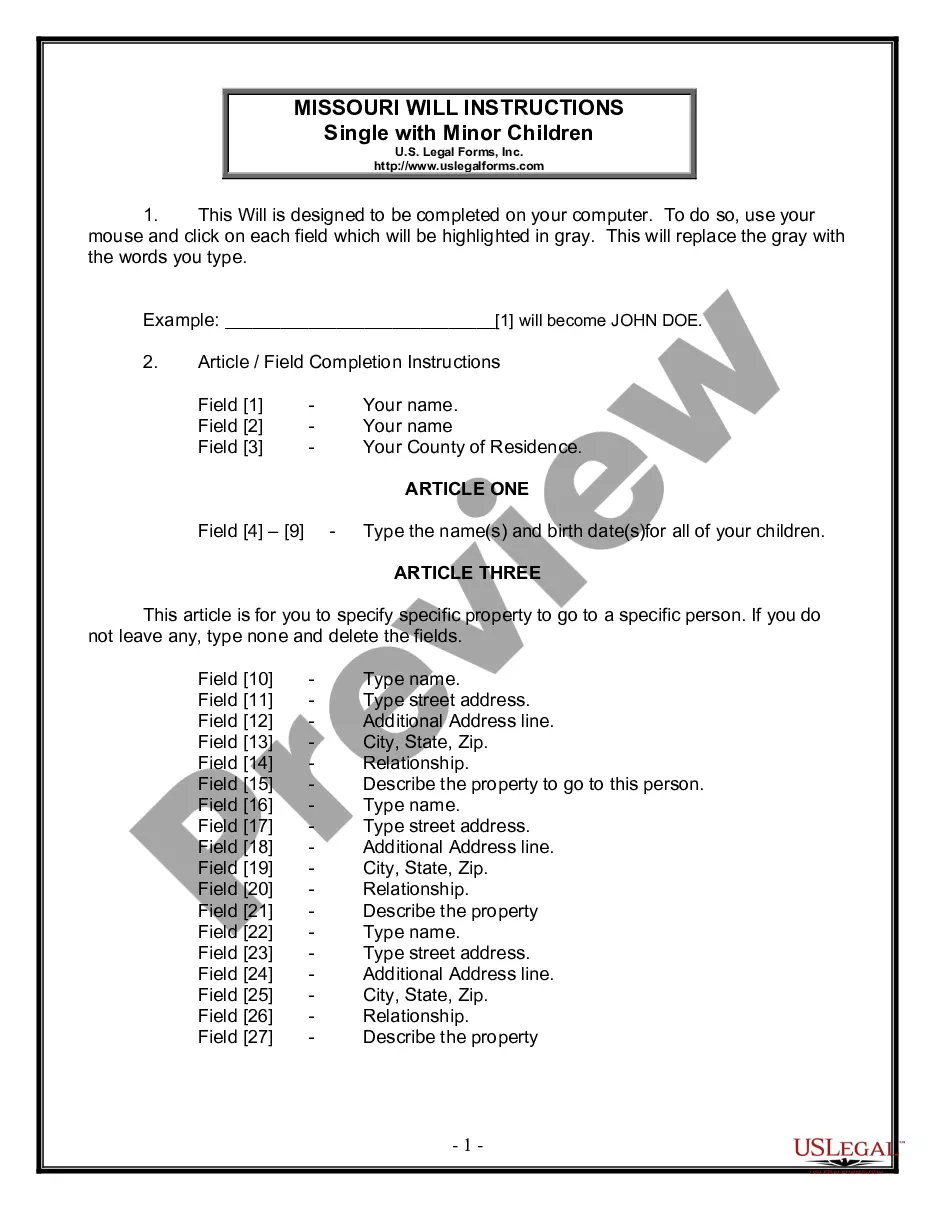
California Office Lease Agreement
About this form
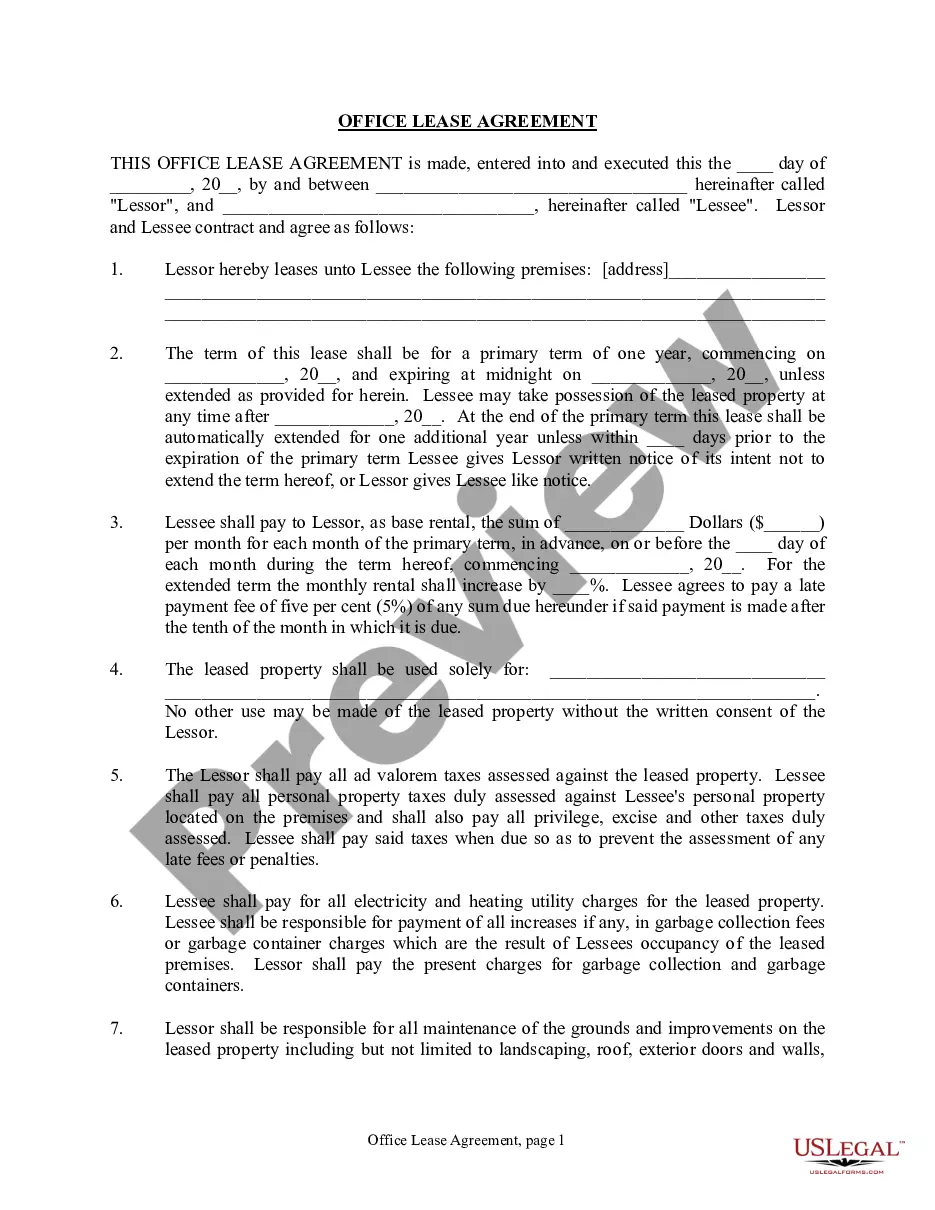
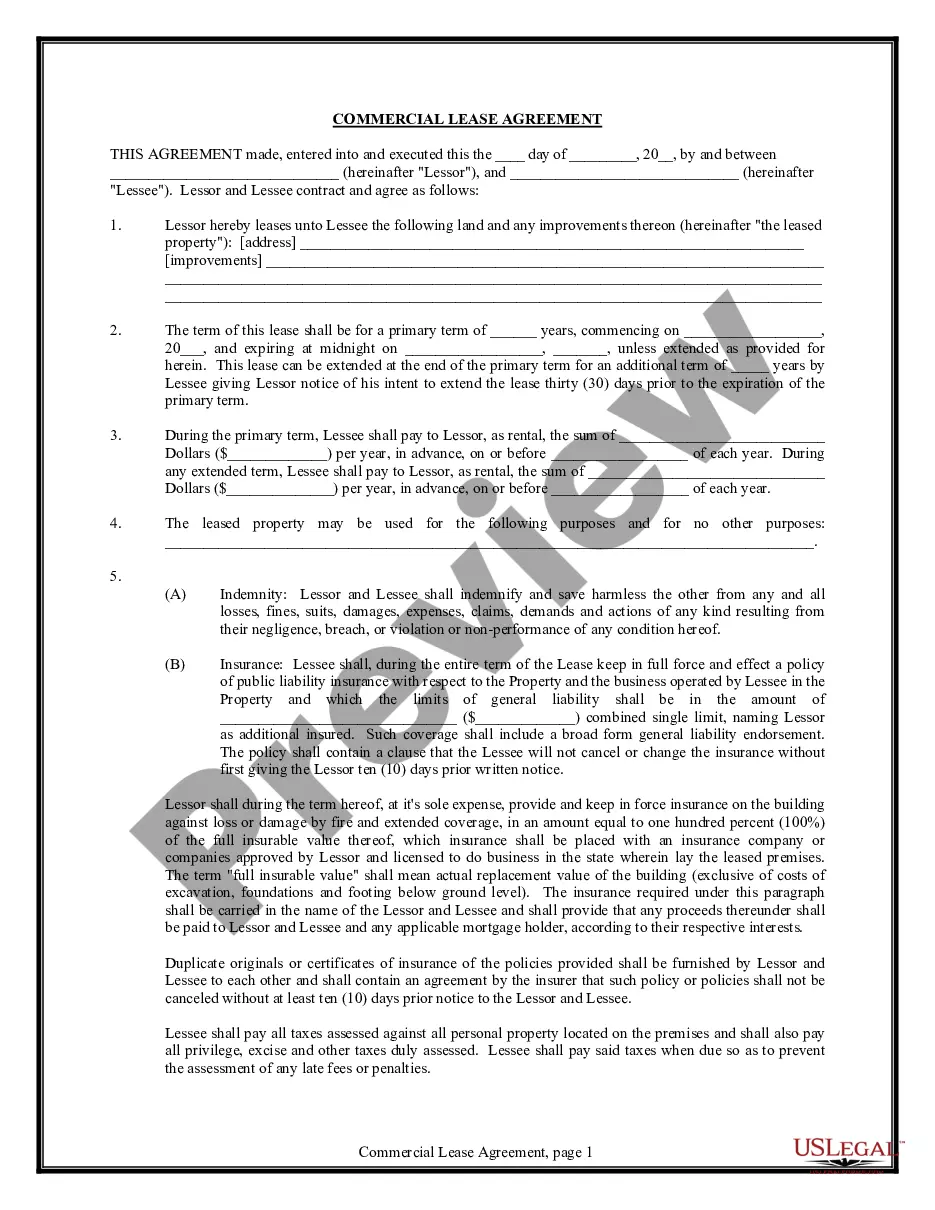
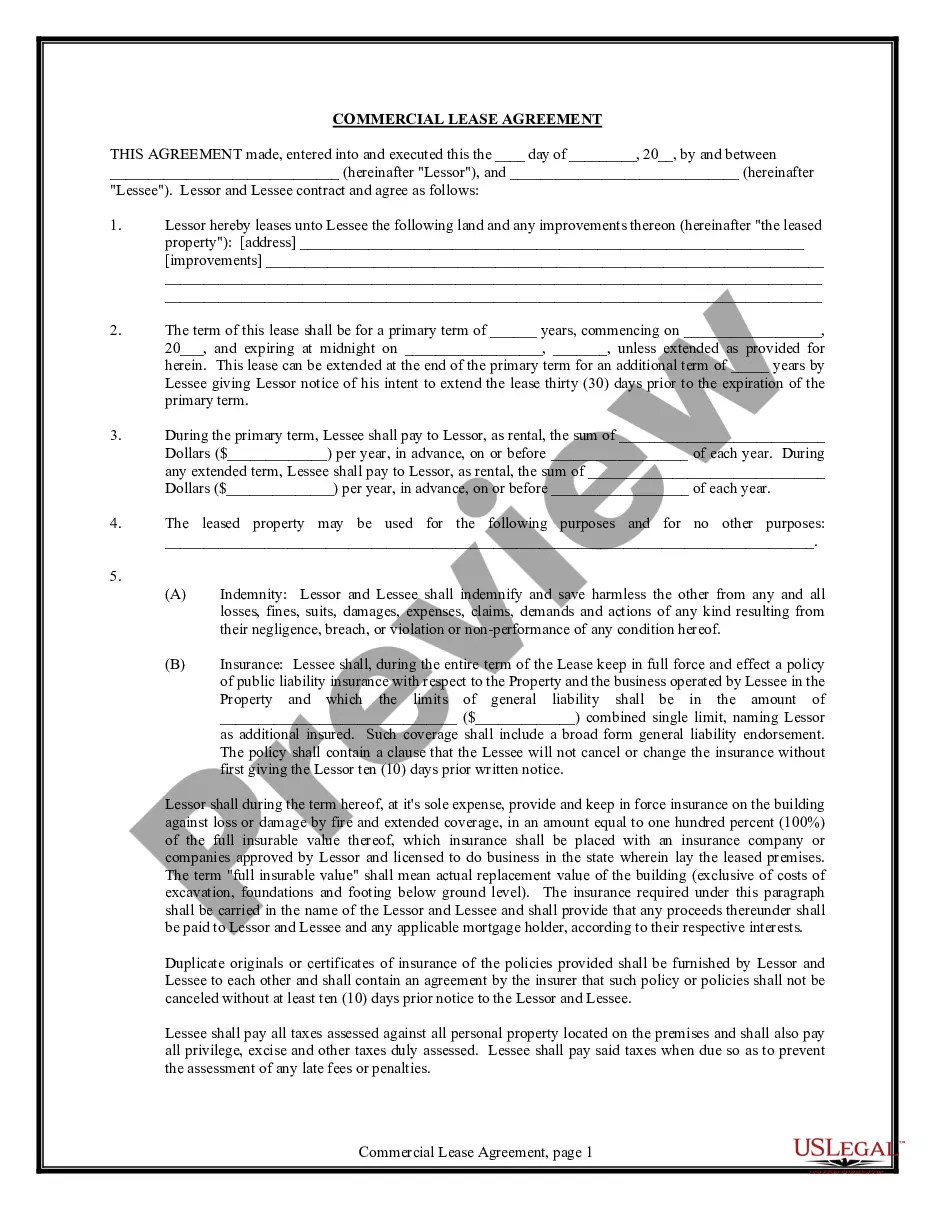
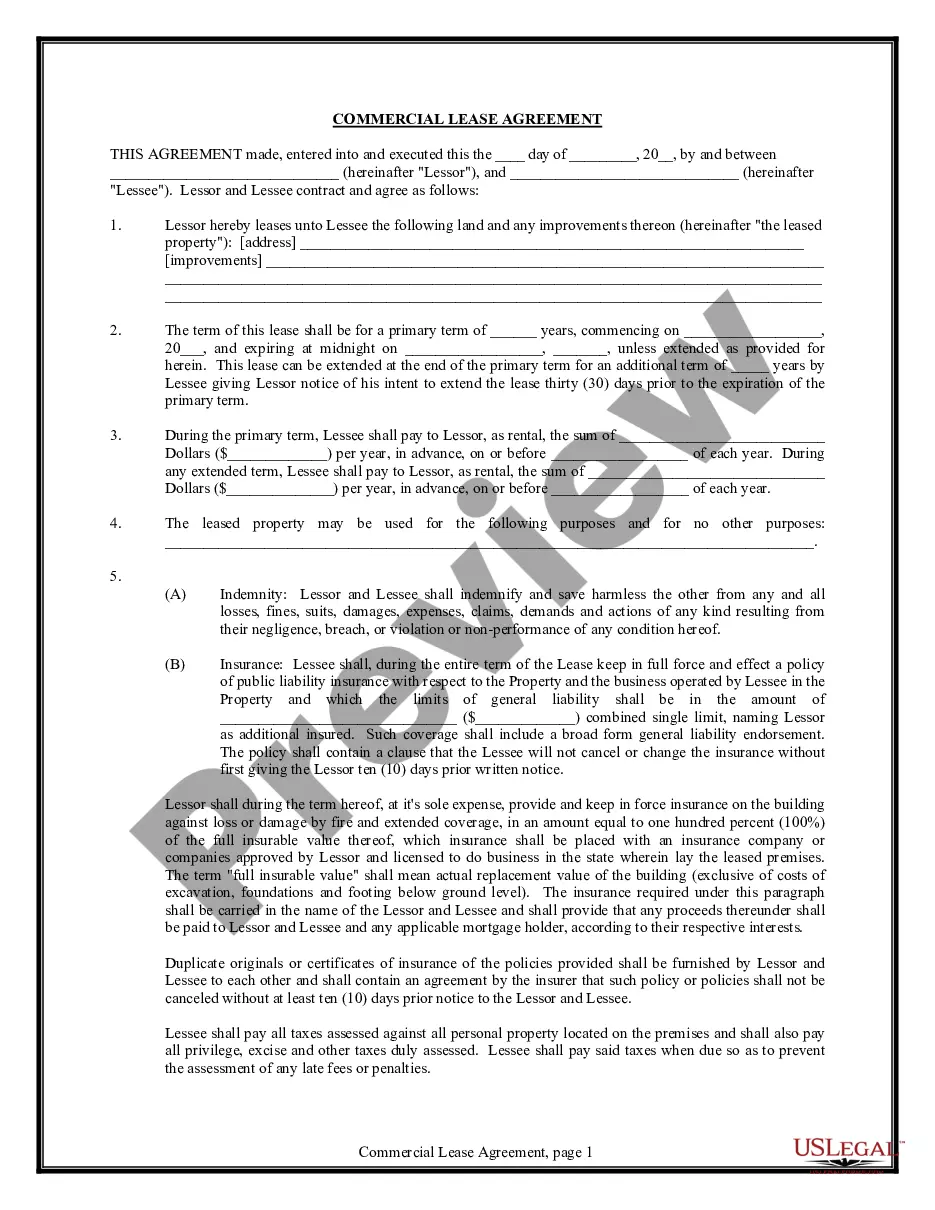
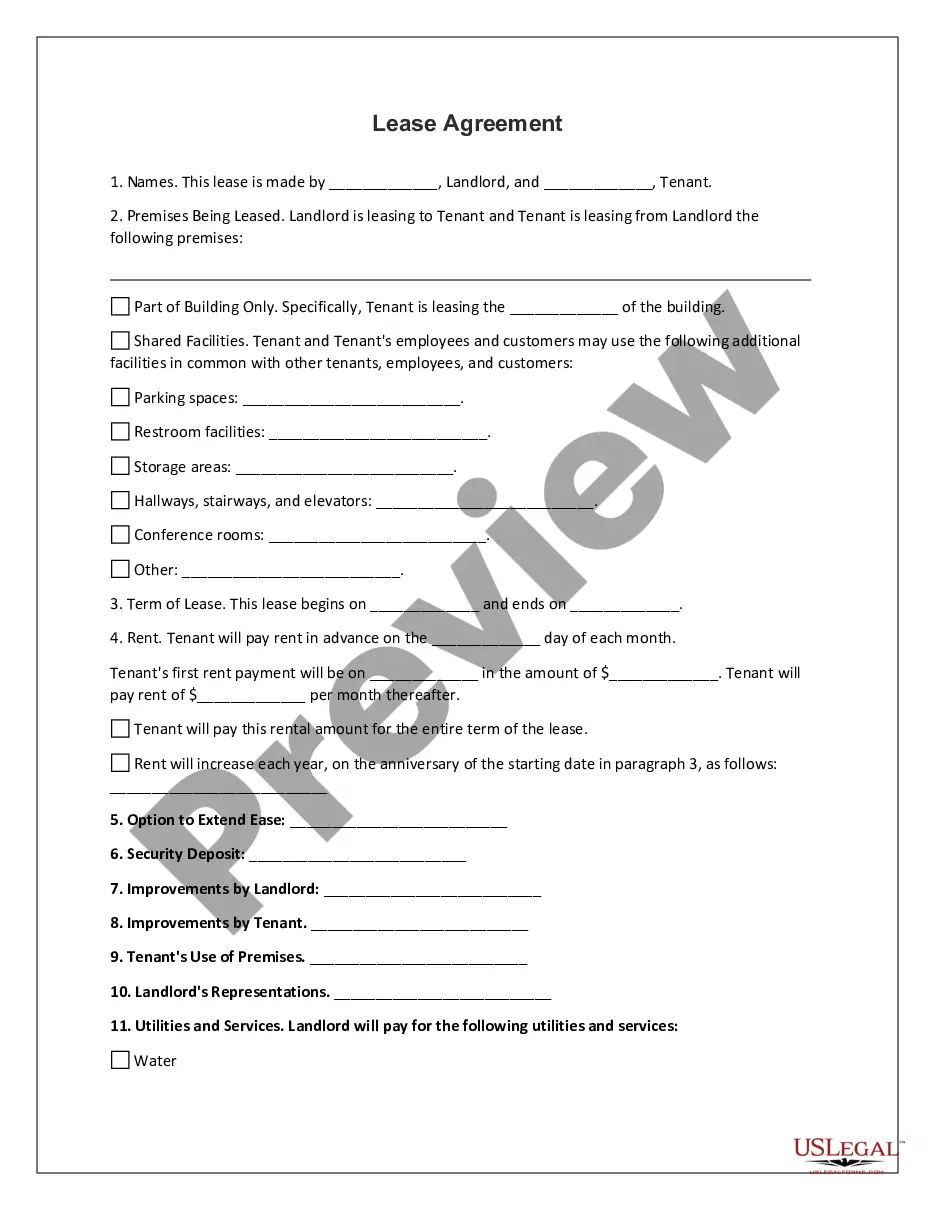
The Office Lease Agreement is a legal contract that outlines the terms and conditions for leasing office space between a property owner (Lessor) and a tenant (Lessee). This form ensures that both parties are aware of their rights and duties regarding the use of the office space, including details about payment, maintenance, and insurance. It is distinct from residential lease agreements as it specifically pertains to commercial properties, ensuring compliance with state statutory law.
What’s included in this form
- Identification of the Lessor and Lessee
- Description of the leased premises, including the address
- Lease term details, including start and end dates
- Payment terms, including rental amount and late fees
- Responsibilities for maintenance and utilities
- Indemnification and liability clauses


When to use this form
This Office Lease Agreement should be used when a business or individual wishes to lease office space for commercial purposes. It is appropriate for situations where both parties need clarity on terms such as rent, duration of the lease, and maintenance responsibilities. This form is ideal for businesses starting their operations in a new location or seeking to secure a lease for specific office space.
Who should use this form
- Business owners seeking to lease office space
- Property owners or managers renting out their office facilities
- Legal professionals assisting clients with commercial lease agreements
- Individuals or startups looking to establish a physical presence for their business
Completing this form step by step
- Identify and enter the names of the Lessor and Lessee.
- Specify the address of the office space being leased.
- Enter the lease term, including the start and end dates.
- Indicate the monthly rental amount and due dates for payment.
- Detail the responsibilities for maintenance and utilities.
- Include signatures from both parties to finalize the agreement.
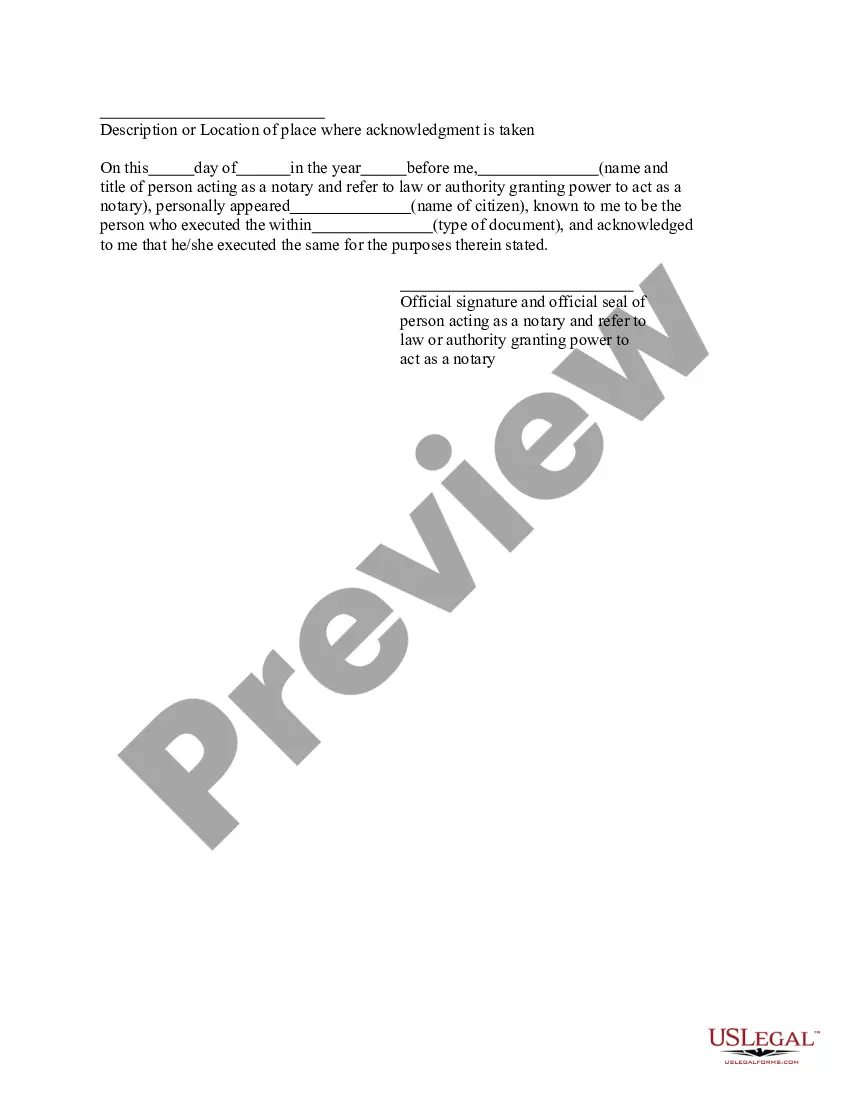
Does this document require notarization?
This form does not typically require notarization to be legally valid. However, some jurisdictions or document types may still require it. US Legal Forms provides secure online notarization powered by Notarize, available 24/7 for added convenience.
Get your form ready online
Our built-in tools help you complete, sign, share, and store your documents in one place.
Make edits, fill in missing information, and update formatting in US Legal Forms—just like you would in MS Word.
Download a copy, print it, send it by email, or mail it via USPS—whatever works best for your next step.
Sign and collect signatures with our SignNow integration. Send to multiple recipients, set reminders, and more. Go Premium to unlock E-Sign.
If this form requires notarization, complete it online through a secure video call—no need to meet a notary in person or wait for an appointment.
We protect your documents and personal data by following strict security and privacy standards.

Make edits, fill in missing information, and update formatting in US Legal Forms—just like you would in MS Word.

Download a copy, print it, send it by email, or mail it via USPS—whatever works best for your next step.

Sign and collect signatures with our SignNow integration. Send to multiple recipients, set reminders, and more. Go Premium to unlock E-Sign.

If this form requires notarization, complete it online through a secure video call—no need to meet a notary in person or wait for an appointment.

We protect your documents and personal data by following strict security and privacy standards.
Common mistakes
- Failing to clearly specify the leased property address.
- Not including all necessary signatures from both parties.
- Overlooking the inclusion of specific maintenance responsibilities.
- Neglecting to outline payment due dates, which can lead to confusion.
- Assuming the lease is automatically renewed without proper notice.
Benefits of using this form online
- Immediate access to professionally drafted legal language.
- Easy customization to meet specific needs or requirements.
- Secure and efficient downloading for quick use.
- Reduced need for in-person appointments with legal professionals.
- 24/7 availability, allowing users to complete the form at their convenience.
Legal use & context
- This lease agreement is legally enforceable in a court of law, provided it is properly executed by both parties.
- Both parties should retain a copy of the signed agreement for their records.
- It is crucial to understand all clauses to prevent potential disputes in the future.
What to keep in mind
- The Office Lease Agreement outlines critical terms for leasing office space.
- Proper execution ensures legal enforceability and clarity for both parties.
- Understanding terms and conditions can help avoid common legal disputes.
Looking for another form?
Form popularity
FAQ
Yes, while there is no single standard lease agreement for office spaces in California, there are established templates that many landlords use. A well-drafted California Office Lease Agreement addresses specific issues such as rent terms, maintenance responsibilities, and renewal options, which can differ from one property to another. Utilizing platforms like USLegalForms can help you find a compliant and effective lease template.
Office space leases often fall under several categories, including gross leases, net leases, and modified gross leases. Each type of California Office Lease Agreement has unique provisions regarding expenses and responsibilities. Familiarizing yourself with these types can help you choose the best lease arrangement that suits your business needs.
An office lease can be considered an operating lease, depending on the specific terms outlined in the California Office Lease Agreement. In an operating lease, the tenant typically does not own the asset, and the lease term is shorter than the asset’s useful life. This arrangement can offer flexibility for businesses that require temporary office space.
The most prevalent type of lease for office spaces is the full-service lease. This California Office Lease Agreement includes base rent along with operating expenses, making it easier for tenants to budget their monthly costs. It simplifies management, as the landlord typically covers maintenance, utilities, and janitorial services.
Generally, living in an office space is not permitted under a typical California Office Lease Agreement. These agreements are designed for commercial use, restricting residential activities. If you are considering a mixed-use space, it's vital to review the lease terms carefully, as they may vary.
In California, the most common lease for office spaces is the commercial or office lease agreement. This agreement provides clear terms for both landlords and tenants regarding rent, duration, and responsibilities. Understanding the specifics of a California Office Lease Agreement ensures you protect your interests while occupying the space, whether it's an entire building or a suite.
While there isn’t a one-size-fits-all credit score requirement to lease an office, a score above 650 is commonly preferred by landlords. A higher credit score can demonstrate your reliability and financial responsibility, making it easier for you to negotiate terms. However, landlords may also look at other factors, such as your income and business experience. If you're concerned about your credit score, consider exploring leasing options through platforms like uslegalforms to find tailored solutions.
When leasing an office, you generally need a few key documents and pieces of information. This includes proof of your identity, financial information, and, depending on the landlord, a business plan if applicable. You should also be ready to discuss your business background and verify your creditworthiness. Ultimately, gathering these documents will help you secure a favorable California Office Lease Agreement.
In California, a commercial lease does not require notarization to be legally binding, including a California Office Lease Agreement. However, having the lease notarized may provide extra assurance, particularly for larger transactions. It can also lend credibility and clarity to the signed document in case of future disputes. Always consider consulting a legal expert to guide you in making the best choice for your lease.
To obtain a California Office Lease Agreement, you typically start by identifying the type of office space you need. You can search online listings or consult with a real estate agent who specializes in commercial leases. Once you find a suitable location, you will negotiate terms with the landlord, including rent and lease duration. Finally, you will draft your lease agreement to ensure both parties clearly understand their obligations.