Arizona Final Notice of Forfeiture and Request to Vacate Property under Contract for Deed
Understanding this form
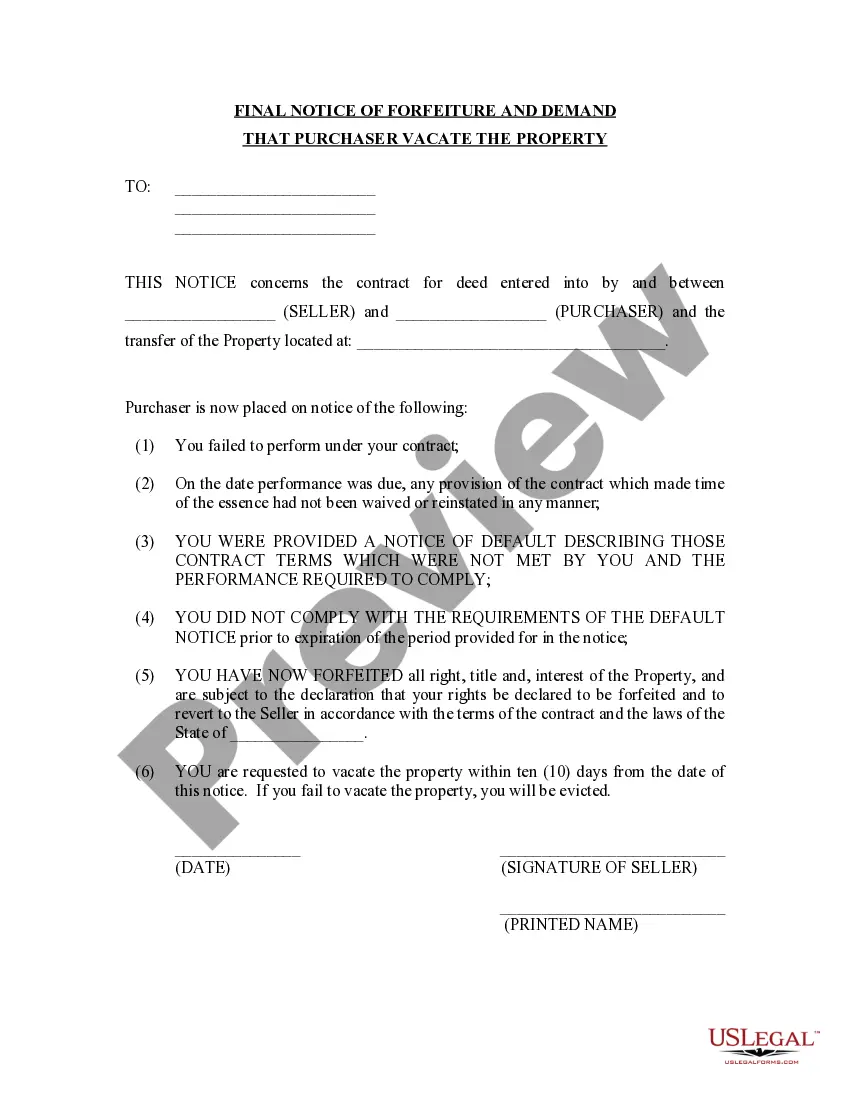
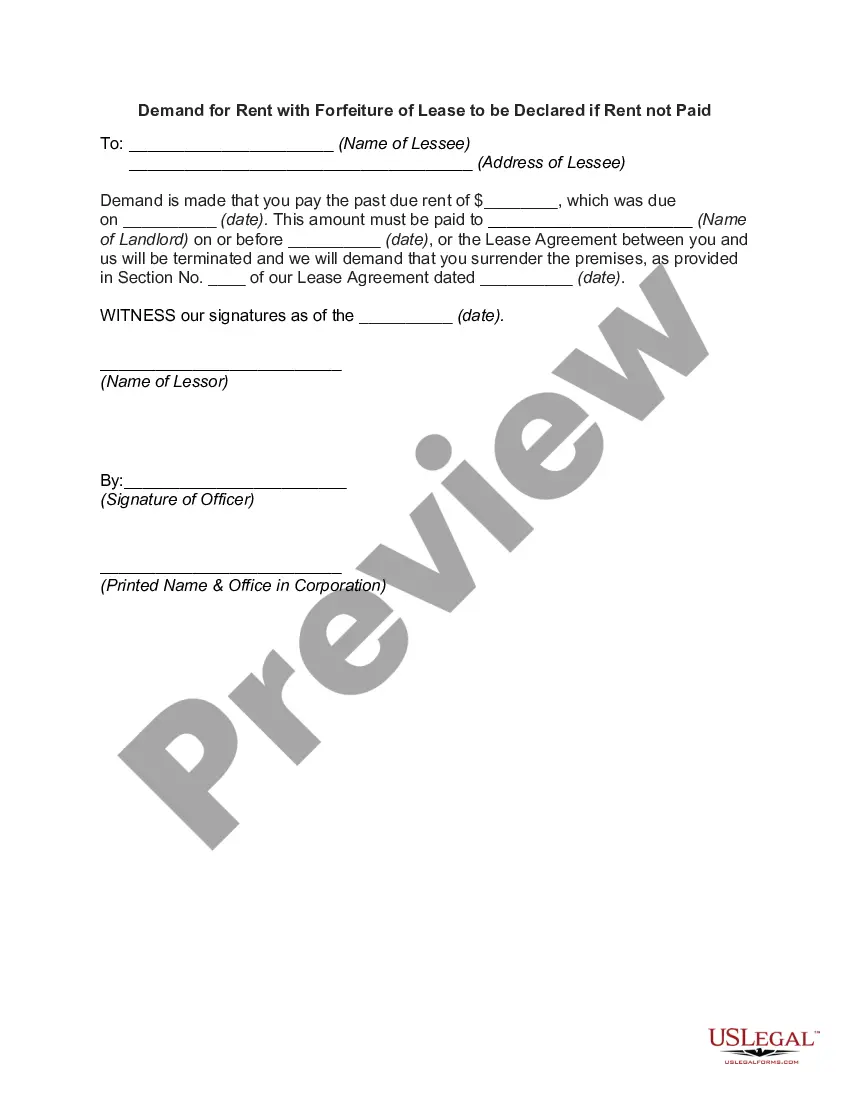
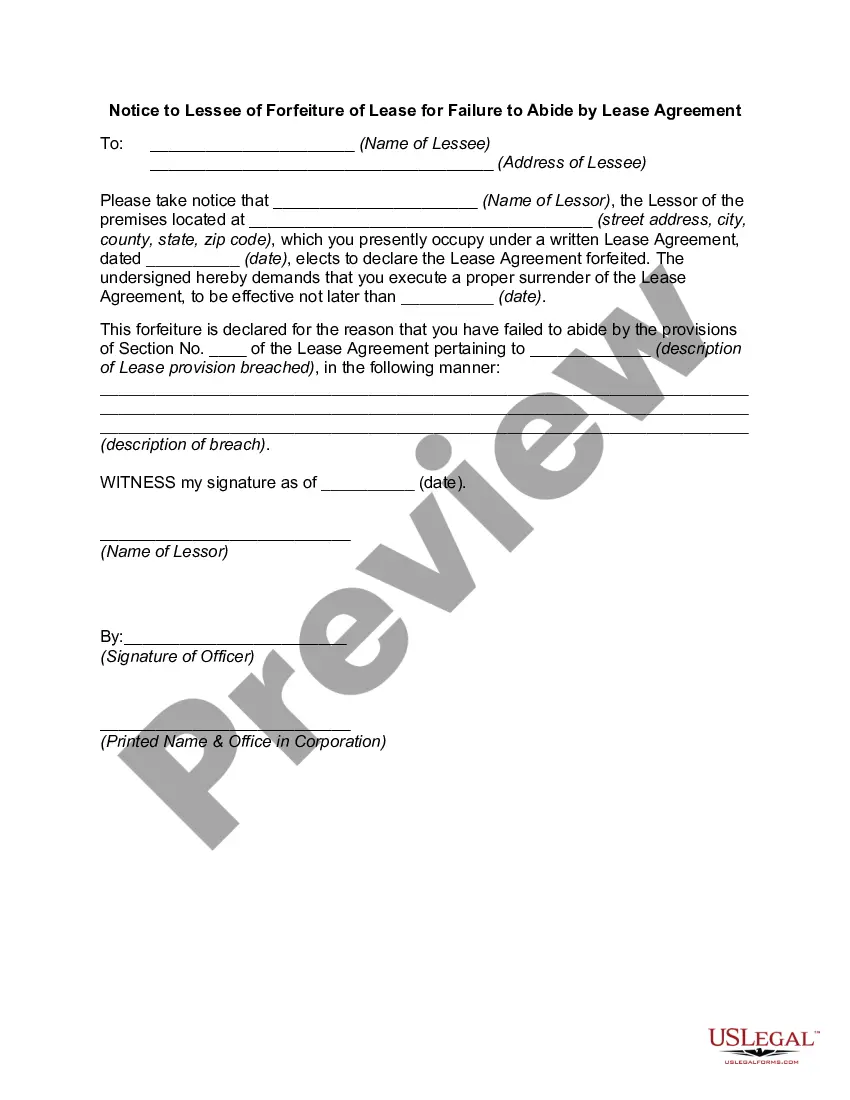
The Final Notice of Forfeiture and Request to Vacate Property under Contract for Deed is a legal document used by sellers to inform purchasers that their contract for deed is canceled. This form follows the expiration of prior breach notices and signifies that all past payments made by the purchaser are forfeited. Unlike similar forms, this notice serves as a final warning before legal action is taken to remove the buyer from the property.
Form components explained
- Identification of the seller and buyer involved in the contract.
- Details of the property subject to the contract for deed.
- Reference to prior notices of breach and the results of non-compliance.
- Statement of the seller's intention to cancel the contract.
- Demand for the buyer to vacate the property by a specified date.
When this form is needed
This form is necessary when a buyer has failed to comply with the terms of the contract for deed, following previous notices of default. Once the grace periods of these notices have expired, the seller can use this final notice to reclaim possession of the property and confirm that all past payments are forfeited.
Who can use this document
- Sellers who have entered into a contract for deed with a buyer.
- Individuals seeking to reclaim property due to the buyer's non-compliance.
- Real estate professionals representing sellers in contract disputes.
How to prepare this document
- Identify the seller and the buyer by providing their full names and contact information.
- Specify the property address involved in the contract for deed.
- Include details regarding prior breach notices and their compliance periods.
- Clearly state the cancellation of the contract and the forfeiture of payments.
- Sign and date the form to formalize the notice.
Does this form need to be notarized?
Notarization is required for this form to take effect. Our online notarization service, powered by Notarize, lets you verify and sign documents remotely through an encrypted video session, available 24/7.
Get your form ready online
Our built-in tools help you complete, sign, share, and store your documents in one place.
Make edits, fill in missing information, and update formatting in US Legal Forms—just like you would in MS Word.
Download a copy, print it, send it by email, or mail it via USPS—whatever works best for your next step.
Sign and collect signatures with our SignNow integration. Send to multiple recipients, set reminders, and more. Go Premium to unlock E-Sign.
If this form requires notarization, complete it online through a secure video call—no need to meet a notary in person or wait for an appointment.
We protect your documents and personal data by following strict security and privacy standards.

Make edits, fill in missing information, and update formatting in US Legal Forms—just like you would in MS Word.

Download a copy, print it, send it by email, or mail it via USPS—whatever works best for your next step.

Sign and collect signatures with our SignNow integration. Send to multiple recipients, set reminders, and more. Go Premium to unlock E-Sign.

If this form requires notarization, complete it online through a secure video call—no need to meet a notary in person or wait for an appointment.

We protect your documents and personal data by following strict security and privacy standards.
Common mistakes
- Failing to specify the correct property address.
- Not including required dates relevant to prior notices.
- Neglecting to sign and date the document properly.
- Omitting crucial identification information for parties involved.
Advantages of online completion
- Easy and convenient download, allowing immediate access to the form.
- Editable fields make it simple to customize the form as needed.
- Professional templates ensure compliance with legal standards.
Legal use & context
- This form serves as formal documentation of the seller's intent to terminate the contract for deed.
- It helps establish a clear timeline of compliance failures by the buyer.
- Ensures that all actions taken by the seller are documented to support potential eviction proceedings.
Looking for another form?
Form popularity
FAQ
Evicting someone under a contract for deed can be tricky, as the law treats these agreements like leases in many instances. First, review the specific terms of your contract to determine your rights regarding eviction. You will likely need to serve a proper notice, stating the grounds for eviction based on the contract violation. Additionally, consider consulting with legal resources like US Legal Forms for guidance on navigating situations related to the Arizona Final Notice of Forfeiture and Request to Vacate Property under Contract for Deed, ensuring you follow the correct legal procedures.
To evict your boyfriend from your house in Texas, start by reviewing your lease or any agreements to ensure you have the authority to begin the eviction process. You will need to provide a formal notice of eviction, outlining the reasons for the eviction. If he does not leave willingly, you may need to file for an eviction in your local court. Ensure all documents are properly prepared and consider using resources like US Legal Forms for assistance with your eviction process, especially if related to situations like the Arizona Final Notice of Forfeiture and Request to Vacate Property under Contract for Deed.
You may need to give a 60-day notice in Arizona if your lease specifies this duration or if you are terminating a long-term lease. Always refer to your original rental agreement to confirm your obligations. When dealing with the complexities of an Arizona Final Notice of Forfeiture and Request to Vacate Property under Contract for Deed, consider using resources from uslegalforms to ensure you comply with local laws.
In Arizona, a landlord usually must provide a 30-day notice for a tenant to move out in most situations, especially for month-to-month agreements. In specific cases, such as lease violations or habitual non-payment, a shorter notice period might apply. If you are facing eviction due to an Arizona Final Notice of Forfeiture and Request to Vacate Property under Contract for Deed, check the specifics of your situation to know your exact deadline.
The 30-day notice to vacate in Arizona is a formal notification sent by a landlord to a tenant, indicating that they must leave the property within 30 days. This notice is often required for month-to-month leases and signifies the end of the rental agreement. If you receive such a notice along with an Arizona Final Notice of Forfeiture and Request to Vacate Property under Contract for Deed, it is important to understand your rights and take action accordingly.
In Arizona, landlords generally must give a 30-day notice to vacate for month-to-month rentals. However, some leases may require a longer notice period, such as 60 days, depending on the contract terms. Understanding the terms of your rental agreement and any relevant Arizona Final Notice of Forfeiture and Request to Vacate Property under Contract for Deed can clarify the requirements.
Yes, in Arizona, you typically have 30 days to move out after receiving an eviction notice. This timeframe allows you to find a new place and prepare for the move. However, if you receive a final notice related to an Arizona Final Notice of Forfeiture and Request to Vacate Property under Contract for Deed, you should act promptly to avoid complications.