Alabama Letter from Tenant to Landlord with Demand that landlord remove garbage and vermin from premises
About this form
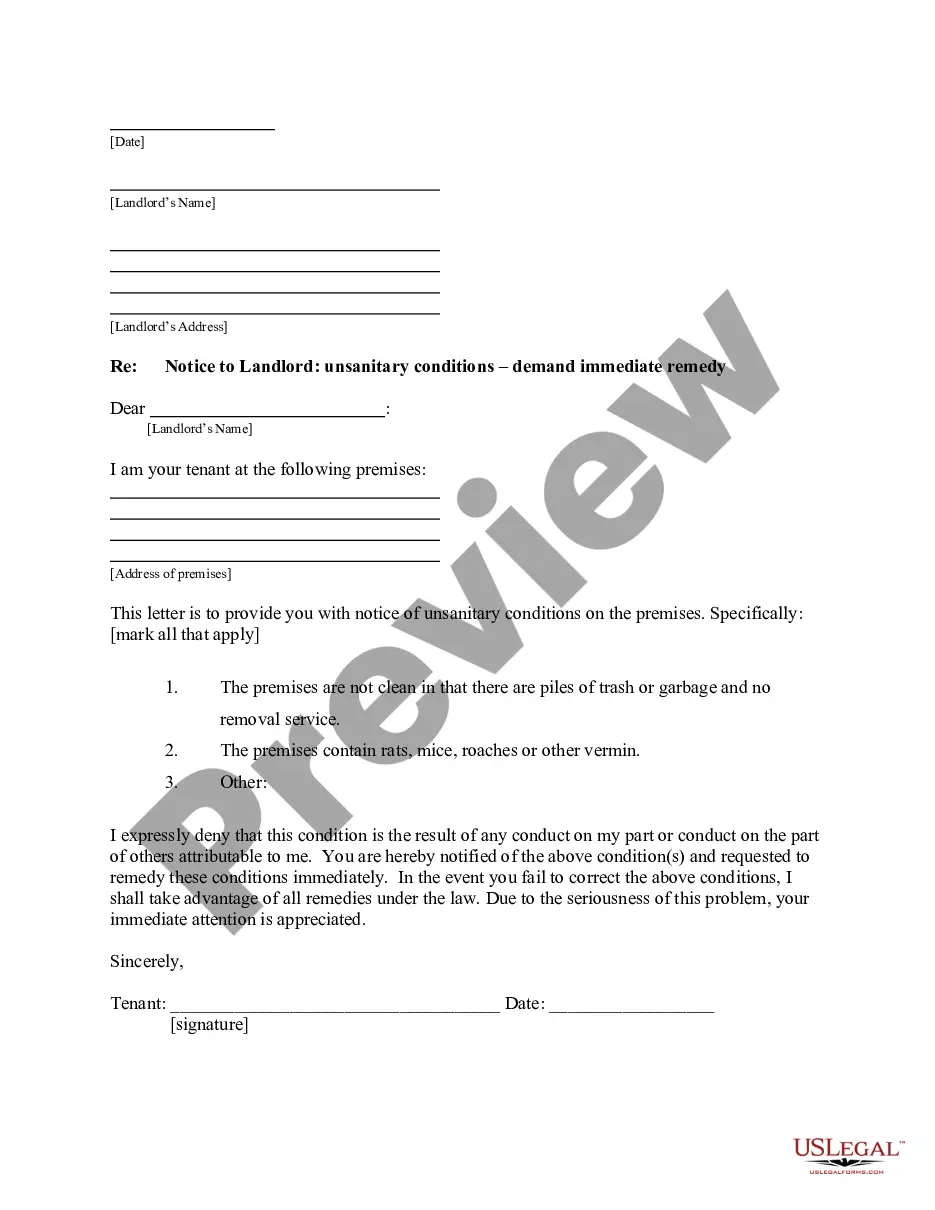
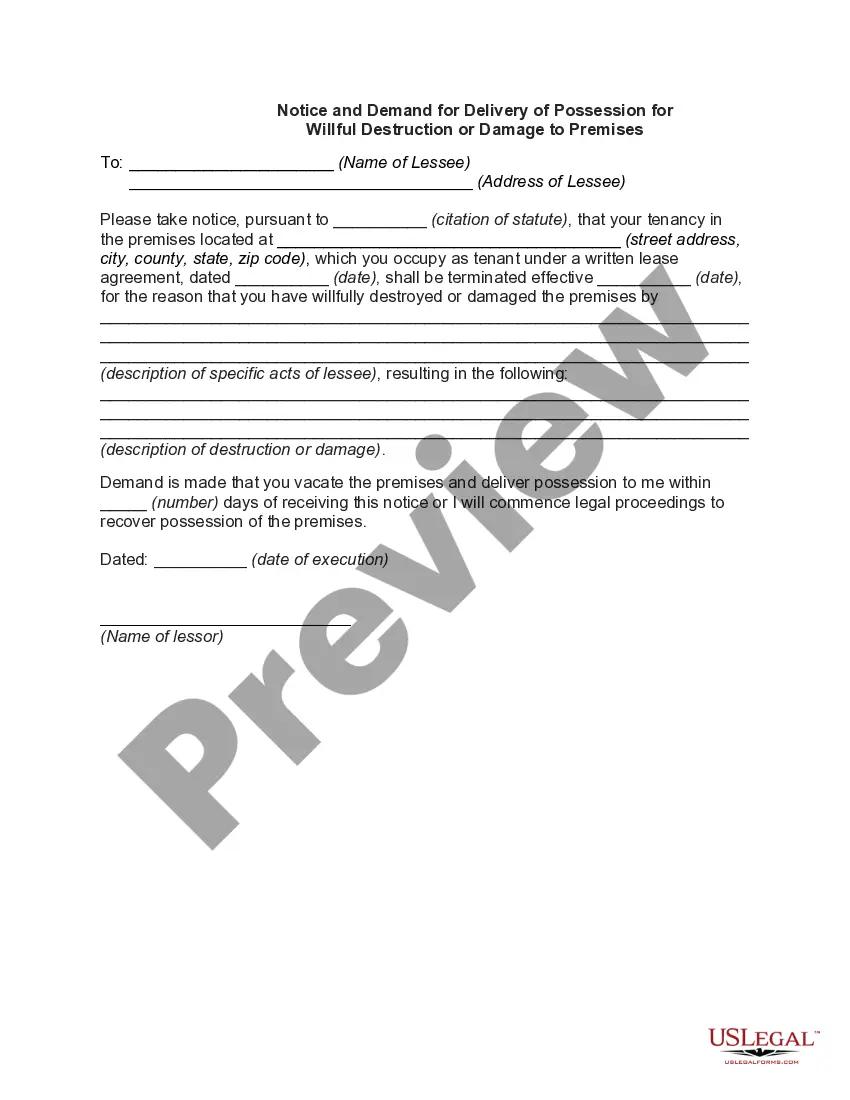
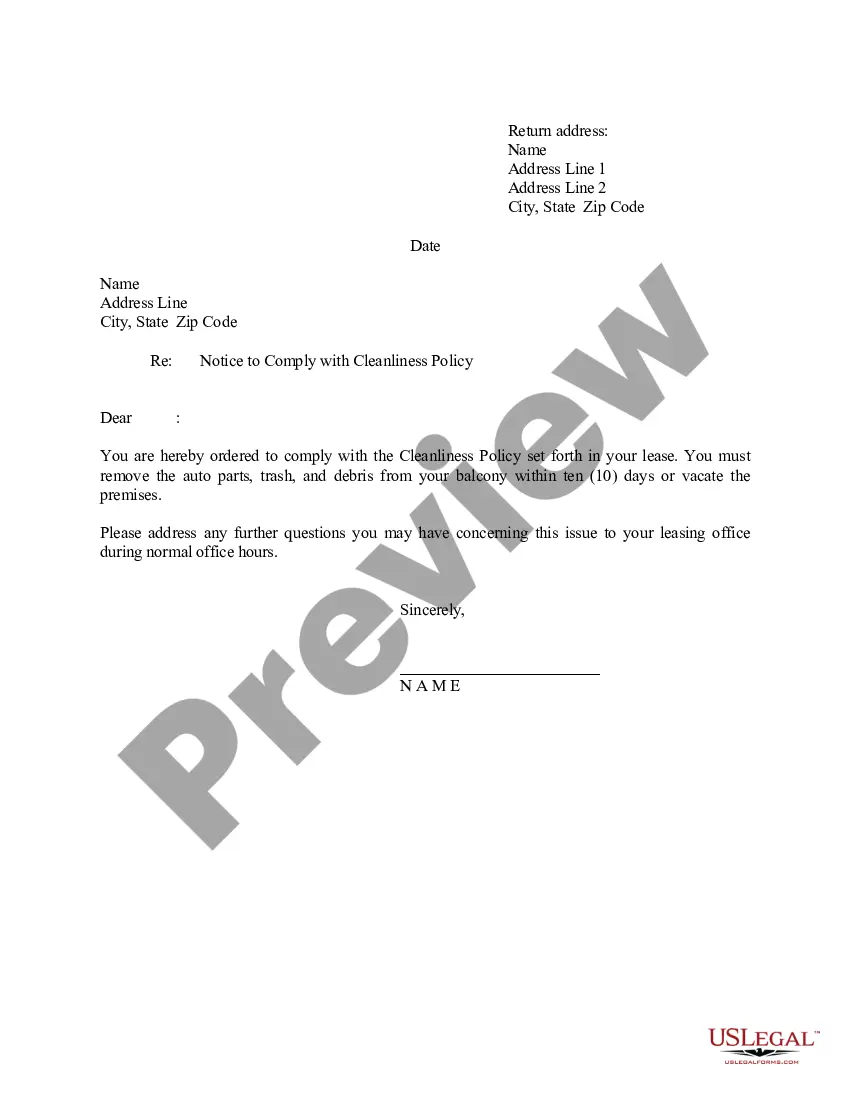
This document, titled Letter from Tenant to Landlord with Demand that Landlord Remove Garbage and Vermin from Premises, is a formal notice used by tenants to inform landlords about unsanitary conditions in rental properties. It serves to notify the landlord of their breach of the lease agreement regarding the condition of the premises and demands immediate action for repairs. This form is essential for tenants seeking to address health and safety issues effectively while preserving their rights under the lease.
Key components of this form
- Tenant's information: includes the tenantâs name and contact details.
- Landlord's information: identifies the landlord or authorized agent.
- Description of unsanitary conditions: specifies the issues requiring attention.
- Demand for remedy: a clear request for immediate corrective action.
- Consequences of inaction: outlines potential legal recourse if the issues are not resolved.
- Signature and date: ensures the notice is formally executed.

When this form is needed
This form should be used when a tenant observes unsanitary conditions in their rental unit that may include garbage accumulation or vermin infestations. It is relevant in scenarios where the tenant has notified the landlord previously but has not received a response or when immediate action is deemed necessary to protect health and safety. Utilizing this form demonstrates the tenant's seriousness in addressing the problem and establishes a written record of the request.
Who should use this form
- Tenants who are experiencing unsanitary conditions in their rental properties.
- Individuals who have previously communicated issues to their landlord without resolution.
- Renters looking to take formal steps to ensure their living environment is safe and healthy.
Completing this form step by step
- Identify the parties: enter the tenant's and landlord's names and contact information.
- Detail the premises: specify the address of the rental unit.
- Describe the unsanitary conditions: provide a clear explanation of the issues, including details of garbage and vermin problems.
- Make a demand: state the request for remediation and highlight the urgency.
- Sign and date the form: ensure your signature is included along with the date of notice.
Notarization guidance
This form does not typically require notarization unless specified by local law. However, tenants should verify their state's requirements to ensure compliance with any additional legal stipulations.
Get your form ready online
Our built-in tools help you complete, sign, share, and store your documents in one place.
Make edits, fill in missing information, and update formatting in US Legal Forms—just like you would in MS Word.
Download a copy, print it, send it by email, or mail it via USPS—whatever works best for your next step.
Sign and collect signatures with our SignNow integration. Send to multiple recipients, set reminders, and more. Go Premium to unlock E-Sign.
If this form requires notarization, complete it online through a secure video call—no need to meet a notary in person or wait for an appointment.
We protect your documents and personal data by following strict security and privacy standards.

Make edits, fill in missing information, and update formatting in US Legal Forms—just like you would in MS Word.

Download a copy, print it, send it by email, or mail it via USPS—whatever works best for your next step.

Sign and collect signatures with our SignNow integration. Send to multiple recipients, set reminders, and more. Go Premium to unlock E-Sign.

If this form requires notarization, complete it online through a secure video call—no need to meet a notary in person or wait for an appointment.

We protect your documents and personal data by following strict security and privacy standards.
Avoid these common issues
- Failing to provide a detailed description of the unsanitary conditions.
- Neglecting to include the date or a signature.
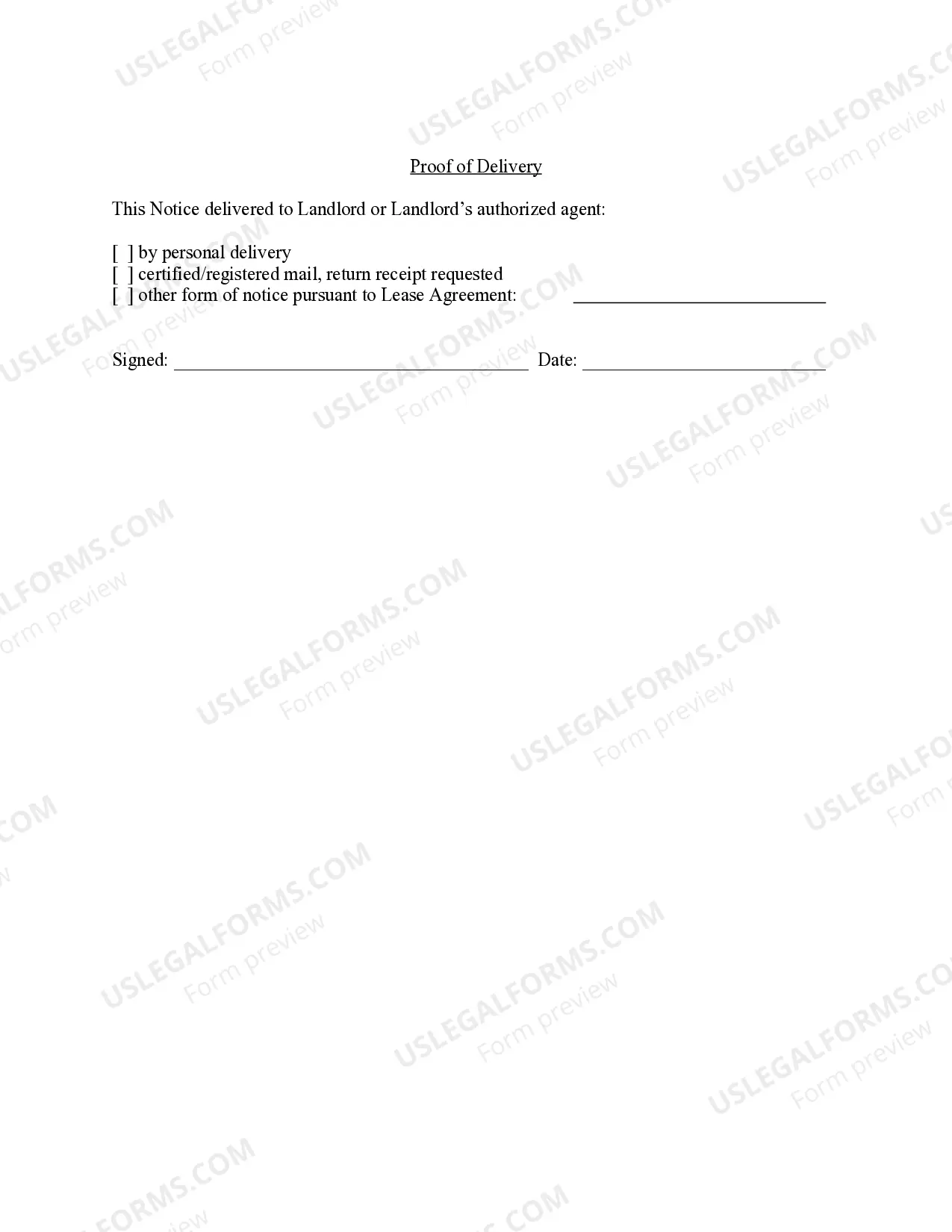
- Not sending the letter via a method that provides proof of delivery.
Advantages of online completion
- Convenience: download the form anytime and anywhere.
- Editability: easily customize fields to fit your specific circumstances.
- Reliability: forms are drafted by licensed attorneys to ensure legal validity.
Legal use & context
- This letter serves as official documentation of the tenant's complaint.
- Failure to address the issues can lead to legal remedies as outlined in landlord-tenant laws.
- The letter can enhance a tenant's position should further legal action become necessary.
Summary of main points
- The form is essential for notifying landlords of unsanitary conditions.
- Timely use can help ensure health and safety in rental properties.
- Documenting complaints may protect tenant rights and facilitate legal recourse.
Looking for another form?
Form popularity
FAQ
If your landlord breaches the warranty of habitability or the warranty of quiet enjoyment, you may be able to sue her to recover monetary damages.In some states, such as California and Arizona, you may be able to seek emotional distress damages if the landlord's actions were particularly egregious.
Review Your Lease Before You Sign. Research Local Laws. Keep Records. Pay Your Rent. Maintain Respectful Communication. Seek an Agreeable Solution. Request Repairs in Writing. What Do You Think?
A landlord cannot evict a tenant without an adequately obtained eviction notice and sufficient time. A landlord cannot retaliate against a tenant for a complaint. A landlord cannot forego completing necessary repairs or force a tenant to do their own repairs.A landlord cannot remove a tenant's personal belongings.
Your landlord discriminates against you. Your landlord takes your security deposit illegally. Your rental unit is inhabitable. The property owner interferes with your right to quiet enjoyment. Your landlord fails to make the necessary repairs.
Know your state's landlord/tenant laws. Read and respond to the court summons. Try to work out a settlement. Consider legal counsel. Show up for court. Look sharp and provide evidence.
The landlord had a duty to reasonably maintain the property; The landlord knew or should have known of the dangerous condition; The landlord breached their duty by failing to repair/fix the dangerous condition;
If you're seeking damages for emotional distress caused by a landlord's discrimination, or punitive damages for especially blatant and intentional discrimination, a lawsuit may well be your best bet. Understand what's involved in suing your landlord. You may file a lawsuit in either federal or state court.
If you think your landlord is violating the Fair Housing Act, you can get that landlord in trouble by filing a complaint at HUD.gov. Your remedy for breach of quiet enjoyment is to terminate the lease and move or sue in small claims court.
Uninhabitable conditions can include dangerous ones, such as holes in the floor, unsafe or exposed wiring, or non-working air conditioning in dangerously hot summer months. Gross infestations of roaches, fleas or other pests are also uninhabitable conditions.