Alaska Commercial Lease Assignment from Tenant to New Tenant
What is this form?
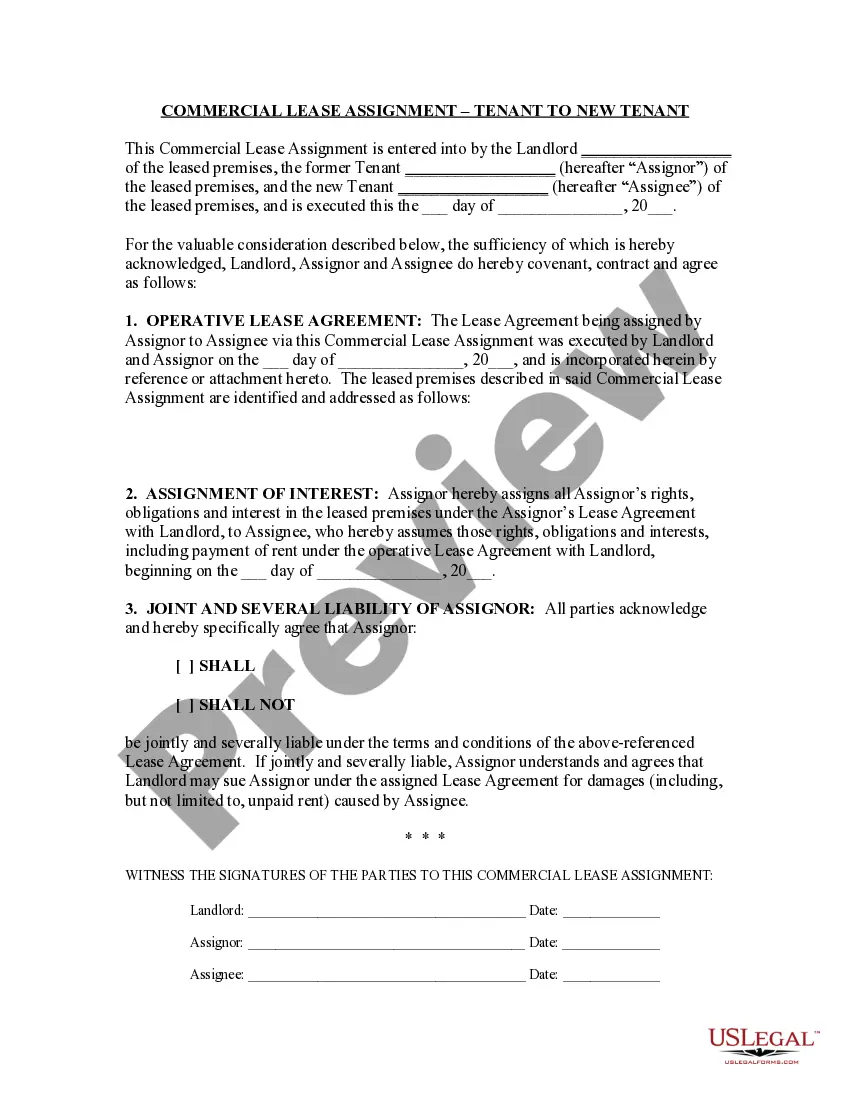
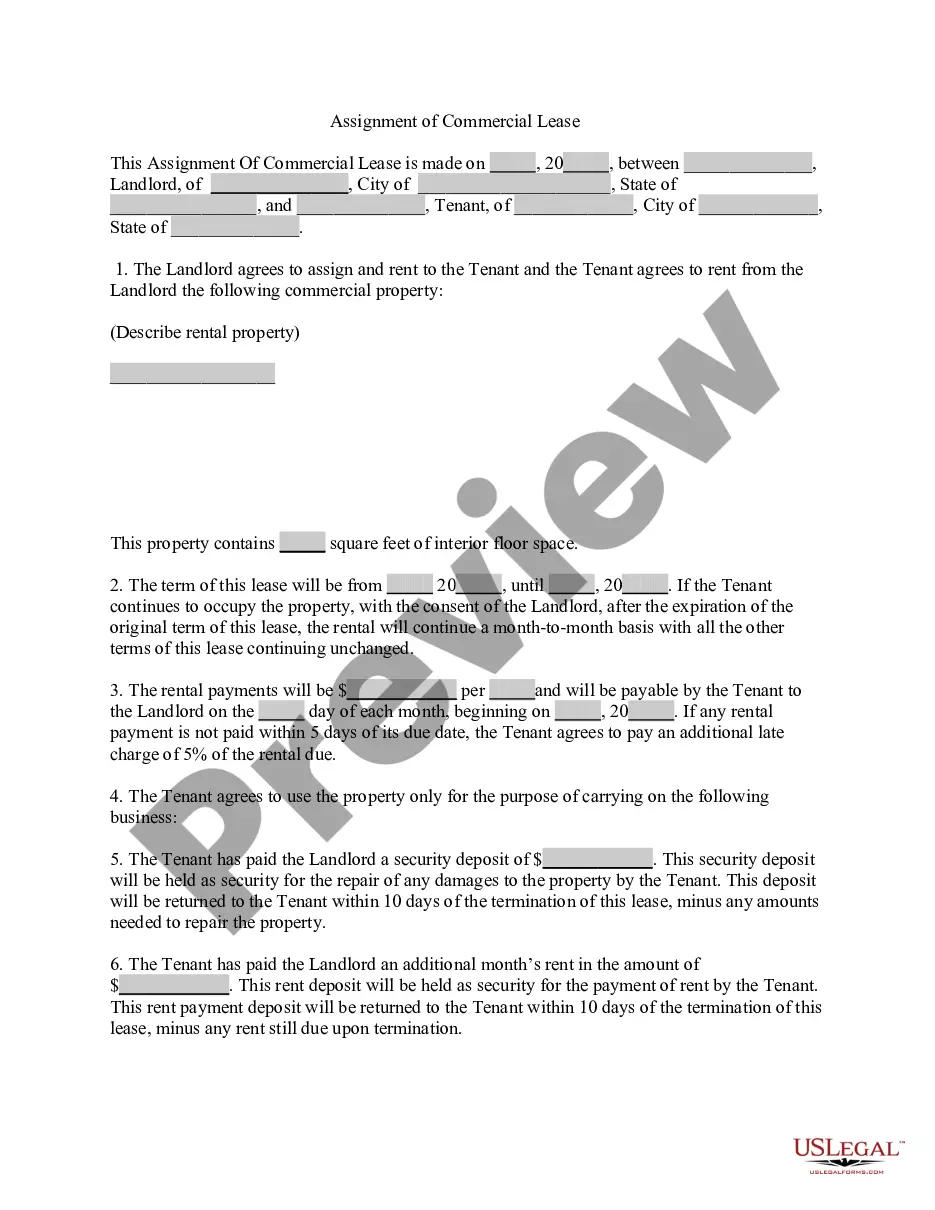
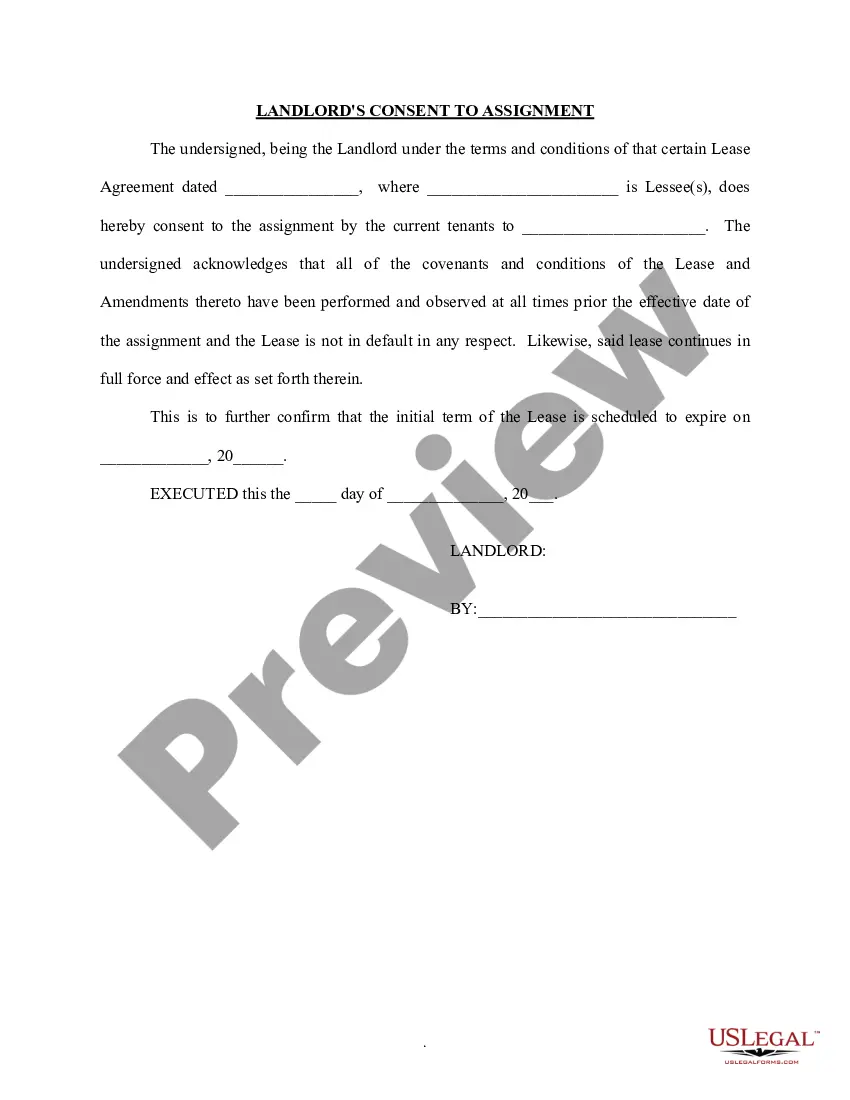
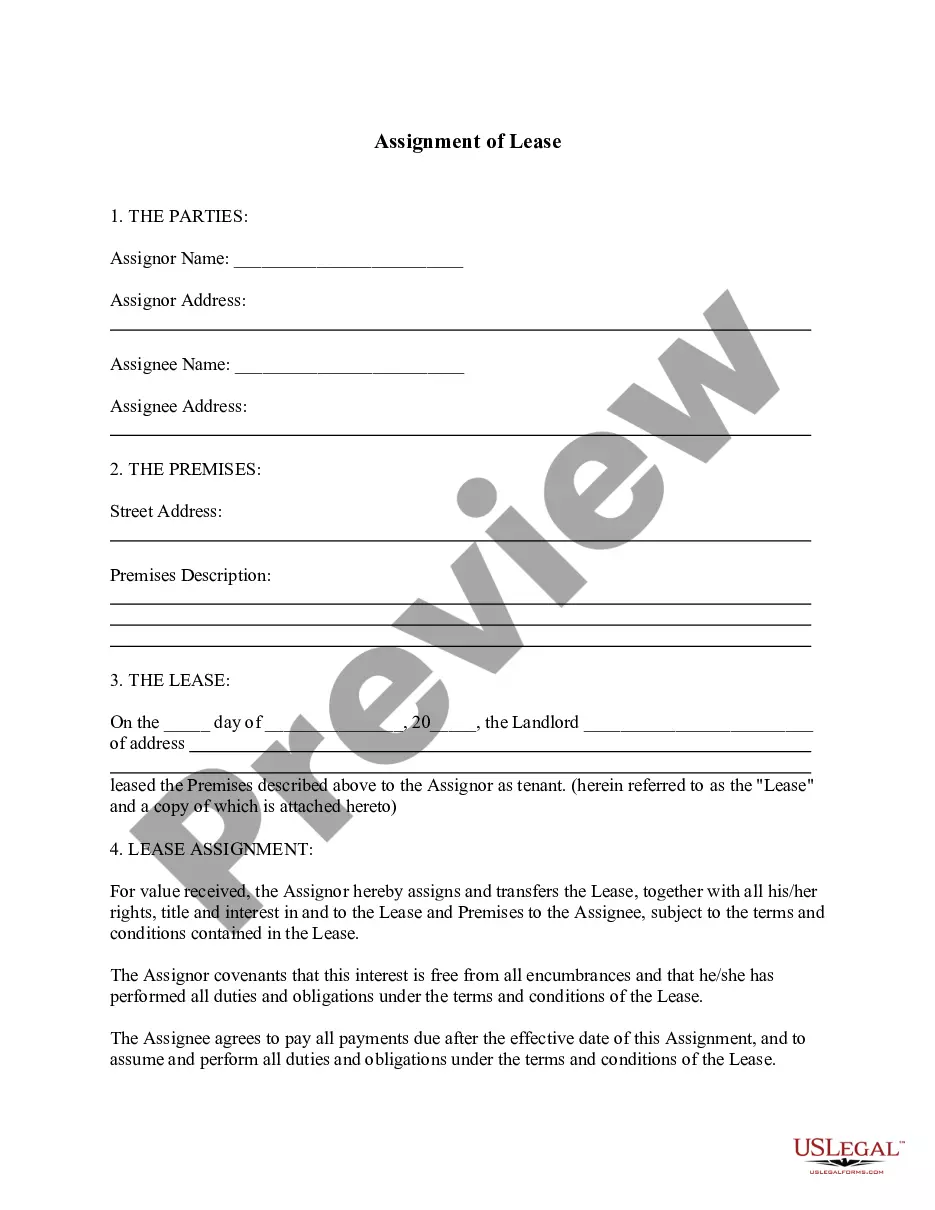
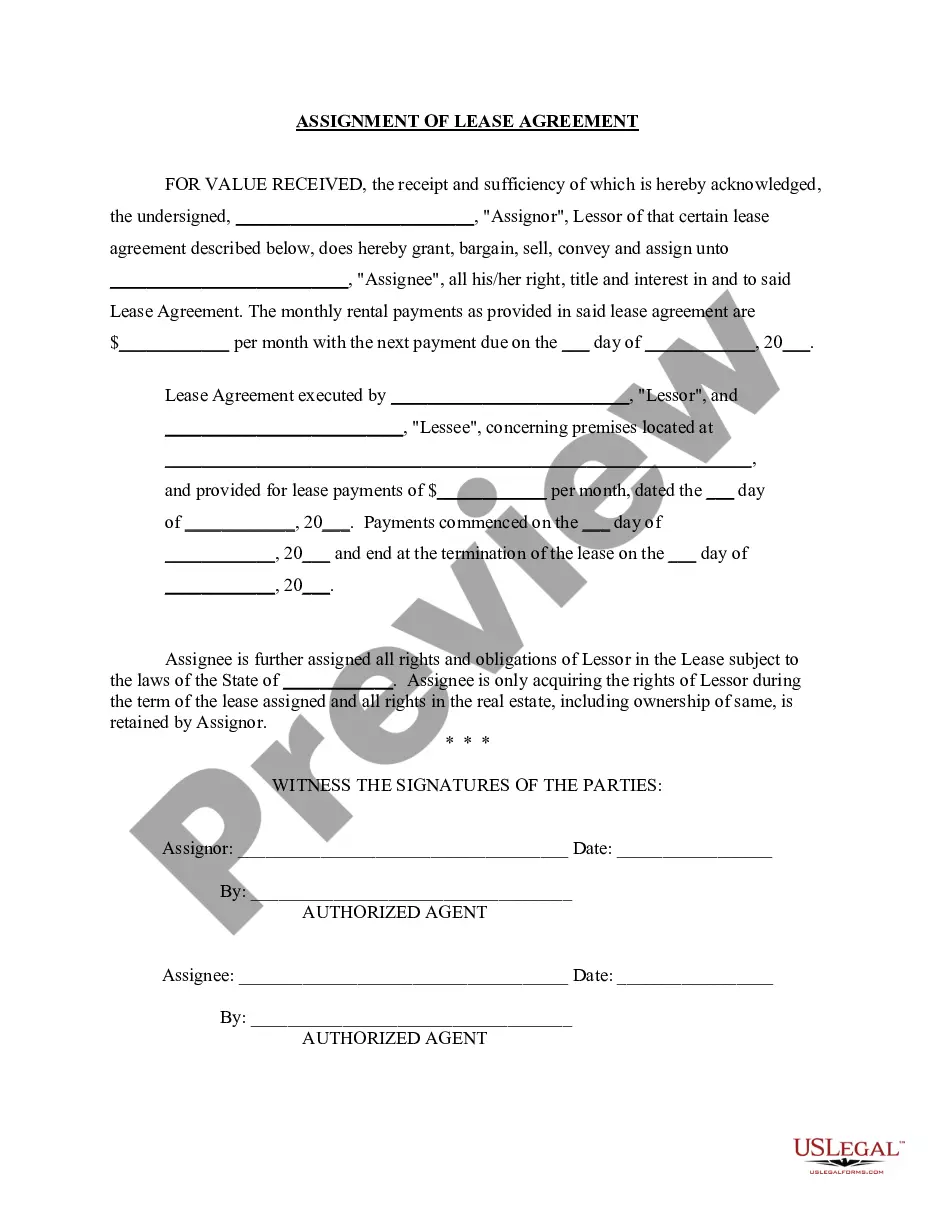
The Commercial Lease Assignment from Tenant to New Tenant is a legal document that outlines the transfer of lease rights from an existing tenant (the Assignor) to a new tenant (the Assignee), while keeping the landlord unchanged. This agreement is crucial for ensuring that the original tenant's obligations are either retained or relinquished based on the mutual agreement among the parties involved. It is important to understand how this assignment differs from simple lease transfers and ensures that the landlord's rights are maintained.
What’s included in this form
- Identification of the landlord, original tenant (Assignor), and new tenant (Assignee).
- Specification of joint and several liabilities of the Assignor regarding the lease obligations.
- The execution date of the assignment agreement.
- Signatures of the landlord, Assignor, and Assignee to validate the agreement.
When to use this form
This form should be used when an existing tenant wishes to transfer their lease obligations to a new tenant while keeping the landlord the same. It is often necessary when a tenant needs to relocate or is unable to fulfill their leasing responsibilities due to financial difficulties. Using this form helps formalize the assignment and clarify the responsibilities of each party involved in the lease.
Who this form is for
- Existing tenants seeking to assign their commercial lease to another party.
- New tenants who intend to take over an existing lease.
- Landlords who need to formalize the lease assignment process.
How to prepare this document
- Identify and enter the names of all parties involved: landlord, current tenant (Assignor), and new tenant (Assignee).
- Specify the address of the leased premises.
- Fill in the execution date of the assignment.
- Indicate whether the Assignor will retain joint and several liabilities for the lease.
- Ensure all parties sign and date the agreement to finalize the assignment.
Does this document require notarization?
This form does not typically require notarization to be legally valid. However, some jurisdictions or document types may still require it. US Legal Forms provides secure online notarization powered by Notarize, available 24/7 for added convenience.
Get your form ready online
Our built-in tools help you complete, sign, share, and store your documents in one place.
Make edits, fill in missing information, and update formatting in US Legal Forms—just like you would in MS Word.
Download a copy, print it, send it by email, or mail it via USPS—whatever works best for your next step.
Sign and collect signatures with our SignNow integration. Send to multiple recipients, set reminders, and more. Go Premium to unlock E-Sign.
If this form requires notarization, complete it online through a secure video call—no need to meet a notary in person or wait for an appointment.
We protect your documents and personal data by following strict security and privacy standards.

Make edits, fill in missing information, and update formatting in US Legal Forms—just like you would in MS Word.

Download a copy, print it, send it by email, or mail it via USPS—whatever works best for your next step.

Sign and collect signatures with our SignNow integration. Send to multiple recipients, set reminders, and more. Go Premium to unlock E-Sign.

If this form requires notarization, complete it online through a secure video call—no need to meet a notary in person or wait for an appointment.

We protect your documents and personal data by following strict security and privacy standards.
Avoid these common issues
- Failing to have all parties sign the document.
- Not specifying the obligations of the Assignor regarding liability.
- Neglecting to check the original lease for any restrictions on assignment.
Benefits of using this form online
- Instant access to a legally vetted document tailored to your needs.
- Ability to edit and customize the form according to your specific situation.
- Secure and convenient method to complete legal agreements without requiring in-person meetings.
Looking for another form?
Form popularity
FAQ
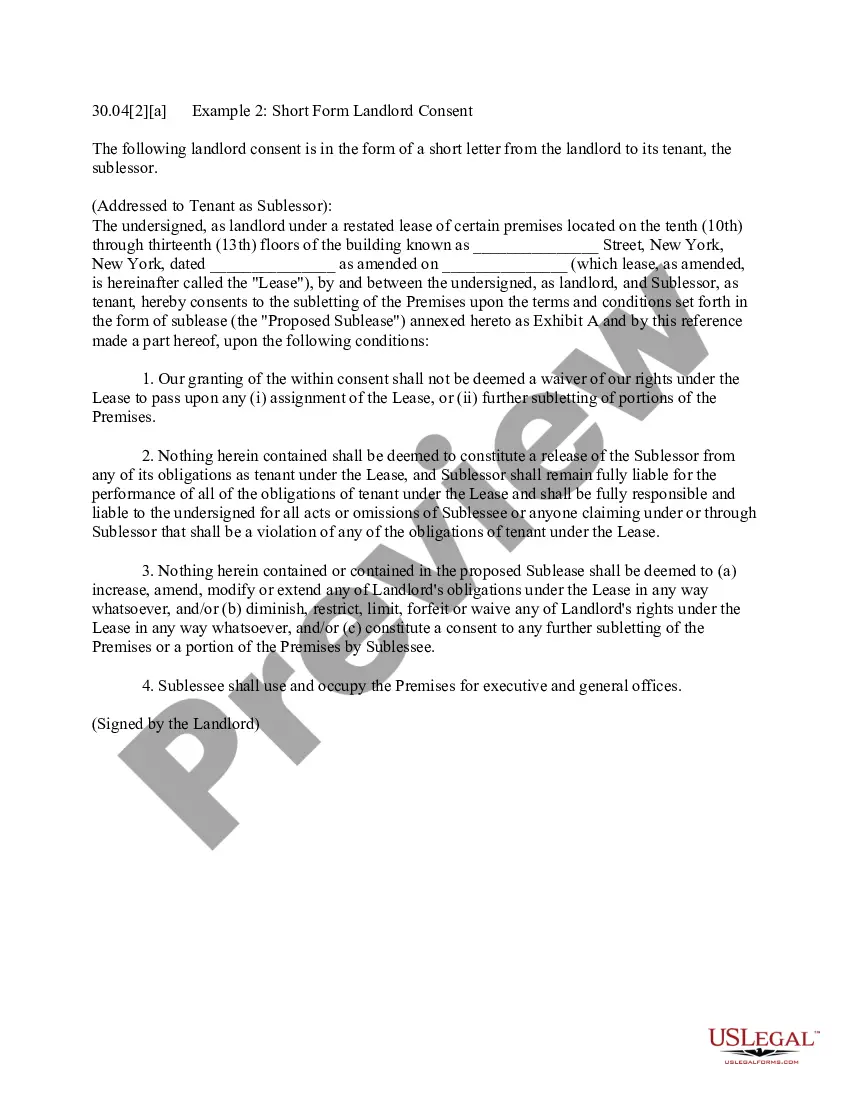
Can the landlord refuse consent to an Assignment? Most leases will say that the Landlord cannot unreasonably withhold consent. According to section 19 (1A) of the Landlord and Tenant Act 1927 the landlord can insert conditions in the lease, which need to be met in the case of an assignment.
At-will tenancy is subject to the will of both the tenant and the landlord (hence the name). In other words, the tenant can choose to leave and stop paying rent at any time, and the landlord can choose to stop accepting rent and ask the tenant to leave at any time.
Lease Provisions First and foremost, the lease must be honored.He or she is still responsible for paying rent and carrying out the terms of the original lease, although rents will generally be paid to the new owner. The other terms and conditions of the lease also stay in effect until the lease expires.
In general, it is illegal in the United States to employ someone to do work but not pay him/her. Not so with lease takeovers. When you do a lease takeover, you have to realize that what you are doing is working to find your landlord another tenant. And that is something landlords pay leasing agents to do.
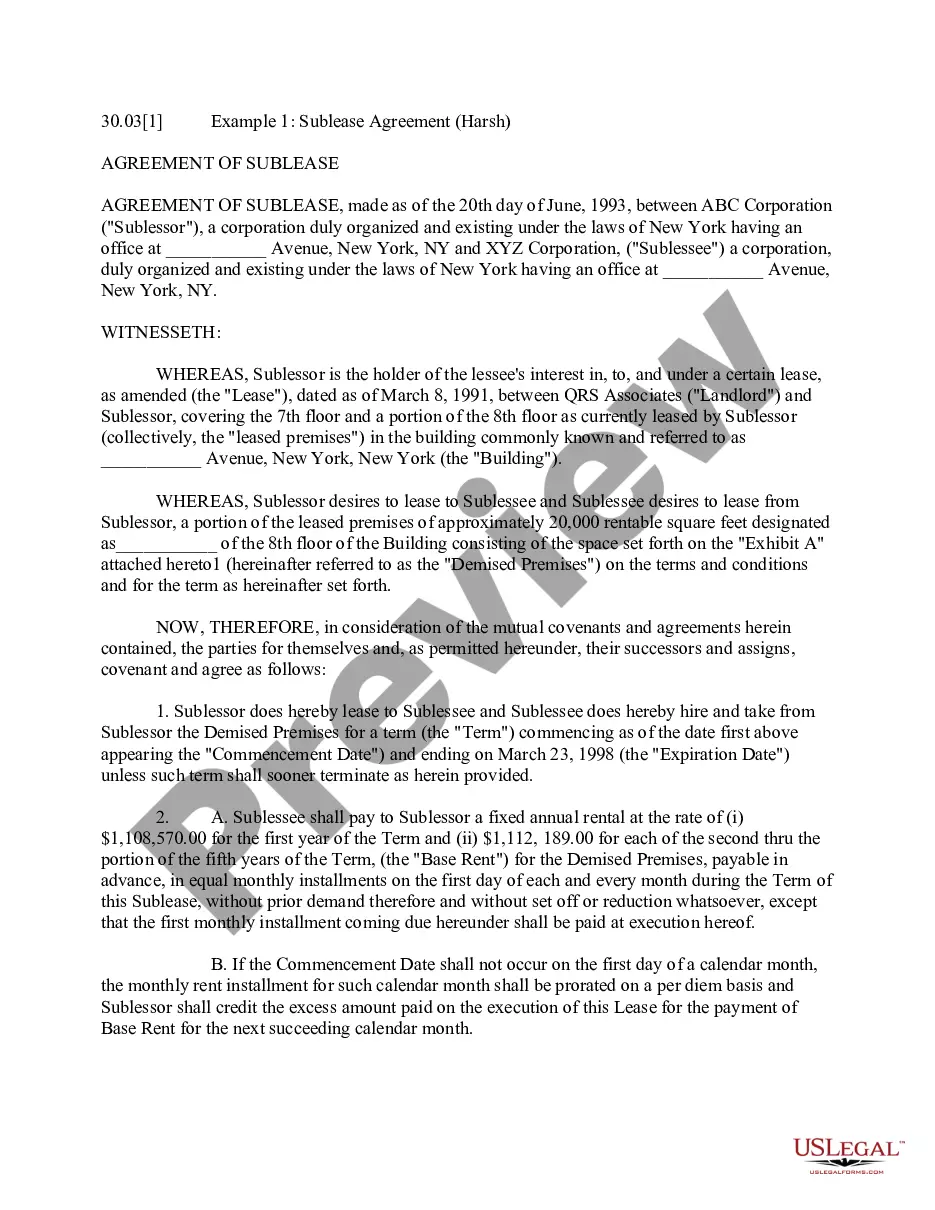
Whatever the reason, tenants can transfer their lease interests to new parties by completing an assignment of the lease. An assignment is the transfer of one party's entire interest in and obligations under a lease to another party.
What happens if a leased property is sold to another owner during the lease term?The lease will continue to apply to the subsequent owner if so stated in the lease. Or the lease may require that upon transfer, the lease terminates and the existing owner compensates the tenant per the terms in the lease.
Give the landlord/agent a written termination notice and vacate move out and return the keys according to your notice, and/or. apply to the NSW Civil & Administrative Tribunal (NCAT) for a termination order.
Great, you'll just need to let your agent or landlord know you'll be breaking your lease as soon as you have exchanged contracts. This will allow as much time as possible for them to find a new tenant to replace you. In this case, you're also up for a penalty fee called a 'break fee'.