Estate Planning Questionnaire
What is this form?
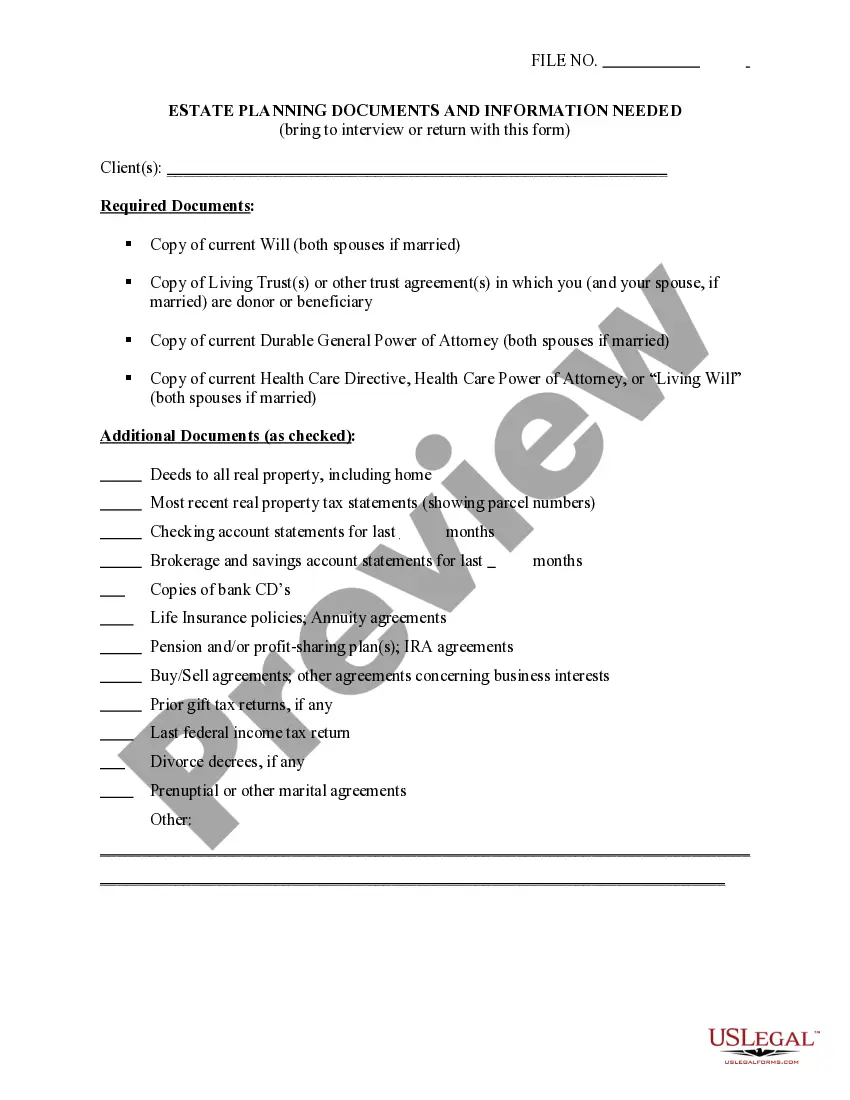
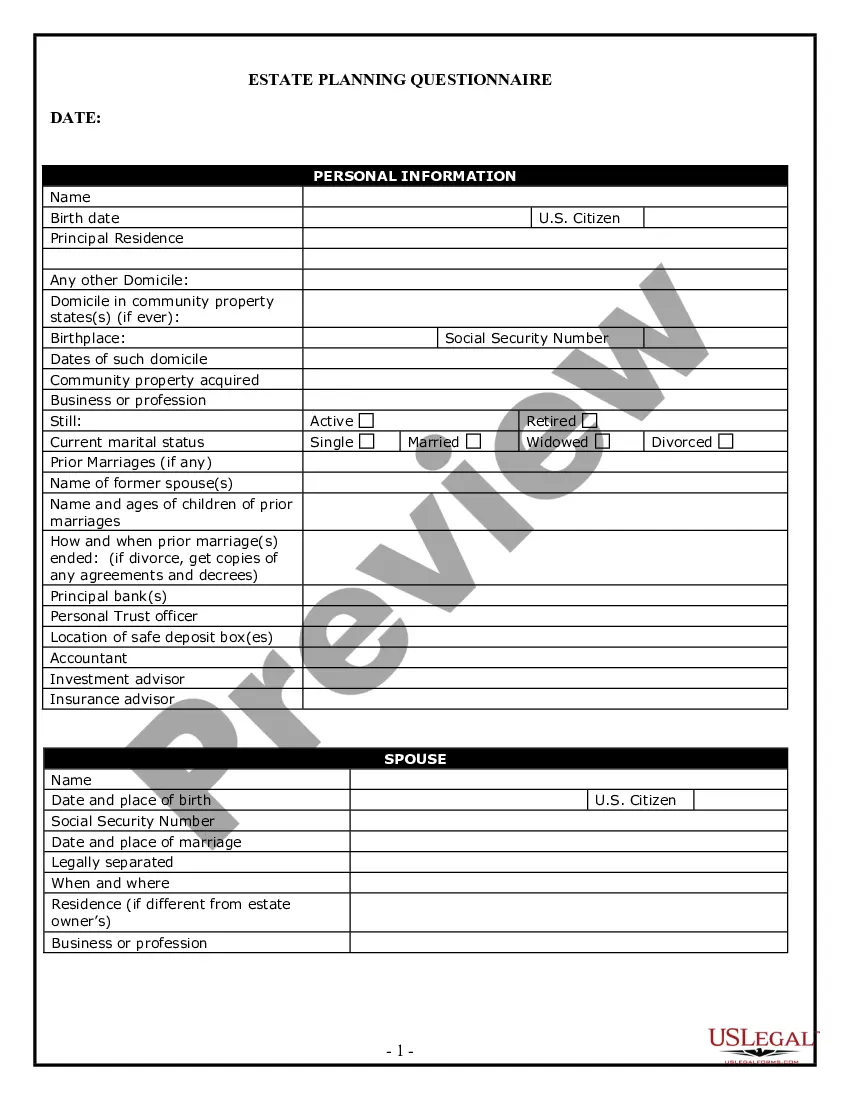
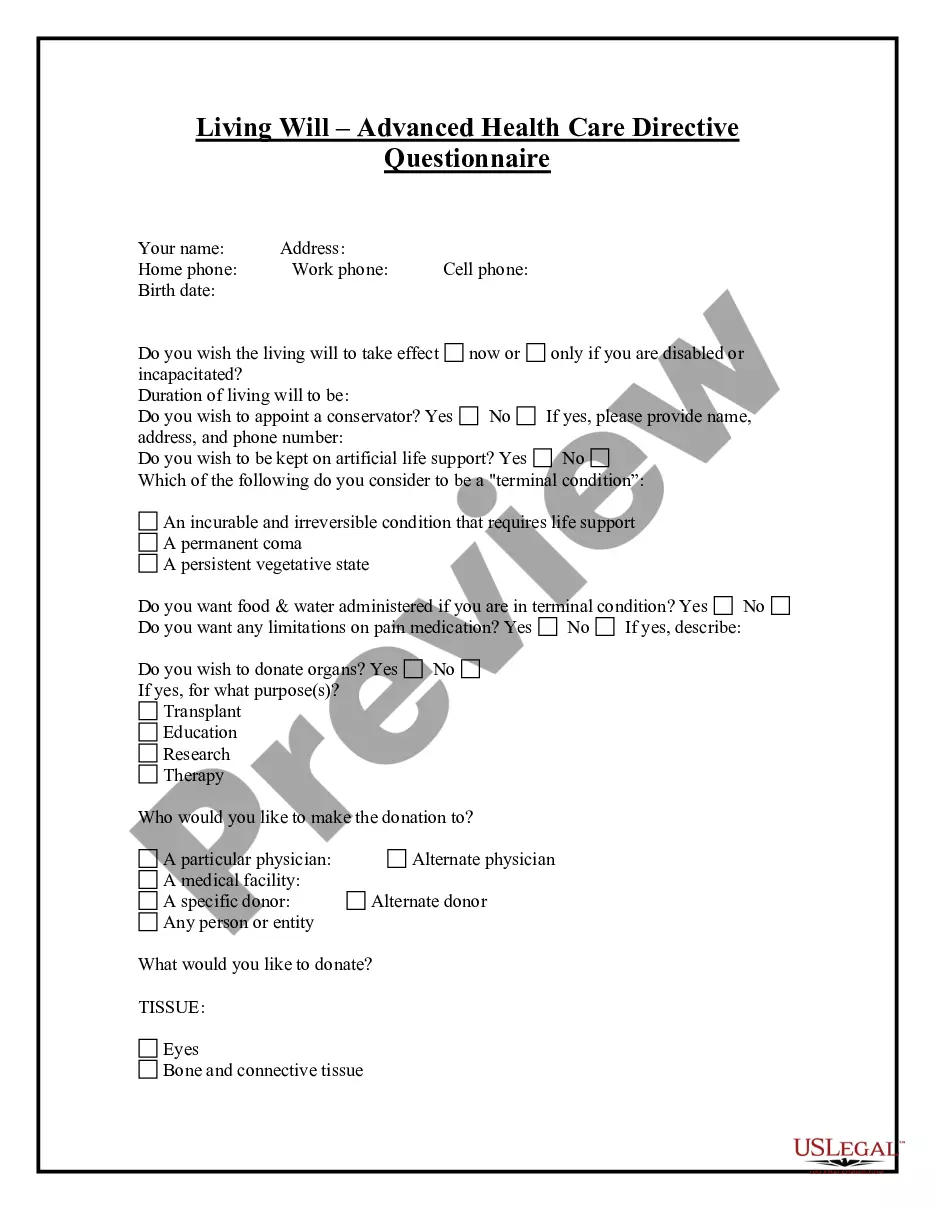
The Estate Planning Questionnaire is a vital document designed to gather comprehensive information about an individual's estate planning needs. This form aids individuals in identifying their specific issues related to wills, trusts, and healthcare documents. Unlike standard forms, this questionnaire focuses on preparing detailed insights that are essential for a thorough legal evaluation, ultimately saving time and costs in the estate planning process.
Key components of this form
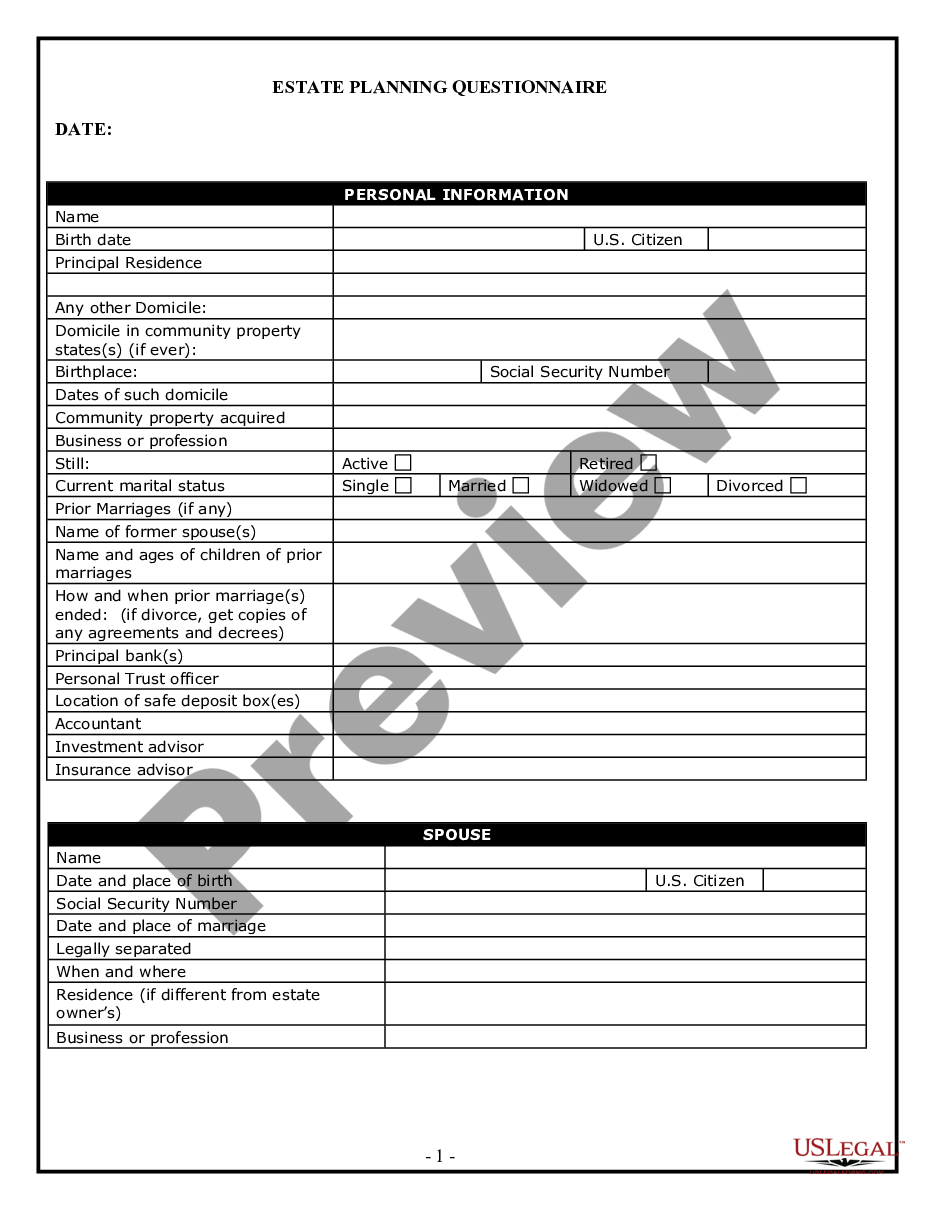
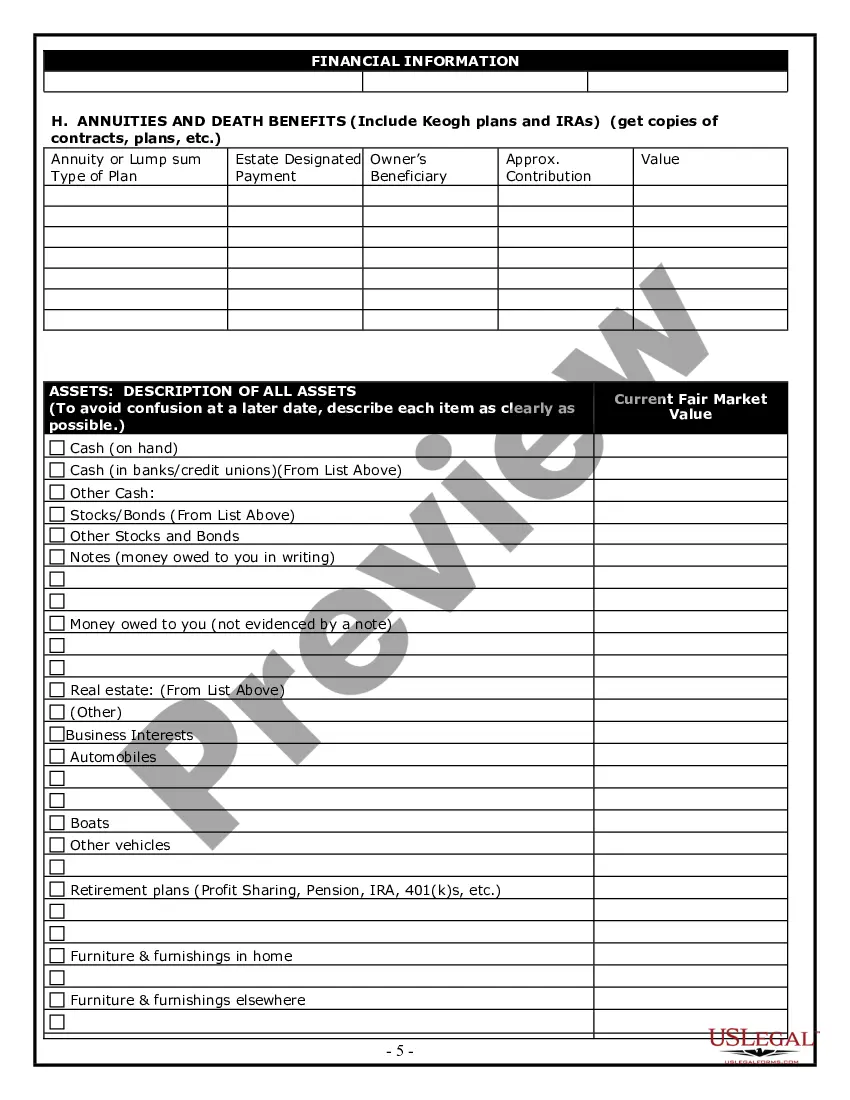
- Personal information: Details about the individual completing the questionnaire.
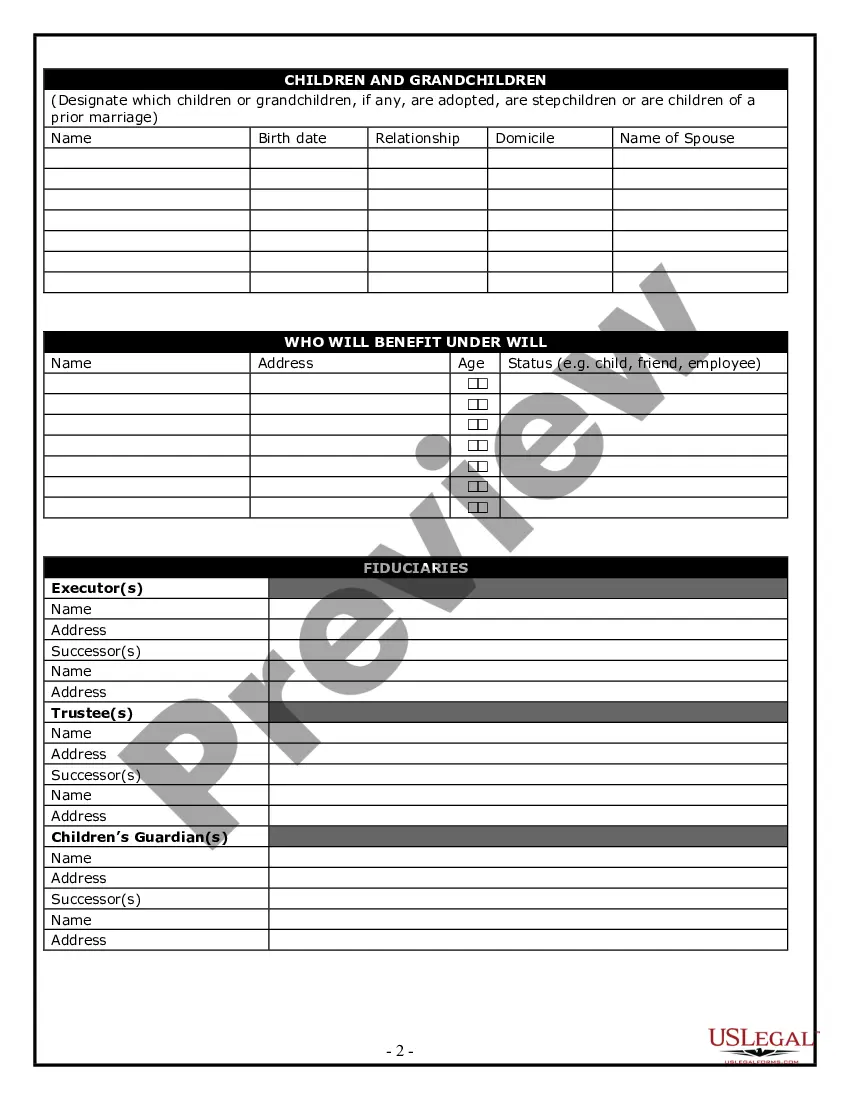
- Family information: Information about immediate family members, heirs, and beneficiaries.
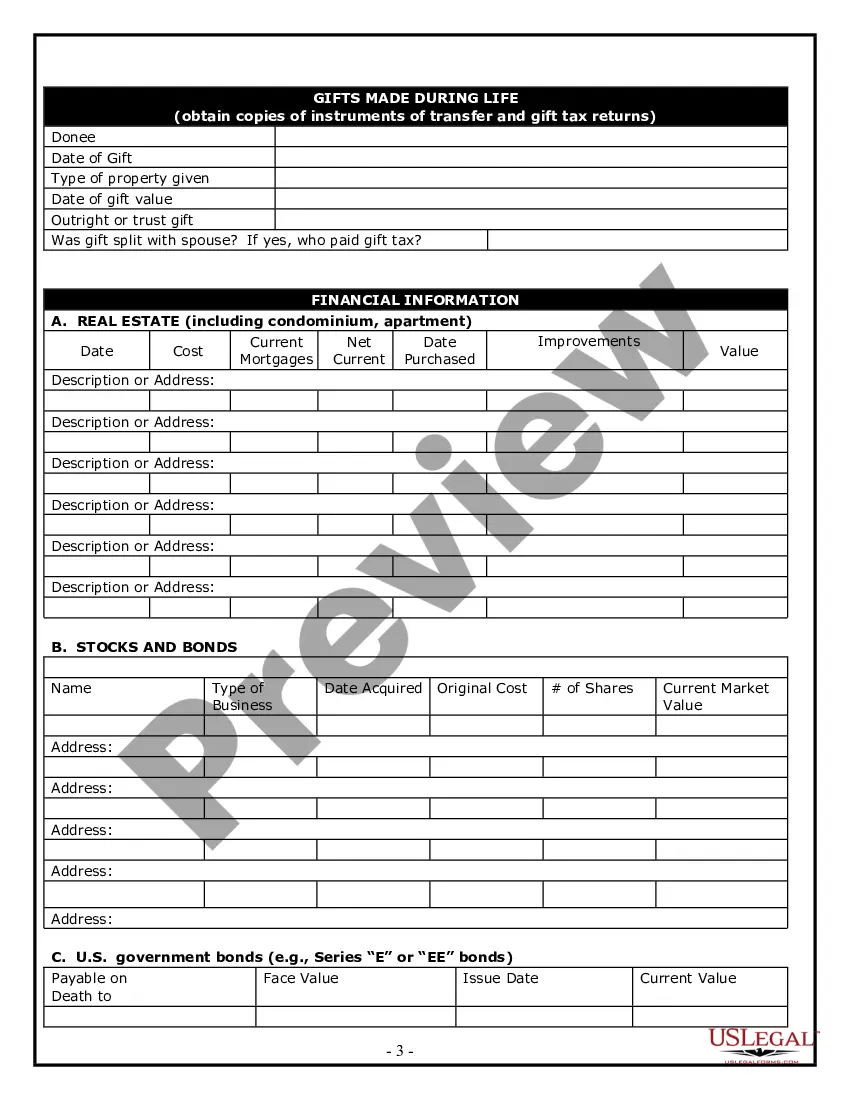
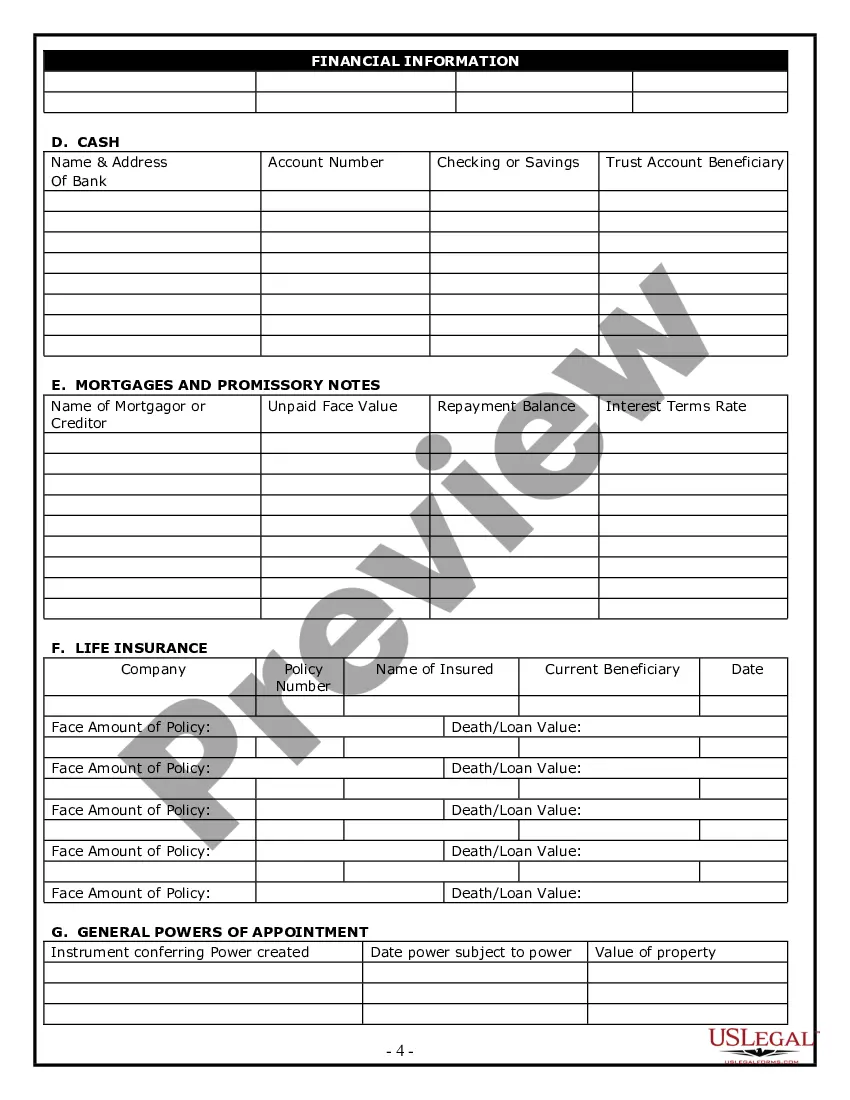
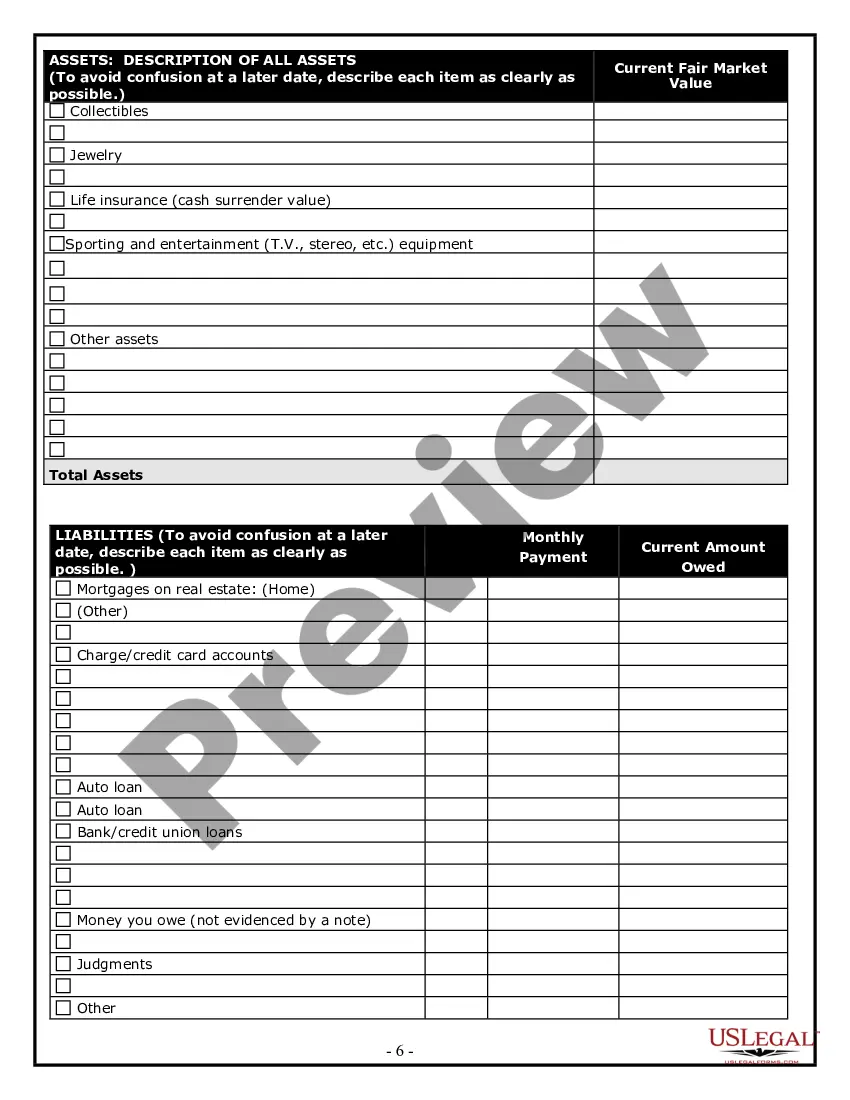
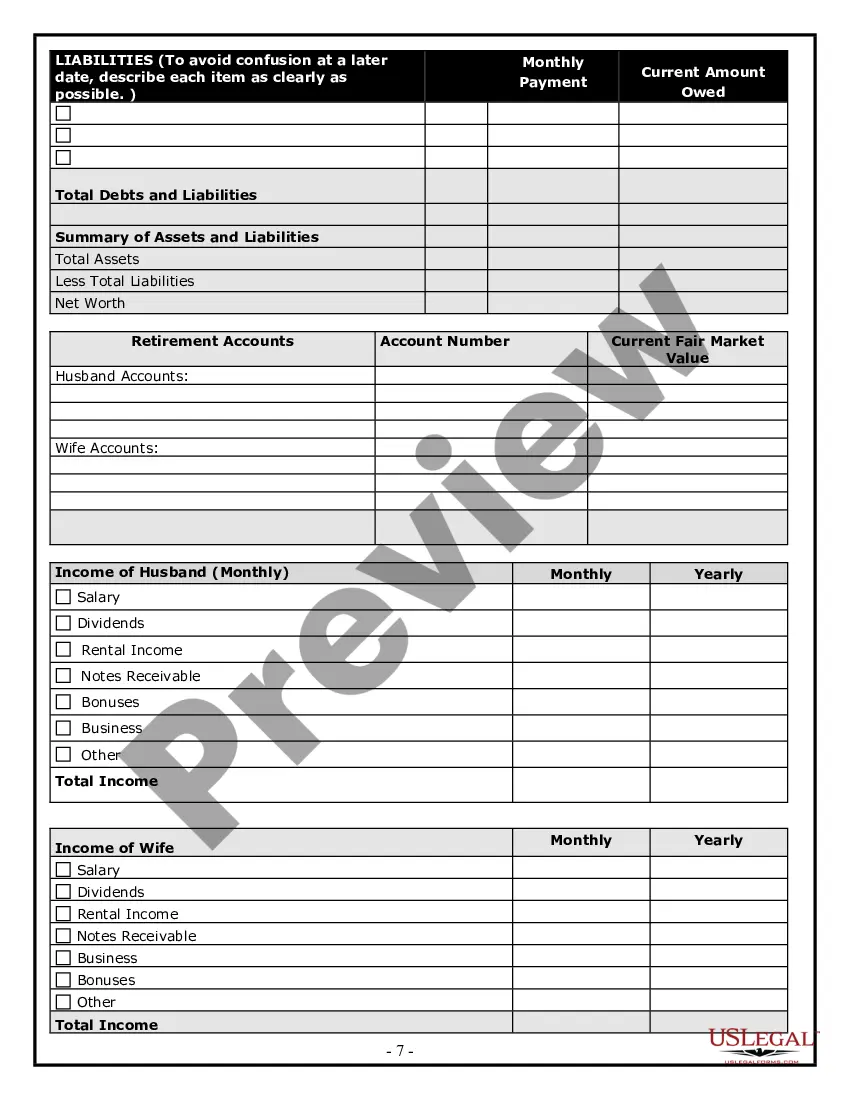
- Assets Overview: A comprehensive list of assets, including real estate, bank accounts, and investments.
- Healthcare preferences: Sections for detailing healthcare directives and wishes concerning medical treatment.
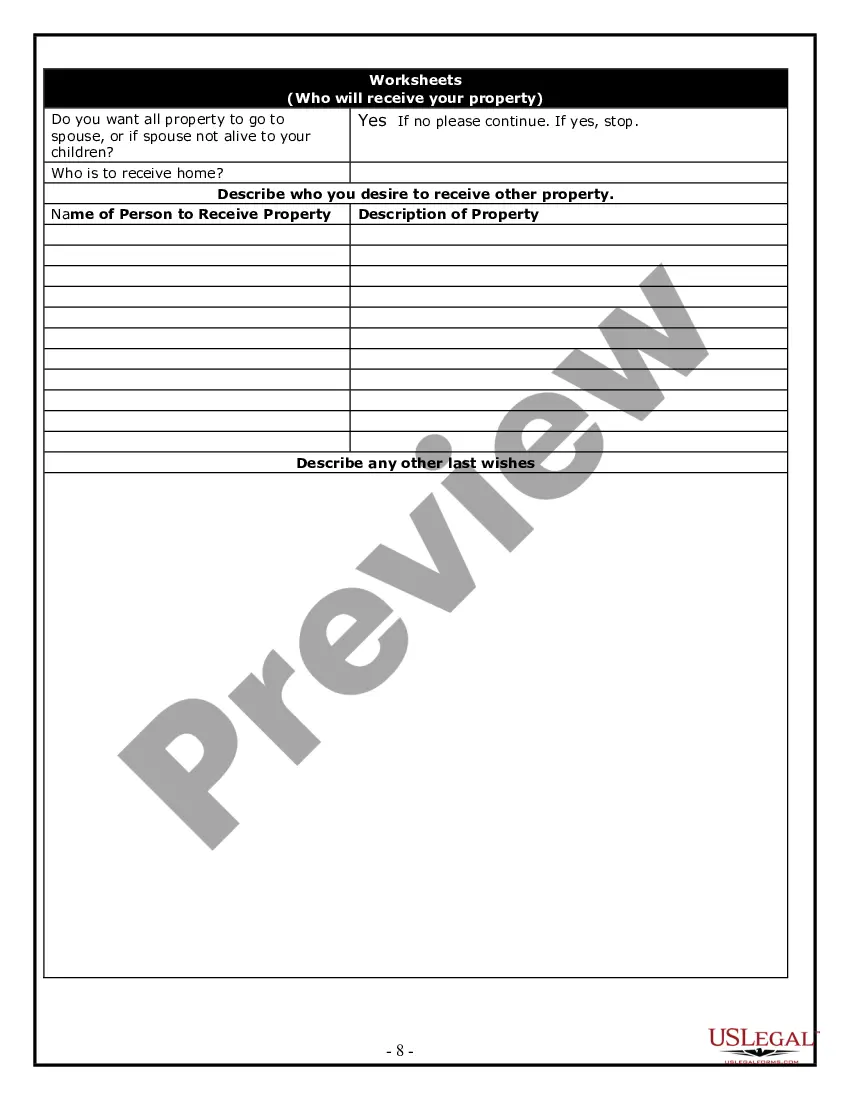
- Specific bequests: Space for outlining any specific gifts or instructions to beneficiaries.
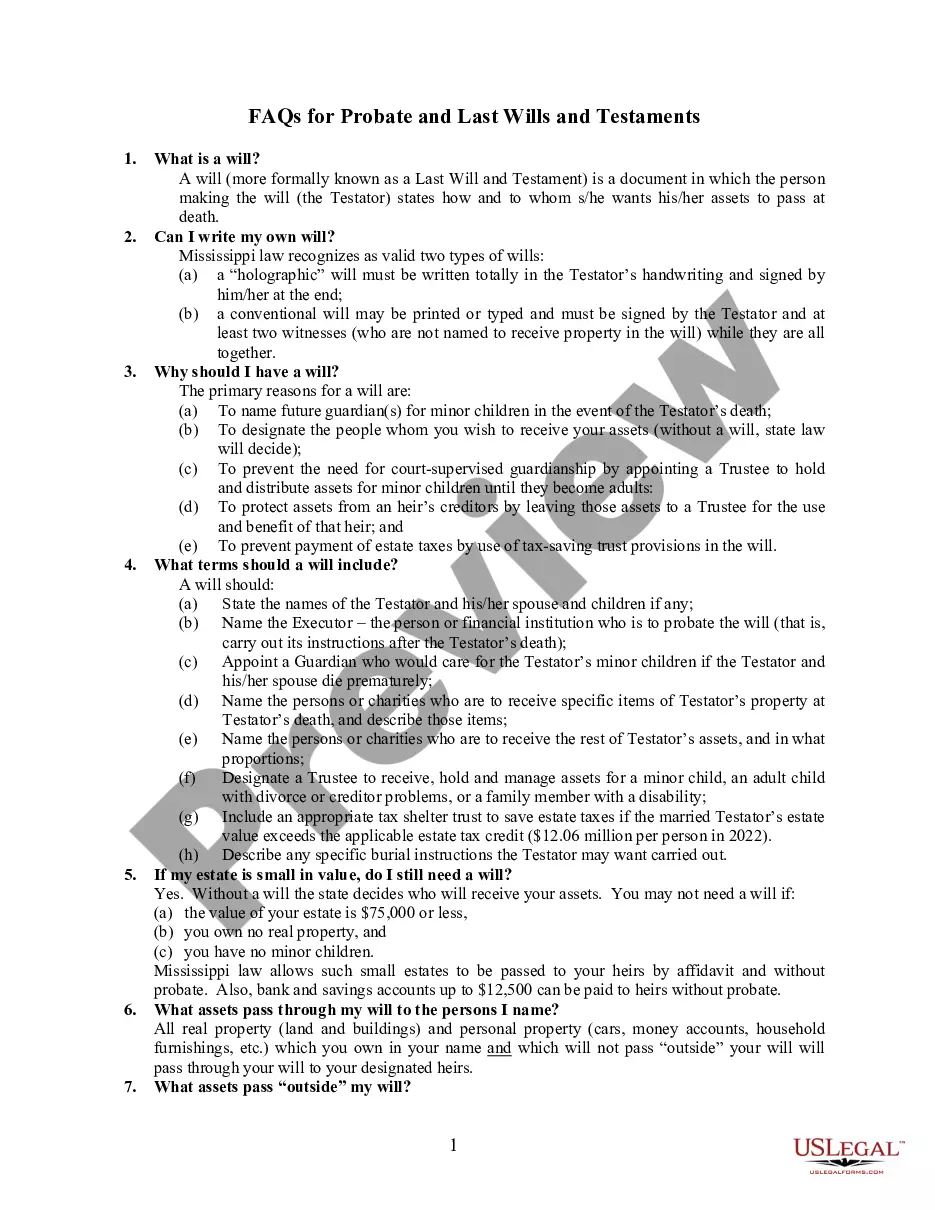
- Trust and will considerations: Areas to indicate preferences for establishing trusts or drafting a will.

When to use this document
This form should be used when an individual is ready to begin the estate planning process. It is ideal for those seeking to clarify their wishes, whether they are creating a will, establishing a trust, or preparing healthcare documents. It can also be beneficial when consulting with an attorney for the first time, ensuring that all relevant information is organized and presented effectively.
Who can use this document
The Estate Planning Questionnaire is suitable for:
- Individuals preparing to create or update their estate plans.
- New clients seeking legal advice on estate matters.
- Families looking to ensure their wishes are documented for future healthcare needs.
- Anyone wanting to organize their financial and personal information for estate planning purposes.
How to complete this form
- Identify yourself as the individual planning your estate and fill in your personal information.
- Provide detailed information about your family members and potential beneficiaries.
- List your significant assets, including property, bank accounts, and investments.
- Detail your healthcare preferences, including any advance directives you wish to establish.
- Outline any specific bequests you have in mind for your beneficiaries.
- Indicate your preferences regarding trusts and wills to guide your attorney in preparing the necessary documents.
Notarization guidance
Notarization is generally not required for this form. However, certain states or situations might demand it. You can complete notarization online through US Legal Forms, powered by Notarize, using a verified video call available anytime.
Get your form ready online
Our built-in tools help you complete, sign, share, and store your documents in one place.
Make edits, fill in missing information, and update formatting in US Legal Forms—just like you would in MS Word.
Download a copy, print it, send it by email, or mail it via USPS—whatever works best for your next step.
Sign and collect signatures with our SignNow integration. Send to multiple recipients, set reminders, and more. Go Premium to unlock E-Sign.
If this form requires notarization, complete it online through a secure video call—no need to meet a notary in person or wait for an appointment.
We protect your documents and personal data by following strict security and privacy standards.
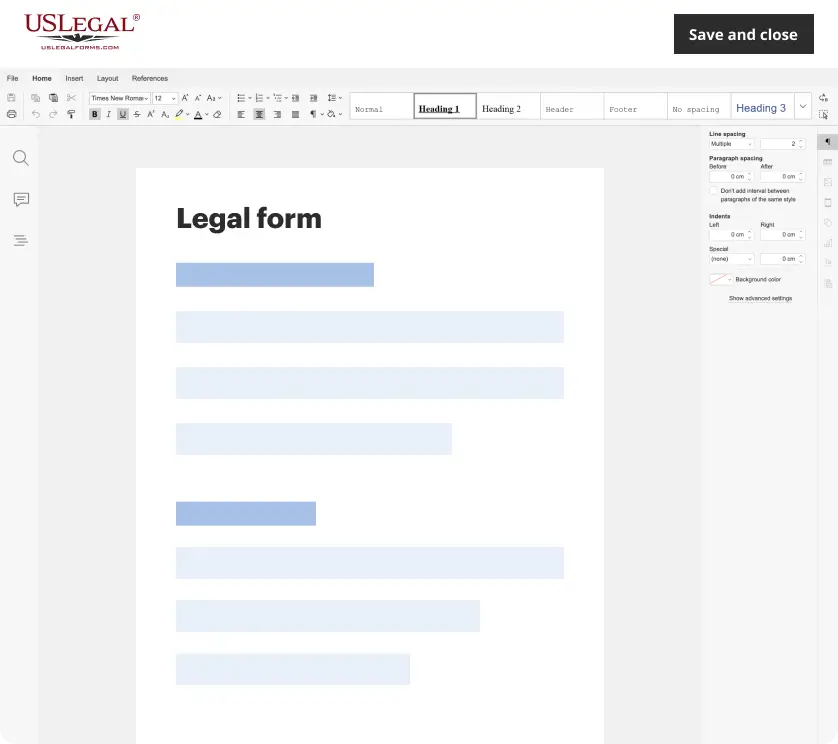
Make edits, fill in missing information, and update formatting in US Legal Forms—just like you would in MS Word.
Download a copy, print it, send it by email, or mail it via USPS—whatever works best for your next step.
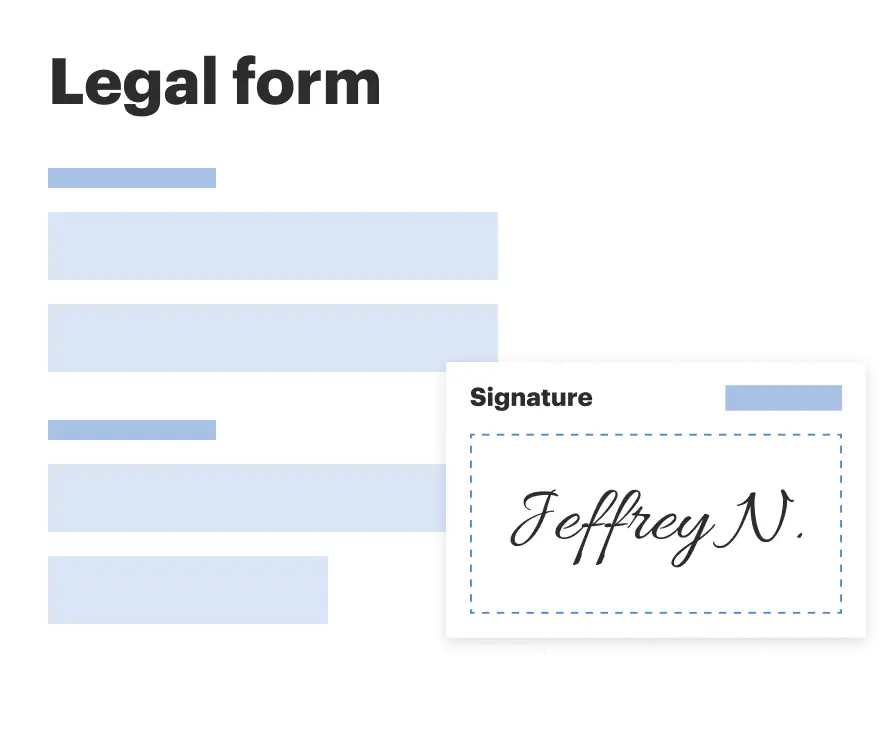
Sign and collect signatures with our SignNow integration. Send to multiple recipients, set reminders, and more. Go Premium to unlock E-Sign.

If this form requires notarization, complete it online through a secure video call—no need to meet a notary in person or wait for an appointment.
We protect your documents and personal data by following strict security and privacy standards.
Avoid these common issues
- Omitting important financial details or assets, which can lead to incomplete planning.
- Not specifying healthcare preferences, leaving critical decisions ambiguous in emergencies.
- Failing to update the questionnaire when personal circumstances change, such as marriage, divorce, or significant asset changes.
Benefits of completing this form online
- Convenience: Access the form anytime and complete it at your own pace.
- Editability: Easily make changes or updates to your responses as needed.
- Reliability: The form is drafted by licensed attorneys, ensuring that it meets legal standards.
Looking for another form?



Form popularity
FAQ
Will. Revocable Trust. Financial Power of Attorney. Durable Power of Attorney for Healthcare.
More Than a Last Will. Itemize Your Inventory. Follow with Non-Physical Assets. Assemble a List of Debts. Make a Memberships List. Make Copies of Your Lists. Review Your Retirement Account. Update Your Insurance.
A Last Will and Testament. When it comes to estate planning, having a last will and testament is likely the first thing that will come to mind. A Document Granting Power of Attorney. An Advance Medical Directive. Revocable Living Trust.
There are four main elements of an estate plan; these include a will, a living will and healthcare power of attorney, a financial power of attorney, and a trust.
A Last Will and Testament. When it comes to estate planning, having a last will and testament is likely the first thing that will come to mind. A Document Granting Power of Attorney. An Advance Medical Directive. Revocable Living Trust.
Creating an estate plan is a lot like getting into better shape. Step 1: Sign a will. Step 2: Name beneficiaries. Step 3: Dodge estate taxes. Step 4: Leave a letter. Step 5: Draw up a durable power of attorney. Step 6: Create an advance health care directive.
Getting Started. Make a time when all affected parties are available, ideally long before there is any crisis or need to act (for example someone needs to move into long-term care, or is starting to show signs of cognitive impairment etc.) Looking Down the Road. Your Legacy. Paper Trails. Peace of Mind.