Personal Liability With Llc
Description

Get your form ready online
Our built-in tools help you complete, sign, share, and store your documents in one place.
Make edits, fill in missing information, and update formatting in US Legal Forms—just like you would in MS Word.
Download a copy, print it, send it by email, or mail it via USPS—whatever works best for your next step.
Sign and collect signatures with our SignNow integration. Send to multiple recipients, set reminders, and more. Go Premium to unlock E-Sign.
If this form requires notarization, complete it online through a secure video call—no need to meet a notary in person or wait for an appointment.
We protect your documents and personal data by following strict security and privacy standards.

Make edits, fill in missing information, and update formatting in US Legal Forms—just like you would in MS Word.

Download a copy, print it, send it by email, or mail it via USPS—whatever works best for your next step.

Sign and collect signatures with our SignNow integration. Send to multiple recipients, set reminders, and more. Go Premium to unlock E-Sign.

If this form requires notarization, complete it online through a secure video call—no need to meet a notary in person or wait for an appointment.

We protect your documents and personal data by following strict security and privacy standards.
Looking for another form?




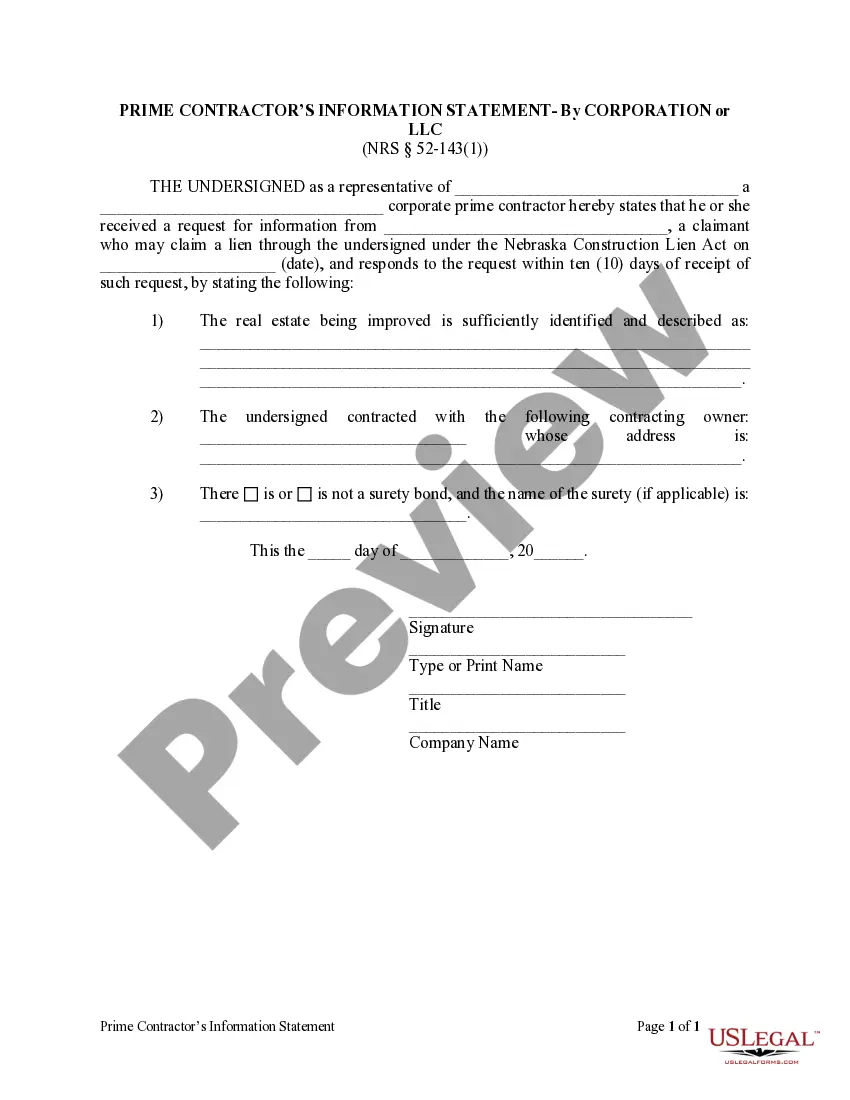
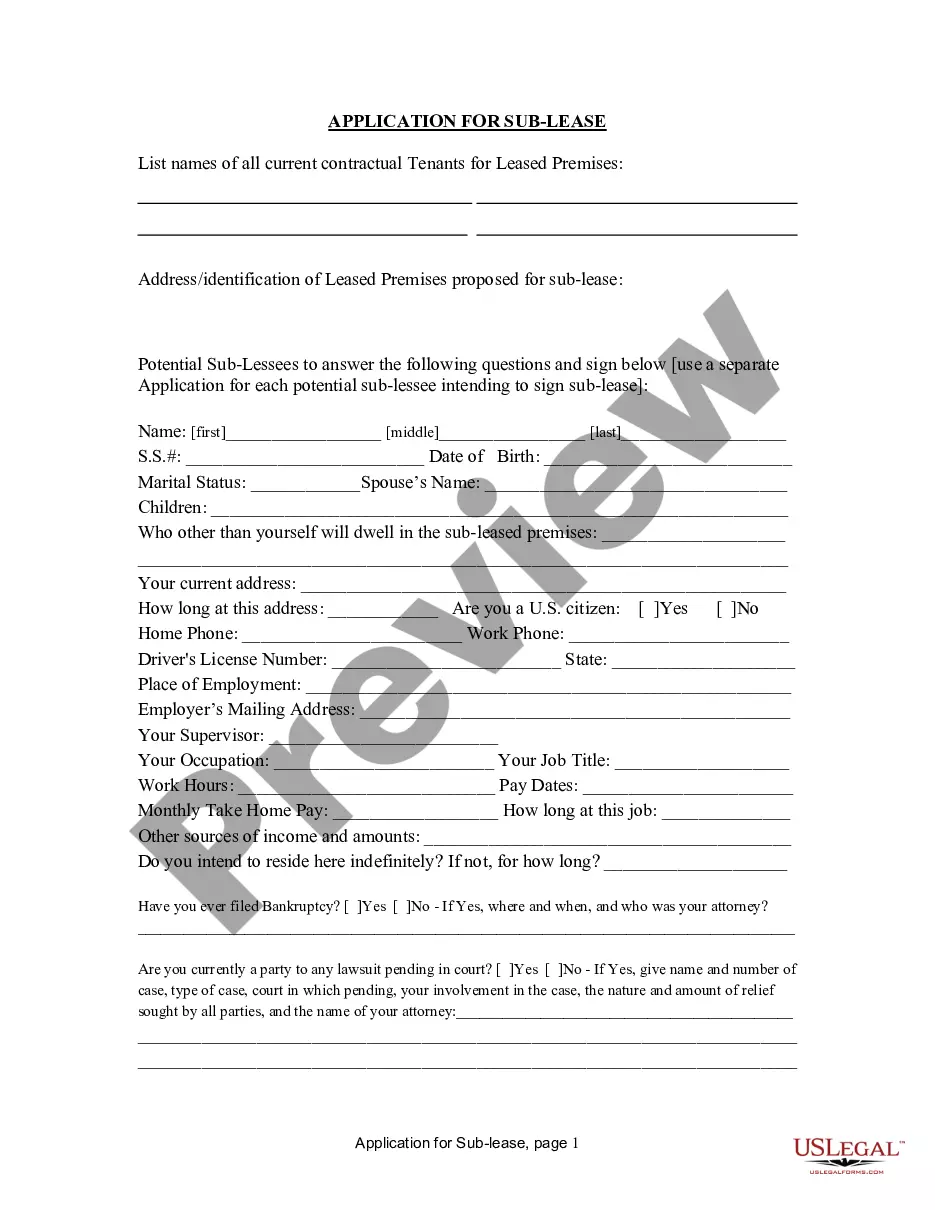
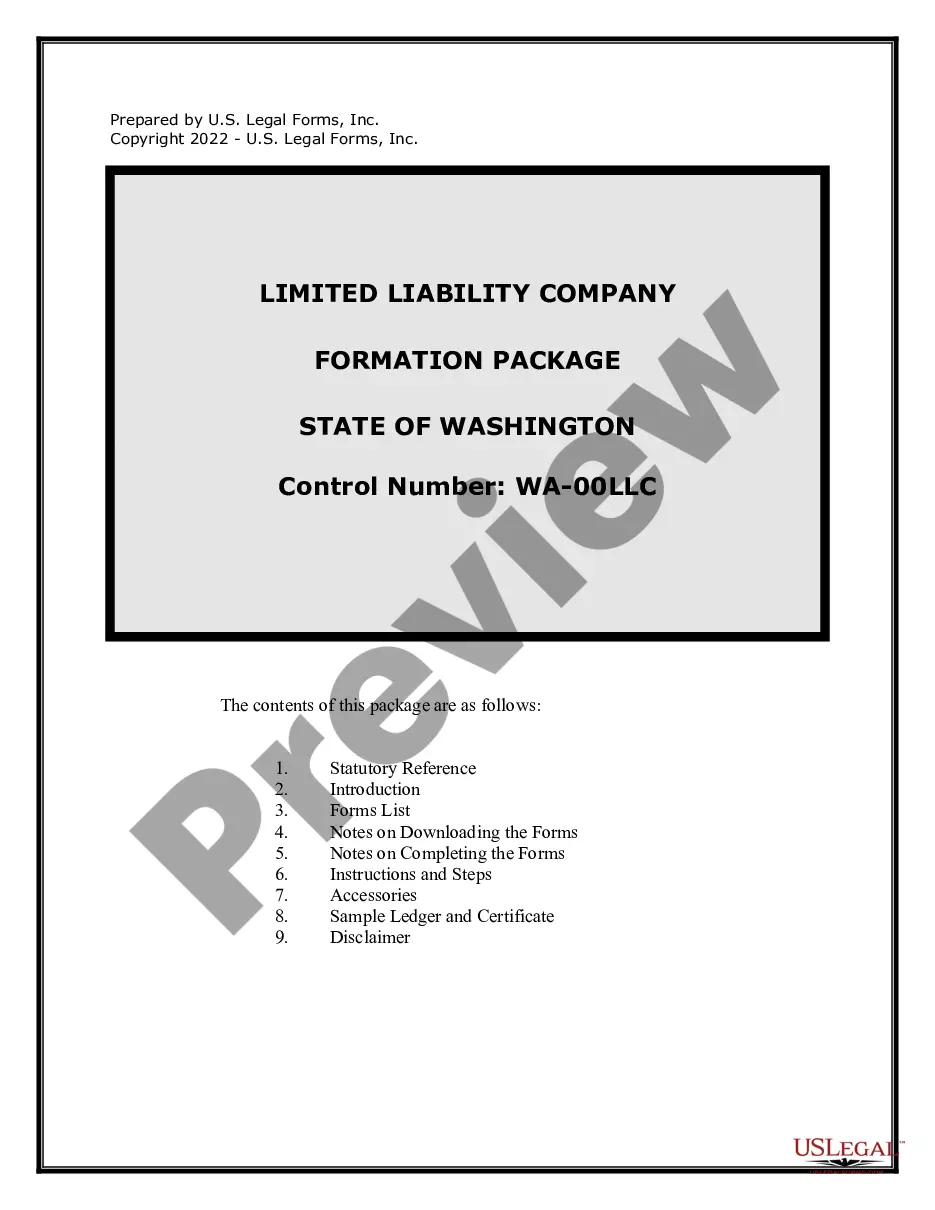
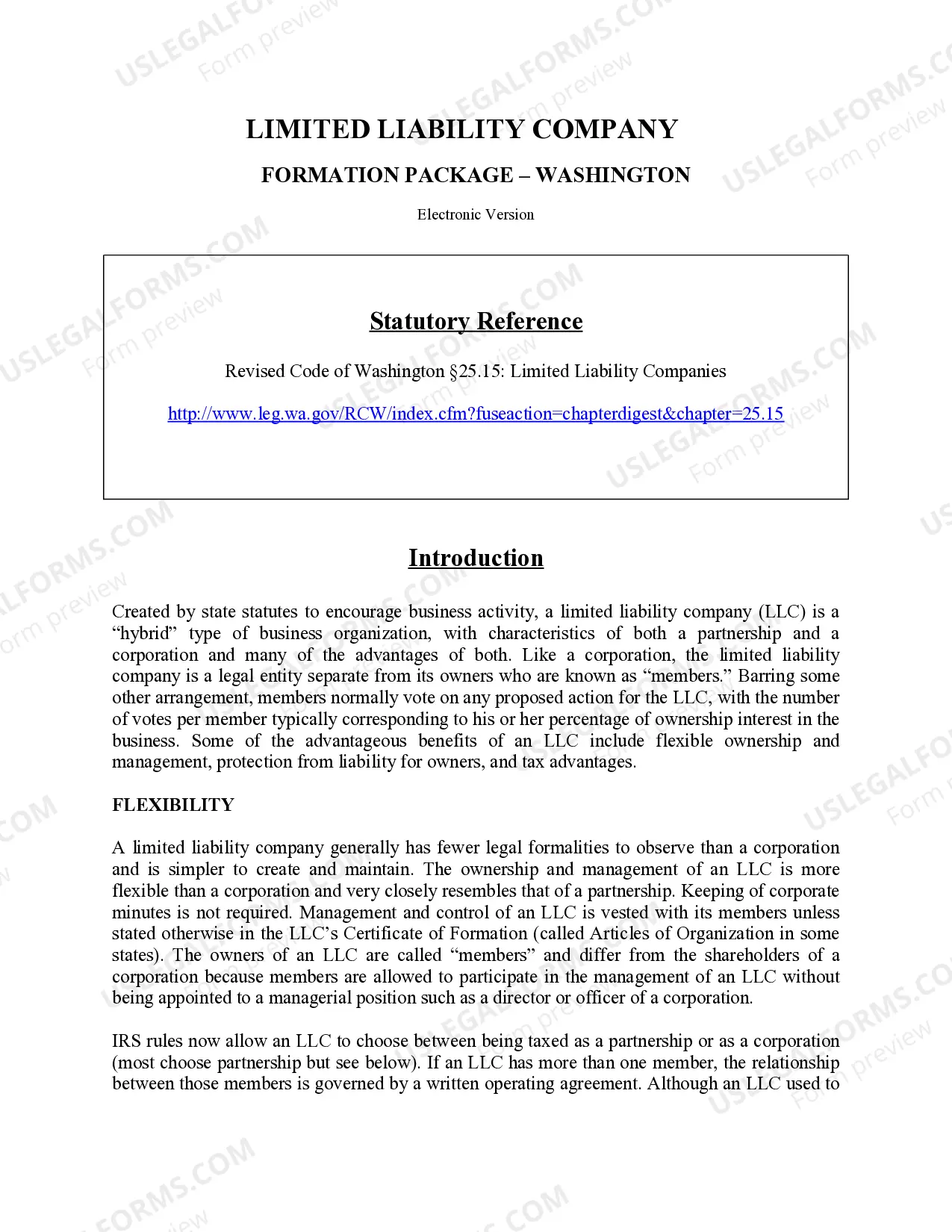
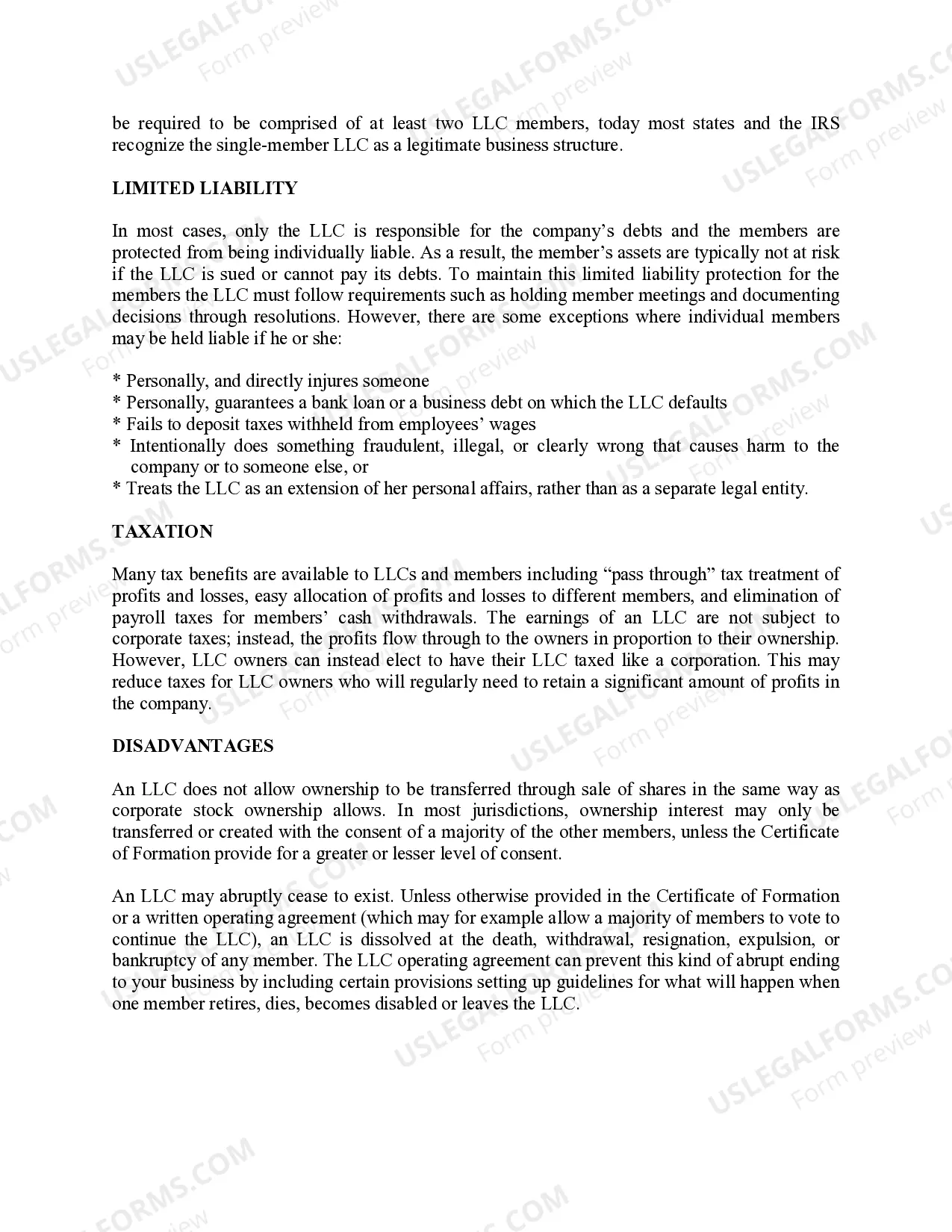
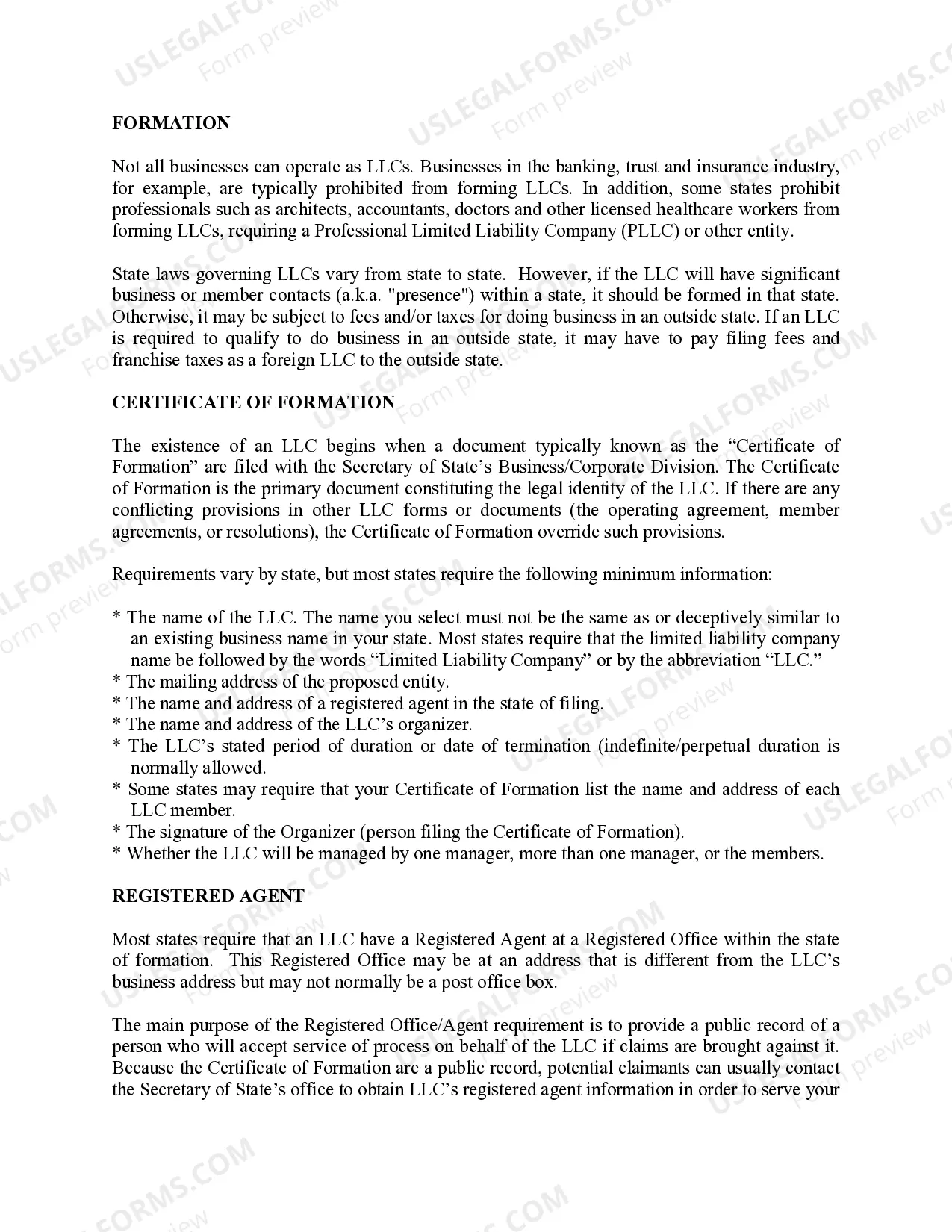
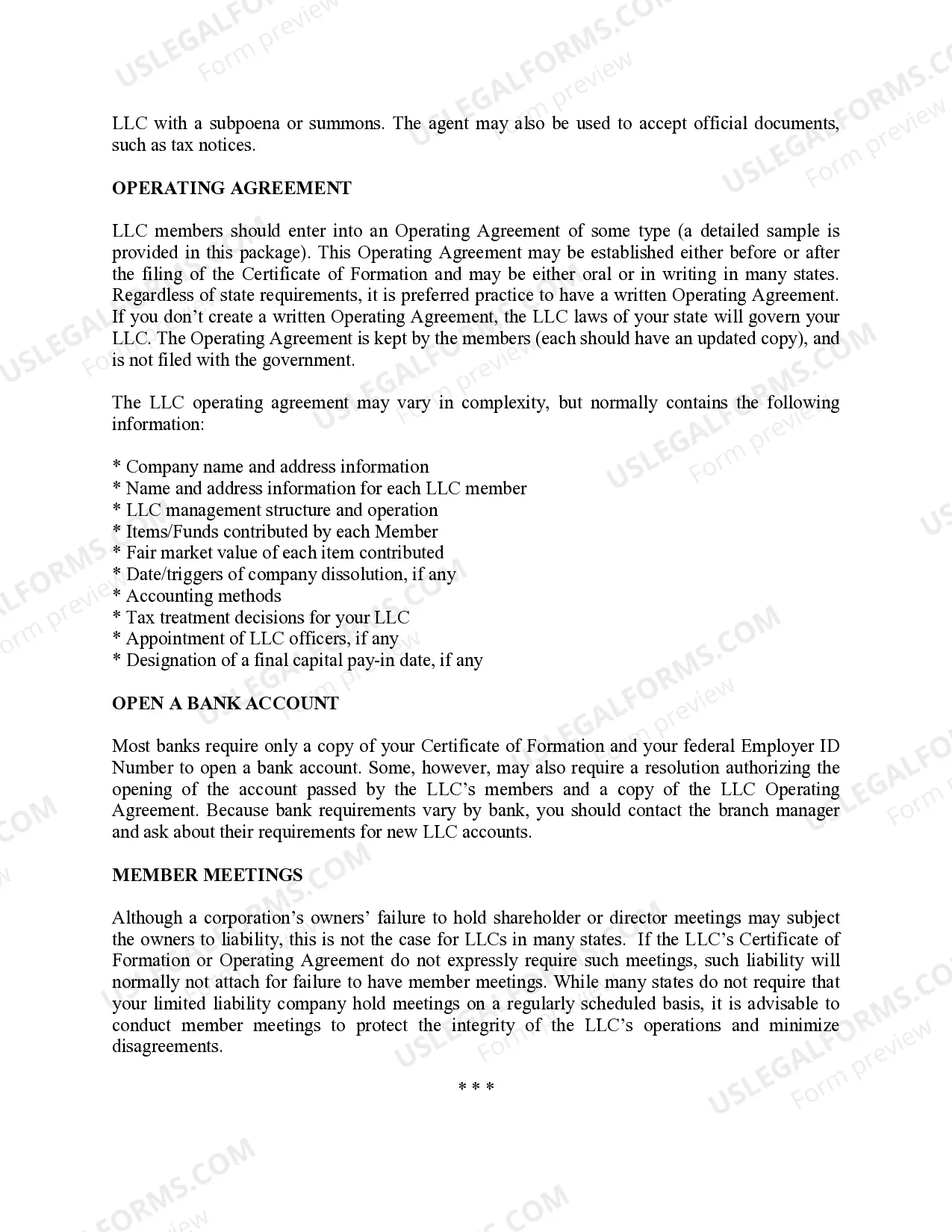
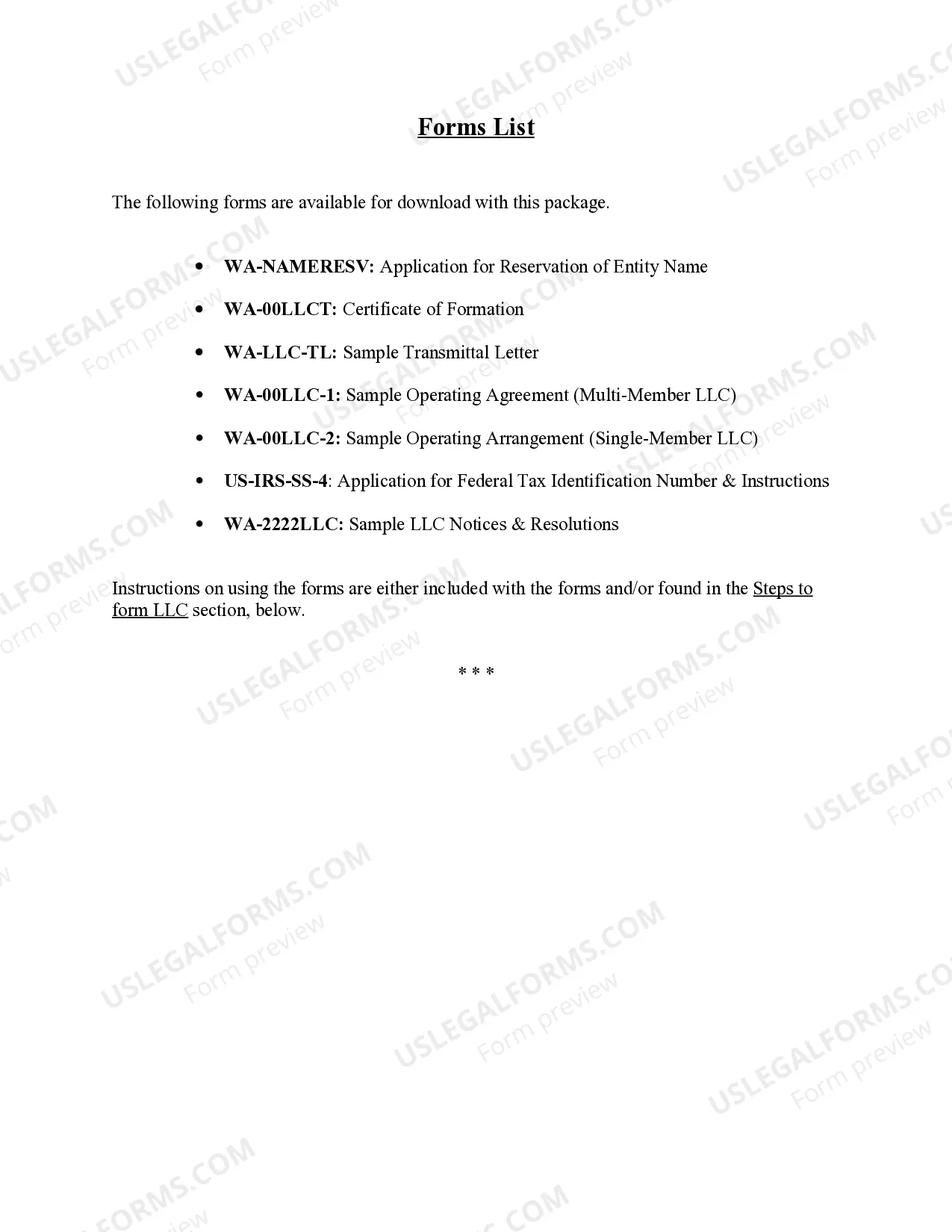
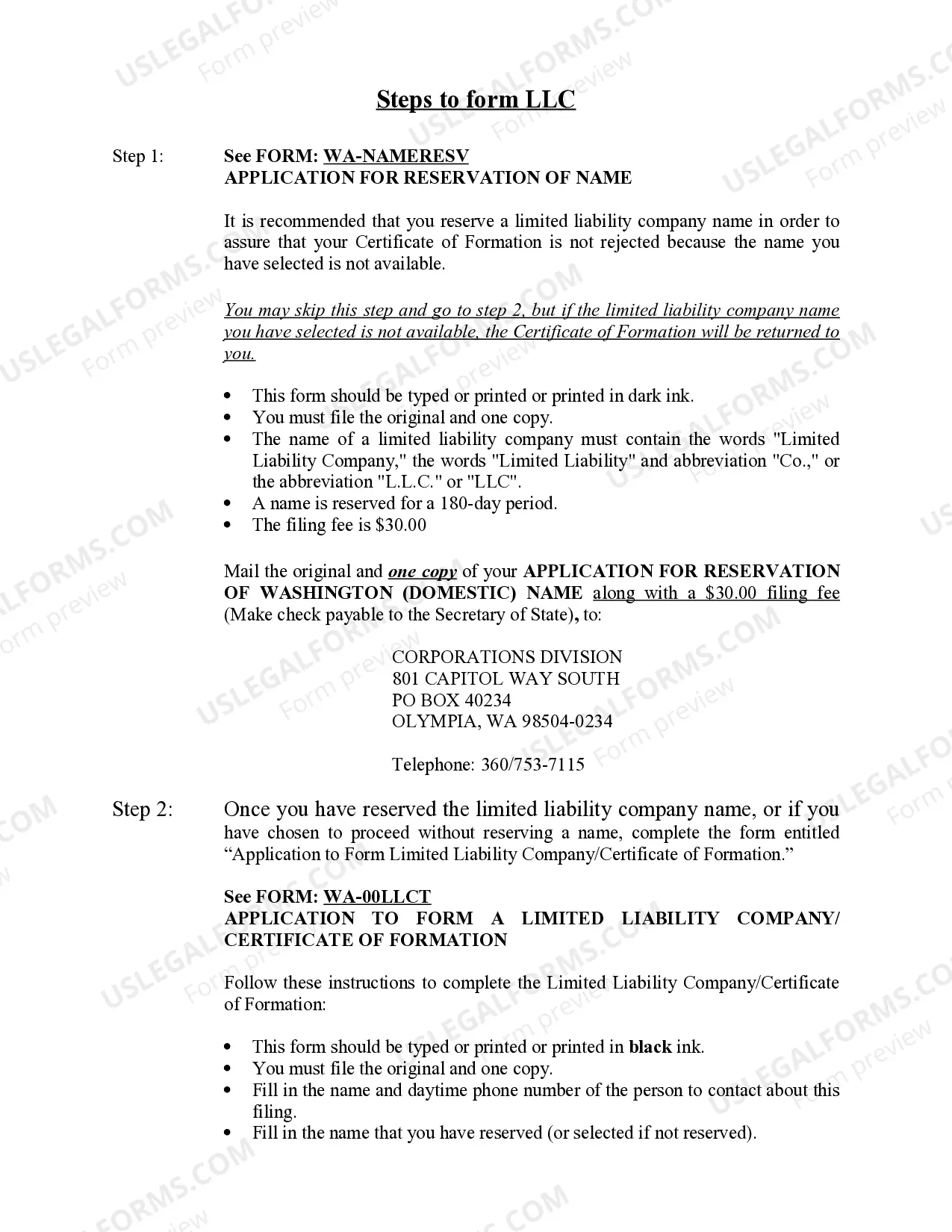
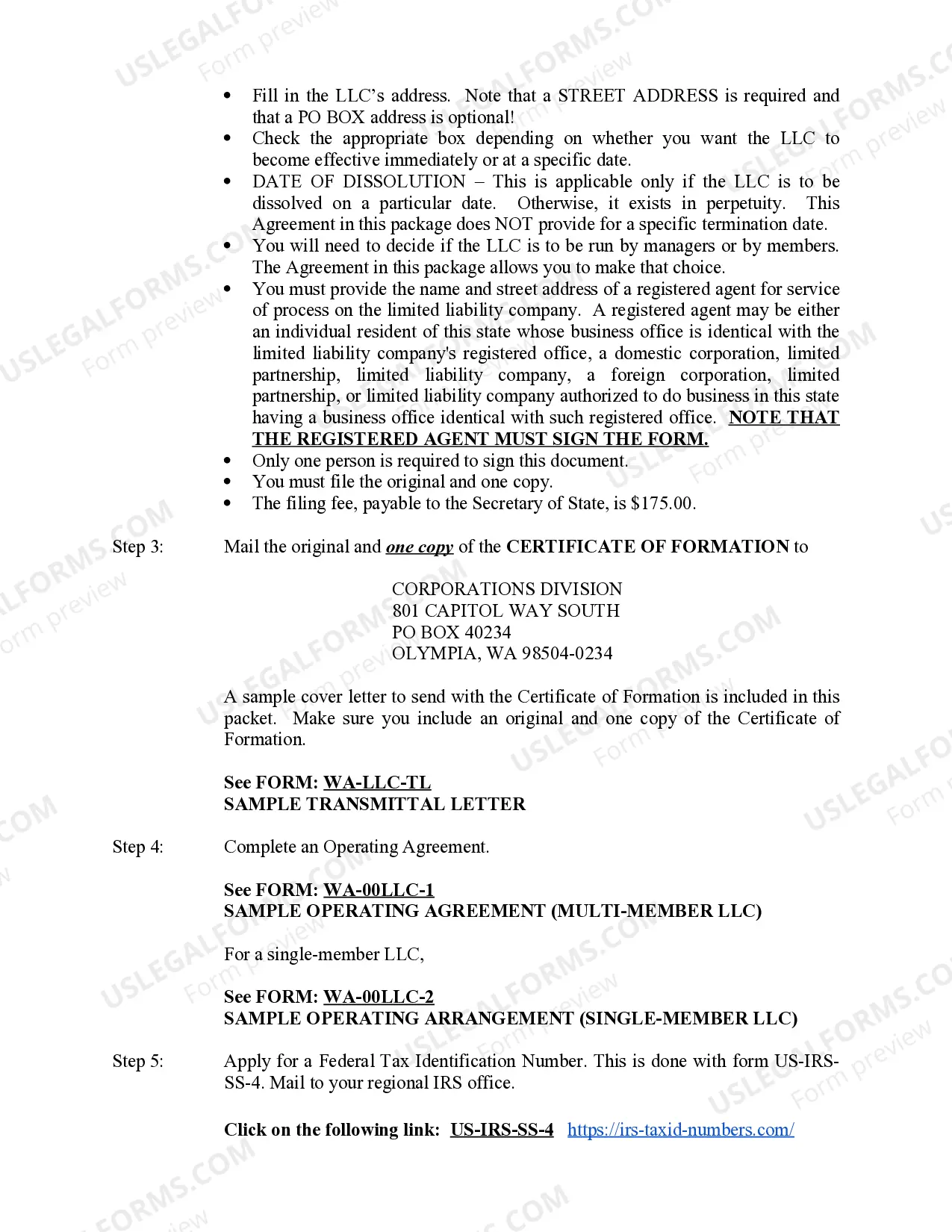
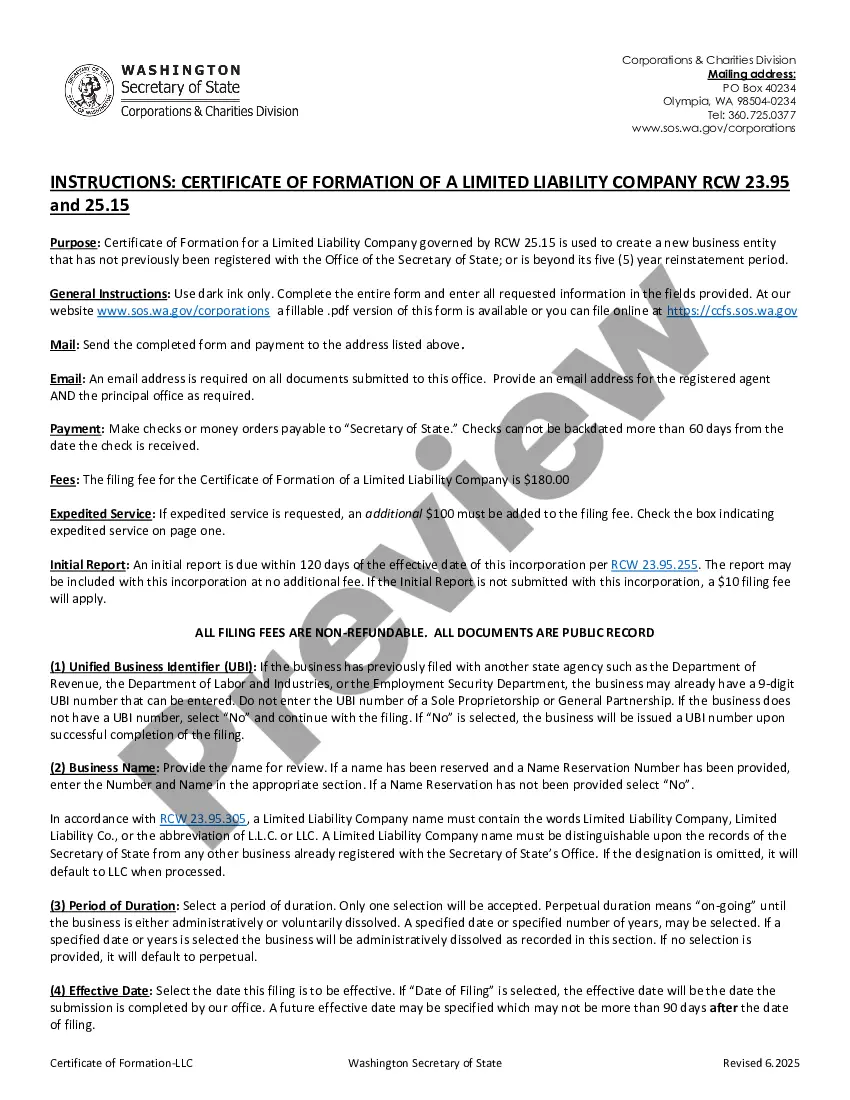
How to fill out Washington Limited Liability Company LLC Formation Package?
- Access your US Legal Forms account by logging in. If you're an existing user, ensure your subscription is active. If not, renew it based on your payment plan.
- Preview the document by checking its description to confirm it fits your jurisdiction and needs.
- If you need to search for another template, utilize the search feature to find a suitable form if discrepancies are found.
- Select the document to purchase. Click on the Buy Now button and choose your preferred subscription plan, which requires account registration.
- Complete your payment by entering your credit card details or using your PayPal account.
- Download your form. Save it to your device for filling out later, and access it anytime via the My Forms section of your profile.
In conclusion, understanding personal liability with LLC is simplified with the extensive library offered by US Legal Forms. With over 85,000 legally vetted forms and support from premium experts, your legal documentation needs are met efficiently.
Start your journey with US Legal Forms today to secure your business assets!
Form popularity
FAQ
You can place personal assets in your LLC by documenting the transfer through appropriate legal channels. This process typically requires you to create formal paperwork, detailing the assets being moved, so you clarify their new ownership. By doing this, you enhance your personal liability with LLC and protect your individual wealth from business risks.
To place personal assets into your LLC, begin by formally transferring ownership to the business. You may need to draft a bill of sale or similar documentation to record the transfer, ensuring you limit personal liability with LLC. This process can result in better asset protection and is advisable to consult a legal professional for assistance.
Filling out a W-9 for your LLC involves providing the business name, address, and taxpayer identification number. When entering the name, ensure you also indicate your LLC status on the form to clarify your personal liability with LLC. Accurate completion of this form will help maintain proper records and facilitate efficient tax handling.
Yes, transferring personal assets to your LLC is possible, and it can be beneficial for liability protection. This transfer can help in limiting personal liability with LLC, as the business will officially own the assets. However, ensure that you follow the proper legal processes to make this transfer valid and consult a professional if needed.
Yes, you can be personally liable in an LLC under certain circumstances. If you engage in misconduct or fail to comply with legal requirements, your personal assets may be at risk. Additionally, personal guarantees can also expose you to liability. To minimize risks, always follow best practices in managing your LLC and consider professional guidance to maintain your personal liability with an LLC.
To protect yourself with an LLC, ensure that you keep personal and business finances separate. Always operate the LLC in compliance with state laws and maintain proper records. Avoid mixing personal and business funds, as this may jeopardize your personal liability with an LLC. Using platforms like US Legal Forms can help you navigate compliance and create the necessary documentation to safeguard your interests.
An LLC offers a layer of personal protection by separating your business and personal finances. This separation usually limits your liability to the assets of the LLC, thus protecting your personal assets. However, it is essential to follow all compliance requirements to maintain this protection. Mismanagement or mixing personal and business assets may expose you to personal liability with an LLC.
Yes, someone can still sue you personally even if you operate under an LLC. The LLC protects your personal assets from business-related lawsuits, but it does not protect you from personal lawsuits, like those resulting from negligence or personal guarantees. It's crucial to understand that personal liability with an LLC only extends to business-related actions. Therefore, managing your actions carefully is vital.
An LLC generally protects your personal assets from business debts. However, it does not shield you from personal debts, such as credit card debts or personal loans. If creditors pursue you for personal debts, they can reach your personal assets outside the LLC. To ensure proper protection of your personal liability with an LLC, maintain clear separation between personal and business finances.
Yes, having an LLC does not exempt you from personal lawsuits entirely. If you engage in activities where you act outside of the business capacity, like fraud or personal guarantees, you might face personal liability with LLC. It’s vital to adhere to legal requirements and maintain proper conduct to ensure your protection.