Living Truss
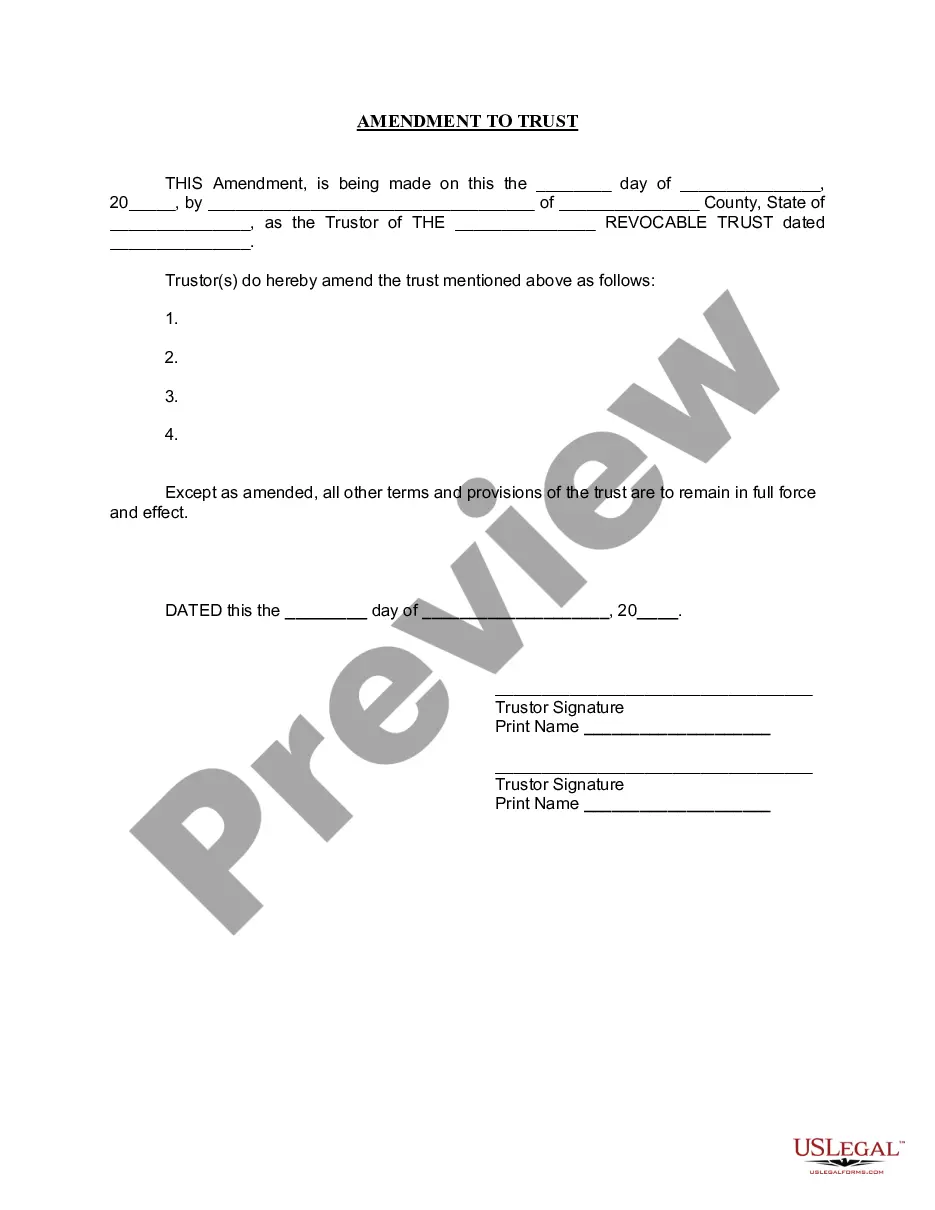
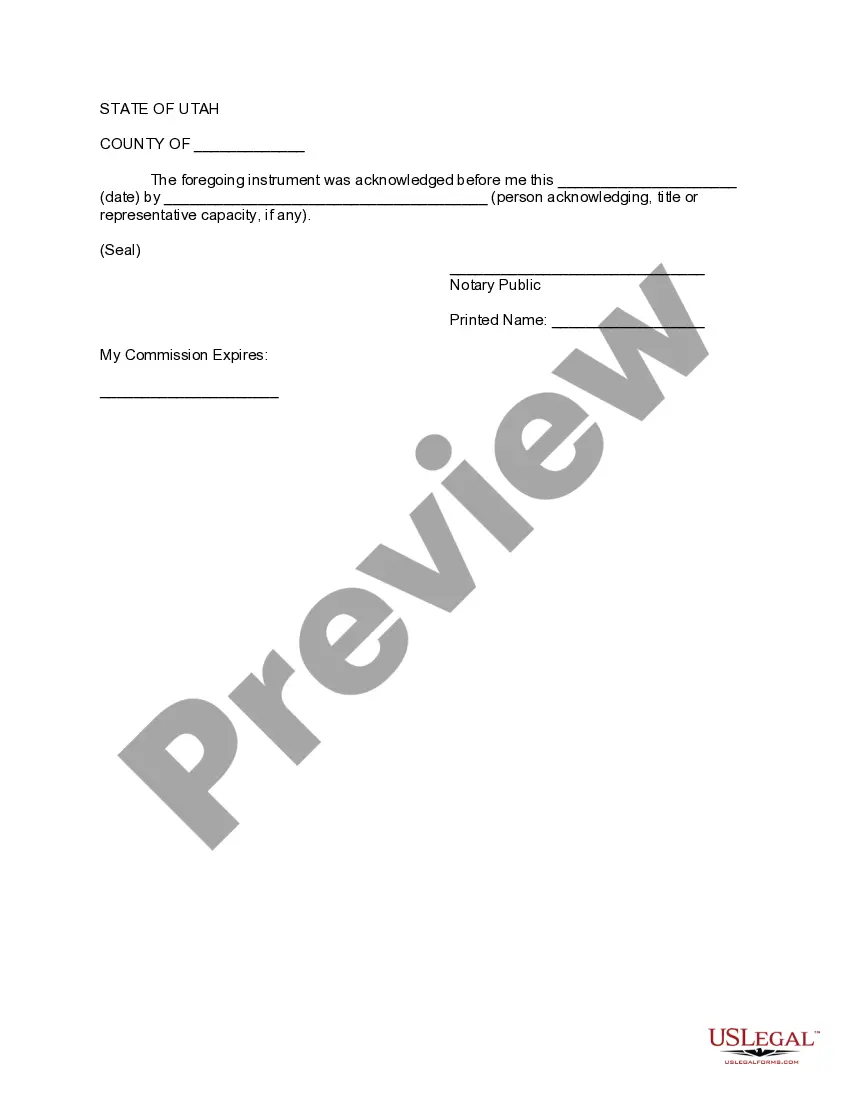
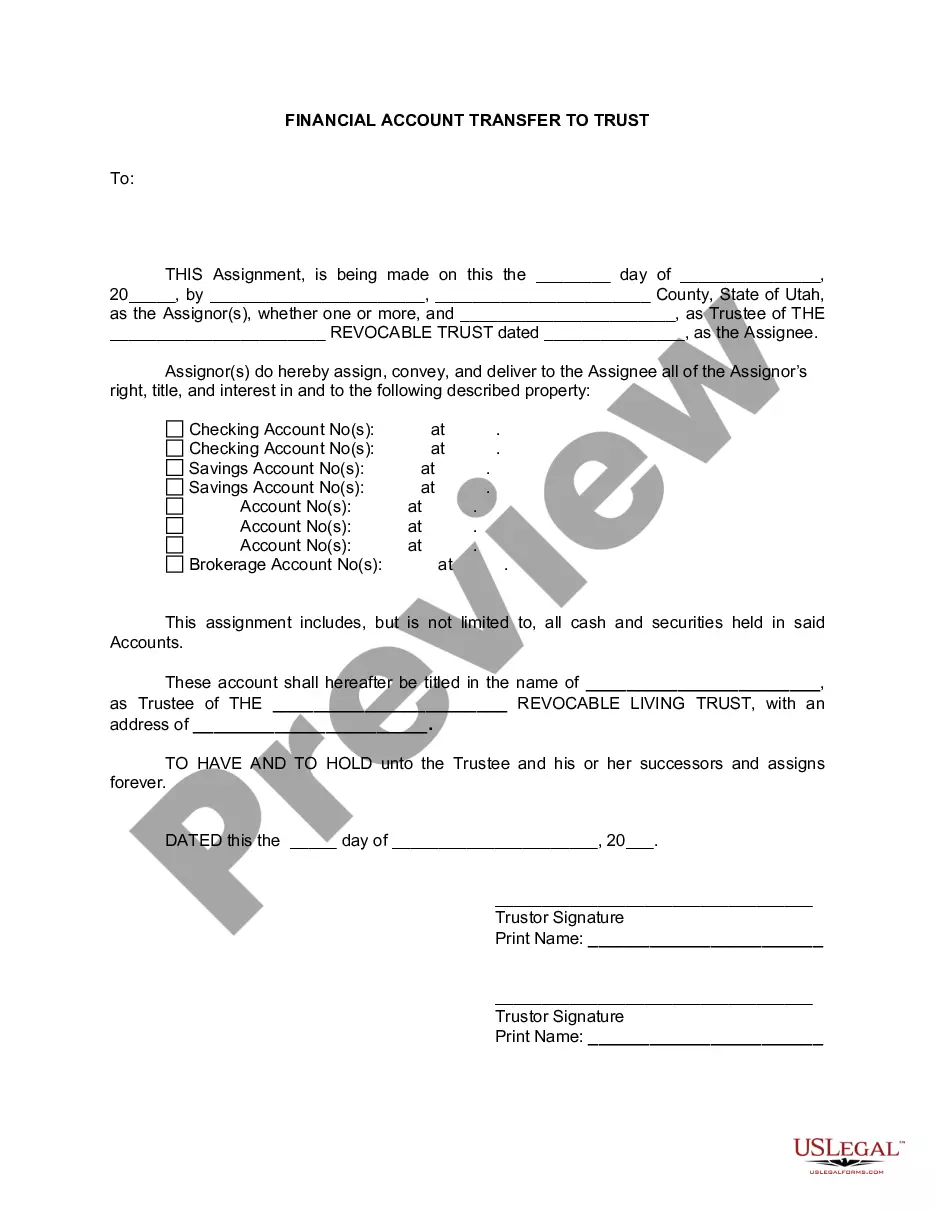
Description
Get your form ready online
Our built-in tools help you complete, sign, share, and store your documents in one place.
Make edits, fill in missing information, and update formatting in US Legal Forms—just like you would in MS Word.
Download a copy, print it, send it by email, or mail it via USPS—whatever works best for your next step.
Sign and collect signatures with our SignNow integration. Send to multiple recipients, set reminders, and more. Go Premium to unlock E-Sign.
If this form requires notarization, complete it online through a secure video call—no need to meet a notary in person or wait for an appointment.
We protect your documents and personal data by following strict security and privacy standards.

Make edits, fill in missing information, and update formatting in US Legal Forms—just like you would in MS Word.

Download a copy, print it, send it by email, or mail it via USPS—whatever works best for your next step.

Sign and collect signatures with our SignNow integration. Send to multiple recipients, set reminders, and more. Go Premium to unlock E-Sign.

If this form requires notarization, complete it online through a secure video call—no need to meet a notary in person or wait for an appointment.

We protect your documents and personal data by following strict security and privacy standards.
Looking for another form?




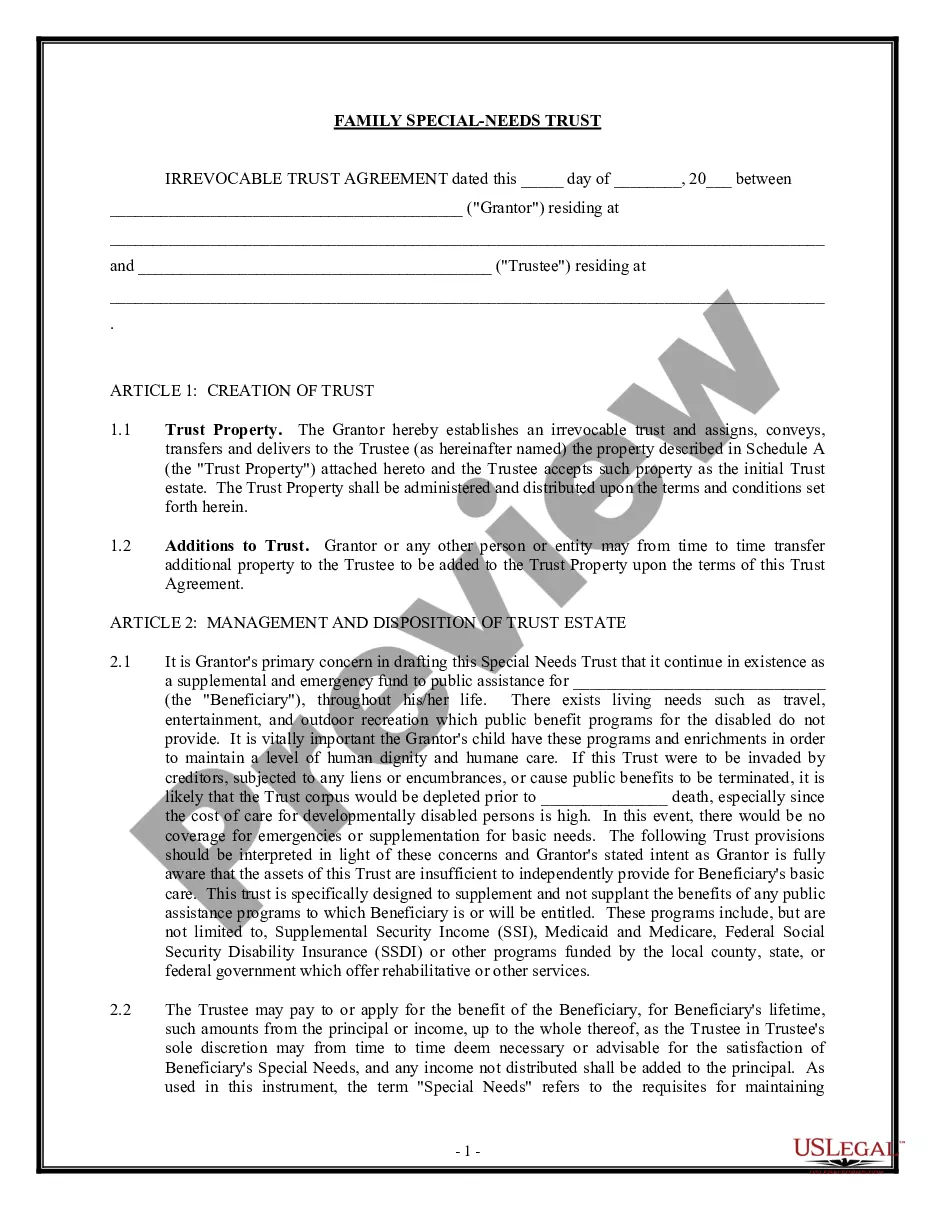
How to fill out Utah Amendment To Living Trust?
- Begin by logging into your US Legal Forms account if you're a returning user. Ensure your subscription is active; renew if necessary.
- If you're a first-time user, start by browsing the form library. Use the Preview mode to ensure the document meets your local jurisdiction's requirements.
- If the desired template doesn't suit your needs, utilize the Search function to find an alternative. Make sure it aligns with your requirements before proceeding.
- Select your desired document by clicking the 'Buy Now' button and choose a suitable subscription plan. Create an account for access to the benefits of the library.
- Complete your purchase by entering your payment details through credit card or PayPal.
- Once the transaction is complete, you can download your form directly to your device, ensuring easy access in the 'My Forms' section of your profile anytime you need it.
By following these steps, you can make the most out of the US Legal Forms service, simplifying your legal document acquisition.
Start your journey to efficient legal document management today – visit US Legal Forms and discover the empowerment of living truss in legal documentation.
Form popularity
FAQ
While trusts offer many benefits, one downfall can be the loss of control over certain assets once they are placed in the trust. Beneficiaries may find it challenging to access funds without proper management. Additionally, if the trust is not structured correctly, it can become burdensome during times of family crisis or change, highlighting the need for careful planning.
A common mistake parents make when setting up a trust fund is failing to communicate their intentions clearly with their children. This lack of communication can lead to misunderstandings or disagreements among family members. It's important to outline the purpose and guidelines of the living trust to prevent any confusion down the line.
Filling a living trust involves identifying and transferring assets into the trust. Begin by listing all assets you wish to include, then complete the necessary legal documents and formally transfer ownership. You can simplify this process through platforms like US Legal Forms, which provide easy-to-follow templates for creating and managing living trusts.
One downside of putting assets in a trust is the potential for high setup and maintenance costs. Living trusts may also require transferring ownership of assets, which can lead to added paperwork and possible fees. Lastly, if not managed properly, a trust can complicate the distribution of assets to beneficiaries.
Whether your parents should place their assets in a trust depends on their goals for estate planning and asset management. Living trusts can provide benefits like avoiding probate and ensuring privacy. It's advisable to discuss their specific situation with a qualified estate planning attorney to determine the best approach.
The main disadvantage of a family trust is the complexity involved in setting it up and maintaining it. Living trusts can require significant time and effort to draft accurately, and ongoing management may include dealing with assets and changing circumstances. Additionally, some family members may feel excluded or confused by the arrangements, creating potential family tensions.
While a living trust offers many advantages, it does come with some drawbacks. One downside is that it requires ongoing management, including retitling assets to keep everything organized. Additionally, if you forget to transfer assets to your living trust, those assets may be subject to probate, defeating the purpose of having a trust. Understanding these issues ensures you maximize the benefits of your living trust.
Creating an affordable living trust often starts with using online legal services, like USLegalForms. These platforms provide templates and guidance to help you complete the process without high legal fees. Remember to evaluate what features you need, as simpler trusts typically come with lower costs. This approach empowers you to set up a living trust while keeping expenses in check.
A revocable trust provides flexibility, but it can lead to some downsides. One major concern is that assets in a revocable trust are still considered part of your estate, which means they could be subject to estate taxes. Additionally, these trusts do not protect your assets from creditors in the event of bankruptcy. It's crucial to weigh these factors when considering a living trust.
A living truss is an estate planning tool that enables individuals to place their assets into a trust while retaining control over those assets. This type of trust allows for easy modifications, ensuring that you can adjust the terms as life circumstances change. By establishing a living truss, you create a more streamlined process for asset management and distribution, making it easier for your beneficiaries. US Legal Forms offers resources to help you draft a living truss that meets your unique needs.