Privilege Rules
Description
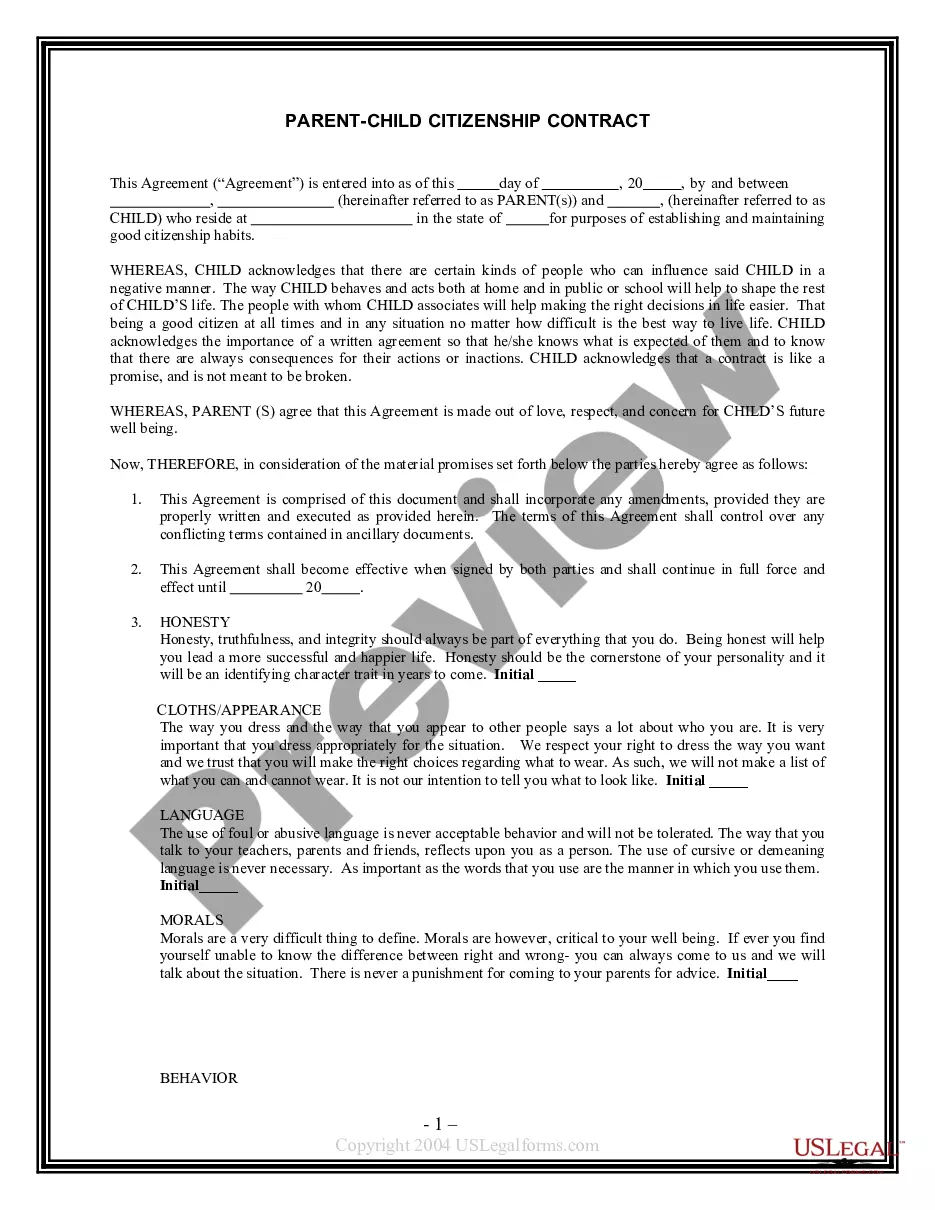
Get your form ready online
Our built-in tools help you complete, sign, share, and store your documents in one place.
Make edits, fill in missing information, and update formatting in US Legal Forms—just like you would in MS Word.
Download a copy, print it, send it by email, or mail it via USPS—whatever works best for your next step.
Sign and collect signatures with our SignNow integration. Send to multiple recipients, set reminders, and more. Go Premium to unlock E-Sign.
If this form requires notarization, complete it online through a secure video call—no need to meet a notary in person or wait for an appointment.
We protect your documents and personal data by following strict security and privacy standards.

Make edits, fill in missing information, and update formatting in US Legal Forms—just like you would in MS Word.

Download a copy, print it, send it by email, or mail it via USPS—whatever works best for your next step.

Sign and collect signatures with our SignNow integration. Send to multiple recipients, set reminders, and more. Go Premium to unlock E-Sign.

If this form requires notarization, complete it online through a secure video call—no need to meet a notary in person or wait for an appointment.

We protect your documents and personal data by following strict security and privacy standards.
Looking for another form?

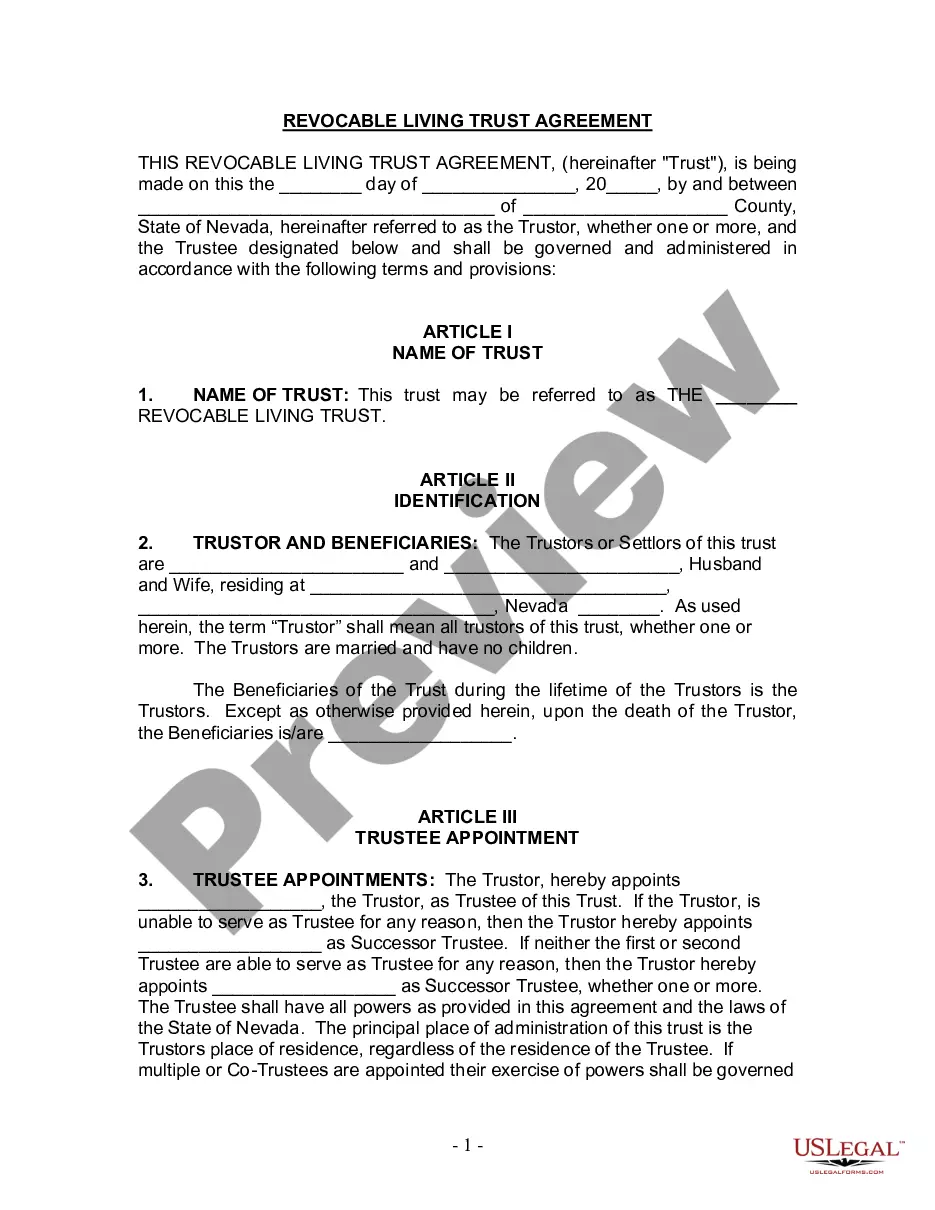
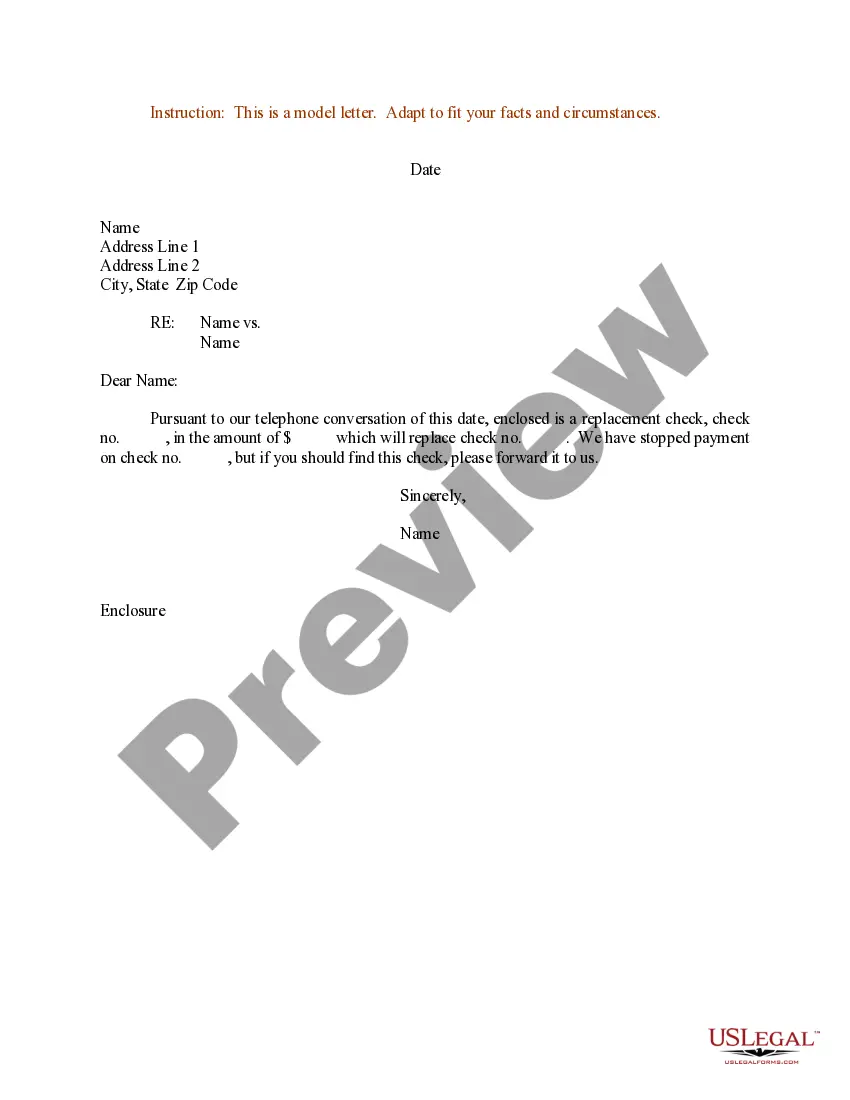
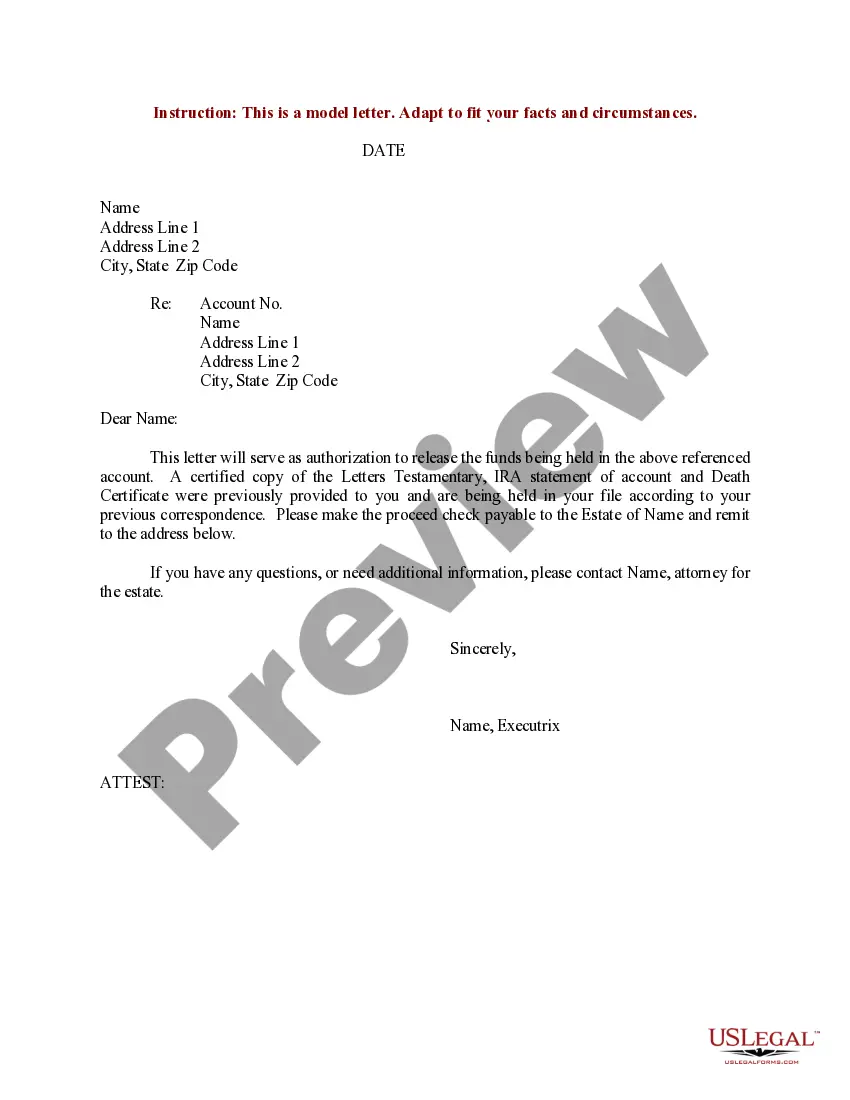
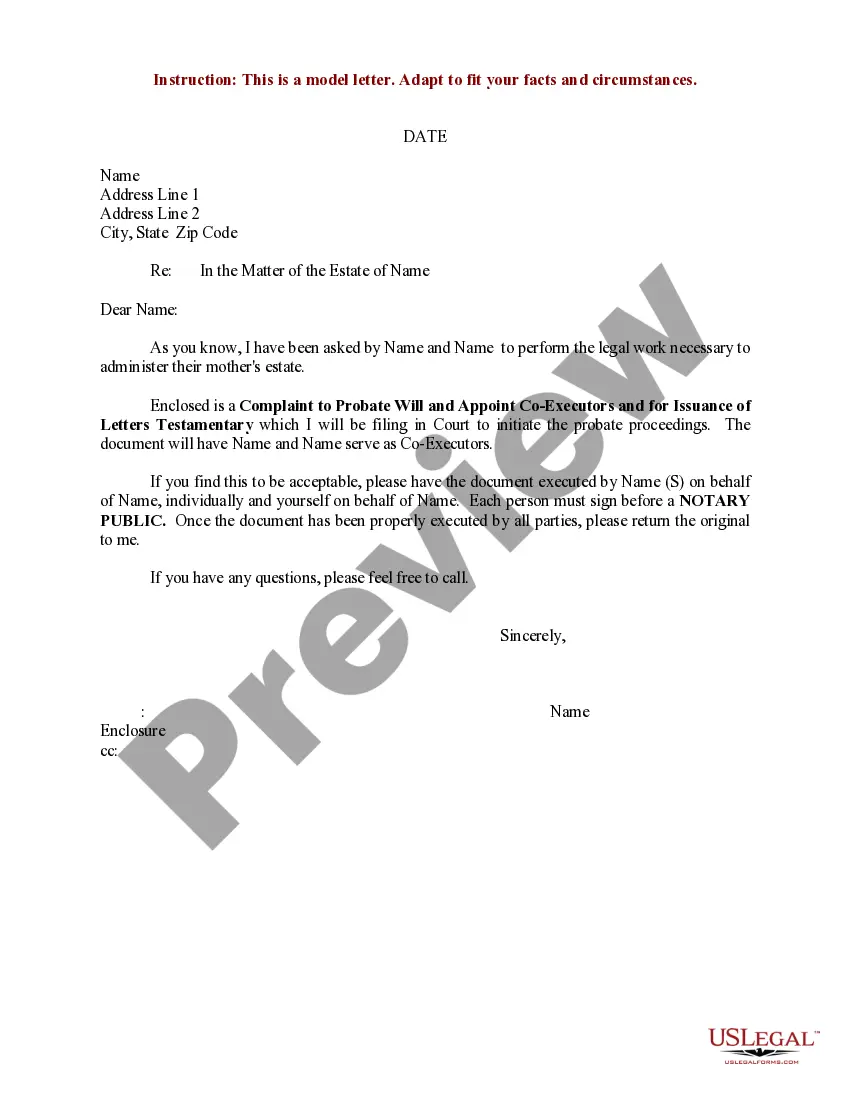
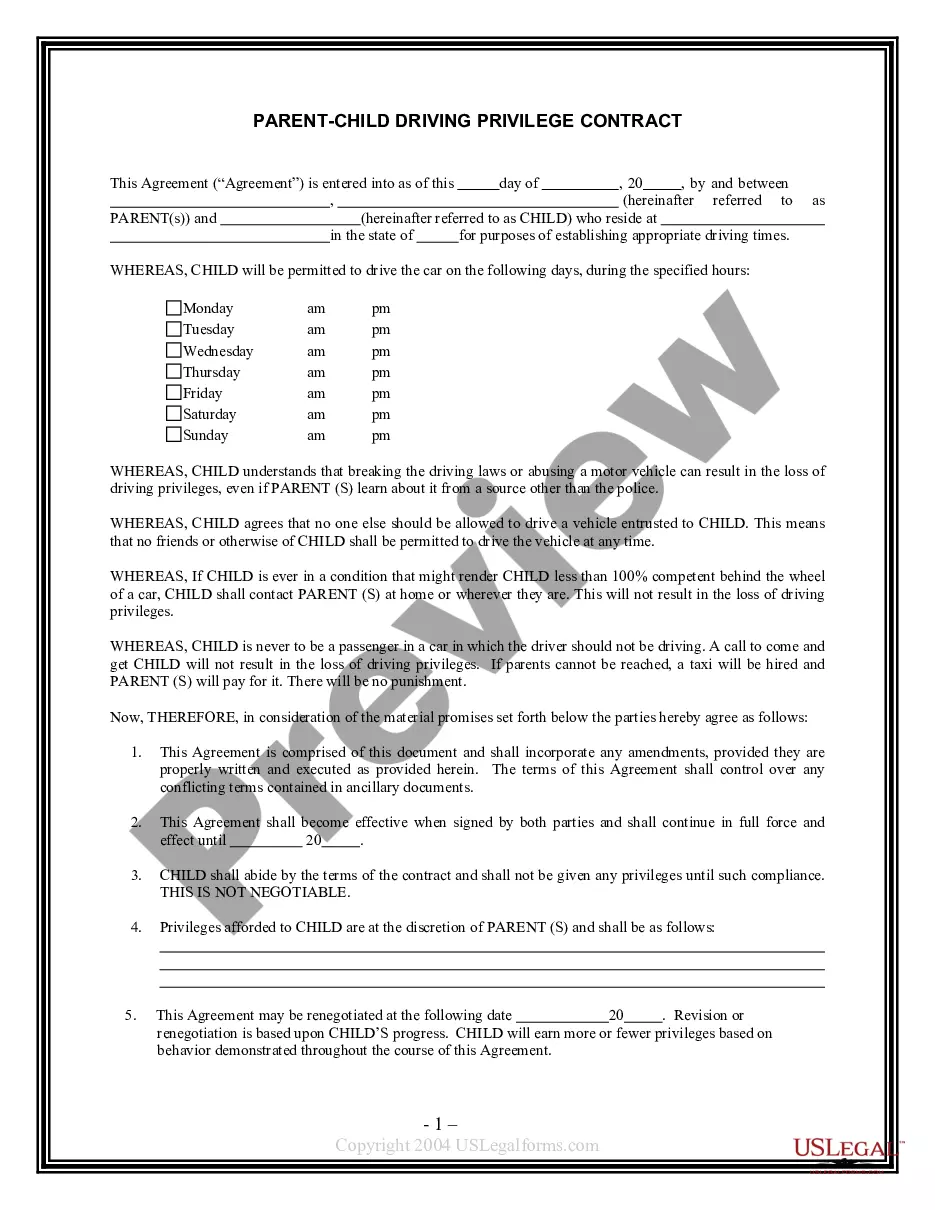
How to fill out Parent - Child Driving Privilege Contract?
Dealing with legal documentation and processes can be a lengthy addition to your schedule.
Privilege Guidelines and similar forms frequently require you to locate them and comprehend how to fill them out correctly.
As a result, whether you are managing financial, legal, or personal affairs, having an extensive and user-friendly online directory of forms at your disposal will significantly help.
US Legal Forms is the leading online platform for legal templates, featuring over 85,000 state-specific documents and a range of resources that will assist you in completing your paperwork effortlessly.
Is this your first time using US Legal Forms? Sign up and create a free account in a few moments, and you’ll gain access to the form directory and Privilege Guidelines. Then, follow the steps outlined below to complete your form: Ensure you have the correct form using the Preview feature and reviewing the form details. Select Buy Now once ready, and pick the subscription plan that fits you. Click Download, then fill out, eSign, and print the form. US Legal Forms has 25 years of experience helping clients manage their legal documentation. Acquire the form you need today and streamline any process without hassle.
- Browse the directory of relevant documents available with just one click.
- US Legal Forms provides you with state- and county-specific forms accessible at any time for download.
- Protect your document management processes with a premium service that enables you to compile any form within minutes with no extra or concealed fees.
- Simply Log In to your account, locate Privilege Guidelines, and obtain it instantly from the My documents section.
- You can also access previously downloaded forms.
Form popularity
FAQ
Although the precise definition of attorney?client privilege varies among state and federal courts, there are four basic elements to establish attorney?client privilege: (i) a communication; (ii) made between counsel and client; (iii) in confidence; (iv) for the purpose of seeking, obtaining or providing legal ...
To be safe put "Attorney-Client Communication", "Privileged and Confidential" or "Attorney Work Product" in the subject of the e-mail, or on privileged documents.
Legal professional privilege (LPP) protects certain confidential communications from disclosure without your client's permission. LPP is a right not of lawyers but of clients. An assessment of whether LPP applies often requires delicate and difficult balances to be drawn.
Forms of Privilege Ability: Being able-bodied and without mental disability. ... Class: Class can be understood both in terms of economic status and social class, both of which provide privilege. ... Education: Access to higher education confers with it a number of privileges as well.
The dominant purpose for the creation of the document must have been its intended use in actual or reasonably contemplated litigation; 3. the communication must have been confidential; and 4. there must not have been any waiver of confidentiality.