Plan Reorganization Template With Lines
Description
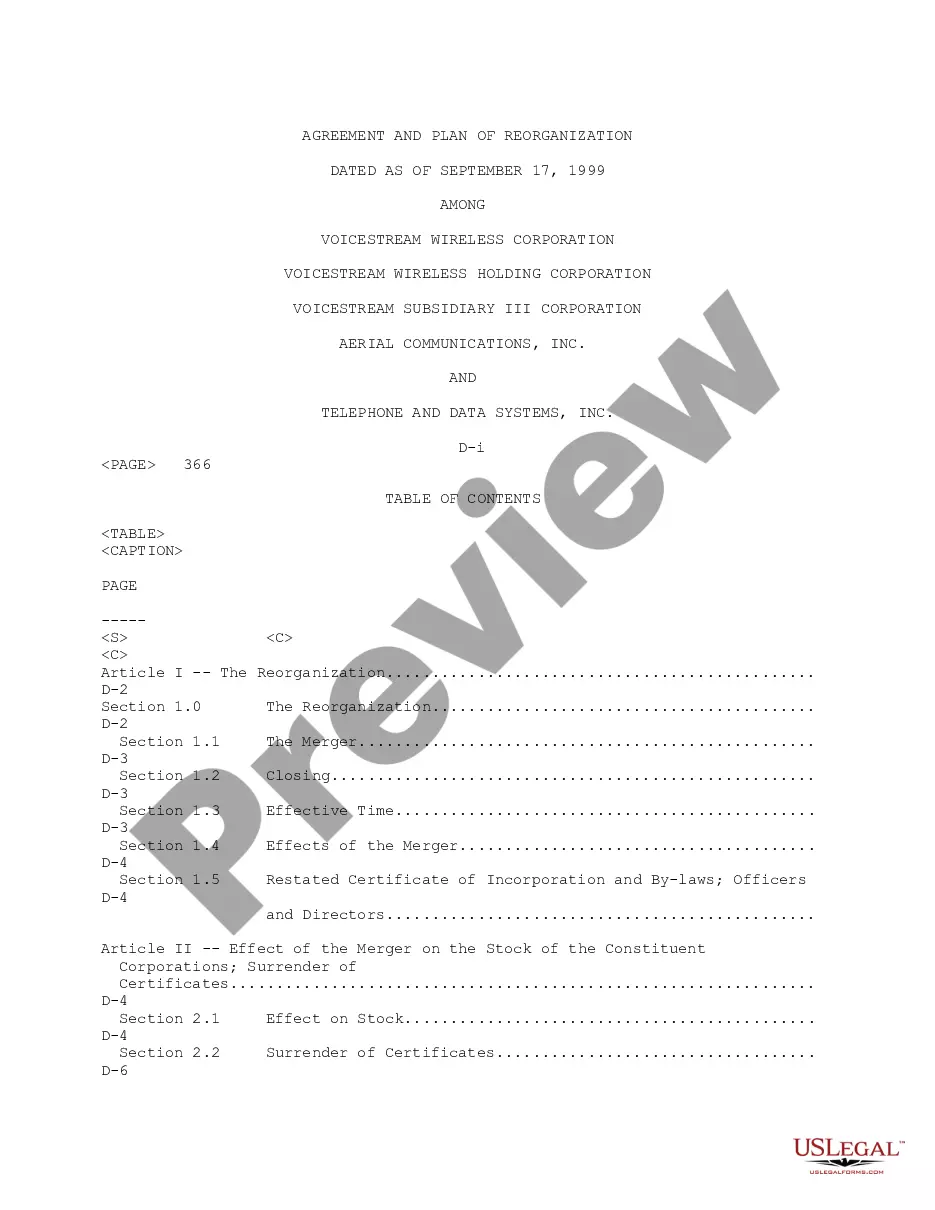
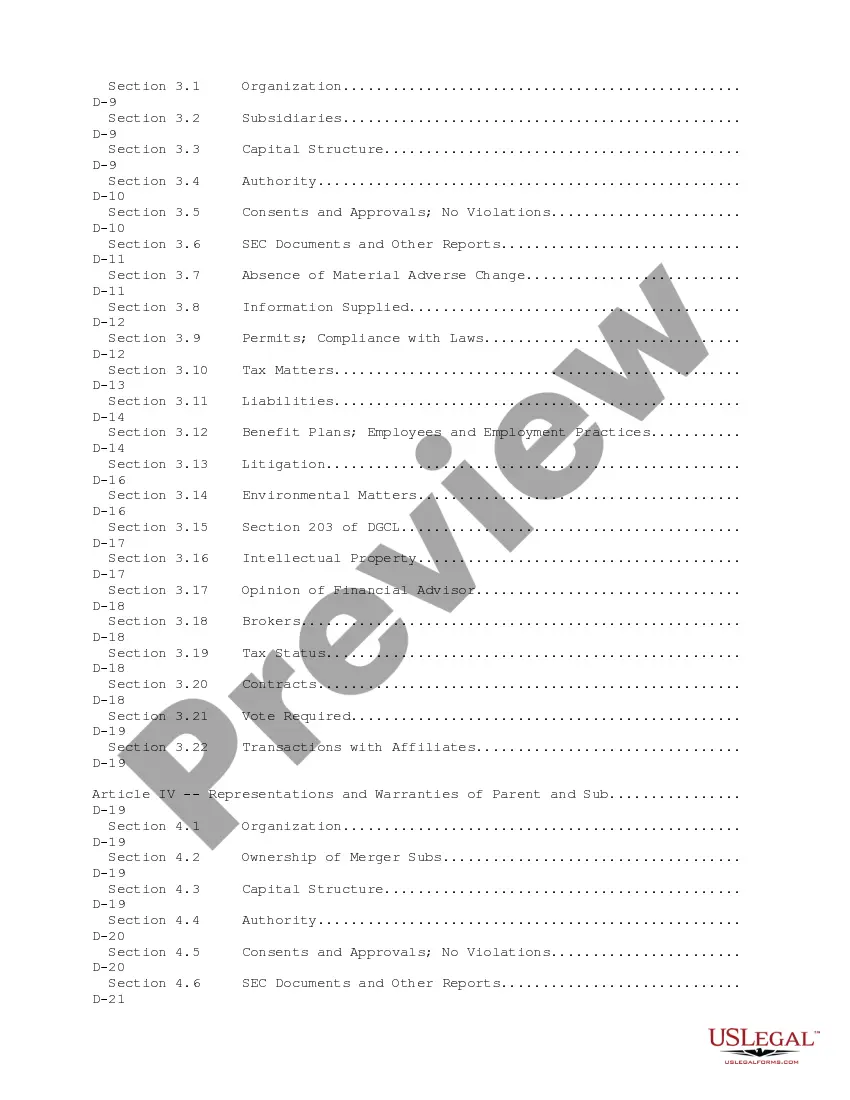
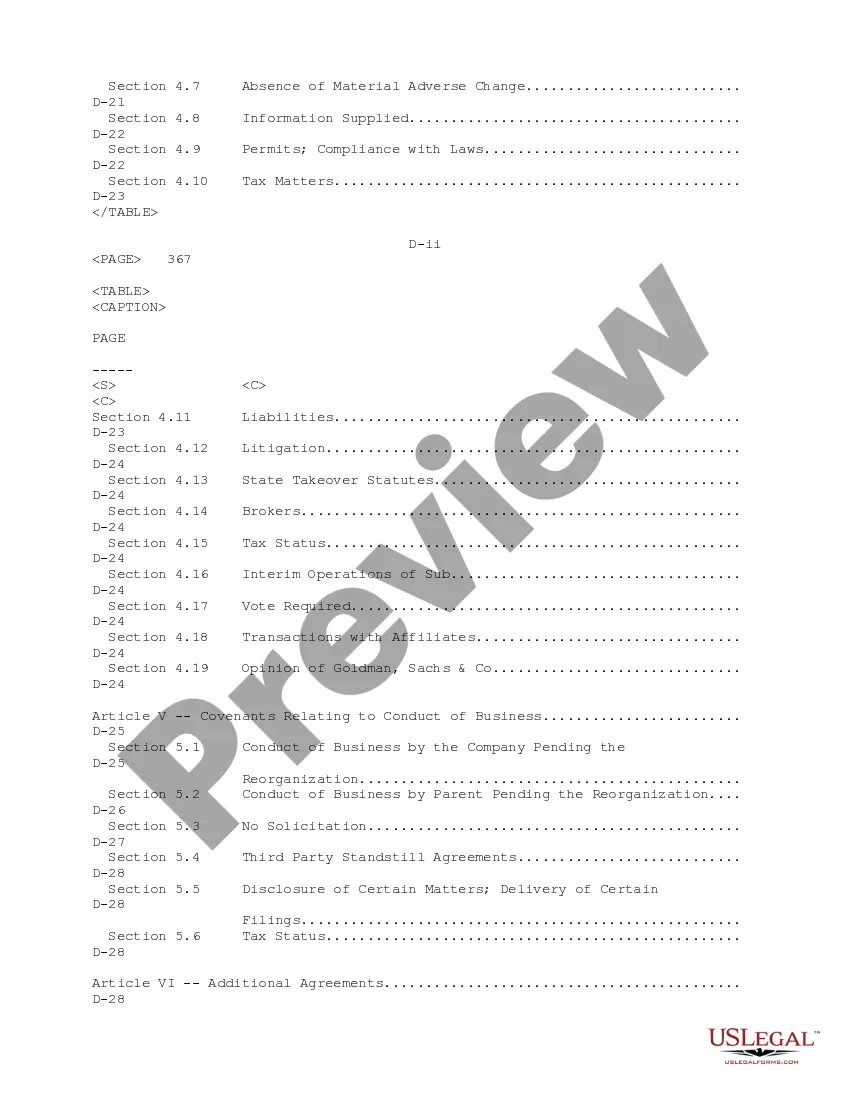
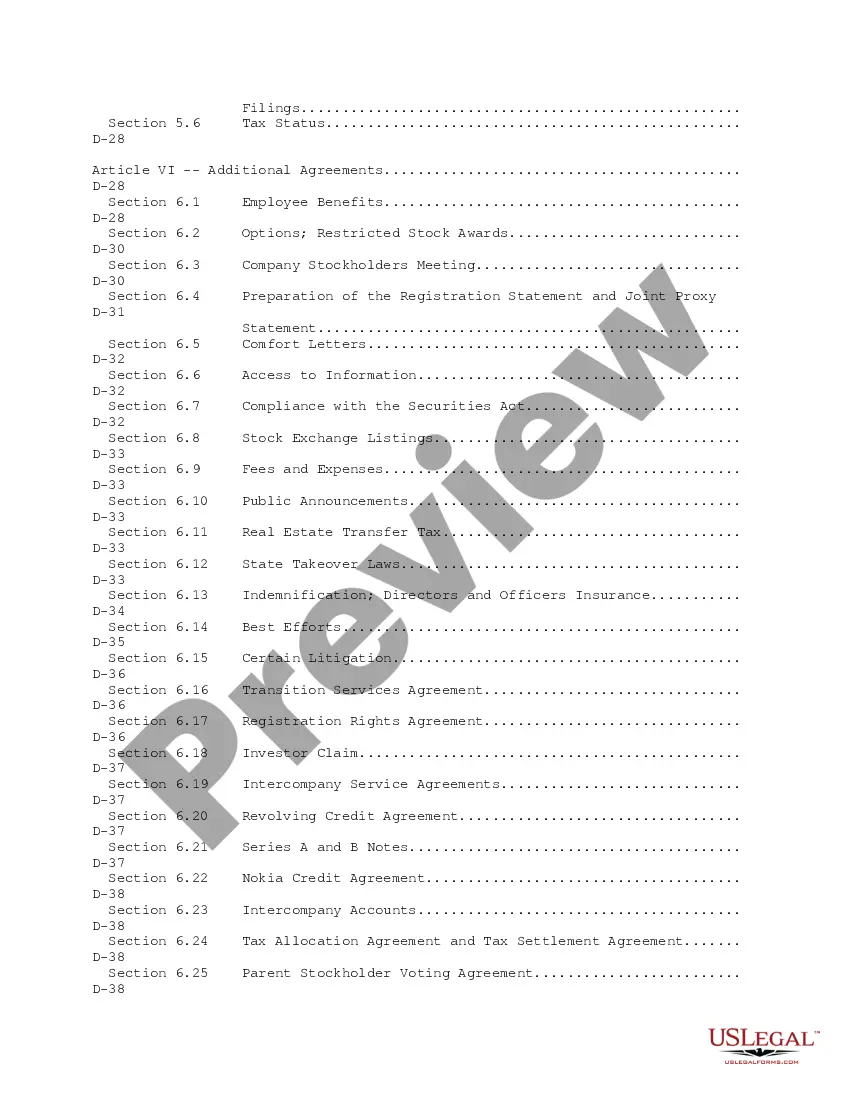
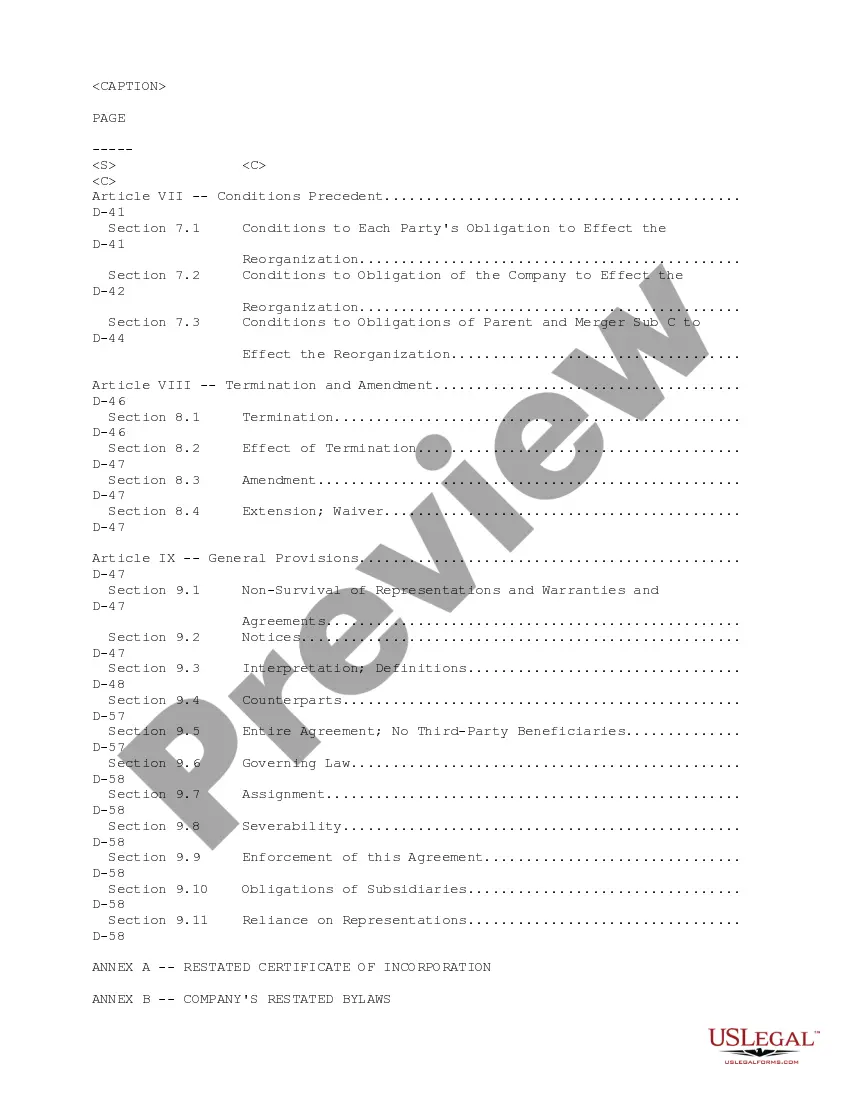
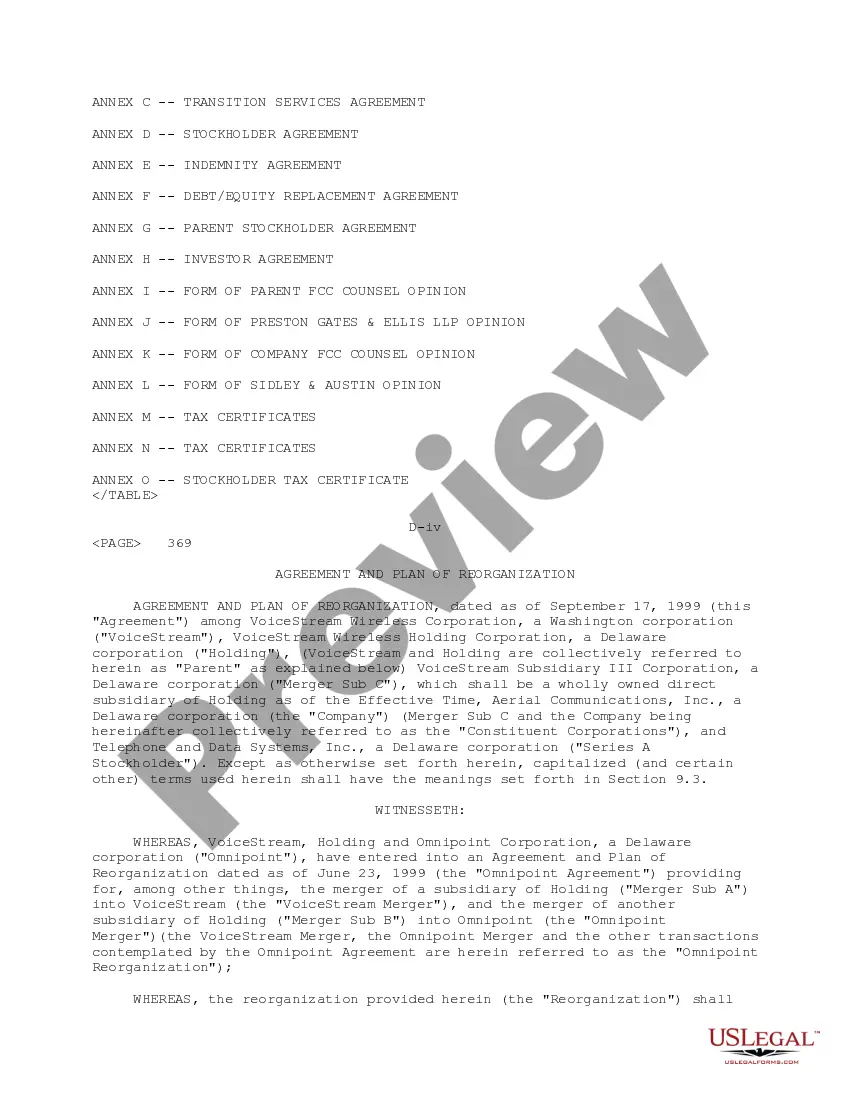
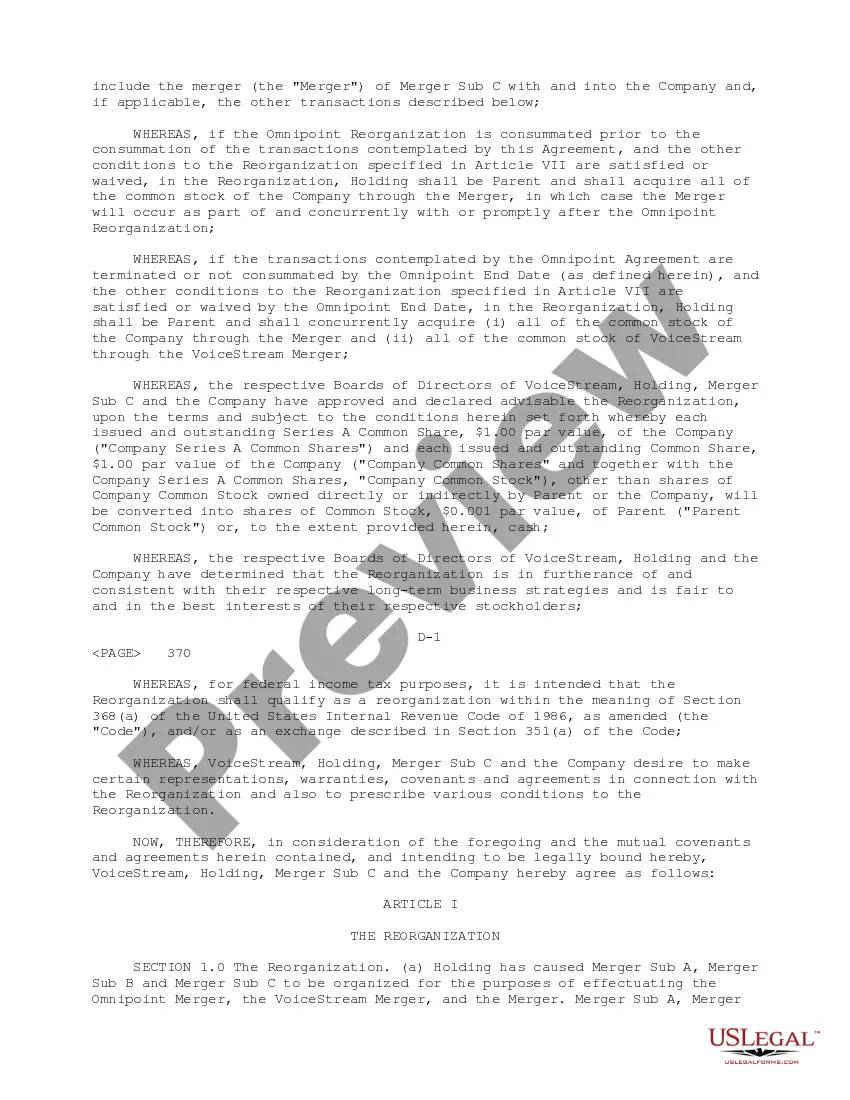
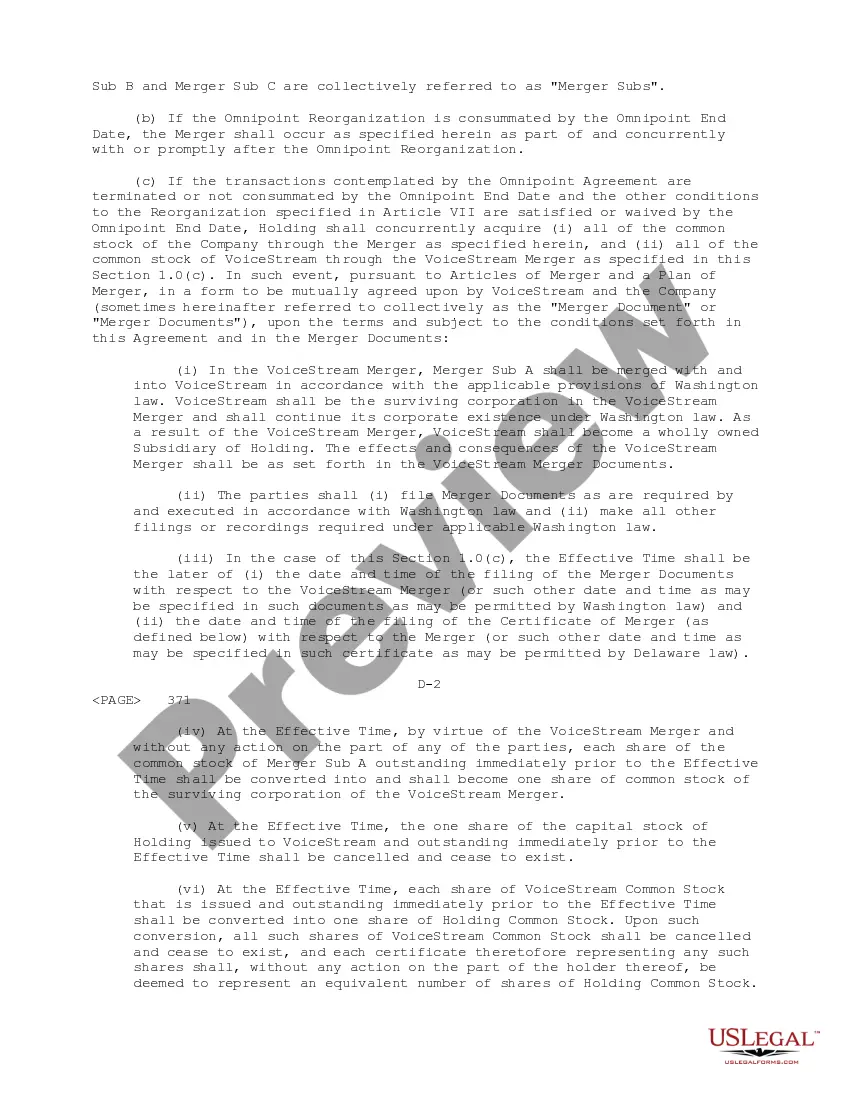
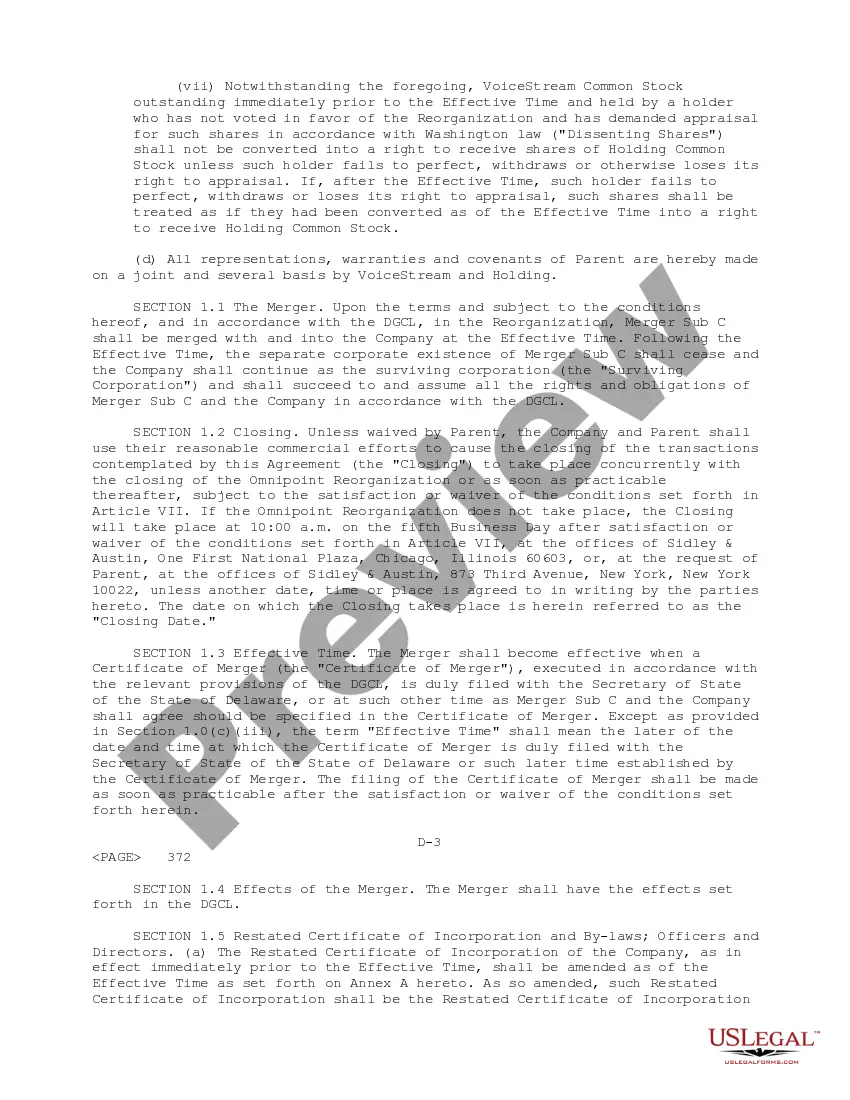
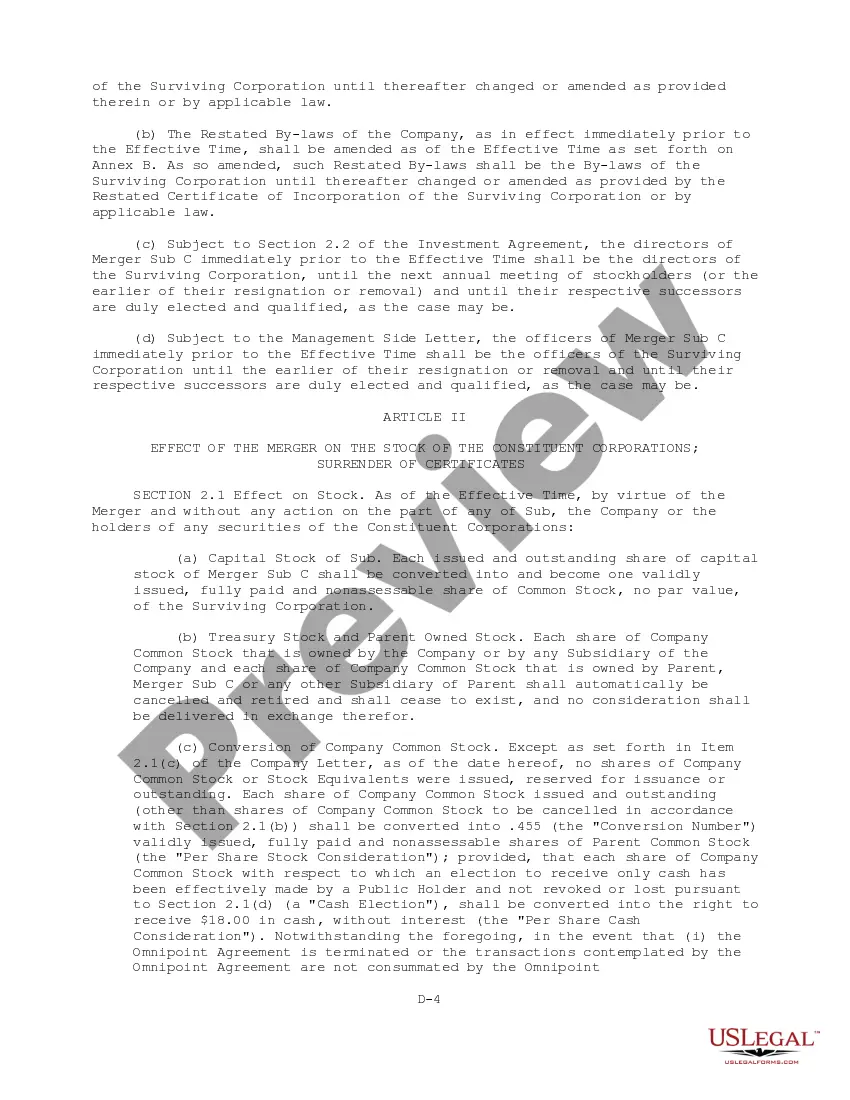

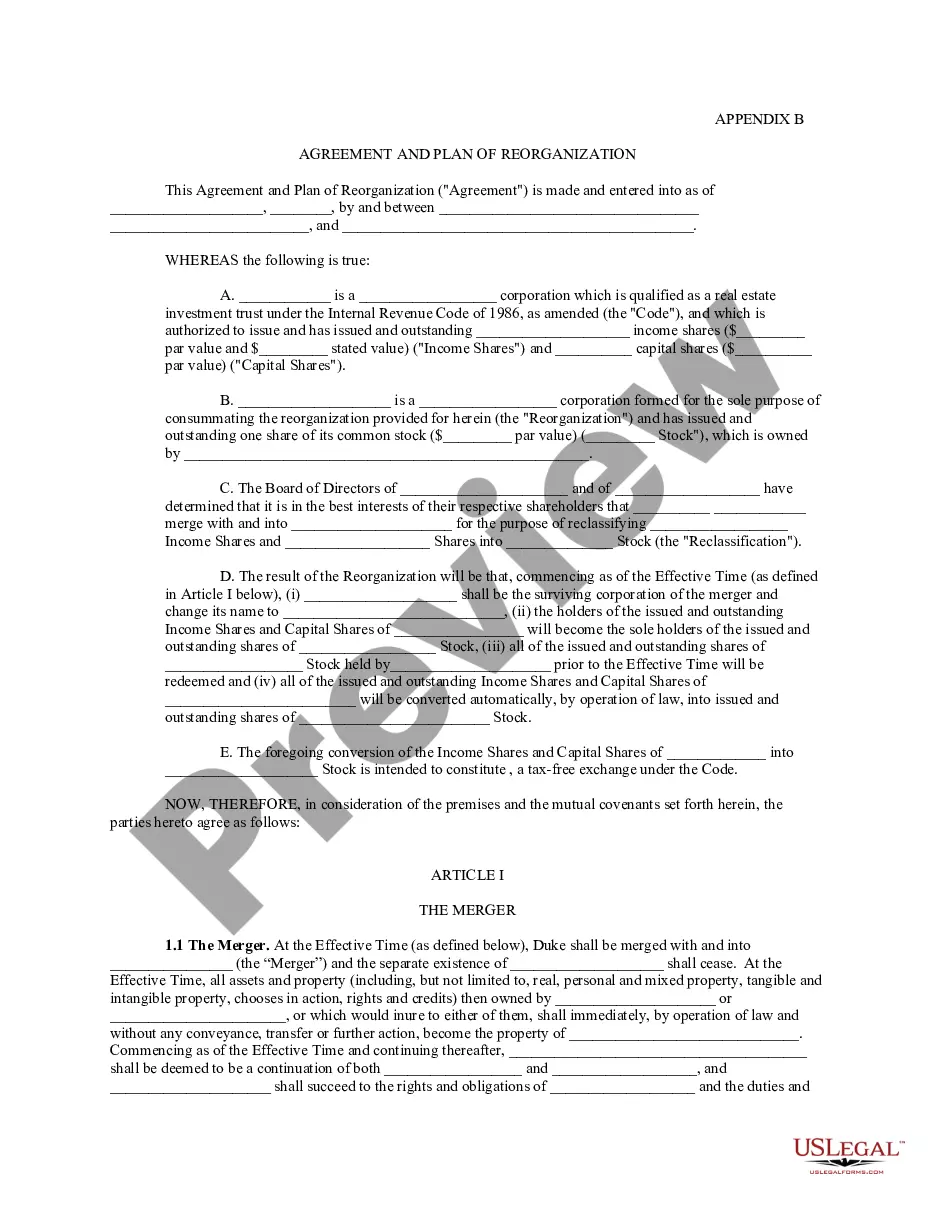
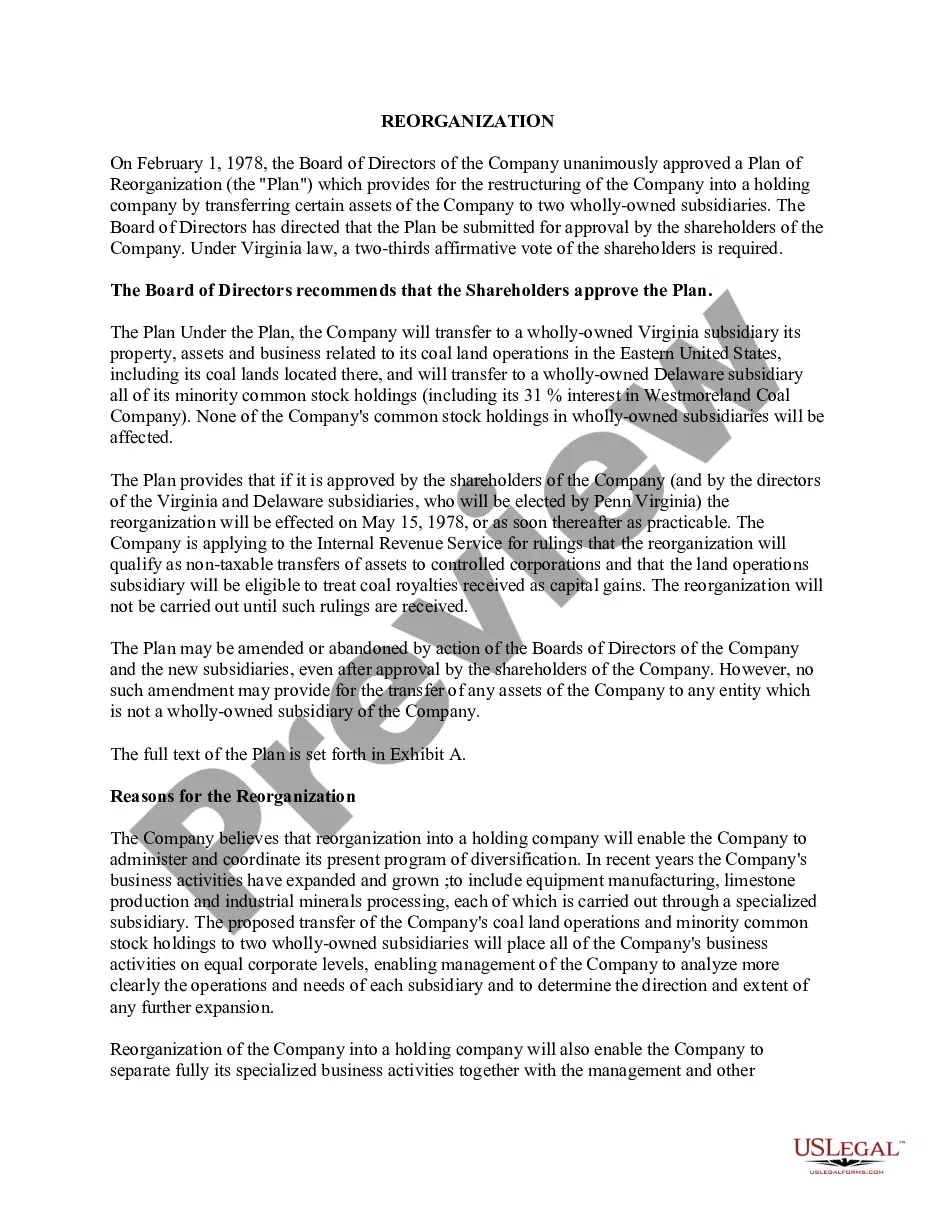


How to fill out Plan Of Reorganization Among Voicestream Wireless Corp., Voicestream Wireless Holding Corporation?
- If you are a returning user, log in to your account and download the required template by clicking the Download button.
- Ensure that your subscription is active; if not, renew it according to your chosen payment plan.
- For first-time users, review the form descriptions in Preview mode to select a template that meets your jurisdiction's criteria.
- If necessary, search using the tab above to find an alternative template that fits your needs.
- Once you've identified the correct document, click on the Buy Now button and select your subscription plan.
- Complete your purchase by entering your payment details or using your PayPal account.
- Finally, download your document and save it on your device for future use, accessible via the My Forms section.
By following these steps, you can easily secure a legally sound plan reorganization template with lines through US Legal Forms.
Take advantage of our extensive library of over 85,000 documents today and empower yourself with accessible legal resources!
Form popularity
FAQ
An example of reorganization can be seen when a company decides to adopt a new business model, like moving from a product-centric approach to a service-oriented one. This transformation often requires redesigning roles and responsibilities. A plan reorganization template with lines can effectively highlight these changes, making it easier for everyone in the company to navigate the new expectations.
An example of restructuring might involve a company selling off a division that no longer aligns with its core mission. This type of strategy allows a company to focus on its strengths. Utilizing a plan reorganization template with lines can assist in mapping out the new organization post-sale, ensuring that all team members understand their roles and responsibilities.
An example of reorganizing could involve a company merging two departments to streamline operations and reduce redundancy. The new structure would require a clear plan, which is where a plan reorganization template with lines becomes useful. It provides an easy-to-follow visual guide to help employees adapt to their new responsibilities.
Reorganization in the workplace refers to altering the internal structure of a company to enhance performance and productivity. This can involve changing reporting lines, team compositions, or even the business focus. Implementing a plan reorganization template with lines can facilitate this process by clearly illustrating the new structure, helping employees understand their roles.
A reorganization is a deliberate process in which a company changes its structure, operations, or both to improve efficiency and achieve goals. This often involves modifying teams, roles, or business strategies. Using a plan reorganization template with lines can help you visualize the changes and ensure a smooth transition for everyone involved.
The four steps of restructuring include assessment, planning, implementation, and evaluating results. First, assess your current operations to identify inefficiencies. Next, create a clear plan using a Plan reorganization template with lines to outline necessary changes. Implement the plan while ensuring effective communication, then evaluate the outcomes to confirm the restructuring achieves desired goals.
When proposing a restructure, it's essential to present a compelling case backed by data. Start with a clear explanation of the reasons for the restructure and how it will benefit the organization. Incorporating a Plan reorganization template with lines can visually enhance your presentation and make it easier for stakeholders to grasp the changes. Be open to feedback and ready to discuss concerns from your audience.
Creating a restructure plan involves several key steps. Begin by defining your objectives and what you hope to achieve through the reorganization. Utilize a Plan reorganization template with lines to lay out your strategy, including timelines, resource allocations, and the roles of involved parties. This structured approach can assist in keeping everyone aligned and focused on the end goal.
To prepare for a restructure, start by assessing your current structure and identifying areas for improvement. Gather input from team members to understand their perspectives and challenges. Additionally, a Plan reorganization template with lines can help you visually outline your proposed changes and facilitate discussions. Make sure you communicate the purpose of the restructure clearly to everyone involved.
To propose a reorganization, start with thorough research on the current operations and desired outcomes. Create a plan reorganization template with lines that outlines your proposal clearly and effectively. It's essential to address potential concerns and offer solutions that highlight the benefits of the proposed changes to ensure a smooth transition.