False Imprisonment With Law
Description
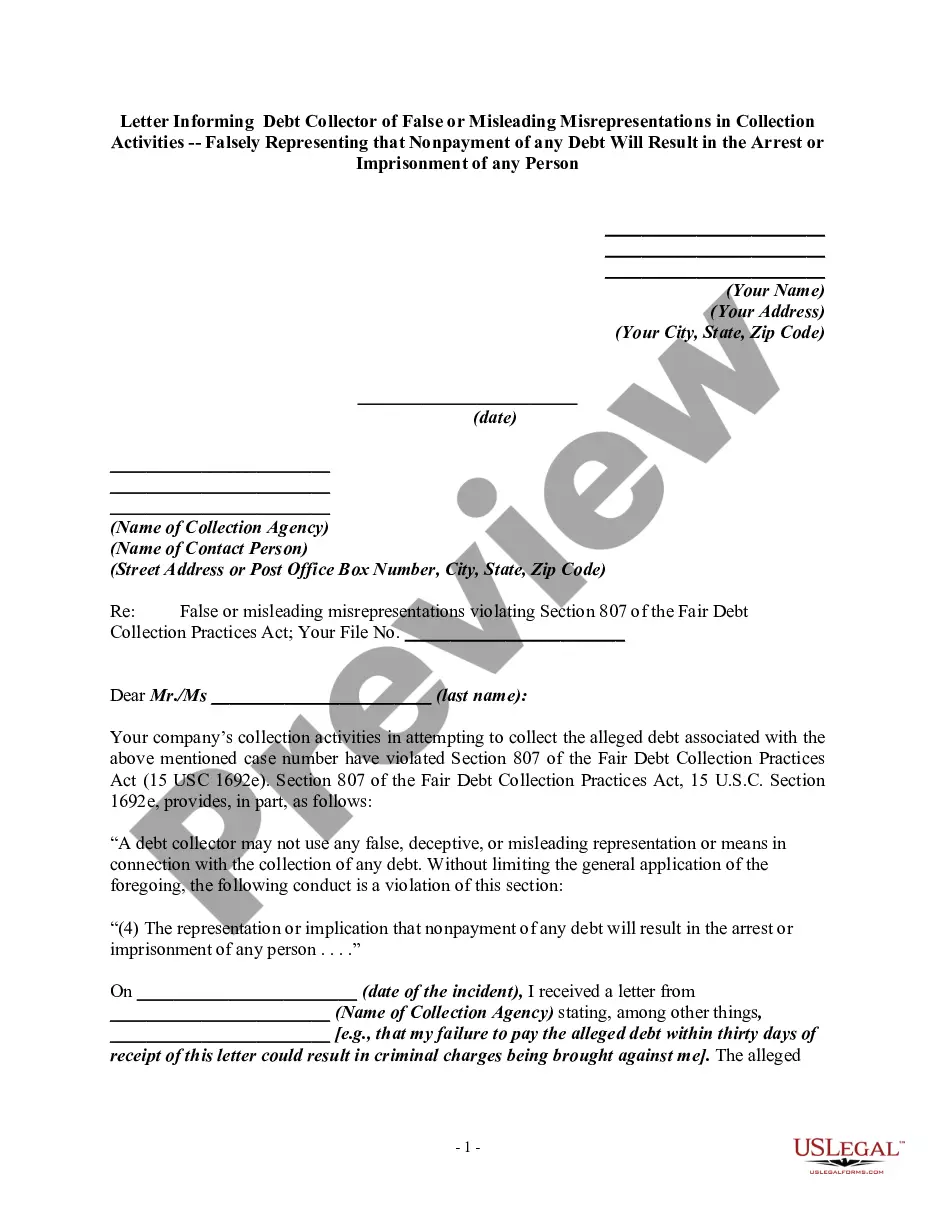
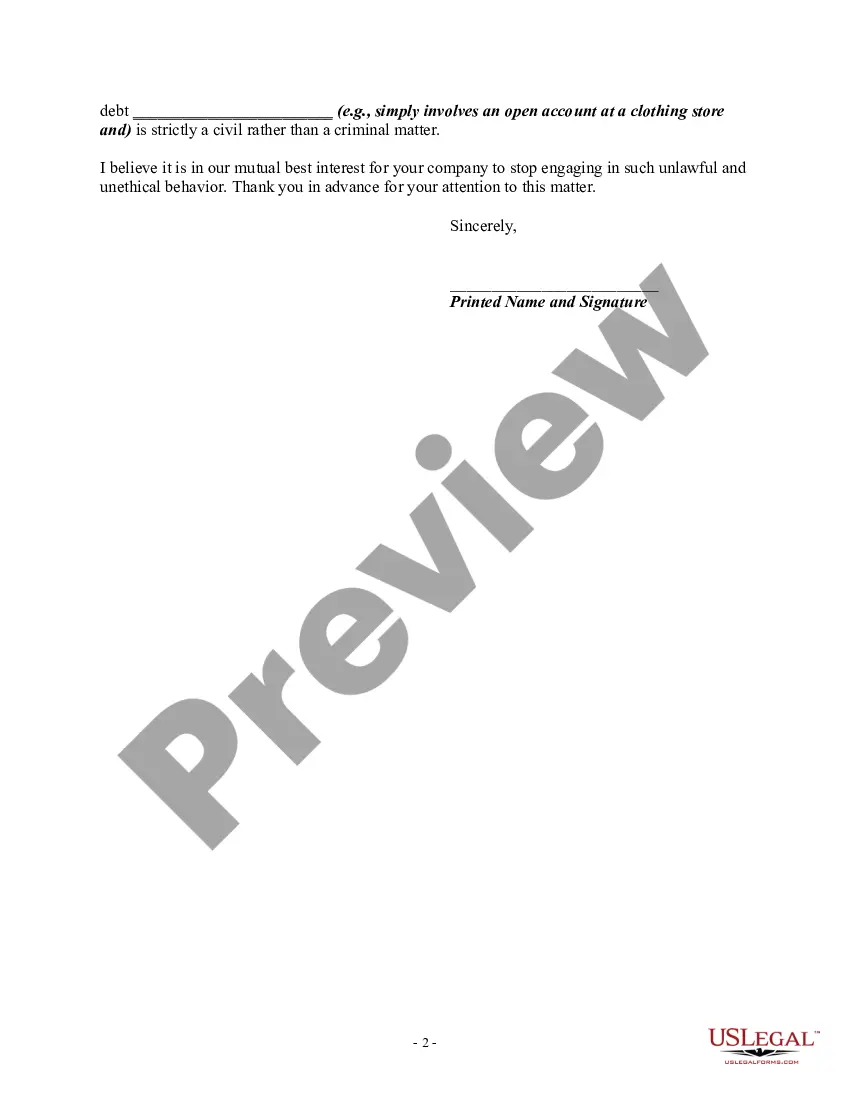
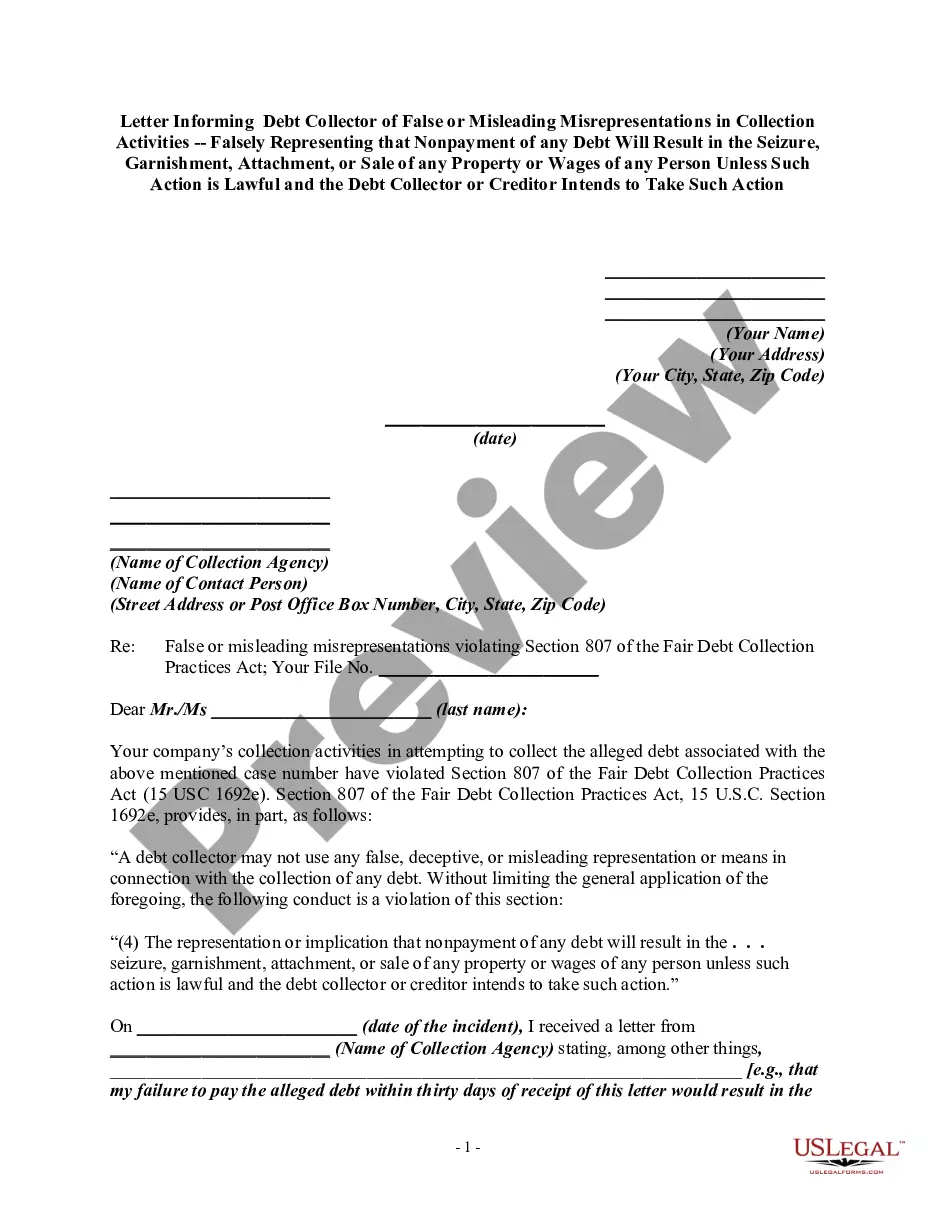
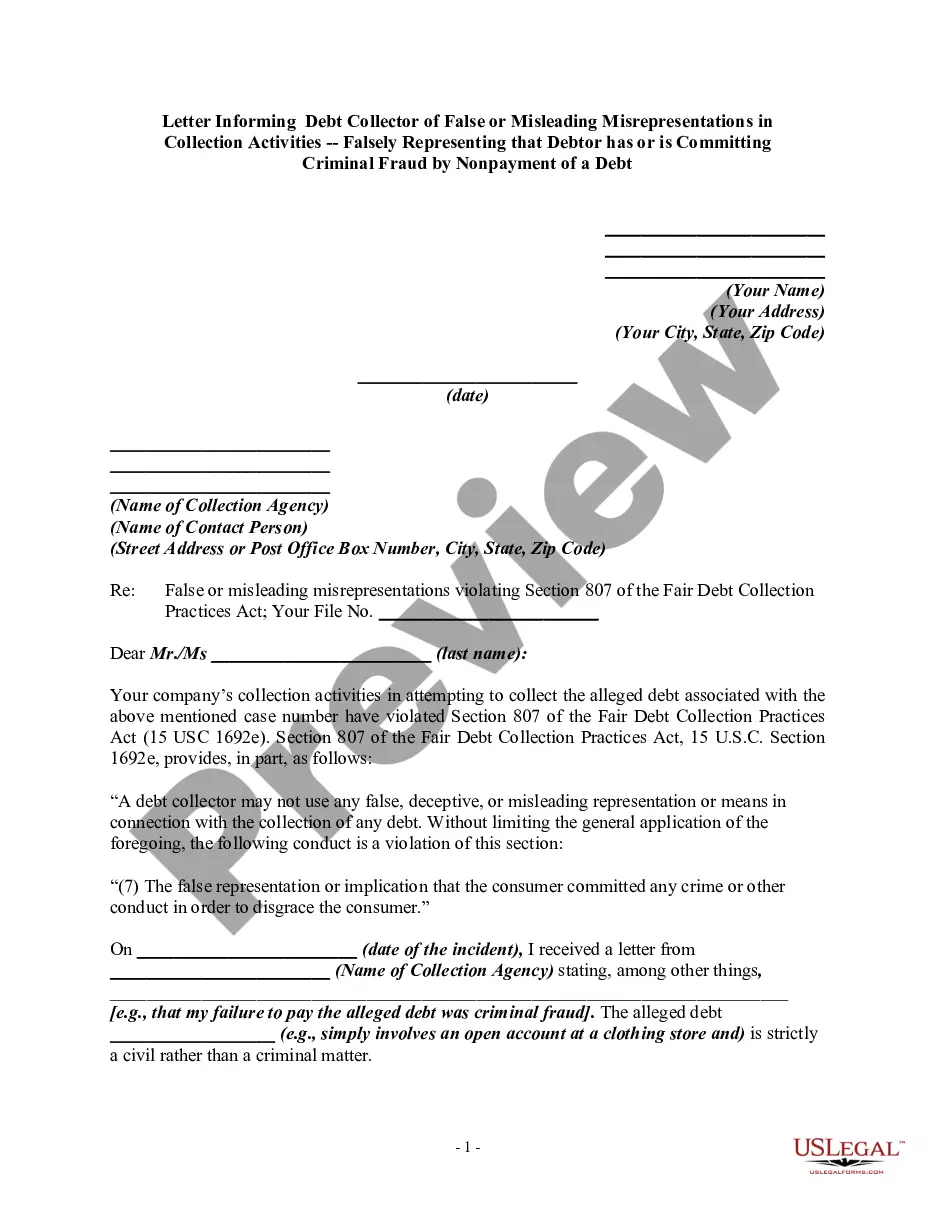
Get your form ready online
Our built-in tools help you complete, sign, share, and store your documents in one place.
Make edits, fill in missing information, and update formatting in US Legal Forms—just like you would in MS Word.
Download a copy, print it, send it by email, or mail it via USPS—whatever works best for your next step.
Sign and collect signatures with our SignNow integration. Send to multiple recipients, set reminders, and more. Go Premium to unlock E-Sign.
If this form requires notarization, complete it online through a secure video call—no need to meet a notary in person or wait for an appointment.
We protect your documents and personal data by following strict security and privacy standards.

Make edits, fill in missing information, and update formatting in US Legal Forms—just like you would in MS Word.

Download a copy, print it, send it by email, or mail it via USPS—whatever works best for your next step.

Sign and collect signatures with our SignNow integration. Send to multiple recipients, set reminders, and more. Go Premium to unlock E-Sign.

If this form requires notarization, complete it online through a secure video call—no need to meet a notary in person or wait for an appointment.

We protect your documents and personal data by following strict security and privacy standards.
Looking for another form?

How to fill out Letter Informing Debt Collector Of False Or Misleading Misrepresentations In Collection Activities - Falsely Representing That Nonpayment Of Any Debt Will Result In The Arrest Or Imprisonment Of Any Person?
It’s clear that you cannot transform into a legal expert instantly, nor can you swiftly learn how to prepare False Imprisonment With Law without possessing a specialized skill set.
Assembling legal documents is a lengthy endeavor that necessitates specific education and expertise. So why not entrust the development of the False Imprisonment With Law to the experts.
With US Legal Forms, one of the most extensive legal document libraries, you can access everything from court documents to templates for internal corporate communication.
If you need a different form, restart your search.
Create a free account and choose a subscription plan to purchase the form. Select Buy now. Once the transaction is finalized, you can acquire the False Imprisonment With Law, fill it out, print it, and send or mail it to the appropriate individuals or entities.
- We recognize how vital compliance and adherence to federal and local regulations are.
- That’s why, on our website, all forms are location-specific and current.
- Here’s how to begin with our platform and obtain the document you require in just a few minutes.
- Locate the form you need by using the search bar at the top of the page.
- Preview it (if this option is available) and review the supporting description to verify whether False Imprisonment With Law is what you seek.
Form popularity
FAQ
Proving false imprisonment with law requires demonstrating the four key elements mentioned earlier. You must show that the confinement was intentional, that it occurred without consent, and that you were aware of your confinement at the time. Gathering evidence, such as witness statements or video footage, can significantly bolster your case. If you need assistance, platforms like uslegalforms can help you understand your rights and navigate the legal process effectively.
The four elements of false imprisonment with law include intent, confinement, awareness, and lack of consent. First, the perpetrator must have intended to confine the victim. Second, there must be actual confinement, whether through physical force or threats. Third, the victim must be aware of the confinement at the time it occurs. Lastly, the victim must not have agreed to the confinement, highlighting the importance of consent in legal matters.
To qualify as false imprisonment with law, an act must involve the unlawful restriction of an individual's freedom of movement. This can occur without physical restraint; for instance, if someone is misled or coerced into staying in a location. The key factor is that the person did not consent to the confinement, making it essential to recognize the nuances of such situations. If you believe you have experienced false imprisonment, it’s important to seek legal advice.
False imprisonment with law refers to situations where an individual is confined against their will. This can include physical barriers, such as locking someone in a room, or psychological pressure, such as threats that prevent someone from leaving. Importantly, the confinement must be intentional and must not be legally justified. Understanding these actions is crucial for anyone facing potential false imprisonment issues.
False imprisonment in law refers to the unlawful restraint of an individual’s freedom of movement. It occurs when someone intentionally restricts another person’s ability to leave a particular area, without legal justification. This can happen through physical barriers, threats, or even the misuse of authority. Understanding false imprisonment with law is crucial, as it helps you recognize your rights and seek justice if you find yourself in such a situation.
To secure monetary compensation for false imprisonment, you must be able to prove that another reasonable person would not have performed the same actions in the same situation. Your attorney will also need to demonstrate the following elements: There was a willful restraint that prevented you from leaving.
Examples of false imprisonment may include: A person locking another person in a room without their permission. A person grabbing onto another person without their consent, and holding them so that they cannot leave.
To prove a false imprisonment claim as a tort in a civil lawsuit, the following elements must be present: There was a willful detention; The detention was without consent; and. The detention was unlawful.
The defendant intentionally detained, restrained or confined someone. This forced the victim to stay somewhere for an appreciable time, however short. The victim did not consent. The victim was actually harmed.