Motion to modify plan
About this form
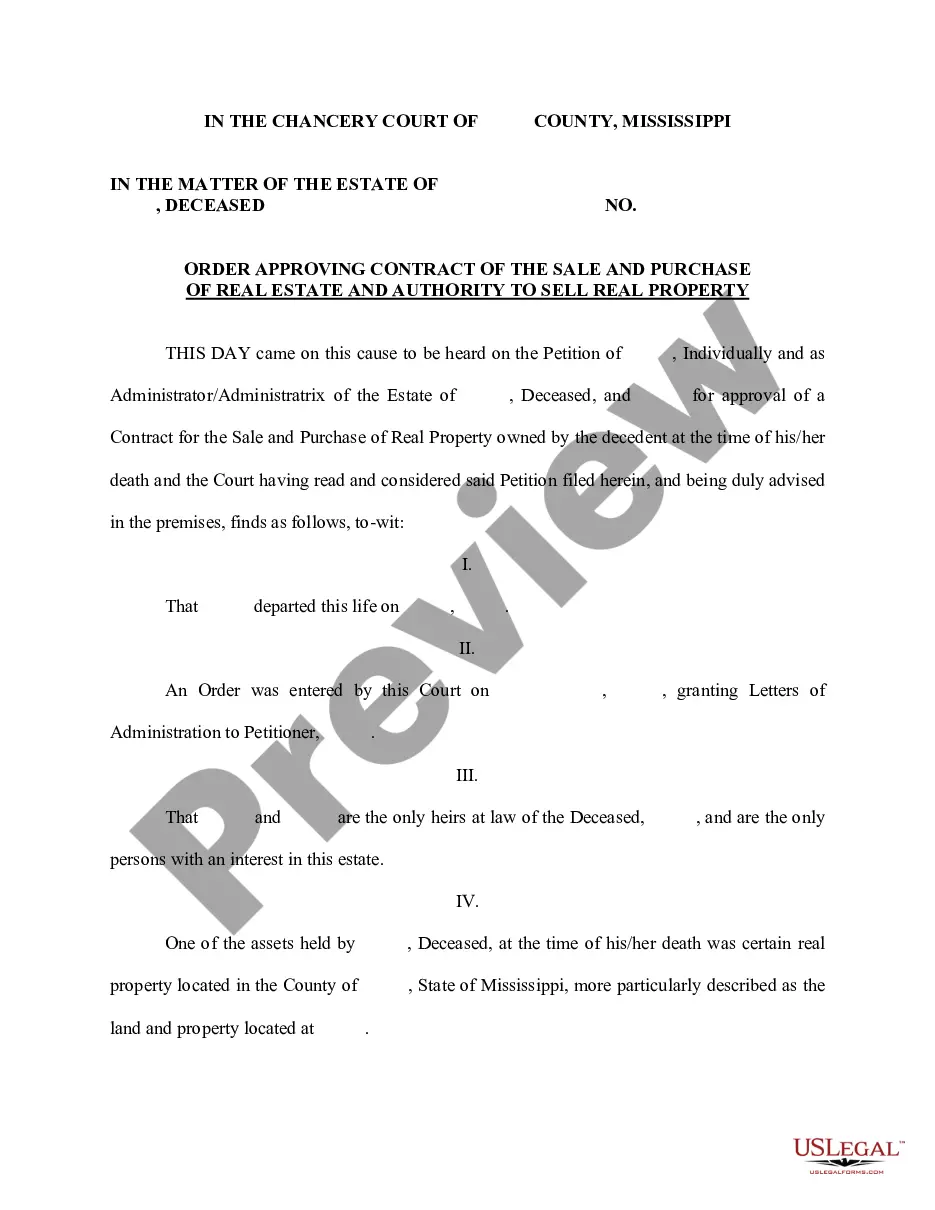
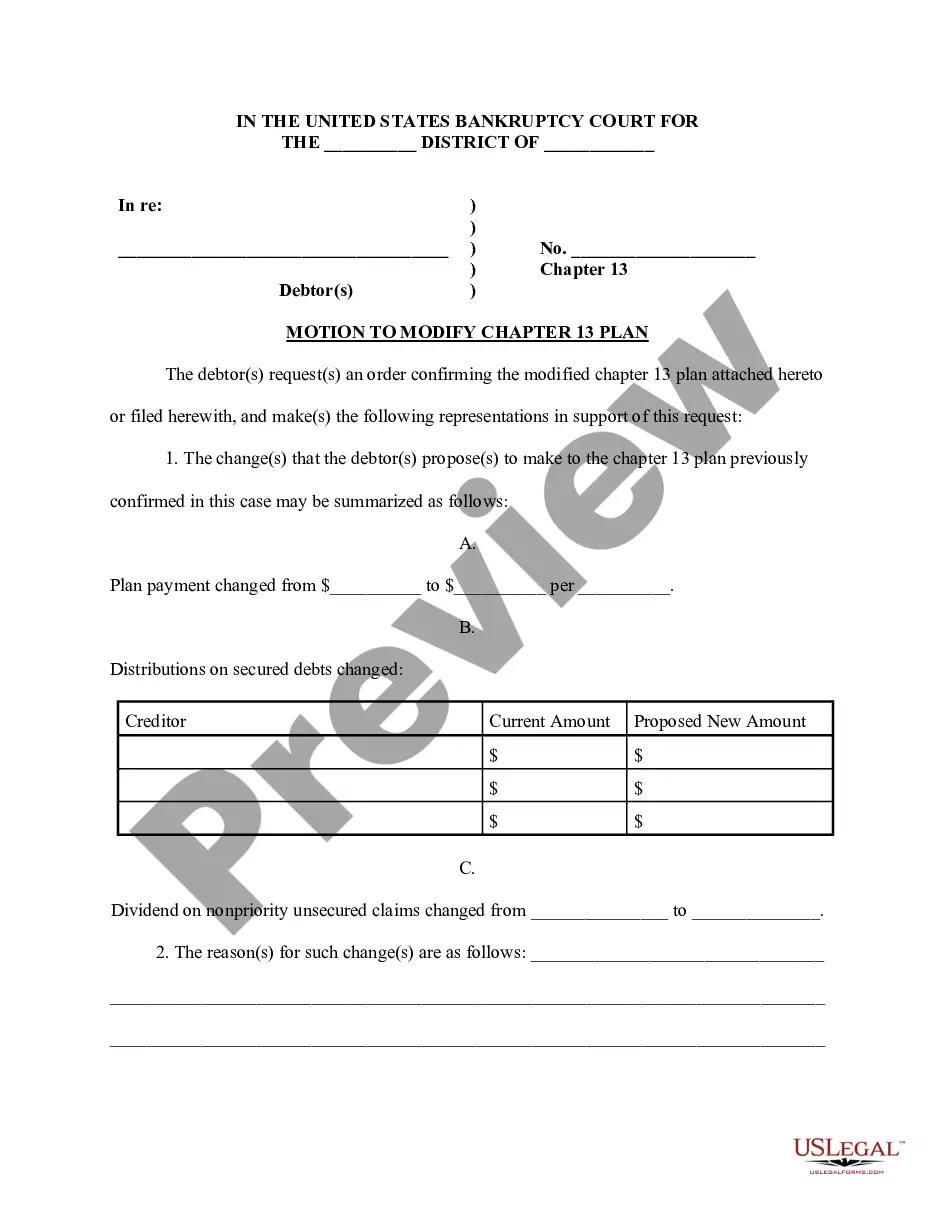
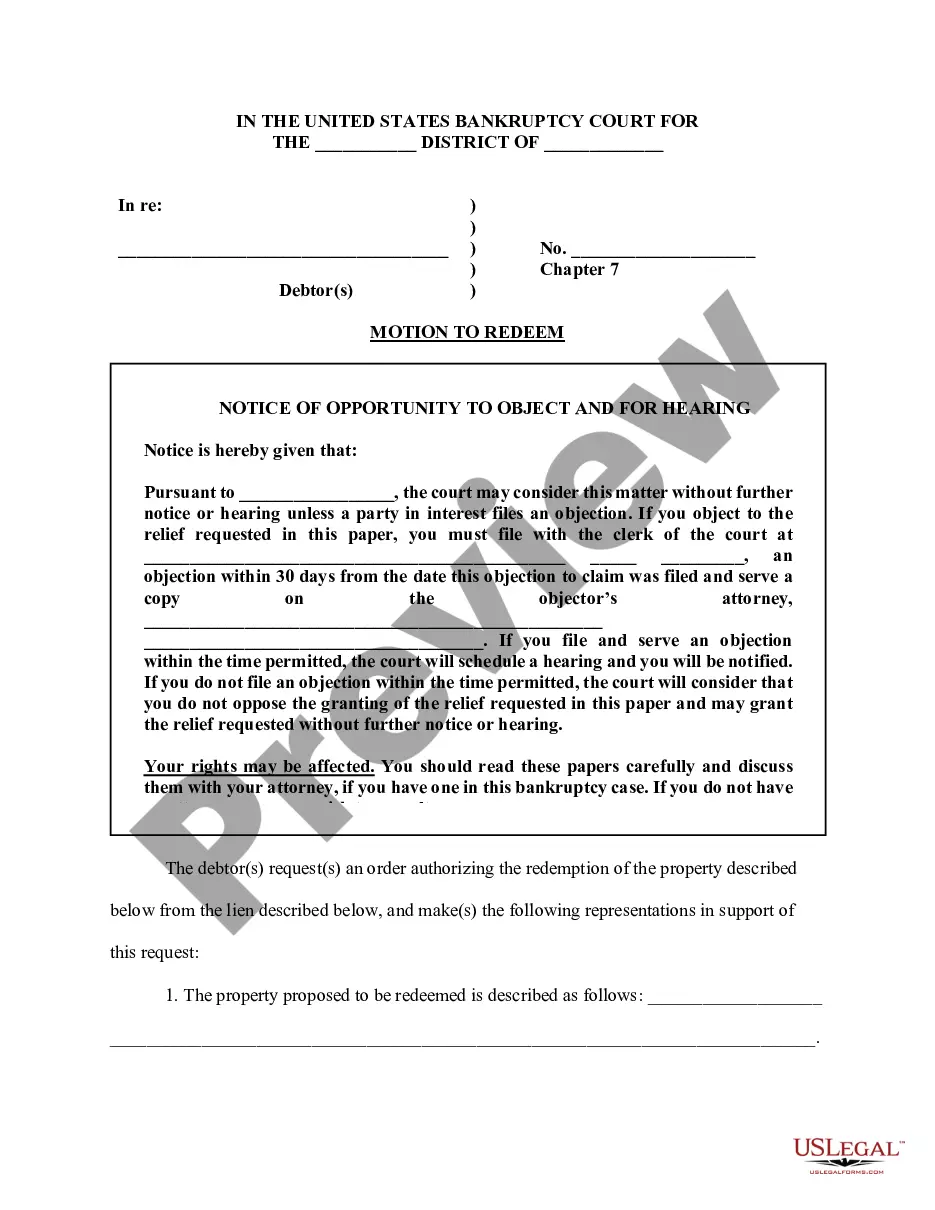
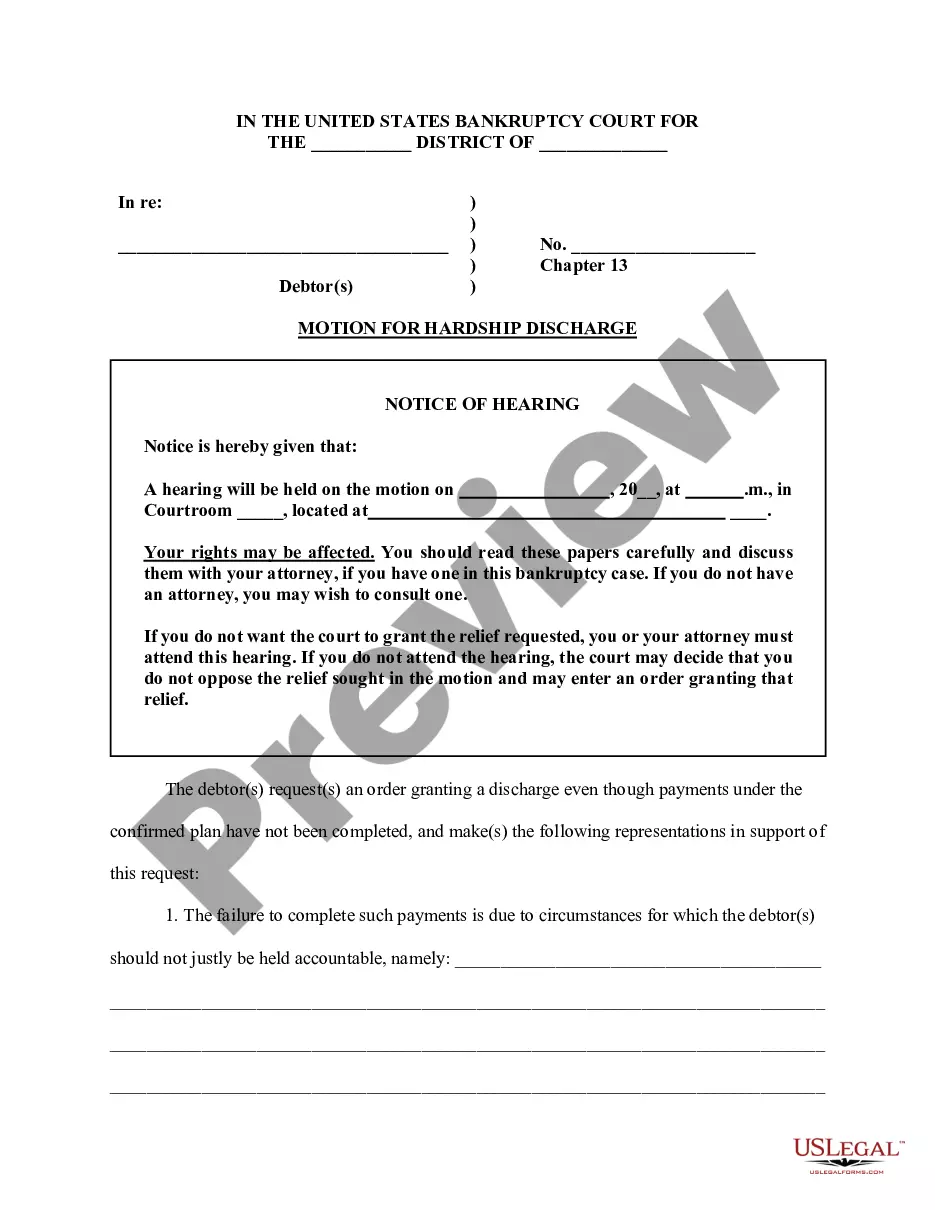
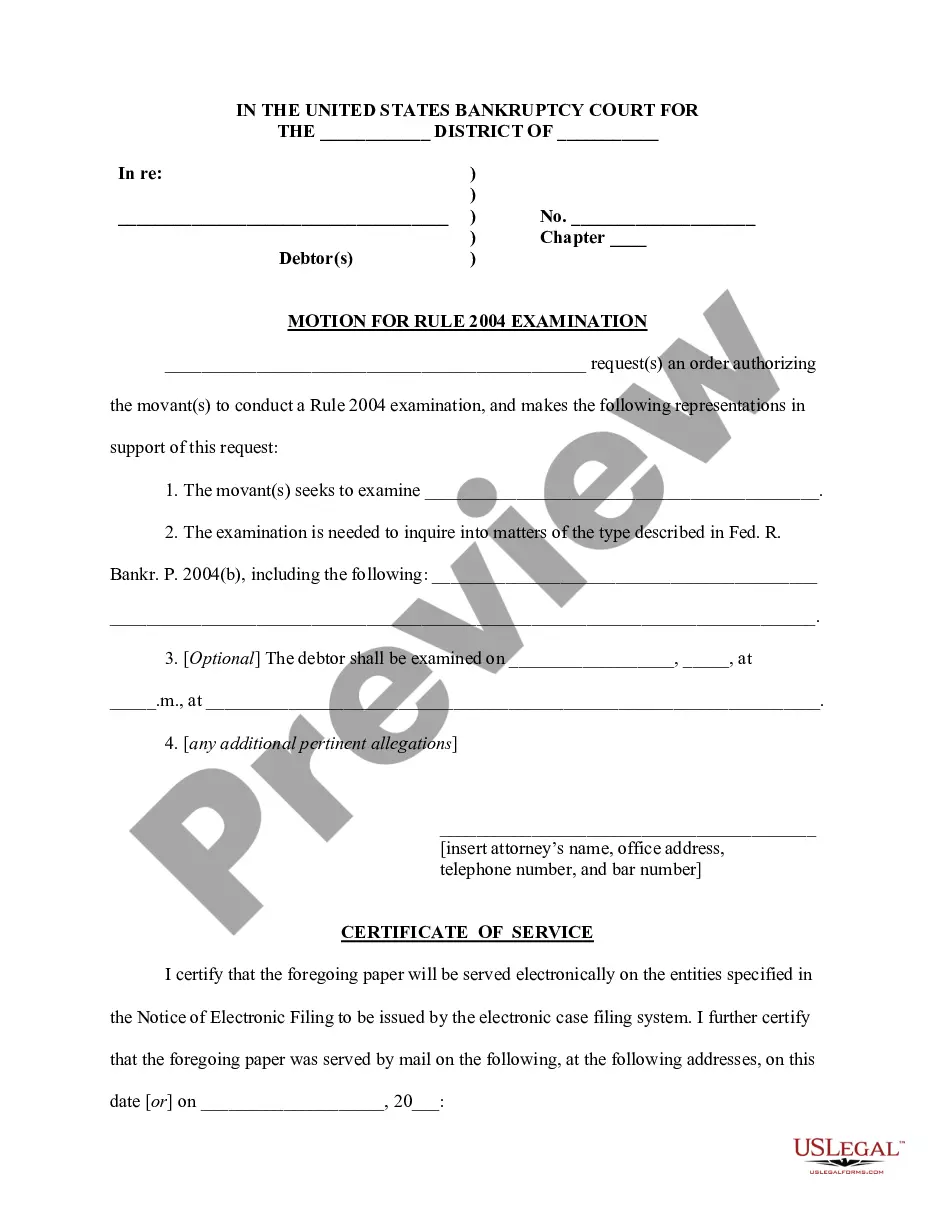
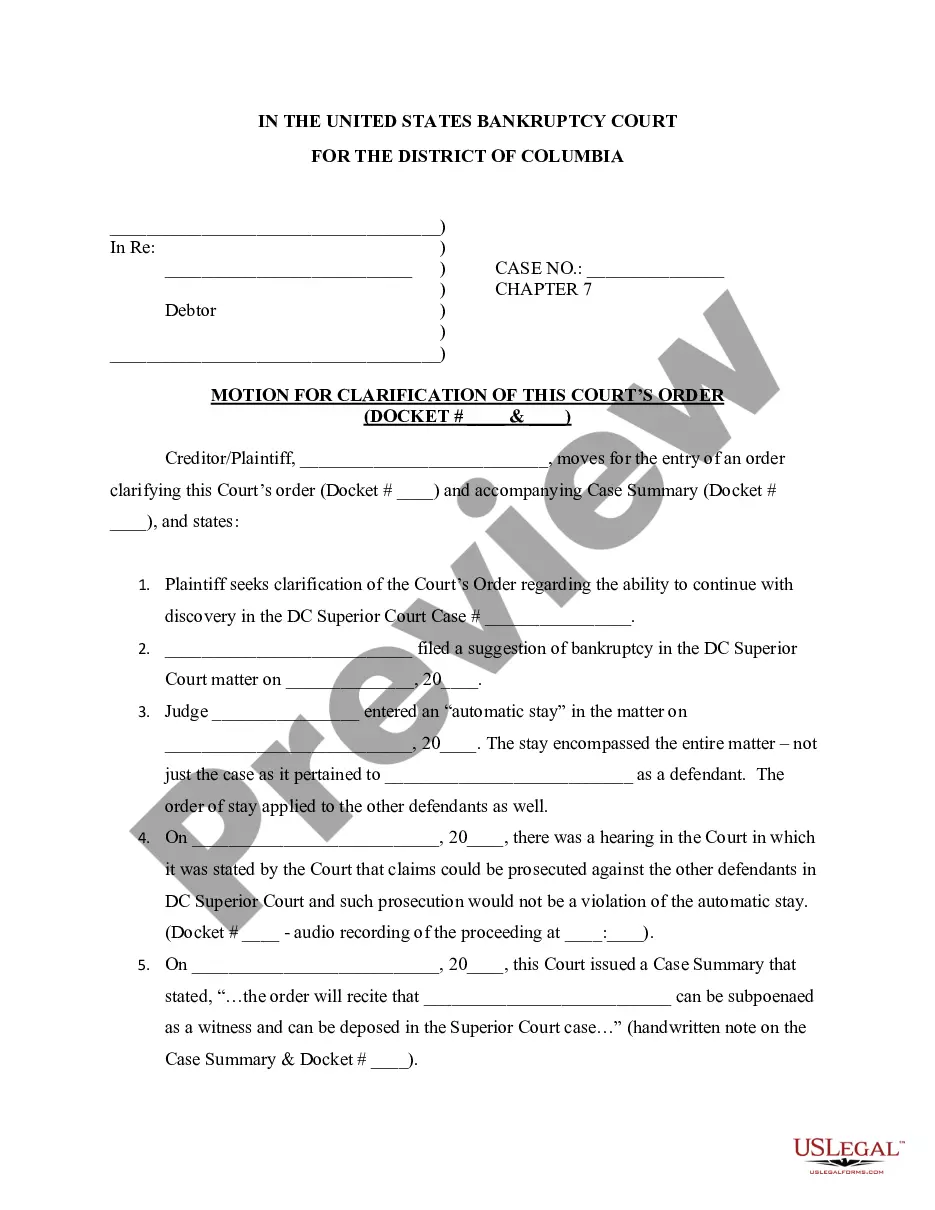
The Motion to Modify Plan is a legal document used in Chapter 13 bankruptcy cases. It allows debtors to request a change to their previously confirmed repayment plan due to changed circumstances. This form differs from other bankruptcy forms by specifically addressing modifications to existing plans, making it essential when financial situations or obligations change significantly.
Form components explained
- Identification of the debtor(s) and the bankruptcy case number
- Details of the proposed changes to the chapter 13 plan, including payment amounts and distributions to creditors
- Justification for the requested modifications
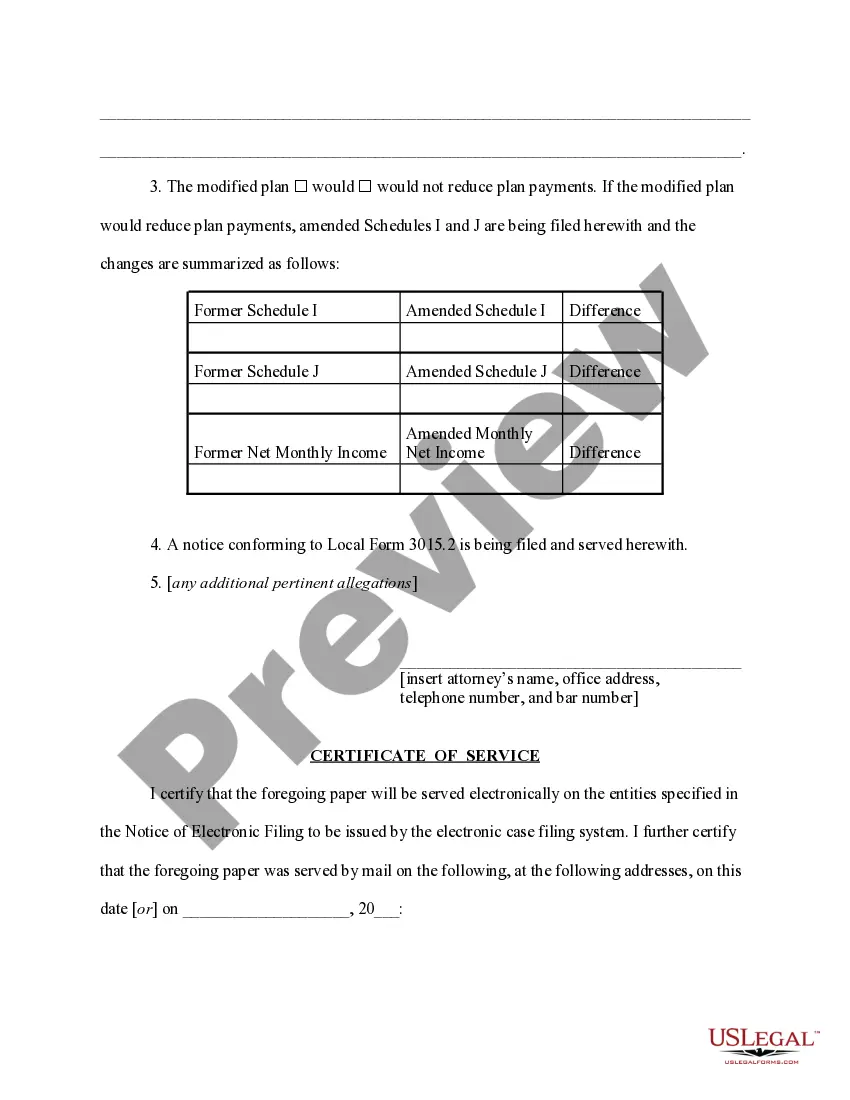
- Statements regarding the effect on plan payments and any necessary amendments to financial schedules
- Certification of service to confirm distribution to interested parties

Common use cases
This form should be used when a debtor needs to modify their Chapter 13 repayment plan due to changes in income, expenses, or other financial situations. Common situations include job loss, increased medical expenses, or any other unexpected changes that impact the ability to maintain the original plan.
Who needs this form
This form is intended for individuals who are currently in a Chapter 13 bankruptcy and need to amend their repayment plan. It is suitable for:
- Individuals experiencing financial hardship and needing to lower their payments
- Debtors wishing to adjust their plan based on changes in their income
- Those who have relevant updates to report that could affect their ongoing bankruptcy case
How to prepare this document
- Fill in the court and case information, including the name of the debtor(s) and the case number.
- Clearly state the changes being proposed to the existing plan, including specific figures and distributions.
- Provide a detailed explanation of the reasons for the modifications in the designated section.
- Select whether the modified plan would reduce payments and include amended Schedules I and J if applicable.
- Sign the form, ensuring you include your contact information and bar number if represented by an attorney.
Is notarization required?
This form usually doesn’t need to be notarized. However, local laws or specific transactions may require it. Our online notarization service, powered by Notarize, lets you complete it remotely through a secure video session, available 24/7.
Get your form ready online
Our built-in tools help you complete, sign, share, and store your documents in one place.
Make edits, fill in missing information, and update formatting in US Legal Forms—just like you would in MS Word.
Download a copy, print it, send it by email, or mail it via USPS—whatever works best for your next step.
Sign and collect signatures with our SignNow integration. Send to multiple recipients, set reminders, and more. Go Premium to unlock E-Sign.
If this form requires notarization, complete it online through a secure video call—no need to meet a notary in person or wait for an appointment.
We protect your documents and personal data by following strict security and privacy standards.

Make edits, fill in missing information, and update formatting in US Legal Forms—just like you would in MS Word.

Download a copy, print it, send it by email, or mail it via USPS—whatever works best for your next step.

Sign and collect signatures with our SignNow integration. Send to multiple recipients, set reminders, and more. Go Premium to unlock E-Sign.

If this form requires notarization, complete it online through a secure video call—no need to meet a notary in person or wait for an appointment.

We protect your documents and personal data by following strict security and privacy standards.
Avoid these common issues
- Not providing adequate justification for the requested modifications.
- Failing to serve the motion on all necessary parties.
- Neglecting to update financial schedules when reducing plan payments.
- Leaving out required information or signatures.
Benefits of completing this form online
- Convenient access to a legally formatted document that can be downloaded anytime.
- Easy customization for your specific situation and data.
- Reduction of errors through guided instructions for filling out the form.
- Immediate availability without the need to visit an attorney's office.
Legal use & context
The Motion to Modify Plan is a legally recognized document in bankruptcy proceedings. It must be filed in accordance with court rules to ensure compliance and maintains the debtor's rights to amend their repayment plan. Understanding the legal framework surrounding modifications can aid in the proper use of this form.
Summary of main points
- The Motion to Modify Plan is a critical tool for those in Chapter 13 bankruptcy facing financial changes.
- Proper completion and filing of this form can lead to adjusted payment plans that better fit current financial situations.
- Understanding state-specific requirements is essential for compliance and effectiveness.
Looking for another form?
Form popularity
FAQ
The short answer is yes. If you are dealing with a long-term change, but still have ?disposable income? available (money left over after deducting reasonable, necessary expenses), you can ask the court to modify your Chapter 13 plan and lower your monthly payments on a permanent basis.
As part of the process, the debtor must submit a repayment plan for court approval. But other people with an interest in the bankruptcy case can also make their opinions known. The bankruptcy trustee assigned to the case and any of the creditors seeking repayment can file objections to the debtor's proposed plan.
With confirmed Chapter 13 plans, you can ask the court to reduce your monthly payment amounts by filing a motion. You will need to explain your reason for wanting to modify your plan and provide the court with documented proof supporting your claim.
An order confirming the chapter 13 plan is a Bankruptcy judge's approval of the Debtor's proposed chapter 13 repayment plan. For more information, see 11 U.S.C. §1325 .
Once your repayment plan gets confirmed, you must continue to make timely payments to the bankruptcy trustee each month for the duration of your plan. You must also continue to make payments on debts, such as your mortgage or car payment, which you proposed to pay outside of bankruptcy.
A motion to modify a confirmed Chapter 13 plan (also called a motion to amend confirmed plan) is filed typically by the debtor, but these motions can also be filed by the trustee or a creditor with an allowed, unsecured proof of claim. 11 U.S.C. § 1329.
You can refile a Chapter 13 at any time as long as you meet the income requirements and were not previously barred by the court (this is very rare). By refiling a case, you have full court protection from your creditors, including home foreclosure, vehicle repossession, judgments and garnishments, etc).
LBR 3015-1(n) provides the procedure for a debtor to ask the court for permission to modify the chapter 13 plan after the plan was confirmed. FRBP 3015(h) provides that a debtor must give at least 21-days of notice of the deadline to file an objection to modifying a confirmed chapter 13 plan.