Mississippi Answer to Complaint to Confirm Title
Understanding this form
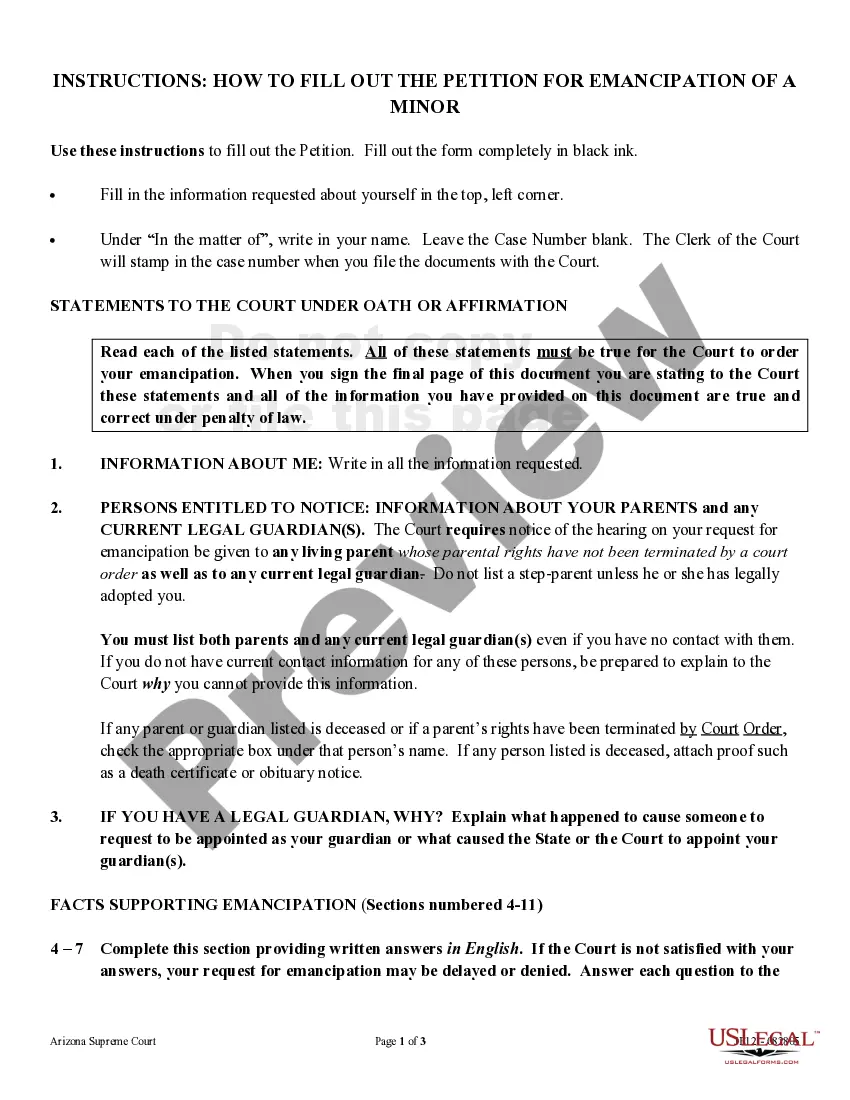
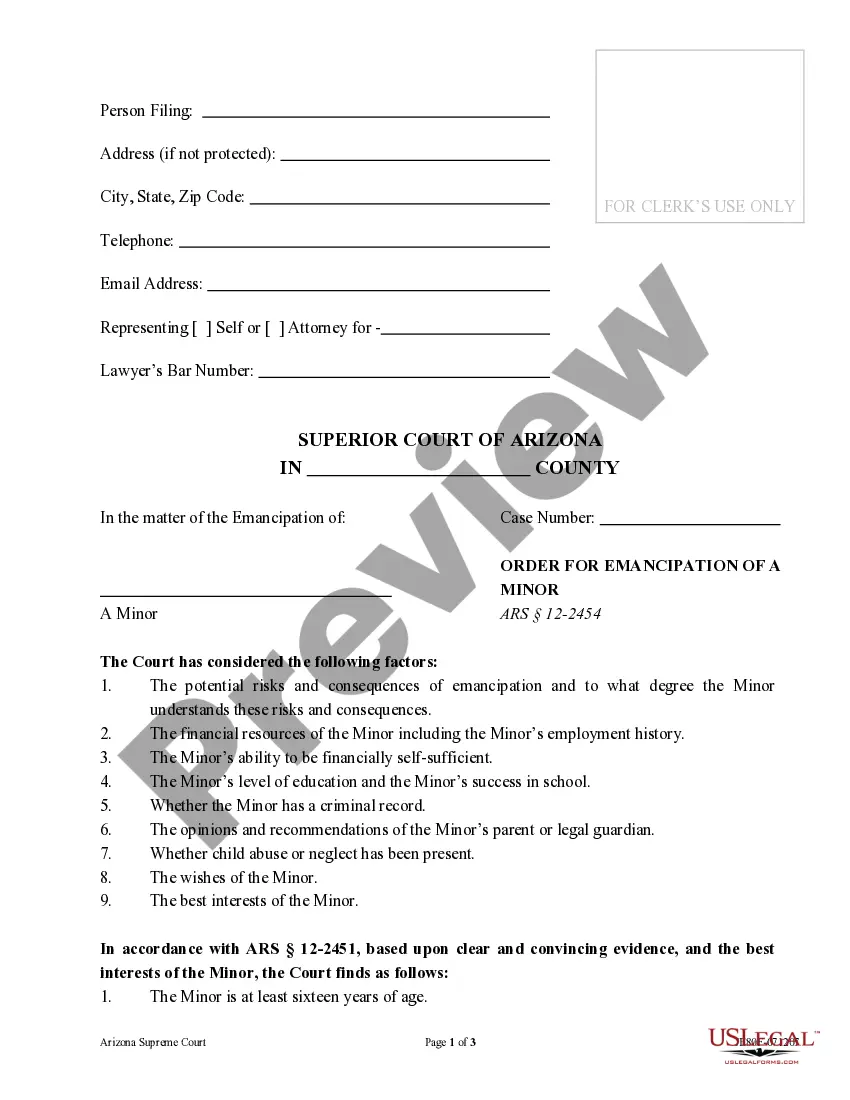
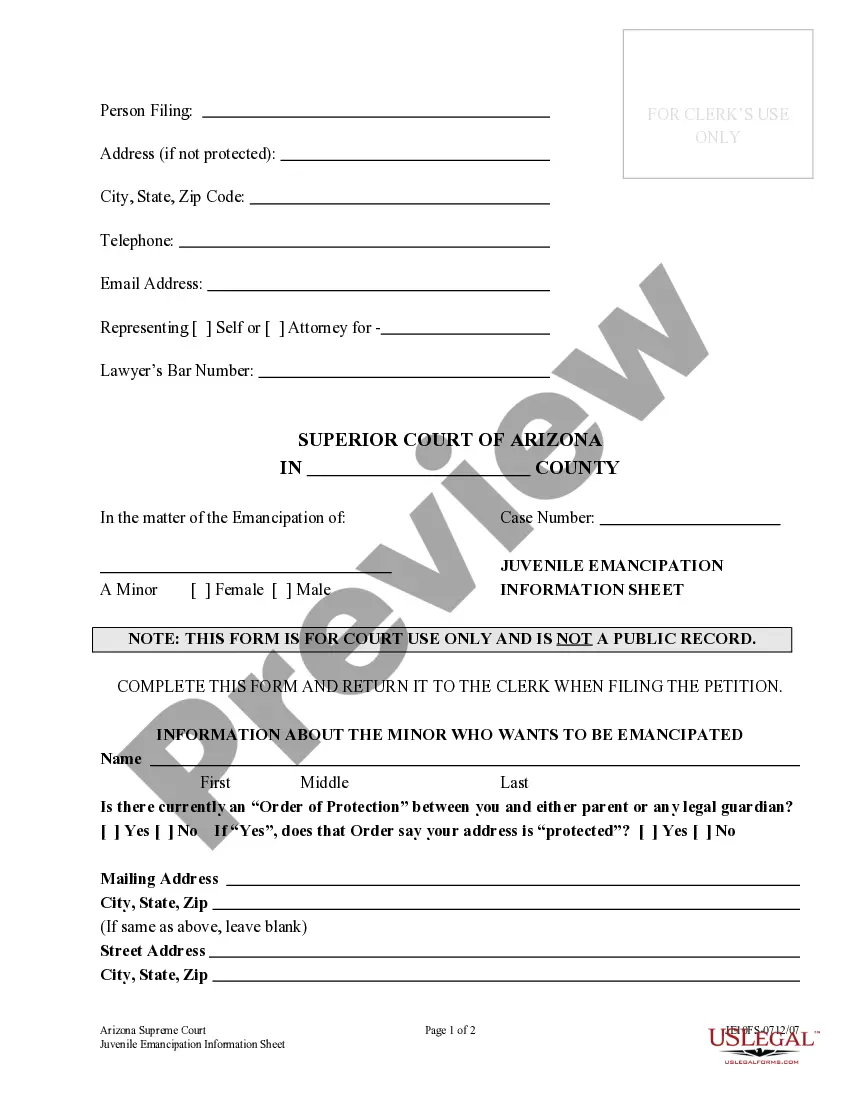
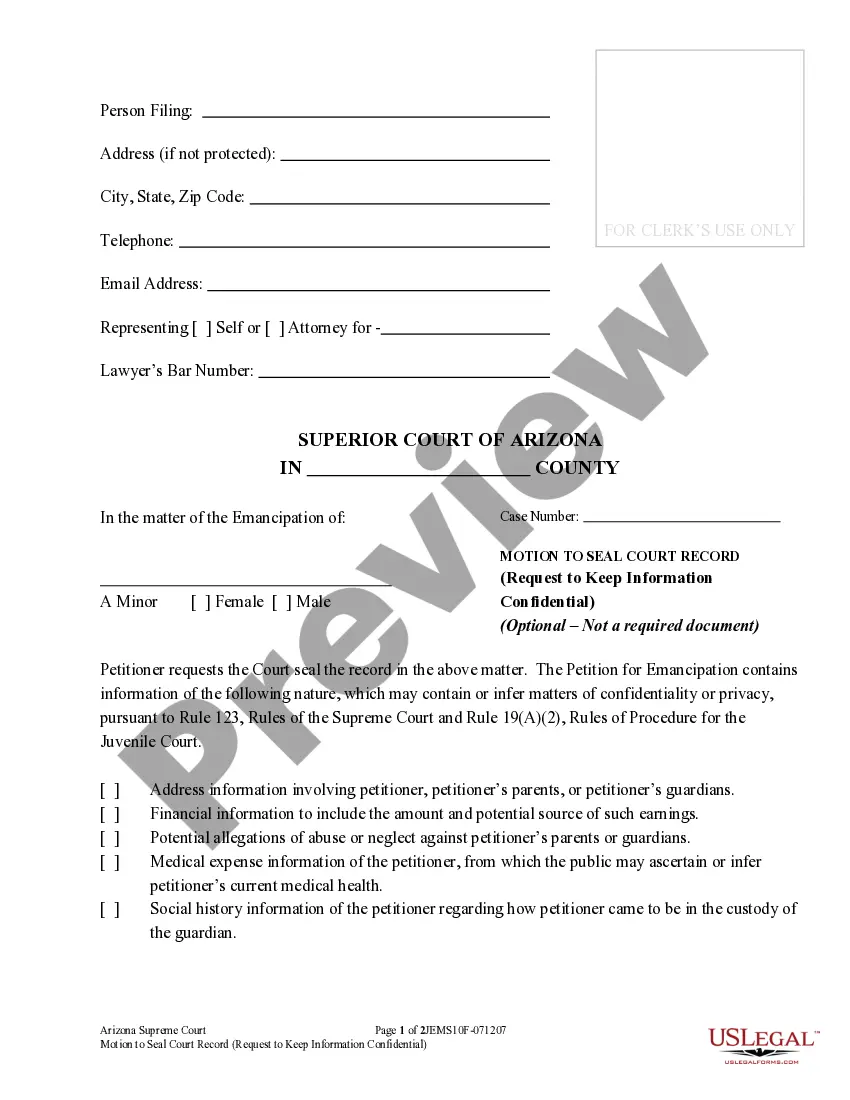
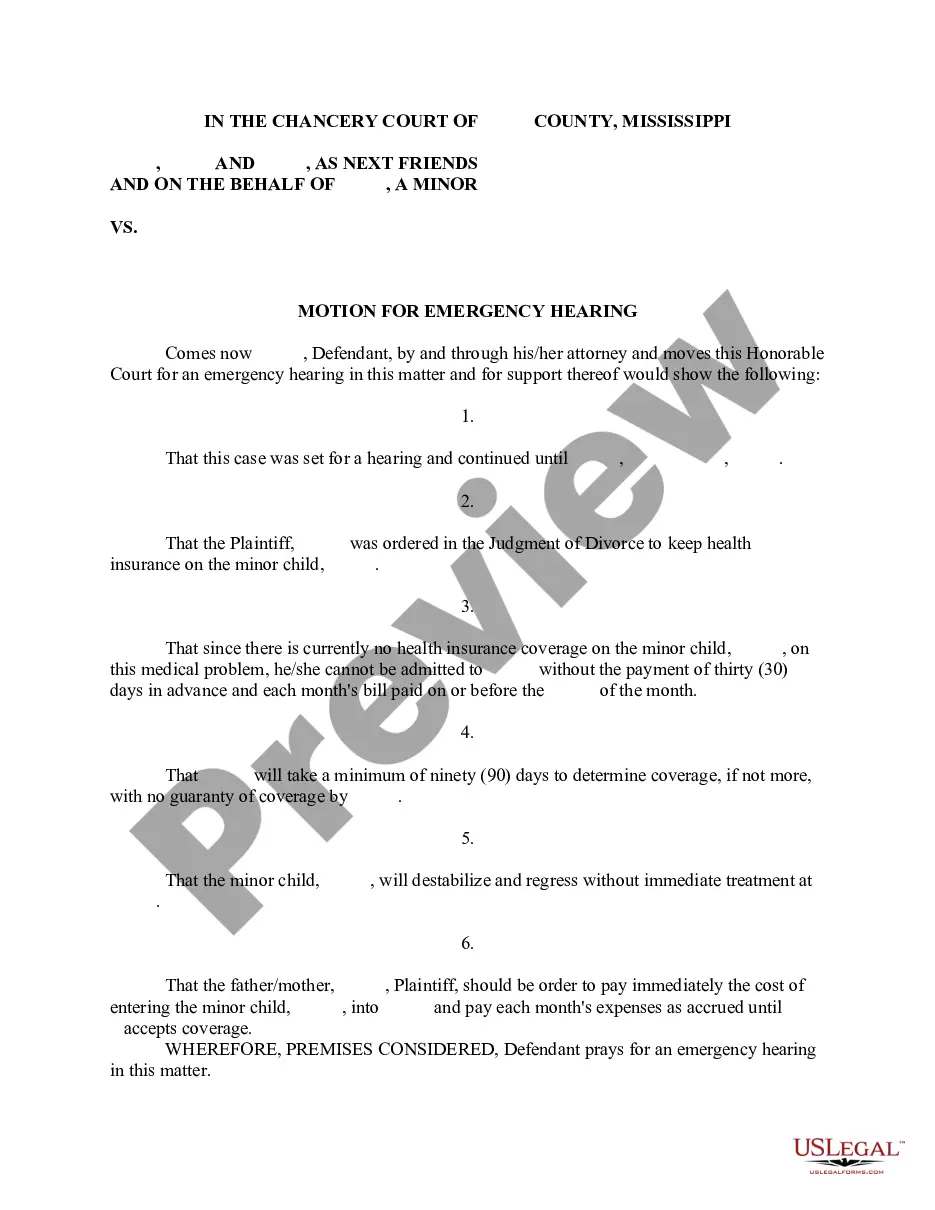
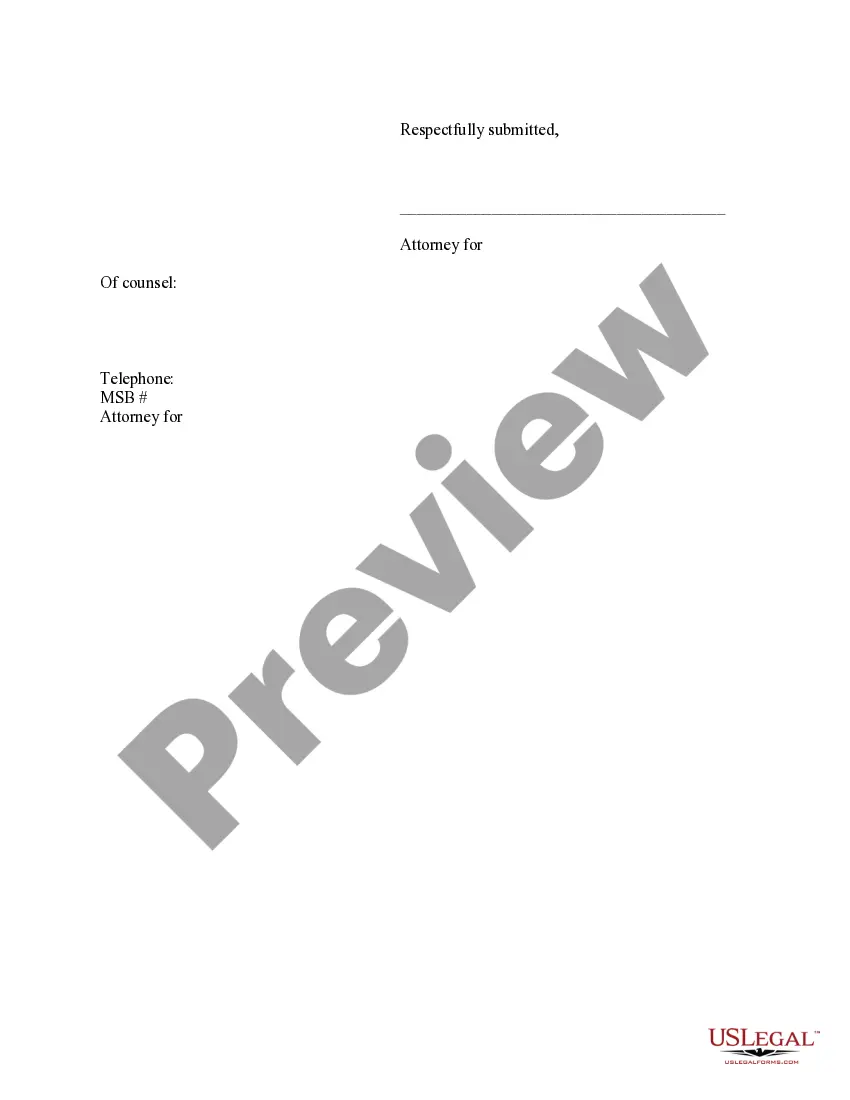
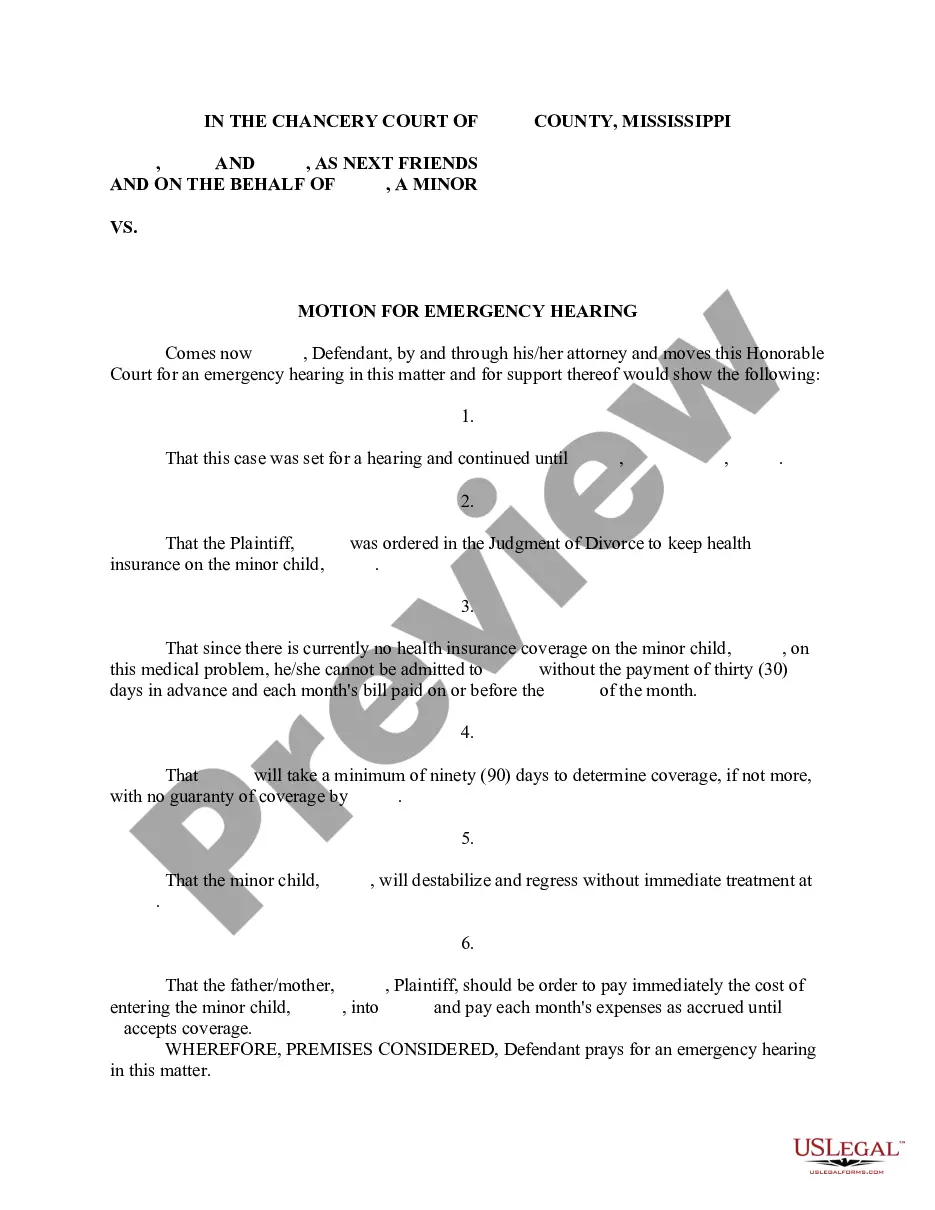
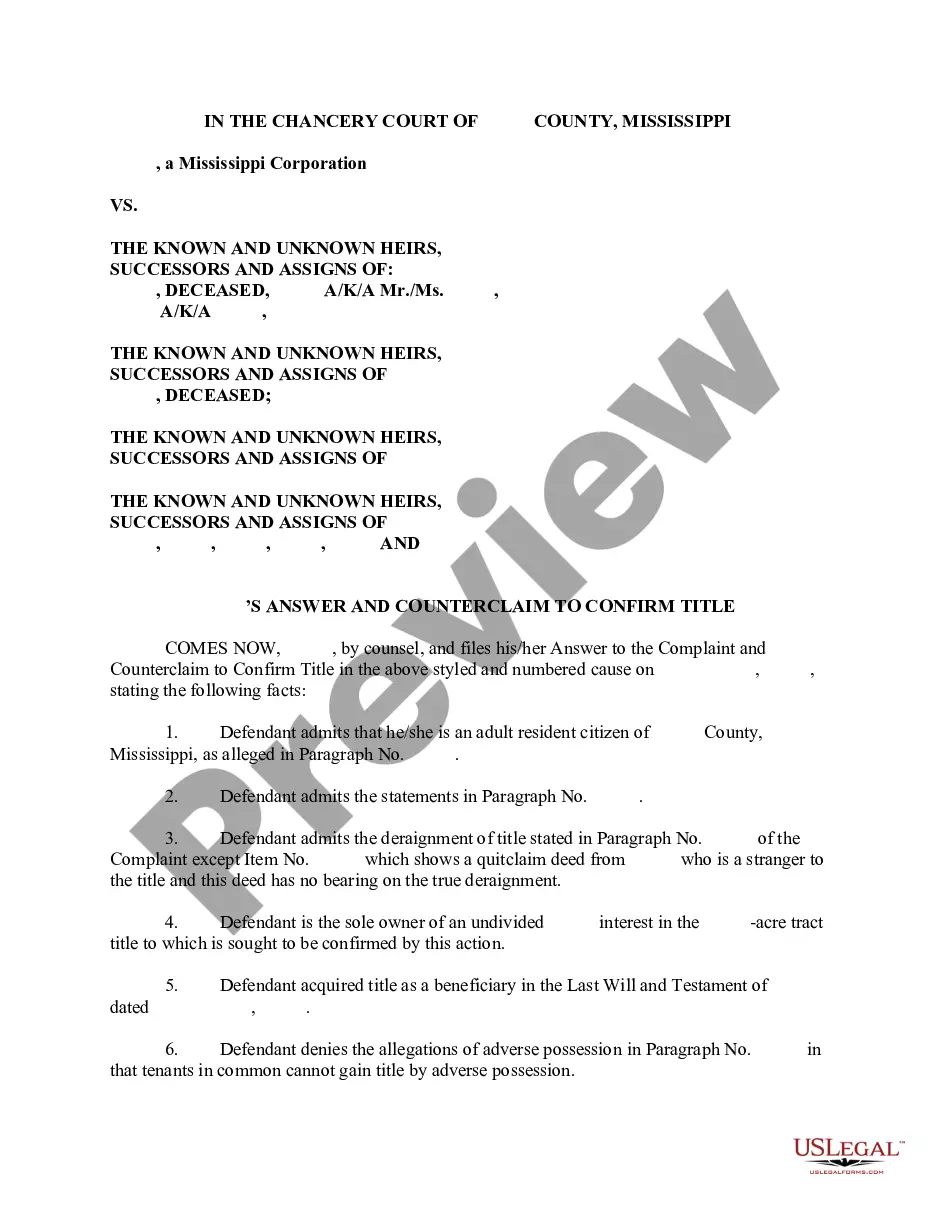
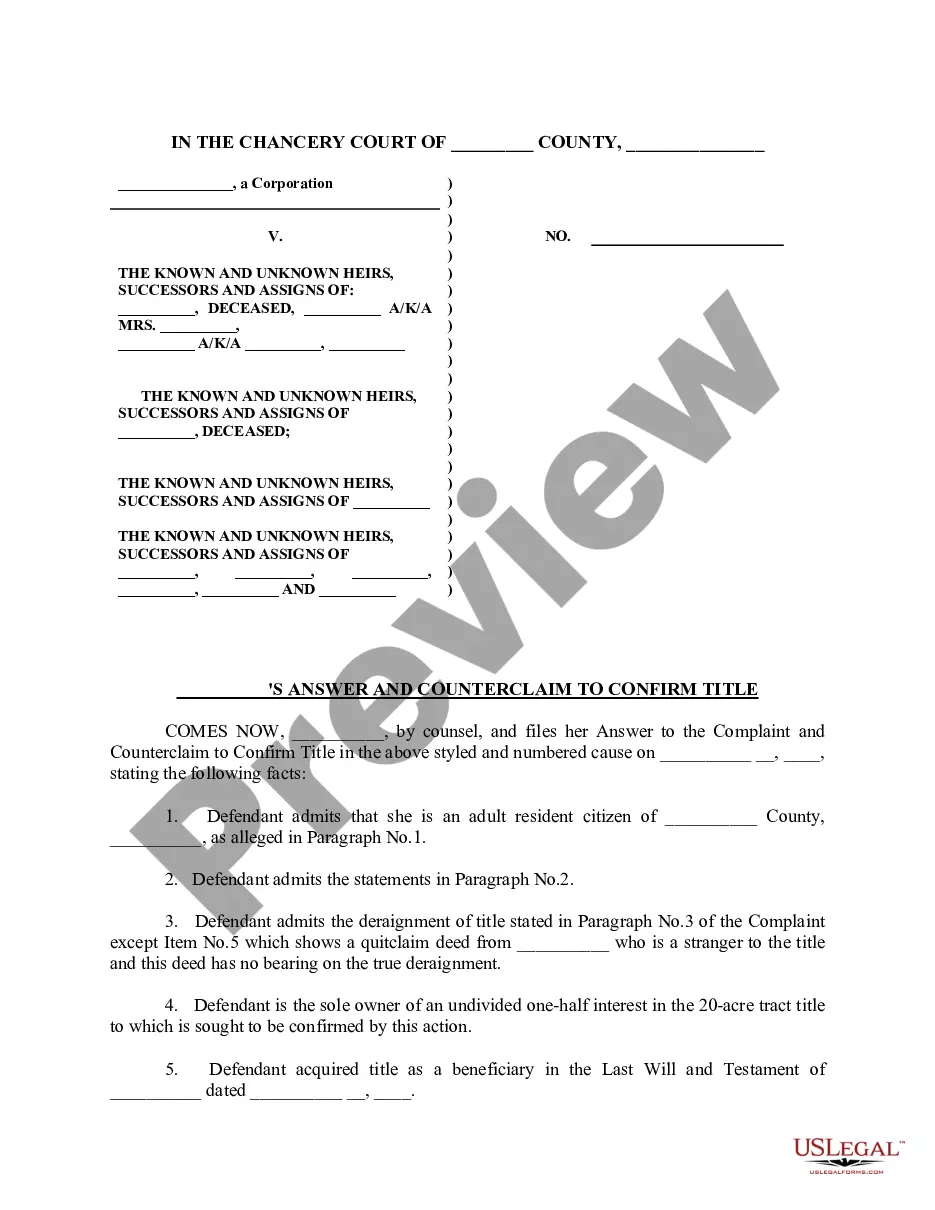
The Answer to Complaint to Confirm Title is a legal document used in Mississippi to respond to a complaint regarding the ownership of a specific property. This form provides a structured way to assert your rights and clarify your position in a legal dispute over property title. Unlike similar documents, this form is specifically tailored for cases involving title confirmation, ensuring that it addresses the unique aspects of such disputes.
What’s included in this form
- Caption: Includes the court name, case number, and title of the action.
- Response to the allegations: A section where you admit or deny the claims made in the original complaint.
- Affirmative defenses: Space to outline any defenses you may have against the complaint.
- Prayer for relief: This specifies what outcome you are seeking from the court.
- Signature block: Where you sign and date the form, affirming its validity.
Situations where this form applies
This form is necessary when you have been served with a complaint regarding the title of a property you own or have an interest in. You should use this form to formally respond to the allegations made against you. It's crucial to provide your recounting of the facts and defend your ownership before the court makes a ruling.
Who can use this document
- Property owners disputing a claim on their title.
- Individuals with an interest in the property who need to clarify ownership.
- Parties involved in a legal title confirmation process in Mississippi.
How to complete this form
- Identify the parties: Fill in the names and addresses of all parties involved in the lawsuit.
- Address the complaint: Clearly state whether you admit or deny each allegation made in the complaint.
- Include defenses: Outline any affirmative defenses that may apply to your case.
- Specify your request: In the prayer for relief, detail what you want the court to decide.
- Sign and date the form: Complete the form by signing and including the date to ensure its legitimacy.
Is notarization required?
This form must be notarized to be legally valid. US Legal Forms provides secure online notarization powered by Notarize, allowing you to complete the process through a verified video call.
Get your form ready online
Our built-in tools help you complete, sign, share, and store your documents in one place.
Make edits, fill in missing information, and update formatting in US Legal Forms—just like you would in MS Word.
Download a copy, print it, send it by email, or mail it via USPS—whatever works best for your next step.
Sign and collect signatures with our SignNow integration. Send to multiple recipients, set reminders, and more. Go Premium to unlock E-Sign.
If this form requires notarization, complete it online through a secure video call—no need to meet a notary in person or wait for an appointment.
We protect your documents and personal data by following strict security and privacy standards.

Make edits, fill in missing information, and update formatting in US Legal Forms—just like you would in MS Word.

Download a copy, print it, send it by email, or mail it via USPS—whatever works best for your next step.

Sign and collect signatures with our SignNow integration. Send to multiple recipients, set reminders, and more. Go Premium to unlock E-Sign.

If this form requires notarization, complete it online through a secure video call—no need to meet a notary in person or wait for an appointment.

We protect your documents and personal data by following strict security and privacy standards.
Common mistakes to avoid
- Failing to respond within the specified timeframe.
- Not clearly stating defenses or admissions related to the complaint.
- Omitting necessary details about the property in question.
- Not signing or dating the document before submission.
Benefits of using this form online
- Convenience of accessing the form 24/7 from any device.
- Editability allows you to customize the form to fit your specific case.
- Peace of mind that the form is drafted in compliance with legal standards.
Main things to remember
- The Answer to Complaint to Confirm Title is essential for responding to property title disputes in Mississippi.
- Properly completing and submitting this form is crucial to defend your rights.
- Take care to address all allegations and clearly state your defenses to avoid common mistakes.
Looking for another form?


Form popularity
FAQ
A defendant may respond in an answer that admits or denies each of the plaintiff's allegations in the complaint. The answer will list defenses and counter-claims or cross-claims against the plaintiff or other defendants. The answer will state whether the defendant wants a jury trial. The case will then continue.
Be brief. Answer the allegations in the complaint with one or two sentences. Again remember that the statements you make in your answer can be used as admissions against you. Your response to the allegations in the complaint may admit part of the statement in the specific paragraph and deny part.
Acknowledge the specific problem highlighted in the complaint. If they make several points, respond to each one in turn. Apologise sincerely for any mistakes you or your organisation has made. Explain what you have done (or will do) to address the problem. Offer compensation (if applicable).
Be brief. Answer the allegations in the complaint with one or two sentences. Again remember that the statements you make in your answer can be used as admissions against you. Your response to the allegations in the complaint may admit part of the statement in the specific paragraph and deny part.
Provide the name of the court at the top of the Answer. You can find the information on the summons. List the name of the plaintiff on the left side. Write the case number on the right side of the Answer. Address the Judge and discuss your side of the case. Ask the judge to dismiss the case.
Provide the name of the court at the top of the Answer. You can find the information on the summons. List the name of the plaintiff on the left side. Write the case number on the right side of the Answer. Address the Judge and discuss your side of the case. Ask the judge to dismiss the case.
Contact the clerk's office of the court where the lawsuit was filed. You'll find a phone number and address for the clerk's office on your summons. The clerk will be able to tell you exactly what documents you should file with your answer and whether any filing fee is required.
When drafting an answer, one must: (1) follow the local, state, and federal court rules; (2) research the legal claims in the adversary's complaint; (3) respond to the adversary's factual allegations; and (4) assert affirmative defenses, counterclaims, cross-claims, or third-party claims, if applicable.