Class A Stocks Vs Class C
Description
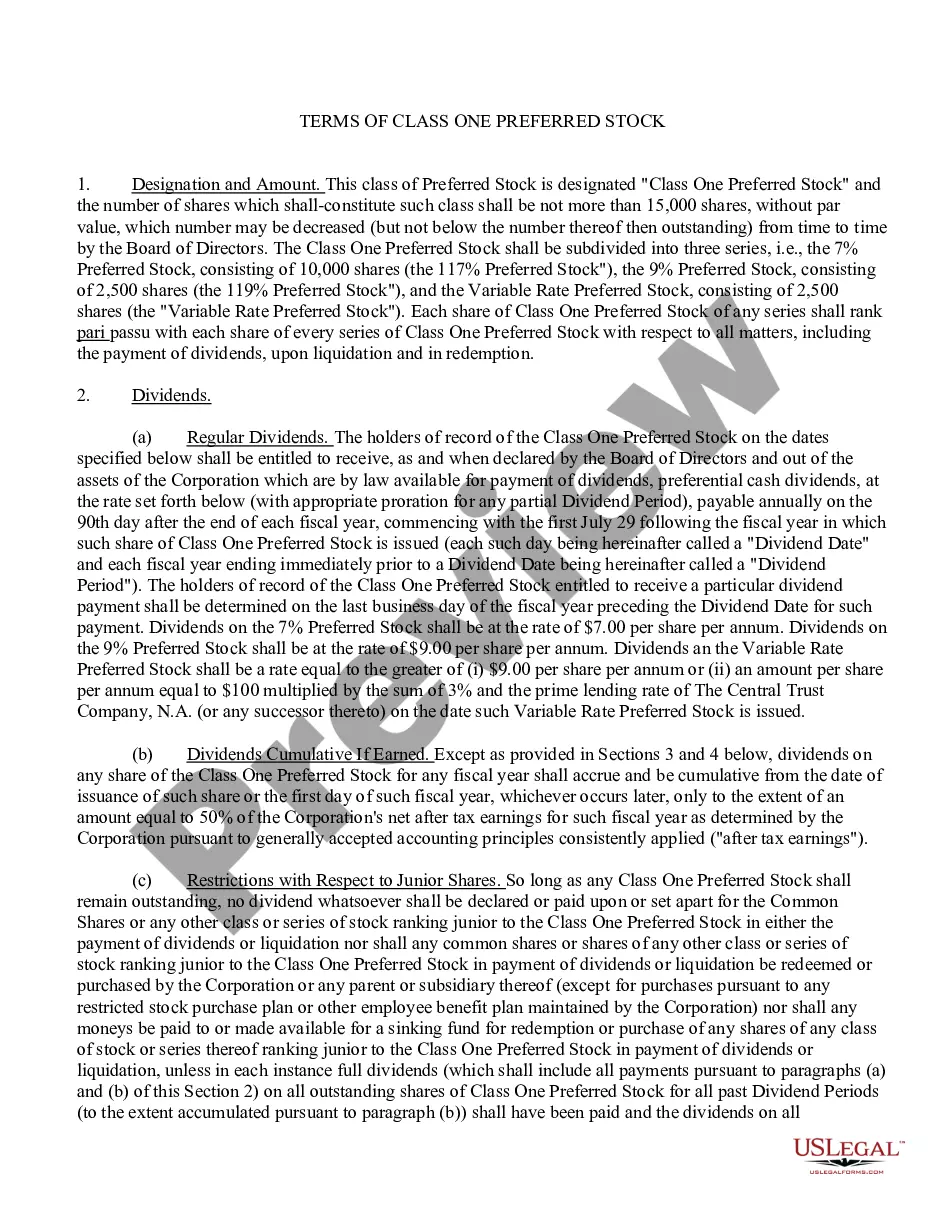
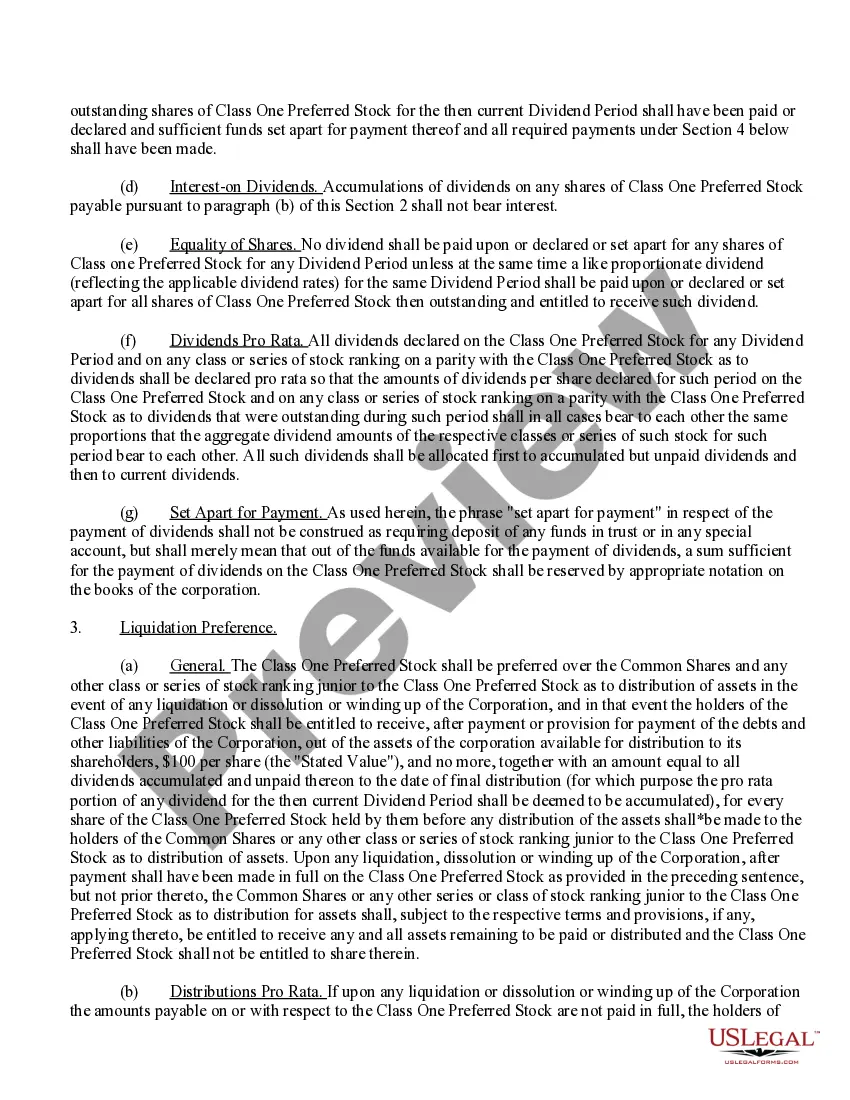
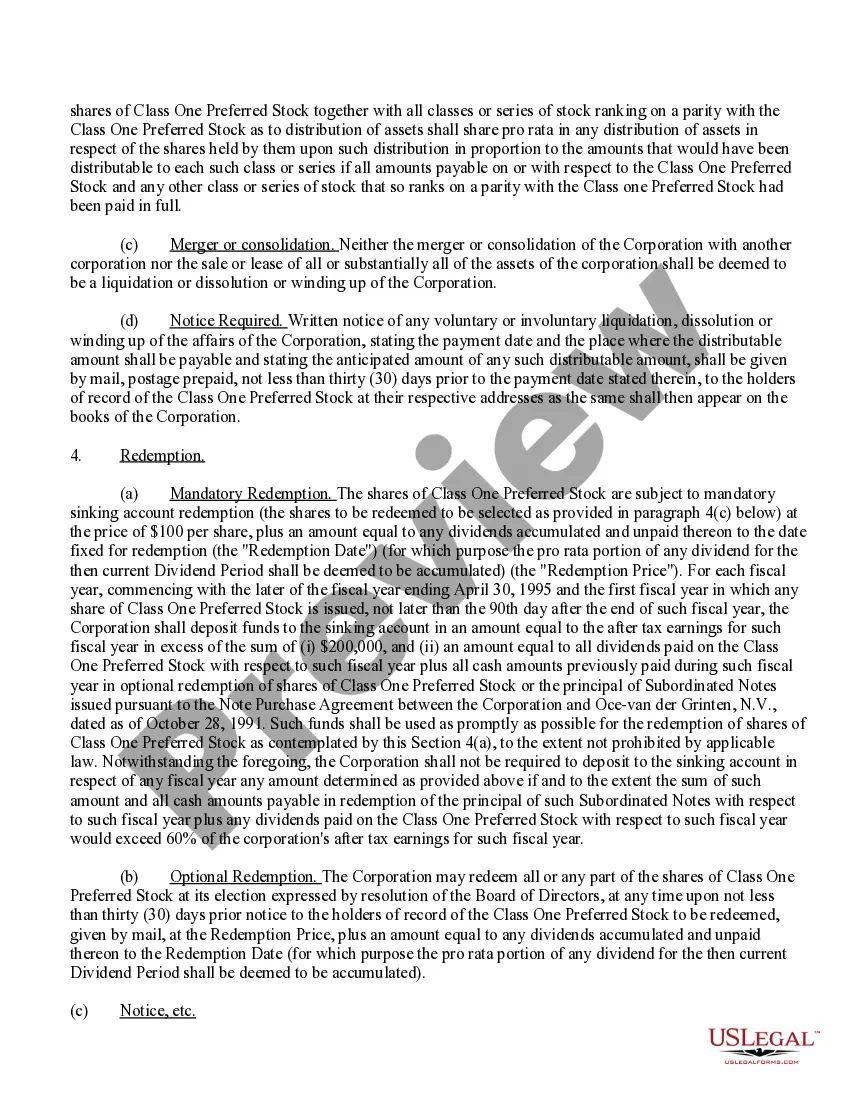
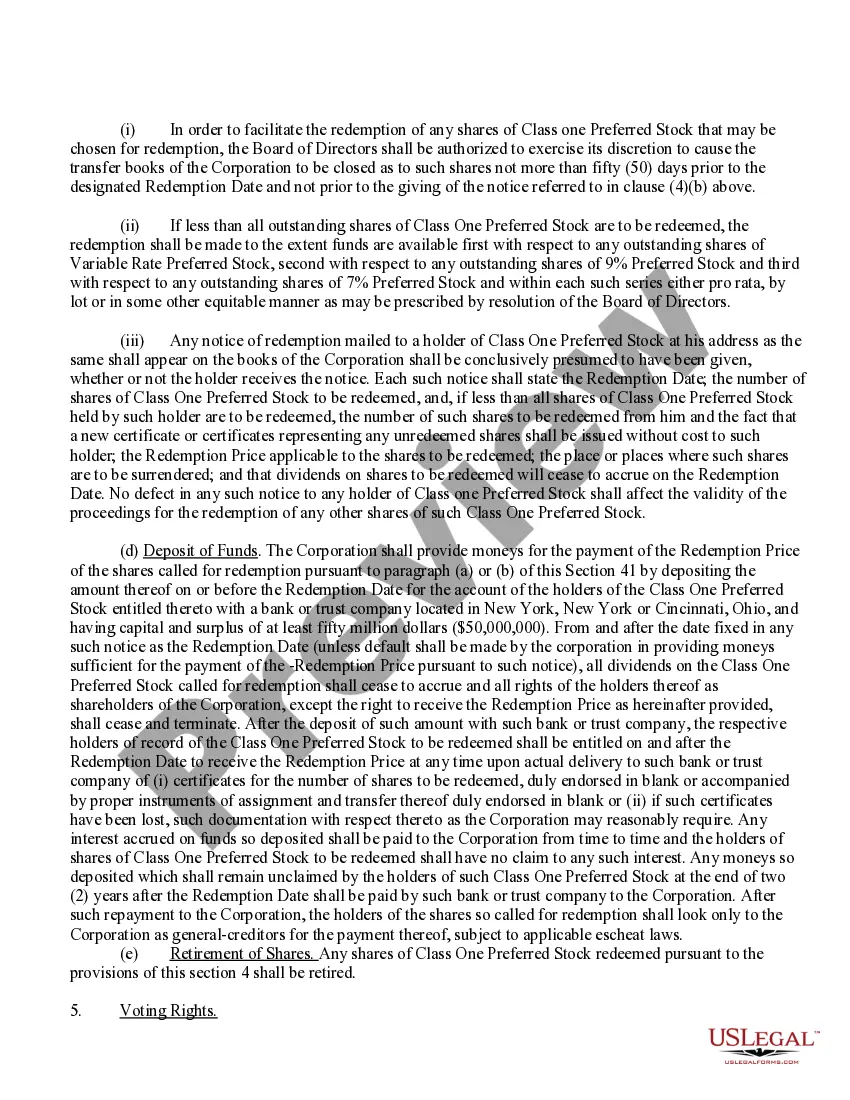


How to fill out Terms Of Class One Preferred Stock?
Obtaining a reliable source for the latest and pertinent legal templates constitutes a significant portion of managing red tape.
Securing the appropriate legal documents demands accuracy and meticulousness, which clarifies why it is crucial to obtain samples of Class A Stocks Vs Class C solely from reputable sources, such as US Legal Forms. An incorrect template will squander your time and prolong the situation you are facing. With US Legal Forms, you have minimal concerns.
Once you have the form on your device, you can modify it with the editor or print it and complete it manually. Eliminate the hassle associated with your legal paperwork. Browse the vast US Legal Forms collection to discover legal templates, assess their relevance to your circumstances, and download them promptly.
- Use the library navigation or search bar to find your template.
- Examine the form's description to confirm it meets the stipulations of your state and area.
- View the form preview, if available, to ensure the template is indeed the one you seek.
- Return to the search and look for the correct document if the Class A Stocks Vs Class C does not align with your requirements.
- If you are confident about the form's pertinence, proceed to download it.
- If you are a registered user, click Log in to verify your identity and access your selected forms in My documents.
- If you do not possess an account yet, click Buy now to acquire the form.
- Choose the pricing option that best fits your needs.
- Continue to the registration process to complete your purchase.
- Conclude your purchase by selecting a payment method (credit card or PayPal).
- Select the document format for downloading Class A Stocks Vs Class C.
Form popularity
FAQ
Deciding between Class A stocks versus Class C involves understanding their unique benefits. Class A shares typically offer voting rights, while Class C shares do not, which could influence your investment strategy. If influence in company decisions is important, Class A shares may be the better choice. However, consider your investment goals and review company offerings through platforms like uslegalforms to make an informed decision.
To buy Class A shares, you need to open a brokerage account. Start by selecting a reputable brokerage platform that suits your needs, such as uslegalforms for seamless services. Once your account is set up, you can research companies that offer Class A stocks versus Class C. Finally, place your order for Class A shares directly through your brokerage platform.
Choosing between Class A and Class C stock is not straightforward, as both have their merits. Class A stocks offer voting rights that allow for participation in corporate governance, which many investors find valuable. Class C stocks might come with fewer restrictions and enhanced liquidity. Ultimately, it is essential to assess your priorities before making a decision.
When deciding to buy Alphabet A or C, consider your investment goals and whether you value voting rights. Alphabet A shares come with the power to vote on important company matters, while C shares do not. If participating in shareholder decisions matters to you, A shares may be preferable. If you seek liquidity and a straightforward investment, C shares could be the way to go.
Deciding whether to buy Class A or Class C shares involves understanding what matters most to you as an investor. Class A stocks grant valuable voting rights, enabling you to influence corporate governance. Conversely, Class C stocks may offer greater accessibility and liquidity in some cases. Reflect on your priorities to make the best choice.
Choosing between Class A and Class C stock depends on your investment goals. If you value having a say in company decisions, Class A stocks might be the better choice for you. However, if you prefer potentially higher returns and don’t mind forgoing voting rights, Class C stocks could meet your needs. As you evaluate your options, consider utilizing platforms like US Legal Forms for detailed resources on class A stocks vs class C.
Class A stocks and Class C stocks represent different ownership classes in a company. Class A stocks typically offer shareholders voting rights, while Class C stocks usually do not. This difference primarily influences the control shareholders have over corporate decisions. Understanding the nuances of class A stocks vs class C can help investors choose the best option for their portfolio.
When deciding whether to buy Alphabet A or C shares, consider your financial objectives and investment preferences. Class A shares offer enhanced voting rights, while Class C shares allow for greater market flexibility. Each class has unique attributes and risks, so understanding them in the context of Class A stocks vs Class C is crucial. Make an informed decision based on a thorough analysis of your priorities.
Whether it is better to own Class A or Class C shares largely depends on your investment strategy. If you value voting rights and the ability to influence company decisions, Class A may be more appealing. However, if you seek potential financial gains without the need for control, Class C shares could suit you better. Analyzing the nuances of Class A stocks vs Class C helps ensure you make a choice aligned with your goals.
Deciding between Alphabet Class A and C stock depends on your investment priorities. Class A stocks offer more voting rights, which might appeal to those looking for influence in company decisions. Conversely, Class C stocks provide exposure to company growth potential with less voting power. Evaluating both classes within the context of Class A stocks vs Class C can aid in your decision-making process.