Incorporation Certificate For Proprietorship Firm
Description
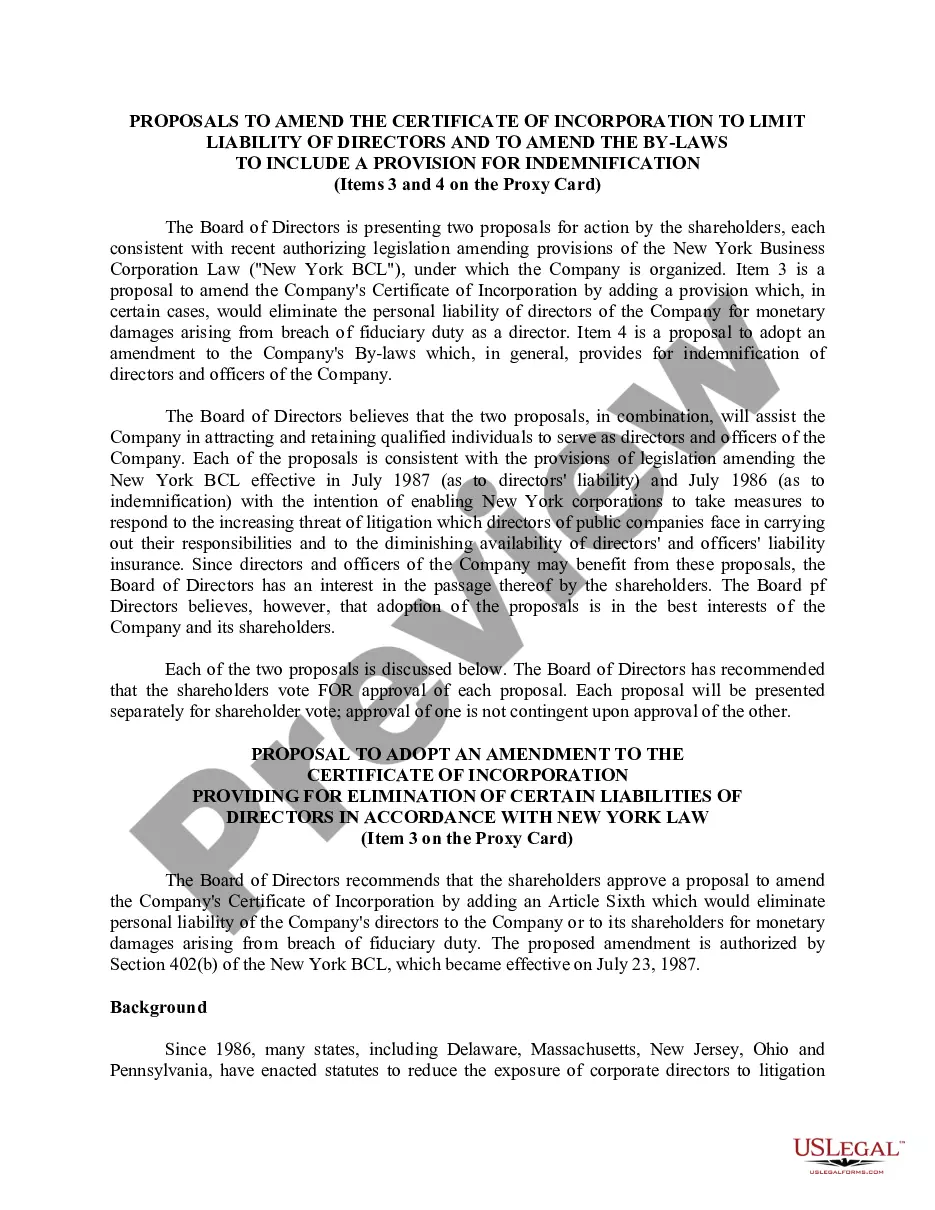
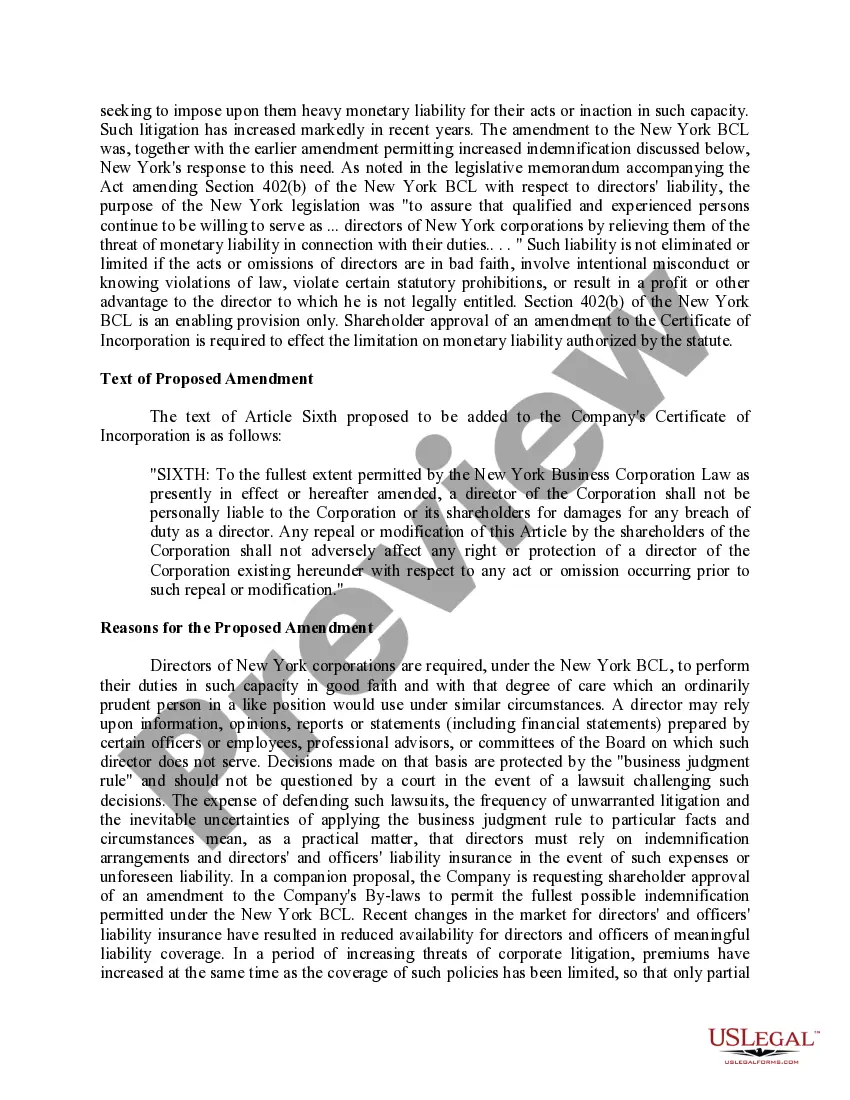
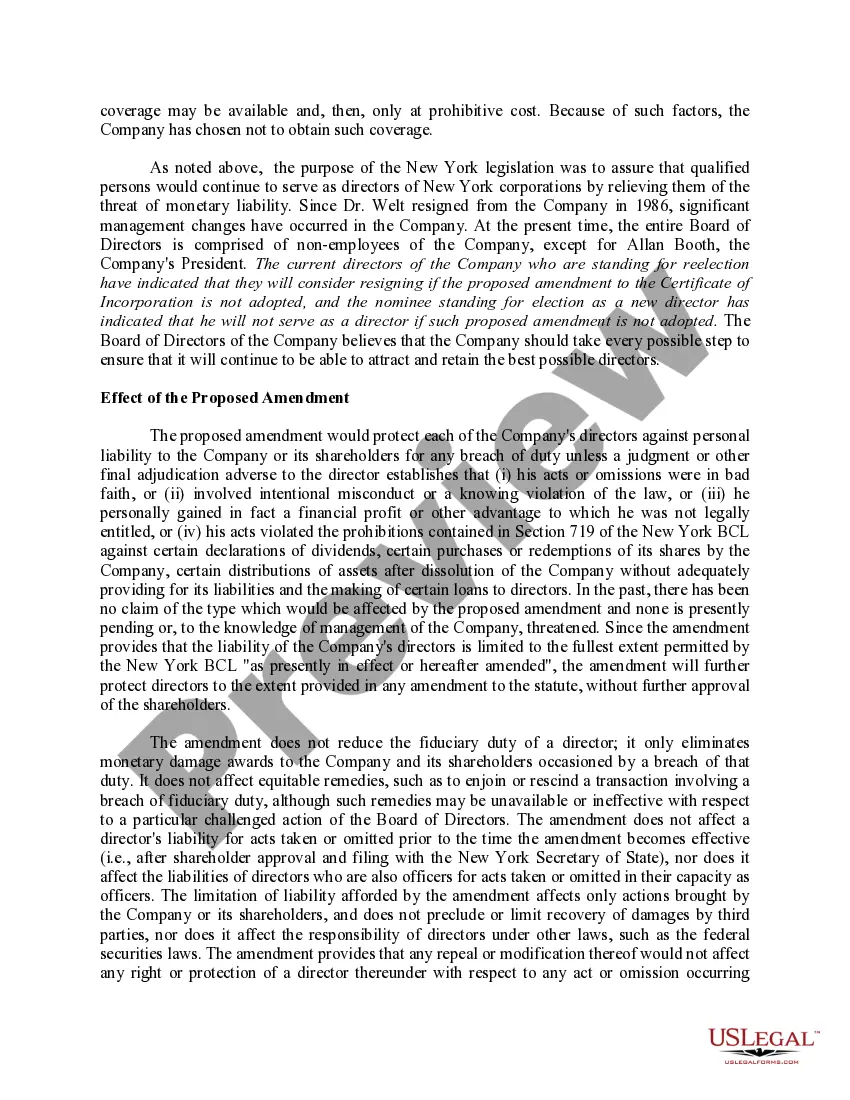
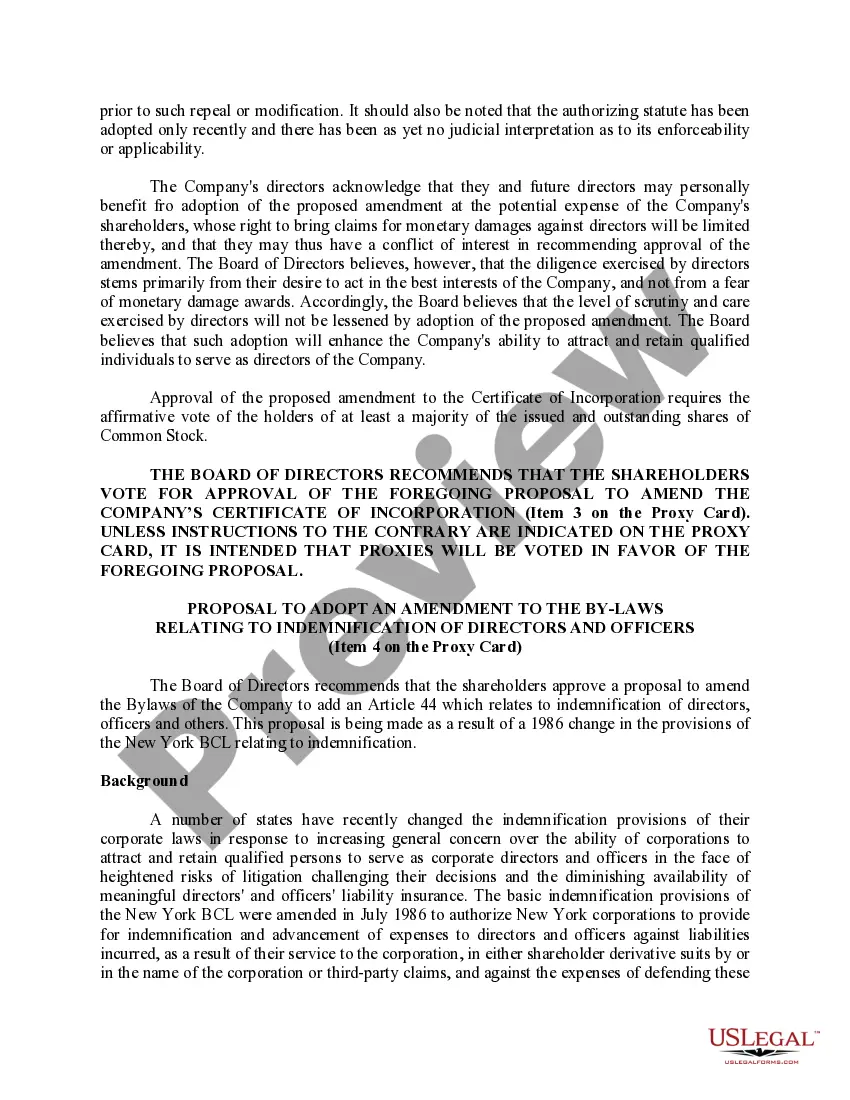
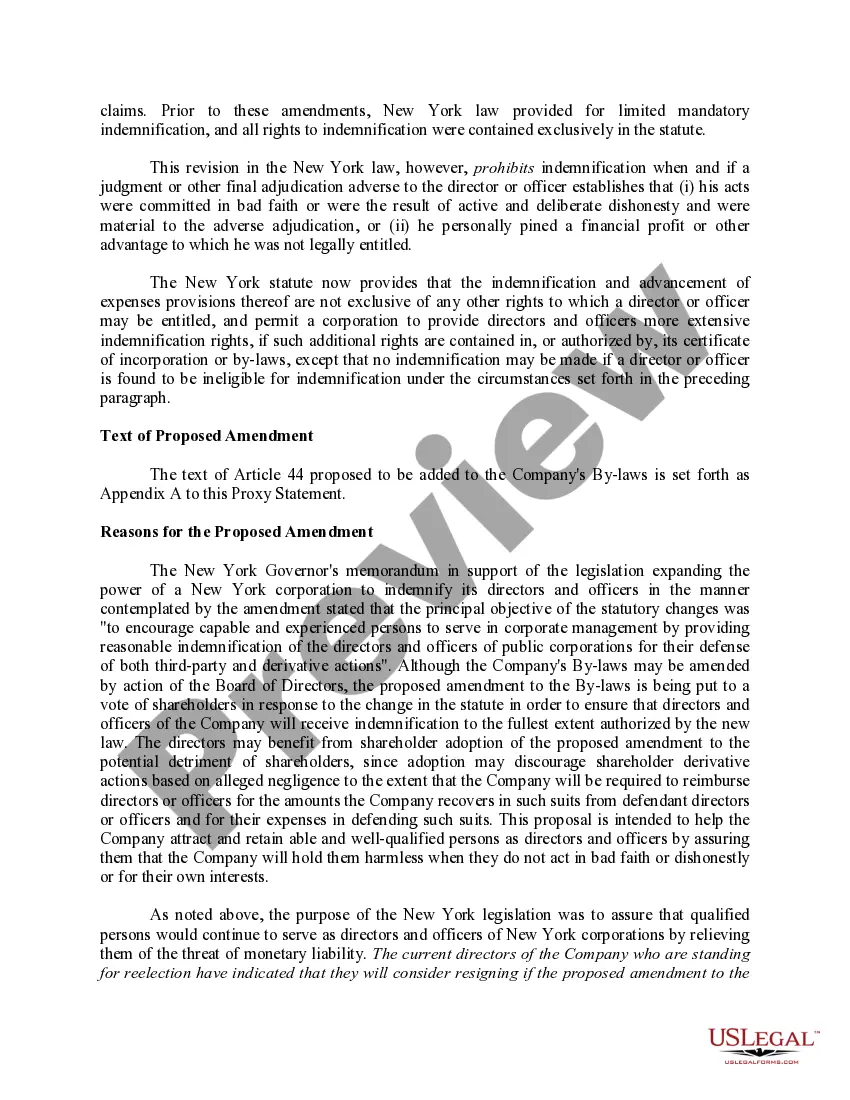
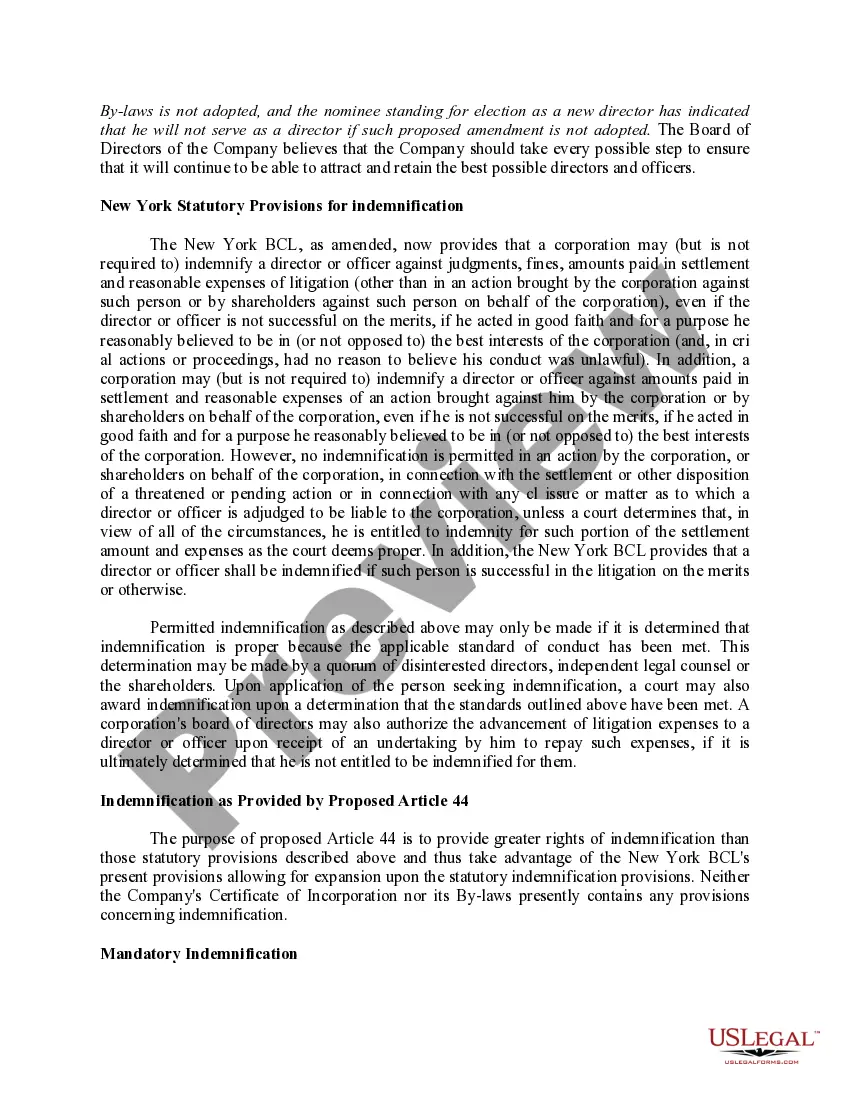
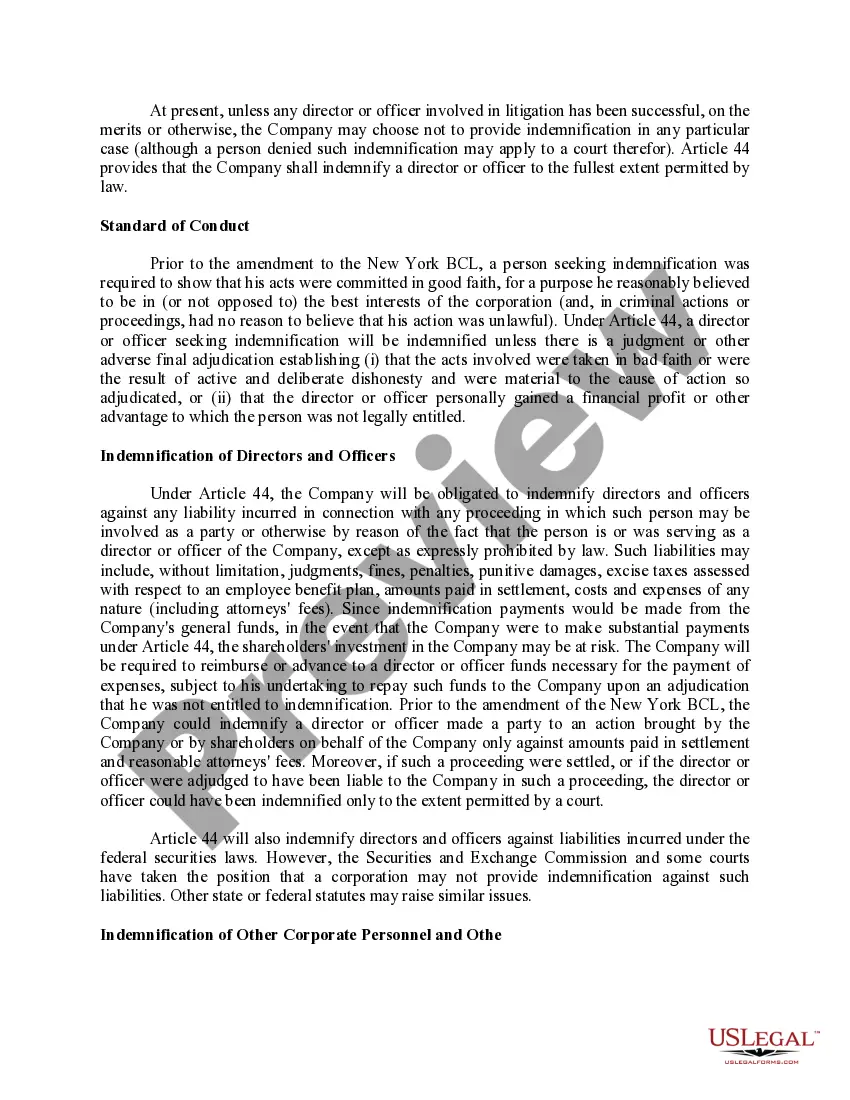
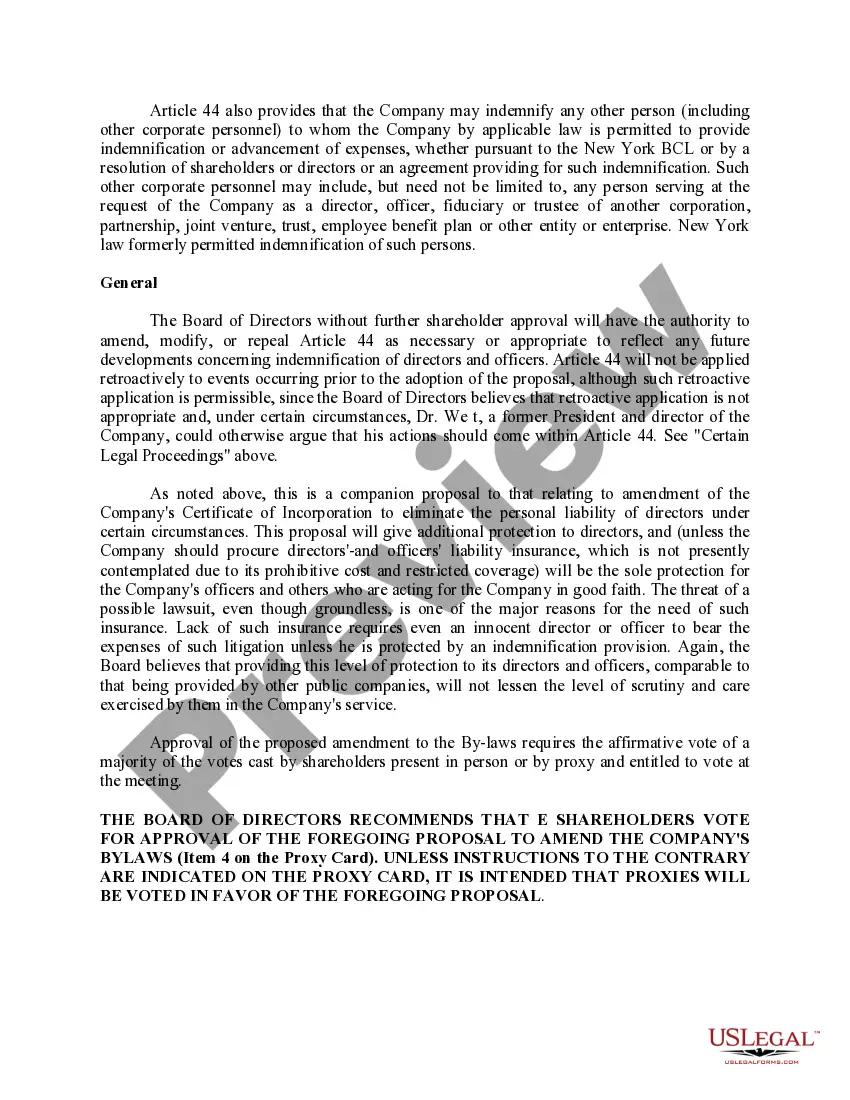
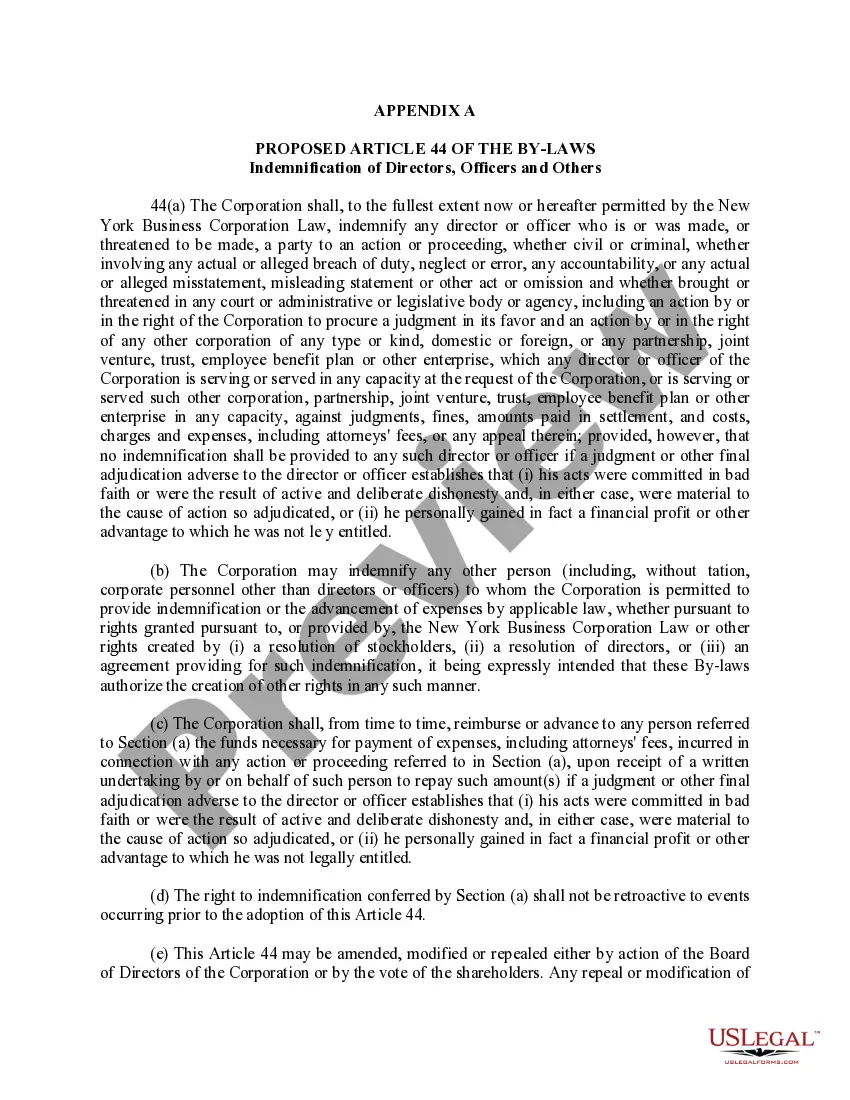
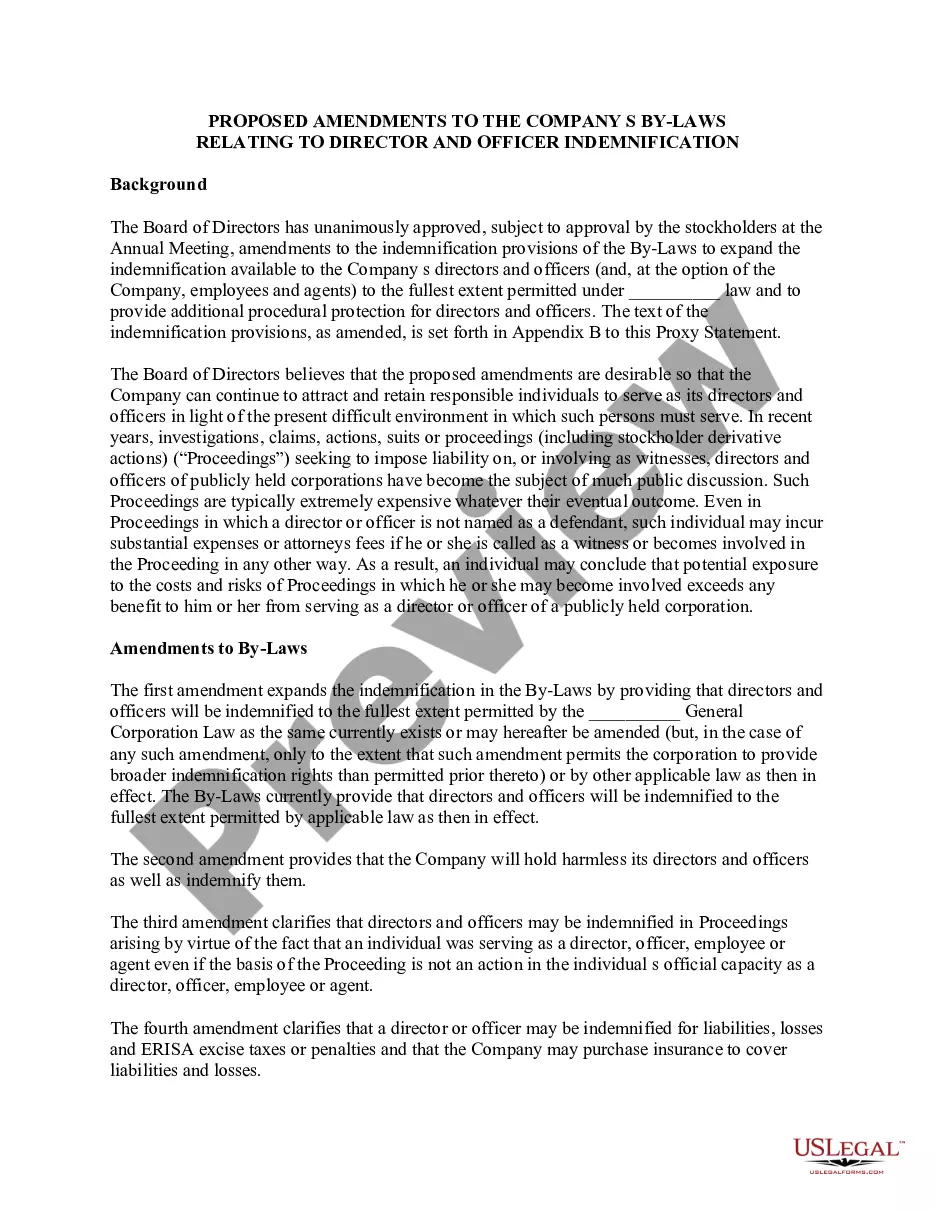
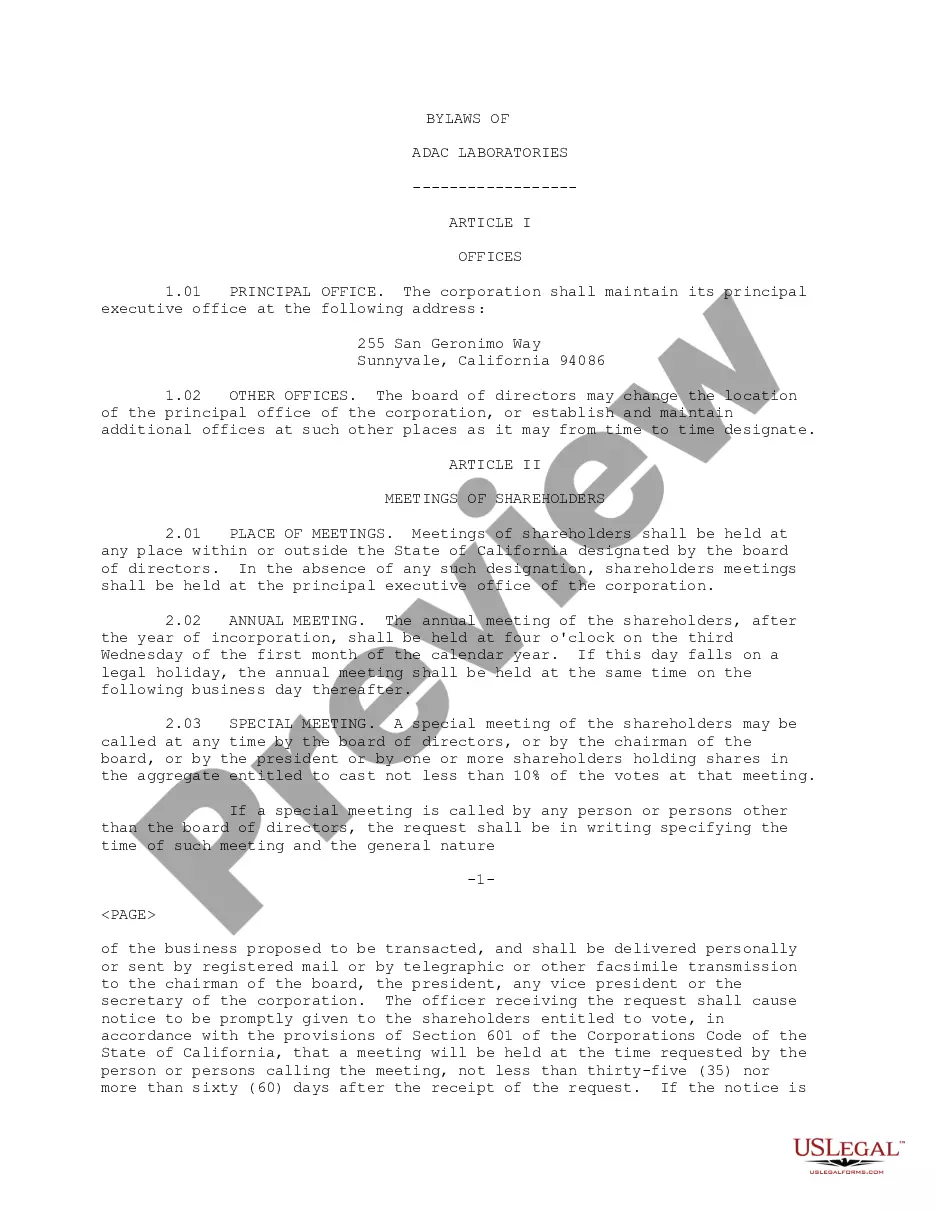
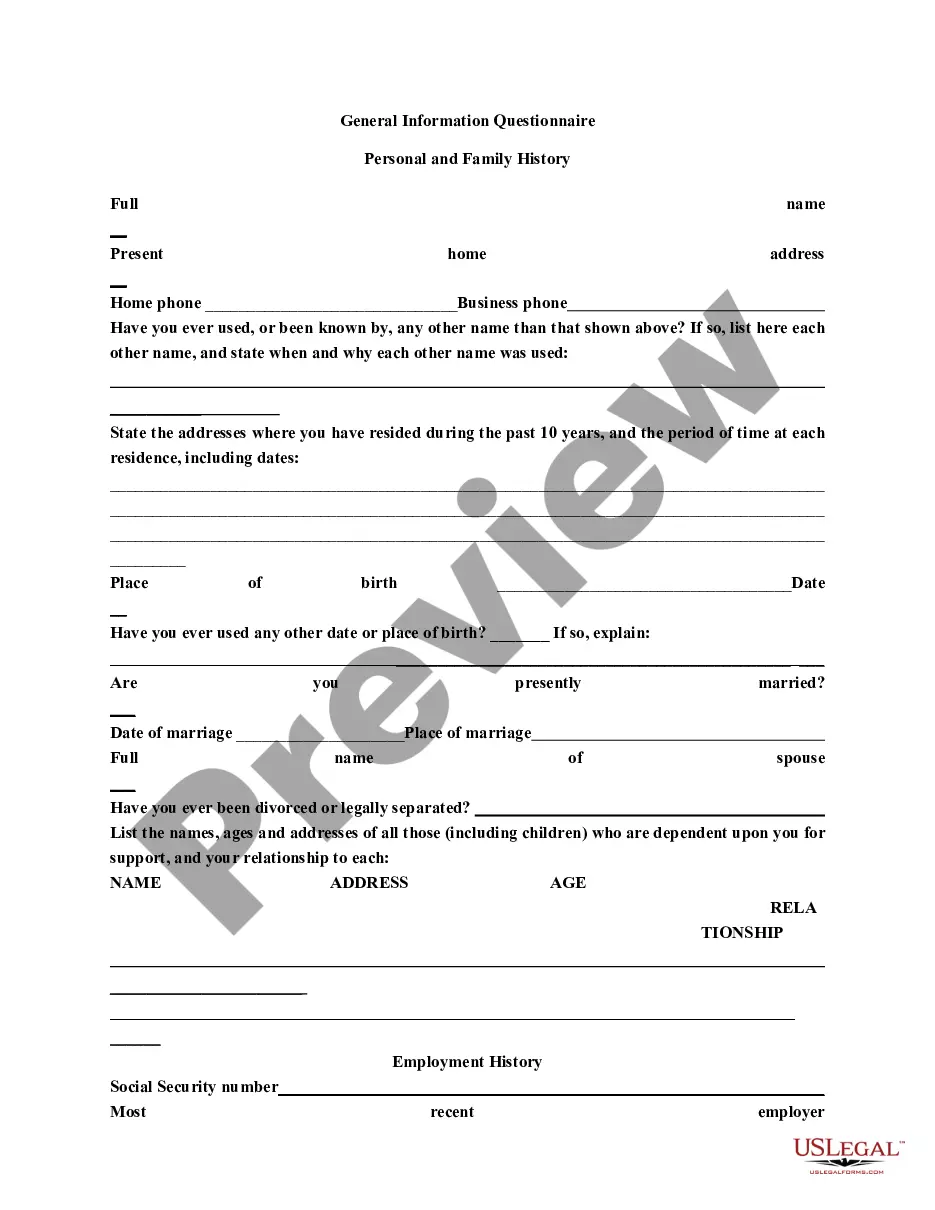
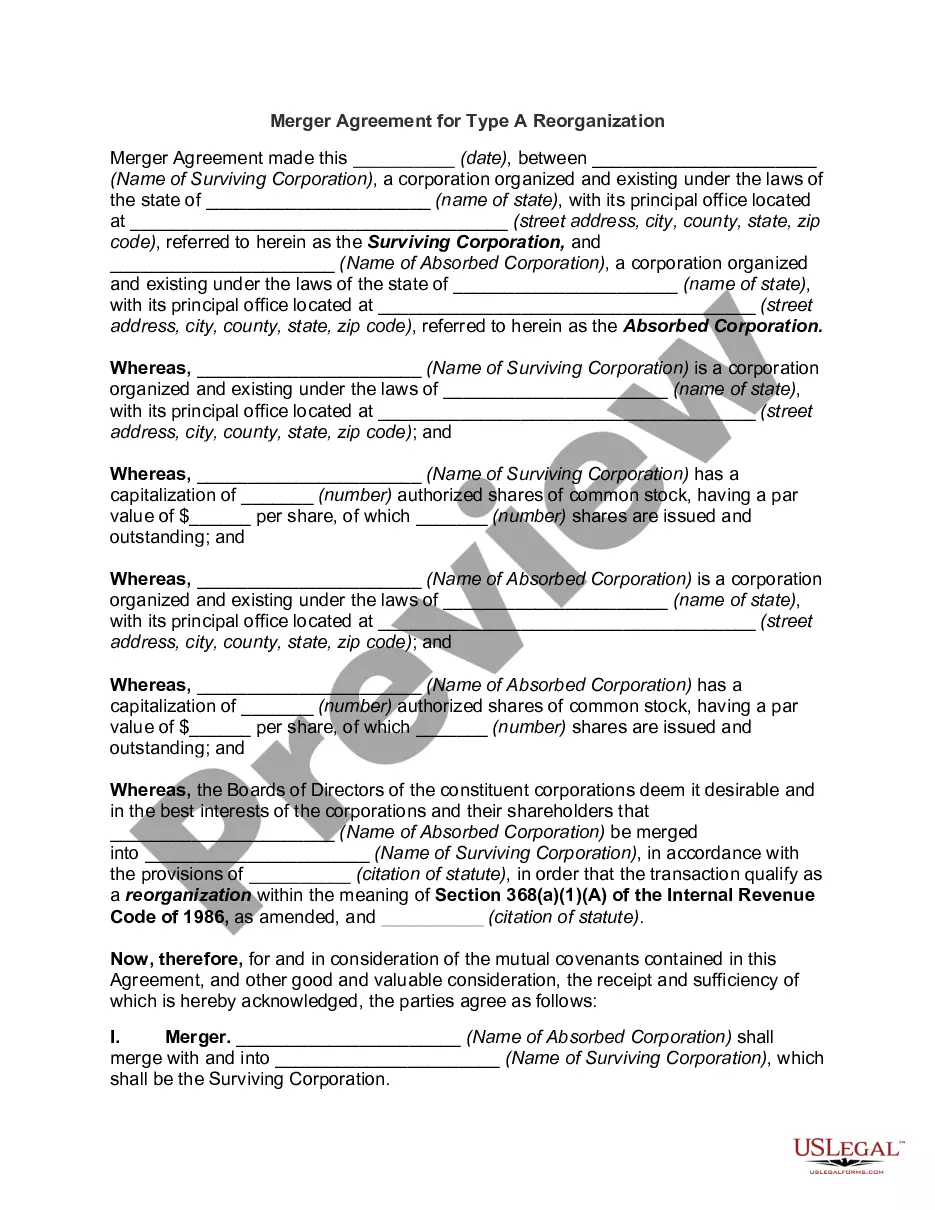
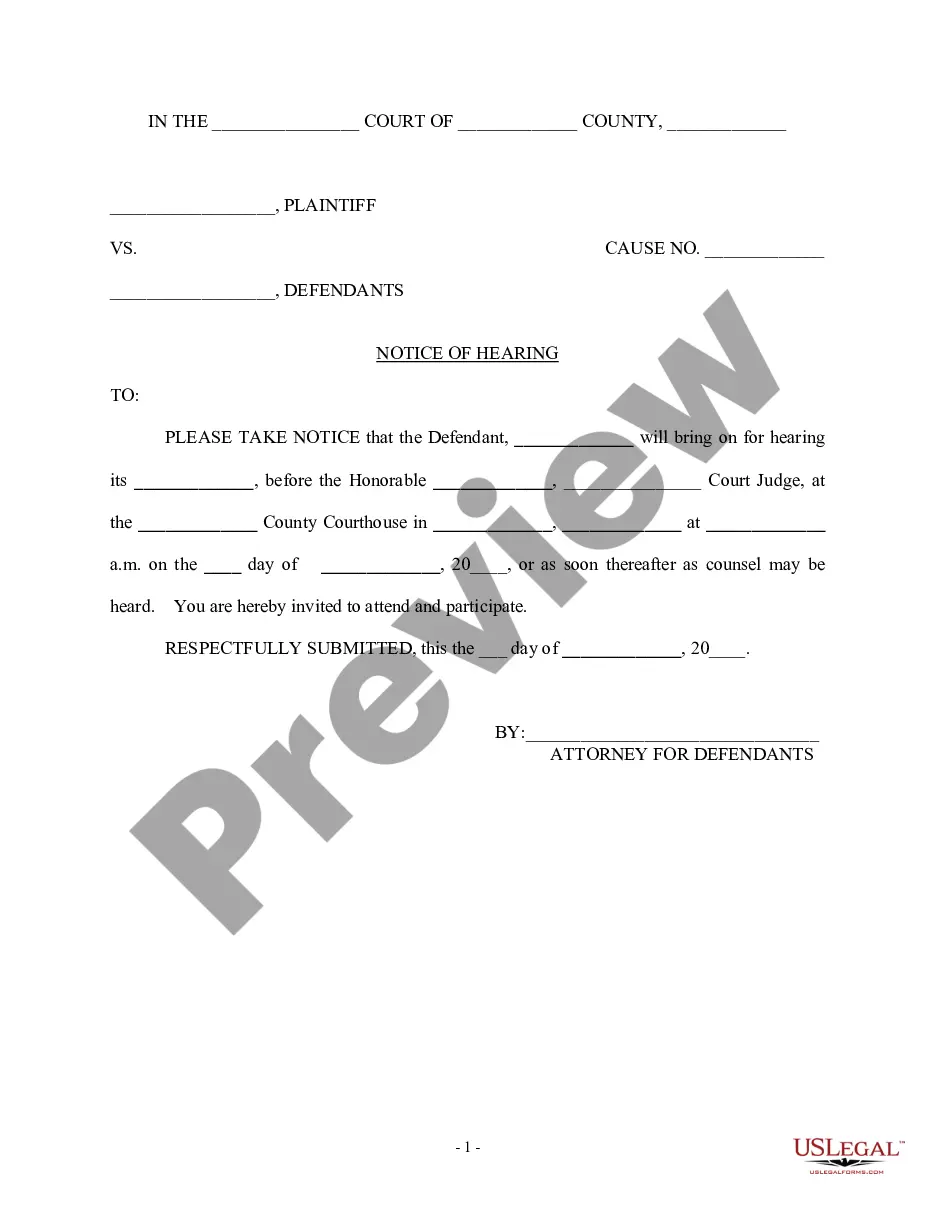
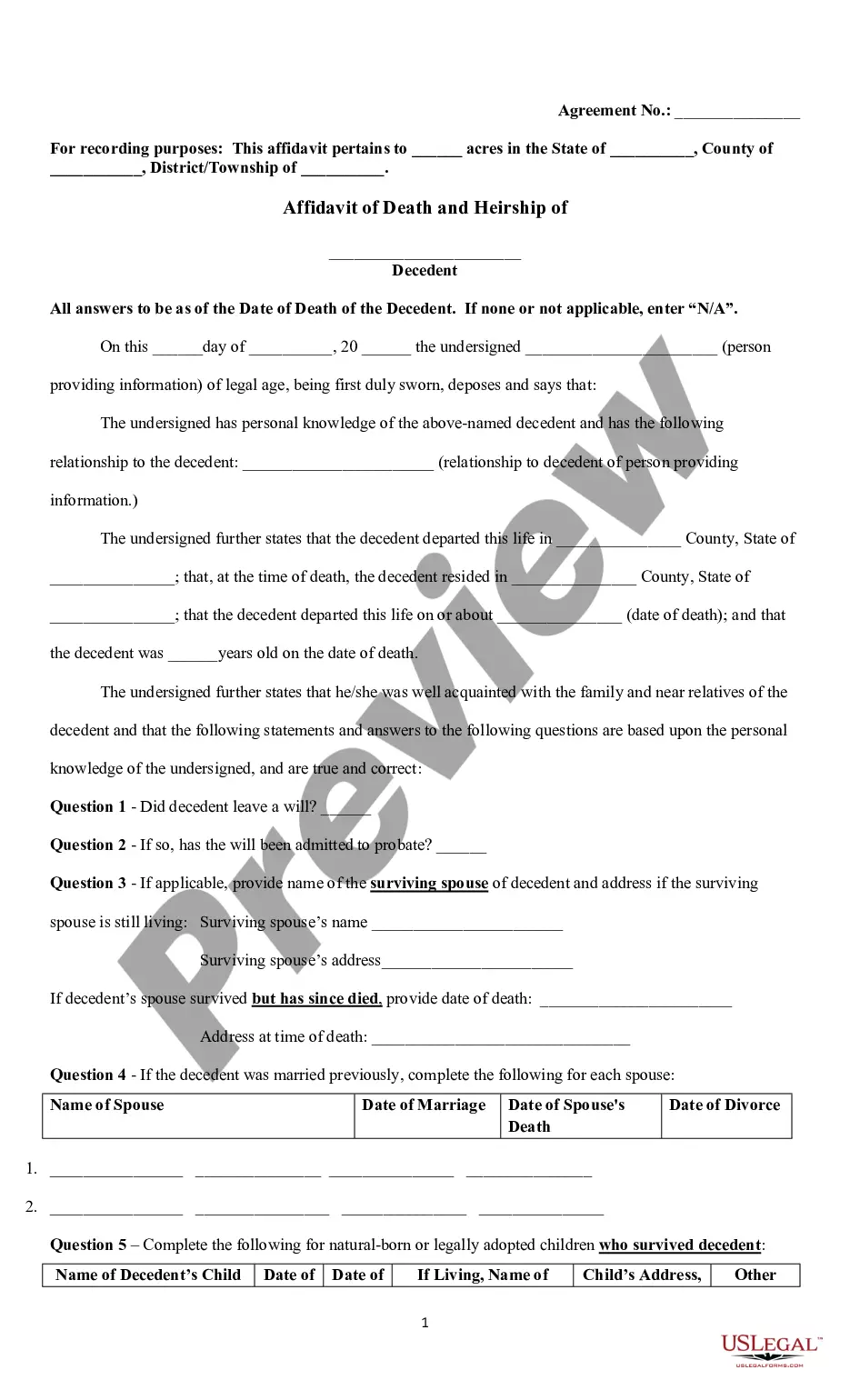
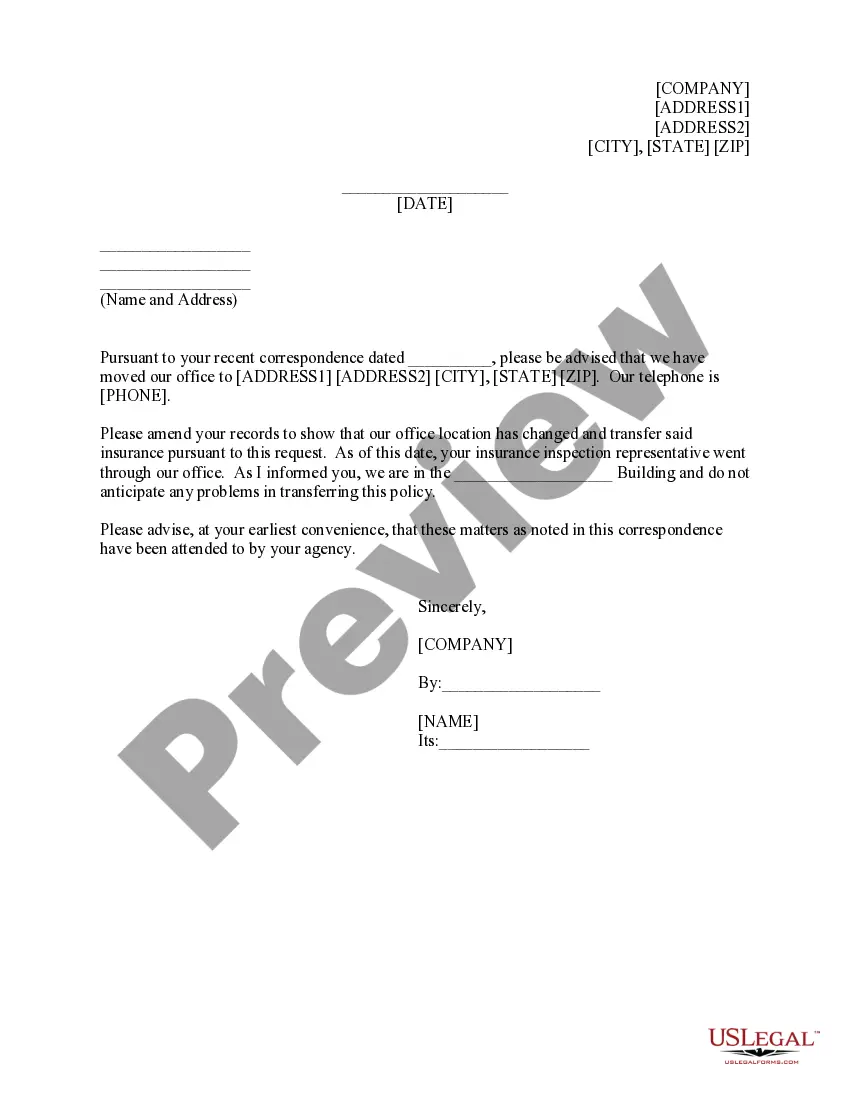
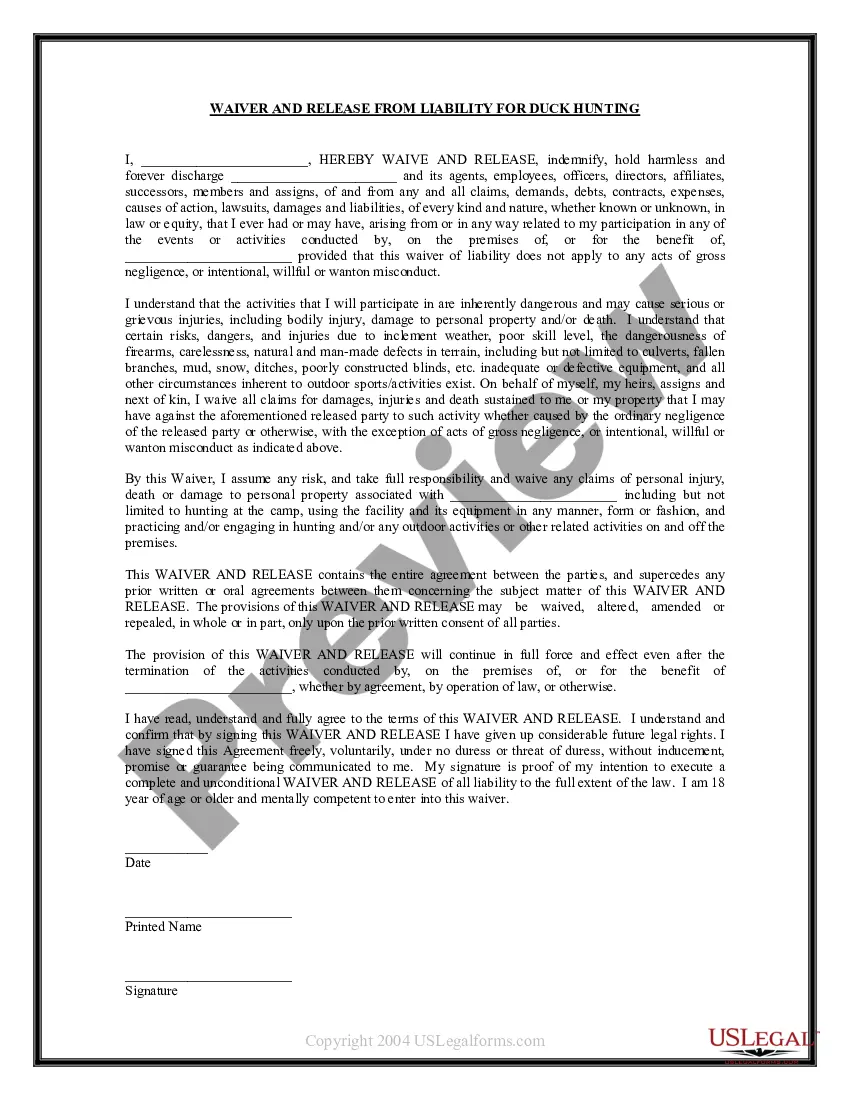
How to fill out Proposal To Amend Certificate Of Incorporation With Copy Of Proposed Article Of Bylaws?
Utilizing legal templates that comply with federal and state regulations is essential, and the internet provides numerous choices.
However, what is the benefit of spending time searching for the accurately drafted Incorporation Certificate For Proprietorship Firm example online when the US Legal Forms online library has already compiled such templates in one location.
US Legal Forms is the largest online legal repository featuring over 85,000 customizable templates created by attorneys for various business and personal needs. Browsing is straightforward, with all documents organized by state and intended use.
Access another template using the search feature at the top of the page if necessary. Click Buy Now when you’ve identified the suitable form and select a subscription plan. Create an account or Log In and complete the payment via PayPal or credit card. Select the appropriate format for your Incorporation Certificate For Proprietorship Firm and download it. All documents available through US Legal Forms are reusable. To re-download and complete previously saved forms, navigate to the My documents tab within your profile. Take advantage of the most comprehensive and user-friendly legal document service!
- Our experts stay updated with legislative developments, ensuring that your form is current and compliant when you obtain an Incorporation Certificate For Proprietorship Firm from our site.
- Acquiring an Incorporation Certificate For Proprietorship Firm is quick and easy for both existing and new users.
- If you already possess an account with an active subscription, Log In and download the document sample you require in your preferred format.
- If you are a new visitor to our website, follow the steps outlined below.
- Review the template through the Preview option or the text description to confirm it meets your needs.
Form popularity
FAQ
In exchange for a deed of trust, the borrower gives the lender one or more promissory notes. A promissory note is a document that states a promise to pay the debt and is signed by the borrower. It contains the terms of the home loan including information such as the interest rate and other obligations.
You can use a template or create a promissory note online. But before you begin, you'll need to gather some information and make decisions about the way the loan will be structured. First, you'll need the names and addresses of both the lender (or "payee") and the borrower.
Typically, promissory notes are securities. They must be registered with the SEC, a state securities regulator, or be exempt from registration.
Deed of Trust (DOT): A deed of trust involves three parties: a lender, a borrower, and a trustee. The lender gives the borrower money. In exchange, the borrower gives the lender one or more promissory notes. The real estate serves as the security for the promissory notes.
The deed of trust is what secures the promissory note. The promissory note includes the interest rate, the payment amounts and terms, and the buyer's promise to pay the lender the amount borrowed plus interest.
To be legally enforceable, a promissory note must meet multiple legal conditions. Moreover, it must contain both an offer of agreement and an acceptance of agreement. All contracts state the type of services or goods rendered and indicate how much they cost.
A secured promissory note describes the collateral?typically property?that secures the debt or amount borrowed. For example, if the borrower owns property, the lender can use the car as collateral until the debt is repaid. If the borrower doesn't repay the loan, the lender can take possession of the property.
Secured promissory notes By assuring that the property attached to the note is of sufficient value to cover the amount of the loan, the payee thus has a guarantee of being repaid. The property that secures a note is called collateral, which can be either real estate or personal property.