Salaried
Description
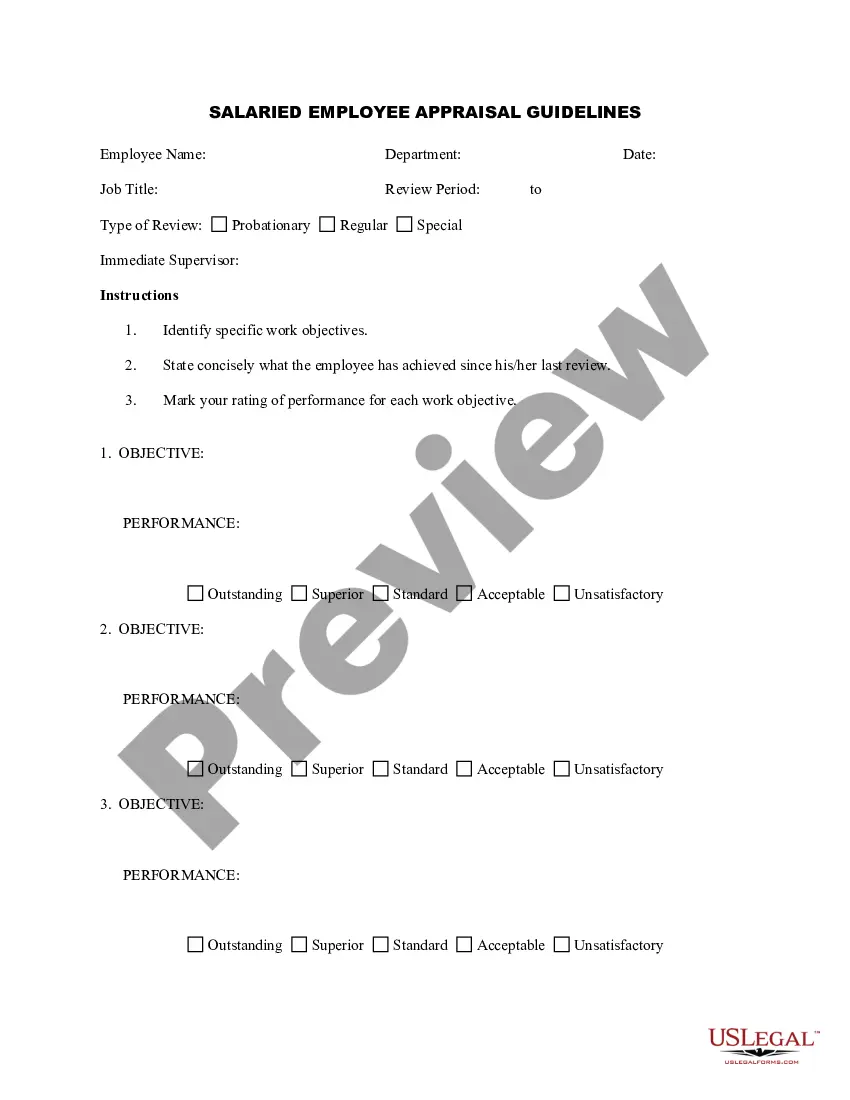
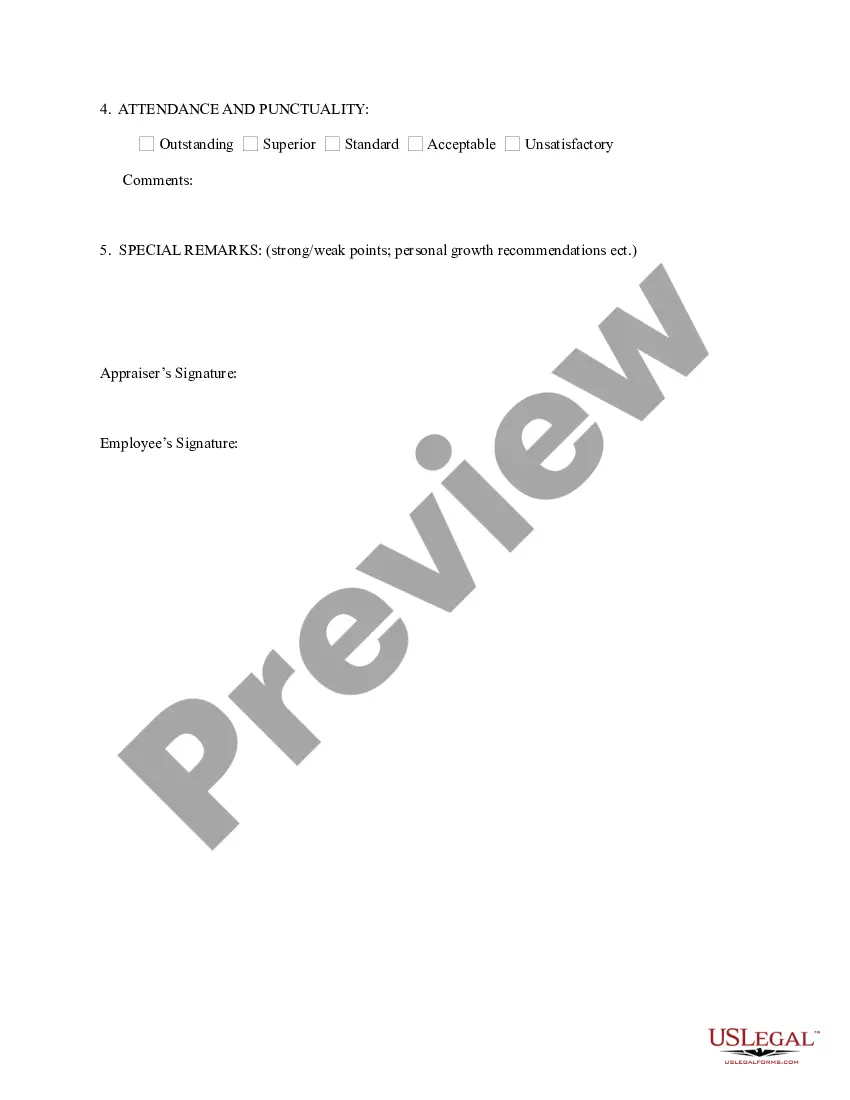
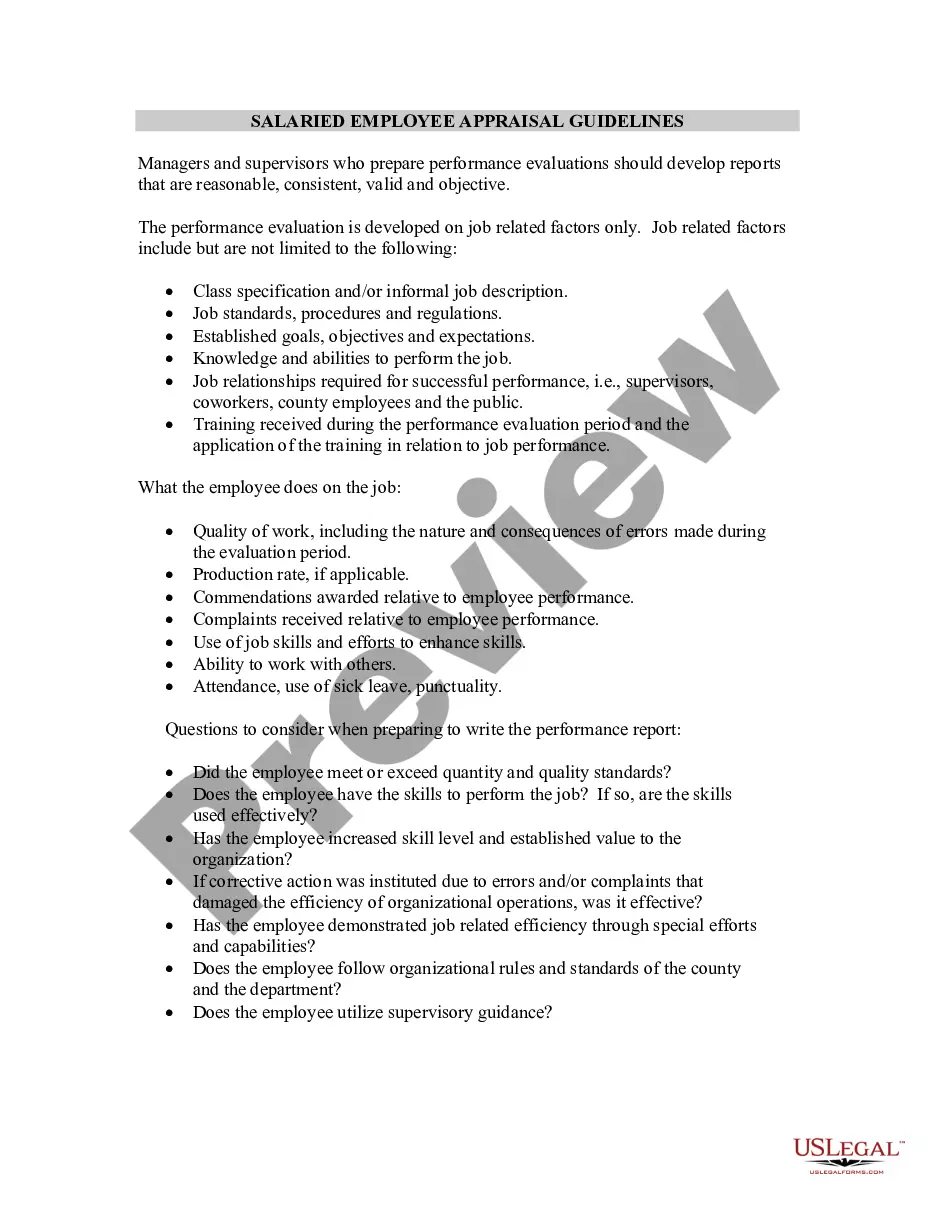
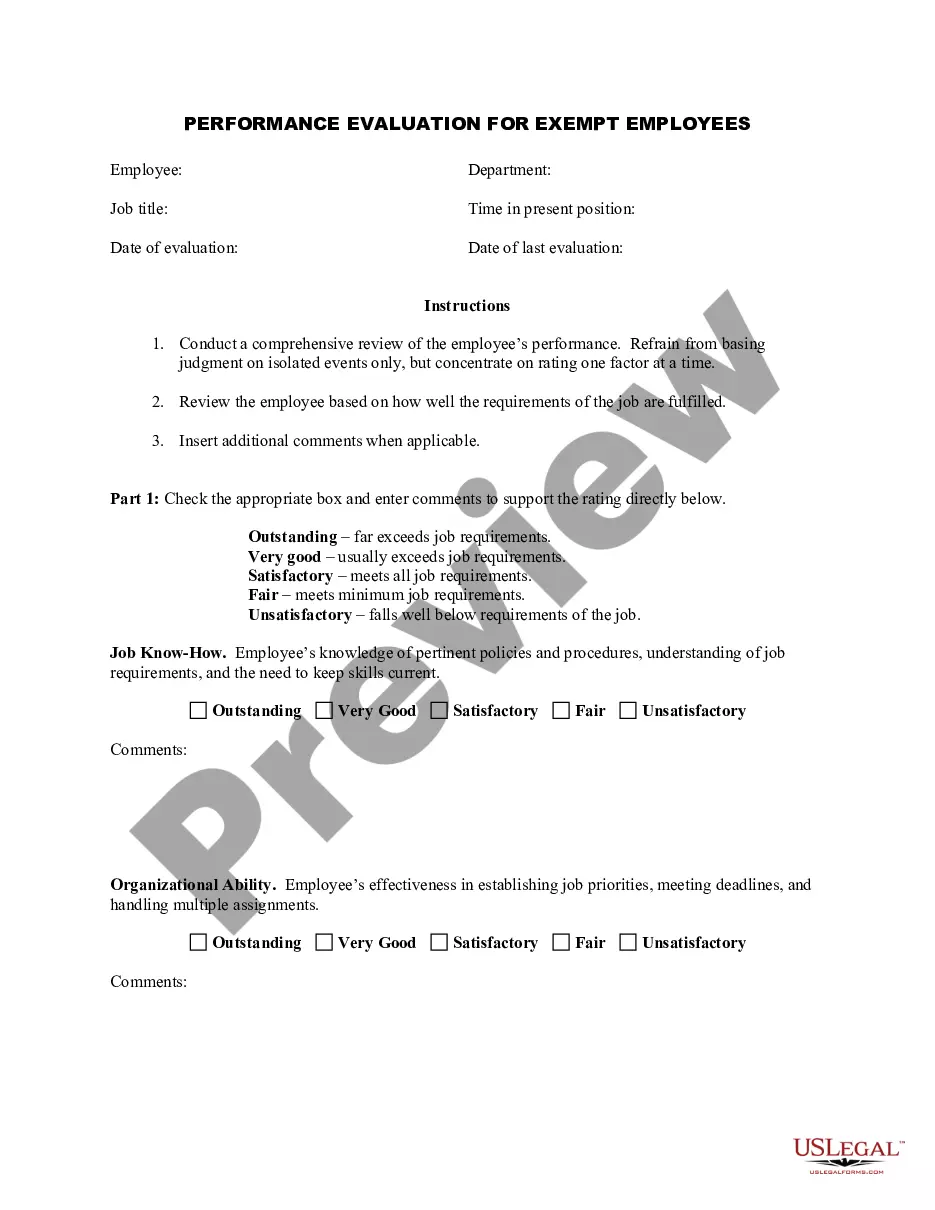
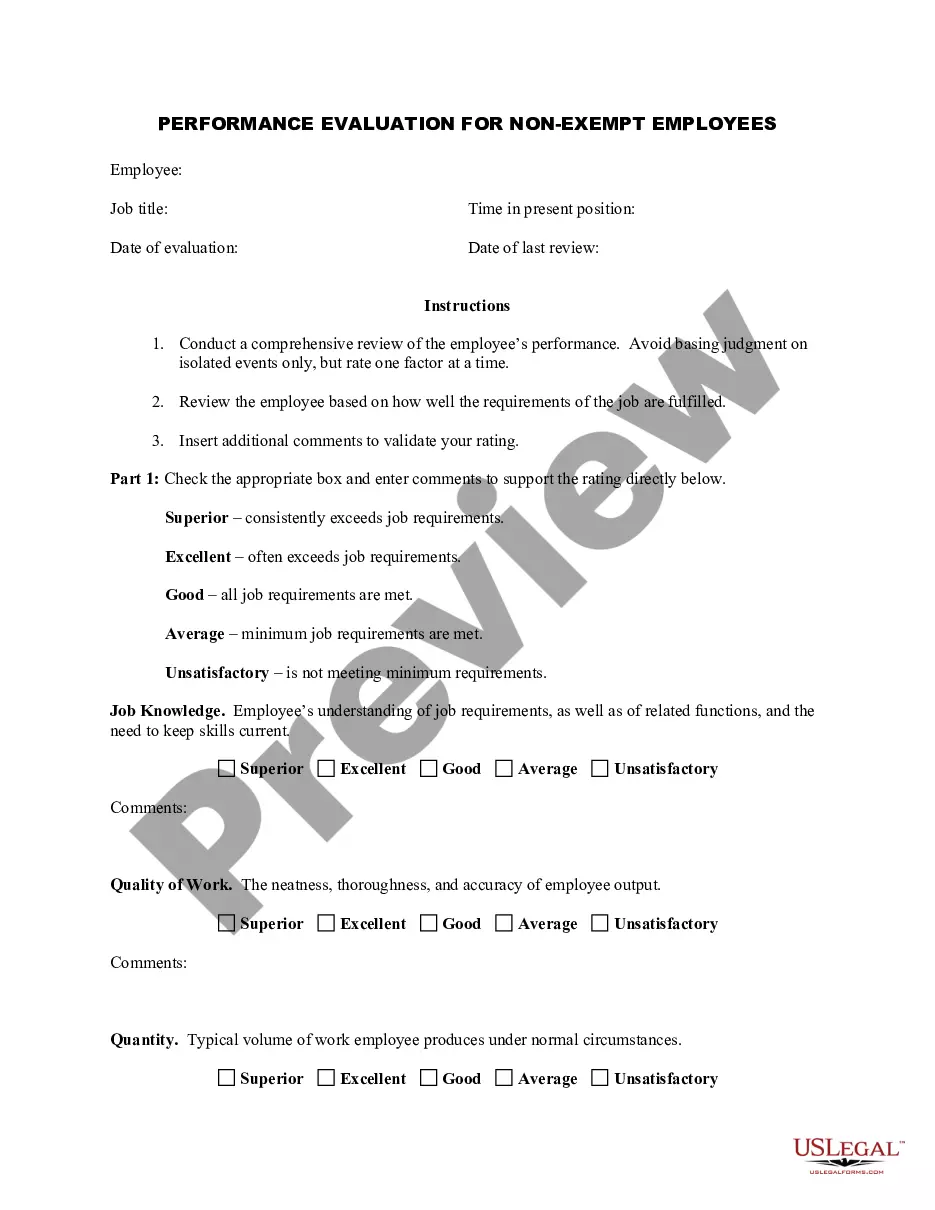
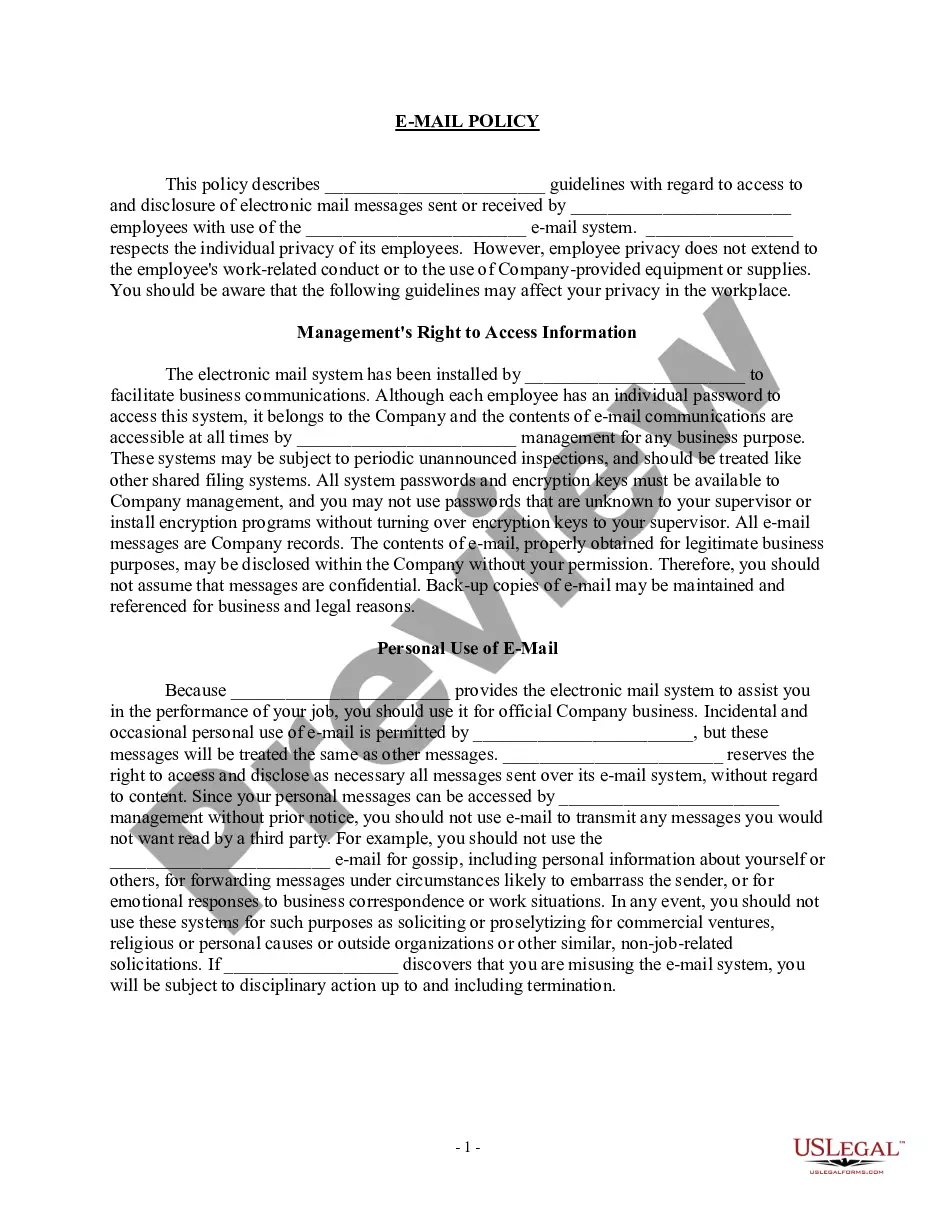
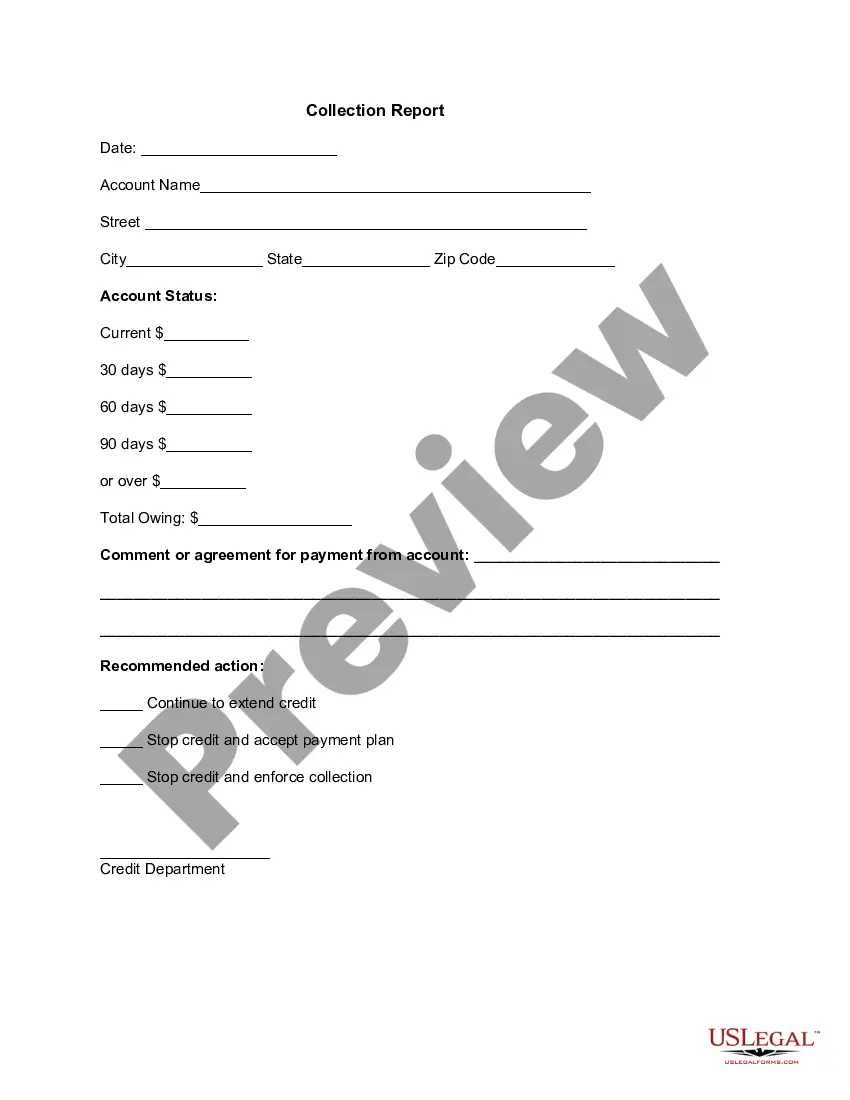
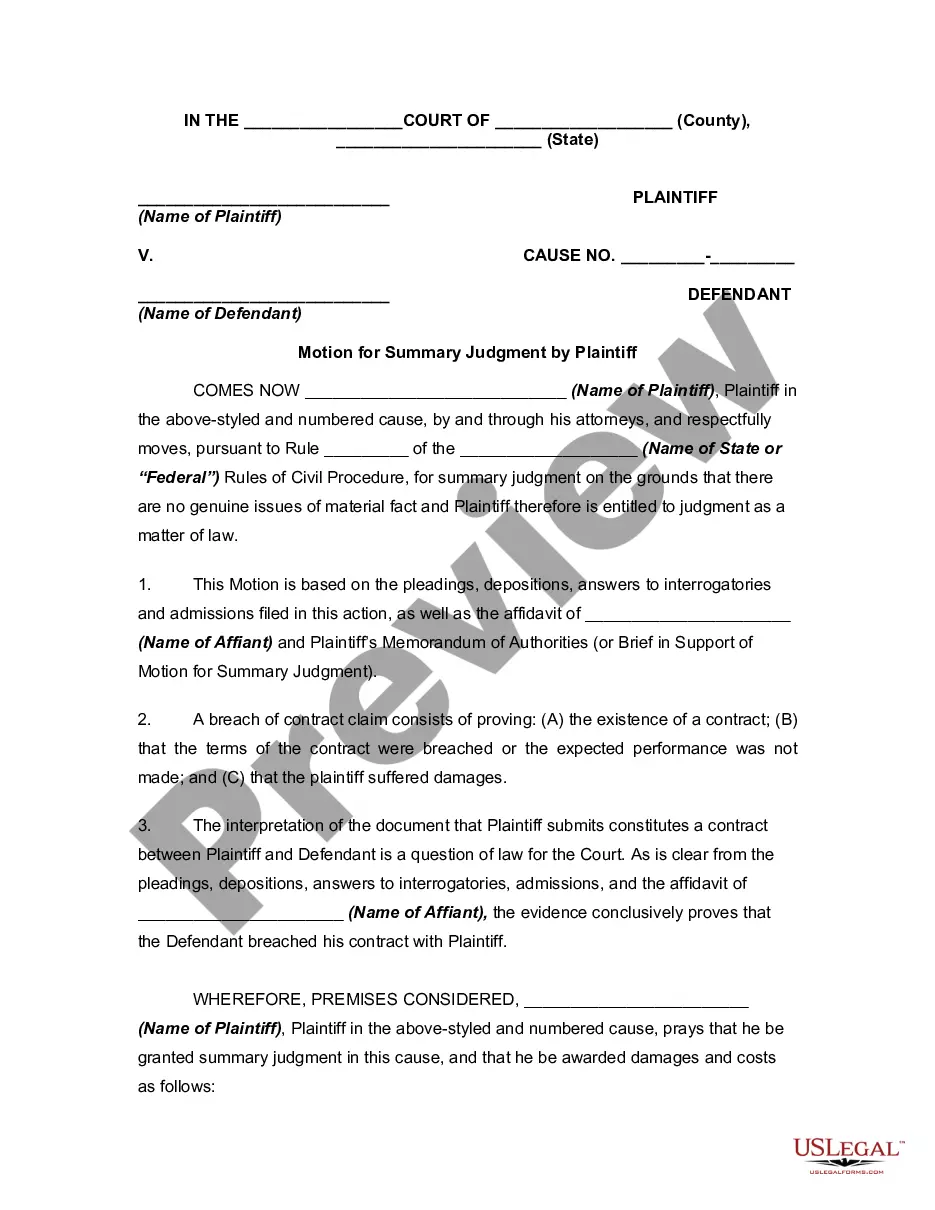
How to fill out Salaried Employee Appraisal Guidelines - Employee Specific?
- If you're a returning user, log into your account to access your desired document. Ensure that your subscription is current; if it has expired, renew it according to your payment plan.
- For first-time users, begin by exploring the extensive selection of forms. Use the Preview mode to examine details and confirm that the form you choose aligns with your specific needs and jurisdiction.
- If you require a different template, utilize the Search feature to find the correct form. Once you locate the suitable option, you can proceed to the next step.
- To purchase the document, click the Buy Now button and select a subscription plan that works best for you. Creating an account is essential for accessing the complete library.
- Complete your payment by entering credit card details or using your PayPal account to finalize the subscription.
- Download your selected form directly to your device. This allows for easy completion and future retrieval from the My Forms section of your profile.
With US Legal Forms, salaried professionals gain access to a robust collection of legal templates that are more comprehensive than those of competitors. The ability to consult with premium experts also ensures that your documents are accurate and legally sound.
Start your journey towards hassle-free legal documentation today. Explore US Legal Forms and take the first step towards securing your legal needs!
Form popularity
FAQ
The choice between being salaried or hourly largely depends on your personal preferences and financial goals. Salaried positions offer a predictable income, which can help with budgeting, while hourly roles may provide more flexibility and the chance to earn overtime. Ultimately, it's essential to weigh the benefits and drawbacks of each type based on your lifestyle needs and career aspirations. Understanding what aligns with your long-term goals is crucial.
While many salaried employees aim for a 40-hour workweek, the reality can differ greatly. Depending on the job, responsibilities, and deadlines, some may work more or less than this standard. Flexibility is often a key aspect of being salaried, allowing employees to manage their time according to project needs while emphasizing accountability and performance.
There is no official maximum number of hours a salaried employee can work, as they are generally expected to complete the required duties of their position. However, company policies may influence expectations around working hours. It's advisable to maintain open communication with your employer about workloads to ensure a sustainable work-life balance.
Typically, a salaried employee works around 2,080 hours in a year, assuming a 40-hour workweek and 52 weeks in a year. However, the actual number may vary depending on company policies, holidays, and vacation days. It's important to understand your employer's expectations regarding work hours, as this can impact your work-life balance.
To request a salaried position, start by preparing a case that highlights your skills and contributions. Approach your supervisor or HR team with this information, focusing on how transitioning to a salaried role benefits both you and the organization. Clearly outline your reasons, and be ready to discuss your workload and achievements to strengthen your request.
When faced with a question about your salary, be prepared to share your current or previous salary if appropriate. Frame your response around your contributions and the value you add as a salaried employee. Additionally, consider discussing the broader context of your role and responsibilities to justify your salary.
Responding to questions about expected salary requires diplomacy. State a range that you believe reflects your industry expertise and experience. If you are unsure, mention your willingness to discuss based on the total compensation package, showcasing your flexibility as a salaried candidate.
When asked for your expected salary, research comparable positions to determine a realistic figure. Input a salary range that reflects your experience and the value you bring to the role. This strategy ensures your expectations align with industry standards, highlighting your status as a seasoned salaried professional.
Your desired salary should reflect your experience, skills, and the industry standards. Share a range that aligns with the average market rates for salaries in your field. This approach shows your understanding of your worth and positions you as a knowledgeable candidate.
When asked about your salary, provide a clear and honest figure based on your experience and market value. Research the average salary for your position to support your answer. Emphasize your value as a salaried employee, detailing how your skills contribute to the organization’s success.