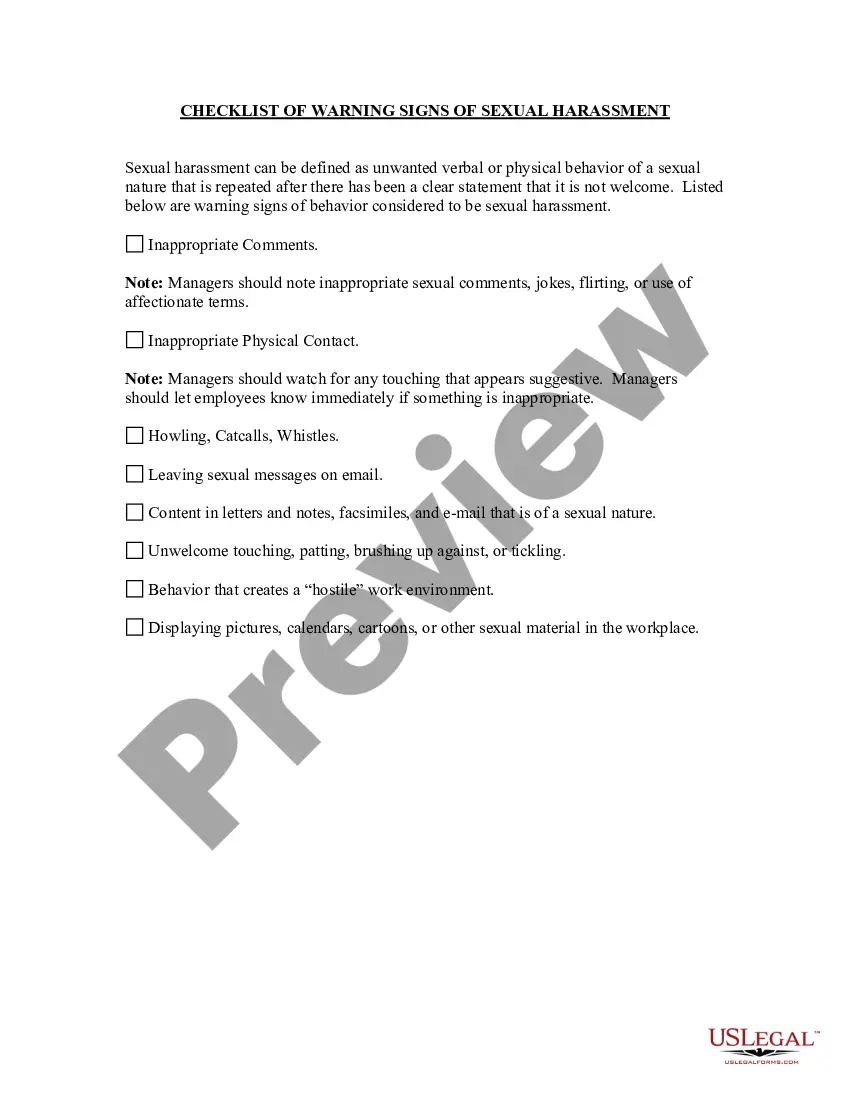
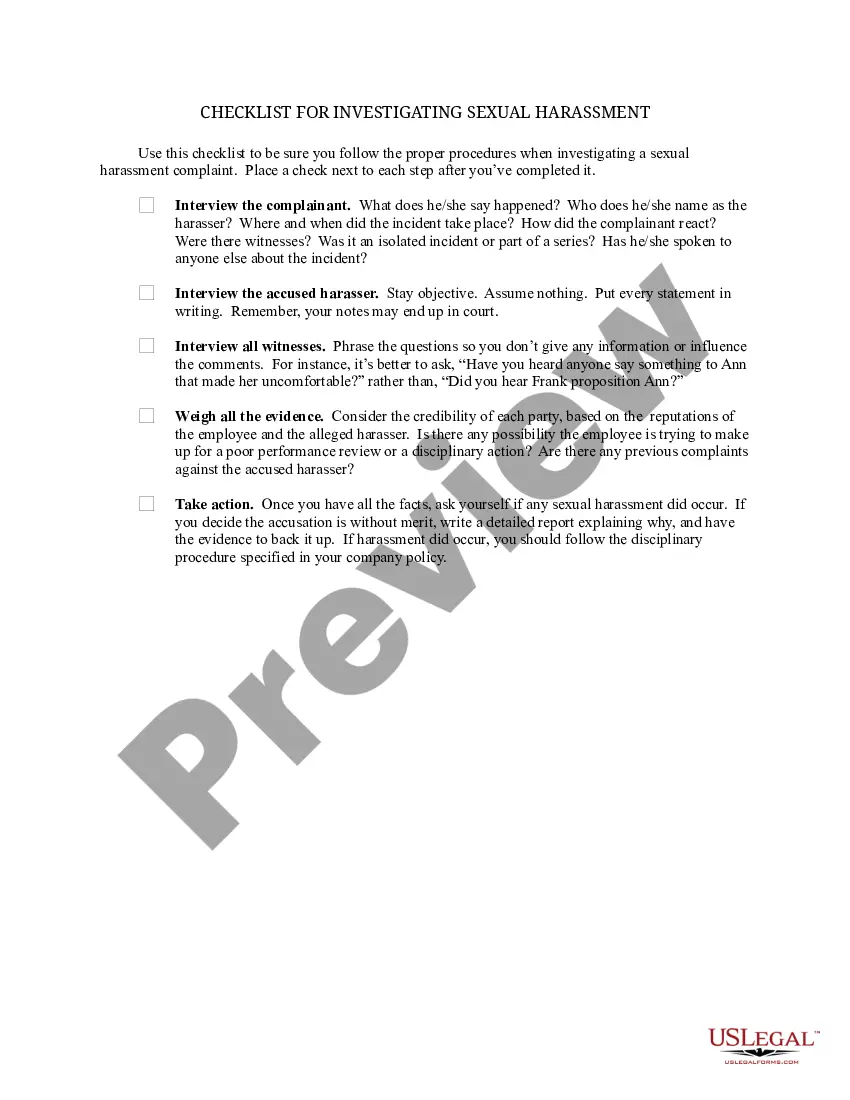
Workplace Harassment Training For Employees
Description

Get your form ready online
Our built-in tools help you complete, sign, share, and store your documents in one place.
Make edits, fill in missing information, and update formatting in US Legal Forms—just like you would in MS Word.
Download a copy, print it, send it by email, or mail it via USPS—whatever works best for your next step.
Sign and collect signatures with our SignNow integration. Send to multiple recipients, set reminders, and more. Go Premium to unlock E-Sign.
If this form requires notarization, complete it online through a secure video call—no need to meet a notary in person or wait for an appointment.
We protect your documents and personal data by following strict security and privacy standards.

Make edits, fill in missing information, and update formatting in US Legal Forms—just like you would in MS Word.

Download a copy, print it, send it by email, or mail it via USPS—whatever works best for your next step.

Sign and collect signatures with our SignNow integration. Send to multiple recipients, set reminders, and more. Go Premium to unlock E-Sign.

If this form requires notarization, complete it online through a secure video call—no need to meet a notary in person or wait for an appointment.

We protect your documents and personal data by following strict security and privacy standards.
Looking for another form?
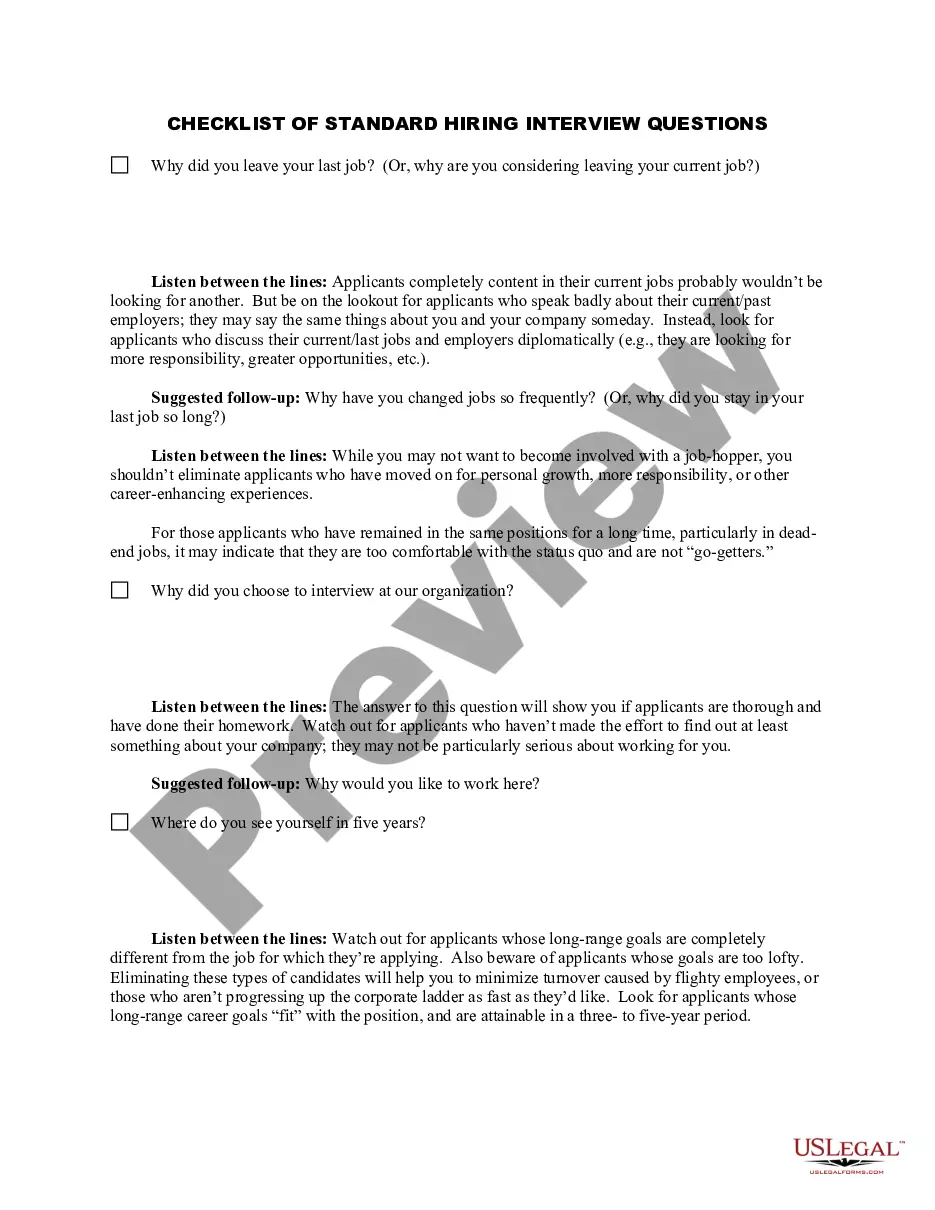


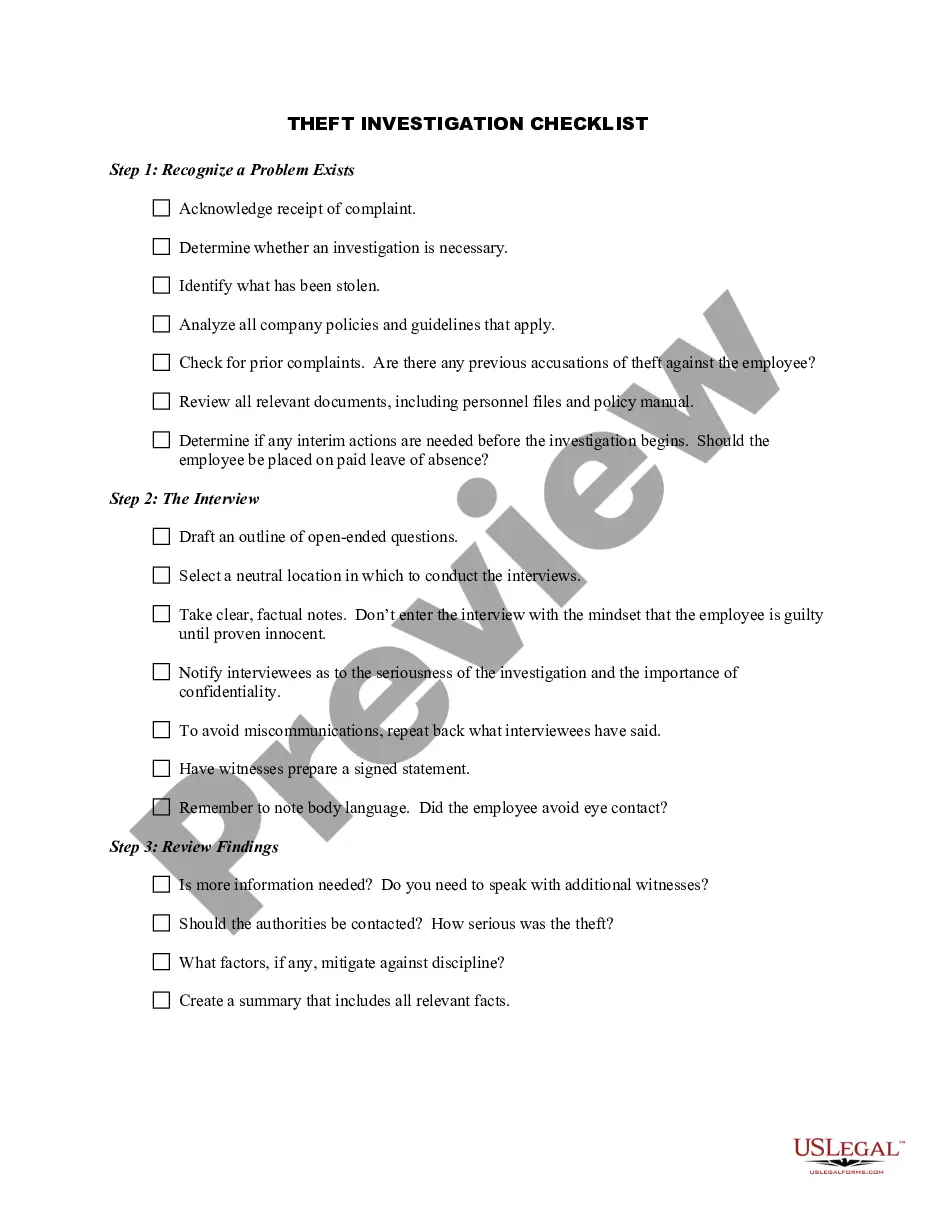





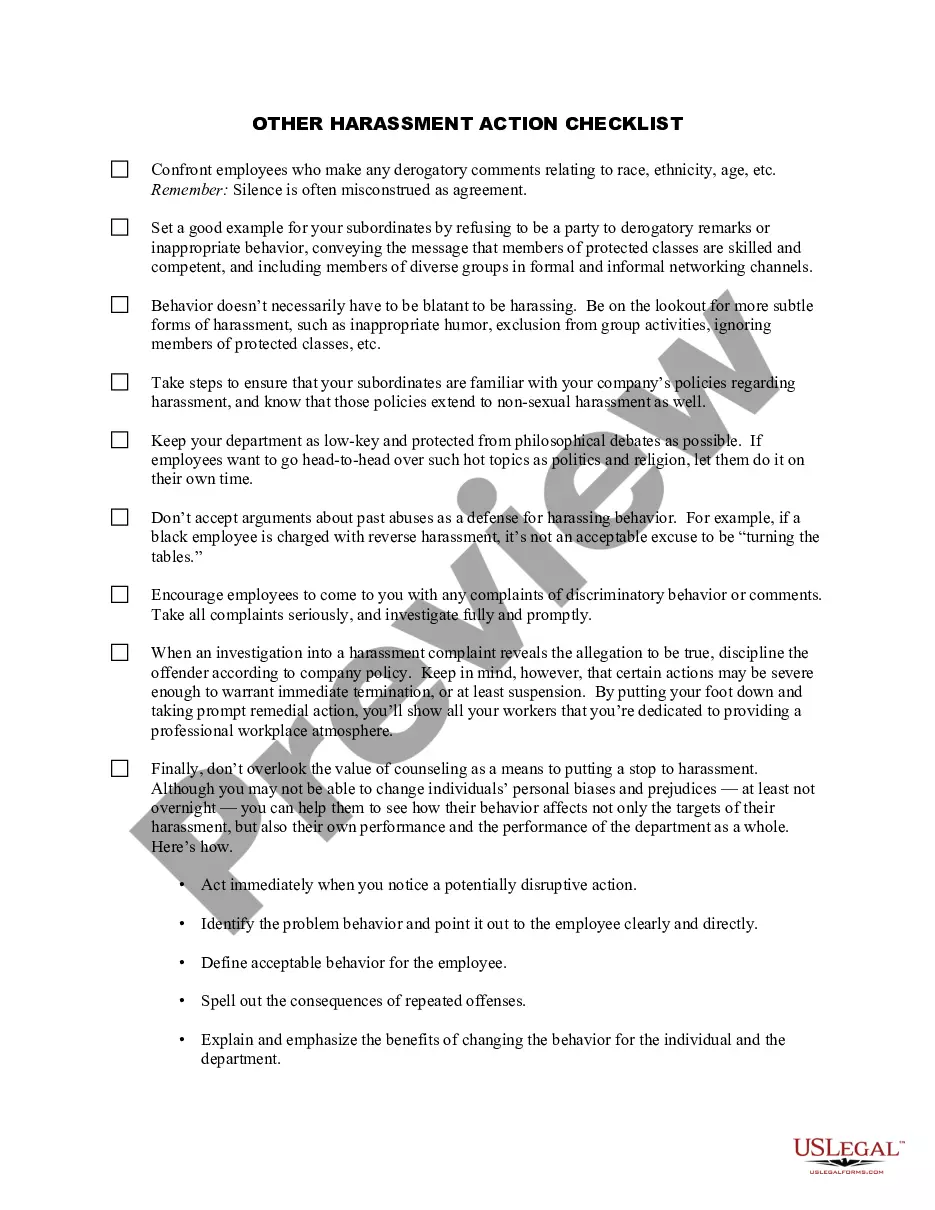
How to fill out Other Harassment Action Checklist - Workplace?
- Log in to your US Legal Forms account if you're already a user. Confirm that your subscription is active; renew it if necessary.
- If you’re new to US Legal Forms, begin by reviewing the available templates. Utilize the Preview mode to select forms that align with your requirements and legal standards.
- If the initial template doesn't meet your needs, use the Search tab to discover alternative forms that might be a better fit.
- Select your desired document by clicking the Buy Now button. Choose a subscription plan that accommodates your usage needs and create an account.
- Complete your purchase by entering your payment details, either through credit card or PayPal.
- Once payment is successful, download your document and save it securely. You can access it anytime in the My Forms section of your account.
By utilizing US Legal Forms, you gain access to a robust collection of over 85,000 customizable legal forms. This ensures that you can find the precise documents needed for workplace harassment training.
Don't hesitate to tap into the extensive resources provided by US Legal Forms to make your documentation process seamless! Start today and empower your workplace.
Form popularity
FAQ
Several states have enacted laws that require certain employers to offer harassment training to their employees. These laws vary widely, with some requiring training for all staff while others apply only to specific industries or company sizes. To ensure compliance and cultivate a respectful workplace, organizations should consider implementing comprehensive workplace harassment training for employees across all states.
While the Equal Employment Opportunity Commission (EEOC) does not mandate harassment training for all businesses, it highly recommends it as a preventive measure. Organizations that provide workplace harassment training for employees can not only mitigate risks but also enhance their workplace culture. Such proactive measures can help organizations address harassment effectively before it escalates.
The nine grounds of harassment typically include race, color, national origin, gender, sexual orientation, age, disability, religion, and pregnancy. Understanding these grounds is essential for identifying and combating harassment. Providing workplace harassment training for employees ensures everyone is aware of these categories and their implications.
Workplace harassment training offers guidance on recognizing, preventing, and addressing harassment in the workplace. This training helps employees understand their rights and responsibilities, fostering a healthy work environment. By integrating workplace harassment training for employees into your company's policies, you create a culture of respect and accountability.
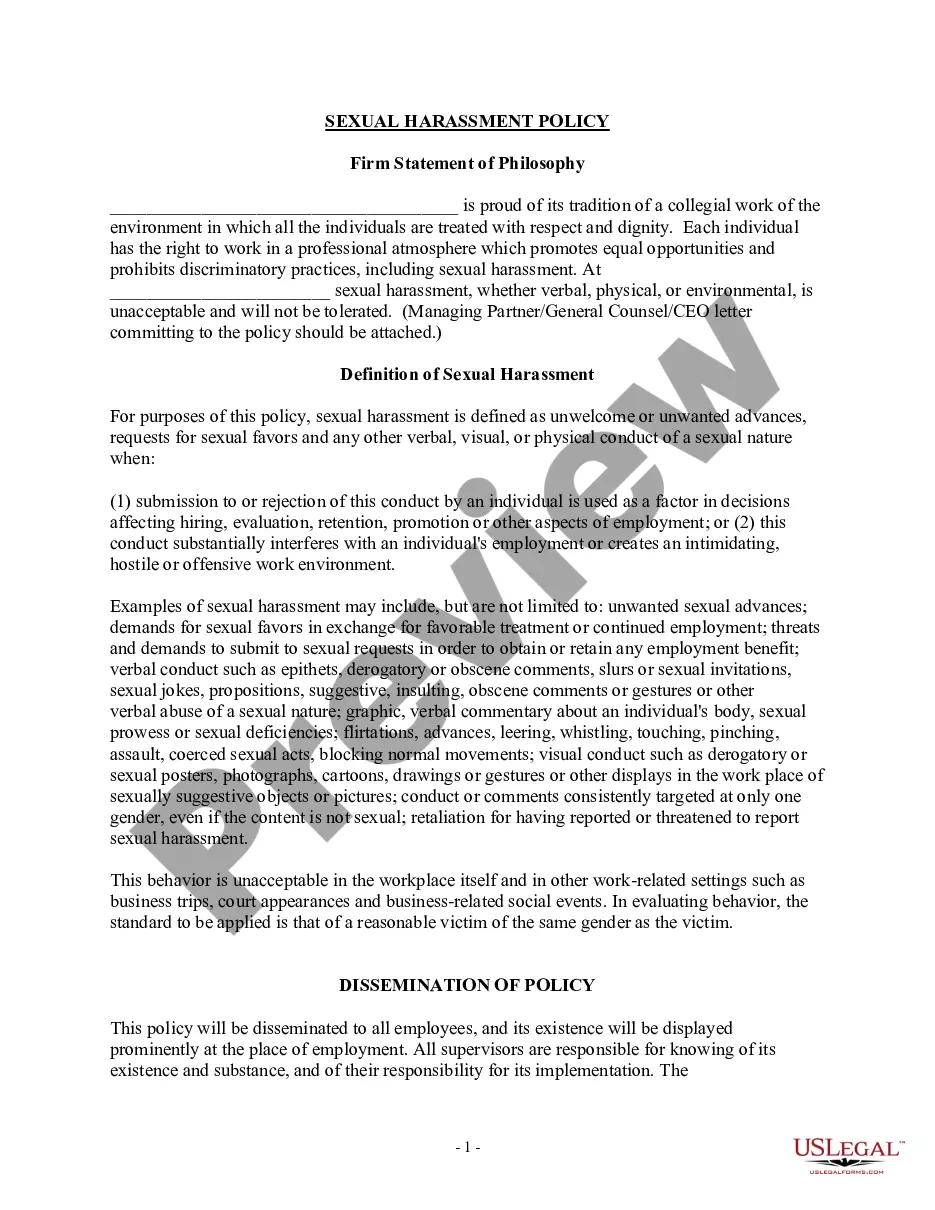
Workplace harassment qualifies as any unwelcome behavior that discriminates, intimidates, or threatens an employee based on protected characteristics such as race, gender, or disability. It may involve verbal abuse, offensive jokes, or inappropriate touching. Implementing effective workplace harassment training for employees can help identify and prevent these behaviors.
Workplace harassment can depend on three key factors: the behavior of the harasser, the perception of the target, and the work environment. The conduct must be unwelcome, offensive, and create a hostile work atmosphere. When addressing these factors through workplace harassment training for employees, companies can foster a safer, more inclusive workplace.
To document a toxic work environment, begin by listing specific incidents that contribute to the negative atmosphere. Record the dates, times, and individuals involved in these events. Using this documented information, you can report the issues to HR for further action. Participating in workplace harassment training for employees can enhance your understanding of what constitutes a toxic environment and the steps to address it effectively.
When reporting harassment, start by documenting your experiences and collecting evidence. Next, present your documentation to your supervisor or HR, following your company's reporting procedures. It is also crucial to seek support from trusted colleagues or an employee assistance program. Engaging in workplace harassment training for employees can guide you through these steps, ensuring you know your rights and the appropriate actions to take.
Documenting employee harassment involves recording each incident with precision and clarity. Keep a log that includes dates, times, witnesses, and descriptions of each event. This thorough documentation will be beneficial during any investigations and is a key component of the workplace harassment training for employees that aims to equip staff with the necessary skills to effectively report and address issues.
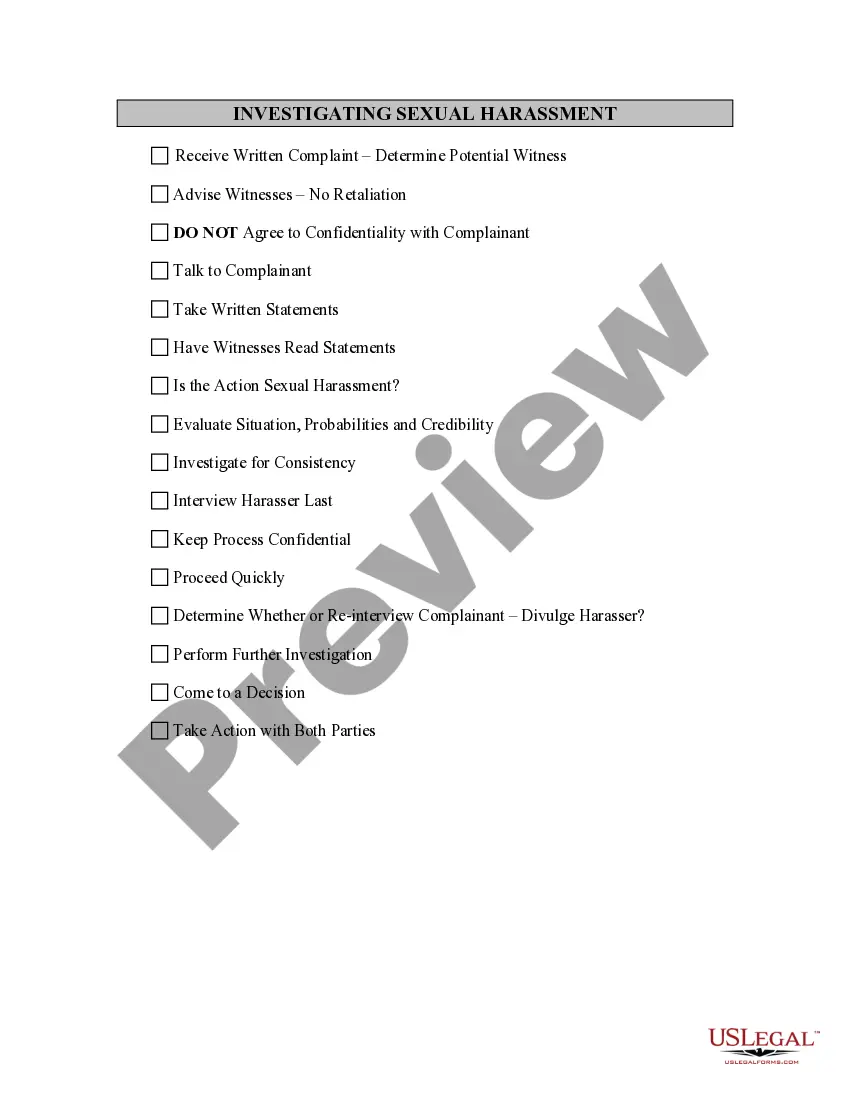
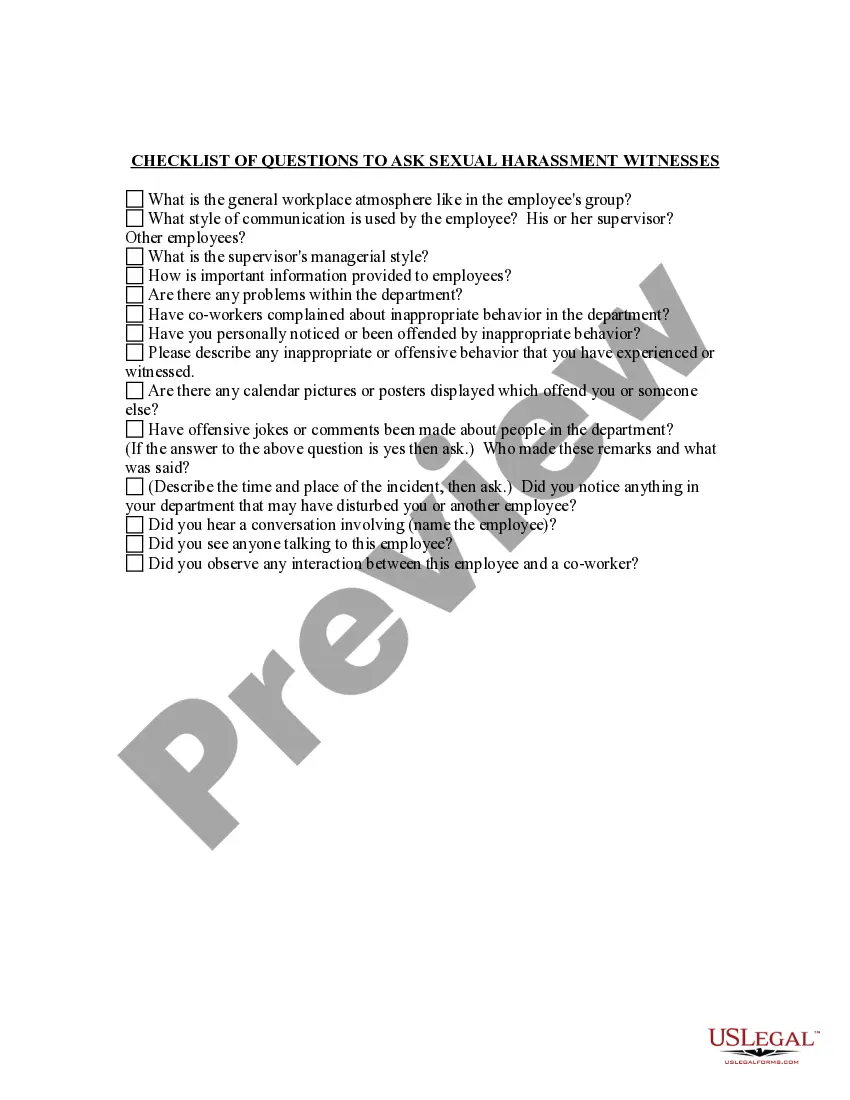
When you report harassment, HR takes the matter seriously and initiates an investigation. They will likely conduct interviews with you, the accused, and potential witnesses to gather more information. It is vital that employees feel supported during this process, and effective workplace harassment training for employees can empower HR to handle these situations with care and professionalism.