Salaried Employment
Description
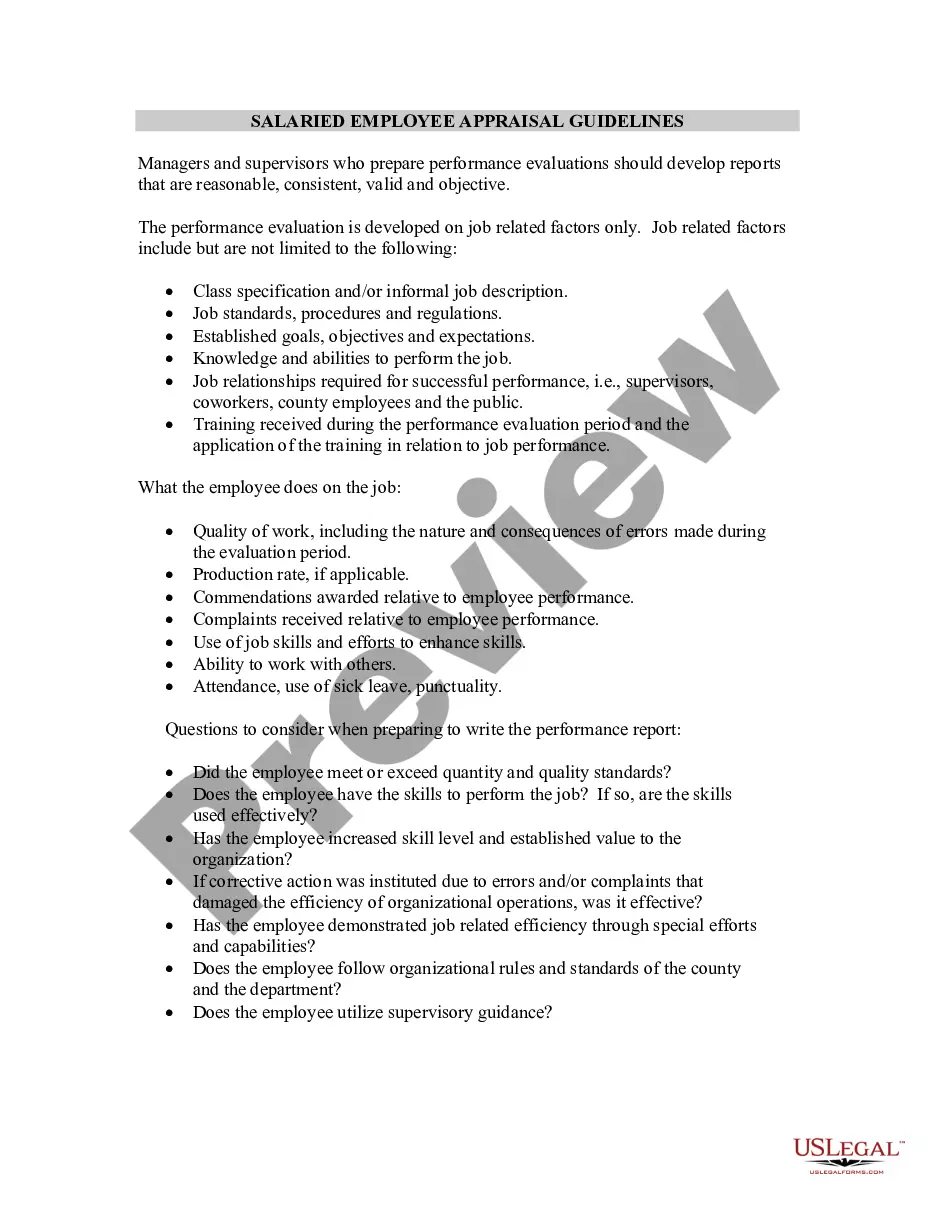
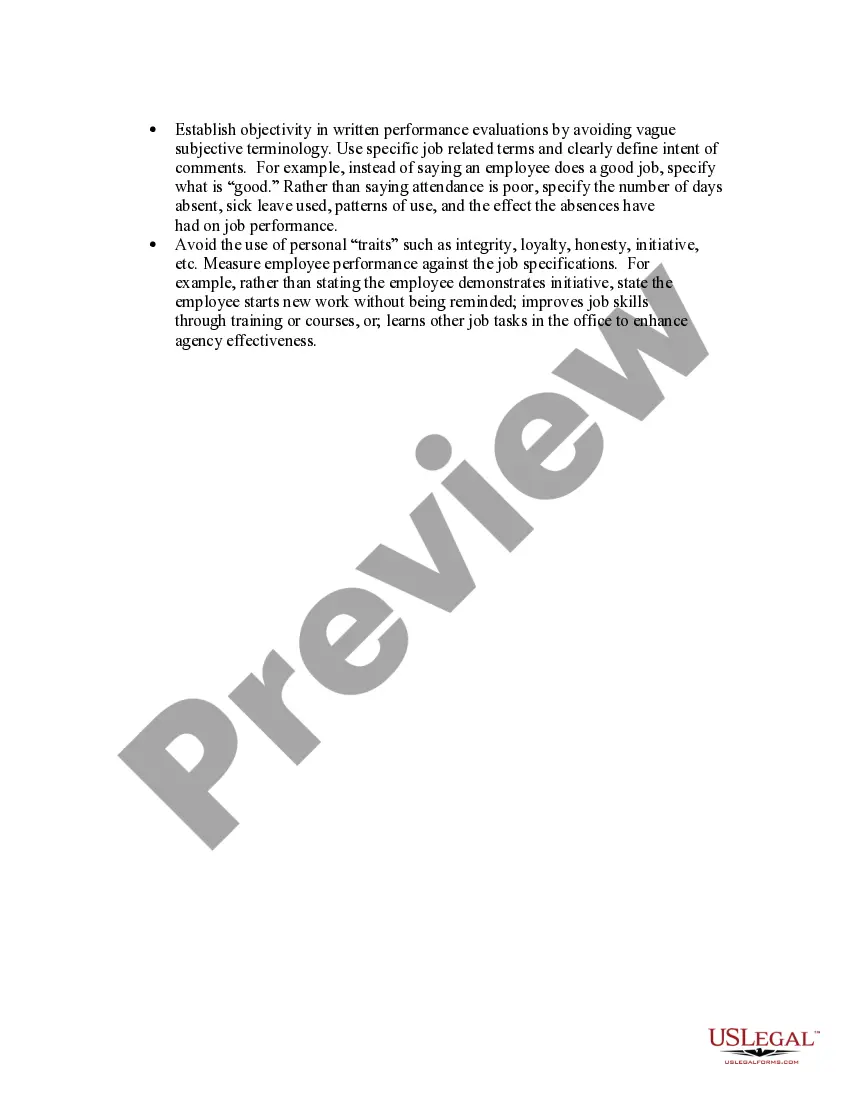
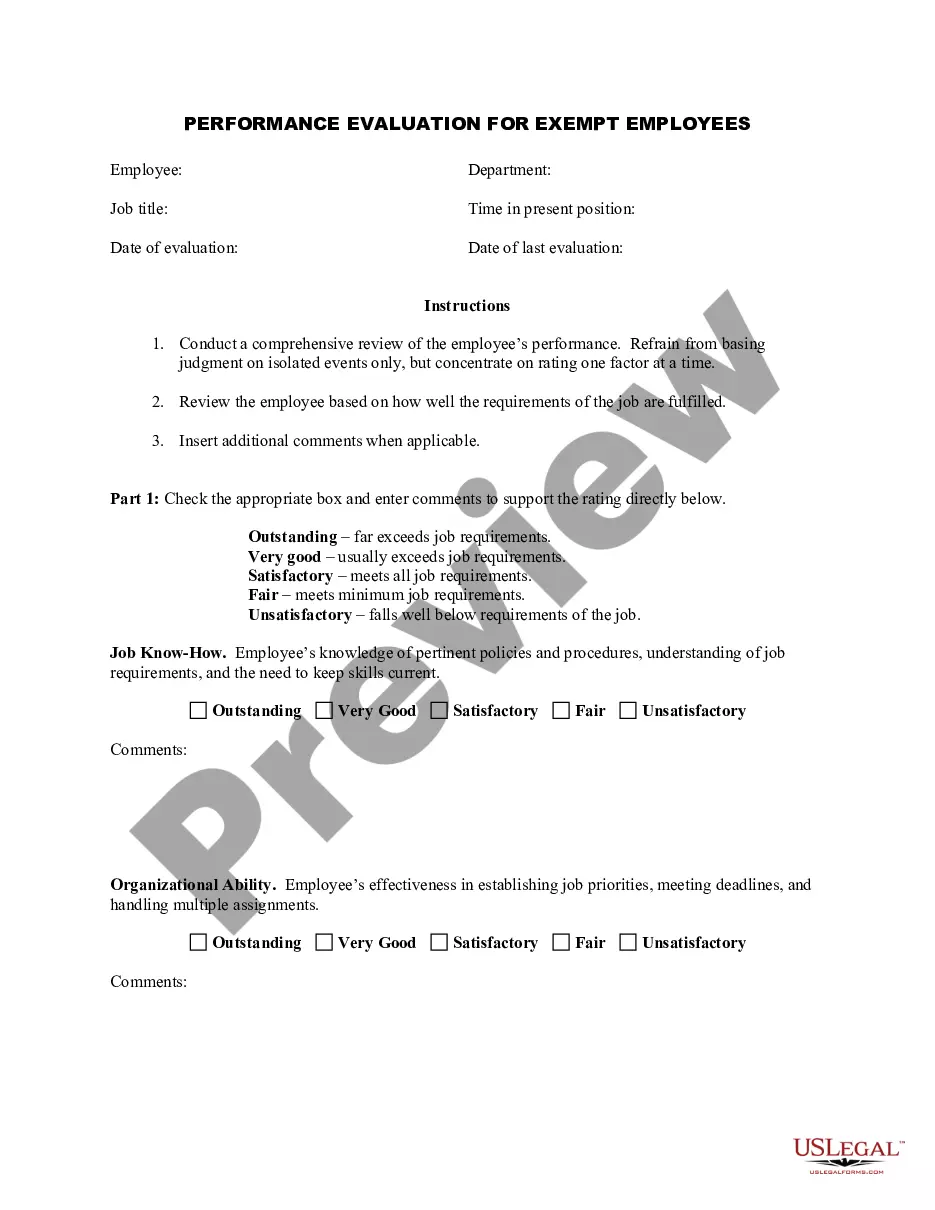
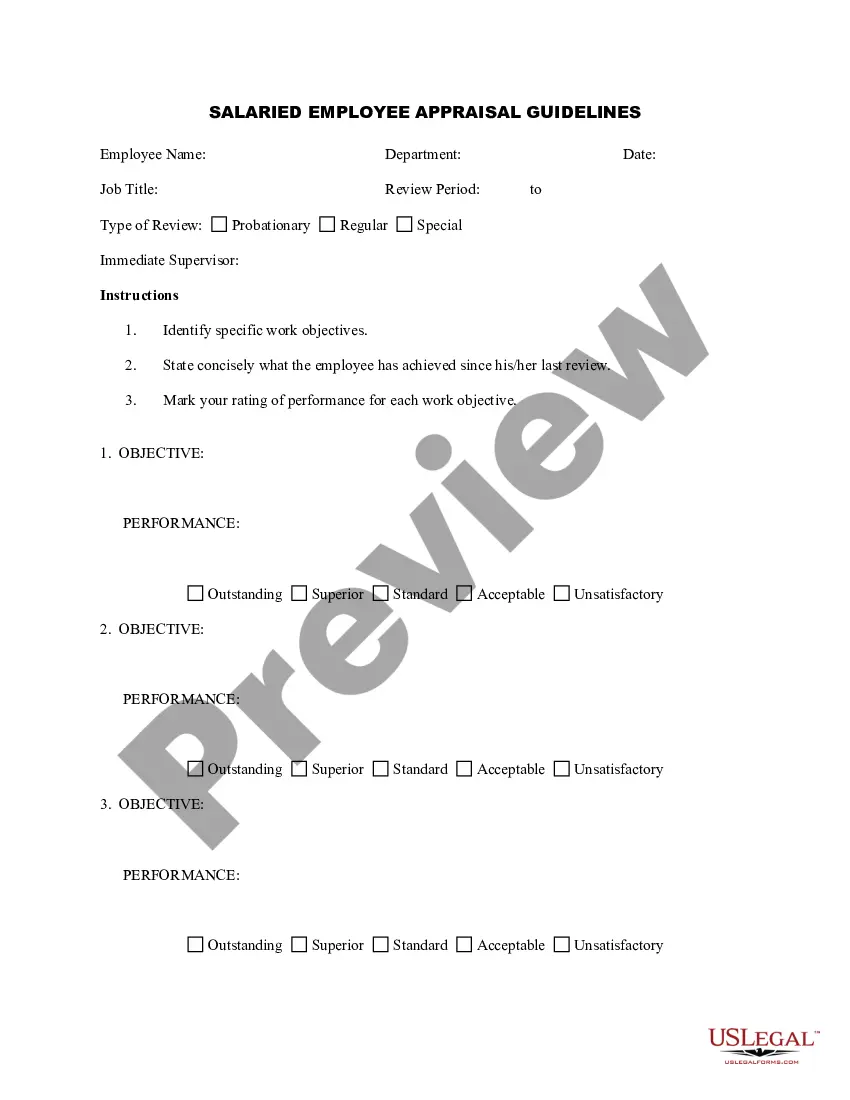
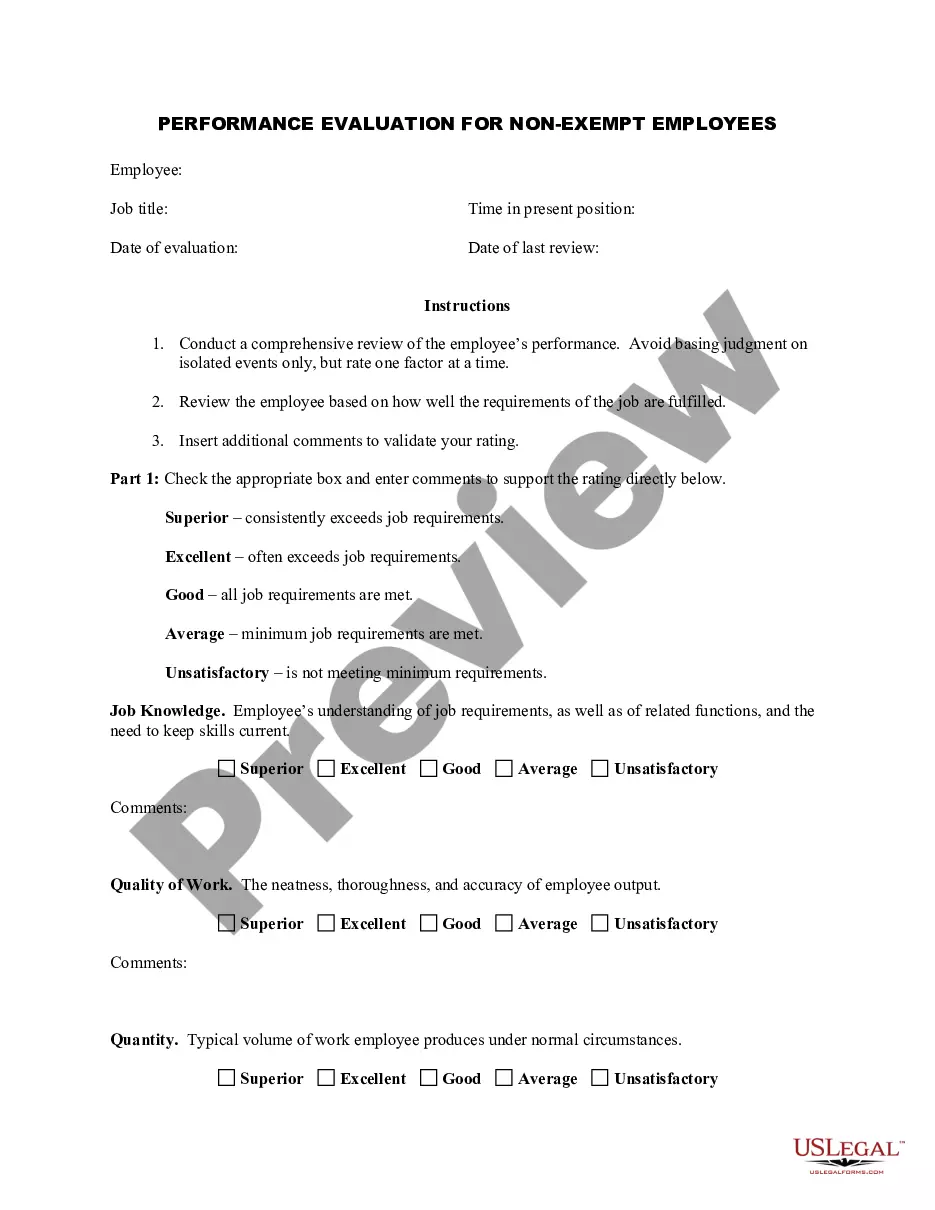





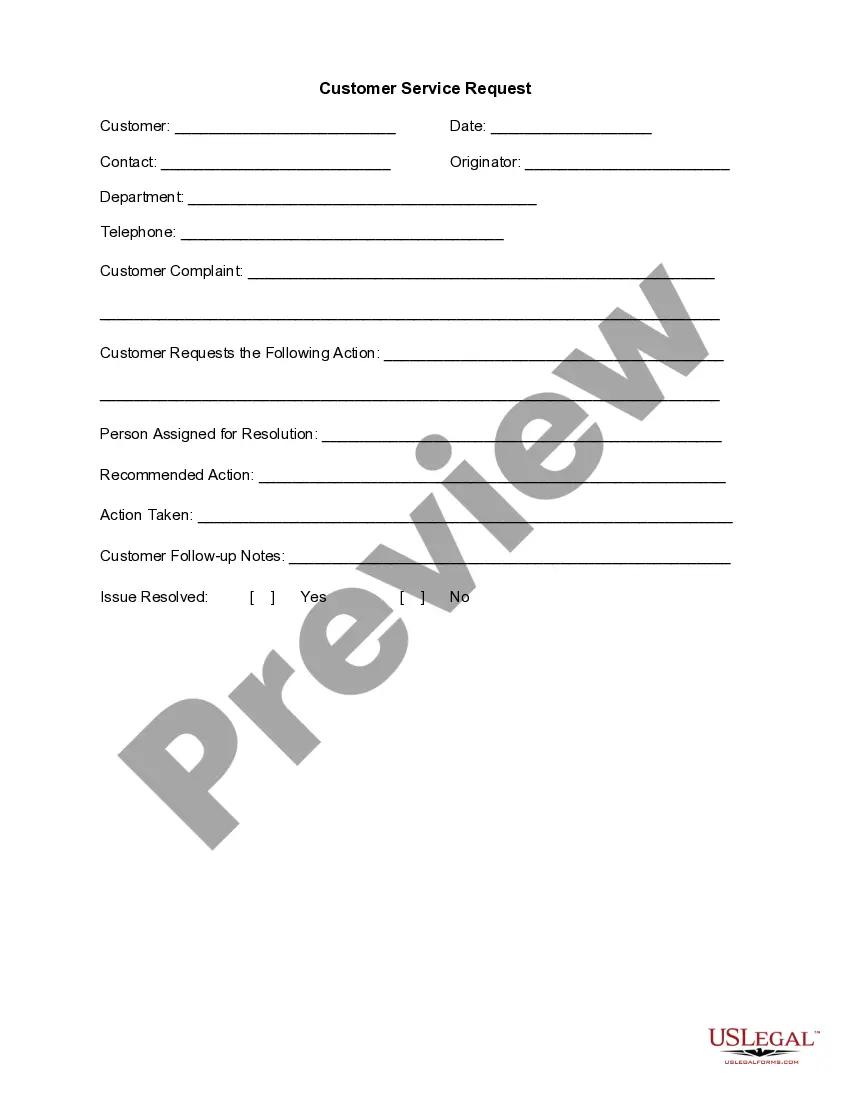
How to fill out Salaried Employee Appraisal Guidelines - General?
- Log in to your US Legal Forms account if you're an existing user, ensuring your subscription is active.
- If this is your first time, begin by reviewing the preview mode and the form descriptions to select the correct document for your needs.
- Utilize the Search feature to find additional templates if necessary, making sure they align with your local jurisdiction requirements.
- Select the document you need and click on the Buy Now button to choose a suitable subscription plan.
- Enter your payment details using your credit card or PayPal to complete the purchase.
- Once your purchase is confirmed, download the form to your device, which you can access anytime in the My Forms section of your profile.
US Legal Forms not only offers a robust collection of over 85,000 editable legal forms, but it also provides access to premium experts who can assist with completing these documents accurately. This service ensures that users are equipped with precise and legally sound paperwork.
With US Legal Forms, managing your salaried employment paperwork is streamlined and efficient. Start your journey today to experience the benefits of a comprehensive legal form library.
Form popularity
FAQ
Salaried employees are generally not subject to specific maximum work hours like hourly workers. However, the Fair Labor Standards Act (FLSA) does not limit hours for exempt employees but requires that these employees receive their full salary, regardless of hours worked. Companies often set standard expectations, but actual hours can fluctuate depending on project demands. To navigate work expectations effectively, consider using resources that clarify labor laws, such as the US Legal Forms platform.
One disadvantage of salaried employment is the expectation to work beyond typical hours without additional compensation. While the stable income is appealing, the potential for extended work hours can lead to burnout if not managed correctly. Moreover, salaried employees may have less control over their schedules compared to hourly workers. It’s crucial to evaluate whether this trade-off aligns with your personal circumstances.
While salaried employees are often expected to work around 40 hours per week, their actual hours can vary. Some may work longer hours during peak projects or deadlines. This flexibility can sometimes be a benefit, as it allows for adjustments based on workload. However, it is essential to manage work hours to maintain a healthy work-life balance.
A salaried employee typically holds a professional role, such as a manager, engineer, or educator. These positions often come with a fixed annual salary rather than hourly wages. For instance, a project manager overseeing a team will receive a set salary regardless of the number of hours worked weekly. This structure allows for greater focus on project outcomes rather than time logged.
Salaried positions can be found across a wide range of industries and roles. Common examples include management, engineering, IT, and administrative jobs. Many professionals in skilled trades and specialized fields also enjoy the benefits of salaried employment, which often provides them with greater job security and financial stability.
To be classified as salaried, an employee usually holds a position that requires a certain level of responsibility and skill. Most salaried roles are not strictly time-based but focus on completing project goals and tasks. Employers often appreciate the predictability of salaried employment, as it allows for easier budgeting and planning.
When considering a transition to salaried employment, approach your employer with a clear rationale. Present the advantages of a salary structure for both you and the company, focusing on stability and commitment. Schedule a formal meeting to calmly discuss your proposal, ensuring you express your dedication to contributing positively to the organization.
To secure a salary paying job, start by tailoring your resume and cover letter to highlight your skills and experiences. Networking can also play a crucial role; connect with professionals in your industry through events or online platforms. Consider applying for positions that specifically advertise salaried employment to increase your chances of landing a job that meets your financial needs.
Salaried employment can often lead to different work hour expectations. While many salaried employees may work around 40 hours a week, others might find themselves working more, depending on their role and employer. It's important to have a clear understanding of your job requirements and discuss them with your employer to set appropriate work-life boundaries.
If you only made $5,000 from salaried employment, you may not be required to file taxes, depending on your overall financial situation and other income sources. However, even if your earnings are below the filing threshold, it is worth considering filing to claim a refund for any taxes withheld or credits you may qualify for. Always consult a tax advisor for clarity on your specific situation.