Notice With Respect To Certain Per- And Polyfluoroalkyl Substances (pfas)
Description
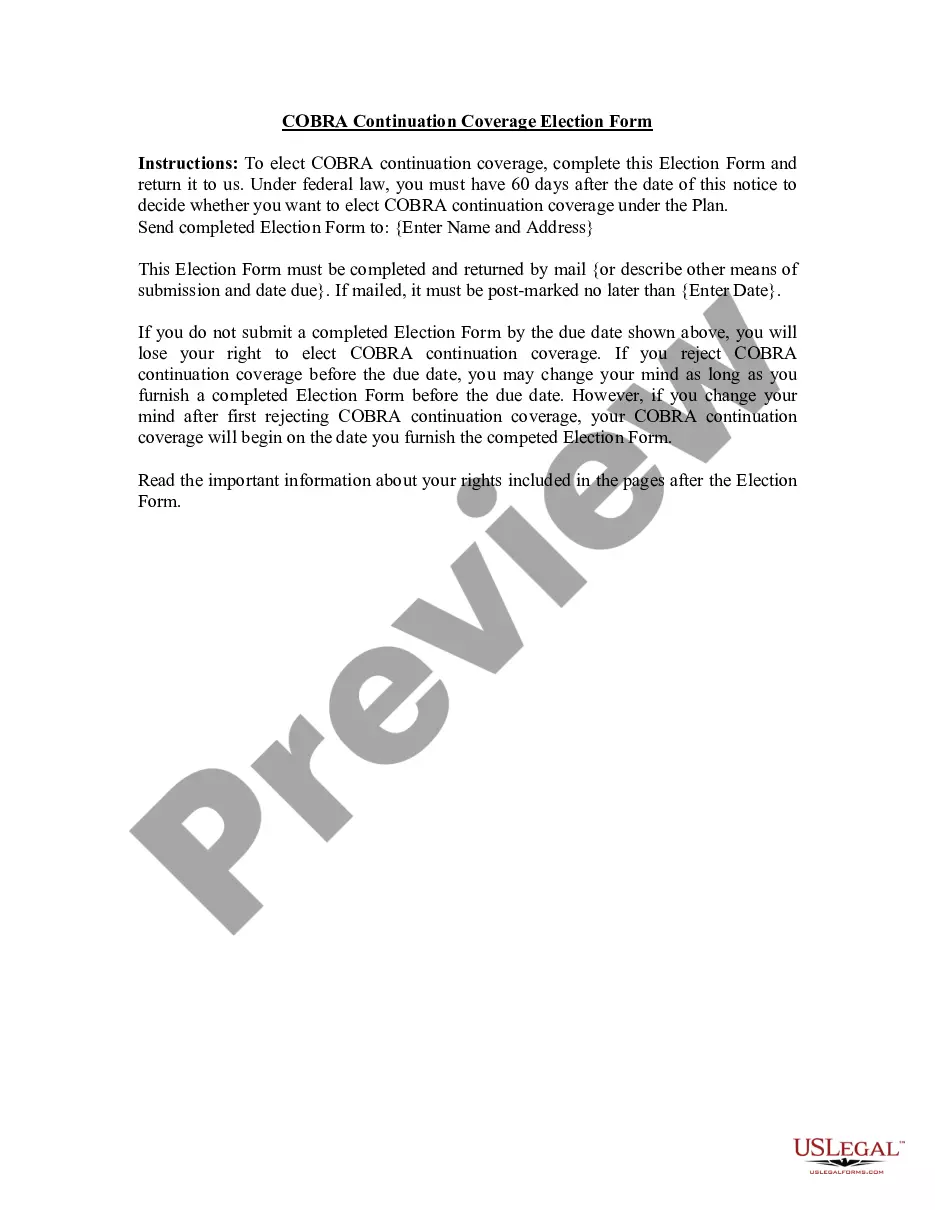
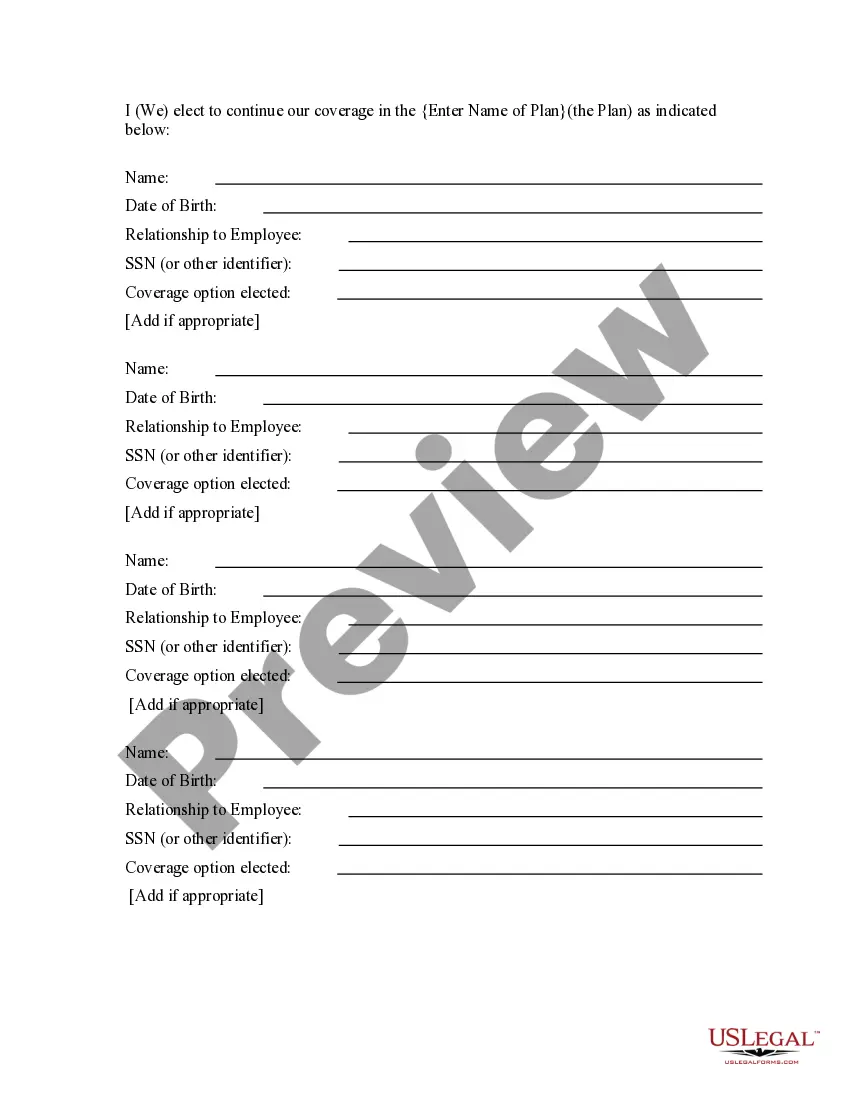
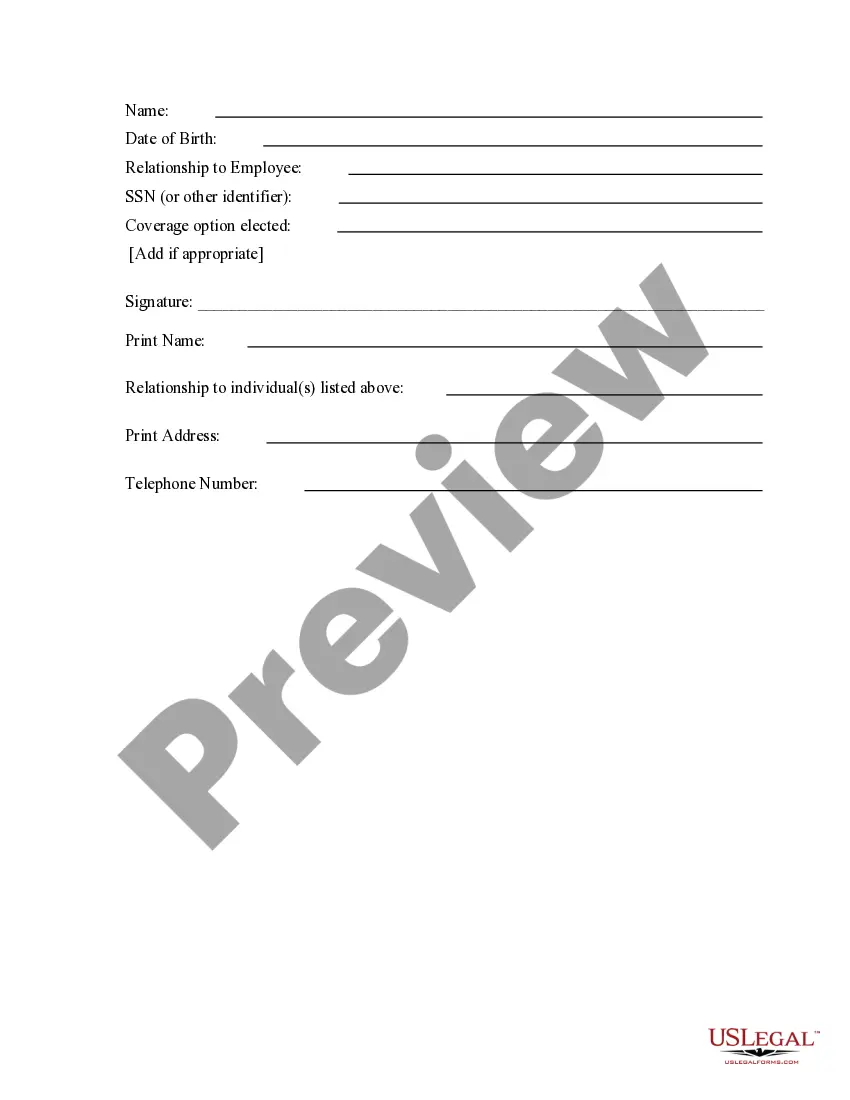
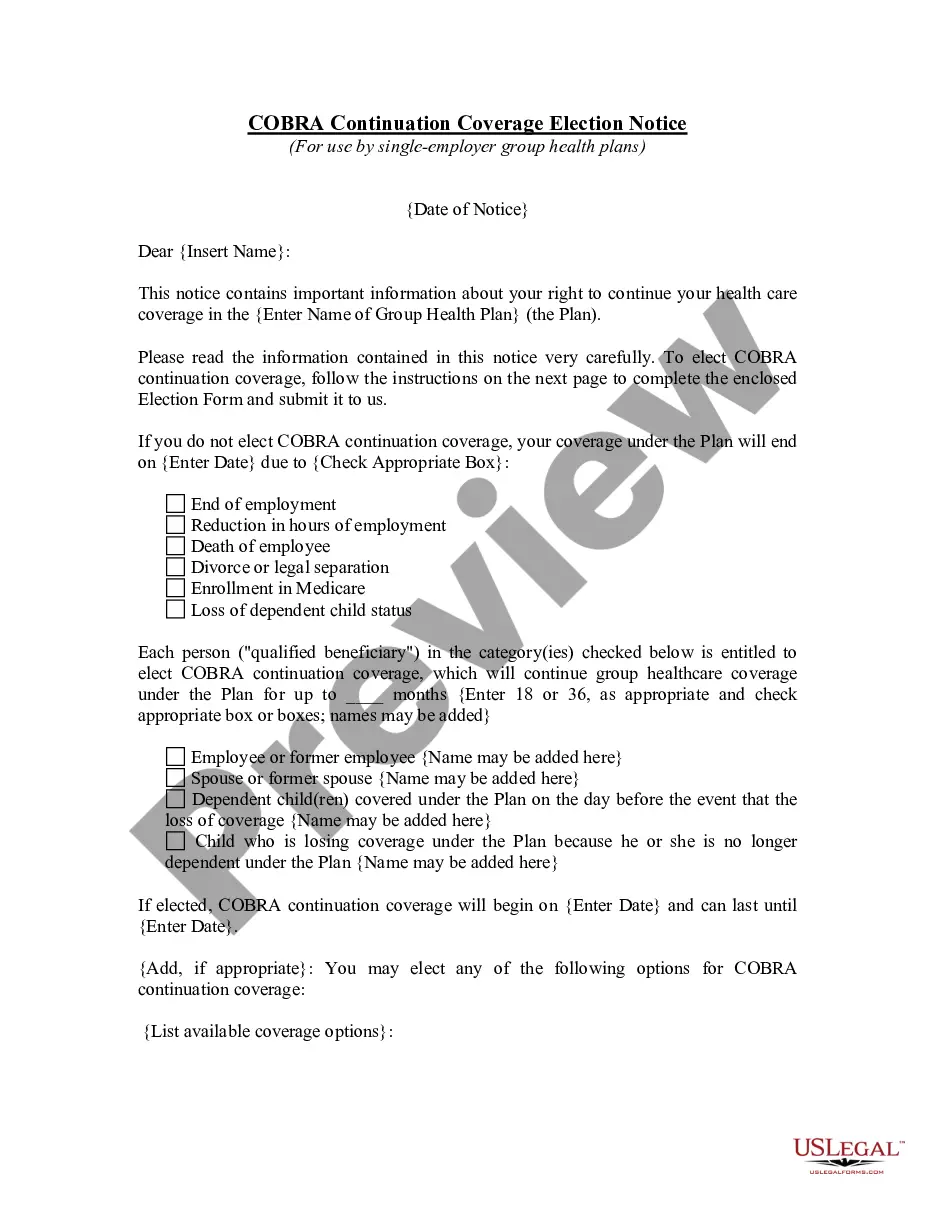
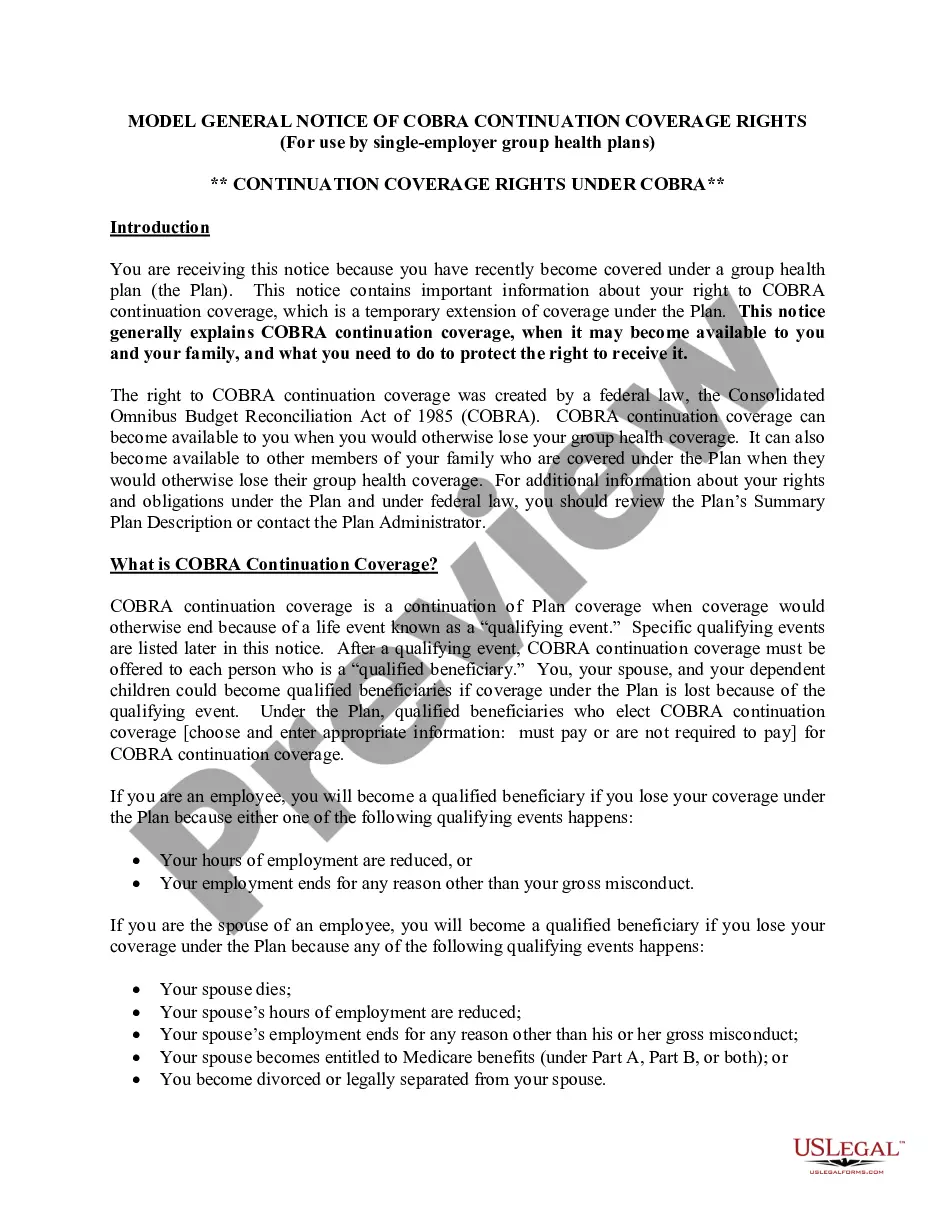
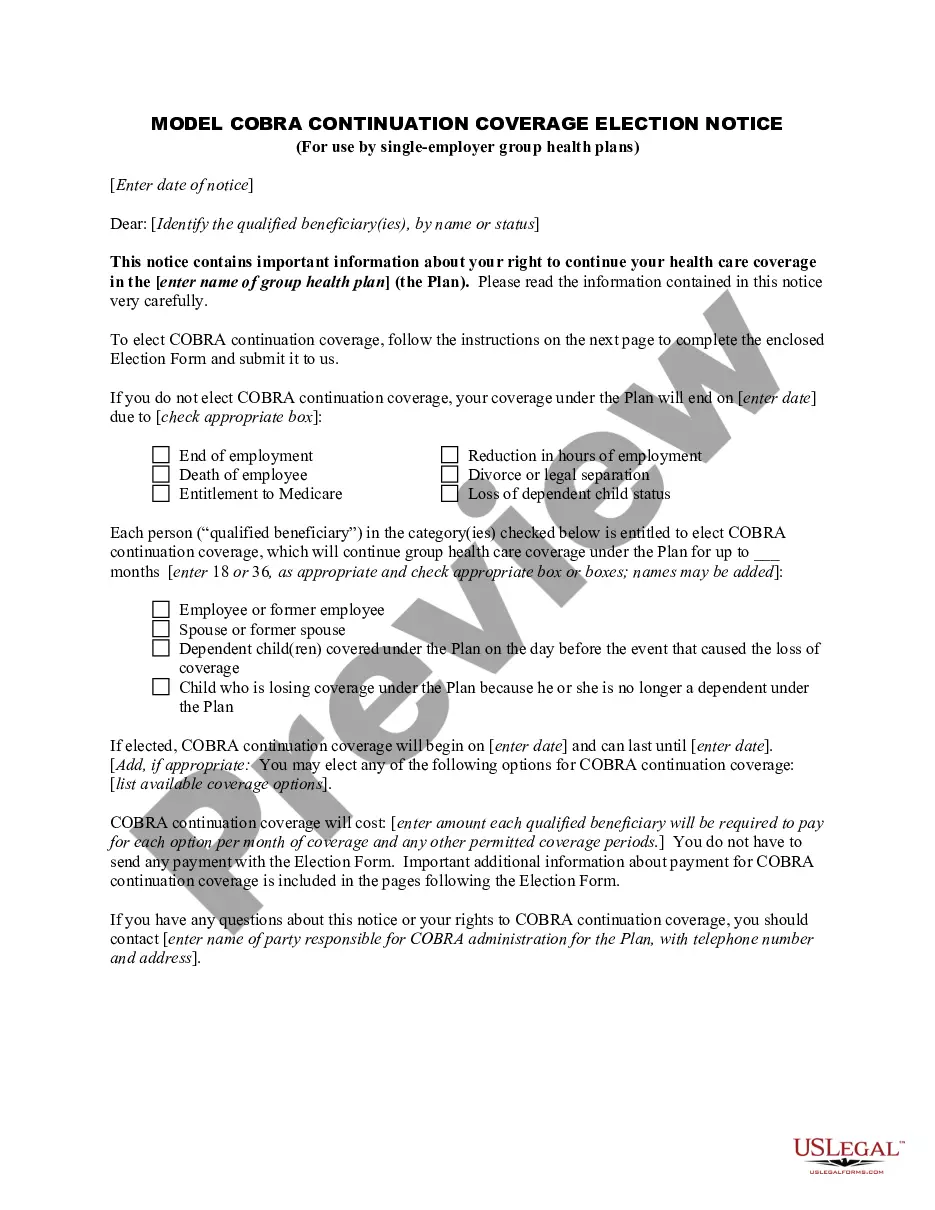


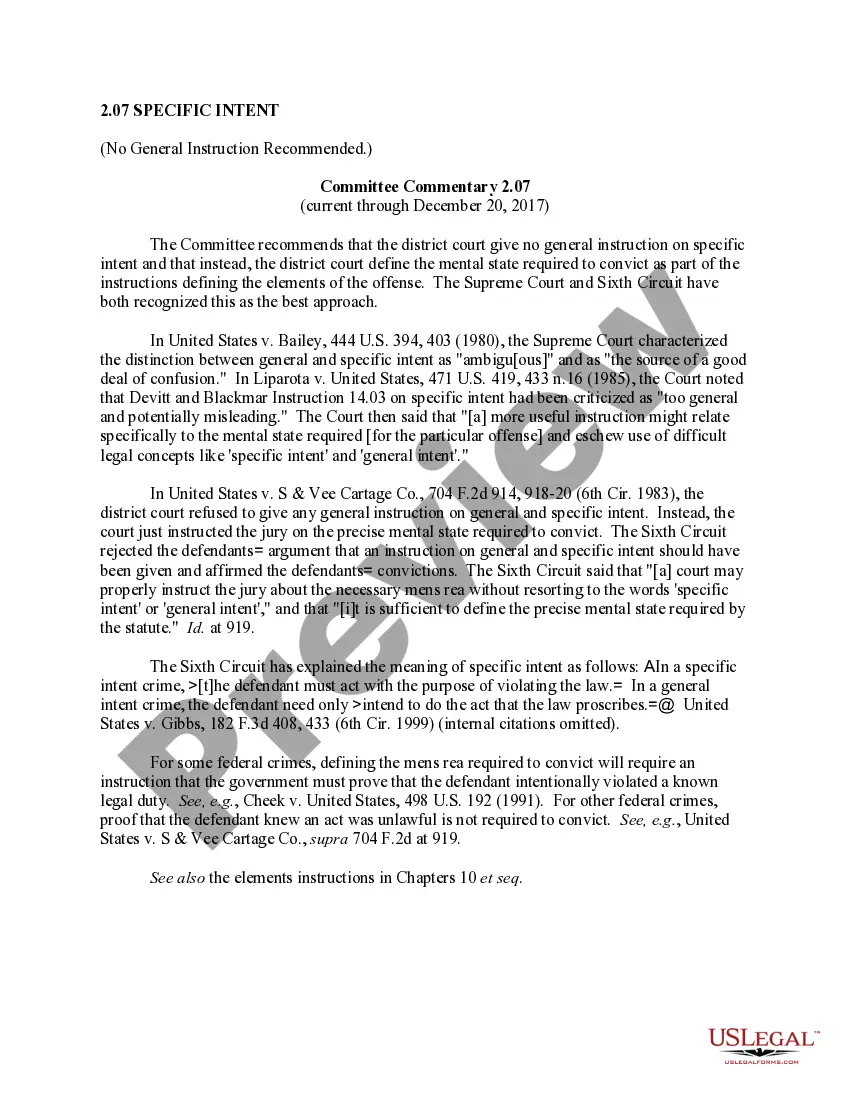
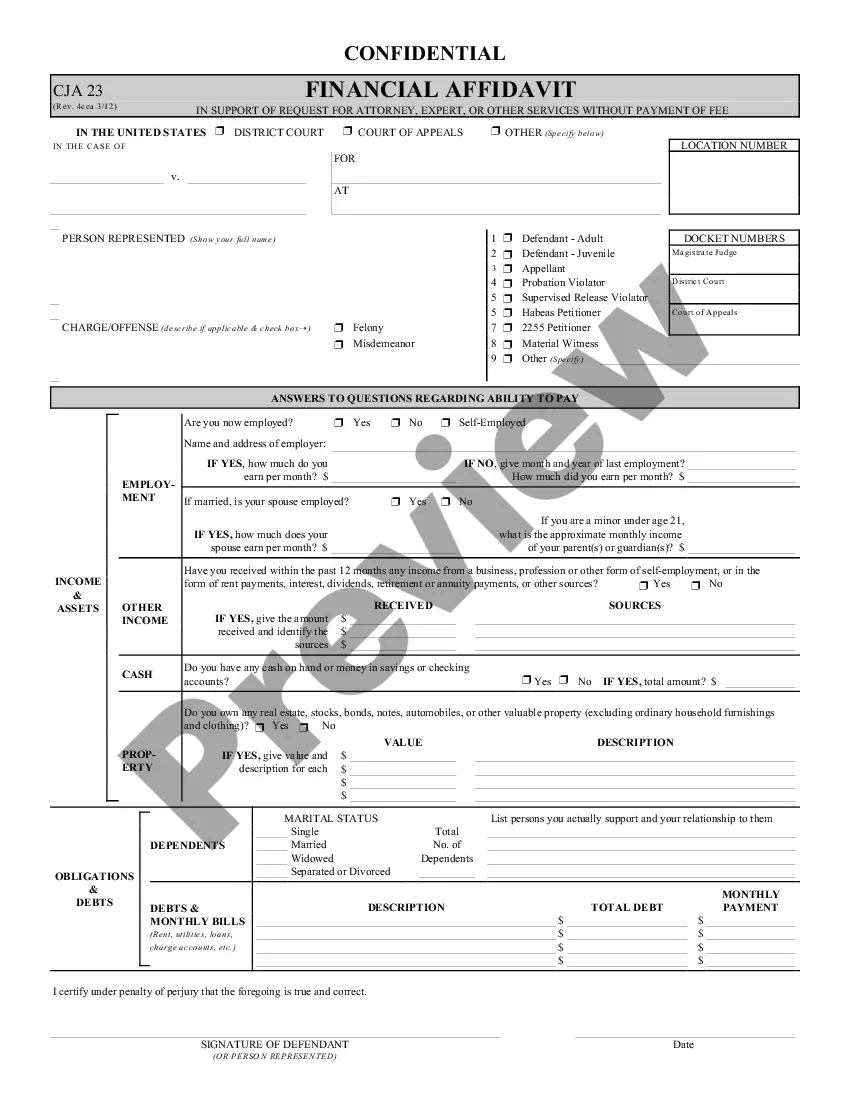
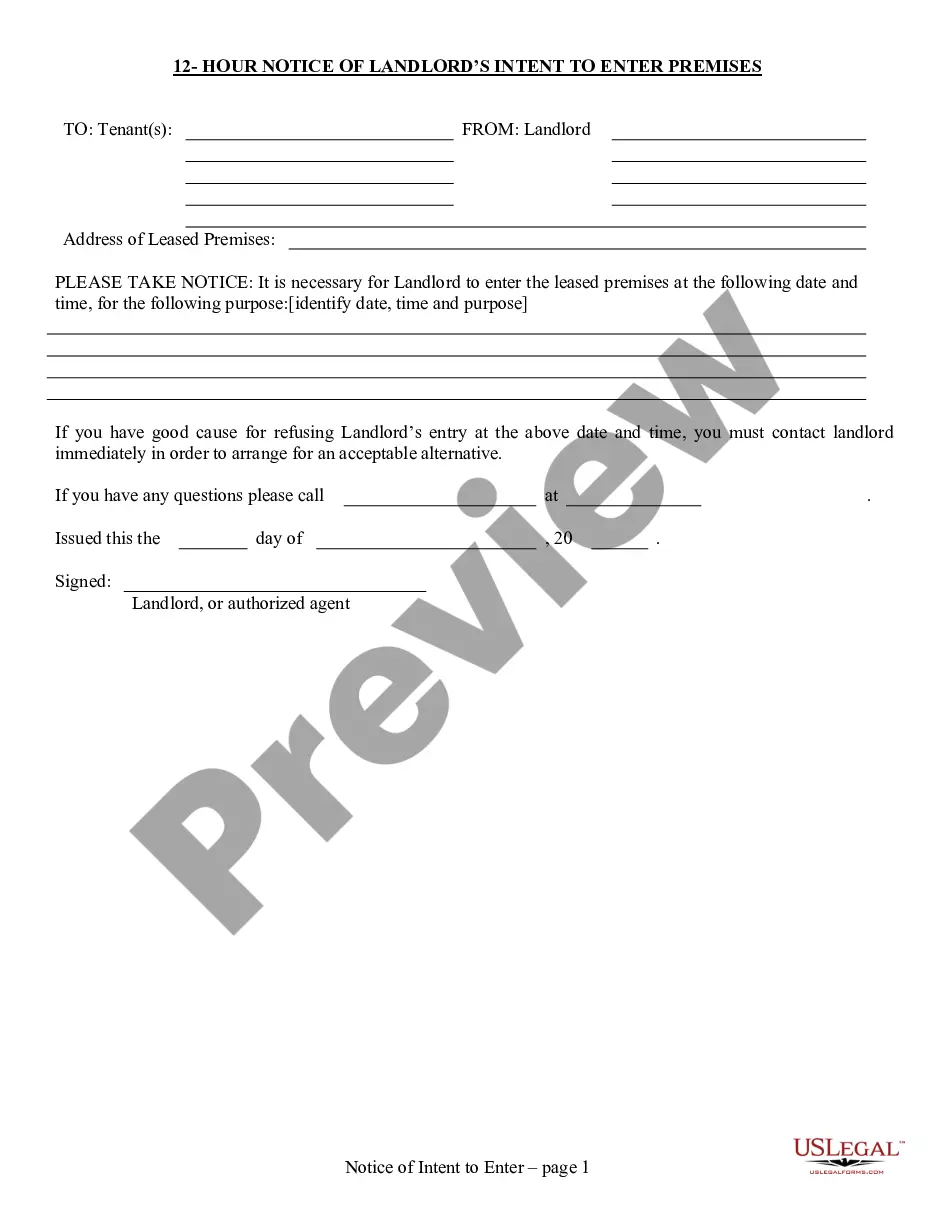
How to fill out COBRA Continuation Coverage Election Form?
- If you are a returning user, log in to your account and ensure your subscription is active before downloading the form template you need.
- For first-time users, start by checking the Preview mode and form description. Make sure the template you select aligns with your requirements and meets local jurisdiction standards.
- If adjustments are necessary, utilize the Search tab above to locate the right form that fits your needs.
- Proceed to purchase the document by clicking the Buy Now button. Select your desired subscription plan and create an account to access a wealth of resources.
- Complete your purchase by entering your payment information, either through credit card or PayPal.
- Finally, download your form and save it to your device. You can also revisit it anytime in the My Forms menu of your profile.
In conclusion, US Legal Forms empowers users to navigate the legal documentation process efficiently, providing access to a robust collection of forms and expert support. No matter your legal needs, using this service ensures you have the proper tools at your disposal.
Get started today and experience the ease of securing legally sound documents with US Legal Forms!
Form popularity
FAQ
The difference between per and poly PFAS lies in their chemical structure. Per PFAS contains carbon-fluorine bonds that are fully saturated, making them more stable and potentially more harmful. Poly PFAS, on the other hand, are partially fluorinated and generally less persistent in the environment. Understanding these distinctions helps consumers and policymakers address the risks associated with these substances effectively, and UsLegalForms can offer legal insights to support your inquiries.
PFAS, or per- and polyfluoroalkyl substances, are man-made chemicals used in various industries for their resistance to heat, water, and oil. These substances are prevalent in products like nonstick cookware, waterproof fabrics, and food packaging. However, they raise significant environmental and health concerns due to their persistence and potential toxicity. To navigate the legal implications around PFAS, explore UsLegalForms for supportive documentation and insights.
Eliminating PFAS from your body requires a proactive approach including filtration systems and dietary changes. Drinking filtered water can reduce exposure, while consuming a balanced diet rich in fruits and vegetables may help your body detoxify. Regular health check-ups will also support your well-being as you work on minimizing toxins. For thorough guidance and documentation regarding health risks, UsLegalForms can provide valuable resources.
Per and polyfluoroalkyl substances, often found in makeup, are chemicals that provide products with water and smudge resistance. These substances contribute to the longevity of makeup but raise concerns about potential health effects. Awareness of these PFAS in cosmetics allows consumers to make informed choices for their health. Consider using UsLegalForms to understand your rights regarding product safety and labeling.
The new EPA rule for PFAS focuses on regulating specific per- and polyfluoroalkyl substances in drinking water. This rule mandates lower acceptable levels for these harmful chemicals. By enforcing stricter guidelines, the EPA aims to ensure public safety and reduce health risks associated with PFAS exposure. You can find further details and compliance requirements with the help of legal resources like UsLegalForms.
The acceptable limit of PFAS varies by jurisdiction and specific substance, but regulatory authorities often set these limits to protect public health and the environment. Organizations and industries must stay updated on these thresholds to ensure compliance. Knowing the acceptable limit enables businesses to mitigate risks associated with PFAS exposure. Utilizing the USLegalForms platform can aid in navigating these regulations more effectively.
Per- and polyfluoroalkyl substances both refer to a group of man-made chemicals, yet they differ primarily in their molecular structure. Perfluoroalkyl substances contain fully fluorinated carbon chains, making them highly resistant to degradation, while polyfluoroalkyl substances contain partially fluorinated chains with varying degrees of stability. Understanding this distinction is crucial for businesses dealing with these substances. This knowledge enhances compliance efforts and informs safety practices surrounding the use of PFAS.
The reportable quantity for PFAS is defined by the volume of these substances that must be reported to the EPA. Knowing this quantity ensures that businesses comply with environmental regulations. When companies report the necessary quantities, it adds crucial data to EPA's efforts to track and manage PFAS use. Therefore, staying informed about what qualifies as reportable quantity aids in risk management and compliance.
The reporting threshold for PFAS indicates the specific levels at which manufacturers must report their use and manufacture of these substances. Generally, if a business produces or imports PFAS in amounts that exceed the threshold, they must notify the EPA. This requirement is pivotal for maintaining environmental safety and informing regulatory measures. Understanding the threshold helps companies strategically manage their chemical production responsibly.
The reportable amount refers to the minimum quantity of PFAS that triggers the requirement for reporting under the PFAS TSCA rule. Typically, manufacturers must report substances produced in amounts exceeding certain thresholds. By understanding the reportable amount, businesses can ensure they meet their compliance obligations. This notice with respect to certain per- and polyfluoroalkyl substances (PFAS) helps industries maintain transparency concerning their chemical use.