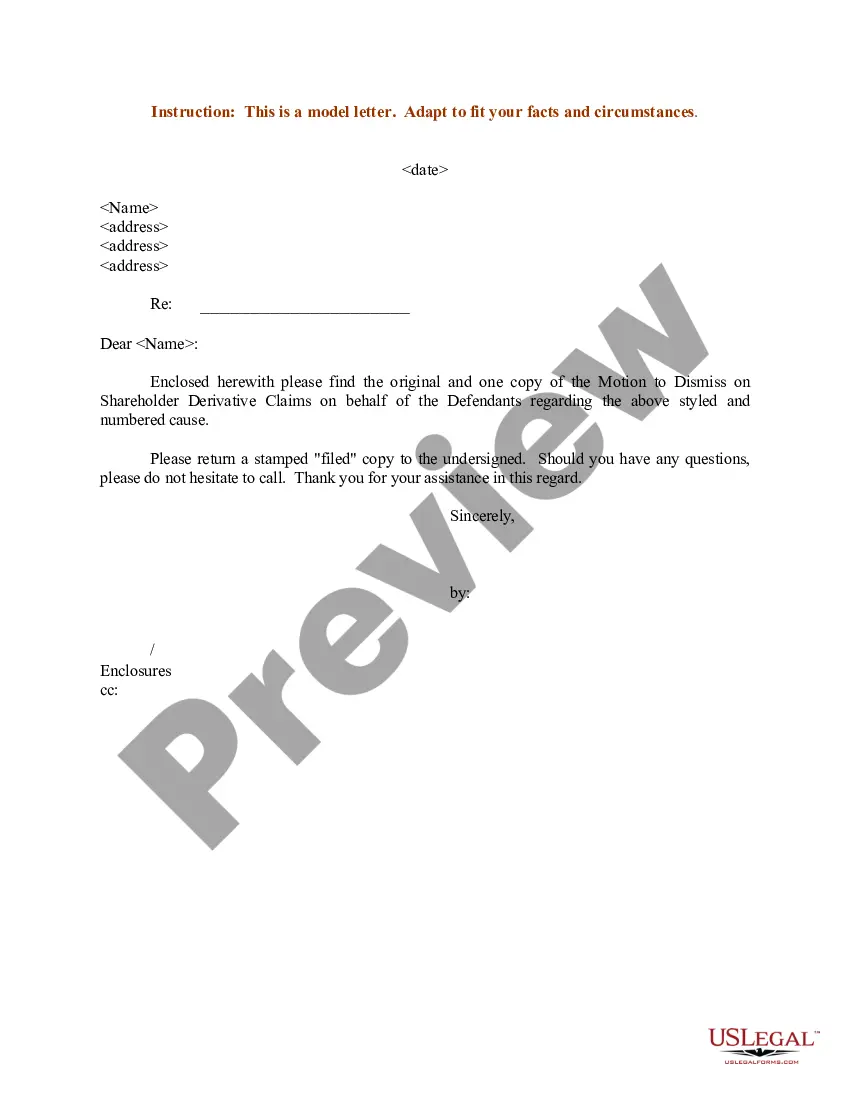
Derivative Claims In Texas
Description
Get your form ready online
Our built-in tools help you complete, sign, share, and store your documents in one place.
Make edits, fill in missing information, and update formatting in US Legal Forms—just like you would in MS Word.
Download a copy, print it, send it by email, or mail it via USPS—whatever works best for your next step.
Sign and collect signatures with our SignNow integration. Send to multiple recipients, set reminders, and more. Go Premium to unlock E-Sign.
If this form requires notarization, complete it online through a secure video call—no need to meet a notary in person or wait for an appointment.
We protect your documents and personal data by following strict security and privacy standards.

Make edits, fill in missing information, and update formatting in US Legal Forms—just like you would in MS Word.

Download a copy, print it, send it by email, or mail it via USPS—whatever works best for your next step.

Sign and collect signatures with our SignNow integration. Send to multiple recipients, set reminders, and more. Go Premium to unlock E-Sign.

If this form requires notarization, complete it online through a secure video call—no need to meet a notary in person or wait for an appointment.

We protect your documents and personal data by following strict security and privacy standards.
Looking for another form?
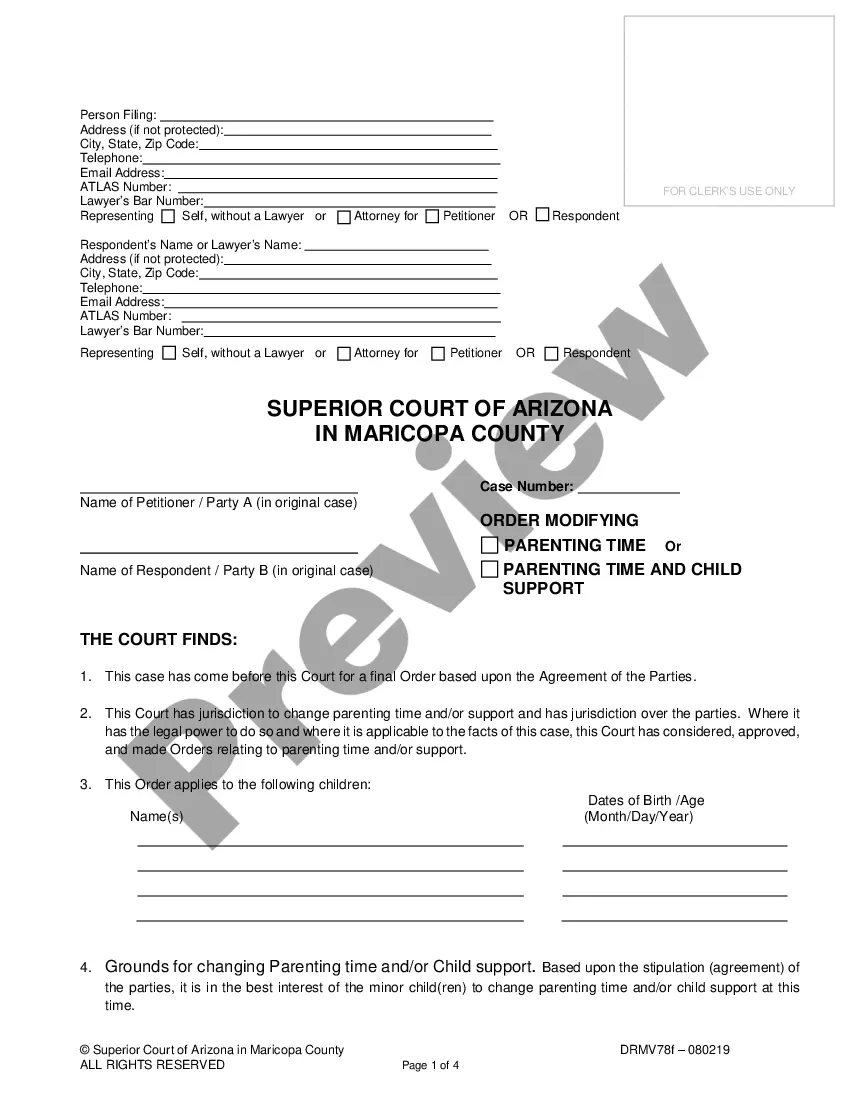
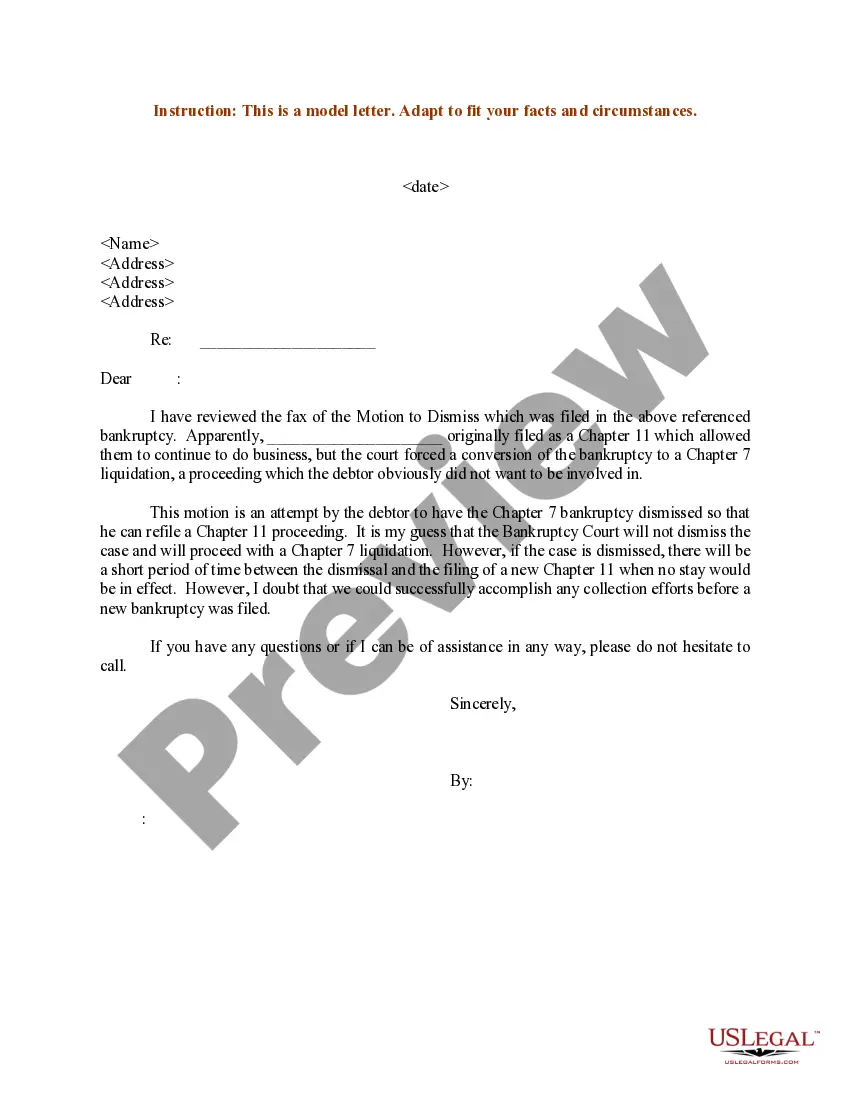
How to fill out Sample Letter Regarding Motion To Dismiss On Shareholder Derivative Claims?
It’s clear that you cannot become a legal expert instantaneously, nor can you learn how to swiftly draft Derivative Claims In Texas without a specialized background.
Developing legal documents is a lengthy process that necessitates specific education and abilities. So why not entrust the creation of the Derivative Claims In Texas to the professionals.
With US Legal Forms, one of the most comprehensive legal document repositories, you can discover everything from court documents to templates for internal corporate correspondence. We understand the significance of compliance and adherence to federal and local regulations.
You can regain access to your forms from the My documents tab at any time. If you’re a current client, simply Log In, and locate and download the template from the same tab.
Regardless of the aim of your documents—whether it’s financial and legal, or personal—our platform has you taken care of. Try US Legal Forms today!
- Begin by finding the form you require using the search bar at the top of the page.
- Preview it (if this feature is available) and review the accompanying description to ascertain whether Derivative Claims In Texas is what you’re seeking.
- Restart your search if you require any other template.
- Sign up for a free account and choose a subscription plan to acquire the template.
- Click Buy now. Once the payment is finalized, you can obtain the Derivative Claims In Texas, fill it out, print it, and send or mail it to the appropriate individuals or organizations.
Form popularity
FAQ
A derivative claim in Texas is a specific type of lawsuit filed by a shareholder against the corporation's directors or officers for misconduct that affects the company. This legal action allows shareholders to step in and seek remedies when the corporation itself does not take action against wrongdoing. Understanding derivative claims in Texas is crucial for shareholders who want to ensure that their rights are upheld and that the company operates effectively.
Derivative claims are legal actions brought by shareholders on behalf of a corporation to address wrongdoings that harm the company. These claims typically arise when the management fails to act in the best interest of the corporation, leading to financial losses. In essence, when shareholders believe their rights are overlooked, they can file derivative claims in Texas to seek justice and protect their investments.
Make a demand in writing requiring the corporation to take suitable action before the action (Generally, a derivative suit can only be filed 90 days after written demand. But it may be initiated ahead of time if a) the corporation rejects the demand, or b) the corporation will suffer irreparable harm if they wait).
There is no requirement to obtain permission to issue a derivative claim but there is such a requirement under s. 261(1) to continue it (also CPR 19.9A). The court's permission must be obtained before any other step is taken in the proceedings.
Commonly, derivative suits allege improper actions by those in charge of the entity including, self-dealing by those in charge, entity mismanagement, or breaches of the duties of loyalty and care owed to the entity and the entity's owners. Direct claims are those seeking redress to the individual directly.
Common law derivative claim process As mentioned above, a claimant must demonstrate a prima facie case and be granted permission from the court to pursue a common law derivative claim and further, the court will apply the same factors in exercising its discretion as for statutory derivative claims.
Nature of the Action A derivative action is a lawsuit brought by a plaintiff shareholder on behalf of the corporation. The plaintiff, suing in a representative capacity, asserts rights belonging to the corporation because the management of the corporation refuses to do so.