Grantor Trust
Description
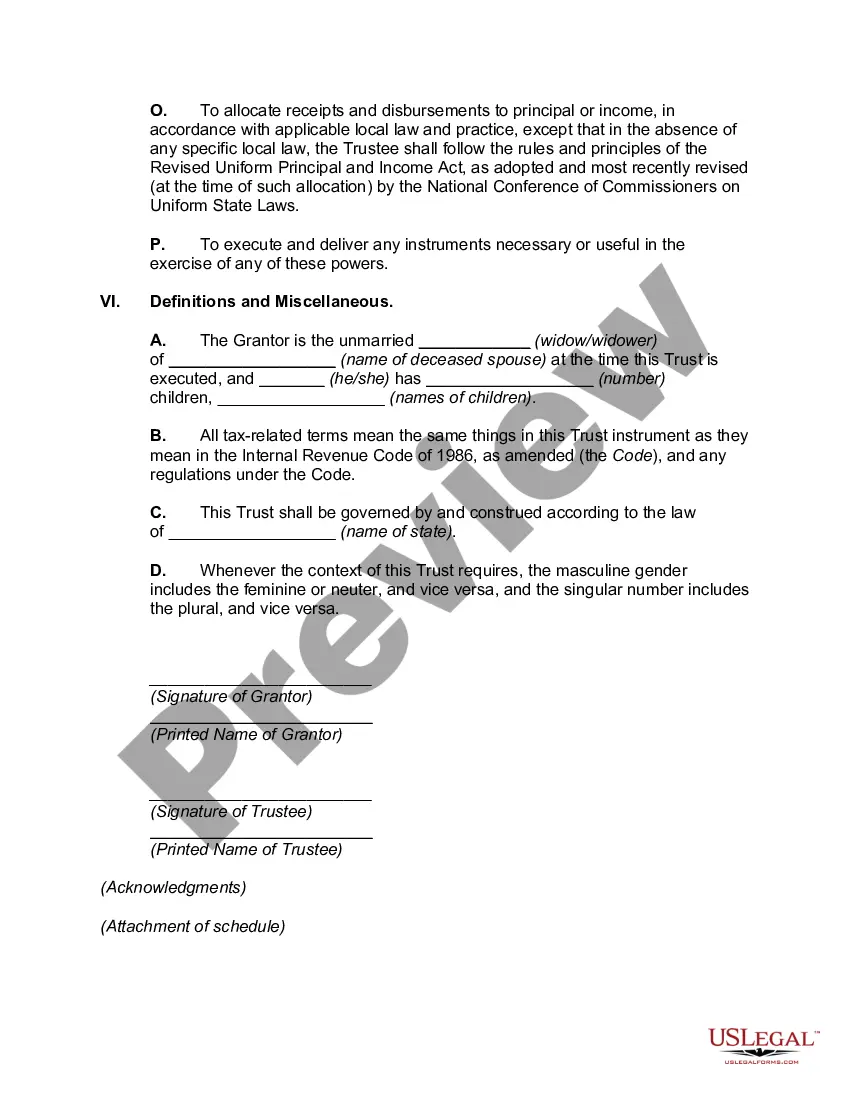
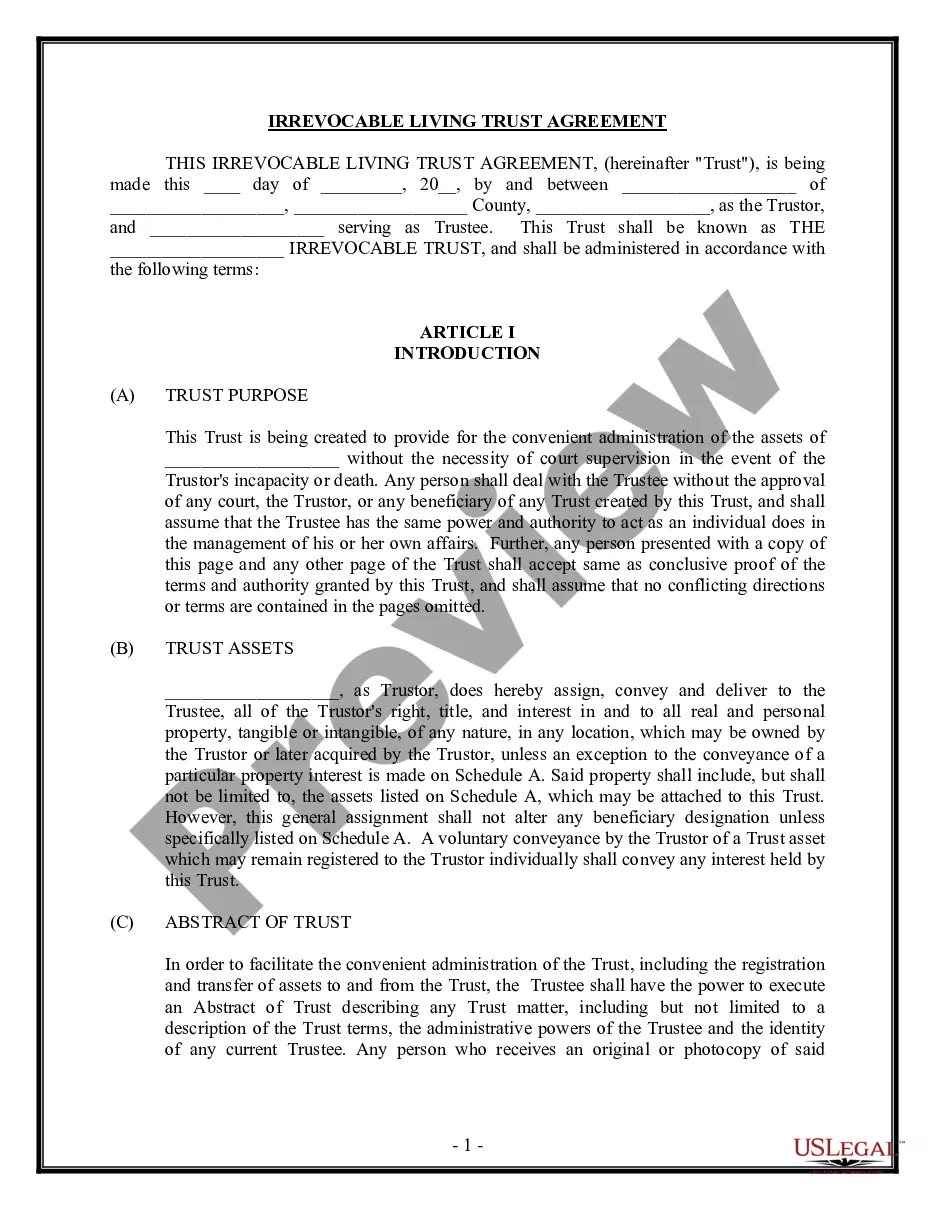
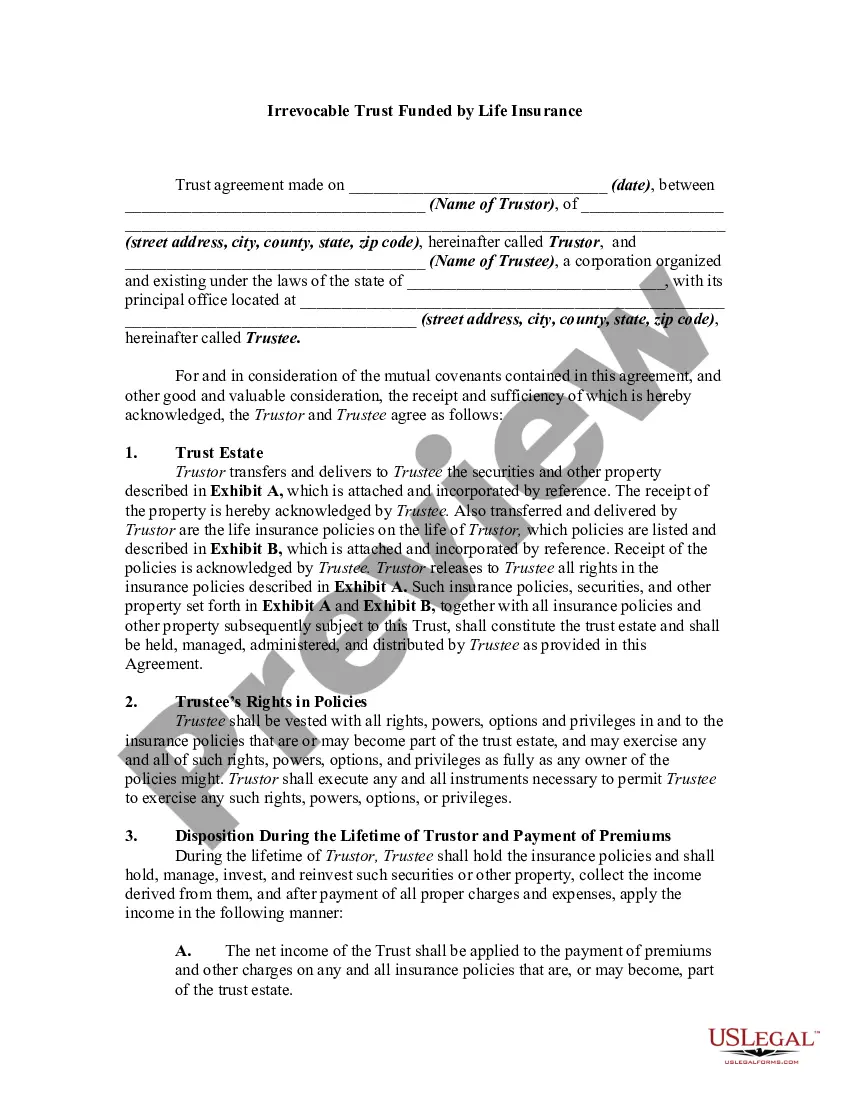
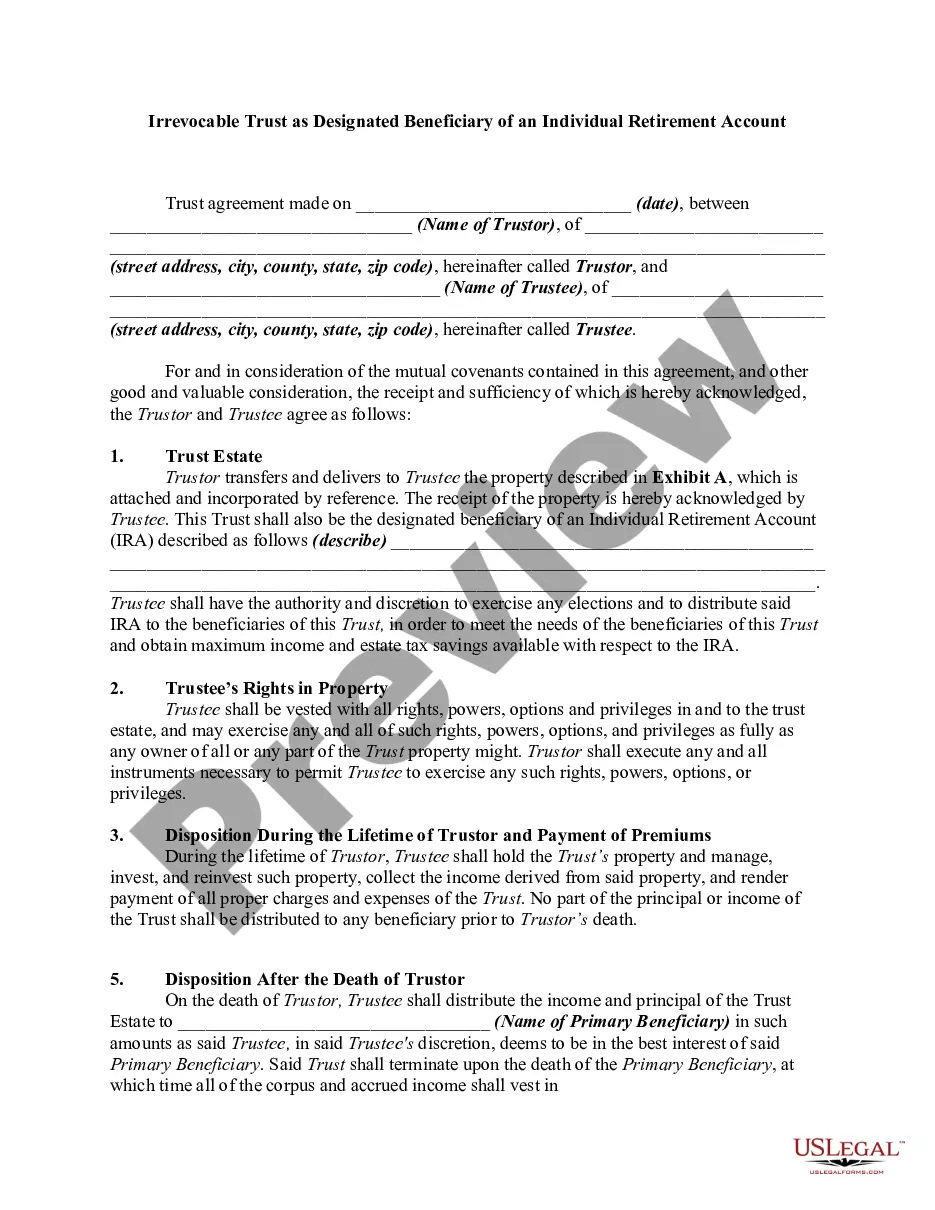
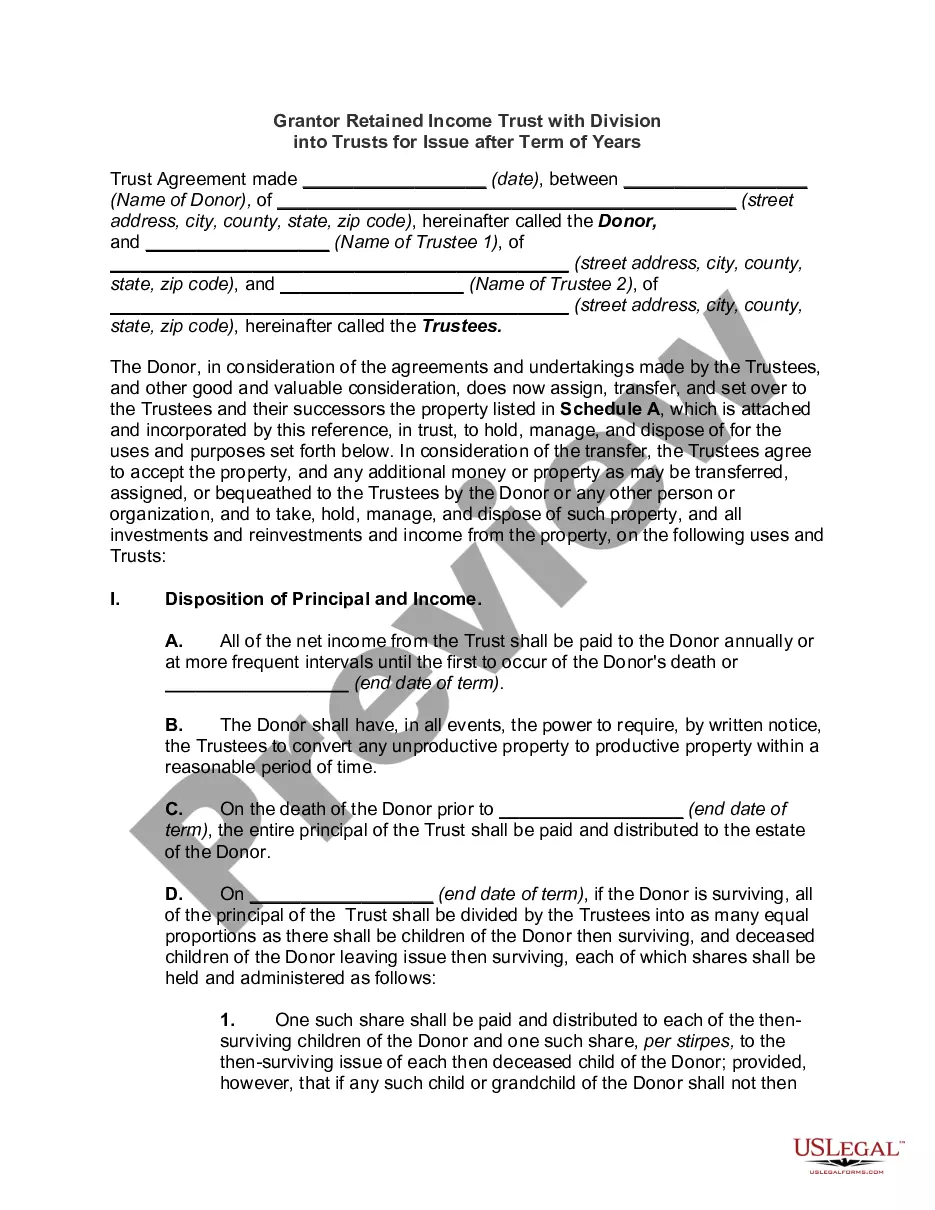
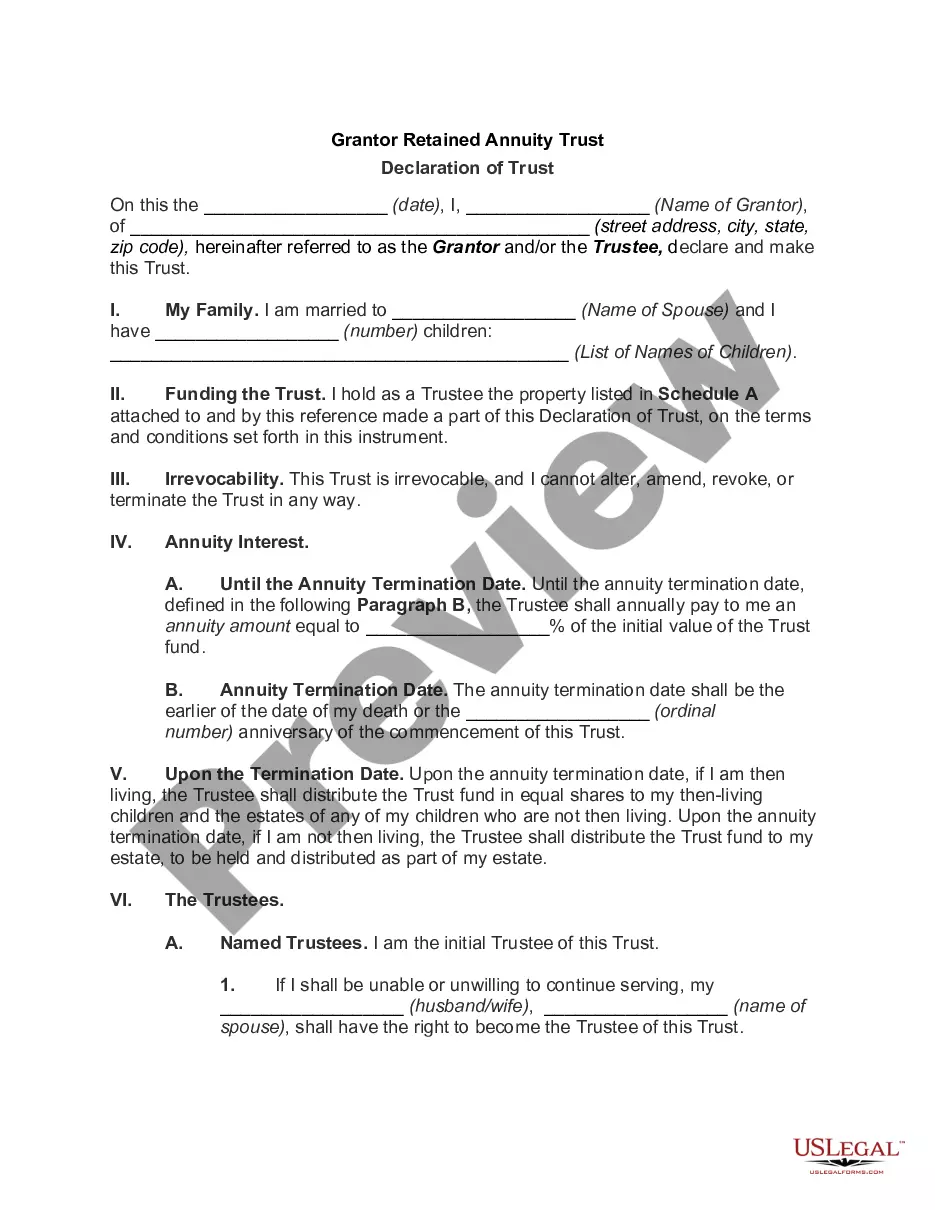
Get your form ready online
Our built-in tools help you complete, sign, share, and store your documents in one place.
Make edits, fill in missing information, and update formatting in US Legal Forms—just like you would in MS Word.
Download a copy, print it, send it by email, or mail it via USPS—whatever works best for your next step.
Sign and collect signatures with our SignNow integration. Send to multiple recipients, set reminders, and more. Go Premium to unlock E-Sign.
If this form requires notarization, complete it online through a secure video call—no need to meet a notary in person or wait for an appointment.
We protect your documents and personal data by following strict security and privacy standards.

Make edits, fill in missing information, and update formatting in US Legal Forms—just like you would in MS Word.

Download a copy, print it, send it by email, or mail it via USPS—whatever works best for your next step.

Sign and collect signatures with our SignNow integration. Send to multiple recipients, set reminders, and more. Go Premium to unlock E-Sign.

If this form requires notarization, complete it online through a secure video call—no need to meet a notary in person or wait for an appointment.

We protect your documents and personal data by following strict security and privacy standards.
Looking for another form?
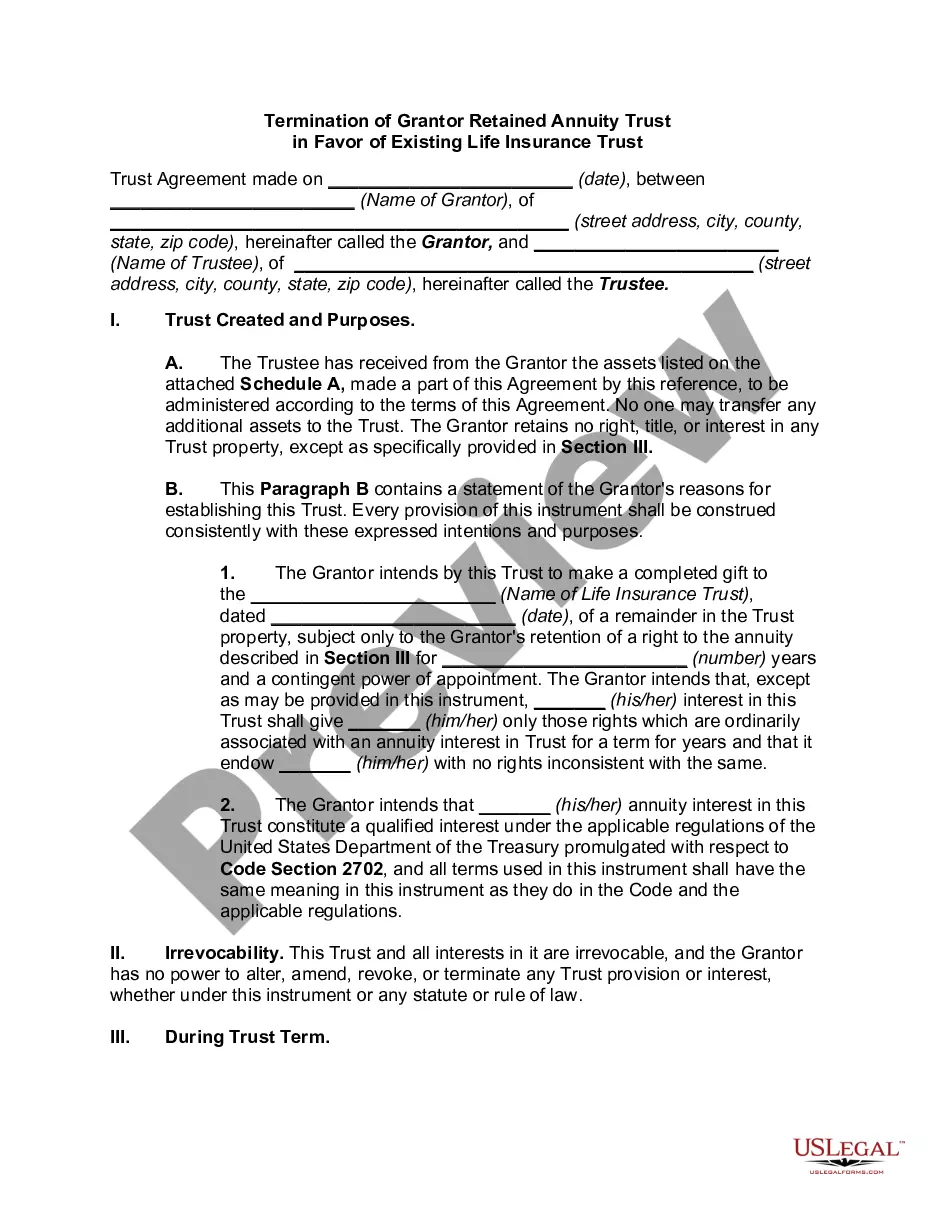
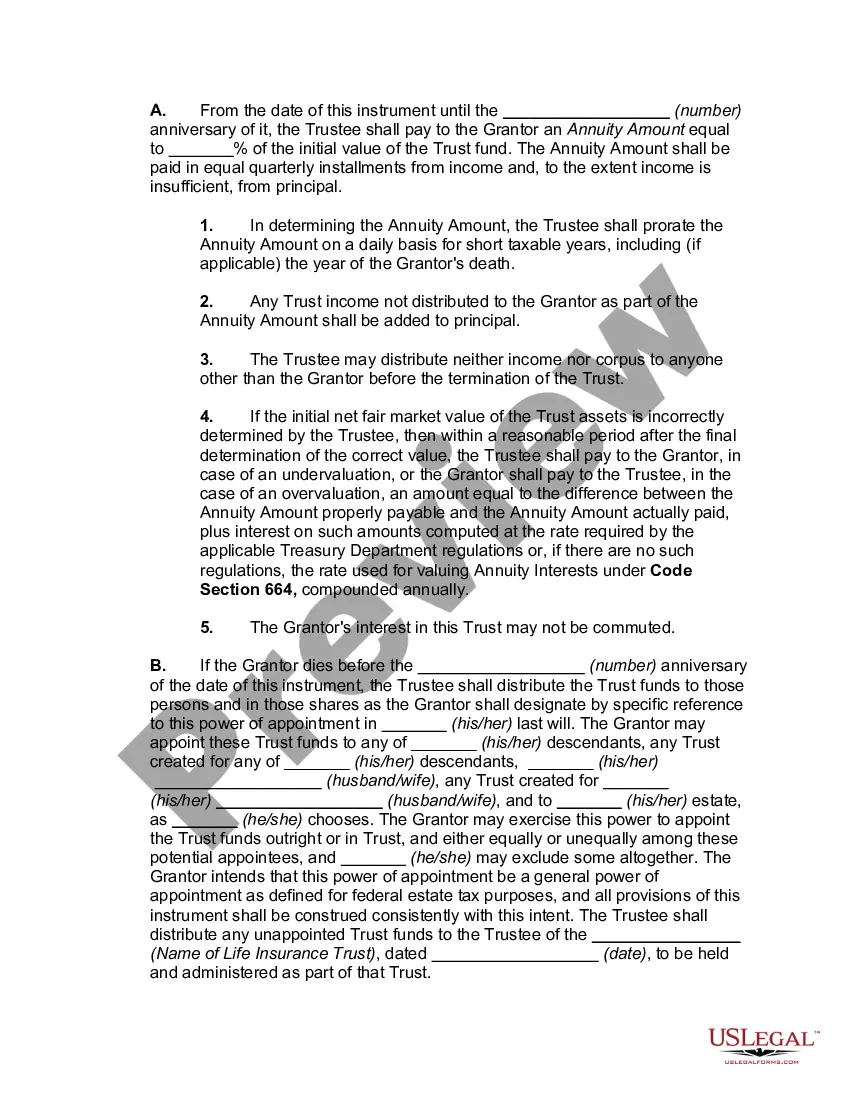
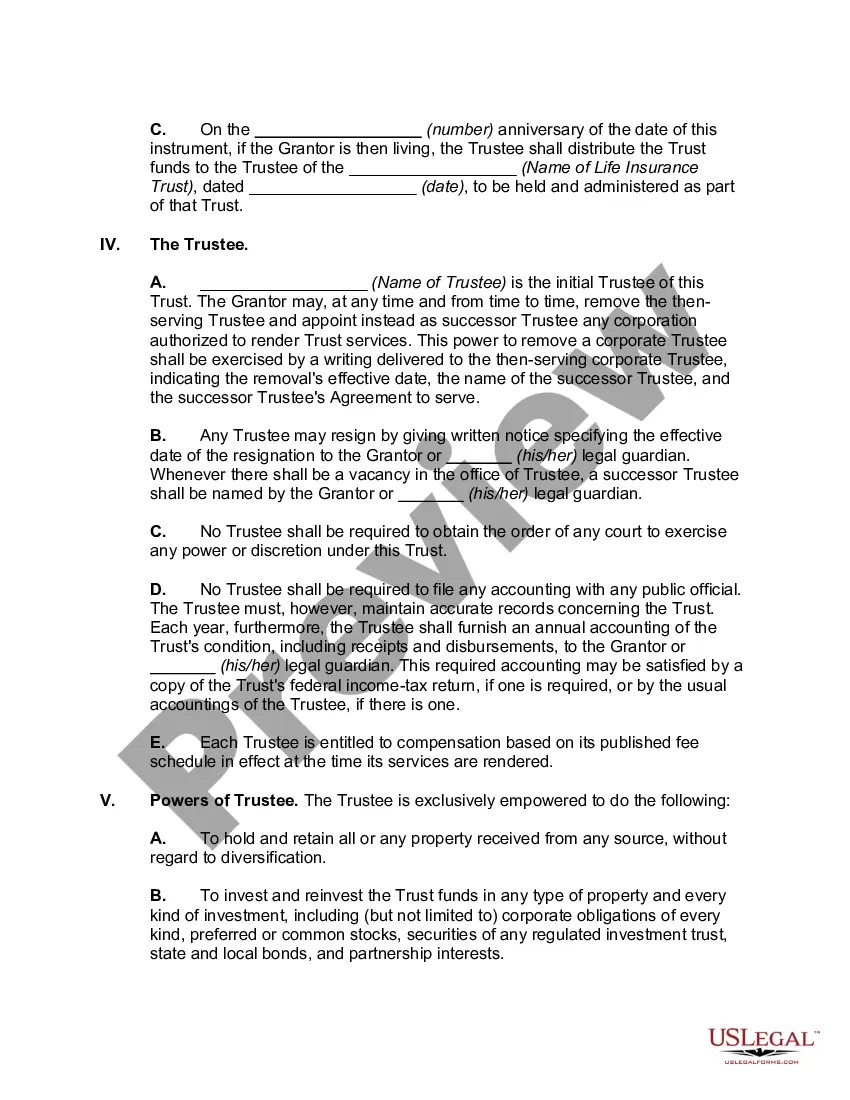
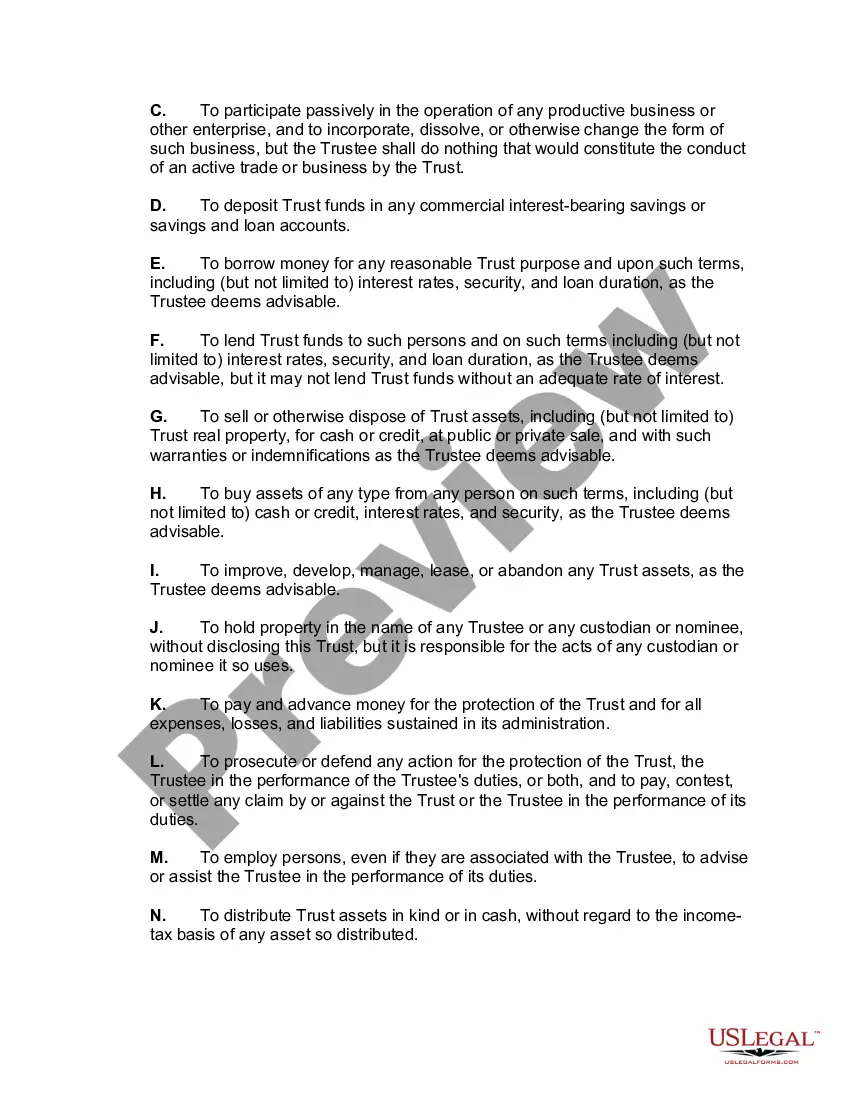
How to fill out Termination Of Grantor Retained Annuity Trust In Favor Of Existing Life Insurance Trust?
- If you're a returning user, simply log into your account and download the necessary form by clicking the Download button. Verify that your subscription remains valid; if not, renew it per your chosen payment plan.
- For first-time users, begin by previewing relevant forms and their descriptions to ensure the selected document aligns with your requirements and complies with local jurisdiction guidelines.
- If the current template does not meet your needs, use the Search tab above to find alternative templates that better suit your situation.
- Once you find the correct document, click on the Buy Now button and select your desired subscription plan. You'll need to register for an account to unlock full library access.
- Finalize your purchase by entering your credit card information or opting for payment via your PayPal account.
- Download the completed form and save it on your device. You can effortlessly access it anytime from the My Forms menu in your profile.
US Legal Forms stands out with its vast collection, boasting more forms than most competitors at a similar cost. With over 85,000 easily fillable and editable legal documents available, users can efficiently find what they need.
Moreover, access to premium experts is available to assist with form completion, ensuring that your documents are both accurate and legally sound. Start your journey today with US Legal Forms and gain peace of mind in your legal planning.
Form popularity
FAQ
Setting up a grantor trust requires careful planning and documentation. Start by deciding which assets to include and how you want them managed. Then, select a trustee and outline the terms in a trust document. USLegalForms offers resources and templates to simplify this process, enabling you to create a compliant and effective grantor trust.
One major mistake parents often make when setting up a trust fund is not clearly communicating their intentions. Conflicting family dynamics can arise if beneficiaries are unclear about the trust's purpose or their roles. Additionally, failing to update the trust as circumstances change can lead to unintended consequences. Proper guidance can help ensure parents establish a clear and effective grantor trust.
The grantor of a trust should be someone who wants to maintain control over the assets and provide for their beneficiaries. Typically, this person is also the person setting up the trust, often a parent or grandparent. Choosing the right grantor ensures that the trust reflects the individual's wishes and meets their family's needs effectively.
Establishing a grantor trust involves several straightforward steps. First, you need to draft a trust document that outlines the terms and names the grantor and beneficiaries. After that, you should fund the trust by transferring assets into it. USLegalForms can provide templates to help you create a legally sound grantor trust quickly and efficiently.
The IRS has clear guidelines for a grantor trust. Primarily, the grantor must retain certain powers or benefits that allow them to control trust assets. These requirements ensure that the trust's income is typically taxed as the grantor's personal income. Understanding these regulations is crucial for effective estate planning.
The primary advantage of a grantor trust is the control it affords you over the trust assets. As the grantor, you can make changes to the trust, such as altering beneficiaries or modifying terms, without needing court approval. This flexibility can be crucial for adapting to life changes and ensuring your estate plan meets your needs. Moreover, a grantor trust's income is taxed to you, offering potential tax benefits that can aid in effective financial planning.
While grantor trusts offer control, non-grantor trusts can provide benefits like asset protection and tax advantages. A non-grantor trust can separate ownership from income, which means the trust itself pays taxes on its income. This can lead to lower overall tax liabilities for high-income earners. Choosing a non-grantor trust can be a strategic decision depending on your financial goals and asset management preferences.
For tax purposes, a trust is classified as a grantor trust when the grantor retains certain powers over the trust. These powers may include the ability to control distributions or change beneficiaries. This designation allows income generated by the trust to be taxable directly to the grantor, simplifying tax reporting. Understanding these nuances can help you effectively leverage a grantor trust for your tax strategy.
A grantor trust offers significant flexibility in managing assets while allowing you to maintain control. By using a grantor trust, you can facilitate tax planning and potentially reduce estate taxes. This type of trust can also simplify the transfer of assets to beneficiaries, making the process smoother for your loved ones. Additionally, it can serve as an effective tool for protecting your assets from creditors.
Yes, a revocable trust will need a new EIN once the grantor dies, as it transitions into an irrevocable trust. Upon the grantor's passing, the trust becomes a separate taxable entity that must report income independently. The newly appointed trustee will need to apply for an EIN to manage the trust's tax obligations. Being prepared for this transition can streamline the continuing management of the trust.