Special Trust Disabled With The Help
Description

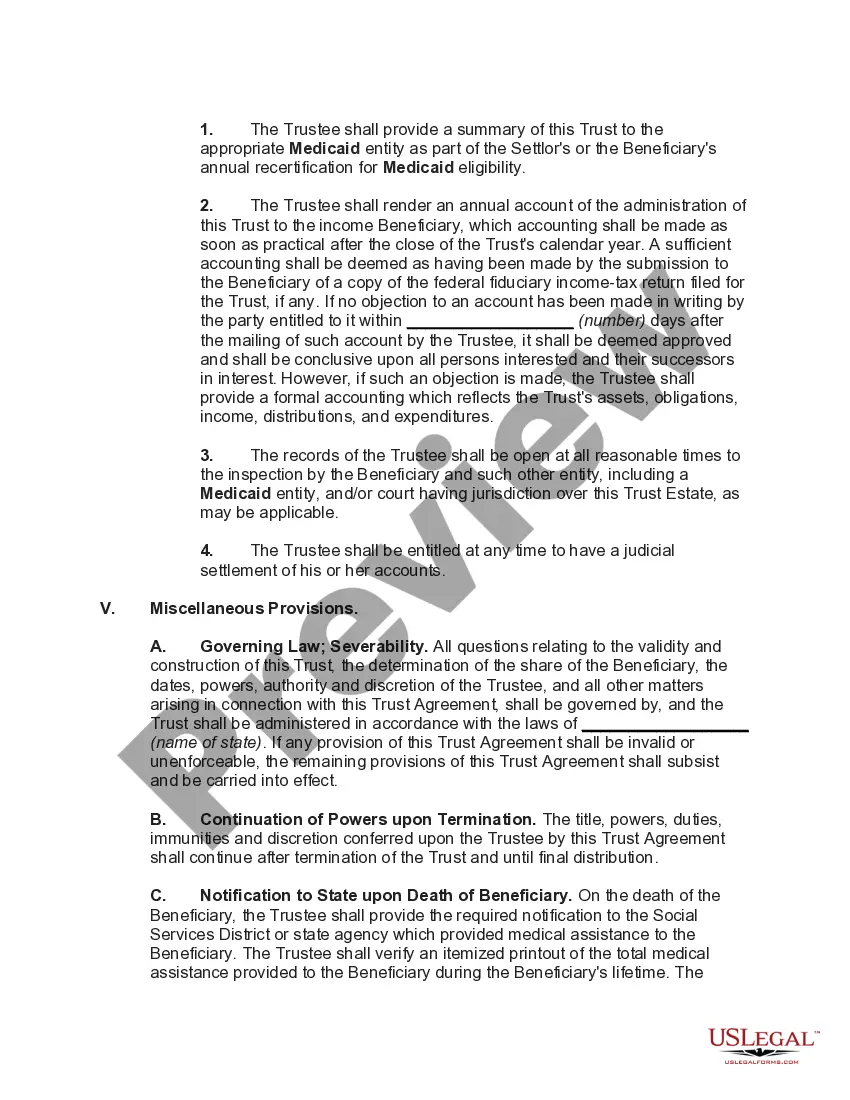
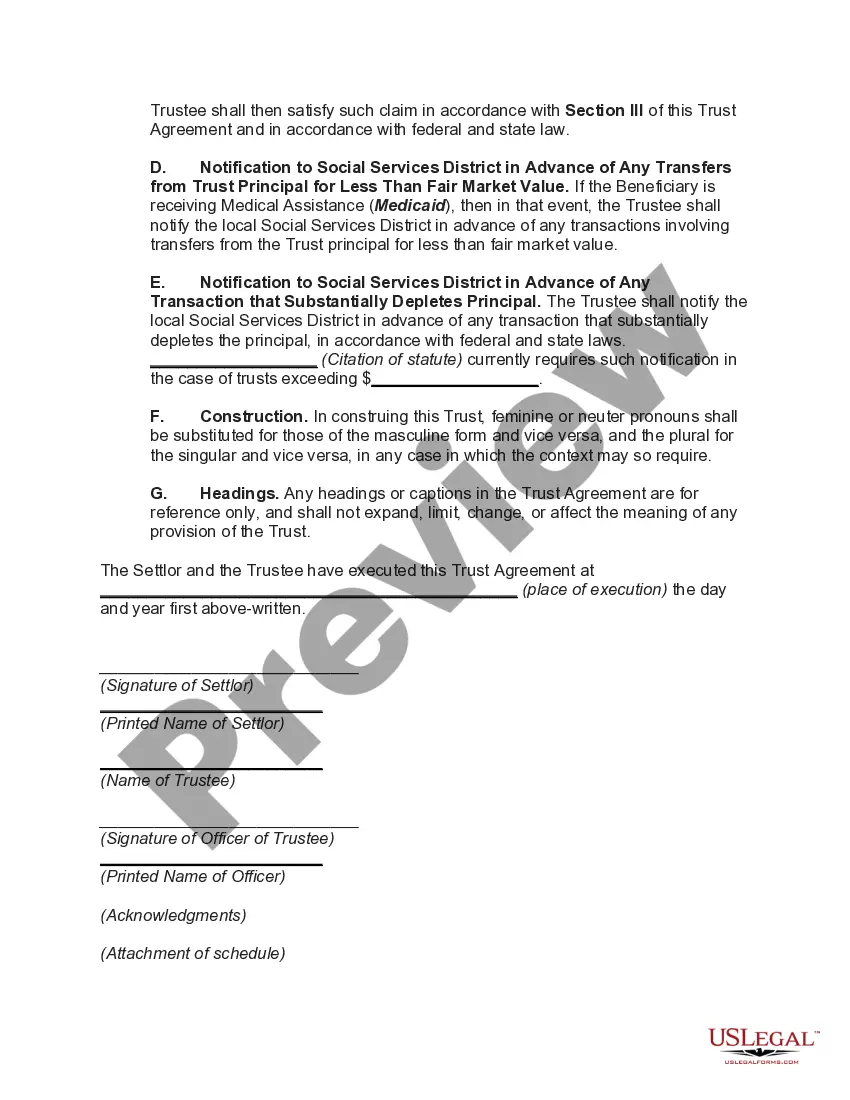



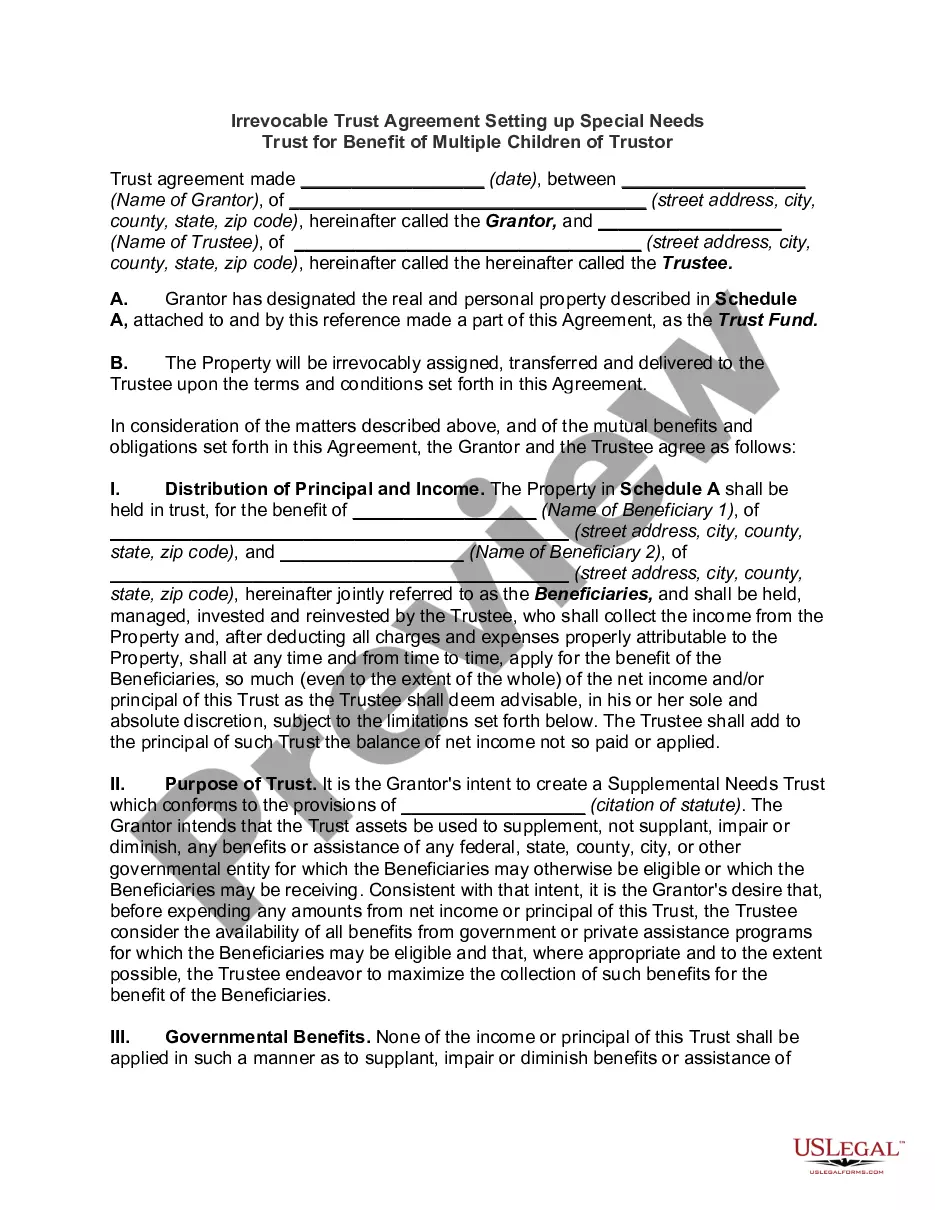
Get your form ready online
Our built-in tools help you complete, sign, share, and store your documents in one place.
Make edits, fill in missing information, and update formatting in US Legal Forms—just like you would in MS Word.
Download a copy, print it, send it by email, or mail it via USPS—whatever works best for your next step.
Sign and collect signatures with our SignNow integration. Send to multiple recipients, set reminders, and more. Go Premium to unlock E-Sign.
If this form requires notarization, complete it online through a secure video call—no need to meet a notary in person or wait for an appointment.
We protect your documents and personal data by following strict security and privacy standards.

Make edits, fill in missing information, and update formatting in US Legal Forms—just like you would in MS Word.

Download a copy, print it, send it by email, or mail it via USPS—whatever works best for your next step.

Sign and collect signatures with our SignNow integration. Send to multiple recipients, set reminders, and more. Go Premium to unlock E-Sign.

If this form requires notarization, complete it online through a secure video call—no need to meet a notary in person or wait for an appointment.

We protect your documents and personal data by following strict security and privacy standards.
Looking for another form?




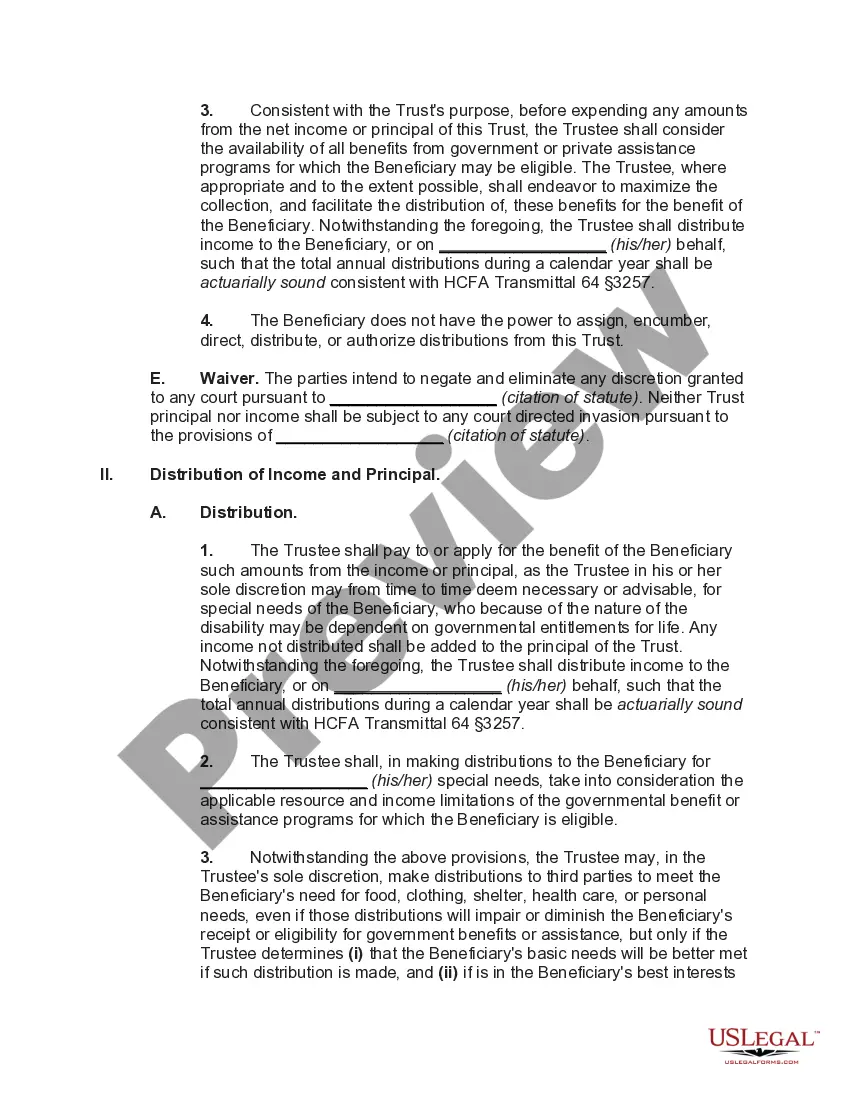
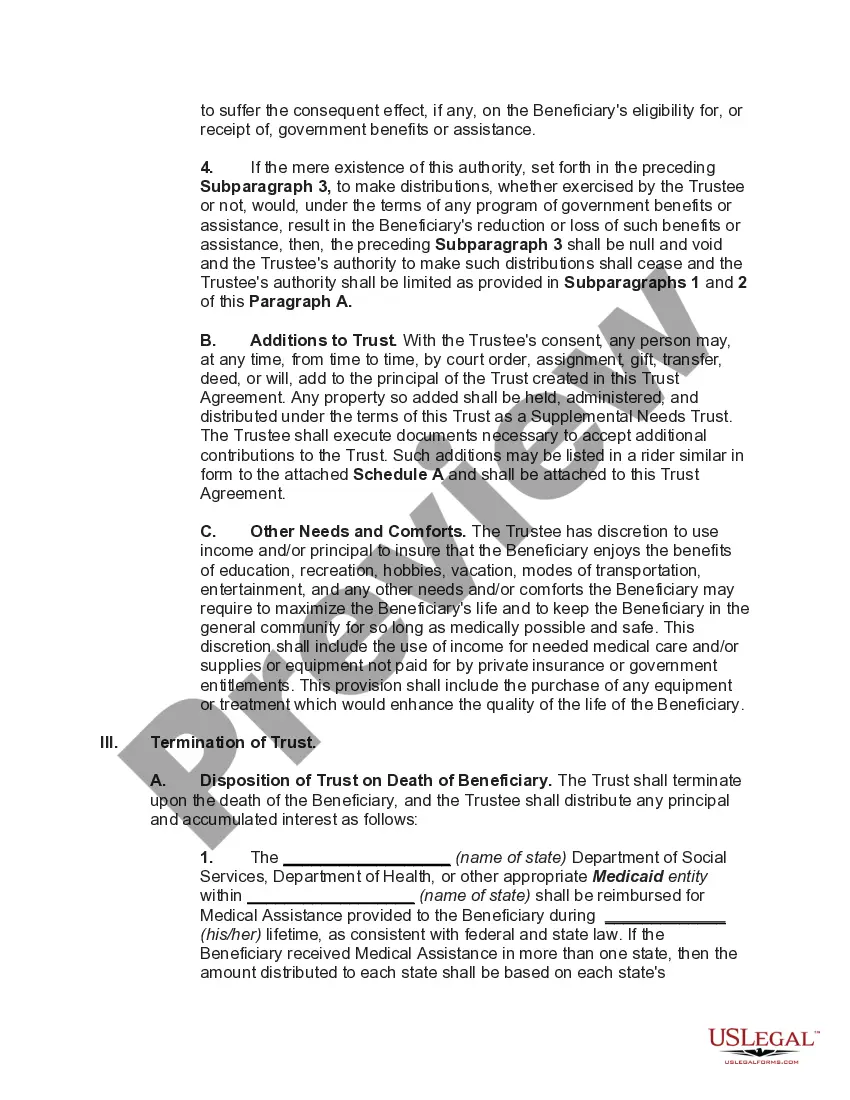
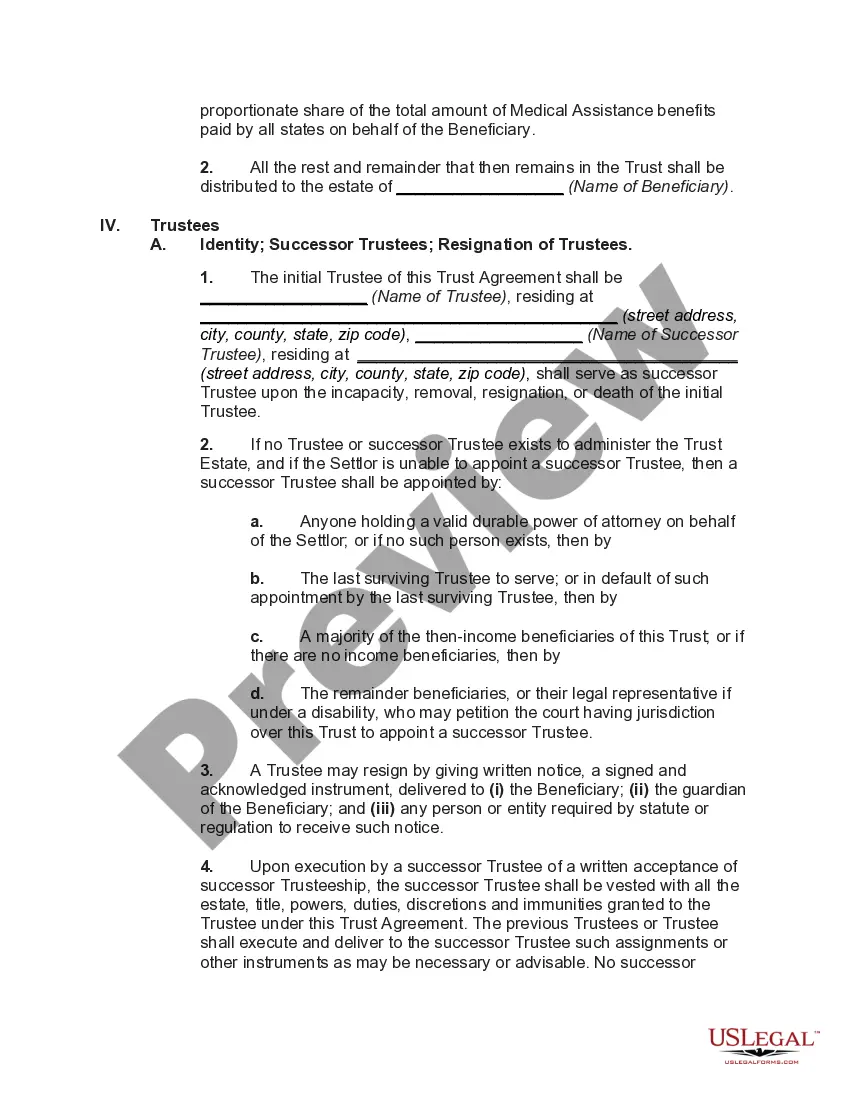
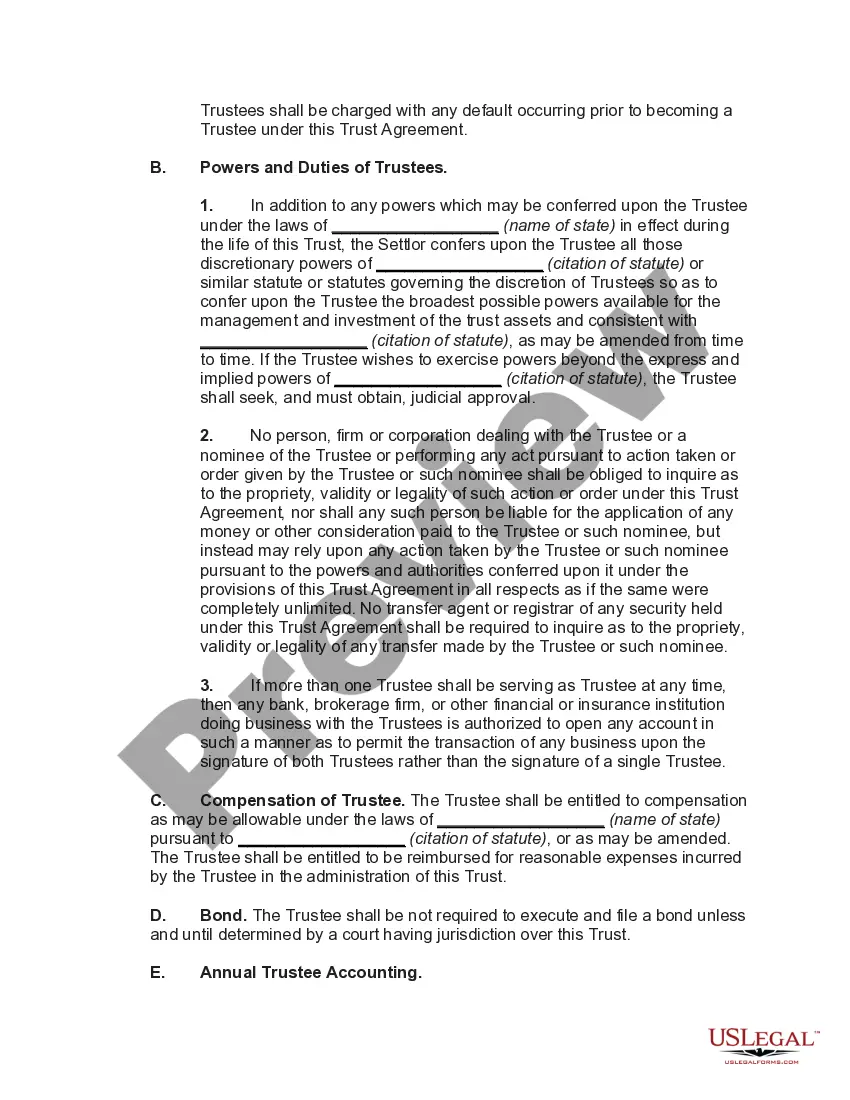
How to fill out Special Needs Irrevocable Trust Agreement For Benefit Of Disabled Child Of Trustor?
- If you're a returning user, log in to your account and ensure your subscription is active. Once confirmed, locate the required form template and click the Download button.
- For new users, start by browsing through the Preview mode. Carefully read the description of the forms to find one that suits your needs while complying with local jurisdiction requirements.
- If the selected document does not meet your expectations, utilize the Search tab at the top to find an alternative template.
- Once you’ve found the right document, proceed to purchase it by clicking the Buy Now button, and select your preferred subscription plan. Registration is necessary to access our extensive library.
- Complete your purchase by entering your payment details through credit card or PayPal.
- Finally, download your chosen form. It will be stored on your device and can also be accessed later in the My Forms section of your profile.
US Legal Forms offers a robust repository with over 85,000 fillable and editable legal forms, surpassing many competitors. This expansive collection ensures you have everything you need at your fingertips.
Take the first step towards simplifying your legal document needs by visiting US Legal Forms today. Get started now and empower yourself with premium resources and expert assistance!
Form popularity
FAQ
A special trust disabled with the help generally does not impose strict asset limits; however, regulations can vary by state. The goal of a special needs trust is to preserve a disabled person’s eligibility for government benefits, so excess funds can complicate this. It's imperative to work with a knowledgeable attorney to ensure compliance with all laws governing asset limits. They can help you craft a trust that aligns with your financial goals.
The minimum amount you can put in a trust varies based on the specific type of trust and legal requirements. For a special trust disabled with the help, it is often advisable to consult with a legal expert to establish an appropriate funding level. Many professionals suggest starting with at least a few thousand dollars to ensure the trust can effectively serve its purpose. Consider your situation when deciding the appropriate funding amount.
The best trust for a disabled person often depends on their unique situation. Many people benefit from a special trust disabled with the help, as it can protect assets while ensuring access to necessary government benefits. Consulting with an expert can help you navigate legal options to establish a trust tailored to individual needs. This ensures the right protections are in place for long-term financial stability.
Choosing between a special trust disabled with the help and an ABLE account hinges on specific goals and circumstances. A special needs trust can provide more comprehensive protections and greater flexibility for long-term care. In contrast, an ABLE account allows for easier access to funds for immediate expenses without jeopardizing government benefits. Assess your needs to determine the best fit.
The best place for a person on disability to live often depends on individual circumstances. Many find supportive communities and accessible housing to be beneficial. Locations that offer easy access to healthcare and rehabilitation services can enhance quality of life. Consider exploring options like assisted living facilities or inclusive neighborhoods that cater to diverse needs.
A special trust disabled with the help can have some disadvantages. One main issue is the potential loss of eligibility for government benefits if the trust does not comply with specific regulations. Additionally, setting up and maintaining the trust can involve legal fees and upkeep costs. You should consider these factors carefully when deciding if a special needs trust is the right choice.
Yes, filing a return for a special needs trust may be necessary if the trust generates income. The trustee is responsible for ensuring all tax obligations are met as required by law. It's wise to consult with a tax professional who is familiar with the intricacies of the special trust disabled with the help.
The requirements for a qualified trust include having a defined disabled beneficiary and adhering to tax regulations laid out by the IRS. Additionally, the trust must be managed in a way that benefits the disabled individual while allowing access to essential resources. Meeting these requirements is crucial for establishing a successful special trust disabled with the help.
A trust is considered a qualified disability trust if it contains specific provisions that ensure benefits for a disabled individual. This includes maintaining eligibility for government assistance programs while providing necessary financial support. It's important to adhere to the regulations surrounding the special trust disabled with the help to protect your beneficiary's rights.
A qualified disability trust must meet certain criteria, such as having a disabled beneficiary under the age of 65. It should also comply with relevant legal standards designed to protect the beneficiary's interests. Understanding these qualifications is essential for creating an effective special trust disabled with the help.