Special Trust Disabled Draft For The Following
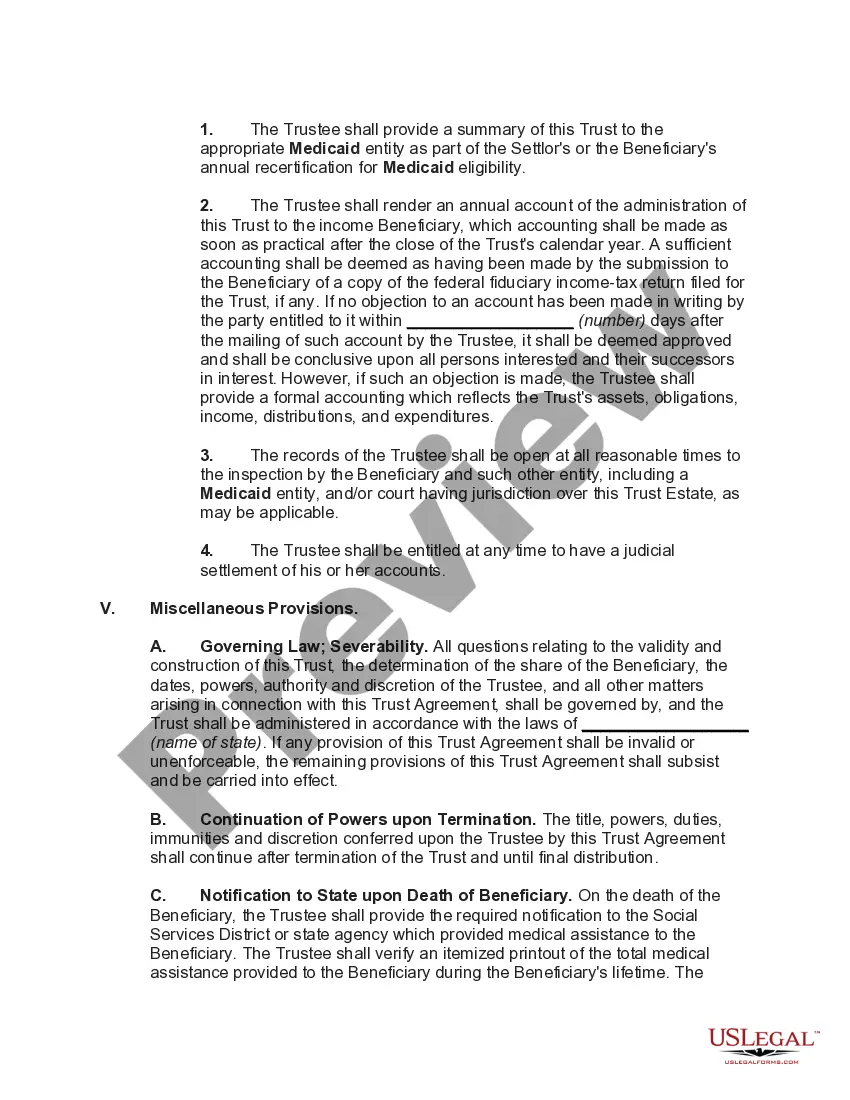
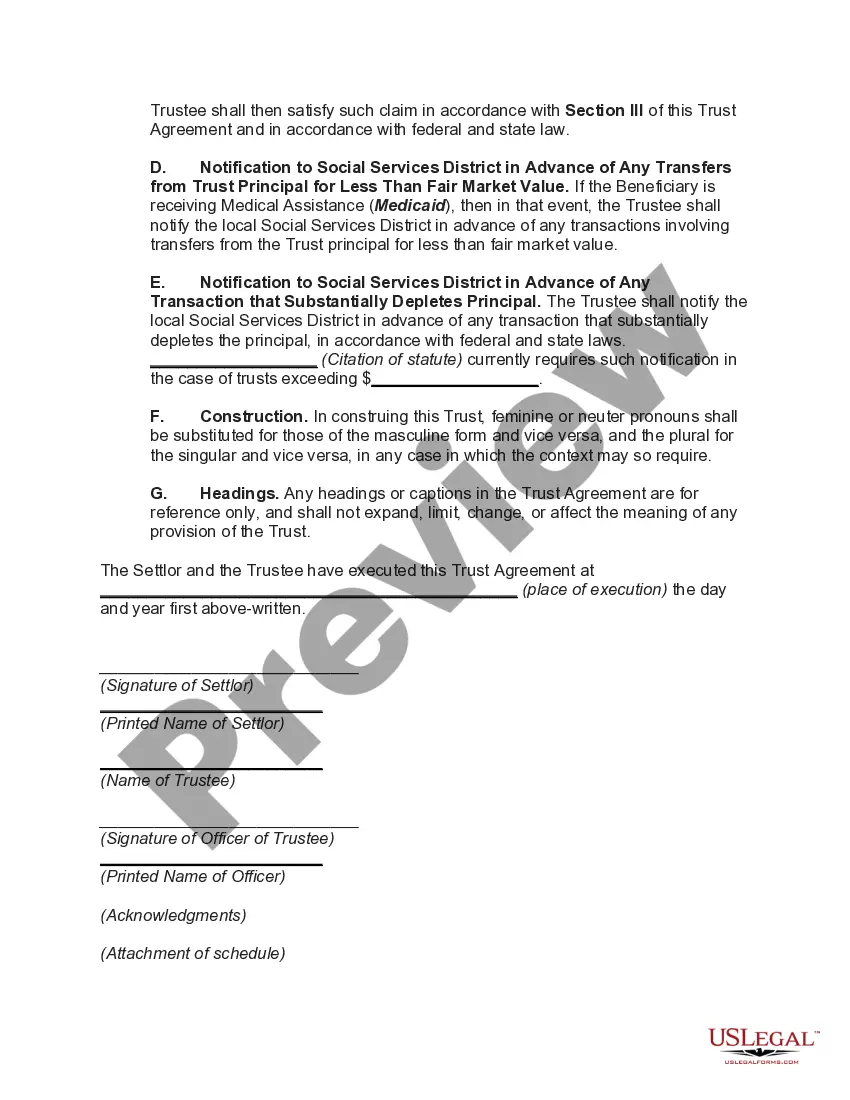
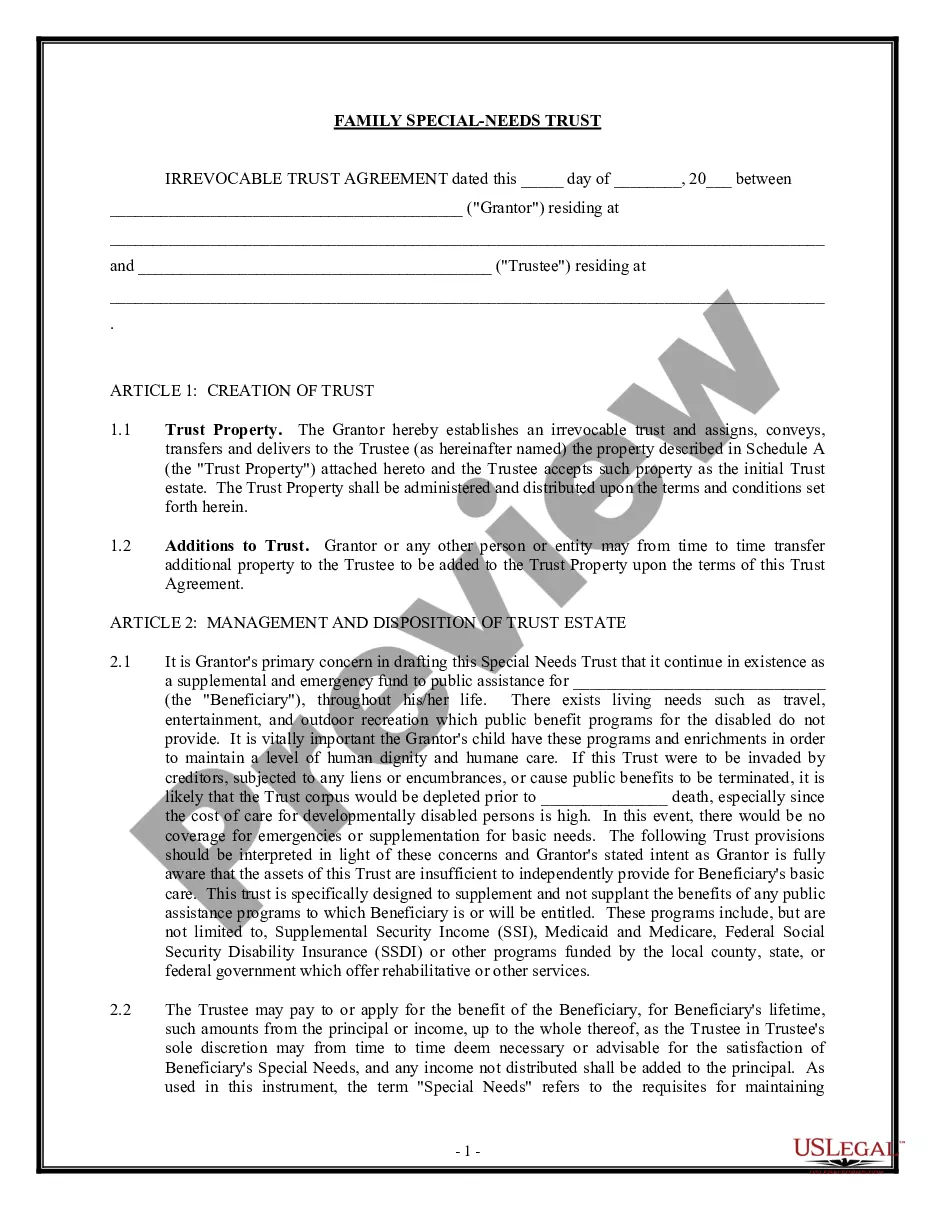
Description

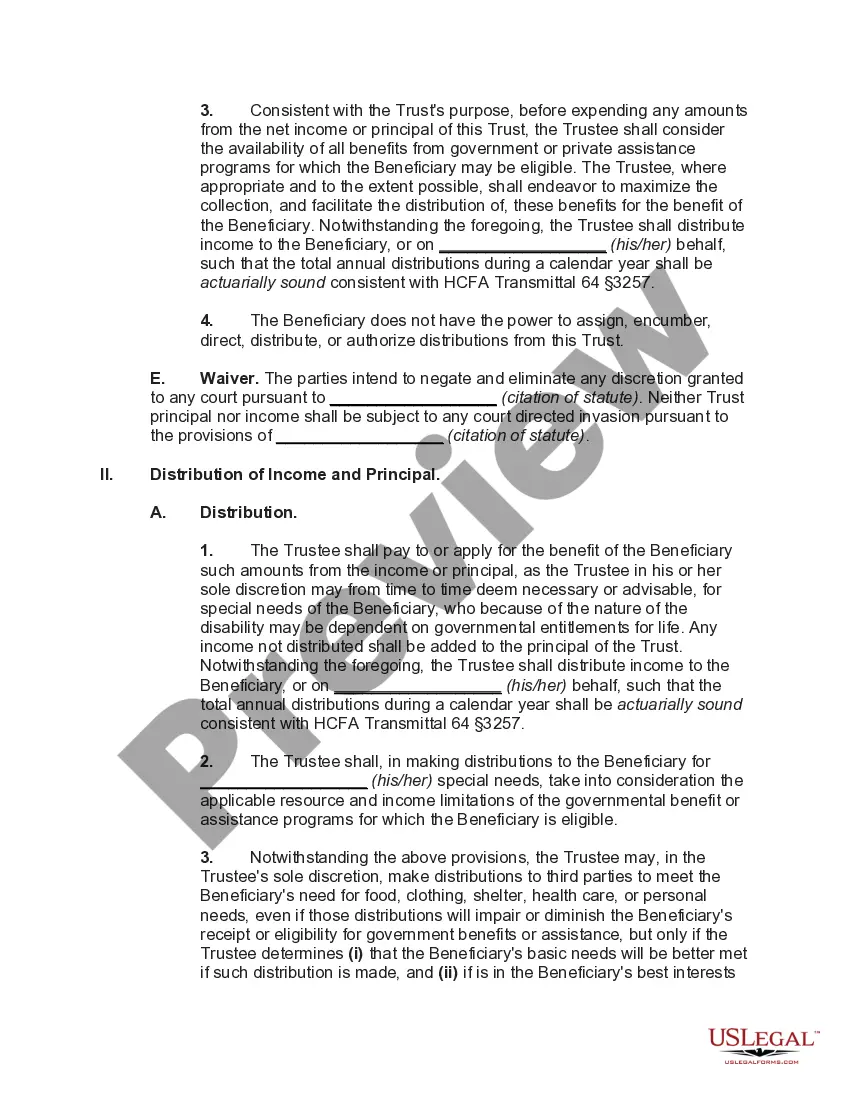
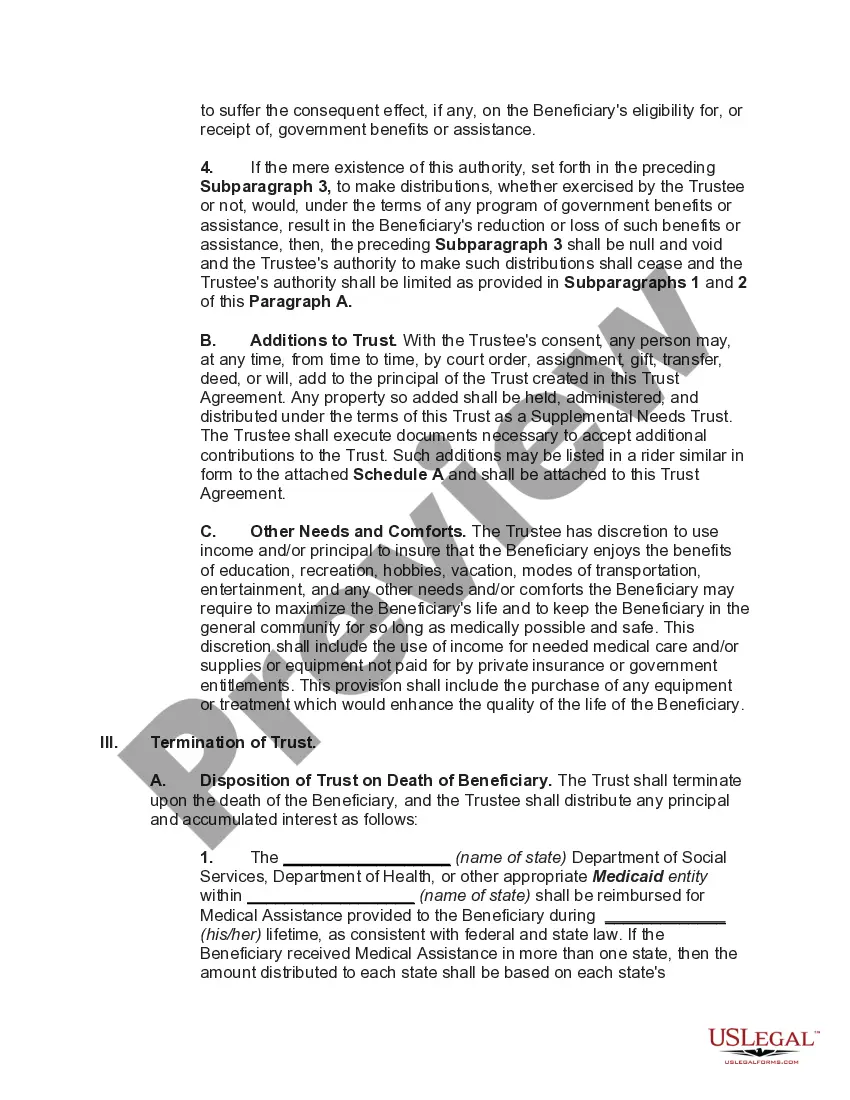
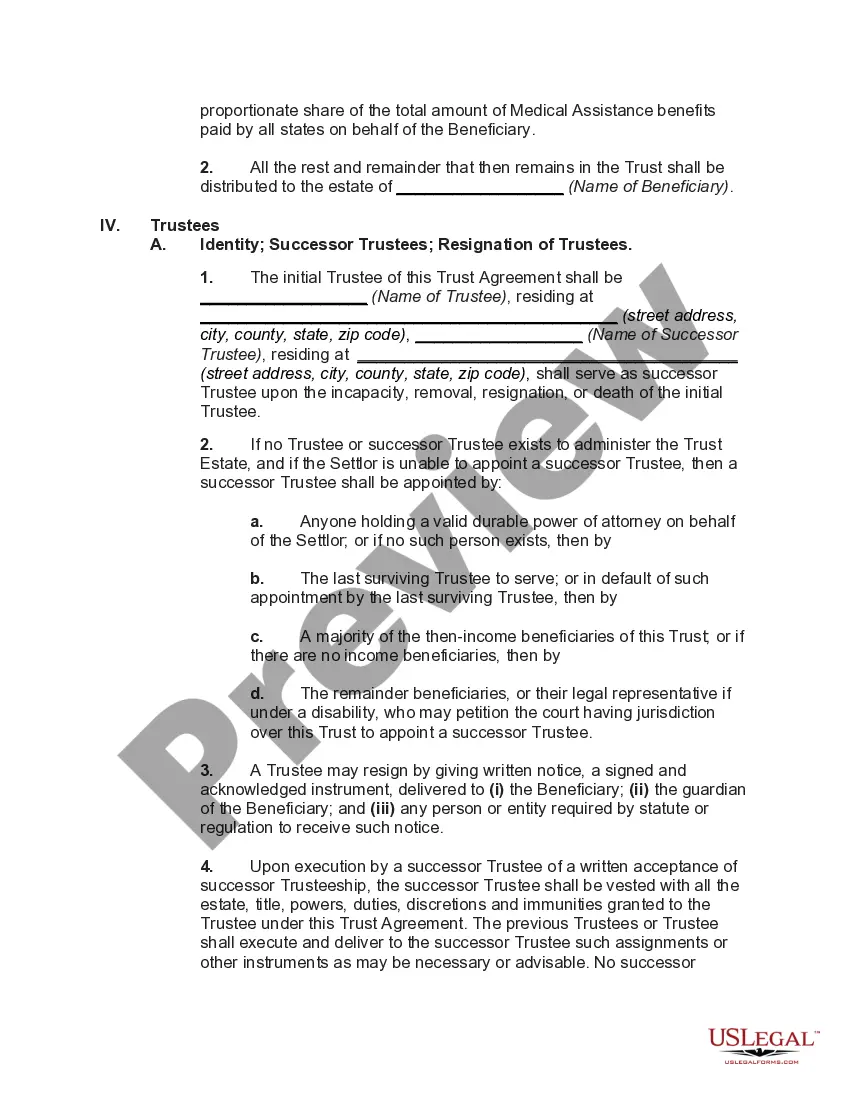
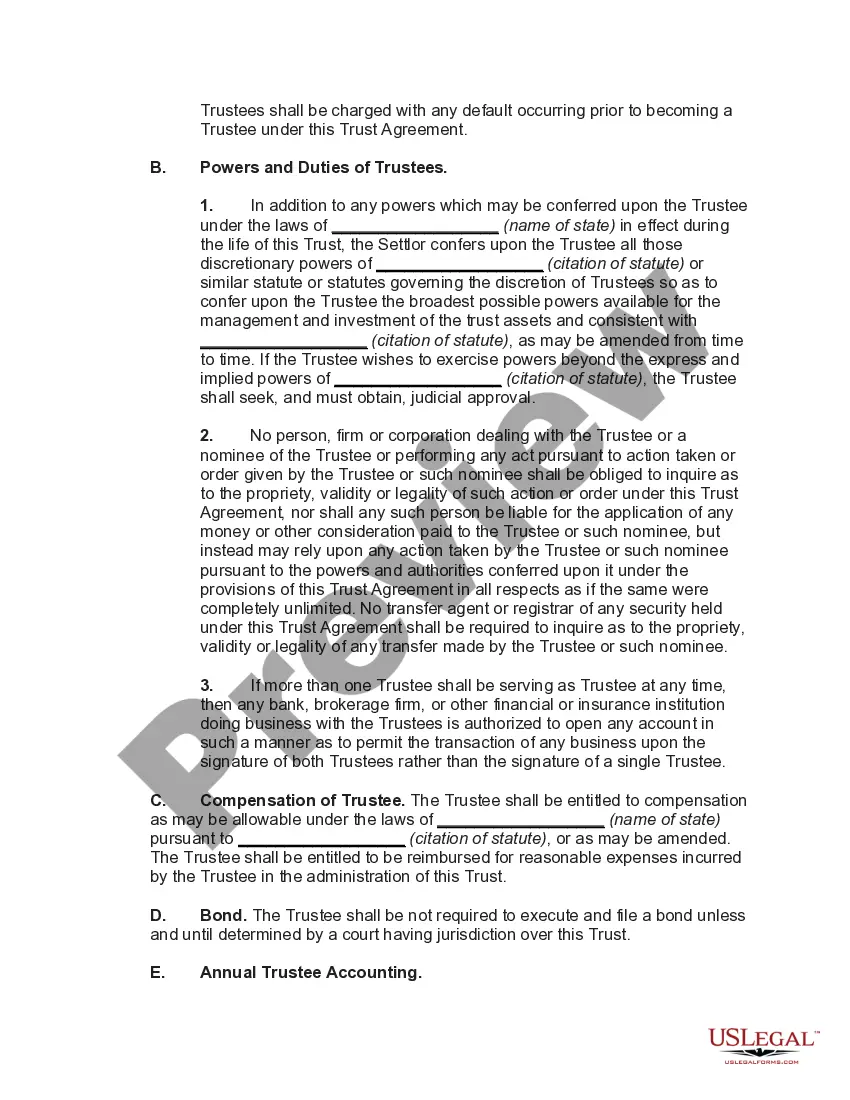



Get your form ready online
Our built-in tools help you complete, sign, share, and store your documents in one place.
Make edits, fill in missing information, and update formatting in US Legal Forms—just like you would in MS Word.
Download a copy, print it, send it by email, or mail it via USPS—whatever works best for your next step.
Sign and collect signatures with our SignNow integration. Send to multiple recipients, set reminders, and more. Go Premium to unlock E-Sign.
If this form requires notarization, complete it online through a secure video call—no need to meet a notary in person or wait for an appointment.
We protect your documents and personal data by following strict security and privacy standards.

Make edits, fill in missing information, and update formatting in US Legal Forms—just like you would in MS Word.

Download a copy, print it, send it by email, or mail it via USPS—whatever works best for your next step.

Sign and collect signatures with our SignNow integration. Send to multiple recipients, set reminders, and more. Go Premium to unlock E-Sign.

If this form requires notarization, complete it online through a secure video call—no need to meet a notary in person or wait for an appointment.

We protect your documents and personal data by following strict security and privacy standards.
Looking for another form?









How to fill out Special Needs Irrevocable Trust Agreement For Benefit Of Disabled Child Of Trustor?
- Begin by logging into your existing account on US Legal Forms. If you don't have one, create a new account for access.
- Use the Preview feature to review form options and ensure that you have selected the correct template that meets your specific requirements and jurisdiction.
- If your initial selection doesn't fit, utilize the Search tab to find alternative templates that are more suitable.
- Once you have made your choice, click on the Buy Now button, and select from the range of subscription plans available to gain access to the library.
- Complete your purchase by entering your payment information, using either your credit card or PayPal account.
- Download your completed template directly to your device and access it anytime through the My Forms section in your profile.
In conclusion, US Legal Forms is a powerful solution for anyone looking to create legally sound documents quickly and efficiently. With their vast library and expert support, you can ensure your legal drafts are precise and compliant.
Start simplifying your legal document needs today with US Legal Forms!
Form popularity
FAQ
The three types of special needs typically include physical, developmental, and mental health needs. Physical needs pertain to conditions affecting mobility or bodily functions, while developmental needs relate to cognitive or learning challenges faced by individuals. Mental health needs encompass emotional and psychological challenges that may require support and services. Understanding these categories is crucial for effective planning, especially when considering special trust disabled drafts for the following and ensuring adequate resources.
The maximum amount for a special disability trust can vary based on state regulations and funding sources. However, it's essential to note that these trusts are designed to not exceed certain thresholds that may impact eligibility for government benefits. Typically, funds in such trusts must be deliberately managed to ensure compliance with applicable laws, thus it's advisable to consult legal experts or platforms like US Legal Forms for precise guidance on special trust disabled drafts for the following.
The three types of special needs trusts are first-party, third-party, and pooled trusts. First-party trusts are funded with the disabled person's own assets and are often used in Medicaid planning. Third-party trusts are funded by someone else, such as parents or guardians, and can provide ongoing support without affecting government benefits. Pooled trusts collect funds from multiple individuals, allowing for professional management of resources, making them effective tools in special trust disabled drafts for families navigating special needs.
The three primary types of trusts include revocable trusts, irrevocable trusts, and testamentary trusts. Revocable trusts allow you to retain control and make changes as long as you're alive. Irrevocable trusts, on the other hand, transfer ownership and cannot be changed without the consent of the beneficiaries. Lastly, testamentary trusts come into effect after the grantor's death, ensuring assets are managed according to their wishes, which can be especially useful in special trust disabled drafts for families with special needs.
One significant mistake parents often make when creating a special trust disabled draft for the following is not clearly defining the trust's purpose or provisions. Without a detailed plan, the trust may not effectively meet the disabled individual's needs and can lead to unintended outcomes. It’s also common for parents to overlook consulting with professionals, such as legal advisors, who can provide valuable insights. Using the US Legal Forms platform can simplify this process, ensuring you set up a trust that truly protects your loved one's financial future.
When considering a special trust disabled draft for the following, it’s important to know the common types of trusts available. Special needs trusts ensure that individuals with disabilities can receive financial support without jeopardizing their eligibility for government benefits. Pooled trusts allow multiple beneficiaries to share resources, offering a collaborative approach. Other options include revocable and irrevocable trusts, each serving different needs and considerations.
Yes, you can create your own certificate of trust, as long as it defines the essential details of the trust. Ensure that it complies with state laws and includes necessary information such as the date of the trust and trustee's name. Our US Legal Forms platform provides helpful resources to assist you in crafting a special trust disabled draft for the following requirements.
Setting up a trust fund for a disabled person involves deciding on the type of trust that meets their needs. You typically need to choose a trustee and outline the specific terms, such as how the funds will be used. Consider using our US Legal Forms platform for a straightforward special trust disabled draft for the following scenarios.
Yes, you can collect Supplemental Security Income (SSI) while having a trust fund, but it depends on the trust's structure. A special trust disabled draft for the following can help ensure that your assets do not count against SSI eligibility. Always consult with a professional to avoid unintended consequences.
To draft a trust document, start by identifying the trust's purpose and the assets involved. Include details about the trustee, beneficiaries, and instructions for managing the trust. If you're unsure, consider using our platform at US Legal Forms, which offers templates and guidance for creating a special trust disabled draft for the following needs.