Special Needs Trust For Senior Citizens
Description
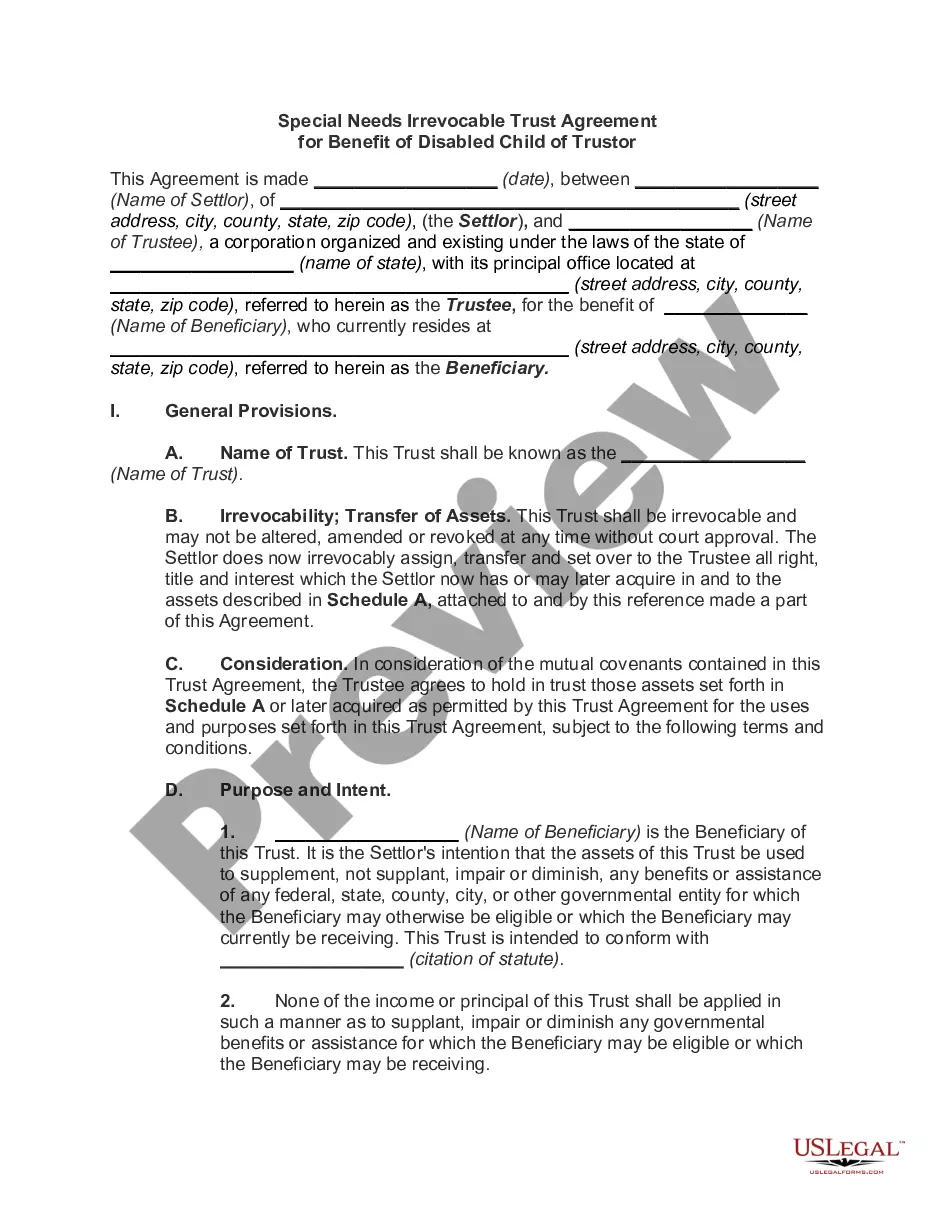
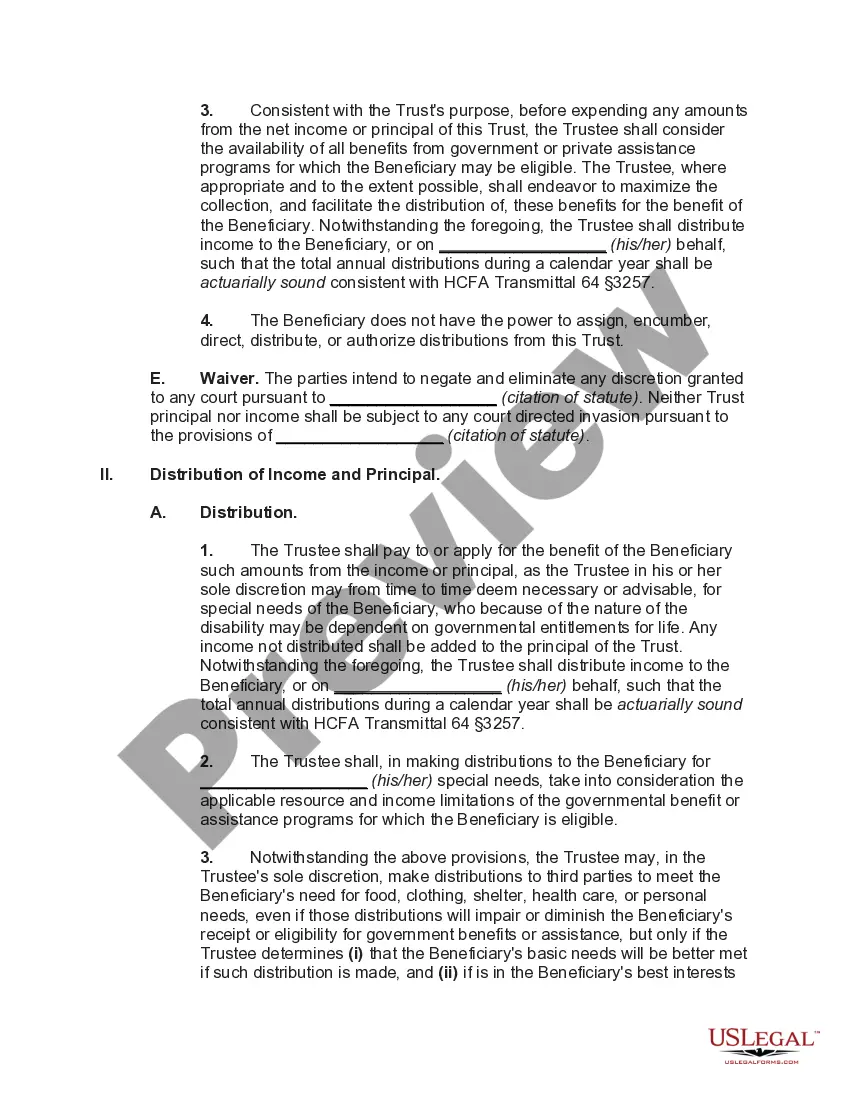
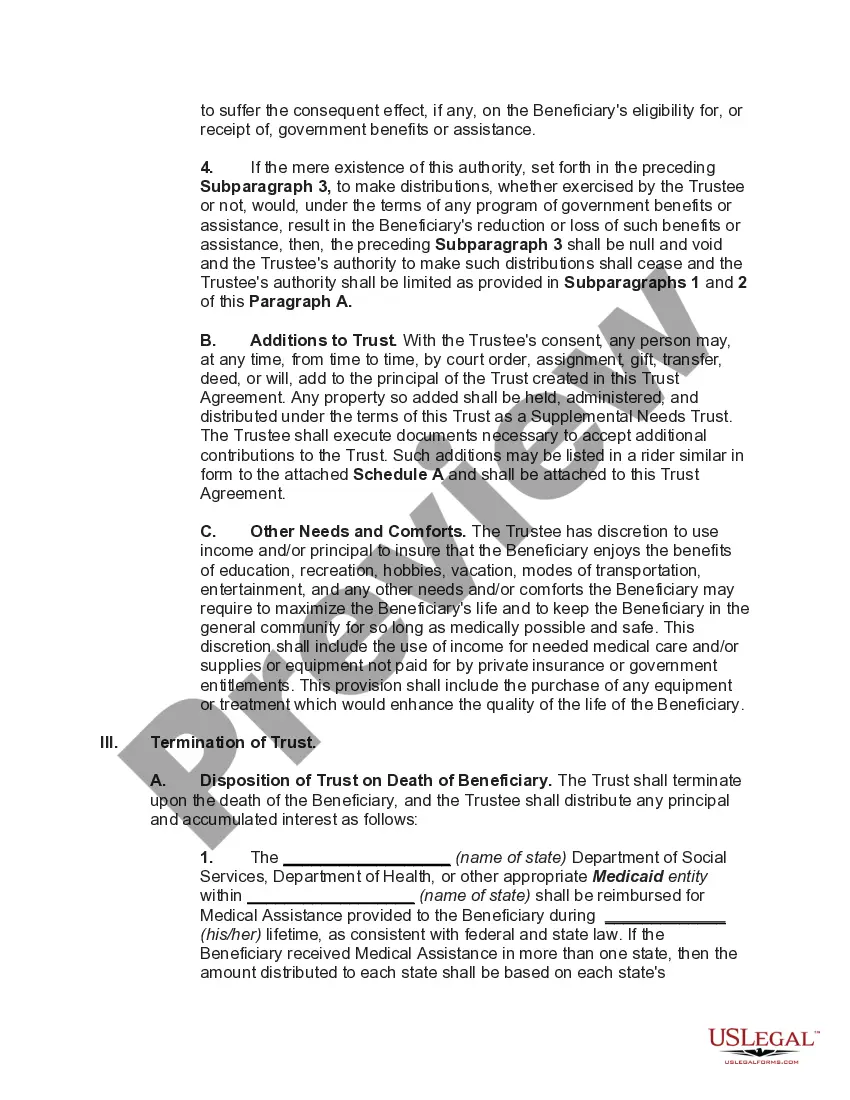
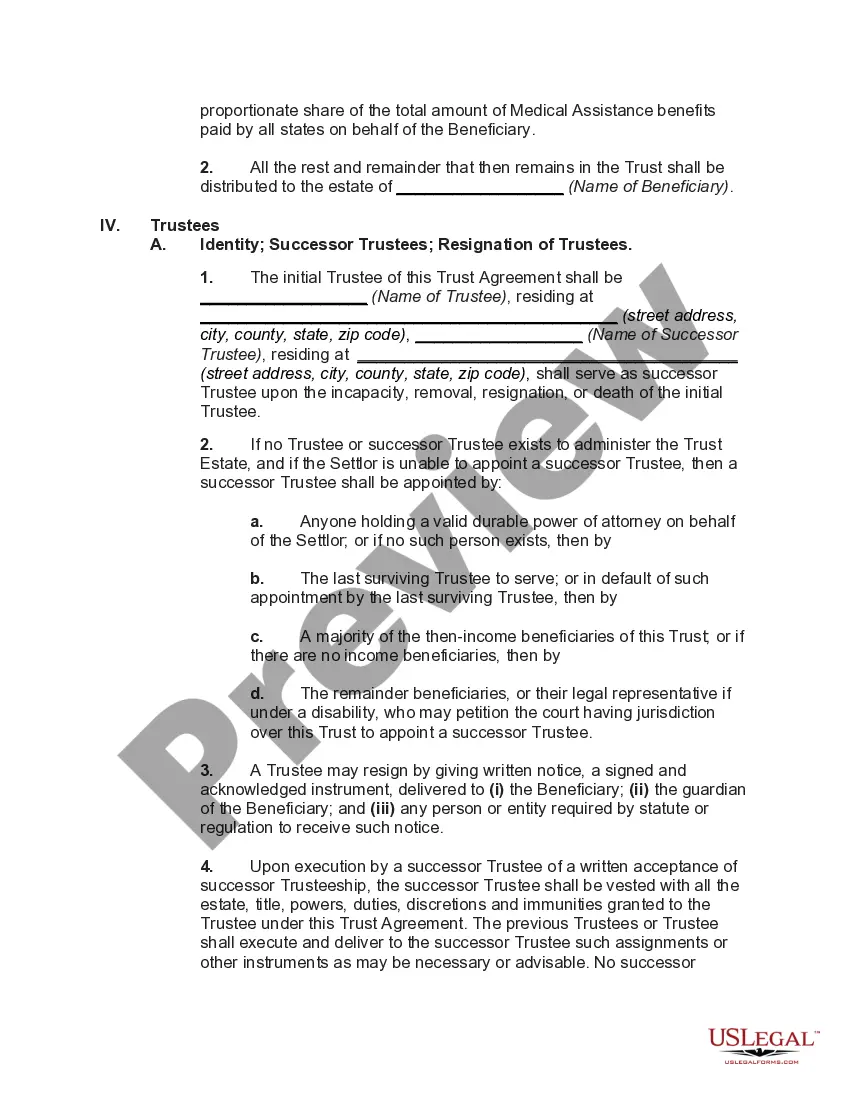
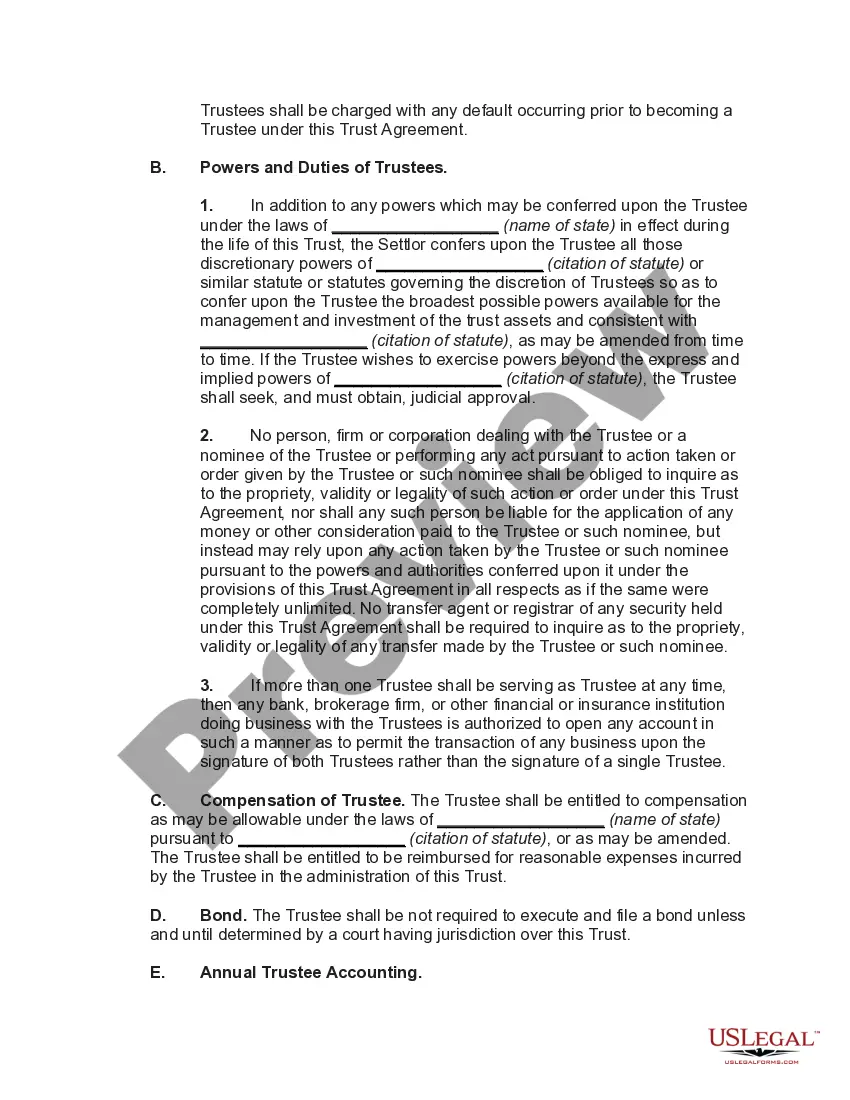
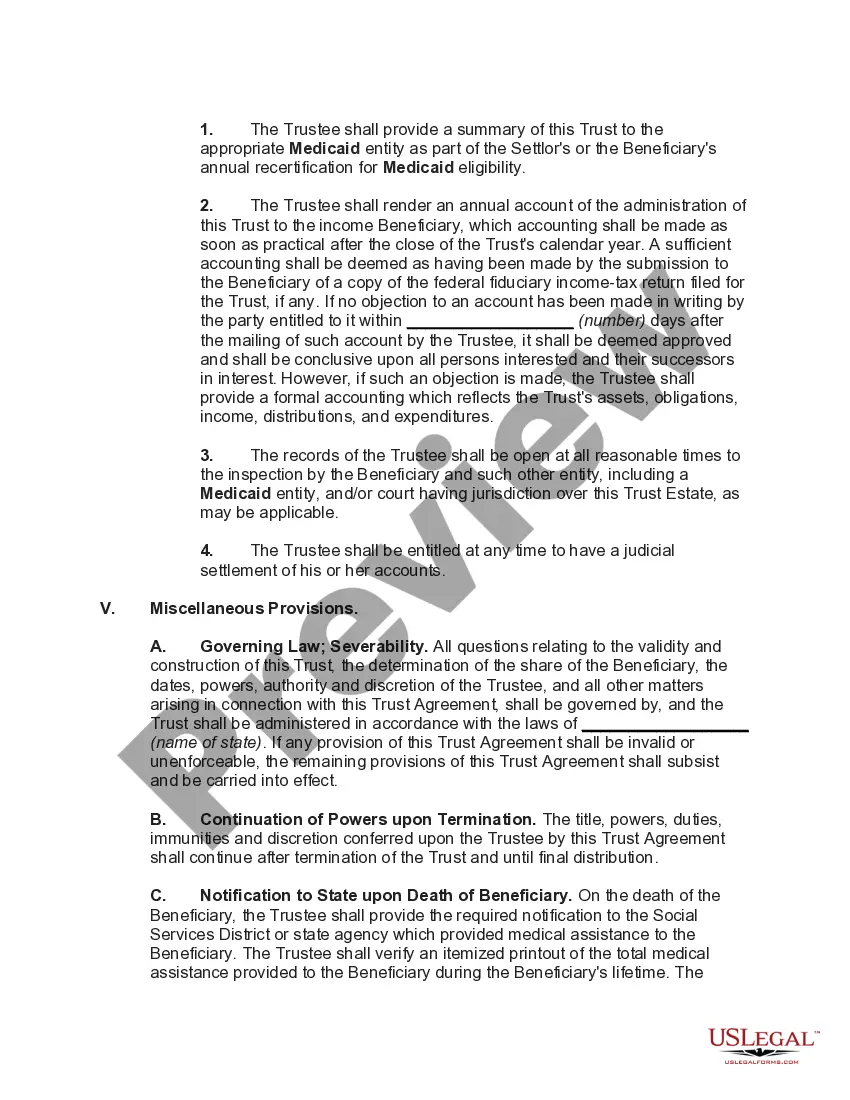
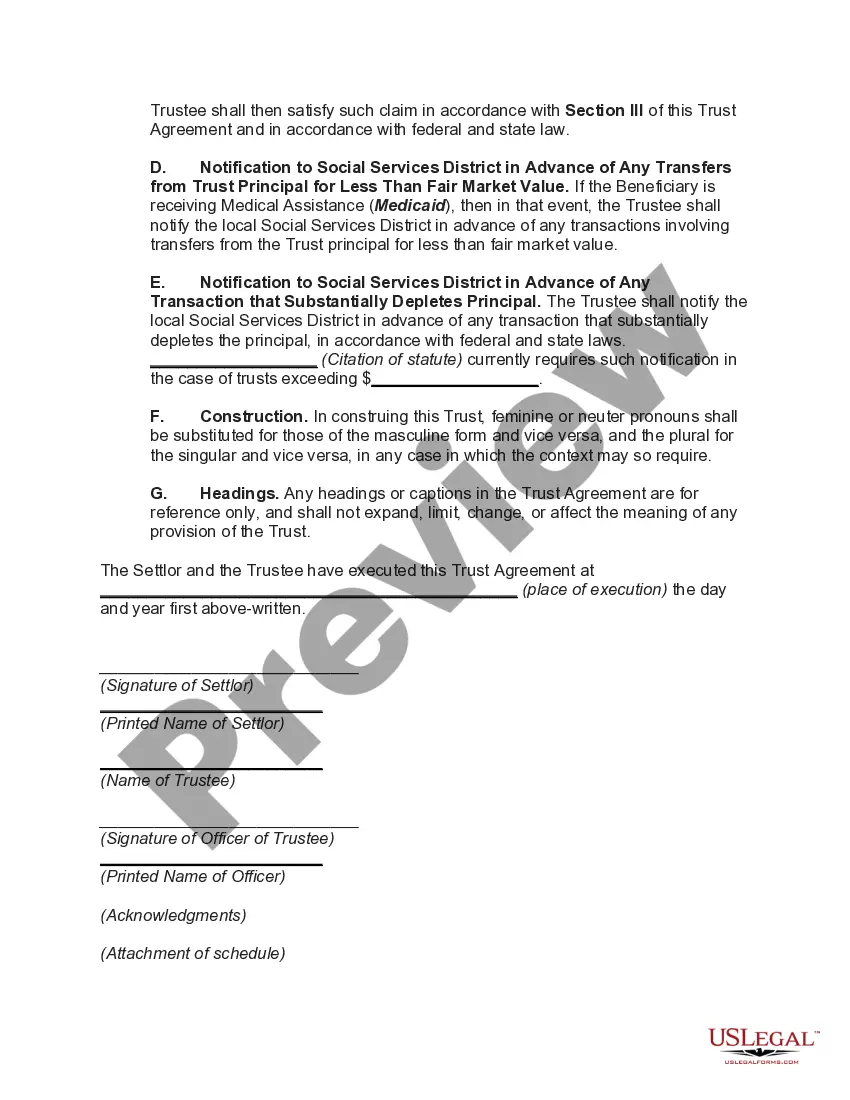
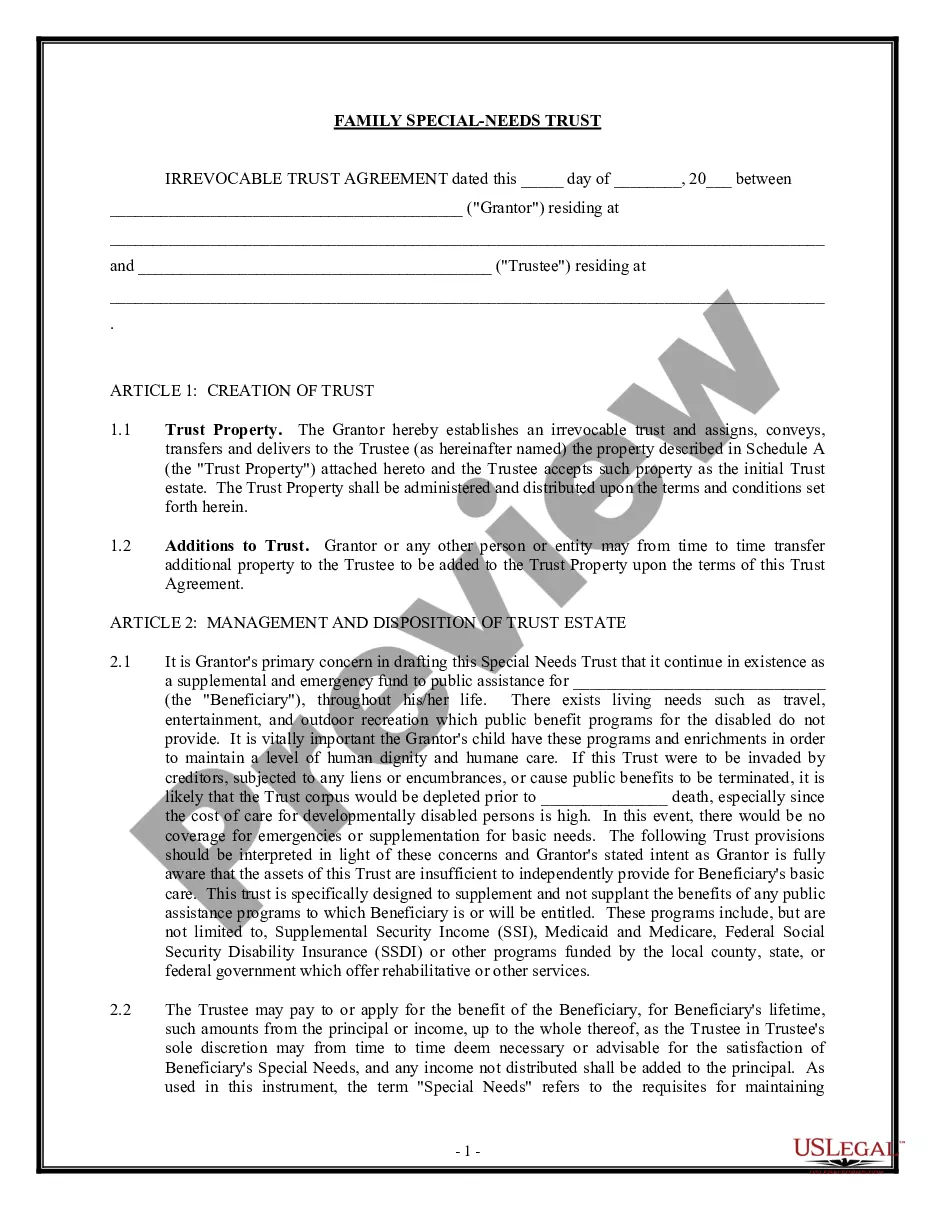


Get your form ready online
Our built-in tools help you complete, sign, share, and store your documents in one place.
Make edits, fill in missing information, and update formatting in US Legal Forms—just like you would in MS Word.
Download a copy, print it, send it by email, or mail it via USPS—whatever works best for your next step.
Sign and collect signatures with our SignNow integration. Send to multiple recipients, set reminders, and more. Go Premium to unlock E-Sign.
If this form requires notarization, complete it online through a secure video call—no need to meet a notary in person or wait for an appointment.
We protect your documents and personal data by following strict security and privacy standards.

Make edits, fill in missing information, and update formatting in US Legal Forms—just like you would in MS Word.

Download a copy, print it, send it by email, or mail it via USPS—whatever works best for your next step.

Sign and collect signatures with our SignNow integration. Send to multiple recipients, set reminders, and more. Go Premium to unlock E-Sign.

If this form requires notarization, complete it online through a secure video call—no need to meet a notary in person or wait for an appointment.

We protect your documents and personal data by following strict security and privacy standards.
Looking for another form?




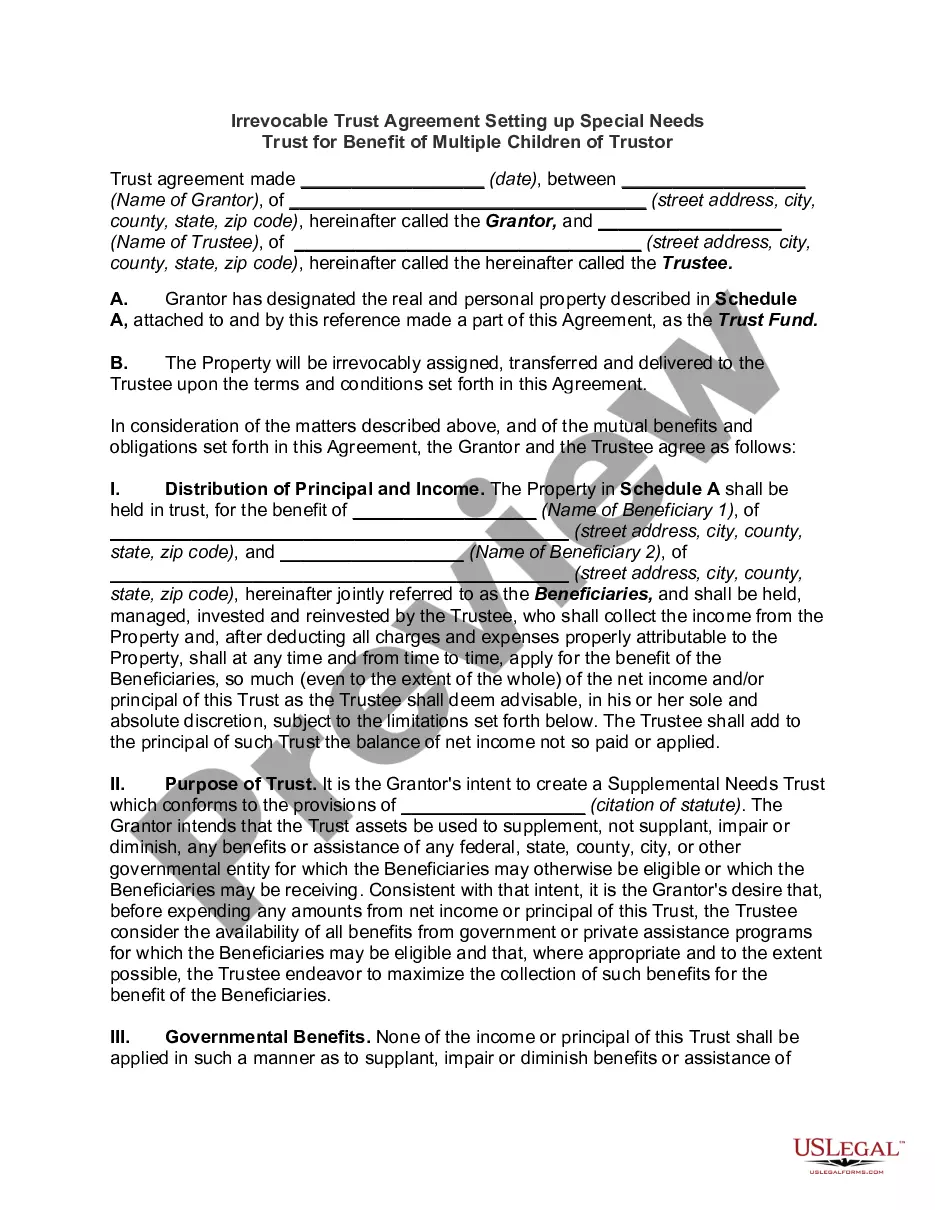
How to fill out Special Needs Irrevocable Trust Agreement For Benefit Of Disabled Child Of Trustor?
- Log in to your US Legal Forms account if you are an existing user. Check the validity of your subscription and renew it if necessary.
- Explore the preview mode to review form descriptions, ensuring you select the right document that aligns with your local jurisdiction.
- If the first document doesn’t meet your needs, utilize the Search tab to find another template that better fits your requirements.
- Once you locate the appropriate document, click the 'Buy Now' button and select your preferred subscription plan to gain access to the extensive library.
- Complete your purchase by entering your credit card details or using your PayPal account for secure payment.
- Download the special needs trust form onto your device, making it easily accessible in the 'My Forms' section of your US Legal Forms account.
With US Legal Forms, individuals can efficiently navigate the complexities of legal document preparation, ensuring accuracy and compliance.
Start safeguarding your loved one's future today by utilizing the premier legal document service available. Explore US Legal Forms now!
Form popularity
FAQ
One significant mistake parents often make when setting up a trust fund for their senior citizens is failing to communicate their intentions clearly. This can lead to misunderstandings or misuse of funds, undermining the trust's purpose. Another error is not considering the impact on eligibility for government benefits, which can affect financial security. Engaging with professionals can help ensure that your intentions are understood and legally sound.
Setting up a special needs trust for senior citizens can have potential downsides, including costs associated with establishing and maintaining the trust. There may also be limitations on how funds can be used, which could restrict financial flexibility. Additionally, not all expenses may be covered by the trust, which might necessitate careful planning. A legal expert can help you weigh these factors effectively.
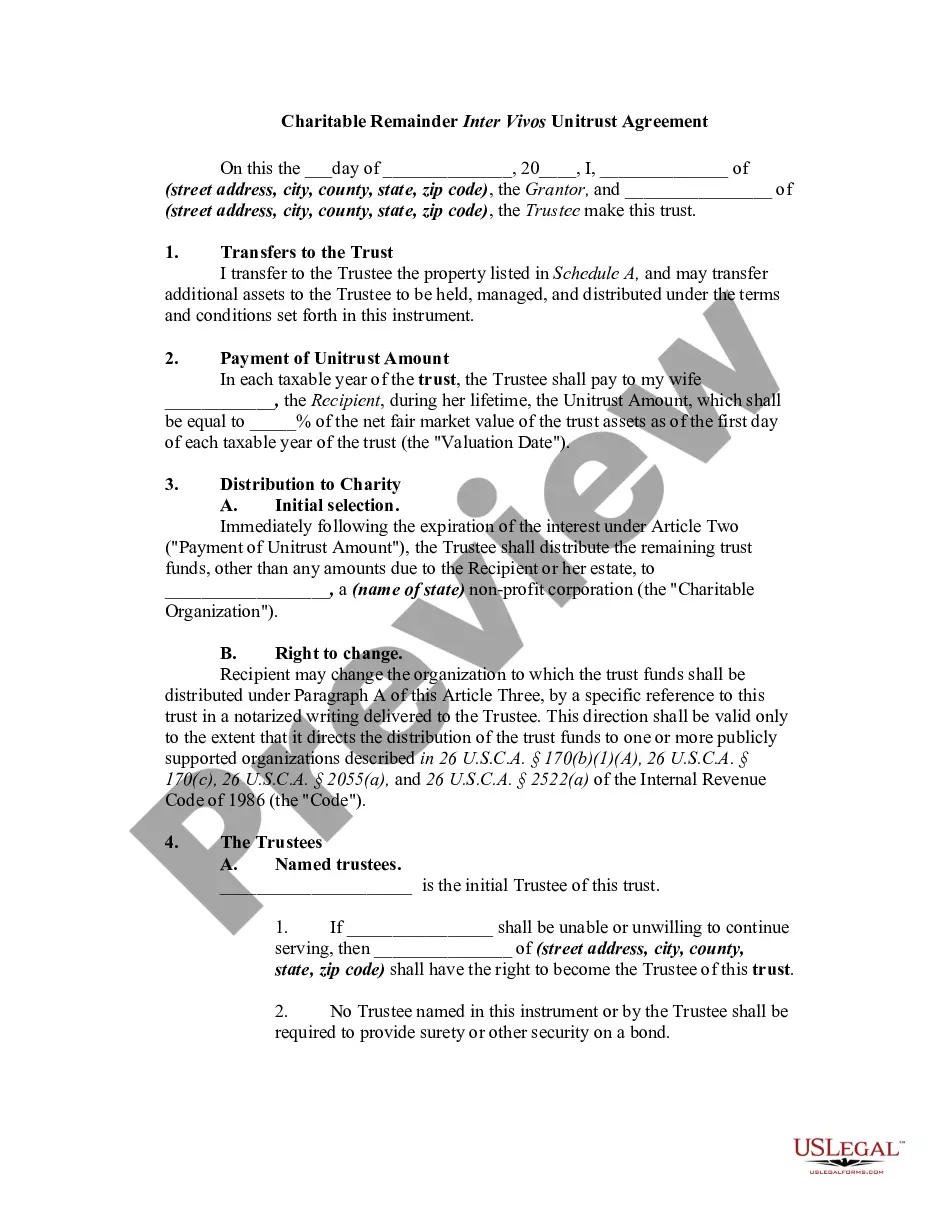
To qualify for a special needs trust for senior citizens, individuals must have a disability that qualifies them for government benefits. Typically, the assets in the trust should not exceed the limits set by these programs to maintain eligibility. Proper documentation proving the disability is also necessary. Seeking advice from professionals can clarify the process and help you navigate any complexities.
One common alternative to a special needs trust for senior citizens is a regular revocable living trust. While it allows for more flexibility and control over assets during one's lifetime, it typically does not provide the same protection for government benefits. It’s essential to understand how these options impact your financial situation and eligibility for assistance programs. Consulting with a legal expert can help you make an informed choice.
The three primary types of trusts are revocable trusts, irrevocable trusts, and special needs trusts. Revocable trusts can be altered during the grantor's lifetime, providing flexibility. Irrevocable trusts, however, cannot be changed once established, offering potential tax benefits. Special needs trusts fall under this category, specifically designed to support senior citizens without jeopardizing their benefits.
The three types of special needs trusts include self-settled trusts, third-party trusts, and pooled trusts. Self-settled trusts hold funds from the beneficiary's assets; third-party trusts are funded by others, like family members; and pooled trusts combine the resources of multiple beneficiaries, managed by a nonprofit. Each type serves unique purposes, offering solutions tailored for senior citizens with special needs.
Special needs trusts often come with certain restrictions to maintain eligibility for government benefits. For example, funds in the trust cannot be used for basic living expenses like food and shelter. Instead, the trust is designed to cover supplemental expenses that enhance the quality of life for senior citizens, allowing them to receive support while preserving necessary benefits.
The three types of special needs include physical disabilities, developmental disabilities, and mental health conditions. Each of these needs may require different types of support and resources. Understanding these categories can help in setting up a special needs trust for senior citizens that addresses specific requirements and ensures comprehensive care.
Suze Orman often recommends a revocable living trust for those planning their estates. However, when addressing the needs of individuals with disabilities, she acknowledges the importance of a special needs trust for senior citizens to protect beneficiaries' eligibility for government assistance. Understanding the purpose of each trust type can help you make informed choices that align with your financial and personal goals.
The best trust for the elderly usually hinges on their unique financial situation and goals. A revocable living trust is popular for its flexibility and ease of access to assets. For seniors concerned about preserving government aid, a special needs trust for senior citizens is an excellent option as it can help manage their resources without jeopardizing essential benefits. Always analyze your requirements before deciding.