Special Needs Trust Eligibility
Description
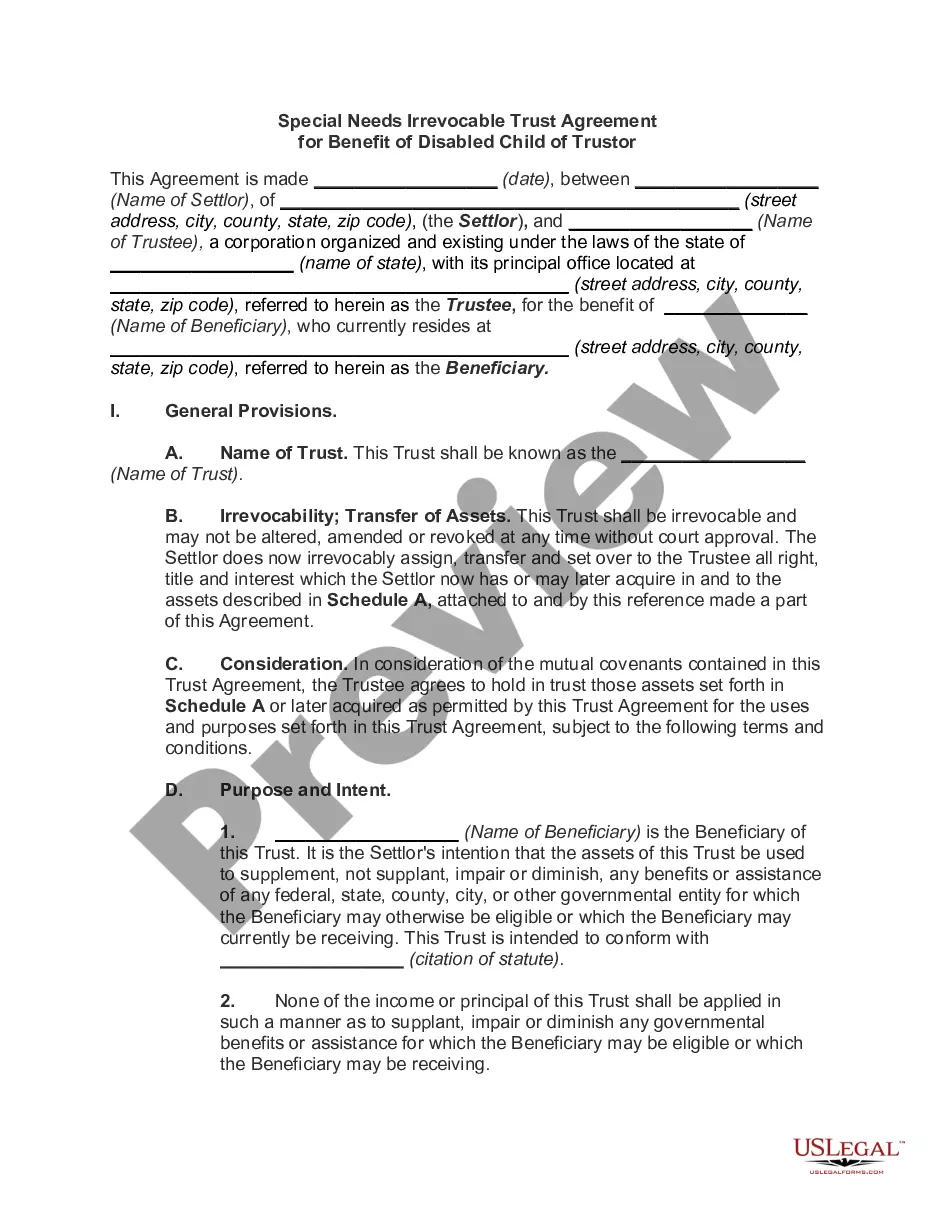
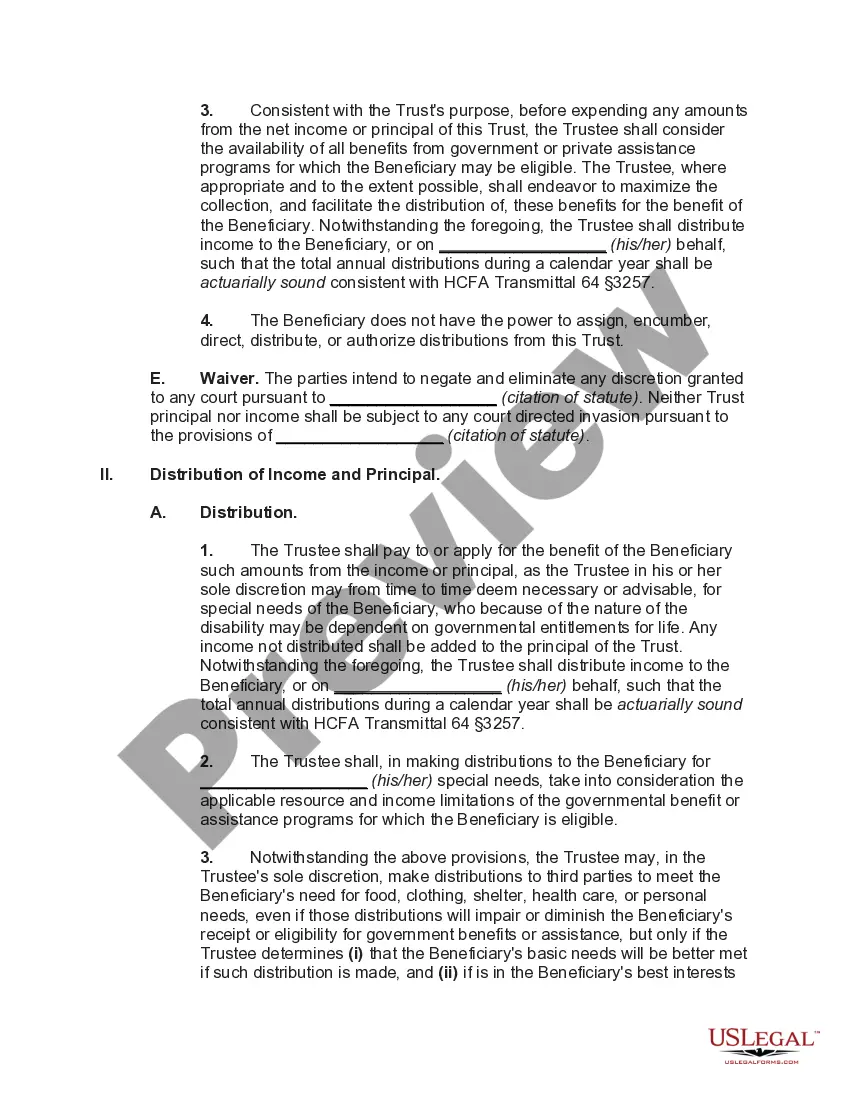
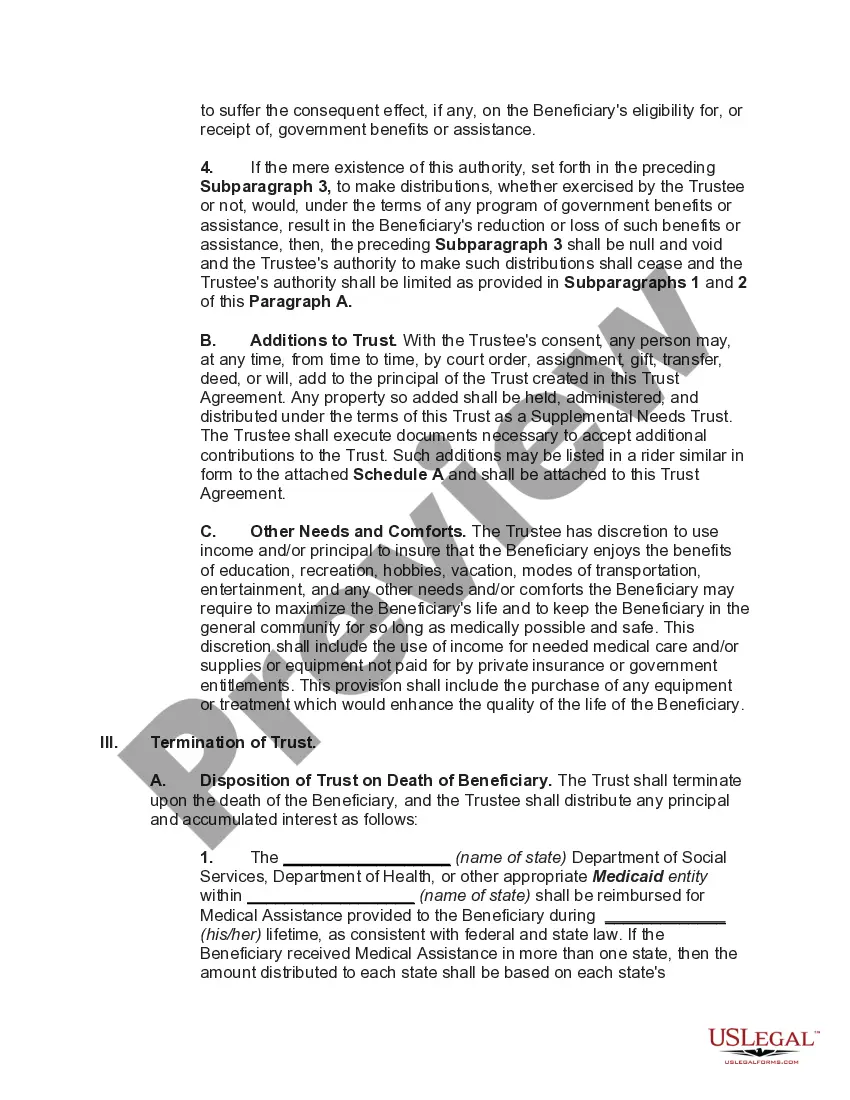
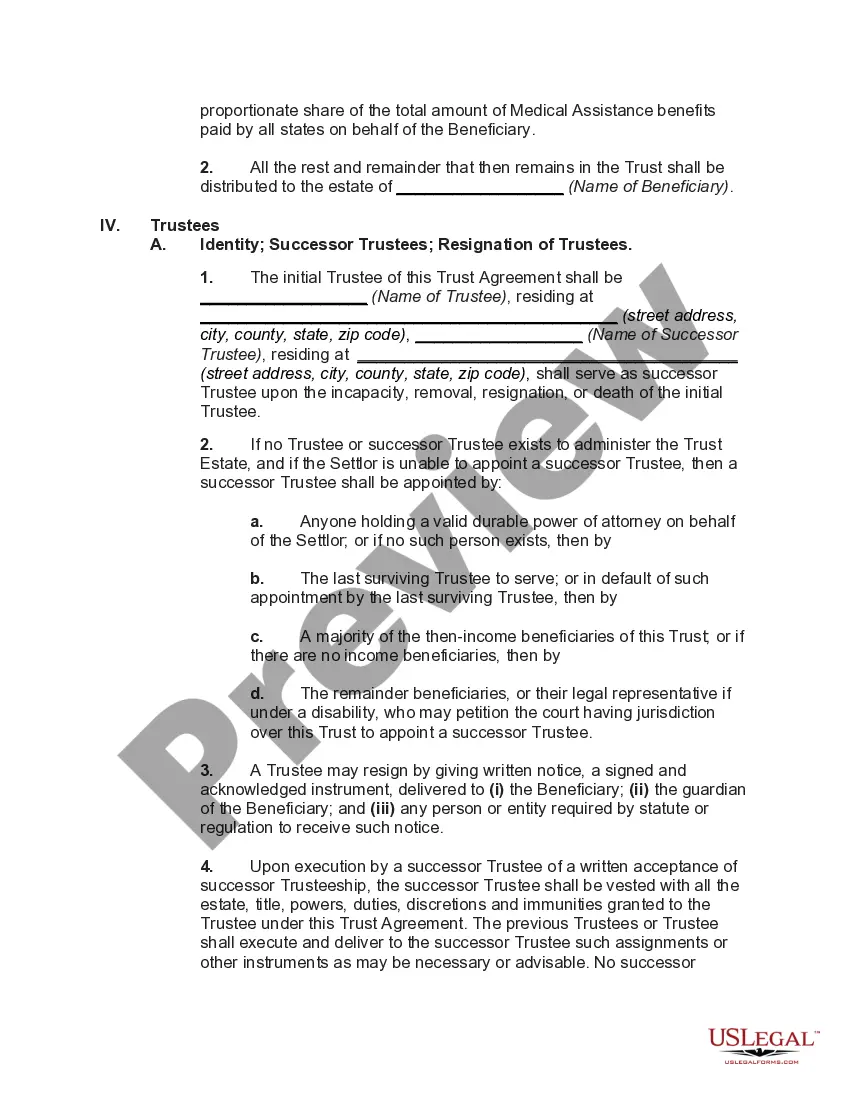
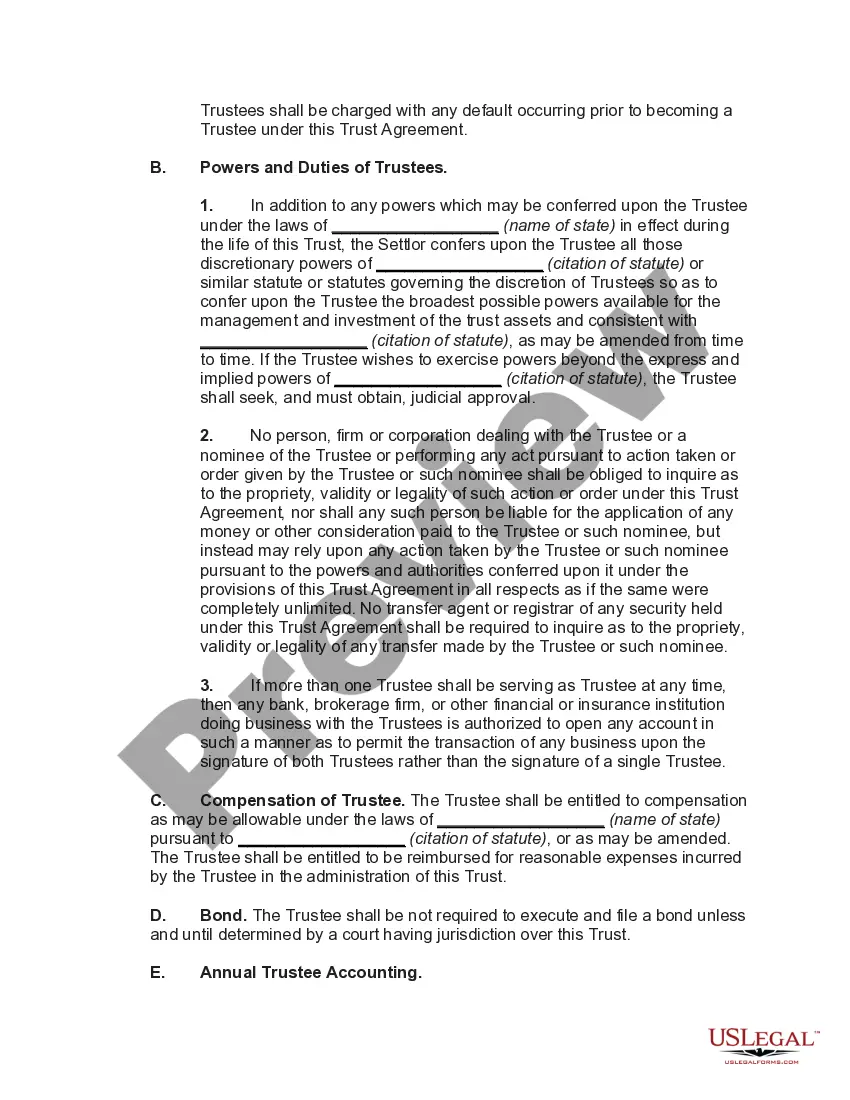
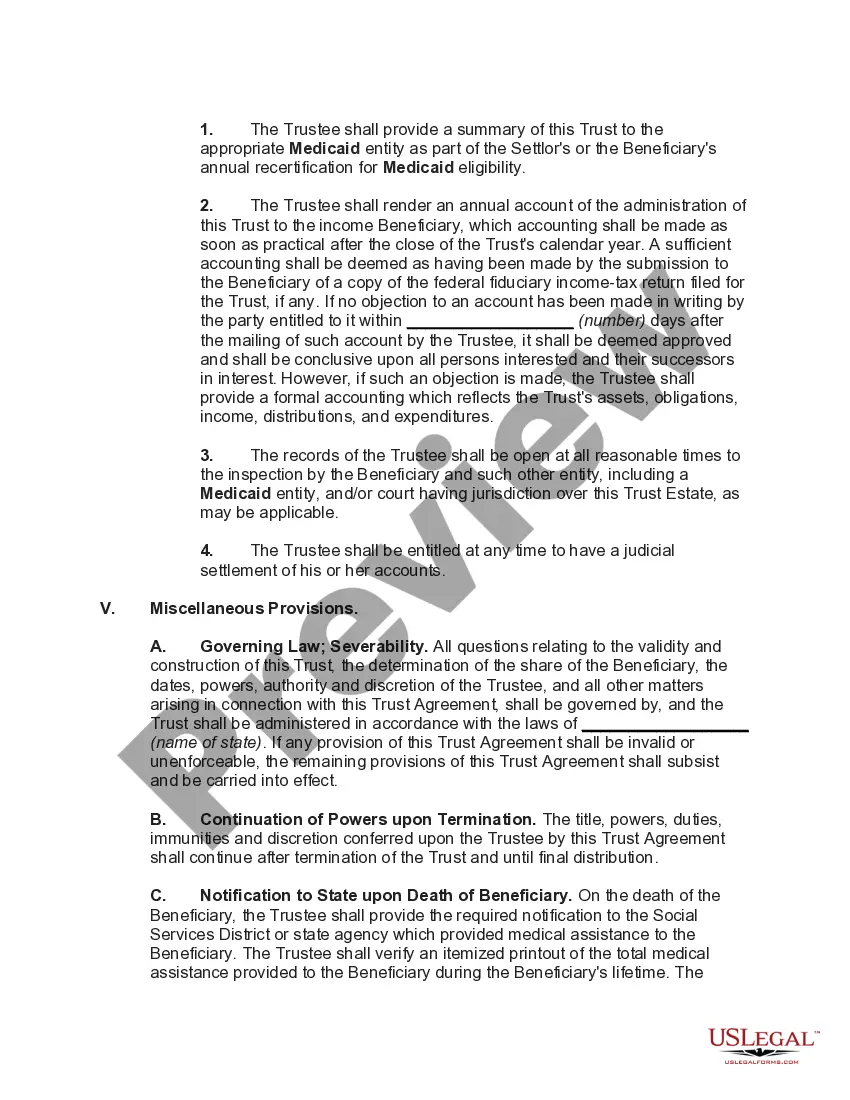
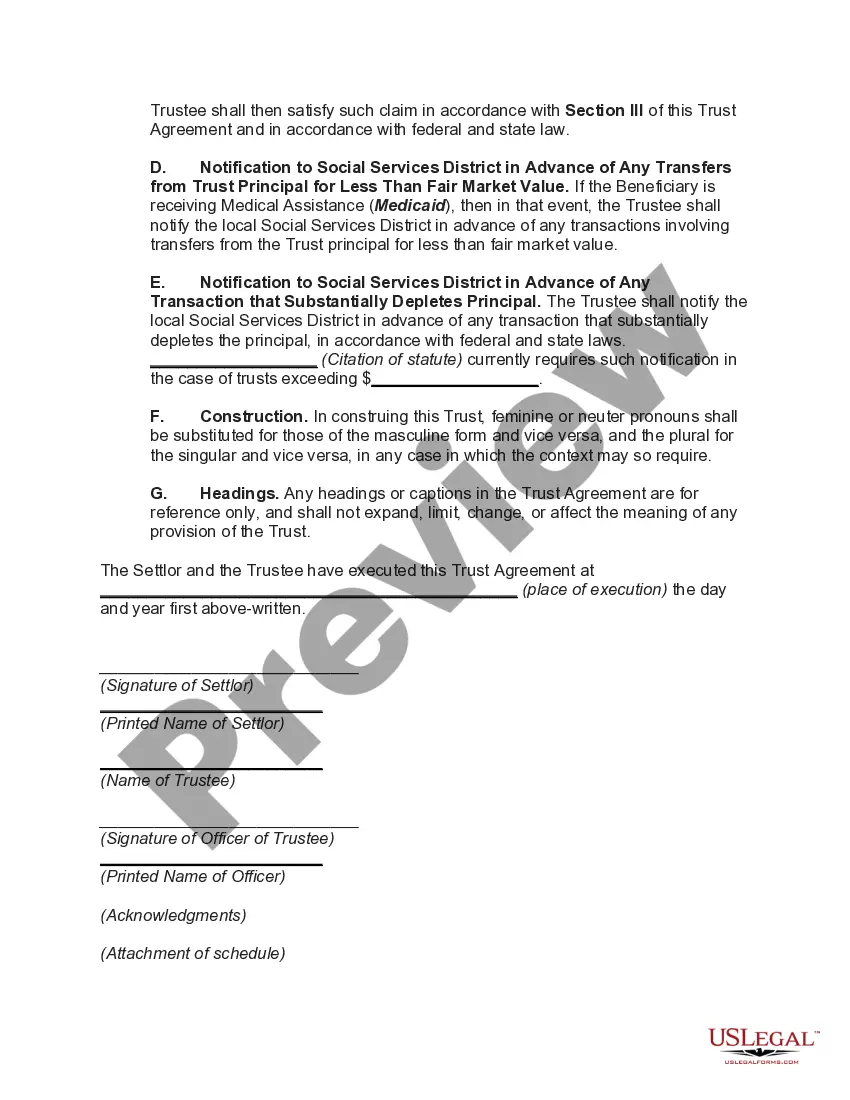
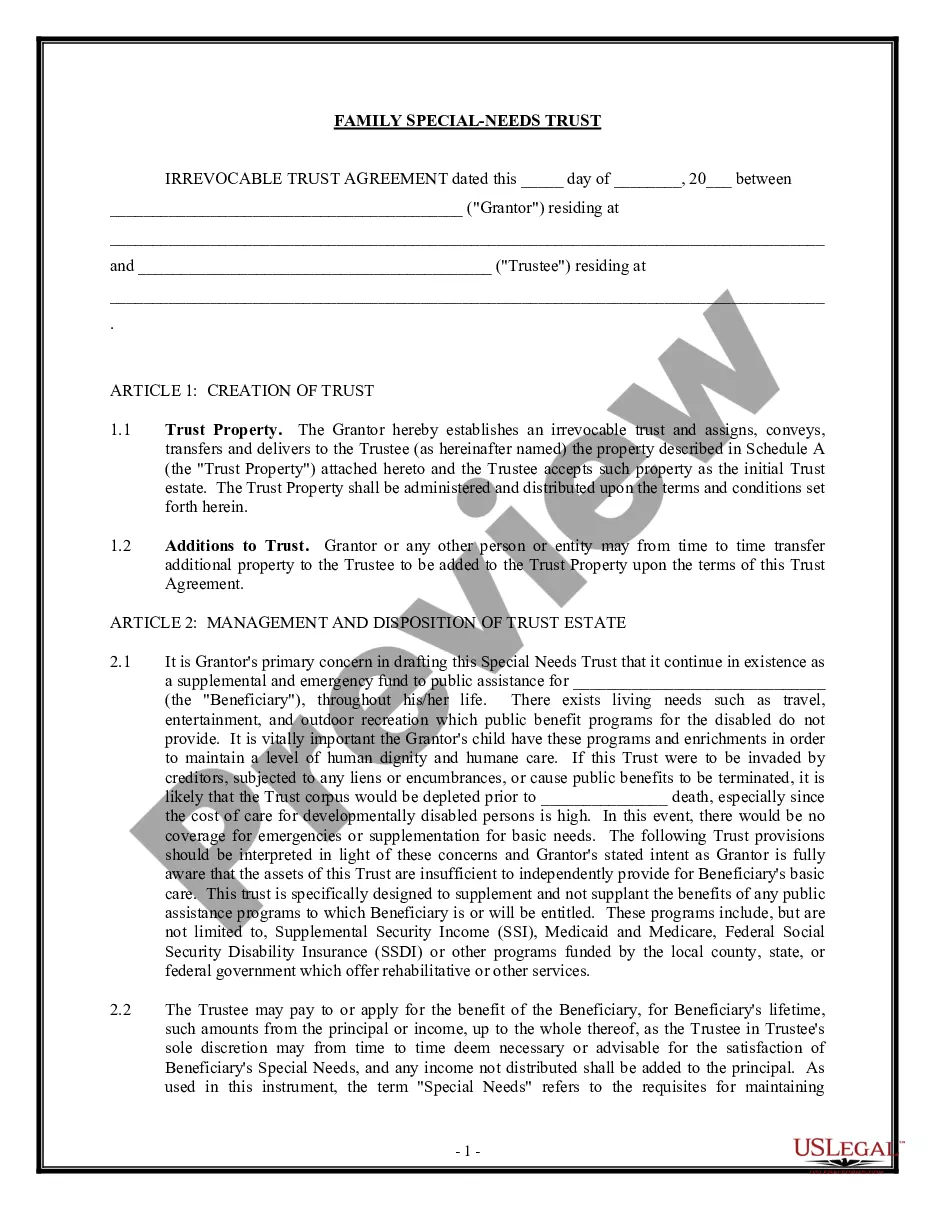


Get your form ready online
Our built-in tools help you complete, sign, share, and store your documents in one place.
Make edits, fill in missing information, and update formatting in US Legal Forms—just like you would in MS Word.
Download a copy, print it, send it by email, or mail it via USPS—whatever works best for your next step.
Sign and collect signatures with our SignNow integration. Send to multiple recipients, set reminders, and more. Go Premium to unlock E-Sign.
If this form requires notarization, complete it online through a secure video call—no need to meet a notary in person or wait for an appointment.
We protect your documents and personal data by following strict security and privacy standards.

Make edits, fill in missing information, and update formatting in US Legal Forms—just like you would in MS Word.

Download a copy, print it, send it by email, or mail it via USPS—whatever works best for your next step.

Sign and collect signatures with our SignNow integration. Send to multiple recipients, set reminders, and more. Go Premium to unlock E-Sign.

If this form requires notarization, complete it online through a secure video call—no need to meet a notary in person or wait for an appointment.

We protect your documents and personal data by following strict security and privacy standards.
Looking for another form?




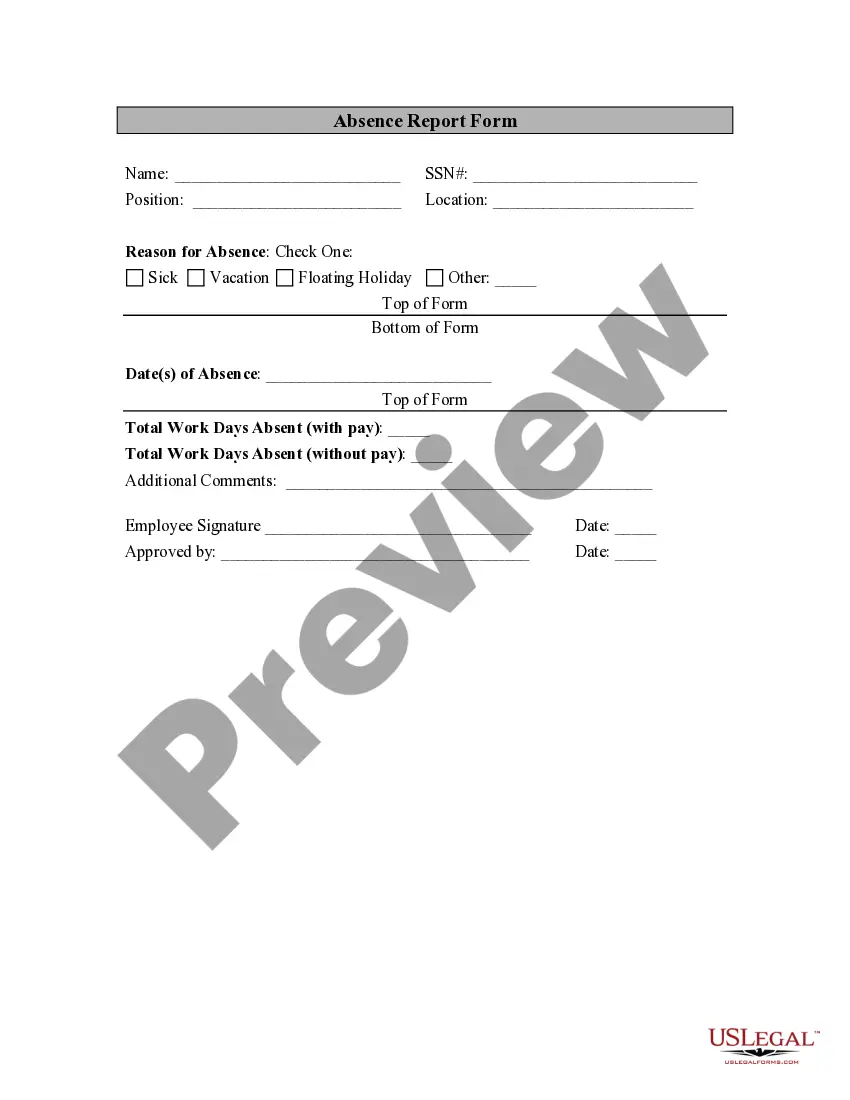


How to fill out Special Needs Irrevocable Trust Agreement For Benefit Of Disabled Child Of Trustor?
- Log into your US Legal Forms account if you're a returning user. Confirm your subscription is active; renew it if necessary to access all features.
- If you're new to the platform, start by reviewing the site for detailed descriptions of forms related to special needs trust eligibility. Make sure to choose the appropriate one that aligns with your local jurisdiction.
- Should you need an alternative template, utilize the Search feature to find the correct document. Ensure it meets all your legal requirements before proceeding.
- Select the form you need. Click on the 'Buy Now' button and choose your desired subscription plan. Creating an account is necessary to access the vast library of resources.
- Complete your purchase using a credit card or PayPal. Ensure all information is accurate for a smooth transaction.
- Download the completed form directly to your device. It will be available in the 'My Forms' section of your account, allowing for easy access whenever you need it.
In conclusion, US Legal Forms equips you with a user-friendly platform filled with a wide range of legal documents, facilitating your journey toward achieving special needs trust eligibility.
Start your process today, and ensure your legal needs are met efficiently and effectively with US Legal Forms!
Form popularity
FAQ
Special needs trusts come with specific restrictions to maintain special needs trust eligibility. For instance, the funds cannot be used for items or services that are covered by government benefits, as this could disqualify the beneficiary from those programs. Understanding these limitations is essential for effective trust management and ensuring that your loved one receives necessary support.
While special needs trusts can provide financial support, several issues might arise. Mismanagement of funds could jeopardize special needs trust eligibility for government benefits, which is a significant concern for many families. Furthermore, ensuring that the trustee understands the unique requirements of managing funds for a special needs beneficiary is equally vital.
Setting up a special needs trust involves a few essential steps. First, consult with a qualified attorney who specializes in special needs trust eligibility to understand the legal framework. Next, outline your goals for your child's care, designate a trustee, and establish the funding for the trust to ensure your child’s needs are met throughout their lifetime.
Yes, a special needs trust can provide funds for clothing, as long as the expenses are considered necessary for the beneficiary’s wellbeing. Special needs trust eligibility allows such expenditures that do not displace government assistance. However, it’s crucial to keep records to clarify that these purchases are for the sole benefit of the individual with special needs.
To determine special needs trust eligibility, individuals must generally have a qualifying disability that impedes their ability to manage financial resources effectively. This can include conditions that affect physical, mental, or emotional well-being. It's essential to consult with a legal expert to ensure the trust meets specific criteria set by state and federal laws.
While special needs trust eligibility provides many advantages, there are some disadvantages to consider. These trusts can have complex management requirements, and establishing one may involve legal fees or ongoing administrative costs. Additionally, if not structured correctly, they might limit benefits from government assistance programs, affecting your loved one's overall financial support.
The filing threshold for a special needs trust is largely determined by the specific income and resource limits set by government programs like SSI and Medicaid. Generally, any income or resources exceeding these limits could impact special needs trust eligibility. It's essential to monitor these thresholds closely to maintain benefits eligibility. Consulting with a legal expert can provide clarity on how to structure the trust to meet these requirements effectively.
The biggest mistake parents often make is failing to consult with a professional when setting up a trust fund. This can lead to improper structuring, which might jeopardize special needs trust eligibility for their children. Parents should prioritize understanding the specific needs of their child and the financial implications of different trust arrangements. Seeking expert advice ensures that the trust operates as intended and maintains compliance with legal requirements.
One alternative to a special needs trust is the use of a pooled trust. With a pooled trust, funds are managed collectively for individuals with disabilities, which can help ensure that they remain eligible for government benefits. Additionally, parents may consider direct gifting or creating an ABLE account, both of which can provide financial support while preserving special needs trust eligibility. However, each option comes with its own set of rules and considerations.
There are several types of trusts designed specifically for disabled individuals, including special needs trusts, pooled trusts, and ABLE accounts. Each of these serves unique functions and offers different levels of protection for assets. Understanding these options is crucial for effectively managing financial resources while upholding special needs trust eligibility.